Volume: 23 Issue: 4 April 2025
FULL TEXT
Objectives: Evidence supports the positive effect of pulmonary rehabilitation as a secondary preventive option in patients who have undergone lung transplant. However, evidence of the effects of a pulmonary rehabilitation program on candidates before lung transplant is scarce. In this study, we assessed the effects of pulmonary rehabilitation before lung transplant on exercise capacity, functional mobility, and quality of life in patients with end-stage pulmonary disease.
Materials and Methods: This was a prospective cohort quasi-experimental study. Patients diagnosed with end-stage pulmonary disease and listed for lung transplant were recruited. All patients received pulmonary rehabilitation for 8 weeks. All patients underwent the 6-minute walk test and the timed up and go test and completed the 8 questions of the SF-36 Short Form Health Survey questionnaire.
Results: Sixty-five patients completed the pulmonary rehabilitation program (mean age of 40 ± 13 years). Significant improvements were shown in the distance covered in the 6-minute walk test, which increased by 57 ± 17 m, and the timed up and go test result decreased by 1.58 seconds. The total SF-36 score increased by 17.9%.
Conclusions: Pulmonary rehabilitation before lung transplant has a positive effect on the exercise capacity, functional mobility, and quality of life of patients listed for lung transplant.
Key words : Exercise capacity, Functional mobility, Health-related quality of life, Lung transplantation
Introduction
Lung transplant (LT) has emerged as a crucial treatment option for a variety of progressive end-stage pulmonary diseases (ESPD) for which traditional medical treatments have failed to achieve the desired results.1 However, the process of LT surgery is not straightforward, and LT candidates often experience lengthy wait times for suitable organ donors. Presently, most centers perform LT with organs from deceased donors, which can have a significant effect on the patient’s physical function and overall health-related quality of life (HRQOL).2-5
Candidates for LT usually develop musculoskeletal impairments secondary to the nature of their lung disease, which consequently results in limited func-tional performance.6,7 Several studies have found that reduced functional performance in patients under-going LT influences post-LT functional recovery.8-11 Inactivity in patients with ESPD contributes to both peripheral and central musculoskeletal weakness and deconditioning, further affecting functional recovery after transplant.12-14 Furthermore, factors such as frequent episodes of infections, use of anti-inflammatory and immunosuppressive drugs, and a sedentary lifestyle result in functional performance limitations and poor HRQOL in these patients.15 Several studies have demonstrated that pulmonary rehabilitation (PR) programs improve functional performance and HRQOL of patients with advanced lung disease who are on the wait list for LT.3,16-18 Pulmonary rehabilitation before LT is generally recommended for all candidates on the wait list for LT at most LT centers.19-22
Saudi Arabia faces a substantial health care challenge as the incidence of lung diseases continues to increase.1 Pulmonary rehabilitation is a critical aspect of health care, particularly in regions with a high prevalence of lung-related conditions. The statement on PR from the American Thoracic Society and European Respiratory Society emphasizes the importance of improvement in functional capacity and HRQOL in LT candidates.5 However, despite the urgent need for effective interventions in Saudi Arabia, few studies have investigated the effectiveness of PR before LT in Saudi Arabia. Awareness of the specific challenges and nuances of lung disease management in Saudi Arabia is crucial for tailoring effective interventions and improving patient outcomes. Therefore, the overarching aim of this study was to evaluate the effect of the pre-LT PR on exercise capacity, functional mobility, and HRQOL in patients with ESPD awaiting LT.
Materials and Methods
Study design and participants
This was a quasi-experimental study in which patients with ESPD listed for LT at King Faisal Specialist Hospital and Research Centre, Saudi Arabia, were recruited for participation in the study from June 2021 to June 2024. Clinically stable adult patients with ESPD while awaiting LT were included. Patients were excluded if they had undergone PR, had severe cardiac disease or neurological disorders, had oxygen saturation at the resting position of less than 70%, or required supplemental oxygen of more than 6 liters. This study was conducted in accordance with the principles outlined in the Declaration of Helsinki and was approved by Institutional Review Board of the King Faisal Specialist Hospital and Research Centre (IRB No. RAC2221252). Written informed consent was obtained from all the patients after they were informed of the purpose and details of the study.
Sample size calculation
To determine the sample size, we used a minimal detectable change in distance of 35 m in the 6-minute walk test (6MWT) that would indicate a clinically meaningful improvement beyond the measurement variability. We set a significance level of P = .05 (2-tailed) and a power of 80%, assuming SD of 60 m for the 6MWT. This standard deviation is consistent with values reported in similar populations in prior studies. We estimated that a minimum sample size of 45 participants was required. This would allow us to detect a clinically significant improvement of 35 m in the 6MWT following PR.
Anthropometric measures
Weight and height of all patients were measured while barefoot and wearing lightweight clothing using a stadiometer (Seca). Subsequently, body mass index (BMI) was calculated and recorded.
Outcome measures: lung function
All patients had their lung function measured prior to PR, according to the American Thoracic Society statement.16 The forced expiratory volume in 1 second and the forced vital capacity were recorded, as was the ratio between these 2 measurements.
Outcome measures: 6-minute walk test
The 6MWT was conducted on a straight 30-m course following the established guidelines.23 All patients underwent the 6MWT with their supplemental oxygen in accordance with a standard protocol and received the same set of instructions before and during the test, according to the guidelines.23 The use of oxygen during the 6MWT was prescribed by the treating physician. The rate of breathlessness was measured before and after PR using the modified Borg scale.
Outcome measures: timed up and go test
All patients underwent the timed up and go (TUG) test using a standard chair (seat height, 45 cm), and standardized instructions were given.24 The patients were positioned with their backs supported against the chair. They were instructed to stand up, walk 3 m to a mark on the floor, cross the mark, turn around, walk back to the chair, and sit down. Patients were asked to walk at a comfortable pace. A stopwatch was started on the verbal command “go” and stopped as the patient sat down, and the time was measured in seconds.
Outcome measures: 36-Item Short Form Health Survey questionnaire
All patients completed the 36-Item Short Form Health Survey questionnaire (SF-36). The SF-36 questionnaire is a well-established and validated instrument designed to evaluate HRQOL. The SF-36 is a shortened version of the original 36-item questionnaire and measures 8 domains: physical functioning, physical role, bodily pain, general health, vitality, social functioning, emotional role, and mental health.25
Intervention protocol
The intervention program was adapted from the guidelines of the American Association of Cardiovas-cular and Pulmonary Rehabilitation Program (AACVPR) and tailored for each patient.20 Heart rate and peripheral oxygen saturation were monitored using pulse oximetry during and after each session. The patients on home oxygen treatment received supplemental oxygen during the session in accor-dance with the European Respiratory Society standards.26
The intervention program included the following: breathing exercise training (ie, diaphragmatic breathing, spirometry exercise, proprioceptive neuro-muscular facilitation) with 10 repetitions every awaking hour; aerobic exercises, including cycling using either upright or recumbent cycle (TRS 4000 recumbent, NuStep) and associated software (R70, Vision Fitness; EC-3500, Cat Eye; or U70, Vision Fitness), beginning with a 60% of maximum work load; and treadmill walking with a starting speed of 60% of the patient’s speed on the 6MWT, and the rate was increased weekly by 0.3 km/h. Patients also underwent resistance exercises, starting with an initial load of 30% of 1 repetition maximum for upper limb and 40% for lower extremity with 8 to 10 repetitions per set of exercise. The number of sets was 1 to 3 sets based on the patient’s tolerance. The load was increased weekly by 0.5 kg according to the patient’s tolerance, with an emphasis on safety. The patients attended 5 supervised exercise sessions 3 times per week, as well as 2 days of home exercise program. Patients were also provided education about human anatomy and physiology and provided guidance regarding methods to manage breath-lessness and stress.
The intensity of training was maintained within a continuous moderate intensity level based on the patient’s symptoms, heart rate, and rating of perceived exertion. The duration of the cycling and treadmill walking was started at 5 minutes and increased weekly by 2 to 3 minutes to reach a goal of a minimum of 20 minutes of continuous aerobic exercise. Strengthening and resistance exercises were focused on the upper extremity muscles, such as biceps and triceps, and lower extremity muscles, such as quadriceps, hamstrings, and hip muscles.27 All patients had been evaluated and treated by a certified pulmonary physical therapist from the AACVPR.
The exercise prescription was tailored to each patient based on the patient’s symptoms, resting heart rate, and the rating of breathlessness. Supple-mental oxygen was titrated by the treating therapist to maintain peripheral oxygen saturation at or above 88%.20 Oxygen levels were monitored, and the supply tanks were replaced as needed to minimize interruptions in the patient’s exercise. The assess-ments for all study outcomes were conducted at the end of the 8-week PR program.
Statistical analyses
We used Stata software (version 16; StataCorp) for statistical analyses. We expressed data as mean values and SD for parametric variables. Before conducting parametric tests, we checked the normality of the data with the Shapiro-Wilk test to ensure that the assumption of normal distribution was met. Percentage changes were calculated for each variable in each group. We used repeated measures analysis of variance to assess changes in the mean of the outcome measures of interest within the groups before and after the intervention. The level of significance was set at P < .05.
Results
Baseline characteristic
Among patients awaiting LT, 67 patients were initially enrolled in the study, with 65 successfully completing the 8-week PR program (Table 1). Two patients had to discontinue the PR program prema-turely due to worsening health conditions that necessitated hospitalization. Most participants were male patients, with a mean BMI of 23.34 ± 4.99 kg/m2. Baseline measurements revealed that the patients reported an average walking distance of 180 ± 51 m during the 6MWT and completed the TUG test in an average of 9.86 ± 2.33 seconds. The most prevalent lung disorders among the patients were bronchiectasis and interstitial lung disease.
Functional performance
After an 8-week PR program, patients with ESPD showed a significant increase in distance covered during the 6MWT, with a substantial improvement of 57.4 m (Table 2). Similarly, functional mobility, as reflected by the time taken for the TUG test to complete, significantly decreased by 1.58 seconds. Neither the 6MWT nor the TUG test was associated with age. Results showed that patients with ESPD had physical functioning score increased by nearly 2-fold (29.6 ± 14.92 to 54.28 ± 7.13; P < .011) and improved physical health score by more than 50% (39 ± 8.29 to 60.0 ± 26.02; P = .001). Improvement in the 6MWT was significantly associated with func-tional mobility (r = 0.47; P < .016) and improved physical functioning (r = 0.47; P < .05).
The rate of breathlessness according to the modified Borg score significantly decreased from a mean score of 5 ± 1.67 before PR to 3 ± 0.98 after PR (P < .001). The effect size (the Cohen d maximum likelihood estimator) was substantial at 1.49, indi-cating a significant reduction in the breathlessness levels. Peripheral oxygen saturation significantly increased by 3% after PR (P < .001). The effect size (the Cohen d) was -1.11, signifying a substantial impro-vement in oxygen saturation levels. The oxygen supplementation requirement significantly decreased by 1 liter after PR (P < .001). The effect size was found to be 0.672. This reduction was significantly associated with improved exercise capacity (r = 0.51; P < .006) and functional mobility (r = 0.44; P < .013).
HRQOL after pulmonary rehabilitation
Patients with ESPD demonstrated significant impro-vements in the physical and mental component of the SF-36, except for bodily fatigue and emotional well-being, which did not show statistical signi-ficance (Table 3). The total score of SF-36 after PR was significantly associated with improvement in the 6MWT.
Discussion
This is the first large prospective study to evaluate the effects of PR on functional performance, including exercise capacity and functional mobility, and HRQOL in patients with ESPD awaiting LT. Our study showed that customized PR led to improvements in exercise capacity, functional mobility, and HRQOL.
Despite an increase in the number of patients with ESPD who need LT, limited data worldwide are available on the effect of pre-LT PR on functional performance and HRQOL. Many PR programs encourage the enrollment of patients with ESPD in PR before LT, with the goal of restoring the independence of individuals, relieving symptoms, reducing disability, and increasing exercise capacity.21 In the context of our study, an 8-week comprehensive PR regimen led to a significant improvement in exercise capacity. The 6MWT is commonly used in candidates before LT and in recipients after LT to evaluate exercise capacity and fitness and to monitor the effect of therapeutic interventions.12 Notably, the 6MWT is associated with physiological indexes obtained from cardiopulmonary exercise testing and has a good prognostic value for pre-LT candidates.28,29 A number of previous studies have reported similar improvement in exercise capacity, for which a significant increase in the 6MWT was observed in LT candidates after a similar intervention period.29-33 For example, Kilic and colleagues documented a substantial mean increase of 60 m in the 6MWT among LT candidates.32 Similarly, Kerti and col-leagues reported a significant increase in the distance covered during the 6MWT by 60 m after 4 weeks of a structured PR program in Hungarian pre-LT patients.33
Potential mechanisms might contribute to improvement of exercise capacity, including reduced rates of breathlessness, which is reflected also by our study findings. Increased sensation of breathlessness hinders candidates from participation in exercise or performing typical daily activities. Breathlessness is multifactorial in patients with chronic lung disease, and other extrapulmonary factors play a significant role.32 The association of breathlessness with exercise intolerance may be related to faulty perception of afferent signals processed by the brain, which could lead to false stimulus of breathlessness, which is characterized by increased anxiety and insecurity.30-32 Increased anxiety has been shown to be associated with increased breathlessness. Gradual exercise increment based on the candidate’s exercise capacity and gradual build-up of exercise tolerance under medical supervision could be a factor to improve personal confidence and reduce anxiety.13 Similar to our study, a prospective Turkish study on 39 patients awaiting LT who underwent PR reported significant improvements in exercise capacity and psychological status, although the period of the PR program was only 3 weeks.34
Unlike previous studies, in our present study, we used the TUG test as an indicator of functional mobility and balance. The TUG test is an integrated measure of lower extremity muscle strength, gait speed, balance and cognition, and reflection of common daily activities.17,33-36 Our results indicated that the comprehensive PR led to improvement in functional mobility; that is, patients demonstrated an increased muscle strength in lower extremities and improvements in gait speed and balance, which is reflected by a shorter duration to complete the test compared with the pre-PR results. These findings align with a previous study on PR that demonstrated a minimal effect on the outcomes of clinical balance tests in patients with chronic obstructive pulmonary disease.37
Furthermore, HRQOL remains a paramount objective in the realm of medical and rehabilitation interventions and holds equal importance versus other clinical and physical measures. Enhanced HRQOL is crucial goal of PR for patients with ESPD.38,39 In our present study, we observed signi-ficant effects of PR on the total score of SF-36 and its domains. Notably, candidates awaiting LT experienced marked improvement in physical function and general health, which are both associated with increased exercise capacity. These findings are in agreement with similar studies of candidates who underwent PR.32-35,39
The findings of our study are important for the management of patients awaiting LT. First, we have provided evidence that pre-LT PR can improve exercise capacity, functional performance, and HRQOL in candidates with ESPD. After an 8-week PR program, patients exhibited significant improvements in the 6MWT results, reduced time to complete the TUG test, improved oxygen saturation levels, and higher scores on the SF-36. These findings support the integration of PR as a standard component of care for LT candidates, emphasizing its role in enhancing physical performance and overall well-being before surgery. In addition, the positive outcomes in HRQOL indicated that addressing functional limitations and psychological distress through tailored PR programs may lead to improved recovery after LT and minimize the risk of complications associated with the LT surgery. In Maury and colleagues, LT successfully improved lung function but initially worsened mus-culoskeletal strength and reduced exercise capacity secondary to corticosteroids and immobilization.40 Nevertheless, such adverse effects could be mitigated by implementing a comprehensive structured PR after LT.40 These findings highlight the need for a multidisciplinary approach involving physio-therapists, thoracic surgeons, and other health care professionals to customize a PR program according to the patient’s needs. Findings indicate avenues for further exploration of innovative PR technologies, such as telerehabilitation and wearable devices, to enhance accessibility and adherence, thereby im-proving patient outcomes. Our study reinforces the importance of proactive PR for patients with ESPD, advocating for its adoption into clinical practice to optimize pre-LT care and potentially improve post-LT recovery.
Our study had some limitations. First, we did not have a control group for comparison. However, withholding PR for those patients awaiting LT would have been unethical. Another limitation is that we did not follow up with patients after LT, because some patients died before LT and some remained on the wait list for LT. It is worth noting that functional capacity was assessed using indirect measures such as the 6MWT, which may not provide a compre-hensive evaluation of all aspects of functional capacity. Direct measurement of functional capacity through more comprehensive tests might yield additional insights in future research.
Conclusions
This study is the first large study in the Middle East to demonstrate the positive effects of PR on patients with ESPD awaiting LT. We advocate for the inte-gration of PR as a standard component of care for these patients to improve their quality of life.
References:
- Meyer KC. Recent advances in lung transplantation. F1000Res. 2018;7:F1000 Faculty Rev-1684. doi:10.12688/f1000research.15393.1
CrossRef - PubMed - Bos S, Vos R, Van Raemdonck DE, Verleden GM. Survival in adult lung transplantation: where are we in 2020? Curr Opin Organ Transplant. 2020;25(3):268-273. doi:10.1097/MOT.0000000000000753
CrossRef - PubMed - Byrd R, Smith P, Mohamedaly O, Snyder LD, Pastva AM. A 1-month physical therapy-based outpatient program for adults awaiting lung transplantation: a retrospective analysis of exercise capacity, symptoms, and quality of life. Cardiopulm Phys Ther J. 2019;30(2):61-69. doi:10.1097/CPT.0000000000000087
CrossRef - PubMed - Erasmus ME, van der Bij W. Death after lung transplantation: improving long term survival despite perilous early postoperative years. Transpl Int. 2020;33(2):128-129. doi:10.1111/tri.13553
CrossRef - PubMed - Hume E, Ward L, Wilkinson M, Manifield J, Clark S, Vogiatzis I. Exercise training for lung transplant candidates and recipients: a systematic review. Eur Respir Rev. 2020;29(158):200053. doi:10.1183/16000617.0053-2020
CrossRef - PubMed - Kerschan-Schindl K, Ebenbichler G, Gruther W, et al. Myostatin and other musculoskeletal markers in lung transplant recipients. Clin Exp Med. 2019;19(1):77-85. doi:10.1007/s10238-018-0532-3
CrossRef - PubMed - Rozenberg D, Wickerson L, Singer LG, Mathur S. Sarcopenia in lung transplantation: a systematic review. J Heart Lung Transplant. 2014;33(12):1203-1212. doi:10.1016/j.healun.2014.06.003
CrossRef - PubMed - Yeung JC, Keshavjee S. Overview of clinical lung transplantation. Cold Spring Harb Perspect Med. 2014;4(1):a015628. doi:10.1101/cshperspect.a015628
CrossRef - PubMed - Kilic A, Beaty CA, Merlo CA, Conte JV, Shah AS. Functional status is highly predictive of outcomes after redo lung transplantation: an analysis of 390 cases in the modern era. Ann Thorac Surg. 2013;96(5):1804-1811; discussion 1811. doi:10.1016/j.athoracsur.2013.05.080
CrossRef - PubMed - Glanville AR, Estenne M. Indications, patient selection and timing of referral for lung transplantation. Eur Respir J. 2003;22(5):845-852. doi:10.1183/09031936.03.00039003
CrossRef - PubMed - Grimm JC, Valero V 3rd, Kilic A, et al. Preoperative performance status impacts perioperative morbidity and mortality after lung transplantation. Ann Thorac Surg. 2015;99(2):482-489. doi:10.1016/j.athoracsur.2014.09.038
CrossRef - PubMed - Langer D. Rehabilitation in patients before and after lung transplantation. Respiration. 2015;89(5):353-362. doi:10.1159/000430451
CrossRef - PubMed - Pehlivan E, Balci A, Kilic L, Kadakal F. preoperative pulmonary rehabilitation for lung transplant: effects on pulmonary function, exercise capacity, and quality of life; first results in Turkey. Exp Clin Transplant. 2018;16(4):455-460. doi:10.6002/ect.2017.0042
CrossRef - PubMed - Banga A, Mohanka M, Mullins J, et al. Hospital length of stay after lung transplantation: Independent predictors and association with early and late survival. J Heart Lung Transplant. 2017;36(3):289-296. doi:10.1016/j.healun.2016.07.020
CrossRef - PubMed - Wickerson L, Rozenberg D, Janaudis-Ferreira T, et al. Physical rehabilitation for lung transplant candidates and recipients: an evidence-informed clinical approach. World J Transplant. 2016;6(3):517-531. doi:10.5500/wjt.v6.i3.517
CrossRef - PubMed - Neder JA, Berton DC, O’Donnell DE. Getting the most out of the six-minute walk test. J Bras Pneumol. 2023;49(1):e20230028. doi:10.36416/1806-3756/e20230028
CrossRef - PubMed - Mesquita R, Wilke S, Smid DE, et al. Measurement properties of the Timed Up & Go test in patients with COPD. Chron Respir Dis. 2016;13(4):344-352. doi:10.1177/1479972316647178
CrossRef - PubMed - Reina-Gutiérrez S, Torres-Costoso A, Martínez-Vizcaíno V, Núñez de Arenas-Arroyo S, Fernández-Rodríguez R, Pozuelo-Carrascosa DP. Effectiveness of pulmonary rehabilitation in interstitial lung disease, including coronavirus diseases: a systematic review and meta-analysis. Arch Phys Med Rehabil. 2021;102(10):1989-1997.e3. doi:10.1016/j.apmr.2021.03.035
CrossRef - PubMed - Jastrzebski D, Ochman M, Ziora D, et al. Pulmonary rehabilitation in patients referred for lung transplantation. Adv Exp Med Biol. 2013;755:19-25. doi:10.1007/978-94-007-4546-9_3
CrossRef - PubMed - Ries AL, Bauldoff GS, Carlin BW, et al. Pulmonary Rehabilitation: Joint ACCP/AACVPR Evidence-Based Clinical Practice Guidelines. Chest. 2007;131(5 Suppl):4S-42S. doi:10.1378/chest.06-2418
CrossRef - PubMed - Hoffman M, Chaves G, Ribeiro-Samora GA, Britto RR, Parreira VF. Effects of pulmonary rehabilitation in lung transplant candidates: a systematic review. BMJ Open. 2017;7(2):e013445. doi:10.1136/bmjopen-2016-013445
CrossRef - PubMed - Li M, Mathur S, Chowdhury NA, Helm D, Singer LG. Pulmonary rehabilitation in lung transplant candidates. J Heart Lung Transplant. 2013;32(6):626-632. doi:10.1016/j.healun.2013.04.002
CrossRef - PubMed - ATS Committee on Proficiency Standards for Clinical Pulmonary Function Laboratories. ATS statement: guidelines for the six-minute walk test. Am J Respir Crit Care Med. 2002;166(1):111-117. doi:10.1164/ajrccm.166.1.at1102. Erratum in: Am J Respir Crit Care Med. 2016;193(10):1185. doi:10.1164/rccm.19310erratum
CrossRef - PubMed - Thrane G, Joakimsen RM, Thornquist E. The association between timed up and go test and history of falls: the Tromsø study. BMC Geriatr. 2007;7:1. doi:10.1186/1471-2318-7-1
CrossRef - PubMed - Florian J, Rubin A, Mattiello R, Fontoura FF, Camargo Jde J, Teixeira PJ. Impact of pulmonary rehabilitation on quality of life and functional capacity in patients on waiting lists for lung transplantation. J Bras Pneumol. 2013;39(3):349-356. doi:10.1590/S1806-37132013000300012
CrossRef - PubMed - Lacasse Y, Tan AM, Maltais F, Krishnan JA. Home oxygen in chronic obstructive pulmonary disease. Am J Respir Crit Care Med. 2018;197(10):1254-1264. doi:10.1164/rccm.201802-0382CI
CrossRef - PubMed - van der Mark SC, Hoek RAS, Hellemons ME. Developments in lung transplantation over the past decade. Eur Respir Rev. 2020;29(157):190132. doi:10.1183/16000617.0132-2019
CrossRef - PubMed - Corbellini C, Rossino E, Massaccesi R, et al. Improvements in perimeter thoracic mobility on patients with COPD after pulmonary rehabilitation: a case series. Electron J Gen Med. 2022;19:em361. doi:10.29333/ejgm/11671
CrossRef - PubMed - Florian J, Watte G, Teixeira PJZ, et al. Pulmonary rehabilitation improves survival in patients with idiopathic pulmonary fibrosis undergoing lung transplantation. Sci Rep. 2019;9(1):9347. doi:10.1038/s41598-019-45828-2
CrossRef - PubMed - Gungor H, Fatih Ayik M, Engin C, et al. Transthoracic echocardiographic and cardiopulmonary exercise testing parameters in Eisenmenger’s syndrome. Association with six-minute walk test distance. Herz. 2014;39(5):633-637. doi:10.1007/s00059-013-3880-5
CrossRef - PubMed - Gloeckl R, Jarosch I, Leitl D, et al. Influence of an acute exacerbation during pulmonary rehabilitation in patients with chronic obstructive pulmonary disease awaiting lung transplantation. J Cardiopulm Rehabil Prev. 2021;41(4):267-270. doi:10.1097/HCR.0000000000000613
CrossRef - PubMed - Kilic L, Pehlivan E, Balci A, Bakan ND. Effect of 8-week pulmonary rehabilitation program on dyspnea and functional capacity of patients on waiting list for lung transplantation. Turk Thorac J. 2020;21(2):110-115. doi:10.5152/TurkThoracJ.2019.18202
CrossRef - PubMed - Kerti M, Bohacs A, Madurka I, et al. The effectiveness of pulmonary rehabilitation in connection with lung transplantation in Hungary. Ann Palliat Med. 2021;10(4):3906-3915. doi:10.21037/apm-20-1783
CrossRef - PubMed - Pehlivan E, Balci A, Kilic L, Kadakal F. Preoperative pulmonary rehabilitation for lung transplant: effects on pulmonary function, exercise capacity, and quality of life; first results in Turkey. Exp Clin Transplant. 2018;16(4):455-460. doi:10.6002/ect.2017.0042
CrossRef - PubMed - Pehlivan E, Balci A, Kilic L. The effect of pulmonary rehabilitation on dyspnea and factors related to dyspnea in lung transplantation candidates. Eur Res J. 2020;6(5):395-400. doi:10.18621/eurj.531507
CrossRef - PubMed - Marcon Alfieri F, Abril Carreres MA, Garreta Figuera R, Rizzo Battistella L. Comparison of time taken to complete the Timed Up and Go test (TUG) between elderly adults with and without falls. Rev Esp Geriatr Gerontol. 2010;45(3):174-175. doi:10.1016/j.regg.2010.01.001
CrossRef - PubMed - Beauchamp MK, O’Hoski S, Goldstein RS, Brooks D. Effect of pulmonary rehabilitation on balance in persons with chronic obstructive pulmonary disease. Arch Phys Med Rehabil. 2010;91(9):1460-1465. doi:10.1016/j.apmr.2010.06.021
CrossRef - PubMed - Gilbert CR, Smith CM. Advanced lung disease: quality of life and role of palliative care. Mt Sinai J Med. 2009;76(1):63-70. doi:10.1002/msj.20091
CrossRef - PubMed - Polastri M, Dell’Amore A, Eden A, Pehlivan E. Does preoperative rehabilitation influence the quality of life in patients who are candidates for lung transplant? Exp Clin Transplant. 2022;20(6):543-548. doi:10.6002/ect.2022.0039
CrossRef - PubMed - Maury G, Langer D, Verleden G, et al. Skeletal muscle force and functional exercise tolerance before and after lung transplantation: a cohort study. Am J Transplant. 2008;8(6):1275-1281. doi:10.1111/j.1600-6143.2008.02209.x
CrossRef - PubMed

Volume : 23
Issue : 4
Pages : 292 - 298
DOI : 10.6002/ect.2024.0329
From the 1Organ Transplant Center of Excellence, King Faisal Hospital and Research Center; the 2Department of Rehabilitation Sciences, College of Health and Rehabilitation Sciences, Princess Nourah bint Abdulrahman University; the 3Physical Rehabilitation Department, King Faisal Hospital and Research Center; the 4Pharmacy Department, College of Pharmacy, Nursing and Applied Medical Sciences, Riyadh Elm University; the 5Cardiac Sciences Department, College of Medicine, King Saud University; the 6Rehabilitation Sciences Department, King Saud University, Riyadh, Saudi Arabia; and the 7King Salman Center for Disability Research, Riyadh, Saudi Arabia
Fund: The authors extend their appreciation to the King Salman center For Disability Research for funding this work through Research Group no KSRG-2024-022.
Acknowledgement: The authors extend their appreciation to the King Salman center ForDisability Research for funding this work through Research Group no KSRG-2024-022.
Corresponding author: Ali Albarrati, Rehabilitation Health Sciences Department, College of Applied Medical Sciences, King Saud University, Riyadh, Saudi Arabia 11433
E-mail: albarrati@ksu.edu.sa
Experimental and Clinical Transplantation (2025) 4: 292-298
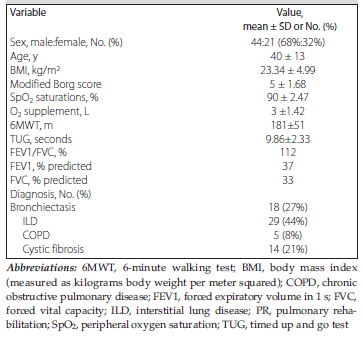
Table 1. Baseline Physical and Clinical Characteristics of the Patients
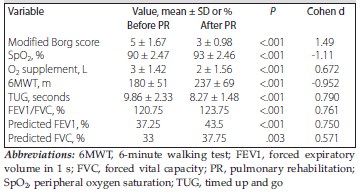
Table 2. Physiological and Functional Changes Before and After Pulmonary Rehabilitation
2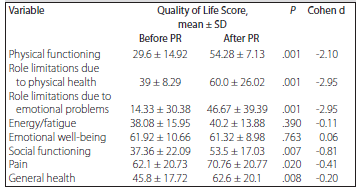
Table 3. Quality of Life Scores After Pulmonary Rehabilitation and Change From Baseline