Volume: 23 Issue: 4 April 2025
FULL TEXT
Abstract: Biomarkers play a crucial role in posttransplant monitoring as they enable early detection of graft dysfunction and rejection, thereby facilitating personalized therapeutic interventions. Although recent studies have demonstrated the potential of donor-derived cell-free DNA in monitoring acute rejection episodes in heart transplant recipients, further investigations are required to enhance its diagnostic accuracy and clinical applicability. Comprehensive clinical trials are warranted to establish standardized threshold values and evaluate the diagnostic utility of donor-derived cell-free DNA in identifying various patterns of allograft injury. A thorough investigation into the molecular mechanisms, clinical applications, and quantification methods of donor-derived cell-free DNA could substantially enhance posttransplant management and patient outcomes.
Key words : Acute rejection, Biomarker, Cardiac allograft vasculopathy
Introduction
Heart transplant remains the definitive treatment for end-stage heart failure, yet acute rejection-induced graft dysfunction substantially affects posttransplant outcomes despite improved survival rates. Although endomyocardial biopsy with histological analysis remains the gold standard for rejection diagnosis per International Society for Heart Lung Transplantation guidelines, its invasive nature and limitations in sensitivity and interobserver variability constrain its utility. Major posttransplant complications include cardiac allograft vasculopathy, acute rejection, malignancy, infections, and renal dysfunction. Notably, 40% of recipients experience acute rejection within the first year, contributing to 12% of early mortality.1,2 Circulating cell-free DNA (cfDNA), particularly donor-derived cfDNA (dd-cfDNA), has emerged as a promising noninvasive biomarker for graft monitoring. Originating from apoptotic and necrotic cells, cfDNA enters circulation and reflects various pathological states. In transplantation, dd-cfDNA creates a unique genomic signature, with technological advances enabling precise quantification through methods like droplet digital PCR and next-generation sequencing. Clinical studies have reported elevated dd-cfDNA levels (3%-4%) during acute rejection, with detectable increases up to 5 months before clinical diagnosis, establishing a compelling scientific basis for dd-cfDNA as a noninvasive biomarker for early rejection detection. This review comprehensively examined the dynamic alterations in cfDNA profiles after cardiac transplant and evaluated the clinical importance of cfDNA as a biomarker for acute rejection and graft vasculopathy detection.
Biological Basis of Cell-Free DNA and Its Applications
Circulating cell-free DNA comprises fragmented DNA molecules circulating in biological fluids, primarily released through cellular apoptosis and necrosis. In healthy individuals, cfDNA mainly originates from hematopoietic cells, circulating as complex molecular structures influenced by various host factors. Sources of cfDNA include nuclear and mitochondrial DNA from apoptotic leukocytes, neutrophil extracellular traps, and epigenetic modifications, with additional contributions from pathological conditions. Cell-free DNA predominantly exists as 150- to 180-base pair mono-nucleosomal structures, although larger fragments up to 21 kilobase pairs may result from necrosis or active release. With a short half-life (from 16 min to 2.5 h), cfDNA is primarily eliminated through renal excretion or macrophage-mediated degradation. During inflammation, tissue-specific cfDNA levels increase, reflecting organ-specific pathologies. In oncology, circulating tumor DNA enables early cancer detection, treatment guidance, and resistance monitoring. Patients with hepatocellular carcinoma have been reported to show elevated cfDNA levels correlating with tumor burden. Analysis of cfDNA methylation through liquid biopsies has revolutionized cancer diagnostics, enabling early detection and treatment monitoring. In prenatal care, cfDNA analysis facilitates noninvasive testing, detecting chromosomal abnormalities from 8 to 10 weeks of gestation. For transplant monitoring, dd-cfDNA exhibits characteristic patterns: initial elevation posttransplant, decline to baseline, and subsequent increases during rejection or complications. Clinical evidence has supported dd-cfDNA as a reliable noninvasive biomarker, with elevated levels preceding biopsy-confirmed rejection by several weeks, demonstrating its clinical utility. Levels of dd-cfDNA typically exhibit a characteristic pattern: initial elevation posttransplant, followed by gradual decline to baseline levels, with subsequent rapid increases during rejection episodes, ischemia-reperfusion injury, or infectious complications. Clinical evidence has established dd-cfDNA as a reliable noninvasive biomarker for diagnosis of early rejection. Longitudinal monitoring has revealed substantial dd-cfDNA elevation preceding biopsy-confirmed acute rejection by several weeks, underscoring its clinical utility in preemptive rejection management.3-5
Levels of Cell-Free DNA After Heart Transplant
As a result of continuous cellular turnover, cfDNA is continuously released into circulation after transplant organ implantation (Table 1). This biological process enables longitudinal monitoring of dd-cfDNA levels, establishing its utility as a diagnostic biomarker for disease states. Under physiological homeostasis, cfDNA concentrations are maintained within a tightly regulated low range. In healthy individuals, baseline circulating cfDNA concentrations typically range from 0 to 100 ng/mL. Single-center study data demonstrated that elevated dd-cfDNA levels serve as an early detection marker for acute rejection after heart transplant, with substantial elevation preceding histological confirmation by endomyocardial biopsy. The pivotal multicenter D-OAR study, involving 740 patients, revealed that the mean dd-cfDNA level was 0.12% in patients without pathological antibody-mediated rejection grade 1. A cohort study of 52 transplant recipients demonstrated a median donor fraction of 0.08% at 14 days posttransplant. Notably, this value increased significantly to 0.19% during rejection episodes, with corresponding elevation in absolute dd-cfDNA levels from a baseline of 8.8 copies/mL to 23 copies/mL during rejection. The concentration of blood dd-cfDNA typically peaks immediately after solid-organ transplant and subsequently follows a characteristic decline pattern. Postoperative monitoring revealed a mean dd-cfDNA level of 3.8% at 24 hours after heart transplant, decreasing to <1% by postoperative day 7. A multicenter prospective observational study reported median cfDNA levels of 0.43% in the acute cellular rejection (ACR) group versus 0.10% in healthy controls, demonstrating a progressive decline after treatment. Importantly, patients experiencing cardiovascular events (including cardiac arrest, mechanical support requirement, or mortality) exhibited significantly elevated dd-cfDNA levels compared with event-free patients, with values of 2.11% versus 0.31% at baseline and 0.51% versus 0.22% at day 14, respectively. In a separate analysis of 171 heart transplant recipients with over 1800 dd-cfDNA measurements, researchers observed an initial elevation in dd-cfDNA levels posttransplant, followed by a characteristic phase 1 logarithmic decay pattern, reaching 0.13% by postoperative day 28. Hidestrand and colleagues performed quantitative polymerase chain reaction (qPCR) with 94 single-nucleotide polymorphisms (SNPs) to quantify (dd-cfDNA) donor-derived cell-free DNA in 32 cardiac transplant recipients. At a rejection threshold of 1%, the assay detected all rejection episodes (sensitivity: 100%; specificity: 84%).6-9
Relationship Between Donor-Derived Cell-Free DNA and Rejection
Relationship with acute rejection after heart transplant: Cardiac allograft rejection is classified into ACR and antibody-mediated rejection (AMR), potentially leading to graft dysfunction, failure, and increased mortality. Although conventional noninvasive diagnostics often lack sufficient sensitivity, dd-cfDNA has emerged as a promising biomarker for graft injury in transplantation. Elevated dd-cfDNA levels have demonstrated a predictive value for acute rejection, often preceding histological confirmation by endomyocardial biopsy. For optimal assessment of dd-cfDNA as a biomarker of acute rejection, plasma sample collection should precede endomyocardial biopsy procedures. In a multicenter study of 740 patients, use of dd-cfDNA achieved 44% sensitivity and 97% negative predictive value at a 0.2% threshold. Multiple studies have consistently correlated elevated dd-cfDNA with acute rejection episodes. In a seminal 2011 study from Snyder and colleagues, a 1.7% diagnostic threshold with 0.84 area under the curve (AUC) was identified for detecting grade ?2R/3A rejection, and a subsequent study of 65 recipients established a 0.25% threshold with 0.83 AUC, 58% sensitivity, and 93% specificity. Recent advancements in fluid-based assays have enhanced noninvasive monitoring of rejection. Agbor-Enoh and colleagues demonstrated 81% sensitivity and 85% specificity for ACR 2R/AMR detection at 0.92 AUC, with AMR showing 5-fold higher dd-cfDNA levels and distinct molecular characteristics compared with ACR. In a longitudinal study of 87 recipients, Knüttgen and colleagues reported 76% sensitivity and 83% specificity at a 0.35% threshold. Other studies established diagnostic thresholds of 0.11% (64.2% sensitivity, 70.8% specificity), 0.13% (86% sensitivity, 67% specificity), and 0.1% (92% sensitivity, 56% specificity), 0.15% (65% sensitivity, 93% specificity). Variability in studies likely stemmed from inconsistent protocols and sample size heterogeneity. Although dd-cfDNA has shown a high sensitivity for graft injury, its specificity is limited by concurrent conditions like viral infections. Clinical interpretation requires correlation with additional diagnostic parameters.10-15
Relationship with cardiac allograft vasculopathy after heart transplant: Cardiac allograft vasculopathy (CAV) persists as the primary etiology of long-term graft failure and late mortality in heart transplant recipients. Despite previous associations between peripheral biomarkers of inflammation/angiogenesis and CAV, reliable noninvasive diagnostic markers remain elusive. Although dd-cfDNA has shown excellent utility for excluding cellular rejection, its efficacy as a CAV biomarker requires further validation. In a cohort study of 65 patients stratified by dd-cfDNA levels (?0.12% vs <0.12%), prevalence of CAV was shown in 63% and 35% of high and low dd-cfDNA groups, respectively. The study reported that elevated dd-cfDNA levels correlated with moderate to severe CAV progression, suggesting CAV as a potential etiology for dd-cfDNA elevation in rejection-free patients, although confirmatory studies are warranted. In a single-center prospective study of 94 heart transplant recipients (median 10.9 y posttransplant), dd-cfDNA levels were measured during routine 1-year coronary angiography. Angiographic findings demonstrated CAV distribution as follows: 61% with CAV0, 19% with CAV1, 14% with CAV2, and 6% with CAV3. No significant differences emerged in dd-cfDNA levels between CAV0 and CAV1-3 groups (0.92% [interquartile range, 0.46-2.0] vs 0.46% [interquartile range, 0.075-1.5]) or between stable and progressive CAV cases (0.735% vs 0.9%). In a pediatric study of 66 patients that used a donor-genotyping-independent approach, comparable dd-cfDNA levels were shown between CAV and non-CAV groups (0.27% vs 0.55%). Despite these findings, dd-cfDNA has retained important potential as a CAV development biomarker.16-18
Limitations
Although dd-cfDNA has shown important potential for monitoring of rejection in cardiac transplant recipients, several limitations persist, including technological limitations in detection methodologies, ongoing debate on absolute threshold values and clinical superiority, and insufficient evidence for establishing optimized quantitative diagnostic criteria. Plasma cfDNA concentrations have shown substantial biological variability, with limited consensus regarding physiological baseline levels in healthy populations. Standardization and optimization of clinical implementation remain crucial, particularly given the inability of dd-cfDNA analysis to differentiate between various genetic mechanisms underlying immune-mediated injury. The development of multianalyte diagnostic panels incorporating dd-cfDNA with complementary biomarkers may enhance diagnostic accuracy and clinical utility. In multiorgan transplant scenarios, dd-cfDNA testing can detect graft injury but lacks organ-specific localization capability.19,20
Conclusions
Circulating cell-free DNA serves as a noninvasive biomarker for allograft injury and demonstrates important potential as a safe and accurate monitoring tool for acute rejection in heart transplant recipients. Nevertheless, additional large-scale, prospective, multicenter clinical trials are needed to establish robust evidence-based medical guidelines. The cfDNA-based liquid biopsy technology is poised to play a pivotal role in advancing noninvasive diagnostic approaches for posttransplant rejection, potentially transforming the clinical paradigm from reactive management to proactive prevention. Current clinical evidence has shown that blood-based diagnostic models exhibit high negative predictive values and particular sensitivity in detection of antibody-mediated rejection. However, additional validation studies are required to establish clinically applicable thresholds for routine implementation. Although cfDNA analysis can effectively identify patients who would benefit most from preoperative biopsy, further research is necessary to elucidate the underlying mechanisms responsible for the observed discrepancy in positive results between adult and pediatric populations.21-23
References:
- Mehra MR, Canter CE, Hannan MM, et al. The 2016 International Society for Heart Lung Transplantation listing criteria for heart transplantation: a 10-year update. J Heart Lung Transplant. 2016;35(1):1-23. doi:10.1016/j.healun.2015.10.023
CrossRef - PubMed - Crespo-Leiro MG, Zuckermann A, Bara C, et al. Concordance among pathologists in the second Cardiac Allograft Rejection Gene Expression Observational Study (CARGO II). Transplantation. 2012;94(11):1172-1177. doi:10.1097/TP.0b013e31826e19e2
CrossRef - PubMed - Wilhelm MJ. Long-term outcome following heart transplantation: current perspective. J Thorac Dis. 2015;7(3):549-51. doi:10.3978/j.issn.2072-1439.2015.01.46
CrossRef - PubMed - North PE, Ziegler E, Mahnke DK, et al. Cell-free DNA donor fraction analysis in pediatric and adult heart transplant patients by multiplexed allele-specific quantitative PCR: validation of a rapid and highly sensitive clinical test for stratification of rejection probability. PLoS One. 2020;15(1):e0227385. doi:10.1371/journal.pone.0227385
CrossRef - PubMed - Lo YM, Han DS, Jiang P, Chiu RW. Epigenetics, fragmentomics, and topology of cell-free DNA in liquid biopsies. Science. 2021;372(6538):eaaw3616. doi:10.1126/science.aaw3616
CrossRef - PubMed - Drag MH, Kilpeläinen TO. Cell-free DNA and RNA-measurement and applications in clinical diagnostics with focus on metabolic disorders. Physiol Genomics. 2021;53(1):33-46. doi:10.1152/physiolgenomics.00086.2020
CrossRef - PubMed - Lo YM, Tein MS, Pang CC, Yeung CK, Tong KL, Hjelm NM. Presence of donor-specific DNA in plasma of kidney and liver-transplant recipients. Lancet. 1998;351(9112):1329-1330. doi:10.1016/s0140-6736(05)79055-3
CrossRef - PubMed - Snyder TM, Khush KK, Valantine HA, Quake SR. Universal noninvasive detection of solid organ transplant rejection. Proc Natl Acad Sci U S A. 2011;108(15):6229-6234. doi:10.1073/pnas.1013924108
CrossRef - PubMed - Knüttgen F, Beck J, Dittrich M, et al. Graft-derived cell-free DNA as a noninvasive biomarker of cardiac allograft rejection: a cohort study on clinical validity and confounding factors. Transplantation. 2022;106(3):615-622. doi:10.1097/tp.0000000000003725
CrossRef - PubMed - Khush KK, Patel J, Pinney S, et al. Noninvasive detection of graft injury after heart transplant using donor-derived cell-free DNA: a prospective multicenter study. Am J Transplant. 2019;19(10):2889-2899. doi:10.1111/ajt.15339
CrossRef - PubMed - Agbor-Enoh S, Shah P, Tunc I, et al. Cell-free DNA to detect heart allograft acute rejection. Circulation. 2021;143(12):1184-1197. doi:10.1161/circulationaha.120.049098
CrossRef - PubMed - Zhang J, Tong KL, Li PK, et al. Presence of donor- and recipient-derived DNA in cell-free urine samples of renal transplantation recipients: urinary DNA chimerism. Clin Chem. 1999;45(10):1741-1746.
CrossRef - PubMed - Snyder MW, Kircher M, Hill AJ, Daza RM, Shendure J. Cell-free DNA comprises an in vivo nucleosome footprint that informs its tissues-of-origin. Cell. 2016;164(1-2):57-68. doi:10.1016/j.cell.2015.11.050
CrossRef - PubMed - Meddeb R, Dache ZA, Thezenas S, et al. Quantifying circulating cell-free DNA in humans. Sci Rep. 2019;9(1):5220. doi:10.1038/s41598-019-41593-4
CrossRef - PubMed - Heitzer E, Auinger L, Speicher MR. Cell-free DNA and apoptosis: how dead cells inform about the living. Trends Mol Med. 2020;26(5):519-528. doi:10.1016/j.molmed.2020.01.012
CrossRef - PubMed - Gall TM, Belete S, Khanderia E, Frampton AE, Jiao LR. Circulating tumor cells and cell-free DNA in pancreatic ductal adenocarcinoma. Am J Pathol. 2019;189(1):71-81. doi:10.1016/j.ajpath.2018.03.020
CrossRef - PubMed - Jahr S, Hentze H, Englisch S, et al. DNA fragments in the blood plasma of cancer patients: quantitations and evidence for their origin from apoptotic and necrotic cells. Cancer Res. 2001;61(4):1659-65.
CrossRef - PubMed - Yao W, Mei C, Nan X, Hui L. Evaluation and comparison of in vitro degradation kinetics of DNA in serum, urine and saliva: a qualitative study. Gene. 2016;590(1):142-148. doi:10.1016/j.gene.2016.06.033
CrossRef - PubMed - Diehl F, Schmidt K, Choti MA, et al. Circulating mutant DNA to assess tumor dynamics. Nat Med. 2008;14(9):985-990. doi:10.1038/nm.1789
CrossRef - PubMed - Martuszewski A, Paluszkiewicz P, Król M, Banasik M, Kepinska M. Donor-derived cell-free DNA in kidney transplantation as a potential rejection biomarker: a systematic literature review. J Clin Med. 2021;10(2):193. doi:10.3390/jcm10020193
CrossRef - PubMed - Gielis EM, Beirnaert C, Dendooven A, et al. Plasma donor-derived cell-free DNA kinetics after kidney transplantation using a single tube multiplex PCR assay. PLoS One. 2018;13(12):e0208207. doi:10.1371/journal.pone.0208207
CrossRef - PubMed - Zhao D, Zhou T, Luo Y, et al. Preliminary clinical experience applying donor-derived cell-free DNA to discern rejection in pediatric liver transplant recipients. Sci Rep. 2021;11(1):1138. doi:10.1038/s41598-020-80845-6
CrossRef - PubMed - Zhu X, Ng HI, Xuan L, et al. Sequencing data of cell-free DNA fragments in living-related liver transplantation for inborn errors of metabolism. Data Brief. 2020;29:105183. doi:10.1016/j.dib.2020.105183
CrossRef - PubMed - Cai Z, Chen G, Zeng Y, et al. Comprehensive liquid profiling of circulating tumor DNA and protein biomarkers in long-term follow-up patients with hepatocellular carcinoma. Clin Cancer Res. 2019;25(17):5284-5294. doi:10.1158/1078-0432.Ccr-18-3477
CrossRef - PubMed - Jamshidi A, Liu MC, Klein EA, et al. Evaluation of cell-free DNA approaches for multi-cancer early detection. Cancer Cell. 2022;40(12):1537-1549.e12. doi:10.1016/j.ccell.2022.10.022
CrossRef - PubMed - Luo H, Wei W, Ye Z, Zheng J, Xu RH. Liquid biopsy of methylation biomarkers in cell-free DNA. Trends Mol Med. May 2021;27(5):482-500. doi:10.1016/j.molmed.2020.12.011
CrossRef - PubMed - Wang JW, Lyu YN, Qiao B, et al. Cell-free fetal DNA testing and its correlation with prenatal indications. BMC Pregnancy Childbirth. 2021;21(1):585. doi:10.1186/s12884-021-04044-5
CrossRef - PubMed - Knight SR, Thorne A, Lo Faro ML. Donor-specific cell-free DNA as a biomarker in solid organ transplantation: a systematic review. Transplantation. 2019;103(2):273-283. doi:10.1097/tp.0000000000002482
CrossRef - PubMed - Bloom RD, Bromberg JS, Poggio ED, et al. Cell-free DNA and active rejection in kidney allografts. J Am Soc Nephrol. 2017;28(7):2221-2232. doi:10.1681/asn.2016091034
CrossRef - PubMed - Brodbeck K, Schick S, Bayer B, et al. Biological variability of cell-free DNA in healthy females at rest within a short time course. Int J Legal Med. 2020;134(3):911-919. doi:10.1007/s00414-019-02240-9
CrossRef - PubMed - Alborelli I, Generali D, Jermann P, et al. Cell-free DNA analysis in healthy individuals by next-generation sequencing: a proof of concept and technical validation study. Cell Death Dis. 2019;10(7):534. doi:10.1038/s41419-019-1770-3
CrossRef - PubMed - Edwards RL, Menteer J, Lestz RM, Baxter-Lowe LA. Cell-free DNA as a solid-organ transplant biomarker: technologies and approaches. Biomark Med. 2022;16(5):401-415. doi:10.2217/bmm-2021-0968
CrossRef - PubMed - Böhmer J, Wasslavik C, Andersson D, et al. Absolute quantification of donor-derived cell-free DNA in pediatric and adult patients after heart transplantation: a prospective study. Transpl Int. 2023;36:11260. doi:10.3389/ti.2023.11260
CrossRef - PubMed - De Vlaminck I, Valantine HA, Snyder TM, et al. Circulating cell-free DNA enables noninvasive diagnosis of heart transplant rejection. Sci Transl Med. 2014;6(241):241ra77. doi:10.1126/scitranslmed.3007803
CrossRef - PubMed - Deshpande SR, Zangwill SD, Kindel SJ, et al. Relationship between donor fraction cell-free DNA and clinical rejection in heart transplantation. Pediatr Transplant. 2022;26(4):e14264. doi:10.1111/petr.14264
CrossRef - PubMed - 36. Hidestrand M, Tomita-Mitchell A, Hidestrand PM, et al. Highly sensitive noninvasive cardiac transplant rejection monitoring using targeted quantification of donor-specific cell-free deoxyribonucleic acid. J Am Coll Cardiol. 2014;63(12):1224-1226. doi:10.1016/j.jacc.2013.09.029
CrossRef - PubMed - Berry GJ, Burke MM, Andersen C, et al. The 2013 International Society for Heart and Lung Transplantation Working Formulation for the standardization of nomenclature in the pathologic diagnosis of antibody-mediated rejection in heart transplantation. J Heart Lung Transplant. 2013;32(12):1147-1162. doi:10.1016/j.healun.2013.08.011
CrossRef - PubMed - Agbor-Enoh S, Tunc I, De Vlaminck I, et al. Applying rigor and reproducibility standards to assay donor-derived cell-free DNA as a non-invasive method for detection of acute rejection and graft injury after heart transplantation. J Heart Lung Transplant. 2017;36(9):1004-1012. doi:10.1016/j.healun.2017.05.026
CrossRef - PubMed - Beck J, Oellerich M, Schulz U, et al. Donor-derived cell-free DNA is a novel universal biomarker for allograft rejection in solid organ transplantation. Transplant Proc. 2015;47(8):2400-2403. doi:10.1016/j.transproceed.2015.08.035
CrossRef - PubMed - Verhoeven J, Hesselink DA, Peeters AMA, et al. Donor-derived cell-free DNA for the detection of heart allograft injury: the impact of the timing of the liquid biopsy. Transpl Int. 2022;35:10122. doi:10.3389/ti.2022.10122
CrossRef - PubMed - Deng MC, Eisen HJ, Mehra MR, et al. Noninvasive discrimination of rejection in cardiac allograft recipients using gene expression profiling. Am J Transplant. 2006;6(1):150-160. doi:10.1111/j.1600-6143.2005.01175.x
CrossRef - PubMed - Sharma D, Subramaniam G, Sharma N, Sharma P. Cell-free DNA in the surveillance of heart transplant rejection. Indian J Thorac Cardiovasc Surg. 2021;37(3):257-264. doi:10.1007/s12055-020-01130-9
CrossRef - PubMed - Sorbini M, Togliatto GM, Simonato E, et al. HLA-DRB1 mismatch-based identification of donor-derived cell free DNA (dd-cfDNA) as a marker of rejection in heart transplant recipients: a single-institution pilot study. J Heart Lung Transplant. 2021;40(8):794-804. doi:10.1016/j.healun.2021.05.001
CrossRef - PubMed - Kim PJ, Olymbios M, Siu A, et al. A novel donor-derived cell-free DNA assay for the detection of acute rejection in heart transplantation. J Heart Lung Transplant. 2022;41(7):919-927. doi:10.1016/j.healun.2022.04.002
CrossRef - PubMed - Nikolova AP, Kobashigawa JA. Cardiac allograft vasculopathy: the enduring enemy of cardiac transplantation. Transplantation. 2019;103(7):1338-1348. doi:10.1097/tp.0000000000002704
CrossRef - PubMed - Daly KP, Seifert ME, Chandraker A, et al. VEGF-C, VEGF-A and related angiogenesis factors as biomarkers of allograft vasculopathy in cardiac transplant recipients. J Heart Lung Transplant. 2013;32(1):120-128. doi:10.1016/j.healun.2012.09.030
CrossRef - PubMed - Richmond ME, Zangwill SD, Kindel SJ, et al. Donor fraction cell-free DNA and rejection in adult and pediatric heart transplantation. J Heart Lung Transplant. 2020;39(5):454-463. doi:10.1016/j.healun.2019.11.015
CrossRef - PubMed - Holzhauser L, Clerkin KJ, Fujino T, et al. Donor-derived cell-free DNA is associated with cardiac allograft vasculopathy. Clin Transplant. 2021;35(3):e14206. doi:10.1111/ctr.14206
CrossRef - PubMed - Bender BS, Bohnsack JF, Sourlis SH, Frank MM, Quinn TC. Demonstration of defective C3-receptor-mediated clearance by the reticuloendothelial system in patients with acquired immunodeficiency syndrome. J Clin Invest. 1987;79(3):715-720. doi:10.1172/jci112876
CrossRef - PubMed - Ragalie WS, Stamm K, Mahnke D, et al. Noninvasive assay for donor fraction of cell-free DNA in pediatric heart transplant recipients. J Am Coll Cardiol. 2018;71(25):2982-2983. doi:10.1016/j.jacc.2018.04.026
CrossRef - PubMed

Volume : 23
Issue : 4
Pages : 241 - 246
DOI : 10.6002/ect.2024.0300
From the 1Department of Cardiovascular Surgery, Fuwai Yunnan Hospital, Chinese Academy of Medical Sciences/Affiliated Cardiovascular Hospital of Kunming Medical University, Kunming, China
Acknowledgements: This work was supported by the grants from the Association Foundation Program of Yunnan Provincial Science and Technology Department and Kunming Medical University (202301AY070001-006) and National Key Clinical Specialty Construction Project during the 14th Five-Year Plan Period of Yunnan Province (Department of Cardiovascular Surgery). The authors have no conflicts of interest to declare.
Corresponding author: Xiaoqi Wang, Department of Cardiovascular Surgery, Fuwai Yunnan Hospital, Chinese Academy of Medical Sciences/Affiliated Cardiovascular Hospital of Kunming Medical University, Kunming, 650102, China
E-mail: wangxiaoqi6@kmmu.edu.cn
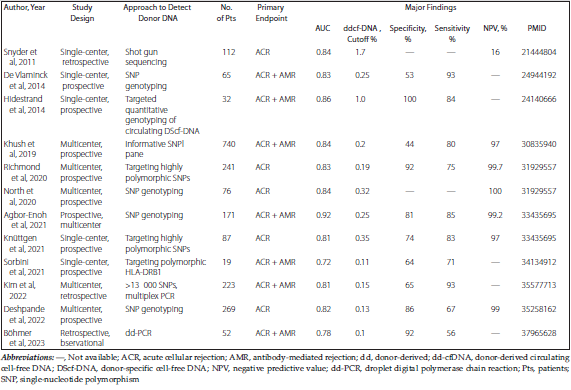
Table 1. Narration of Studies Included in the Systematic Review