Volume: 16 Issue: 4 August 2018
FULL TEXT
Objectives: Our objective was to investigate vein blood gas levels in the transplanted kidney during surgery as a predictive factor for delayed graft function after renal transplant.
Material and Methods: Sixty patients with renal transplant were enrolled in our study from January 2015 to January 2016. After vessels were declamped posttransplant, blood samples from the transplanted kidney veins were taken and acidosis and oxygenation in these samples were measured. Patients were classified based on acidosis and oxygenation of grafted vein and also hemoglobin concentration. We compared delayed graft function in recipients with acidosis versus normal pH, hypoxia versus normal oxygenation, and hemoglobin less than 10 g/dL versus more than 10 g/dL.
Results: Of 60 patients, 6 (10%) experienced delayed graft function and needed hemodialysis. All patients needing hemodialysis were in the acidotic and hypoxic patient groups. Five of six recipients with delayed graft function had hemoglobin concentration < 10 g/dL. Hospital stay was significantly longer in patients with hypoxia, acidosis, and anemia.
Conclusions: Vein blood gas measurements of the grafted renal vein during surgery can be easily obtained and applied as a prognostic factor for delayed graft function.
Key words : Acidosis, Delayed graft function, Hypoxia, Kidney transplantation
Introduction
Kidney transplant is inevitably associated with a period of graft ischemia. This ischemia time is a prognostic factor for postoperative graft function after renal transplant, and prolonged cold ischemia is associated with delayed graft function.1 After renal artery anastomosis, blood flow in the transplanted kidney is associated with tissue damage called reperfusion injury.2
Reperfusion injury includes release of inflam-matory cytokines, accumulation of leukocytes, and expression of adhesion molecules on endothelial cells, which consequently predispose the recipient with acute rejection. Hypoxia-induced endothelial swelling decreases the capillary diameter and deteriorates the reperfusion injury, even when the main vessel circulation is restored.3 There are some other factors like anemia and acidosis that may exacerbate reperfusion injury.2
Although reperfusion injury in kidney transplant is quite well defined, no indicators are presently known for this injury. In this study, we investigated whether transplanted kidney vein blood oxygenation after anastomosis can be an indicator for reperfusion injury and a predictor of postoperative renal failure. We also investigated the effects of anemia and acidosis during surgery on the function of the kidney postoperatively.
Materials and Methods
Sixty adult patients who underwent their first deceased-donor renal transplant in our institution entered the study from January 2015 to January 2016. The study was approved by the ethics committee of the university and conformed to the ethical guidelines of the 1975 Helsinki Declaration. After informed consent was obtained from participants, using a questionnaire, the following data were collected from patients: age, sex, weight (morning of operation), cause of renal failure, hemodialysis duration, and time interval between disease diagnosis and the need for hemodialysis. For transplant, end-to-side anastomosis of renal vein to external iliac vein and then end-to-side anastomosis of renal artery to common iliac artery were performed. During the operation, one blood sample from the external iliac and one from the transplanted kidney vein were taken 5 minutes after vessels were declamped to measure acidosis and oxygenation in these samples. Patients were classified as follows based on acidosis and oxygenation of grafted vein and also hemoglobin concentration: hypoxic versus normal group, acidotic versus normal group, and anemic versus normal group.
The mean pH and Pvo2 of the samples was 7.28 and 160 mm Hg. Patients (n = 30) with pH < 7.28 and Pvo2 < 160 mm Hg were categorized as acidotic and hypoxic groups, respectively.
All patients received immunosuppressive therapy after transplant, consisting of a calcineurin inhibitor, mycophenolate mofetil, steroids (prednisolone), and a 7-day induction course of antithymocyte globulin.
Routine laboratory tests, including serum urea nitrogen, creatinine levels, and complete blood count, were obtained. We compared the following variables: patient and graft survival, mean creatinine levels, and hemodialysis requirement. Delayed graft for function was defined as the need of at least 1 dialysis session after transplant. Graft loss was defined as the return to permanent dialysis or death.
We compared these parameters in recipients with acidosis versus normal pH, hypoxia versus normal oxygenation, and hemoglobin less than 10 g/dL versus more than 10 g/dL. All analyses were performed using the statistical software SPSS for Windows (SPSS: An IBM Company, version 11.5, IBM Corporation, Armonk, NY, USA).
Results
Sixty renal recipient patients were enrolled in this study with an age range of 22 to 58 years and a mean age of 46.1 ± 12.4 years. Demographic characteristics of the recipients are shown in Table 1. Median cold ischemic time of all transplanted kidneys was 3 hours, 45 minutes (range, 2 h, 2 min to 6 h, 35 min). The duration of the transplant procedure was on average 140 minutes (range, 125-160 min) from skin incision to skin closure.
The correlation between renal Pvo2 and cold ischemia time is illustrated in Figure 1. As expected, a longer ischemia time resulted in a lower oxygen pressure in the grafted vein.
In the postoperative period, 6 patients (10%) experienced delayed graft function and needed hemodialysis. All patients requiring hemodialysis were in the acidosis and hypoxic study groups.
Five of six recipients with delayed graft function had hemoglobin levels of < 10 g/dL. Delayed graft function was significantly more commonin the hypoxic, acidotic, and anemic groups (P < .01).
One patient with the history of anemia (hemoglobin level of 8 g/dL) and blood transfusion before surgery required routine dialysis, defined as graft loss. For all other patients, the creatinine concentration at discharge was below 2 mg/dL. Mean hospital stay was significantly longer in the acidotic, hypoxic, and anemic groups than in the normal groups. In patients with acidosis, hypoxia, and anemia, mean hospital stay was 20, 23, and 19 days, respectively. However, for patients without acidosis, hypoxia, and anemia, mean hospital stay was 12, 13, and 10 days, respectively (Figure 2).
Discussion
This study shows that hypoxia and acidosis in grafted renal vein, immediately after kidney transplant, a associated with more delayed graft function and longer hospital stay. Therefore, this measurement could be helpful in predicting the outcome of the procedure and may also give a clue about the required treatment during the post-operative period. It can be assumed that delayed graft function in patients with hypoxia and acidosis in grafted renal vein is mostly secondary to acute tubular necrosis and not acute rejection.
Hemoglobin is the main transporter of oxygen for tissue oxygenation. In many renal transplant candidates, the hemoglobin concentration before surgery is low. Our results clearly indicate that, in patients with hemoglobin greater than 10 mg/dL, postoperative renal function will likely be better, as evidenced by the postoperative decrease in creatinine levels and no need for postoperative hemodialysis.
The autoregulation of renal blood flow, which is caused by the myogenic response and tubule glomerular feedback, enables the kidney to maintain solute and water regulation independent of wide fluctuations of arterial blood pressure.4 However, because transplanted kidneys were already considered functionally denervated and ischemic, the autoregulation is at a certain degree impaired. Therefore, mean arterial pressure is very important in oxygenation and acidosis and subsequently renal function postoperatively.5 In addition, this study showed that low hemoglobin concentration was related to delayed graft function.
A positive correlation between graft oxygenation and postoperative renal function has also been shown in other studies using different methods of monitoring microcirculatory function.6 However, to our knowledge, our study is the first study introducing graft renal vein blood gases as an indicator for graft function. In addition, this study suggests that a low hemoglobin concentration has a negative effect on kidney transplant. Considering the blood loss in kidney transplant surgery, when possible and when able to be scheduled, autologous blood transfusion is recommended.
It is obvious that providing suitable blood flow with appropriate oxygen supply as soon as possible and reducing ischemia time can result in a higher Pvo2 in the grafted renal vein (Figure 1). On the other hand, higher hemoglobin concentration is associated with more effective oxygen delivery to the grafted kidney.
We should find methods to increase Pvo2 in grafted renal vein immediately after reperfusion. As already mentioned, decreasing cold ischemia time is one of them. Although we did not investigate this here, irrigation fluid and its volume and pressure may have a role. We believe that other factors, including blood pressure at the time of declamping and injection of vasodilators in grafted renal artery, may be effective and need to be studied.7
Pvo2 in grafted renal vein is a prognostic factor for graft function and for risk of acute tubular necrosis postoperatively. This factor can be applied in future studies as an indicator of graft oxygenation.
References:
- Ponticelli C. Ischaemia-reperfusion injury: a major protagonist in kidney transplantation. Nephrol Dial Transplant. 2014;29(6):1134-1140.
CrossRef - PubMed - Cavaillé-Coll M, Bala S, Velidedeoglu E, et al. Summary of FDA workshop on ischemia reperfusion injury in kidney transplantation. Am J Transplant. 2013;13(5):1134-1148.
CrossRef - PubMed - Salvadori M, Rosso G, Bertoni E. Update on ischemia-reperfusion injury in kidney transplantation: Pathogenesis and treatment. World J Transplant. 2015;5(2):52-67.
CrossRef - PubMed - Momen A, Bower D, Leuenberger UA, et al. Renal vascular response to static handgrip exercise: sympathetic vs. autoregulatory control. Am J Physiol Heart Circ Physiol. 2005;289(4):H1770-H1776.
CrossRef - PubMed - Khajavi MR, Etezadi F, Moharari RS, et al. Effects of normal saline vs. lactated Ringer’s during renal transplantation. Ren Fail. 2008;30(5):535-539.
CrossRef - PubMed - Scheeren TW, Martin K, Maruschke M, Hakenberg OW. Prognostic value of intraoperative renal tissue oxygenation measurement on early renal transplant function. Transpl Int. 2011;24(7):687-696.
CrossRef - PubMed - Krogstrup NV, Oltean M, Bibby BM, et al. Remote ischaemic conditioning on recipients of deceased renal transplants, effect on immediate and extended kidney graft function: a multicentre, randomised controlled trial protocol (CONTEXT). BMJ Open. 2015;5(8):e007941.
CrossRef - PubMed

Volume : 16
Issue : 4
Pages : 407 - 409
DOI : 10.6002/ect.2016.0370
From the 1Urology Research Center, Tehran University of Medical Sciences,
Tehran, IR Iran; and the 2Department of Anesthesiology, Sina Hospital, Tehran
University of Medical Sciences, Tehran, IR Iran
Acknowledgements: The authors have no sources of funding for this study and have
no conflicts of interest to declare.
Corresponding author: Amir Javid, Urology Research Center, Tehran University of
Medical Sciences, Tehran, IR Iran
Phone: +98 9131154886
E-mail: amirjavid2000@yahoo.com
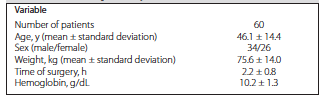
Table 1. Baseline Preoperative Characteristics of Study Patients Who Underwent Donor Nephrectomy
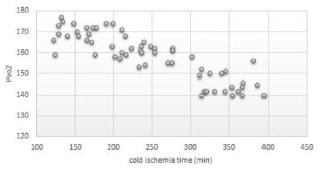
Figure 1. Hypoxia and Ischemia Length
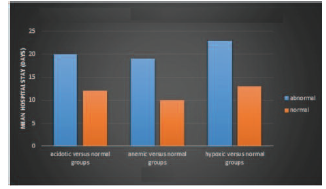
Figure 2. Hospital Stay After Kidney Transplant