Volume: 16 Issue: 4 August 2018
FULL TEXT
J. Wesley Alexander, MD, ScD
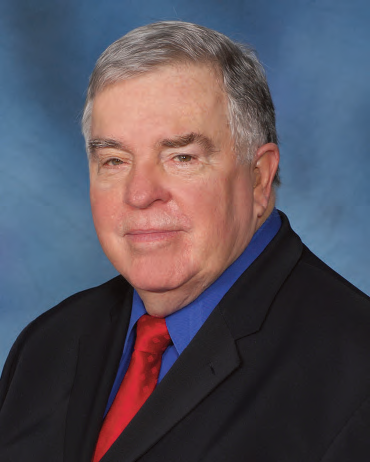
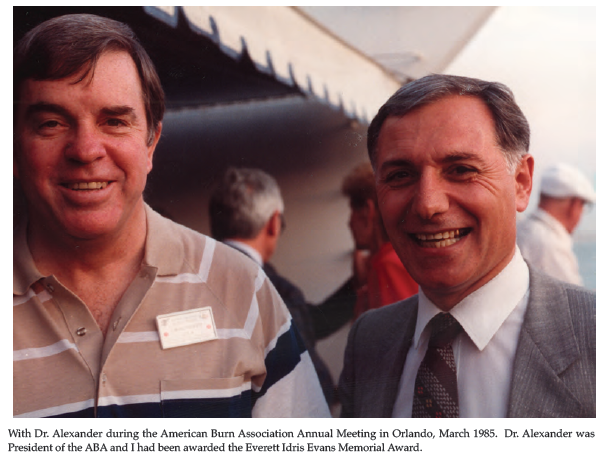
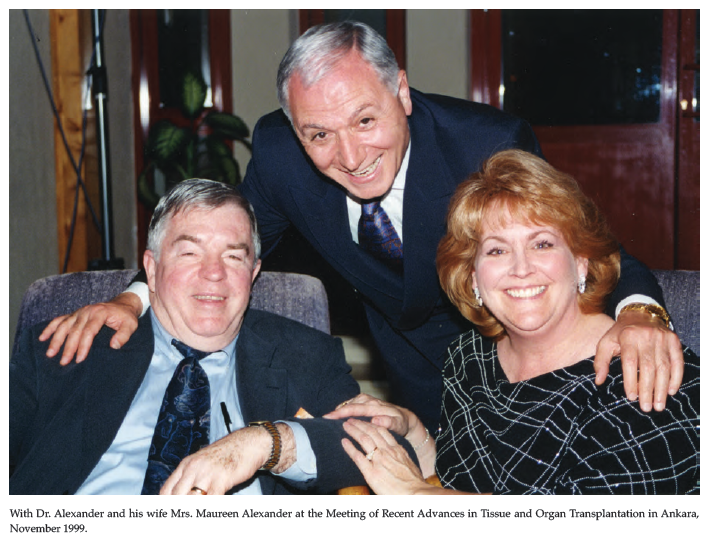
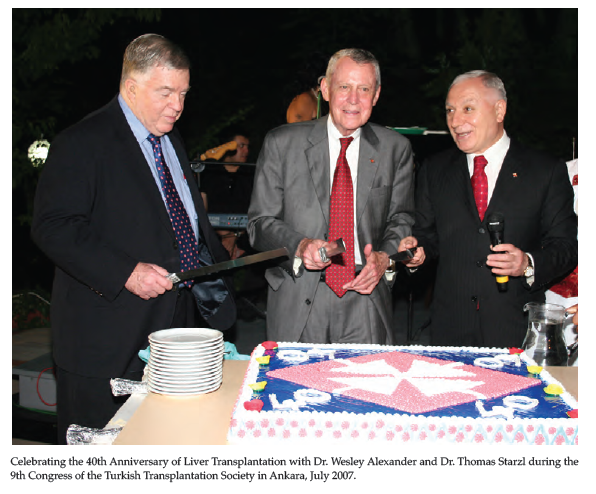
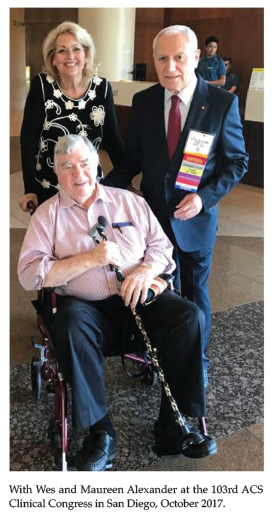
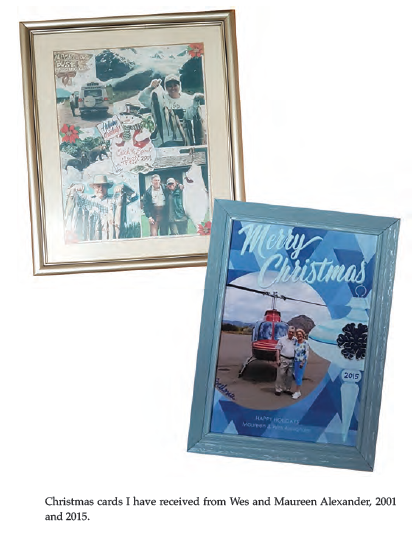
After receiving his medical degree from the University of Texas Medical Branch in Galveston, Dr. Alexander, professor of surgery, worked for over 50 years in the Department of Surgery at the University of Cincinnati. With a long history of excellence in both transplant surgery and burn wound care research, he earned the respect of his trainees and colleagues throughout the world. During that period, he developed a number of programs including those related to pediatric burn care, bariatric surgery, and organ transplantation, and it is no exaggeration to say that his contributions to both the transplantation and burn fields have been numerous and invaluable. Dr. Alexander founded the first transplant surgery program in Cincinnati and led the division for more than 30 years. In this leadership role, he completed the hospital’s first kidney transplant in 1967 and expanded transplantation services to include both the liver and pancreas. In 1970, the first combined kidney-pancreas transplant was performed and the first liver transplant was in 1986. During that period, Dr. Alexander had also begun working at the pediatric burn and plastic surgery hospital in 1968, including service as a pediatric burn surgeon and from 1979 to 1991 he was Director of Research for Shriners Hospitals for Children-Cincinnati and remained affiliated with the hospital until 2015.  Widely known for his expertise in preventing surgical infections, especially in burn victims, Dr. Alexander established one of the first surgical immunologic research laboratories in the United States. As a true surgeon-scientist, he developed an interest in finding better ways to care for patients with burn injuries and critical illness during his two years as Chief of Trauma Research for the U.S. Army during the Vietnam War. After his Army tenure, he returned to Cincinnati and combined his research interests with his clinical skills as a transplant surgeon, focusing on the specific nutritional needs of patients after surgery. As a result of his dedication to science and to his patients, much progress was made in the fields of surgical infection, immunologic tolerance in transplantation and postsurgical nutrition. His contributions to both the fields of transplantation and burns made him well-respected among his peers. In 1984-1985 he served as President of the American Burn Association, and in 1988-1989 he served as the 15th President of the ASTS, of which he was a charter member. During his presidency, awards were expanded, training fellowships were better defined, and efforts to engage government agencies were successfully undertaken. Dr. Alexander’s contributions to both the transplantation and burn fields have been numerous and invaluable. His excellence in research earned him numerous accolades. In addition to his service with ASTS and ABA, Dr. Alexander also served as president of the Surgical Infection Society (1986-1987). Among his many awards and honors were the Special Achievement Award from the American Burn Association in 2008 and the Distinguished Service Award from the Cincinnati Surgical Society in 2005. Wes was a caring and generous man, and he enjoyed life and he enjoyed fishing as fully as I have known anyone to do. I feel privileged to have known him and to have considered him a true friend. Our friendship was strong and deep and I shall forever be grateful for his support over the many decades that we have known each other. I take this opportunity to express my deepest condolences to his wife and true partner in life, Maureen Alexander, and to his family; he will be remembered with great fondness by all who knew him.
|
||||||||
|
||||||||


Volume : 16
Issue : 4
Pages : 359 - 362
DOI : 10.6002/ect.2018.alexander
From the Division of Transplant Surgery, Baskent University, Ankara, Turkey
Corresponding author: Mehmet Haberal, Taskent Cad. No. 77, 06490 Bahcelievler, Ankara, Turkey
Phone: +90 312 212 73 93
E-mail: rectorate@baskent.edu.tr