Volume: 22 Issue: 1 January 2024 - Supplement - 2
FULL TEXT
Shortly after the declaration of the pandemic, several anti-SARS-CoV-2 vaccines entered phase 3 clinical trials. One year later, Pfizer-BioNTech and Moderna published their initial trial results, encompassing a 2-month follow-up. The studies were only designed to test whether the vaccines were effective and safe on the short-term. The vaccine’s efficacy in the 2 trials was defined as relative risk reduction instead of absolute risk reduction, a more accurate determinant of vaccine effectiveness in the real world. These studies were not designed to assess viral transmission, disease severity, and death as primary outcomes. Vulnerable subgroups of individuals were excluded from the studies. No correlate of immunity against the SARS-CoV2 was identified. Vaccine-induced immunity declined shortly after vaccination and was not protective against new variants. Vaccination and boosting effectiveness were suboptimal in immunocompromised patients. In contrast, in recovered COVID-19 patients, natural immunity was shown to be protective, lasting longer and being more effective against new variants. Findings from subsequent scientific reports questioned the effectiveness of these vaccines in providing protective immunity despite boosting in infection-naïve and infection-experienced individuals. Reports also raised concerns on their safety in relation to cardiovascular pathology, sudden death, and acquired autoimmunity mainly in the low-risk young population. With the doubtful accuracy of the polymerase chain reaction testing in relation to case definition and diagnosis, the inability of the vaccines to stop viral transmission, the uncertain effectiveness of these vaccines, and serious adverse events of these vaccines lead us to question the validity of the vaccine mandate in public and private domains.
Key words : Booster, Immunity, Mandate
Introduction
Shortly after a report of the outbreak in Wuhan caused by a novel coronavirus that was identified as a novel betacoronavirus (in the same family as SARS-CoV and MERS-CoV),1-3 the World Health Organization officially announced on January 21, 2020, a worldwide pandemic that later caused a considerable number of fatalities and global economic breakdown.4 Astonishingly, a few weeks after the genetic sequencing of SARS-CoV-2, several vaccine candidates were ready for preclinical testing in animals. Equally alarming, some vaccines proceeded to clinical trials in human volunteers by March 2020, thereby bypassing standard animal experimentation,2,5 and, only a few months following the declaration of the pandemic, 10 vaccines entered phase 3 clinical trials in humans.6-8 Under pressure from the public and governmental institution, these vaccines were rapidly developed and rolled out under emergency utilization authorization. They were deployed despite assertions of many scientific experts that 18 months for a first vaccine is an incredibly aggressive schedule compared with the average 10-year development time for conventional vaccine development.
The COVID-19 vaccines employed different technologies, with the most innovative ones being from Pfizer-BioNTech’s BNT162b2 (US-Germany) and Moderna’s mRNA-1273 (US). The vaccines consisted of exosome-based nanotechnologies that include genetic material such as messenger RNA (mRNA) encoding for the spike protein. The RNA is encapsulated in lipid nanoparticles and delivered to a person through a regimen of 2 injections given at 2- to 3-week intervals, respectively.6 The vaccines are designed to deliver a synthetic pathogen that drives human cells to become a pathogen-producing machine to induce immune response but without the ability to disrupt viral transmission.7,8 Other vaccines such as AstraZeneca (UK-US), Johnson & Johnson (US), Gamaleya Research Institute of Epidemiology and Microbiology, Sputnik V (Russia), and CanSino Biologics (China) used different types of adeno-viruses as vectors to deliver the spike protein or used inactivated viruses (traditional vaccine), which were developed by several Chinese pharmaceutical companies like Sinovac Biotech or Sinopharm.
Exactly 1 year later, on December 31, 2020, Pfizer-BioNTech9 and Moderna10 published 2 randomized control trials results of only 2 months of follow-up, which included nearly 44 000 and 30 000 volunteers, respectively. Participants were randomized by 1:1 ratio to receive 2 injections of either the mRNA vaccines or the placebo at 2- to 3-week intervals. These 2 trials were only designed to test whether the vaccines were safe on the short-term and whether the vaccines can trigger adequate protective humoral immunity against COVID-19, as assessed through the prevention or reduction of the number of symptomatic mild to moderate COVID-19 cases. None of these original studies were designed to look at degree of prevention of hospitalization, presence of severe diseases or death, or whether viral transmission was stopped.7,8 Although no clear and accurate correlate of protective immunity was identified,10 the vaccines’ effectiveness was defined mainly by the induction of neutralizing IgG antibodies against the SARS-CoV-2 spike protein with considerable inter-individual variations related to the distinct assays used by different investigators and the variable immune responses observed among different individuals.11
Many vulnerable subgroups in the population, such as children, pregnant women, elderly individuals, and immunocompromised patients, were excluded from the trials. The mRNA vaccines were not rigorously tested in adult solid-organ transplant recipients (SOTRs), nontransplant im-munocompromised patients, or patients with autoimmune diseases. In addition, safety, immuno-genicity, and clinical efficacy data on COVID-19 vaccination for recipients of pediatric and adolescent solid-organ transplant are currently lacking. From the little available data, mRNA vaccines provide limited effectiveness in SOTRs and nontransplant immunocompromised patients. This observation was reflected by a reduced prevalence of seroconversion and T-cell response with lower neutralizing anti-spike antibodies levels in recipients who seroconvert compared with immunocompetent patients or SOTRs with prior COVD-19 infection.11-17 The vaccines not only induced suboptimal immune response but they also caused severe COVID-19 disease and increased risk of death in some SOTRs.18,19
Despite (1) the experimental nature of the mRNA injections, (2) the limited medical and scientific knowledge about short-term and long-term safety and effectiveness, (3) their inability to stop trans-mission of the virus, (4) the emergence of potential serious adverse events shortly after vaccine roll-out, and (5) dismissal by law of pharmaceutical companies and healthcare providers from any medico-legal responsibilities despite speculative assurances to the public about the short- and long-term safety and efficacy of these vaccines, governments around the world went ahead with the application and imposition of the sanitary pass through a variety of strategies implemented by different countries.20-26 Enforcement of the vaccine mandate rather than the informed consent contradicted and jeopardized the essence of the individual freedom of choice that is guaranteed by all international laws.27-31
With the unknown origin of the SARS-CoV2,32 the previously suspected and currently confirmed serious adverse events of these experimental mRNA vaccines,8,18,19,29-37 the rapid waning of their protective immunity, their questionable effectiveness against new variants,38-47 their inability to stop viral transmission,48,49 and most importantly the bypassing of informed consent despite their experimental nature,29-31 questions have been raised regarding the scientific and legal validity of the sanitary pass in public and private domains.29,30 In the context of the ongoing debate in the medical community regarding doubts and arguments on the effectiveness and/or safety of these vaccines and the questionable scientific, legal, and ethical validity of the vaccine mandates, our review attempts to uncover a different perspective of these 2 important and controversial issues of the COVID-19 pandemic.
Effectiveness of COVID-19 mRNA Vaccines
Vaccine immunogenicity in the immunocompetent population
One year after the declaration of the COVID-19 outbreak, 2 randomized controlled trials were published simultaneously, on the efficacy and safety of the 2 mRNA vaccines from Pfizer-BioNTech (BNT162b2)9 and Moderna (mRNA-1273).10 The efficacy of the vaccines was reported as 95.1% and 94.2%, respectively. These efficacies were expressed, as a relative risk reduction (RRR) using risk ratio (the ratio of disease rates with and without a vaccine) rather than absolute risk reduction (ARR), which is the difference between the ratio of disease rate in the placebo group minus the one in the vaccine group. As shown in Figure 1, ARR and RRR are dramatically different in the same trial. Although more impressive and therefore more convincing results are given with RRRs, ARRs tend to be ignored because the results show a much less impressive effect size (0.84% vs 95.1% for the Pfizer-BioNTech and 1.2% vs 94.2% for the Moderna vaccine).
Absolute risk reduction considers outcomes in the whole population and therefore reduces risk for reporting and information bias. In contrast, RRR considers only participants who could benefit from the vaccine and varies between populations and is therefore not sensitive to background risk. Most importantly, ARR is considered to be a more reliable and accurate indicator of vaccine efficacy because it allows to determine the number needed to vaccinate (NNV).50,51 This calculation shows how many people need to be vaccinated to prevent 1 case of COVID-19 infection; NNV is strong marker of vaccine effectiveness. Therefore, to consider risk in whole populations, an ARR would be a more representative and reliable parameter than RRR to assess evaluation of COVID-19 vaccine efficacy in real-life situation.
The only reported indication in a real-life whole population of vaccine effectiveness is the Israeli mass vaccination campaign using the Pfizer–BioNTech product. However, the design and methodology of the Israeli study52 are completely different from the 2 randomized trials.9,10 Indeed, the investigators reported an RRR of 94%, similar to the RRR of the Pfizer phase 3 trial (95.1%) but with an even lower ARR of 46%, which translated into an NNV of 217 compared with NNV of 119 in the phase 3 trial. Thus, in a real-life setting, 1.8 times more participants might need to be vaccinated to prevent 1 more case of COVID-19 than that predicted in the corresponding clinical trial.50
This difference in the ARR and NNV results between the Pfizer trial9 and the Israeli study,52 despite similar RRR, is important to highlight. Although the risk reduction achieved by these vaccines is known under specific trial conditions, the same risk reduction could vary and therefore could be unknown if the vaccines were deployed on populations with different exposures, transmission levels, and attack rates.53 This implies that results of studies from different countries in different regions are incomparable. Unfortunately, comparing vac-cines on the basis of currently available interim trial data is made even more difficult by disparate study protocols, including primary endpoints (eg, what is considered a COVID-19 case, when is this assessed), types of placebo, study populations, background risks of COVID-19 during the study, duration of exposure, and different definitions of populations for analyses, both within and between studies, as well as definitions of endpoints and statistical methods for efficacy.50
Health professionals and the public poorly un-derstand the RRR and ARR measures. An assessment of the suitability of vaccines must consider all indi-cators and involve safety, deployability, availability, and costs.50 Of note, the 2 mRNA injection manufac-turers failed to report ARR measures. Moreover, the New England Journal of Medicine published data from the 2 clinical trials with no mention of ARR measures, in contradiction with its publication policies; alarmingly, the United States Food and Drug Administration (FDA) Advisory Committee (VRBPAC) did not follow FDA published guidelines for communicating risks and benefits to the public.51 Whether these serious failures were done by omission or were intentional remains unknown. Failing to report ARR misleads and distorts the public’s interpretation of vaccine efficacy and represents a major violation to the ethical and legal obligations of informed consent.29-31
In a recent study,54 the risks and benefits of the mRNA COVID-19 vaccines were assessed using data from a large Israeli field study and from the Adverse Drug Reactions database of the European Medicines Agency and Dutch National Register. The study estimated that 16 serious side effects would occur with 4.11 fatalities per 100 000 vaccinations and that, for every 3 deaths prevented by vaccination, 2 deaths would be inflicted by vaccination. The authors concluded that this lack of clear benefits should cause governments to rethink their vaccination policy. This study was retracted after being published in the prestigious journal Vaccines as a result of pressure on the journal editorial board from scientists known for their pro-vaccine stand. The reason given for the decision is that the side effect data recorded in the Dutch pharmacovigilance database could not be attributed with certainty to the vaccination, despite the well-documented suspicion discussed above of a causal link between the vaccination and the side effects. However, the authors of the study maintained their support to their findings.
The original and only randomized trials of COVID-19 vaccines were not designed to detect a reduction in any serious outcome, such as hospital admissions, use of intensive care, or deaths. Similarly, none of these vaccines were assessed for their ability to interrupt transmission of the virus as previously reported7,8 and recently admitted officially by Pfizer.49 The persistence of viral transmission required maintenance of all standard protective measures such as mask wearing for all individuals vaccinated and unvaccinated until the expected herd immunity was reached. However, this outcome has never been proven so far and is probably unlikely to happen. Theoretically, the achievement of herd immunity requires vaccination of 60% to 80% of the population. Interestingly, the highest rates of COVID-19-related death were observed in the most vaccinated countries where these vaccination rates were reached (Figure 2).55 These observations may imply eithera lack of protective immunity38-47 and/or possible increase in vaccine-associated serious adverse events.8,18,19,29-37
Israel and Lebanon are 2 neighboring countries who had among the toughest lockdowns. However, in the latter, protective measures were poorly followed in many regions of the country, as was the case in many low-income countries around the world. By the end of December 2021, whereas two-thirds of the Israeli population completed the initial protocol with noticeable share of the population already boosted, only 33% of the Lebanese population had done so (Figure 3).55 Considerable differences in death rates, expressed as weekly mortality per million population, were reported in the 2 countries during the emergence of the Omicron variant, with the highest being in Israel (Figure 4). Of note, both countries have a similar number of hospital beds per capita (2.9/1000 capita), a similar Mediterranean diet pattern, similar median age (~30 years), and similar life expectancy (79 vs 83 years), with significantly higher population density in Lebanon (594 vs 402 people per km2) and lower annual GDP per capita (US $13 300 and certainly much lower since the beginning of the crisis in October 2019 versus US $33 130), all being known important factors that affect outcomes.30 Together, these data suggest that, in the absence of meaningful vaccination rates in Lebanon during the pandemic in combination with a poor compliance with the protective measures, a critical socioeconomic situation, and a demolished healthcare system,56 natural immunity6,57 and not vaccine-acquired herd immunity become more likely the main factors responsible for the ending of the third wave, as admitted by the Israeli officials at the beginning of the Omicron outbreak on January 2, 2022.58 The prime minister at that time, Naftali Bennett, admitted that his current policy of massive population vaccination will not prevent a big rise in Omicron infections. These findings also confirm that protective measures have little or no effect on COVID-19 outcomes.59
Even with vaccination efforts in full force, the theoretical threshold needed to reach vaccine-induced herd immunity against COVID-19 was recognized as improbable.60,61 Prof. Luc Montagnier, a Nobel Prize Laureate for his discovery of HIV, said that “Pfizer, Moderna, and Astra Zeneca vaccines do not prevent person-to-person transmission of the virus, and the vaccinated are just as transmissive as the unvaccinated and the hope of a ‘collective immunity’ by an increase in the number of vaccinated is totally futile.”60 He made an appeal to all leaders to reconsider the policy of massive vaccination for the prevention of the spread of COVID-19.
There are several reasons why herd immunity cannot be reached through massive vaccination: (1) vaccines do not prevent transmission,58,60,61 (2) vaccine-induced immunity does not last long,36-47 (3) the occurrence and frequency of vaccine-resistant mutations correlate strongly with the vaccination rates in the most vaccinated regions and new variants changed the herd-immunity equation and developed immune escape,61,62 and (4) vaccine roll-out was uneven in different countries and different world regions.51 As of April 2, 2023, 70% of the world’s population has received at least 1 dose of a COVID-19 vaccine and only 20% of people in low-income countries have received at least 1 dose (Figure 5).
The Pfizer-BioNTech trial9 has shown efficacy of 95.1% on a short-term basis, with more people contracting the infection in the placebo group versus the vaccinated group (162 in the placebo group vs 8 in the vaccine group). Interestingly, the risk of severe disease was 2 times more likely to occur in those vaccinated compared with their counterparts in the placebo group (12.5% vs 5.5%). In the Moderna study,10 185 in the placebo group developed infection versus 11 in the vaccine group. None of the vaccinated participants developed severe diseases, and, among the 30 placebo individuals who developed severe diseases, none died and only 0.05% (1/185) or 0.0065 (1/15, 166 of the total placebo group) required intensive care admission, suggesting a low level of severe diseases in the control group. These findings imply a potential vaccine-related serious adverse effect in the Pfizer study and a relatively low risk of developing severe disease in the unvaccinated participants in the Moderna trial. These observations are in line with the recent report from the FDA on the Pfizer trial on November 8, 2021.63,64 It revealed 17 deaths in the control group and 21 in the vaccinated group, amounting to 24% higher all-cause mortality rate, at 6 months post-enrollment, in the vaccinated compared with the placebo group.63 Surprisingly, the report emphasized that “none of the deaths were considered related to vaccination.” This conclusion is alarming given the higher all-cause mortality in the vaccinated group (median age of nearly 50 years old whom the risk of dying from COVID-19 is about 0.02%).55,59
This all-cause mortality in the vaccinated group amounted to 1050 deaths per million population (21 per 22 000 × 50). If this number is extrapolated to the US fully vaccinated population (70% of the total population), then the vaccine would have inflicted 242 550 estimated deaths in the United States alone.Interestingly, a recent online survey37 of the US population on the role of social circle COVID-19 illness and vaccination experiences in COVID-19 vaccination decisions revealed an alarming number of vaccine-associated adverse events while acco-unting for many confounders that may affect results. The author estimated 3.4 million adverse events to have occurred from the vaccines, with 1 million of those being life-threatening. The survey data suggest that the total number of fatalities due to COVID-19 inoculation may be as high as 278 000 (95% CI, 217 330–332 608), which is similar to our extrapolation based on data from FDA, when fatalities that may have occurred regardless of inoculation are removed. Skidmore37 also found a large difference in the possible number of fatalities due to COVID-19 vaccination between this survey and the US data from the vaccine adverse events reporting system (VAERS)36 that showed much lower vaccine-related serious adverse events (11 397 life-threatening and 8023 deaths). These numbers represent only 1.1% and 2.9%, respectively, of the estimated serious adverse events in the survey. The author concluded that knowing someone who reported serious health issues either from COVID-19 or from COVID-19 vaccination are important factors for the decision to get vaccinated. The large difference in the possible number of fatalities due to COVID-19 vaccination that emerges from this survey and the available governmental data should be further investigated.
Disparities in the adverse events reported between the VAERS and the actual number of adverse events are well known.65 Reporting long-term adverse events and assessing vaccine safety, as currently practiced by VAERS, is of questionable accuracy and would certainly underestimate the real data. Adverse events from drugs and vaccines are common but underreported. Although 25% of ambulatory patients experience an adverse drug event, less than 0.3% of all adverse drug events and 1% to 13% of serious events are reported to the FDA.65 The previous study37 was received on July 11, 2022, accepted on January 9, 2023, and published online on January 24, 2023, in the prestigious journal BioMed Central Infectious Diseases. Astonishingly, it was retracted by the editors nearly 3 months after its publication on April 11, 2023. The editors have retracted this article because concerns were raised regarding the validity of the conclusions drawn after publication by a peer review.66 However, the author of the study disagreed with this retraction and has maintained support to the findings.
A similar Dutch article was also retracted with similar justifications a few months after its pub-lication in the prestigious journal Vaccines.54 These flip flops in the decision making by the editorial boards of such prestigious journals of publishing articles that question the safety of the COVID-19 vaccines and then retracting them a few months later under pressure raise serious questions about the validity of such decisions and great concerns on the independence of the peer review process.
Waning vaccine immunity against new variants
Both humoral immunity and cellular immunity are involved in the natural immune memory against SARS-CoV-2. Strong functional humoral and cellular immunity may last for several months after infection in both symptomatic and asymptomatic individuals.39,67,68 Similarly, children were shown to develop robust and sustained cross-reactive spike-specific immune responses to SARS-CoV-2 infection that were 2 times higher than in adults, detected in many seronegative children and also broadly stable beyond 12 months.69 A systematic review of 61 articles, predominantly observational, on T-cell responses to SARS-CoV-2 infection in humans was recently published.70 The study demonstrated T-cell memory and effector function against multiple viral epitopes and cross-reactive T-cell responses in unexposed and uninfected adults. The authors concluded that the significance for protection and susceptibility, respectively, remains unclear.
In contrast to antibody responses, population-level surveillance of the T-cell response is unlikely to be feasible in the near term. It is evident that, as of today, no clear and accurate correlate of protective immunity has been identified, as recognized by the Moderna trial investigators10 and by the FDA. In a statement released on February 22, 2022, the FDA reminded the public and healthcare providers that results from currently authorized SARS-CoV-2 antibody tests should not be used to evaluate a person’s level of immunity or protection from COVID-19 at any time, and especially after the person received a COVID-19 vaccination.71
Despite a lack of scientific evidence, as mentioned above, the induction of neutralizing antibodies was and still considered to be the hallmark of immunity following any of the current SARS-CoV-2 vaccines. However, according to Dan and colleagues,67 circulating antibody titers are not predictive of T-cell memory, and simple serological tests for SARS-CoV-2 antibodies do not reflect the richness and durability of immune memory to SARS-CoV-2. Moreover, T-cell immunity is even present in convalescent patients with COVID-19 with undetectable SARS-CoV-2 IgG, similar to those with strong humoral response.72
In fact, the 2 landmark studies from Pfizer-BioNTech9 and Moderna10 were unable to assess durability of the immune responses, protective effect of these antibodies, or any immunological risk such as antibody-dependent enhancement (ADE) of immunity, an immune enhancement that is associated with antibody induced by vaccination when vaccines recipients are reexposed to the virus.73-78 These critical issues are one of the key limitation points in the Moderna trial, raised by the study investigators themselves and by others.7,8,29,30
Recent data from Israel revealed that COVID-19 vaccine protection seems to fade away after 6 months. The Israeli health ministry reported the hospitalization of 397 fully vaccinated patients by April 26, 2021, with PCR-proven COVID-19 a few months after their second vaccine dose. Among these patients, 234 (59%) had severe COVID-19 and 90 (38%) of the hospitalized patients died.20,79,80 An Israeli study was conducted involving 152 breakthrough fully vaccinated patients,43 with most patients being elderly frail (median age of 75 years) and 40% being immunocompromised such as cancer patients or SOTRs with multiple comorbidities. Patient outcome was comparable to that of nonvaccinated hospitalized COVID-19 patients. These findings may be explained, as concluded by investigators, by either lower vaccine effectiveness in patients with comorbidities or higher risk of comorbidity exacerbation after breakthrough infection, or by both.
Kustin and colleagues reported increased break-through rates of SARS-CoV-2 variants of concern, such as the Alpha (B1.1.7) and Beta (B.1.351) in BNT162b2-mRNA-vaccinated individuals.38 Vaccinated people who had positive tests were disproportionally infected compared with people who were not vaccinated. The odds ratio was 2.6:1 and 8:1 for the Alpha and Beta variants, respectively, suggesting reduced vaccine effectiveness against both variants. The rapid decline in the vaccine-induced protective immunity against the new Delta variant was confirmed by several reports from different countries.39,40,44,47 In Qatar, by August 2021, nearly 80% of the population received a double dose of either of the mRNA vaccines. During the same time period, 5 months after patients received the second dose, vaccine effectiveness dropped to 21%, with nearly 40% of those vaccinated developing reinfections.44 A large integrated health system in the United States reported similar findings47 among 3 436 957 participants with a median age of 45 years (range, 29-61 y) who received 2 injections of the Pfizer mRNA vaccine. Protective immunity against new variants was short-lived, dropping rapidly after month 2 and reaching 47% at month 5 after full vaccination.
By the end of June 2021 with the Delta variant emergence, the number of COVID-19-related hospitalizations increased sharply in Israel, with nearly half of hospitalizations in intensive care units.20,30,55,79,80 These developments had Israel changing its strategy as the Delta variant made up 90% of the cases.20 Data from Israel seemed to agree with data from the United Kingdom30,81,82 regarding the significant lack of vaccine-induced effectiveness against the Delta variant. The lack of protection was associated with an increased risk of transmission and risk of development of severe disease and higher probability of death in the vaccinated individuals (0.3%) compared with unvaccinated individuals (0.1%),30,81 affecting predominantly those older than 50 years.
Similar findings were reported from Scotland and Brazil on waning vaccine protection of ChAdOx1 nCoV-19 (AstraZeneca) against the Delta and Gamma variants. The loss of protection became evident within 3 months after the second vaccine dose and was associated in both countries with increased risk ratio of confirmed severe symptomatic COVID-19 infection, hospital admission, or death, reaching 5.43 in Scotland and 4.7 in Brazil at 18 to 19 weeks after the second dose.83 Israeli investigators reported similar protective immunity decline against the Delta variant shortly after the receipt of the second dose in all age groups in the country.45,46 The waning of immunity in the first most vaccinated country was followed by a significant increase in confirmed Delta variant infections paralleled by surge of severe cases 6 to 7 weeks after the second dose. This is probably what prompted Pfizer to propose a third booster for the vulnerable immuno-compromised patients and frail elderly individuals.
Natural versus vaccine-acquired immunity
In data released by the Israeli health ministry on 7700 new cases during the May 2021 Delta wave, patients with COVID-19 who recovered from the virus were far less likely to become infected than people who were vaccinated against COVID-19, representing less than 1% of new cases. Roughly 40% of the new cases had been infected despite being vaccinated. These findings suggest that natural immunity seems to provide a more robust and protective immunity against the Delta variant than the Pfizer mRNA vaccine.80 In a large multicenter prospective cohort English study (SIREN), SARS-CoV-2 reinfection rates among antibody-positive were compared with antibody-negative healthcare workers. Previous infection with SARS-CoV-2 was shown to induce effective immunity to future infections in most individuals. The median protective effect was observed at least up to 7 months after the primary infection, which was associated with 84% lower risk of reinfection.84 Similar reports have highlighted the importance of natural immunity from prior infection protecting many people where vaccines were not yet available.85,86
These findings were confirmed in a World Health Organization scientific update on May 10, 2021, which stated that most people who have recovered from COVID-19 develop a strong protective immune response. Of note, the update summarized that, within 4 weeks of infection, 90% to 99% of people who recovered from COVID-19 developed detectable neutralizing antibodies. Furthermore, the update concluded, given the limited amount of time to observe cases, that the immune response remained strong for at least 6 to 8 months after infection.87 Additional data from Qatar revealed the robust and sustained protection of natural immunity against SARS-CoV-2 reinfection. Overall, the effectiveness of previous infection in preventing reinfection with the Alpha, Beta, and Delta variants of SARS-CoV-2 was robust (~90%). Such protection against reinfection with the Omicron variant was lower (~60%) but still considerable. In addition, the protection of previous infection against hospitalization or death caused by reinfection appeared to be robust, regardless of variant. Sensitivity analyses confirmed the robustness of the study results regardless of the approach that was used to control for vaccine-induced immunity.88 Reinfections were rare and mild with 90% to 95% of lower odds of resulting in hospitalization, intensive care unit admission, or death.89-91 Most importantly, primary infection has been shown by the same group to induce herd immunity in expatriates, who represent the majority young segment of the Qatari population (60%).92
Effectiveness of both primary infection and both vaccines declined with time against any Omicron-associated symptomatic infection.93 Omicron is resistant against neutralization by several therapeutic antibodies, and it efficiently evades antibodies from both infected and fully vaccinated patients. Breakthrough infections with Omicron in mRNA-vaccinated individuals occur despite high levels of viral spike protein binding antibodies, similar to levels reported 4 weeks after the second vaccine dose and after receipt of the first booster dose.41 Despite Omicron resistance, the naturally induced effectiveness remained stable in a Qatari cohort after the initial infection, at between 66% and 55% at 4 to 6 months and beyond 12 months, respectively. In contrast, during the same time period, with receipt of 2 doses of either mRNA vaccine, effectiveness dropped to 14% to 18% and none, respectively.42 The study found no discernable differences in protection against any symptomatic BA.1 and BA.2 subvariant infection between previous infection and the third dose vaccine or hybrid immunity (previous infection + 2 doses vaccine), suggesting lack of additional protection benefit of vaccinating individuals with previous infection.
Previously exposed individuals exhibited either similar or superior protection against severe, critical, or fatal COVID-19 as a result of any Omicron infection compared with infection-naïve people who were vaccinated with Pfizer or Moderna. Individuals with previous infection who received 2 vaccine doses and a recent booster exhibited slightly more enhanced protection against severe Omicron disease compared with their previously infected nonvac-cinated counterparts. It important to note that the mean age of the cohort was 32 years, with more than two-thirds <40 years old. The risk of severe disease and fatal outcome in such a cohort is almost null.55 The same group reported an effectiveness of 97.3% (95% CI, 94.9-98.6%) of natural infection for over 14 months against severe, critical, or fatal COVID-19 reinfection, irrespective of the variant of primary infection or reinfection, and with no evidence for waning.
Similar results were found in a subgroup analyses among patients ≥50 years of age.39 For each of the BA.1 and BA.2 subvariants, effectiveness of both mRNA vaccines against symptomatic infection was ~50% in the first 3 months after the second dose but declined to negligible levels thereafter. Effectiveness rapidly rebounded after the booster dose to reach levels similar to those seen after the second dose, although effectiveness waned again shortly after 3 months to 21%.94
This rapid waning in vaccine effectiveness against Omicron infections contrasts with the more durable protection from prior infection against Omicron reinfection.41,94 Using nationwide, registered data for 3 separate periods of different SARS-CoV-2 variant dominance (Alpha, Delta, Omicron), Danish investigators reported vaccine effectiveness in naturally immunized individuals against reinfection.95 The mRNA vaccines, Comirnaty and Spikevax, accounted for more than 97% of the COVID-19 vaccines administered in all periods. Vaccine effectiveness peaked at 71% (95% CI, -Inf to 100%) at 104 days and ranged between 60% (95% CI, 58%-62%) and 94% (95% CI, 92%-96%) at 14 to 43 days after vaccination. Waning immunity following vaccination was observed and was most pronounced during the Omicron period. Interestingly, because of few events, an estimation of vaccine effectiveness for hospitalization and death was not possible.
The authors concluded that previously infected individuals still benefit from COVID-19 vaccination in all 3 variant periods. Several key limitations were identified: (1) short-term follow-up (≤3 months), thereby missing the waning of vaccine effectiveness, (2) ignoring the robust protective and long-lasting protective immunity associated with primary infection, and (3) lack of distinction between hybrid and natural immunity, assuming that vaccinating previously infected individuals provided better protection against reinfection. This could simply be an artifactual finding resulting from researchers not controlling for time since last antigen exposure rather than being a true effect of vaccination among those with prior infection. In fact, this conclusion was in contrast with the findings from the Qatari reports discussed above.39,42,94
Another report96 from the same Danish registry on the protection against SARS-CoV-2 reinfection following a primary infection surprisingly concurred with our comments and was in agreement with the national data from Qatar. The cohort study of unvaccinated individuals that used 2 years of nationwide PCR-test data reported that previous SARS-CoV-2 infection offered a high level of sustained protection against reinfection mainly with Alpha and Delta variants. As expected, protection substantially decreased when Omicron appeared. Interestingly, the level of estimated protection against serious disease was somewhat higher than that against infection and estimated to last longer. Decreases in protection against reinfection seemed primarily to be driven by viral evolution. In similar data from the Cleveland Clinic,97 vaccination of previously infected people did not provide additional protection against COVID-19 for several months.
Given the above-mentioned risks, the long-lasting robust natural immunity, the lack of additional immune protection thru boosting, and the absence of markers of protective immunity, we caution of the need to vaccinate previously infected individuals.The 2 arms of humoral immune memory long-lived bone marrow plasma cell, memory B cells67 and T cells72 are most likely responsible for long-lasting robust natural immunity against the whole virus. Neutralizing anti-spike protein IgG antibodies were detectable for up to 10 months in most convalescent individuals, with broad variations in serum antibodies levels.98 In contrast, vaccine-acquired immunity was short-lived and selective against 1 specific component of the virus, the spike protein, and bypassed the natural immune barriers. Moreover, the continuous mutation of the coronavirus altered the confor-mational structure of the spike protein responsible for the observed variants’ resistance against neutralizing antibodies from infected or fully vaccinated patients.93,96 However, the humoral immunity induced by primary infection seems to provide more robust and long-lasting protection against all variants compared with the one provided by the mRNA vaccines.39,42,80,84-92,94,96,97,99,100 In fact, breakthrough infections with Omicron in mRNA-vaccinated individuals occurred despite booster-induced high levels of viral spike protein-binding antibodies.41
Interestingly, a Japanese team demonstrated that when 4 common mutations were introduced into the receptor binding domain of the Delta variant (Delta 4+), some BNT162b2-immune sera lost neutralizing activity and enhanced the infectivity,101 mimicking the so-called ADE of immunity responsible for exaggerated disease as mentioned above.73-77 The loss of neutralizing activity was the result of the acquisition by the Delta variant of complete resistance to wild-type spike vaccines. This resistance was induced through the complete escape from anti-N-terminal domain neutralizing antibodies, while increasing responsiveness to anti-N-terminal domain infectivity-enhancing antibodies.102
These interesting findings suggest that variants resistant to mRNA vaccines may be associated with increased disease severity in breakthrough infections and deaths, as reported in many massively vaccinated countries (Figure 2 and Figure 4).20,30,55,79,80,81,83,103,104 This increase in disease severity in vaccinated individuals after reexposure to SARS-CoV-2 variants may be explained by an ADE-related mechanism,73-78 an issue of concern raised by the Moderna trial investigators. Inflammatory processes and tissue damage in the organs of vaccinated animal models resembled the ones in the organs of people infected with SARS who died from the disease. This was made evident in a recent study, which highlighted the correlation between IgG-mediated lung injuries in animals with neutralizing antibody responses induced by vaccines.105 Surprisingly, the neutralizing antibodies that initially successfully combatted the virus subsequently caused a damaging, inflammatory response in the organs.
Similar inflammatory response and tissue damage were described with immune complex formation following respiratory syncytial virus vaccines, where patients vaccinated developed a more severe disease due to the damaging inflammatory responses caused by those immune complexes.31 Similarly, studies in mice during prior SARS revealed that human vaccine candidates elicited protective neutralizing antibodies against SARS challenge. However, viral rechallenge of vaccinated animals resulted in immunopathologic lung disease.73 Of note, candidates for SARS-CoV-1 and Middle East respiratory syndrome (MERS) vaccines commonly exhibited ADE associated with high inflammatory morbidity in preclinical models, obstructing their advancement to the clinic.75,106 The ADE phenomenon was consistent across a variety of vaccine platforms and irrespective of inoculation method.31
These alarming outcomes raise a serious question regarding the scientifically unfounded and contro-versial governmental vaccine mandate of 2 doses, as well as the third dose, an inefficient booster.107-109 Philip Krause and Marion Gruber, two FDA researchers, stepped down in August 2021, unofficially amid pressure from their line managers and the Biden administration to approve a vaccine booster. They raised concern regarding the boosters’ safety that could pose “risks” if they are “introduced too early or too frequently.” Boosting fully vaccinated individuals does not seem to provide additional beneficial immune protection41,42,94,108,110 and may be associated in convalescent individuals with increased risk of local and systemic severe adverse side effects111 requiring hospital admission in more than half of the cases,112 an issue that could not be addressed in the 2 major trials given the limited number of convalescent participants. More alarmingly, according to a recent scientific report, single-dose vaccination to individuals who recovered from COVID-19 infections was associated with increased risk of acute coronary syndrome and cardiac arrest in a relatively young section of the Israeli population (age range, 16-39 y).113 This is consistent with the fact that the immune response generated by a single dose in convalescent individuals is generally stronger than the response to a second vaccine dose in individuals who were not exposed to COVID-19 infection.
A strong humoral immune response is known to be associated with disease severity.114,115 Adverse life-threatening complications may be explained by an enhanced immunity caused by the boosting effect of a single-dose vaccine in an already naturally immunized individual. They may also be mimicking an ADE of the immune system.116 In ADE, heterotypic (nonneutralizing) antibodies might have the potential to facilitate viral entry into cells through interactions with Fc receptors or complement. The potential risk of ADE mediated by Fc receptors could be increased with mutations in the SARS-CoV-2 spike glycoprotein observed in the different variants, which could weaken the primary host antibody response.101,102,116,117 Evidence of vaccine-enhanced disease after SARS-CoV-2 vaccine administration in challenged animal models has been previously reported.118,119 A recent autopsy study that involved 16 partially and 13 fully vaccinated predominantly elderly individuals with multiple comorbidities who developed breakthrough infections revealed a significantly increased rate of generalized viral dissemination within organ systems in vaccinated versus nonvaccinated cases (45% vs 16%, respectively; P = .008). This presentation was accompanied by high rates of pulmonary bacterial or mycotic superinfections. Interestingly, these findings were particularly accentuated in partially vaccinated patients compared with fully vaccinated individuals. The investigators raised the possibility of the potential role of ADE that must be ruled out in future studies.120
Cellular immunity seems to play a major role in SARS-CoV-2 immunity. SARS-CoV-2 infection indu-ced long-lived bone marrow plasma cells in humans.57 Cellular immunity was highly functional, even in individuals with asymptomatic SARS-CoV-2 infection, and the immunological memory to SARS-CoV-2 seemed to last up to 8 months after infection.66,67 Individuals with potential exposure to SARS-CoV-2 did not necessarily develop PCR or antibody positivity, suggesting that some individuals may clear subclinical infection before seroconversion.121 Similarly, spike-specific T-cell responses in children were detected in many seronegative children and were also broadly stable beyond 12 months.69 T-cell memory and effector function against multiple viral epitopes have been found, as well as cross-reactive T-cell responses in unexposed and uninfected adults.70 The significance of these findings for protection and susceptibility remains unclear. These findings reflect the complex effect of SARS-CoV-2 on the immune system116 and hence the consequent inability so far to identify an accurate and clear correlate of either vaccine or viral-induced humoral or cellular immunity.
Original antigenic sin
The rapid decline in protective immunity and the resulting variant resistance and evasion to vaccination may be partly explained by a long-known phenomenon in immunology called “original antigenic sin.”122,123 This phenomenon is reflected by a decreased ability to respond to a new immunogen because the immune system has locked onto the original immunogen. Unvaccinated individuals who have experienced a prior SARS-CoV-2 infection developed antibodies against nucleocapsid protein, a good marker of primary infection, as well against the spike protein.124 However, anti-nucleocapsid assays have been unreliable with regard to determination of prior infection in vaccinated individuals. Individuals who had experienced breakthrough infection after vaccination appeared to have an impaired ability to generate anti-nucleocapsid antibodies, with only 26% having detectable anti-nucleocapsid antibodies compared with 82% of individuals with naturally acquired immunity.125 Similar findings were reported from the United Kingdom.126
This finding could be explained by the fact that, in contrast to natural infection that induces both mucosal antibody (IgA) and systemic antibody (IgG), vaccination by injection may bypass the natural upper respiratory tract mucosa, therefore inducing only systemic IgG. Moreover, vaccinated people with breakthrough infection have been shown to produce lower levels of T cells specific to the virus’ membrane and nucleocapsid proteins than seen in people with naturally acquired immunity.127 Therefore, people whose immune systems were primed by vaccination exhibited blunted immune response, affecting both humoral and cellular immunity against the nucleocapsid protein, relative to those with natural immunity. These observations suggest that anti-COVID-19 vaccines induced disease-preventing or disease-attenuating immunity rather than sterilizing immunity.
Stopping viral transmission and preventing severe disease were not addressed in the original trials as a primary outcome.9,10 The inability to prevent severe disease and to interrupt viral transmission has been originally suspected,7,8,29,30 then further observed early on during the pandemic38,43 and recently admitted by Pfizer.49 Moreover, fully vaccinated individuals who received 2 doses had binding titers that were 12- and ~7.5-fold lower than breakthrough and infected or vaccinated individuals at peak time points. Of note, antibodies developed in fully vaccinated individuals with breakthrough infection had moderate viral neutralization capacity.128 Additional evidence has confirmed that vaccine-induced immune imprinting appeared to be an obstacle to the development of variant-specific COVID 19 vaccines. While primary infection with a SARS-CoV-2 variant induced variant-specific antibodies, prior mRNA vaccination drives serological responses toward the original Wuhan strain of the virus rather than the variant antigens.129 Higher IgG titers in vaccinated individuals that bind to the spike protein of variants, even higher than observed in naturally immune people, did not necessarily mean that double-vaccinated or boosted individuals had greater protection against new variants.41,130,131 A well-coordinated humoral and cellular virus-specific immune response is important for controlling the virus and reducing COVID-19 disease severity. Interestingly, unlike infection that stimulates robust but short-lived IgM and IgA responses, mRNA vaccination showed a pronounced bias for IgG production even at early time points with similar decrease in variant spike recognition.132 Emerging evidence pointed toward a much bigger role for T cells than antibodies.66,67,69,70,116,121,133
Data from the original unblinded Moderna trial recently confirmed that people whose immune system was primed by the vaccine have an impaired ability to generate antibodies to other parts of the virus. Whereas antibodies to the nucleocapsid protein were generated in 93% of people with laboratory-confirmed COVID 19 in the placebo group, the seroconversion rate against the nucleocapsid protein in the vaccinated with breakthrough infections was only 40%.134 These findings could not be explained by higher load in the unvaccinated group since the odds of anti-nucleocapsid seropositivity were 13.67 times higher for the placebo arm than the vaccine arm at any given viral copy number. The authors concluded that studies using anti-nucleocapsid assays to determine the rate of breakthrough infections among vaccinated individuals were likely to underestimate the rate of breakthrough infections.
It was also recently shown that vaccinating previously SARS-CoV-2–exposed individuals did not provide protection against hospitalization.105 Data emerging from Israel emphasized the protective superiority of natural immune imprinting over that of vaccination. Goldberg and colleagues showed that natural immunity still offered significantly better protection, even after a full year of potential waning, than being fully vaccinated at only 2 to 4 months since receipt of a second dose. The rate of confirmed infection among those with natural immunity was 30.2 (range, 28.5–32.0) per 100 000 person-days at risk at 12 months or more since infection, compared with 88.9 (range, 88.2–89.5) per 100 000 person-days among the fully vaccinated at 2 to 4 months.100 These findings are in agreement with other reports.42-47,93,94
Of note, breakthrough infection did not provide significantly greater immunity in fully vaccinated individuals than naturally immunized alone. At 6 to 8 months since the last immunity-conferring event, the case rates per 100 000 person-days at risk for those with natural immunity, those who got vaccinated after recovering from infection, and those who experienced infection after getting the vaccine were 14.0, 11.6, and 16.2, respectively. Again, these results confirmed that immunologic priming by vaccination impaired the ability of vaccinated individuals to mount a protective immune response relative to those who were vaccinated after first having acquired natural immunity. Noteworthy, the effect of “original antigenic sin” was attributable not only to the initial antigen exposure but also to “repeated stimulation” with the same antigen.122 The “original antigenic sin” doctrine could at least partly explain the rapid decline in vaccine effectiveness over short periods of time and the waning of their expected protective immunity. These findings should question the scientific validity of the still ongoing recommendations for repeated boosters eliciting immune response against the spike protein of the ancestral strain.
COVID-19 mRNA vaccines in children
Children were excluded from the original trials. Similar to that observed in adults, pediatric evidence indicates that “original antigenic sin” could again help to explain observations of negative vaccine effectiveness in children. Studies from the United States in children and adolescents and in Italian children showed rapid declines in BNT162b2 vaccine effectiveness against symptomatic infection after full vaccination cycles.135-137 In the US study, the estimated vaccine effectiveness for 2 doses of BNT162b2 vaccine was modest and declined rapidly. Effectiveness dec-reased from 60% in children aged 5 to 11 years and in adolescents aged 12 to 15 years to 29% within 2 months of the follow-up (the longest for the children group). In adolescents aged 12 to 15 years, the effectiveness plunged further, with longer follow-up reaching 0% and even to a negative value of effectiveness by 5 months after receipt of the second dose.135
In an Italian study, the largest outside the United States, which involved nearly 3 million children aged 5 to 11 years, 36% received 2 doses of the vaccine, 4.5% received 1 dose only, and 59.6% were unvaccinated. Vaccination with BNT162b2 (Pfizer-BioNTech) against COVID-19 showed a lower effectiveness in preventing SARS-CoV-2 infection and severe COVID-19 in this Italian cohort than in individuals aged 12 years and older. Vaccine effectiveness against infection decreased rapidly after completion of the primary vaccination cycle. Effectiveness peaked at 38.7% (range, 37.7%-39.7%) at 0 to 14 days after full vaccination and decreased to 21.2% (range, 19.7% to 22.7%) at 43 to 84 days after full vaccination.136
Findings in the Italian study contrast with findings in the US study, where children exhibited superior effectiveness relative to adolescents. In addition, vaccine peak effectiveness was 60% in the US cohort compared with 38.7% in the Italian cohort. This could be explained by (1) short-term follow-up of children in the US study, (2) different study design, (3) limited information on unvaccinated and vaccinated children, and (4) some individual characteristics affecting the probability of vaccination and the risk of developing COVID-19 outcomes, such as clinical vulnerability or risky behavior (eg, adherence to physical distancing rules and nonpharmaceutical interventions), as well as baseline clinical characteristics, such as comorbidities, which could affect outcome. Moreover, most children developed asymptomatic infections and acquired natural immunity, which may augment vaccine effectiveness in vaccinated children and adolescents as observed among adults. The naturally immunized, independent of age, could not be identified by simple PCR testing of the spike protein as discussed above.
Outcomes differed between the 2 studies, being symptomatic infection in the US study versus hospitalization and death in the Italian study. It is well known that the risk of severe COVID-19 and death is null in children and adolescents outside the coexistence of genetic predisposition and multiple comorbidities. Most importantly, RT-PCR and rapid antigen testing performed in either public or private laboratories and pharmacies were used for case definitions despite the questionable validity of such tools to identify clinical cases mainly in the asymptomatic ones.59 However, the 2 retrospective studies concurred on the low to moderate effectiveness of the mRNA vaccines during the Omicron outbreak, as was observed in adults. The short-term follow-up ranged from nearly 2 months to 6 months in the Italian study and American one, respectively. Vaccine effectiveness was defined as 1 - odds ratio × 100 (relative risk reduction) with all limitations and the confounders that may affect such measurements as discussed above.
These data help to explain why the FDA extended its emergency use authorization for a booster dose of the Pfizer vaccine to children aged 5 to 11 on May 17, 2021.138 Surprisingly, despite little evidence on the effectiveness of these vaccines against the Omicron variants, both the Centers for Disease Control and Prevention (CDC) and the FDA recommended that all eligible children receive the vaccine. Despite reinfections in children being no more severe than severity of primary infections,139 the recommendation by both agencies that the benefits outweigh the risks was limited to evaluation of data from an ongoing randomized controlled trial at that time, of the antibody response to a booster shot, and not actual vaccine efficacy, in just 67 children.138
As shown in real-world experience with adults, vaccine-provided protection against SARS-CoV-2 infection will also wane in children and adolescents within a few weeks after the third dose. Therefore, unless the plan is to revaccinate every few months, vaccination in children is unlikely to be an elective strategy for preventing SARS-CoV-2 infections.
A systematic review and meta-analysis assessing the efficacy and safety of mRNA COVID-19 vaccines during mainly the Omicron period in children aged 5 to 11 years was recently published.140 The meta-analysis included randomized clinical trials and 15 observational studies involving nearly 11 million vaccinated children (median age range, 8.0-9.5 y) and more than 2.5 million unvaccinated children (median age range, 7.0-9.5 y). The study concluded that COVID-19 mRNA vaccines among children aged 5 to 11 years were associated with measures of efficacy in preventing SARS-CoV-2 infection and severe COVID-19-related illnesses. Although most children developed local adverse events, severe adverse events were rare, and most of these adverse events resolved within several days. Most studies were conducted in the United States with only 3 in Italy, 2 in Israel, and 1 in Singapore. The Pfizer vaccine was used in most studies (16/17). The cohort size of the double-vaccinated children was relatively small in most of the studies and varied between 48 participants in the US to more than 7 million. In a sizeable number of the studies, the mean age of participants, the number of comorbidities, and the follow-up duration time were not available. Among 4 of 17 studies that reported the follow-up period, follow-up did not exceed 3 months, ranging between 0 and 2.5 months. In the 2 randomized trials,141,142 the number of participants was small (1518 and 3007 double vaccinated; 750 and 995 unvaccinated). Of note, the incidence of adverse events was estimated by 1-group meta-analyses rather than by comparisons with background rates. The 2 randomized trials were not powered enough to detect serious adverse events with the short-term follow-up (≤2.5 months for the double vaccinated and unknown for the unvaccinated children). Such a study design would not allow comparisons of adverse events between the vac-cinated and unvaccinated children. Because of the passive reporting nature and the unavailability of the detailed history and patient characteristics of serious adverse events following vaccination, the incidence of myocarditis and other adverse events, as recently reported,34,35,143,144 might have been underestimated.
The short-term observations regarding the efficacy of the mRNA vaccines, the recently emerging reports on their serious adverse events, and reports of long-lasting and more robust protective effect of natural immunity against symptomatic and severe reinfection in both pediatric and adult population raise doubts on the utility of mRNA vaccines to combat the different Alpha, Beta, Delta, and Omicron variants. Most importantly, accumulating evidence suggests that vaccination results in the fixation of the immune system according to a long-known phenomenon called “original antigenic sin.”145 This vaccine-induced immune fixation on a specific antigen (spike protein) prevents the immune system from responding optimally to breakthrough infections with SARS-CoV-2 variants relative to the broader multi-antigenic immune response seen in individuals with natural immunity. Improvements in variant recognition has been shown to occur over time in the infected patients, but not so much in vaccinated people. In other words, this suggests that, although the immune system of vaccinated people has an impaired ability to do so, it instead persists in generating antibodies specific to the extinct ancestral strain.123,129 Therefore, vaccinating children might ultimately cause them to be more vulnerable to COVID-19 throughout their lifetimes.
COVID-19 mRNA vaccines in solid-organ transplant recipients
Solid-organ transplant recipients were among the vulnerable subgroups that were excluded from the original trials. Limited data (mostly observational, retrospective, single center, case reports, and letters to the editor) are available on efficacy and safety of mRNA vaccines in SOTRs and nontransplant im-munocompromised patients. The data mostly showed reduced prevalence and intensity of seroconversion and T-cell response with lower neutralizing anti-spike antibodies levels in recipients who seroconverted compared with immunocompetent vaccine recipients.11-17 Data also revealed a considerable interindividual variation in neutralizing anti-spike protein IgG antibodies titers.13,17 Humoral and T-cell responses to SARS-CoV-2 vaccination were impaired in young heart and lung transplant recipients compared with vaccinated healthy individuals. Interestingly, in a study involving immunosuppressed nontransplant patients with rheumatoid arthritis, 82% of PCR-positive patients with undetectable antibodies showed T-cell immunity against SARS-CoV-2.16
Kamar and colleagues reported the humoral response in a group of 101 consecutive SOTRs (mean ± SD age of 58 ± 2 years; 69% were men) who were given 3 doses of the Pfizer-BioNTech mRNA vaccine. The group included 78 kidney transplant recipients (KTRs), 12 liver transplant recipients, 8 lung transplant or heart transplant recipients, and 3 pancreas transplant recipients. The findings revealed 0%, 4%, 40% of anti-SARS-CoV-2 antibodies before the first, second, and third dose, respectively, and 68% at 1 month after the third dose.13 The findings also showed substantial interindividual variation in the humoral response after the second and third vaccine doses. Similar humoral responses patterns following 2 mRNA vaccine doses were reported by another group.146 Adolescent KTRs exhibited lower antibodies response than shown in the general population, but slightly better response than seen in adult KTRs.147 These results confirmed the suboptimal humoral and cellular responses that were observed in SOTRs.
Interestingly, Boyarsky and coworkers reported much stronger humoral response in transplant recipients previously exposed to SARS-CoV-2 than recipients without exposure. In the previously exposed population, antibody titers were substan-tially boosted by 1 dose of a SARS-CoV-2 mRNA vaccine.15 These findings were confirmed in a larger cohort of 920 British KTRs.148 In the study, 768/920 infection-naïve (83%) and 152/920 (17%) infection-experienced patients were compared with a cohort of 65 healthcare workers. All KTRs underwent assessment of serological response at a median of 31 days (interquartile range, 27-35 d) after double-dose vaccination with either AstraZeneca or Pfizer injections. A subgroup among the KTRs (n = 106) and all healthcare workers had paired assessment of cellular responses to spike protein. Those with previous SARS-CoV-2 infection generated stronger humoral and cellular responses to either vaccine compared with infection-naïve counterparts, with evidence of high titers of in vitro live virus neutralization. Infection-naive KTRs elicited both weak T-cell responses and low titers of neutralizing antibodies. In contrast, no differences were shown in humoral and T-cell responses in previously exposed KTRs between vaccine types or between exposed patients and healthcare workers. In infection-naive KTRs, the Pfizer vaccine induced stronger humoral and cellular response compared with the AstraZeneca vaccine.
A French group assessed humoral response after SARS-CoV-2 mRNA vaccination in a cohort of hemodialysis patients and KTRs. Postvaccination humoral response was strongly inhibited in KTRs and was reduced by the uremic condition in patients undergoing hemodialysis compared with a healthy control group.11 These findings highlighted the importance of natural immunity in immunocom-promised patients, showing similar seroconversion level to healthy immunocompetent people. It also confirmed the suboptimal humoral and cellular immune response in term of rate and strength in a variety of immunosuppressed patients.
Although immune correlates of protection from disease have yet to be defined, all of the afore-mentioned studies mostly assessed level of neutralizing anti-spike protein antibody response to either double vaccination and/or booster shot, but not actual vaccine efficacy. Recently, British inves-tigators published data on real-world effectiveness of the Pfizer-BioNTech and Oxford-AstraZeneca ChAdOx1-S vaccines against SARS-CoV-2 in solid-organ and islet transplant recipients.149 The investigators linked 4 national registries to retrospectively identify laboratory-confirmed SARS-CoV-2 infections and deaths within 28 days in England, between September 1, 2020, and August 31, 2021, during the wild-type (then Alpha and Delta) variant dominance. The study included nearly 40 000 double-vaccinated, 1141 partially vaccinated with a single dose, and 3080 unvaccinated participants representing 90.3%, 2.6%, and 7.1%, of the total cohort, respectively. When unvaccinated adult SOTRs were compared with those who had received 2 doses of Oxford-AstraZeneca or Pfizer-BioNTech vaccine, vaccination was not associated with reduction in risk of testing positive for SARS-CoV-2. None of the vaccines showed a protective effect from SARS-CoV-2 infection, and no difference in protection was observed between the unvaccinated and the double-vaccinated transplant recipients.
Interestingly, the monthly incidence of SARS-CoV-2, defined as infections per month in the population, was similarly low in the transplant cohort versus the general population during the study period. This finding implies that, despite immunosuppression among SOTRs, SOTRs were not at higher risk than the general population at contracting COVID-19. Inclusion of vaccine type as a variable in the Cox model showed that SOTRs who had been vaccinated with 2 doses of the BNT162b2 vaccine had no statistically significant protective effect from death within 28 days of SARS-CoV-2 infection compared with those who were unvaccinated (hazard ratio = 0.97; 95% CI, 0.71-1.31). The apparent increased incidence of infection in vaccinated versus unvac-cinated SOTRs may be related to reduced adherence to nonpharmaceutical interventions, such as social distancing and face masks in the vaccinated population, as postulated by the authors. We have shown in the second part of our review59 that these measures were unlikely to affect such outcomes. Alternatively, these results could be explained by vaccine-induced immune fixation on a specific antigen. As discussed above, the specific initial immunization against the spike protein prevents the immune system from responding optimally to break-through infections with SARS-CoV-2 variants.122,123 In contrast, in previously infected individuals, the immune responses were adaptive and resulted over time into a more specific response targeted against newly infecting variant, conferring more protective immunity.16
Given the registry-based retrospective nature of the study, it is not possible to account for asymptomatic infections that confer robust immunity even in the absence of detectable humoral response that were not confirmed by laboratory tests.16 With such study design, it is also not possible to account for other important parameters known to affect outcome, such as type of immunosuppression,11,12,17 number and type of comorbidity,30,43,59 and adherence to nonpharmaceutical interventions in any of the cohorts. Surprisingly, despite these serious study limitations, the markedly lower level of vaccine-generated immune protection in SOTRs than that in the general population and the increased incidence of infection in vaccinated compared with unvaccinated SOTRs, the authors concluded that 2 SARS-CoV-2 vaccine doses reduced the risk of death from COVID-19 compared with no vaccination in transplant recipients.
A recent systematic review and meta-analysis of 11 observational studies and 1 randomized study, which assessed the humoral and cellular response of SOTRs to a third dose of mRNA SARS-CoV-2 vaccine,11 revealed inconclusive findings. The vaccine’s effectiveness was defined mainly by the induction of neutralizing IgG antibodies against the SARS-CoV-2 spike protein, knowing that levels of anti-spike IgG do not correlate with protective immunity. Considerable interindividual variations were reported in neutralizing antibody levels related to the distinct assays used by different investigators and the variable immune responses observed among different individuals. Humoral and cellular assays differed across studies, depending on the manufacturer, the kit sensitivity, and the threshold cutoff, which considerably varied. None of the studies used thresholds based on clinical correlates of protection, and no consensus existed in relation to the tests used for cellular, neutralizing, or humoral assays. Moreover, the duration of immune response and the effect of previous immunizations were not assessed. The authors concluded that outcomes had low level (67%) of certainty, mostly because of varying thresholds across studies and imprecision of the estimate.
Several factors affect vaccine immunogenicity in SOTRs, including low immunity, vaccine type, previous infection, time postvaccination (waning immunogenicity), circulating viral mutants, and type of immunosuppression (eg, mycophenolic mofetil, corticosteroids, tacrolimus, belatacept).11,12,16,150-154 Anti-Spike IgG levels were highest among KTRs younger than 54 years on mycophenolate mofetil and steroids-free regimen and with no more than 2 immunosuppressive drugs.150 B-cell depletion at the time of vaccination was associated with failure to seroconvert in immunocompromised nontransplant patients, and tacrolimus therapy was associated with diminished T-cell responses.16 Anti-SARS-CoV-2 humoral and T-cell responses were poor in KTRs treated with belatacept after 2 injections of mRNA vaccine.151 Only 2.0% of patients had a positive IgG response on day 28 and 5.7% on day 60 after vaccine injection. The specific anti-spike T-cell response occurred in 2 of 40 patients (5%) on day 28 and in 7 of 23 patients (30.4%) on day 60, and most of these T cell responses were below the positivity threshold.
The same group analyzed the humoral response in belatacept-treated KTRs without prior exposure to SARS-CoV-2 infection who received the Pfizer vaccine booster.154 They also investigated vaccine immunogenicity in belatacept-treated KTRs with prior COVID-19. Among 62 belatacept-treated KTRs with booster and without infection (median age of 63.5 y), only 4 patients (6.4%) developed anti-SARS-CoV-2 IgG with low antibody titers. Seroprevalence after 3 doses of vaccine in 35 non-belatacept-treated KTRs was 37.1%. In contrast, in all 5 KTRs with previous history of COVID-19, the mRNA vaccine induced a strong antibody response with signi-ficantly higher antibody titers relative to those observed in the naïve patients after 2 injections. Of note, 12 KTRs developed symptomatic COVID-19 after vaccination, including severe forms with 50% mortality. Breakthrough COVID-19 disease occurred in 5% of fully vaccinated patients. The authors concluded that administration of a third dose of BNT162b2 mRNA COVID-19 vaccine did not improve immunogenicity in KTRs treated with belatacept without prior COVID-19. However, the authors did not raise any concerns regarding the safety issues reported in their study.
Other investigators reported similar occurrence of severe COVID-19 following mRNA vaccination in SOTRs.18,19 A French study described 55 SOTRs (median age of 60 y; 52 with kidney and 3 with simultaneous kidney-pancreas transplant) who developed COVID-19 after receiving 2 doses of mRNA-based SARS-CoV-2 vaccines, with 9 and 46 patients receiving the Moderna and the Pfizer-BioNTech vaccine, respectively. Mean time from transplant was 66 months (range, 33-138 mo). Six patients were treated with belatacept and 1 with rituximab. COVID-19 symptoms appeared after a median of 22 days after the second vaccine dose (range, 13-36 d). Of note, 15 of 55 patients (27%) required hospitalization for oxygen therapy. Among the hospitalized patients, 6 (40%) were admitted to an intensive care unit, and 3 (20%) died. Among the 25 patients with available data on anti-SARS-CoV-2 antibodies between the second vaccine dose and the onset of COVID-19 symptoms, 24 had negative serology and 1 had positive results with weak antibodies levels. The investigators provided no explanation for these tragic outcomes. They postulated that these serious adverse events following vaccination may be related to immuno-suppressive drugs that are thought to play a key role in this phenomenon. Persistent disease susceptibility may lie in an absent humoral response, coupled with a limited or insufficient T-cell response, even after the second vaccine dose.18
Other reports revealed similar results.19Among 21 KTRs who developed SARS-CoV-2 infection after receiving the 2-dose regimen of mRNA vaccine (2 received the Pfizer-BioNTech vaccine, 19 received the Modena vaccine), only 1 patient (5%) developed SARS-CoV-2 IgG antibodies after vaccination (assessed >15 d after the second dose). All patients were diagnosed with COVID-19 through a nasop-haryngeal swab after a mean time of 84.71 ± 27.43 days from the second vaccine dose, with more than half diagnosed with pneumonia. Eleven patients (52%) required hospital admission. Among the hospitalized, 7 (64%) required intensive care unit admission, with 6 (85%) needing mechanical ventilation and 1 (16.6%) death. Most of these patients were on triple immunosuppressive regimen, including tacrolimus, mycophenolic mofetil, and prednisone.
Elderly end-stage kidney disease patients are at higher risk of mortality then their all-Medicare counterparts.155 The adjusted mortality in the US population defined as deaths per 1000 patient-years in dialysis, transplant, and all-Medicare male patients aged 65 to 75 years is 225, 65, and 28, respectively. This adjusted mortality was significantly higher in both male and female patients older than 75 years in all group.
Several, but not all, single and multicenter observational studies, reported similar 28-day COVID-19 mortality in hospitalized SOTRs and nontransplant patients. Investigators compared outcomes between SOTRs and nontransplant patients hospitalized with COVID-19 in a propensity score-matched analysis based on age, race, ethnicity, body mass index, diabetes, and hypertension.156 After propensity matching, 117 SOTRs and 350 nontransplant patients (control group) were evaluated. The median age of SOTRs was 61 years, and median time from transplant was 5.68 years. The most common transplanted organs were kidney (48%), followed by lung (21%), heart (19%), and liver (10%). Mortality (23.08% in SOTRs vs 23.14% in controls; P = .21) and highest level of supplemental oxygen (P = .32) required during hospitalization did not significantly differ between groups. The inves-tigators concluded that such findings imply that chronic immunosuppression in SOTRs may not be an independent risk factor for poor outcomes in COVID-19.
Similar findings were reported by a French study,157 which used a 1:1 propensity score-matching method to compare survival and severe disease-free survival (defined as death and/or need for intensive care unit) in hospitalized KTRs and nontransplant control patients. Patients were matched for risk factors of severe COVID-19, including age, sex, body mass index, diabetes mellitus, preexisting cardiopathy, chronic lung disease, and basal renal function. The study included 100 KTRs with a median age of 64.7 years (55.3-73.1 y) from 3 French transplant centers and control group from a retrospective multicenter observational study cohort that included 2878 patients hospitalized for COVID-19 in 24 medical centers in France. Survival rates were similar between KTRs and matched nontransplant patients, with respective 30-day survival rates of 62.9% and 71% (P = .38) and severe disease-free 30-day survival rates of 50.6% and 47.5% (P = .91). The authors concluded that their findings suggest that severity of COVID-19 in KTRs is related to their associated comorbidities and not to chronic immunosuppression.
Other reports revealed similar findings.158,159 A US multicenter cohort study involving 482 SOTR from more than 50 transplant centers concluded that age and underlying comorbidities rather than immunosuppression intensity-related measures were major drivers of mortality.158 Comorbidities were the same as those associated with severe disease and increased risk of death in the nontransplant general population.30,159 These specific underlying comor-bidities are independently associated with mortality and include age >65 years, hypertension, congestive heart failure, chronic lung disease, diabetes, and obesity.
Similar to the nontransplant pediatric population, children undergoing renal replacement therapy (dialysis or transplanted) are at low risk of severe disease and death. In a multicenter observational study from the Istanbul branch of the Turkish Pediatric Nephrology Association involving 12 centers,160 46 confirmed cases of COVID-19 were reported (17 patients on dialysis and 29 KTRs). The incidence rate of COVID-19 in this pediatric end-stage kidney disease cohort was 9.3% among dialysis patients and 9.2% among KTRs over a 9-month period in Istanbul, much lower than the one reported by CDC in the same age population (around 40%). Most pediatric patients with end-stage kidney disease who were receiving dialysis or transplant developed asymptomatic or mild COVID-19 disease with a favorable outcome despite high level of comorbidities.
These observations in both pediatric and adult transplant recipients reveal comparable outcomes relative to nontransplant patients. Interestingly, the similar outcome is seen despite higher risk of death in patients with end-stage kidney disease and KTRs relative to the general population before the COVID-19 pandemic. In fact, most SOTRs are normally expected to have higher mortality given all the comorbidities associated with organ failure that are known to be independent factors of mortality.161 Given the association between heightened humoral immune response and COVID-19 severity, we postulate that low immunity in immunocom-promised patients might be protective against severe disease. Moreover, these mRNA vaccines not only induce suboptimal immune response but may also cause severe COVID-19 disease in SOTRs and increase risk of death.18,19,154
Given the (1) absence of any valid correlate of any type of immunity, (2) limited humoral and cellular vaccine-induced responses, (3) robust immunity conferred by natural infection, 4) comparable outcomes between COVID-19 transplant and nontransplant patients, (5) evident serious adverse events incurred by mRNA vaccination, and (6) lack of reliable evidence on real-world vaccine-induced protective immunity, we caution against the current recommendations of vaccinating and boosting SOTRs or any nontransplant immunocompromised patient.
COVID-19 mRNA vaccine safety
Along with the questionable short-lived efficacy of COVID-19 vaccines with rapidly declining protective immunity against new variants, several scientifically founded concerns have been raised regarding their previously suspected8,29 and recently well-documented short-term and long-term safety results.162,163 In the original Pfizer trial,9 up to 83% of recipients developed some kind of mild to moderate local event, which was more prevalent in young (78%-83%) versus elderly participants (66%-71%); patients also experienced some kind of systemic adverse manifestations, again predominantly in the young (47%-59%) compared with older participants (34%-51%). Interestingly, 10 participants developed severe clinical manifestations (severe disease): 1 of 8 participants in the vaccine group and 9 of 162 participants in the placebo group. Severe disease was 2 times more likely to occur in those vaccinated compared with those in the placebo group (12.5% vs 5.5%).
A few months after the roll out of COVID-19 vaccines, several reports started to emerge from different countries on the serious neurological and vascular adverse events of COVID-19,163-170 mainly in young female recipients developing cerebral sinus vascular thrombosis within 1 month after vaccination.169 Arterial thrombosis and vascular thrombosis are mediated by an autoimmune mechanism (vaccine-induced immune thrombotic thrombocytopenia).29 In a recent review, these thrombotic adverse events were associated with brain hemorrhage in 49% and significant increased risk of mortality (39%).170
Recently, the FDA and CDC saw an early signal of possible Pfizer bivalent COVID shot linked to stroke.33,171 Vaccine-associated autoimmunity is a well-known phenomenon attributed to either the cross-reactivity between antigens or the effect of adjuvant.172 In addition to this molecular mimicry, mRNA vaccines may give rise to a cascade of immunological events, eventually leading to the aberrant activation of the innate and acquired immune system.173 Upregulation of these immunological pathways is widely considered to be the basis of several immune-mediated diseases, especially in genetically predisposed individuals who have an impaired clearance of nucleic acids.174 Moreover, evidence has been established on a link between the mRNA vaccines and increased risk of heart inflammation causing acute myocarditis and/or pericarditis, initially reported by the CDC and FDA. In fact, at the end of the second week of June 2021, more than 1200 cases of myocarditis or pericarditis were reported to the US VAERS.
These events led to hospital admissions in >20% of affected cases and seemed to occur mainly in young male patients within 1 week after the second dose of the mRNA vaccines.175 Several recent reports from the United States and the Nordic countries linked mRNA vaccines to myocarditis.34,35,144 Risk of acute myocarditis increased in all age and gender strata, was highest among young male vaccine recipients shortly after the second dose, and was more common with Moderna than Pfizer vaccine.
Sun and colleagues recently published alarming data on increased emergency cardiovascular events among people under aged 40 years in Israel during vaccine rollout and the third COVID-19 wave.113 The study reported an increase of >25% in acute coronary syndrome and cardiac arrest among young people (aged 16-39 y) during January to May 2021. Most importantly, the weekly emergency call counts were significantly associated with the rates of first and second vaccine doses administered to this age group but not with COVID-19 infection rates. The CDC reported that 1200 of the 1314 verified myocarditis cases with known hospitalization status following the primary series or booster had been hospitalized.176 Moreover, 69% to 80% of adolescents diagnosed with vaccine-associated myo- or pericarditis had findings consistent with cardiac inflammation on magnetic resonance imaging 3 to 8 months after the second dose. The potential long-term effects of scar tissue on heart conduction remain unknown.177,178 These findings raise concerns regarding vaccine-induced undetected severe cardiovascular side effects and underscore the already established causal relationship between vaccines and myocarditis, a frequent cause of unexpected cardiac arrest in young people. The long-term consequences of these serious cardiovascular accidents are unknown.178
These unanticipated serious adverse events in a relatively low-risk population may be autoimmune-mediated and/or linked to the established cytopathogenic effects of the spike protein.179-186 The SARS-CoV-2 spike protein can cause endothelial cell damage downregulation of ACE2.180,181 It can be detected as early as day 1 after the first vaccine injection,184 and the S1 protein can persist in CD16+ monocytes in post-acute sequelae of COVID-19 up to 15 months postinfection.179 Clearance of detectable SARS-CoV-2 protein correlates with production of IgG and IgA.184 Spike protein can enter the nucleus of cells and inhibit DNA damage repair by impeding key DNA repair protein BRCA1 and 53BP1 recruitment to the damage site.185 Circulating exosomes expressing spike protein are induced on day 14 after vaccination followed by neutralizing antibodies 14 days after the second dose.186 These findings highlight the important role of circulating exosomes with spike protein in the immunization process following mRNA-based vaccination.
In a risk-benefit analysis of vaccine booster-induced serious adverse events, including myoperi-carditis in young adults,187 boosting young adults with mRNA Pfizer vaccine could cause 18.5 times more serious adverse events per million (593.5) than COVID-19 hospitalizations averted (32.0). Per million third doses of mRNA vaccine administered, 23.3 to 32.0 hospitalizations may be averted, whereas 47.6 to 147.0 cases of myo- or pericarditis may be caused among young males aged 18 to 29 years. Thus, to prevent a single hospitalization among young males aged 18 to 29 years, the authors estimated between 1.5 and 4.6 occurrences of myo- or pericarditis (rates up to 1 in 7000) among men aged 18 to 29 years. Using available data from the CDC, the investigators estimated 6.3 cases of myo- or pericarditis among males and 1.4 among females. Thus, per single hospitalization averted by administration of vaccine boosts to 31 207 to 42 836 men in this age group, approximately 1.5 to 6.3 cases of myopericarditis may result.
These results suggest the extremely high needed number of young people to boost in order to prevent 1 COVID-19-related hospitalization, while sug-gesting a much higher number of young people with myo- or pericarditis, with the majority requiring hospitalization and with unknown long-term consequences. The authors considered their estimate to be a conservative and optimistic assessment of benefit, since the analysis did not take into account the protection conferred by prior infection or a risk adjustment for comorbidity status. Other serious cardiac and non-cardiac vaccine-related adverse events were reported in the medical literature.163 In VAERS, the annual average rates exceeding by far those reported in the last 30 years preceding the COVID-19 pandemic (Figure 6).36
According to these alarming findings, the scientifically unfounded recommendations regarding providing booster COVID-19 vaccines to young adults should be reconsidered in the context of the benefits of COVID-19 vaccination mainly in relatively low-risk young population.37,187,188 In fact, given the (1) low level of the short-lived vaccine-induced protective immunity,140,141 (2) long-lived robust natural immunity,39,67-69 (3) null or extremely low risk for severe COVID-19 or death,54 (4) low risk of transmission observed in young populations,189 and most importantly (5) unknown long-term consequences,8,29,30,179 among which is the potential risk of genome alteration,190-193 systematic vacci-nation and/or boosting should not only be reconsidered but rather completely stopped. Should we take the risk of serious side effects or even the death of a child or even young person to save the life of someone over aged 85 years with less than 1-year life expectancy who seems to benefit the least from vaccination?43,55,162 This raises an important ethical and philosophical question specifically in the absence of long-term efficacy and safety follow-up, as well as the presence of potential risk of a genome alteration that may be associated with the vaccines that was not addressed in any of the main trials.30
In an FDA report on November 8, 2021, on the Pfizer trial,63,64 a 24% higher all-cause mortality rate in a rather relatively healthy young cohort was shown at 6 months after enrollment among the vaccinated group compared with the placebo group (17 deaths in the control group, 21 deaths in the vaccinated group). According to the FDA and Pfizer, these deaths were not attributed to the vaccine. Many deaths had occurred between 5 and 30 days after vaccination, as shown by the American VAERS36 and European (EudraVigilance) pharmacovigilance194 reporting systems. (Figure 7). Of note, deaths considerably increased in 2020 and 2021, the year of anti-COVID-19 vaccination, compared with numbers shown in previous years for all other vaccines (Figure 8). Of note, as currently practiced, the VAERS reporting on the long-term adverse events and the assessment of vaccine safety are of questionable accuracy and would certainly underestimate real data.37 Less than 0.3% of all adverse drug events and only 1% to 13% of serious events are reported to the FDA.65
Recently, Fraiman and colleagues reported serious adverse events of special interest (AESI) following mRNA COVID-19 vaccination in 2 randomized trials.195 They conducted a simple harm-benefit comparison using the trial data comparing excess risk of serious AESI against reductions in COVID-19 hospitalization. They found excess risk of serious AESIs to exceed the reduction in COVID-19 hospitalizations in both the Pfizer and Moderna phase 3 trials, with 10.1 (Pfizer) and 15.1 (Moderna) additional events for every 10 000 people vaccinated. The analysis also identified a 36% higher risk of serious adverse events in vaccinated participants in the Pfizer trial. Identified serious adverse events were mostly relatively common cardiovascular events, such as ischemic stroke, acute coronary syndrome, and brain hemorrhage.
Despite these alarming findings, concern remains regarding the pending loss on the long-term follow-up of control patients in both trials. Placebo cohorts were offered vaccines on a compassionate basis before the trials were completed. As recently stated in an editorial in the British Medical Journal, “It is already concerning that full approval by the FDA is being based on 6 months’ worth of data despite the clinical trials designed for two years and most importantly the significantly higher rate of all-cause mortality, an important safety indicator, in the vaccinated group.”196
COVID-19 vaccine mandate bypassing informed consent
Many members from the scientific community have stipulated that the mRNA vaccines may not be considered a vaccine and should not be perceived as such. It is possible that the imprecise use of the word “vaccine” for these new technologies may provide a method to bypass standard rigor from which true vaccines are exempt. Under the legal definition, a vaccine must create safe immunity and also disrupt viral transmission, something that mRNA vaccine companies clearly admitted is not the case for their products.9,10,49 Thus, these new mRNA vaccines may be considered as an experimental exosome-based medical device containing mRNA encapsulated in a phospholipid membrane.8,32 These nanoparticles deliver a synthetic pathogen that drives human cells to become a pathogen-producing machine to induce immune response but without the ability to disrupt viral transmission.7,8,32
Given this experimental nature of COVID-19 vaccines, vaccine mandates fueled a fierce debate during the pandemic between pro-vaccination and vaccine-prudent people. The debate was driven by a state of fear and panic on both sides as (1) the fear of dying from COVID-19 for the former and (2) the distress of previously suspected and recently proven vaccine-associated serious adverse events for the latter. Unfortunately, this has created a state of stigmatization that led to the alienation and division of societies worldwide. The debate was compounded by the public manifestations of ill-informed limelight-hungry scientists, academics, and doctors and was heightened by the media’s tendency to choose the same experts who would parrot repeatedly the same messages. Many mainstream media outlets constantly exaggerated the negative over the positive, obscured nuance and uncertainties, and failed to maintain a neutral state. For too long, media outlets neglected to uncover the truth about the harm that was caused by the pandemic policies197 as well as by the COVID-19 vaccines discussed above. Urged and assisted by the media and by many academics, policy-makers put forward strategies to apply these measures through mandates that infringed on the individual freedom of choice.27-31 As discussed previously, the absence of any solid scientific evidence for such an approach is reflected by the lack of universal policies in vaccine mandate application resulting in a wide variety of strategies enforced by different European countries.20,22-26 The scientifically unfounded vaccine mandate was one of several measures that were imposed and enforced in most countries through tactics of psychological warfare to force compliance with COVID rules, as revealed in the British Lockdown Files with the “Project Fear.”59,198,199
Given the (1) well-proven inability of mRNA and other vaccines to interrupt viral transmission, (2) ineffectiveness of vaccines in providing adequate protective immunity against new variants,200,201 (3) higher rates of mortality in the most vaccinated countries (Figure 2 and Figure 4), and (4) lack of accuracy of RT-PCR testing mainly in low prevalence of the disease and mostly in asymptomatic individuals, it is suggested that the vaccine mandate, once supported by many organizations,202-204 should become obsolete.30,187 These evidences should question the scientific, ethical, and legal validities of such mandate. In fact, the mandate should be considered as a form of coercion to maintain theoretically a COVID-19-free environment by forcing into vaccination those who were vaccine objectors, representing at least 50% of the population in most countries. It effectively excluded and marginalized unvaccinated individuals from society.30 The vaccine mandate generated harmful trends toward intole-rance in different societal and professional domains that valued compliance over individual freedoms. It also deterred healthy debate regarding the many scientific, ethical, and legal uncertainties societies were facing during the pandemic.187 We and others argue in favor of an ethical duty for people to oppose such an unethical and illegal mandate that infringes on the individual freedom of choice. Such a freedom is safeguarded by all international laws and declarations on human rights.27-31,59 In the presence of so many uncertainties, controversies and unanswered questions through the pandemic, we and others have asserted the importance of enforcing the informed consent rather than the imposition of the vaccine mandate. We recommended the informed consent to become not only a necessity but also mandatory in accordance with all international laws and declarations on human rights, as done for any other medical procedure, so that the most fundamental principle of the individual freedom of choice can be protected.8,29-31
Acceptance of the Experimental Injection: Domestication Process
Through several drastic measures59 such as the lockdowns, isolation, social distancing, face masks, repeated PCR testing, and the vaccine mandate, humans were subjected globally to a domestication-orchestrated process governed by fear, guilt, anger, and sanction that has led to a global survival state. These measures were ethically shaky, contradictory at times, and scientifically and legally unfounded. Humans across all ages have been stripped from all the necessary ingredients for their healthy growth through the following drastic measures: (1) governmentally imposed external and internal, individual and collective lockdowns, (2) social distancing (can’t touch, can’t feel), (3) face masks (can’t smell, can’t taste), and (4) confinement and isolation (can’t interact, can’t socialize). Humans have been programmed through these drastic measures to sacrifice and even to let down their liberties, the fundamental basis of what makes us living and intelligent beings. This conditioning has led humanity to live in a stressful state of sub-consciousness that was governed by the fear of dying and the fear and guilt of causing others to die from an invisible ultramicroscopic tiny nanoparticle, an enemy monster that was responsible for many exaggerated world casualties.
Most humans were no longer conscious living beings. They became living objects functioning in a hypnotic state, receiving, obeying, and executing quiet and often contradictory, confusing, annoying and aggravating orders, causing a state of confusion and uncertainty, without thinking, and even at the expense of losing and voluntarily sacrificing the sacred privileges of what makes them human. Humans were forced to feel guilty by being made to believe they are either the potential future victims or the harasser. In case of disobedience and nonadherence to the legally and ethically imposed protective measures, they were perceived and judged as being harmful either to themselves and/or to others. Such an irresponsible and reckless behavior resulted into all kind of sanctions in different public, private, and professional domains. Paradoxically, in such a system, one becomes simultaneously the accused and the judged, the prey and the executioner. What a torturous and distressing situation! Fear, guilt, and sanction became the major tools for the domestication to ensure a punishment-reward system. Within this system, individuals and communities conceded complete and unconditional obedience while subdued to distrusted governmental structures that are completely dominated by the powerful monetary establishment.
The subconscious mind that controls 95% of human’s daily activity was hardwired and prog-rammed during the domestication process by acquired patterns. Visual and auditory sensory systems represented the 2 most important domestication tools. All visual perceptions project over 95% of the brain. This renders vision and to a lesser extent hearing the most powerful and effective tools for the conditioning process. The repetitive negative reporting on the pandemic by the mainstream and social medias had a profound deleterious effect that resulted in a state of fear and panic during the pandemic. The resulting stress led to a state of subconsciousness, where humans lived in an automatic mode, following and obeying contradictory orders without questioning.
Through stress and fear, humans lost the expected control of their conscious mind over the subcon-scious and switched to a long-lasting stressful survival mode, extremely harmful for their immune, mental, and physical well-being. They lost their intelligence and their critical thinking and therefore their consciousness. They became completely guided by media and governmental systems that dictated to people how to behave, how to feel, and how to become a living object and not a living soul, while waiting for their great salvation. Their rescue would be guaranteed through the promised experimental injection that will allow them to recover their liberties and their normal lives, a deceiving promise that was never fulfilled. This was one of the largest ever-conducted collective human’s domestication in the history of humanity.
Conclusions
Our extensive critical review revealed a different perspective of the many important aspects of the COVID-19 pandemic. We have shown that, so far, despite extensive published literature, scientists are still unable to identify an accurate humoral and/or cellular correlate of immunity against the SARS-CoV-2 with clinical protection and hence with effectiveness. Independent of age, vaccine-induced immunogenicity appears to decline rapidly after vaccination and does not provide adequate protection against new variants. In contrast, SARS-CoV-2 natural immunity seems to be stronger in children than in adults, lasts longer than the one induced by vaccines, and elicits better immune protection against the new variants. Vaccine effectiveness in immunocompromised patients is suboptimal and short-lived, and the boosting-enhanced immune response wanes rapidly and is not protective against different variants. Previously exposed SOTRs to SARS-CoV-2 infection have similar immune response to mRNA vaccines as vaccinated immunocompetent individuals.
Given the (1) experimental nature of the mRNA injections, (2) ongoing viral mutation, continuous transmission, and variant-induced breakthrough infections, (3) risk of genome alteration and its unknown long-term consequences, (4) established serious adverse events in both young and elderly population, including vascular thrombosis, auto-immune diseases, myo- and -pericarditis, acute coronary syndrome, cardiac arrest, and suspected increase in all-cause mortality, and (5) bypassing of the informed consent, we question the validity of the vaccine mandate at all levels and want to highlight the great individual and collective societal harm that was generated by such a mandate at the psychosocial, medical, and economical levels that went without any compensation.
We also question the effectiveness of these vaccines, as recently admitted by Dr. Anthony Fauci and colleagues who published in the prestigious journal Cell: “Because these viruses generally do not elicit complete and durable protective immunity by themselves, they have not to date been effectively controlled by licensed or experimental vaccines.”205 In fact, this lack of effectiveness of vaccines against mRNA retroviruses has been long recognized over the past 2 decades. The Trojan exosome origin, a hypothesis that we fully endorse,32 foresees an exosomal origin of mRNA retroviruses.206 Such a similar origin of SARS-CoV-2, which we recently proposed,32 poses an unsolvable paradox for adaptive immune responses, with alloimmunity becoming a central component of antiviral immunity. As a result of this alloimmunity, retroviral antigen vaccines were unlikely to provide prophylactic protection, a prediction that was confirmed by the failure of mRNA vaccines to fulfill the promised protection, as was the case with previous anti-SARS and anti-MERS vaccine candidates. 10,31,73-78
In 1931, the Austrian logician Kurt Gödel published his incompleteness theorem.207,208 This theorem was a devastating blow to the “positivism” of the time that assumed math was “complete,” meaning that all mathematical statements are either provable or refutable. He proved that not all true statements are provable, by converting the Liar’s paradox into a mathematical formula. He proved that no statement alone can completely prove itself true, and therefore any statement requires an external observer. Through our extensive review, we were able to reflect a different perspective of the COVID-19 pandemic in all its aspects. We certainly hope that such a perspective will incite the long-awaited medico-legal, scientific, and ethical debate to take place in the corresponding communities. In such setting, the informed public will be assuming the role of the observer and ultimately the role of the decision maker.
Our sacred role as physicians is to enlighten and empower the public the best that we can by offering to them the best of our knowledge and all available information regarding all forms of preventive and curative therapeutic approaches in an unbiased way, allowing individuals to make the most appropriate decision regarding their health.
References:
- Kahn N. New virus discovered by Chinese scientists investigating pneumonia outbreak. Wall Street Journal. January 8, 2020. https://www.wsj.com/articles/new-virus-discovered-by-chinese-scientists-investigating-pneumonia-outbreak-11578485668
CrossRef - PubMed - Gralinski LE, Menachery VD. Return of the coronavirus: 2019-nCoV. Viruses. 2020;12(2):135. doi:10.3390/v12020135
CrossRef - PubMed - World Health Organization. Statement regarding cluster of pneumonia cases in Wuhan, China. January 9, 2020. Accessed January 19, 2020. https://www.who.int/china/news/detail/09-01-2020-who-statement-regarding-cluster-of-pneumonia-cases-in-wuhan-china
CrossRef - PubMed - World Health Organization. Novel coronavirus (2019-nCoV). Situation report-1. January 21, 2020. https://www.who.int/docs/default-source/coronaviruse/situation-reports/20200121-sitrep-1-2019-ncov.pdf
CrossRef - PubMed - Mullard A. COVID-19 vaccine development pipeline gears up. Lancet. 2020;395(10239):1751-1752. doi:10.1016/S0140-6736(20)31252-6
CrossRef - PubMed - Poland GA, Ovsyannikova IG, Kennedy RB. SARS-CoV-2 immunity: review and applications to phase 3 vaccine candidates. Lancet. 2020;396(10262):1595-1606. doi:10.1016/S0140-6736(20)32137-1
CrossRef - PubMed - Doshi P. Will covid-19 vaccines save lives? Current trials aren’t designed to tell us. BMJ. 2020;371:m4037. doi:10.1136/bmj.m4037
CrossRef - PubMed - Barbari A. COVID-19 Vaccine concerns: fact or fiction? Exp Clin Transplant. 2021;19(7):627-634. doi:10.6002/ect.2021.0056
CrossRef - PubMed - Polack FP, Thomas SJ, Kitchin N, et al. Safety and efficacy of the BNT162b2 mRNA Covid-19 vaccine. N Engl J Med. 2020;383(27):2603-2615. doi:10.1056/NEJMoa2034577
CrossRef - PubMed - Baden LR, El Sahly HM, Essink B, et al. Efficacy and safety of the mRNA-1273 SARS-CoV-2 Vaccine. N Engl J Med. 2021;384(5):403-416. doi:10.1056/NEJMoa2035389
CrossRef - PubMed - Bailey AJM, Maganti HB, Cheng W, Shorr R, Arianne Buchan C, Allan DS. Humoral and cellular response of transplant recipients to a third dose of mRNA SARS-CoV-2 vaccine: a systematic review and meta-analysis. Transplantation. 2023;107(1):204-215. doi:10.1097/TP.0000000000004386
CrossRef - PubMed - Danthu C, Hantz S, Dahlem A, et al. Humoral response after SARS-CoV-2 mRNA vaccination in a cohort of hemodialysis patients and kidney transplant recipients. J Am Soc Nephrol. 2021;32(9):2153-2158. doi:10.1681/ASN.2021040490
CrossRef - PubMed - Kamar N, Abravanel F, Marion O, Couat C, Izopet J, Del Bello A. Three doses of an mRNA Covid-19 vaccine in solid-organ transplant recipients. N Engl J Med. 2021;385(7):661-662. doi:10.1056/NEJMc2108861
CrossRef - PubMed - Marion O, Del Bello A, Abravanel F, et al. Safety and immunogenicity of anti-SARS-CoV-2 messenger RNA vaccines in recipients of solid organ transplants. Ann Intern Med. 2021;174(9):1336-1338. doi:10.7326/M21-1341
CrossRef - PubMed - Boyarsky BJ, Barbur I, Chiang TP, et al. SARS-CoV-2 Messenger RNA vaccine immunogenicity in solid organ transplant recipients with prior COVID-19. Transplantation. 2021;105(11):e270-e271. doi:10.1097/TP.0000000000003900
CrossRef - PubMed - Prendecki M, Clarke C, Edwards H, et al. Humoral and T-cell responses to SARS-CoV-2 vaccination in patients receiving immunosuppression. Ann Rheum Dis. 2021;80(10):1322-1329. doi:10.1136/annrheumdis-2021-220626
CrossRef - PubMed - Cotugno N, Pighi C, Morrocchi E, et al. BNT162B2 mRNA COVID-19 vaccine in heart and lung transplanted young adults: is an alternative SARS-CoV-2 immune response surveillance needed? Transplantation. 2022;106(2):e158-e160. doi:10.1097/TP.0000000000003999
CrossRef - PubMed - Caillard S, Chavarot N, Bertrand D, et al. Occurrence of severe COVID-19 in vaccinated transplant patients. Kidney Int. 2021;100(2):477-479. doi:10.1016/j.kint.2021.05.011
CrossRef - PubMed - Montagud-Marrahi E, Cucchiari D, Cuadrado-Payan E, et al. SARS-CoV-2 infection after full vaccination in kidney transplant recipients. Transplantation. 2021;105(12):e278-e279. doi:10.1097/TP.0000000000003927
CrossRef - PubMed - Euractiv. Israel changes strategy as Delta variant makes 90% of the cases. July 13, 2021. https://www.euractiv.com/section/coronavirus/news/israel-changes-strategy-as-delta-variant-makes-90-of-the-cases/
CrossRef - PubMed - Republic of Lebanon, Ministry of Health. Monitoring of COVID-19 infection in Lebanon. https://www.moph.gov.lb/en/Media/view/43750/1/monitoring-of-covid-19-
CrossRef - PubMed - Groves J. Vaccine passports: It’s all over! Cabinet agrees it’s time to ‘live with Covid’... and you WON’T have to show proof of vaccination to attend mass gatherings. Daily Mail. June 29, 2021. https://www.dailymail.co.uk/news/article-9738819/Vaccine-passports-over.html
CrossRef - PubMed - Caulcutt C. France forced to soften rules after coronavirus green pass backlash. Politico. Accessed July 25, 2021. https://www.politico.eu/article/coronavirus-vaccine-pass-france-protests-germany/
CrossRef - PubMed - Berdah A, Bordas W, Cohen D, Herrero O. Covid-19: variant Delta, pass sanitaire, vaccination des soignants ... Ce qu’il faut retenir des annonces de Macron. Politique. July12, 2021. https://www.lefigaro.fr/politique/covid-19-variant-delta-pass-sanitaire-vaccination-des-soignants-ce-qu-il-faut-retenir-des-annonces-de-macron-20210712
CrossRef - PubMed - L’Allemagne s’oppose à la vaccination obligatoire, affirme Angela Merkel. Capital. July 13, 2021. https://www.capital.fr/economie-politique/lallemagne-soppose-a-la-vaccination-obligatoire-affirme-angela-merkel-1409298
CrossRef - PubMed - Slim A. Au Danemark, la fin du “coronapas” est accueillie avec soulagement. Economie. August 19, 2021. https://www.lefigaro.fr/conjoncture/au-danemark-la-fin-du-coronapas-est-accueillie-avec-soulagement-20210818.
CrossRef - PubMed - US Department of Health and Human Services. The Belmont report. 1979. https://www.hhs.gov/ohrp/regulations-and-policy/belmont-report/index.html
CrossRef - PubMed - Vollmann J, Winau R. Informed consent in human experimentation before the Nuremberg code. BMJ. 1996;313(7070):1445-1449. doi:10.1136/bmj.313.7070.1445
CrossRef - PubMed - Mazraani M, Barbari A. Anti-coronavirus disease 2019 vaccines: need for informed consent. Exp Clin Transplant. 2021;19(8):753-762. doi:10.6002/ect.2021.0235
CrossRef - PubMed - Barbari A. Mandatory sanitary pass: is it justified? Exp Clin Transplant. 2022;20(4):342-354. doi:10.6002/ect.2021.0358
CrossRef - PubMed - Cardozo T, Veazey R. Informed consent disclosure to vaccine trial subjects of risk of COVID-19 vaccines worsening clinical disease. Int J Clin Pract. 2021;75(3):e13795. doi:10.1111/ijcp.13795
CrossRef - PubMed - Barbari A. A different perspective on the COVID-19 pandemic: origin of the outbreak. Exp Clin Transplant. 2023. Accepted manuscript.
CrossRef - PubMed - United States FDA, CDC see early signal of possible Pfizer bivalent COVID shot link to stroke. January 14, 2023. https://www.reuters.com/business/healthcare-pharmaceuticals/us-says-pfizers-bivalent-covid-shot-may-be-linked-stroke-older-adults-2023-01-13/
CrossRef - PubMed - Oster ME, Shay DK, Su JR, et al. Myocarditis cases reported after mRNA-based COVID-19 vaccination in the US From December 2020 to August 2021. JAMA. 2022;327(4):331-340. doi:10.1001/jama.2021.24110
CrossRef - PubMed - Karlstad O, Hovi P, Husby A, et al. SARS-CoV-2 Vaccination and myocarditis in a Nordic cohort study of 23 million residents. JAMA Cardiol. 2022;7(6):600-612. doi:10.1001/jamacardio.2022.0583
CrossRef - PubMed - Vaccine Adverse Events Reporting Systems (VAERS). https://vaersanalysis.info/2022/01/21/vaers-summary-for-covid-19-vaccines-through-01-14-2022
CrossRef - PubMed - Skidmore M. The role of social circle COVID-19 illness and vaccination experiences in COVID-19 vaccination decisions: an online survey of the United States population. BMC Infect Dis. 2023;23(1):51. doi:10.1186/s12879-023-07998-3
CrossRef - PubMed - Kustin T, Harel N, Finkel U, et al. Evidence for increased breakthrough rates of SARS-CoV-2 variants of concern in BNT162b2-mRNA-vaccinated individuals. Nat Med. 2021;27(8):1379-1384. doi:10.1038/s41591-021-01413-7
CrossRef - PubMed - Chemaitelly H, Nagelkerke N, Ayoub HH, et al. Duration of immune protection of SARS-CoV-2 natural infection against reinfection. J Travel Med. 2022;29(8):taac109. doi:10.1093/jtm/taac109
CrossRef - PubMed - Chemaitelly H, Abu-Raddad LJ. Waning effectiveness of COVID-19 vaccines. Lancet. 2022;399(10327):771-773. doi:10.1016/S0140-6736(22)00277-X
CrossRef - PubMed - Kuhlmann C, Mayer CK, Claassen M, et al. Breakthrough infections with SARS-CoV-2 omicron despite mRNA vaccine booster dose. Lancet. 2022;399(10325):625-626. doi:10.1016/S0140-6736(22)00090-3
CrossRef - PubMed - Altarawneh HN, Chemaitelly H, Ayoub HH, et al. Effects of previous infection and vaccination on symptomatic Omicron infections. N Engl J Med. 2022;387(1):21-34. doi:10.1056/NEJMoa2203965
CrossRef - PubMed - Brosh-Nissimov T, Orenbuch-Harroch E, Chowers M, et al. BNT162b2 vaccine breakthrough: clinical characteristics of 152 fully vaccinated hospitalized COVID-19 patients in Israel. Clin Microbiol Infect. 2021;27(11):1652-1657. doi:10.1016/j.cmi.2021.06.036
CrossRef - PubMed - Chemaitelly H, Tang P, Hasan MR, et al. Waning of BNT162b2 vaccine protection against SARS-CoV-2 infection in Qatar. N Engl J Med. 2021;385(24):e83. doi:10.1056/NEJMoa2114114
CrossRef - PubMed - Levin EG, Lustig Y, Cohen C, et al. Waning immune humoral response to BNT162b2 Covid-19 vaccine over 6 months. N Engl J Med. 2021;385(24):e84. doi:10.1056/NEJMoa2114583
CrossRef - PubMed - Goldberg Y, Mandel M, Bar-On YM, et al. Waning immunity after the BNT162b2 Vaccine in Israel. N Engl J Med. 2021;385(24):e85. doi:10.1056/NEJMoa2114228
CrossRef - PubMed - Tartof SY, Slezak JM, Fischer H, et al. Effectiveness of mRNA BNT162b2 COVID-19 vaccine up to 6 months in a large integrated health system in the USA: a retrospective cohort study. Lancet. 2021;398(10309):1407-1416. doi:10.1016/S0140-6736(21)02183-8
CrossRef - PubMed - Bendix A. CDC says fully vaccinated people spread the Delta variant and should wear masks: ‘This new science is worrisome’. Business Insider. July 27, 2021. https://www.businessinsider.com/cdc-fully-vaccinated-people-can-spread-delta-variant-2021-7
CrossRef - PubMed - Facebook. Pfizer executive Janine Small admits to EU parliament that Pfizer did not test the vaccine. October 11, 2022. https://www.facebook.com/truenorthcentre/videos/pfizer-executive-janine-small-admits-to-eu-parliament-that-pfizer-did-not-test-t/1280812802732527/
CrossRef - PubMed - Olliaro P, Torreele E, Vaillant M. COVID-19 vaccine efficacy and effectiveness-the elephant (not) in the room. Lancet Microbe. 2021;2(7):e279-e280. doi:10.1016/S2666-5247(21)00069-0
CrossRef - PubMed - Brown RB. Outcome reporting bias in COVID-19 mRNA vaccine clinical trials. Medicina (Kaunas). 2021;57(3). doi:10.3390/medicina57030199
CrossRef - PubMed - Dagan N, Barda N, Kepten E, et al. BNT162b2 mRNA Covid-19 vaccine in a nationwide mass vaccination setting. N Engl J Med. 2021;384(15):1412-1423. doi:10.1056/NEJMoa2101765
CrossRef - PubMed - Olliaro P. What does 95% COVID-19 vaccine efficacy really mean? Lancet Infect Dis. 2021;21(6):769. doi:10.1016/S1473-3099(21)00075-X
CrossRef - PubMed - Walach H, Klement RJ, Aukema W. Retracted: The safety of COVID-19 vaccinations—we should rethink the policy. Vaccines (Basel). 2021;9(7):693. doi:10.3390/vaccines9070693
CrossRef - PubMed - Ritchie H ME, Rodés-Guirao L, et al. Coronavirus pandemic (COVID-19). WorldInData. https://ourworldindata.org/coronavirus, https://ourworldindata.org/covid-cases
CrossRef - PubMed - Karam S, Gunasekara VN, Abou Jaoudeh P, Wijewickrama E. Preparing for the unexpected, supporting the vulnerable-a perspective from Lebanon and Sri Lanka. Kidney Int Rep. 2023;8(3):383-387. doi:10.1016/j.ekir.2023.01.022
CrossRef - PubMed - Turner JS, Kim W, Kalaidina E, et al. SARS-CoV-2 infection induces long-lived bone marrow plasma cells in humans. Nature. 2021;595(7867):421-425. doi:10.1038/s41586-021-03647-4
CrossRef - PubMed - Covid: Israel Omicron spike could bring herd immunity but with risks. BBC. January 22, 2022. https://www.bbc.com/news/world-middle-east-59853772
CrossRef - PubMed - Barbari A. A different perspective on the COVID-19 pandemic: validity of COVID-19 testing and protective non-pharmaceutical interventions. Exp Clin Transplant. 2023. Accepted manuscript.
CrossRef - PubMed - “Une erreur stratégique qui impacte l’avenir de l’humanité”: appel du Pr Luc Montagnier. France-Soir. August 7, 2021. https://www.francesoir.fr/societe-sante/une-erreur-strategique-qui-impacte-lavenir-de-lhumanite-appel-du-pr-luc-montagnier
CrossRef - PubMed - Aschwanden C. Five reasons why COVID herd immunity is probably impossible. Nature. March 18, 2021. https://www.nature.com/articles/d41586-021-00728-2.
CrossRef - PubMed - Wang R, Chen J, Wei GW. Mechanisms of SARS-CoV-2 evolution revealing vaccine-resistant mutations in Europe and America. J Phys Chem Lett. 2021;12(49):11850-11857. doi:10.1021/acs.jpclett.1c03380
CrossRef - PubMed - Rosenberg D. FDA report finds all-cause mortality higher among vaccinated. Israel National News. November 17, 2021. https://www.israelnationalnews.com/news/317091
CrossRef - PubMed - US Food and Drug Administration. Summary basis for regulatory action. https://www.fda.gov/media/151733/download
CrossRef - PubMed - Lazarus R, Klompas M. Final report. Electronic support for public health–vaccine adverse event reporting system (ESP:VAERS). 2011. https://digital.ahrq.gov/sites/default/files/docs/publication/r18hs017045-lazarus-final-report-2011.pdf
CrossRef - PubMed - Skidmore M. Retraction Note: the role of social circle COVID-19 illness and vaccination experiences in COVID-19 vaccination decisions: an online survey of the United States population. BMC Infect Dis. 2023;23(1):223. doi:10.1186/s12879-023-08234-8
CrossRef - PubMed - Dan JM, Mateus J, Kato Y, et al. Immunological memory to SARS-CoV-2 assessed for up to 8 months after infection. Science. 2021;371(6529). doi:10.1126/science.abf4063
CrossRef - PubMed - Le Bert N, Clapham HE, Tan AT, et al. Highly functional virus-specific cellular immune response in asymptomatic SARS-CoV-2 infection. J Exp Med. 2021;218(5). doi:10.1084/jem.20202617
CrossRef - PubMed - Dowell AC, Butler MS, Jinks E, et al. Children develop robust and sustained cross-reactive spike-specific immune responses to SARS-CoV-2 infection. Nat Immunol. 2022;23(1):40-49. doi:10.1038/s41590-021-01089-8
CrossRef - PubMed - Shrotri M, van Schalkwyk MCI, Post N, et al. T cell response to SARS-CoV-2 infection in humans: a systematic review. PLoS One. 2021;16(1):e0245532. doi:10.1371/journal.pone.0245532
CrossRef - PubMed - US Food and Drug Administration. Antibody (serology) testing for COVID-19: information for patients and consumers. https://www.fda.gov/medical-devices/coronavirus-covid-19-and-medical-devices/antibody-serology-testing-covid-19-information-patients-and-consumers.
CrossRef - PubMed - Schwarzkopf S, Krawczyk A, Knop D, et al. Cellular immunity in COVID-19 convalescents with PCR-confirmed infection but with undetectable SARS-CoV-2-specific IgG. Emerg Infect Dis. 2021;27(1). doi:10.3201/2701.203772
CrossRef - PubMed - Tseng CT, Sbrana E, Iwata-Yoshikawa N, et al. Immunization with SARS coronavirus vaccines leads to pulmonary immunopathology on challenge with the SARS virus. PLoS One. 2012;7(4):e35421. doi:10.1371/journal.pone.0035421
CrossRef - PubMed - Jaume M, Yip MS, Cheung CY, et al. Anti-severe acute respiratory syndrome coronavirus spike antibodies trigger infection of human immune cells via a pH- and cysteine protease-independent FcgammaR pathway. J Virol. 2011;85(20):10582-10597. doi:10.1128/JVI.00671-11
CrossRef - PubMed - Jiang S, He Y, Liu S. SARS vaccine development. Emerg Infect Dis. 2005;11(7):1016-1020. doi:10.3201/1107.050219
CrossRef - PubMed - Wang Q, Zhang L, Kuwahara K, et al. Immunodominant SARS coronavirus epitopes in humans elicited both enhancing and neutralizing effects on infection in non-human primates. ACS Infect Dis. 2016;2(5):361-376. doi:10.1021/acsinfecdis.6b00006
CrossRef - PubMed - Chen WH, Hotez PJ, Bottazzi ME. Potential for developing a SARS-CoV receptor-binding domain (RBD) recombinant protein as a heterologous human vaccine against coronavirus infectious disease (COVID)-19. Hum Vaccin Immunother. 2020;16(6):1239-1242. doi:10.1080/21645515.2020.1740560
CrossRef - PubMed - Yang JK, Lin SS, Ji XJ, Guo LM. Binding of SARS coronavirus to its receptor damages islets and causes acute diabetes. Acta Diabetol. 2010;47(3):193-199.
CrossRef - PubMed - Tomislav M. Israeli study of breakthrough infections following full BNT-Pfizer vaccination, 40% immunocompromised. News Medical Life Sciences. July 13, 2021. https://www.news-medical.net/news/20210713/Israeli-study-of-breakthrough-infections-following-full-BNT-Pfizer-vaccination-4025-immunocompromised.aspx
CrossRef - PubMed - Rosenberg D. Natural infection vs. vaccination: which gives more protection? Israel National News. July 13, 2021. https://www.israelnationalnews.com/News/News.aspx/309762
CrossRef - PubMed - Public Health England. SARS-CoV-2 variants of concern and variants under investigation in England. July 23, 2021. https://assets.publishing.service.gov.uk/government/uploads/system/uploads/attachment_data/file/1005517/Technical_Briefing_19.pdf
CrossRef - PubMed - Aljazeera. In England, hundreds of vaccinated people hospitalized with Delta. August 6, 2021. https://www.aljazeera.com/news/2021/8/6/nearly-35-percent-of-uk-delta-hospitalisations-fully-vaccinated
CrossRef - PubMed - Katikireddi SV, Cerqueira-Silva T, Vasileiou E, et al. Two-dose ChAdOx1 nCoV-19 vaccine protection against COVID-19 hospital admissions and deaths over time: a retrospective, population-based cohort study in Scotland and Brazil. Lancet. 2022;399(10319):25-35. doi:10.1016/S0140-6736(21)02754-9
CrossRef - PubMed - Hall VJ, Foulkes S, Charlett A, et al. SARS-CoV-2 infection rates of antibody-positive compared with antibody-negative health-care workers in England: a large, multicentre, prospective cohort study (SIREN). Lancet. 2021;397(10283):1459-1469. doi:10.1016/S0140-6736(21)00675-9
CrossRef - PubMed - Kojima N, Klausner JD. Protective immunity after recovery from SARS-CoV-2 infection. Lancet Infect Dis. 2022;22(1):12-14. doi:10.1016/S1473-3099(21)00676-9
CrossRef - PubMed - Klausner J, Kojima N. Op-Ed: quit ignoring natural COVID immunity. MedPage Today. May 28, 2021. https://www.medpagetoday.com/infectiousdisease/covid19/92836.
CrossRef - PubMed - World Health Organization. COVID-19 natural immunity. Scientific brief. May 10, 2021. https://apps.who.int/iris/bitstream/handle/10665/341241/WHO-2019-nCoV-Sci-Brief-Natural-immunity-2021.1-eng.pdf?sequence=3&isAllowed=y
CrossRef - PubMed - Altarawneh HN, Chemaitelly H, Hasan MR, et al. Protection against the omicron variant from previous SARS-CoV-2 infection. N Engl J Med. 2022;386(13):1288-1290. doi:10.1056/NEJMc2200133
CrossRef - PubMed - Abu-Raddad LJ, Chemaitelly H, Bertollini R; National Study Group for COVID-19 Epidemiology. Severity of SARS-CoV-2 reinfections as compared with primary infections. N Engl J Med. 2021;385(26):2487-2489. doi:10.1056/NEJMc2108120
CrossRef - PubMed - Abu-Raddad LJ, Chemaitelly H, Coyle P, et al. SARS-CoV-2 antibody-positivity protects against reinfection for at least seven months with 95% efficacy. EClinicalMedicine. 2021;35:100861. doi:10.1016/j.eclinm.2021.100861
CrossRef - PubMed - Abu-Raddad LJ, Chemaitelly H, Malek JA, et al. Assessment of the risk of severe acute respiratory syndrome coronavirus 2 (SARS-CoV-2) reinfection in an intense reexposure setting. Clin Infect Dis. 2021;73(7):e1830-e1840. doi:10.1093/cid/ciaa1846
CrossRef - PubMed - Al-Thani MH, Farag E, Bertollini R, et al. SARS-CoV-2 Infection is at herd immunity in the majority segment of the population of Qatar. Open Forum Infect Dis. 2021;8(8):ofab221. doi:10.1093/ofid/ofab221
CrossRef - PubMed - Hoffmann M, Kruger N, Schulz S, et al. The Omicron variant is highly resistant against antibody-mediated neutralization: implications for control of the COVID-19 pandemic. Cell. 2022;185(3):447-456 e411. doi:10.1016/j.cell.2021.12.032
CrossRef - PubMed - Chemaitelly H, Ayoub HH, AlMukdad S, et al. Duration of mRNA vaccine protection against SARS-CoV-2 Omicron BA.1 and BA.2 subvariants in Qatar. Nat Commun. 2022;13(1):3082. doi:10.1038/s41467-022-30895-3
CrossRef - PubMed - Nielsen KF, Moustsen-Helms IR, Schelde AB, et al. Vaccine effectiveness against SARS-CoV-2 reinfection during periods of Alpha, Delta, or Omicron dominance: a Danish nationwide study. PLoS Med. 2022;19(11):e1004037. doi:10.1371/journal.pmed.1004037
CrossRef - PubMed - Michlmayr D, Hansen CH, Gubbels SM, et al. Observed protection against SARS-CoV-2 reinfection following a primary infection: a Danish cohort study among unvaccinated using two years of nationwide PCR-test data. Lancet Reg Health Eur. 2022;20:100452. doi:10.1016/j.lanepe.2022.100452
CrossRef - PubMed - Shrestha NK, Burke PC, Nowacki AS, Terpeluk P, Gordon SM. Necessity of coronavirus disease 2019 (COVID-19) vaccination in persons who have already had COVID-19. Clin Infect Dis. 2022;75(1):e662-e671. doi:10.1093/cid/ciac022
CrossRef - PubMed - Vanshylla K, Di Cristanziano V, Kleipass F, et al. Kinetics and correlates of the neutralizing antibody response to SARS-CoV-2 infection in humans. Cell Host Microbe. 2021;29(6):917-929 e914. doi:10.1016/j.chom.2021.04.015
CrossRef - PubMed - Goldberg Y, Mandel M, Woodbridge Y, et al. Similarity of protection conferred by previous SARS-CoV-2 infection and by BNT162b2 vaccine: a 3-month nationwide experience from Israel. Am J Epidemiol. 2022;191(8):1420-1428. doi:10.1093/aje/kwac060
CrossRef - PubMed - Goldberg Y, Mandel M, Bar-On YM, et al. Protection and waning of natural and hybrid immunity to SARS-CoV-2. N Engl J Med. 2022;386(23):2201-2212. doi:10.1056/NEJMoa2118946
CrossRef - PubMed - Liu Y, Arase N, Kishikawa J-i, et al. The SARS-CoV-2 Delta variant is poised to acquire complete resistance to wild-type spike vaccines. BioRxiv. 2021:2021. doi:10.1101/2021.08.22.457114
CrossRef - PubMed - Liu Y, Soh WT, Kishikawa JI, et al. An infectivity-enhancing site on the SARS-CoV-2 spike protein targeted by antibodies. Cell. 2021;184(13):3452-3466 e3418. doi:10.1016/j.cell.2021.05.032
CrossRef - PubMed - Leon TM, Dorabawila V, Nelson L, et al. COVID-19 Cases and hospitalizations by COVID-19 vaccination status and previous COVID-19 diagnosis - California and New York, May-November 2021. MMWR Morb Mortal Wkly Rep. 2022;71(4):125-131. doi:10.15585/mmwr.mm7104e1
CrossRef - PubMed - Gazit S, Shlezinger R, Perez G, et al. Comparing SARS-CoV-2 natural immunity to vaccine-induced immunity: reinfections versus breakthrough infections. MedRxiv. 2021. doi.org/10.1101/2021.08.24.21262415
CrossRef - PubMed - Liu L, Wei Q, Lin Q, et al. Anti-spike IgG causes severe acute lung injury by skewing macrophage responses during acute SARS-CoV infection. JCI Insight. 2019;4(4). doi:10.1172/jci.insight.123158
CrossRef - PubMed - Yong CY, Ong HK, Yeap SK, Ho KL, Tan WS. Recent advances in the vaccine development against Middle East respiratory syndrome-coronavirus. Front Microbiol. 2019;10:1781. doi:10.3389/fmicb.2019.01781
CrossRef - PubMed - Hart R. Scientific evidence doesn’t back booster covid shots, researchers warn even for the Delta variant. Forbes. September 13, 2021. https://www.forbes.com/sites/roberthart/2021/09/13/scientific-evidence-doesnt-back-booster-covid-shots-researchers-warn---even-for-the-delta-variant/?sh=14f4cc4e7ff6.
CrossRef - PubMed - Krause PR, Fleming TR, Peto R, et al. Considerations in boosting COVID-19 vaccine immune responses. Lancet. 2021;398(10308):1377-1380. doi:10.1016/S0140-6736(21)02046-8
CrossRef - PubMed - Lerparmentier A. COVID-19 aux Etats-Unis, le rappel vaccinal fait débat. Planete. September 14, 2021. https://www.lemonde.fr/planete/article/2021/09/14/covid-19-aux-etats-unis-le-rappel-vaccinal-fait-debat_6094542_3244.html
CrossRef - PubMed - Lassauniere R, Polacek C, Frische A, et al. Neutralizing antibodies against the SARS-CoV-2 Omicron variant (BA.1) 1 to 18 weeks after the second and third doses of the BNT162b2 mRNA vaccine. JAMA Netw Open. 2022;5(5):e2212073. doi:10.1001/jamanetworkopen.2022.12073
CrossRef - PubMed - Menni C, Klaser K, May A, et al. Vaccine side-effects and SARS-CoV-2 infection after vaccination in users of the COVID Symptom Study app in the UK: a prospective observational study. Lancet Infect Dis. 2021;21(7):939-949. doi:10.1016/S1473-3099(21)00224-3
CrossRef - PubMed - Mathioudakis AG, Ghrew M, Ustianowski A, et al. Self-reported real-world safety and reactogenicity of COVID-19 vaccines: a vaccine recipient survey. Life (Basel). 2021;11(3):249 doi:10.3390/life11030249
CrossRef - PubMed - Sun CLF, Jaffe E, Levi R. Increased emergency cardiovascular events among under-40 population in Israel during vaccine rollout and third COVID-19 wave. Sci Rep. 2022;12(1):6978. doi:10.1038/s41598-022-10928-z
CrossRef - PubMed - Liu ZL, Liu Y, Wan LG, et al. Antibody profiles in mild and severe cases of COVID-19. Clin Chem. 2020;66(8):1102-1104. doi:10.1093/clinchem/hvaa137
CrossRef - PubMed - Piccoli L, Park YJ, Tortorici MA, et al. Mapping neutralizing and immunodominant sites on the SARS-CoV-2 spike receptor-binding domain by structure-guided high-resolution serology. Cell. 2020;183(4):1024-1042 e1021. doi:10.1016/j.cell.2020.09.037
CrossRef - PubMed - Poland GA, Ovsyannikova IG, Crooke SN, Kennedy RB. SARS-CoV-2 vaccine development: current status. Mayo Clin Proc. 2020;95(10):2172-2188. doi:10.1016/j.mayocp.2020.07.021
CrossRef - PubMed - Arvin AM, Fink K, Schmid MA, et al. A perspective on potential antibody-dependent enhancement of SARS-CoV-2. Nature. 2020;584(7821):353-363. doi:10.1038/s41586-020-2538-8
CrossRef - PubMed - Lambert PH, Ambrosino DM, Andersen SR, et al. Consensus summary report for CEPI/BC March 12-13, 2020 meeting: assessment of risk of disease enhancement with COVID-19 vaccines. Vaccine. 2020;38(31):4783-4791. doi:10.1016/j.vaccine.2020.05.064
CrossRef - PubMed - Yang ZY, Werner HC, Kong WP, et al. Evasion of antibody neutralization in emerging severe acute respiratory syndrome coronaviruses. Proc Natl Acad Sci U S A. 2005;102(3):797-801. doi:10.1073/pnas.0409065102
CrossRef - PubMed - Hirschbuhl K, Schaller T, Markl B, et al. High viral loads: what drives fatal cases of COVID-19 in vaccinees? - an autopsy study. Mod Pathol. 2022;35(8):1013-1021. doi:10.1038/s41379-022-01069-9
CrossRef - PubMed - Swadling L, Diniz MO, Schmidt NM, et al. Pre-existing polymerase-specific T cells expand in abortive seronegative SARS-CoV-2. Nature. 2022;601(7891):110-117. doi:10.1038/s41586-021-04186-8
CrossRef - PubMed - Francis T. On the doctrine of original antigenic sin. Proc Am Philos Soc. 1960;104(6):572-578.
CrossRef - PubMed - Hammond JR. Original antigenic sin’ is a real problem with COVID-19 vaccines. Health Freedom. June 22, 2022. https://www.jeremyrhammond.com/2022/06/22/original-antigenic-sin-is-a-real-problem-with-covid-19-vaccines/?utm_source=ActiveCampaign&utm_medium=email&utm_content=Update+on+Negative+Vax+Effectiveness&utm_campaign=Update+on+Negative+Vax+Effectiveness
CrossRef - PubMed - Wang H, Hogan CA, Verghese M, et al. SARS-CoV-2 nucleocapsid plasma antigen for diagnosis and monitoring of COVID-19. Clin Chem. 2021;68(1):204-213. doi:10.1093/clinchem/hvab216
CrossRef - PubMed - Allen N, Brady M, Carrion Martin AI, et al. Serological markers of SARS-CoV-2 infection; anti-nucleocapsid antibody positivity may not be the ideal marker of natural infection in vaccinated individuals. J Infect. 2021;83(4):e9-e10. doi:10.1016/j.jinf.2021.08.012
CrossRef - PubMed - Whitaker HJ, Gower C, Otter AD, et al. Nucleocapsid antibody positivity as a marker of past SARS-CoV-2 infection in population serosurveillance studies: impact of variant, vaccination, and choice of assay cut-off. MedRxiv. 2021:2021.2010. 2025.21264964.
CrossRef - PubMed - Kared H, Wolf AS, Alirezaylavasani A, et al. Immune responses in Omicron SARS-CoV-2 breakthrough infection in vaccinated adults. Nat Commun. 2022;13(1):4165. doi:10.1038/s41467-022-31888-y
CrossRef - PubMed - Walls AC, Sprouse KR, Bowen JE, et al. SARS-CoV-2 breakthrough infections elicit potent, broad, and durable neutralizing antibody responses. Cell. 2022;185(5):872-880 e873. doi:10.1016/j.cell.2022.01.011
CrossRef - PubMed - Roltgen K, Nielsen SCA, Silva O, et al. Immune imprinting, breadth of variant recognition, and germinal center response in human SARS-CoV-2 infection and vaccination. Cell. 2022;185(6):1025-1040 e14. doi:10.1016/j.cell.2022.01.018
CrossRef - PubMed - Robbiani DF, Gaebler C, Muecksch F, et al. Convergent antibody responses to SARS-CoV-2 in convalescent individuals. Nature. 2020;584(7821):437-442. doi:10.1038/s41586-020-2456-9
CrossRef - PubMed - Katz MH. Neutralizing antibodies against SARS-CoV-2-important questions, unclear answers. JAMA Intern Med. 2020;180(10):1362. doi:10.1001/jamainternmed.2020.4624
CrossRef - PubMed - Roltgen K, Nielsen SCA, Arunachalam PS, et al. mRNA vaccination compared to infection elicits an IgG-predominant response with greater SARS-CoV-2 specificity and similar decrease in variant spike recognition. medRxiv. 2021;10.1101/2021.04.05.21254952. doi:10.1101/2021.04.05.21254952
CrossRef - PubMed - Rydyznski Moderbacher C, Ramirez SI, Dan JM, et al. Antigen-specific adaptive immunity to SARS-CoV-2 in acute COVID-19 and associations with age and disease severity. Cell. 2020;183(4):996-1012 e1019. doi:10.1016/j.cell.2020.09.038
CrossRef - PubMed - Follmann D, Janes HE, Buhule OD, et al. Antinucleocapsid antibodies after SARS-CoV-2 infection in the blinded phase of the randomized, placebo-controlled mRNA-1273 COVID-19 vaccine efficacy clinical trial. Ann Intern Med. 2022;175(9):1258-1265. doi:10.7326/M22-1300
CrossRef - PubMed - Fleming-Dutra KE, Britton A, Shang N, et al. Association of prior BNT162b2 COVID-19 vaccination with symptomatic SARS-CoV-2 infection in children and adolescents during Omicron predominance. JAMA. 2022;327(22):2210-2219. doi:10.1001/jama.2022.7493
CrossRef - PubMed - Sacco C, Del Manso M, Mateo-Urdiales A, et al. Effectiveness of BNT162b2 vaccine against SARS-CoV-2 infection and severe COVID-19 in children aged 5-11 years in Italy: a retrospective analysis of January-April, 2022. Lancet. 2022;400(10346):97-103. doi:10.1016/S0140-6736(22)01185-0
CrossRef - PubMed - Dorabawila V, Hoefer D, Bauer UE, Bassett MT, Lutterloh E, Rosenberg ES. Risk of infection and hospitalization among vaccinated and unvaccinated children and adolescents in New York after the emergence of the Omicron variant. JAMA. 2022;327(22):2242-2244. doi:10.1001/jama.2022.7319
CrossRef - PubMed - US Food and Drug Administration. Coronavirus (COVID-19) update: FDA expands eligibility for Pfizer-BioNTech COVID-19 vaccine booster dose to children 5 through 11 years. Accessed May 17, 2022. https://www.fda.gov/news-events/press-announcements/coronavirus-covid-19-update-fda-expands-eligibility-pfizer-biontech-covid-19-vaccine-booster-dose
CrossRef - PubMed - Ladhani SN. COVID-19 vaccination for children aged 5-11 years. Lancet. 2022;400(10346):74-76. doi:10.1016/S0140-6736(22)01245-4
CrossRef - PubMed - Watanabe A, Kani R, Iwagami M, Takagi H, Yasuhara J, Kuno T. Assessment of efficacy and safety of mRNA COVID-19 vaccines in children aged 5 to 11 years: a systematic review and meta-analysis. JAMA Pediatr. 2023;177(4):384-394. doi:10.1001/jamapediatrics.2022.6243
CrossRef - PubMed - Creech CB, Anderson E, Berthaud V, et al. Evaluation of mRNA-1273 Covid-19 vaccine in children 6 to 11 years of age. N Engl J Med. 2022;386(21):2011-2023. doi:10.1056/NEJMoa2203315
CrossRef - PubMed - Walter EB, Talaat KR, Sabharwal C, et al. Evaluation of the BNT162b2 Covid-19 vaccine in children 5 to 11 years of age. N Engl J Med. 2022;386(1):35-46. doi:10.1056/NEJMoa2116298
CrossRef - PubMed - Goddard K, Lewis N, Fireman B, et al. Risk of myocarditis and pericarditis following BNT162b2 and mRNA-1273 COVID-19 vaccination. Vaccine. 2022;40(35):5153-5159. doi:10.1016/j.vaccine.2022.07.007
CrossRef - PubMed - Mannan V, Kashyap T, Akram A, et al. COVID-19 Vaccination-associated myocarditis: a literature review. Cureus. 2022;14(11):e32022. doi:10.7759/cureus.32022
CrossRef - PubMed - Vatti A, Monsalve DM, Pacheco Y, Chang C, Anaya JM, Gershwin ME. Original antigenic sin: a comprehensive review. J Autoimmun. 2017;83:12-21. doi:10.1016/j.jaut.2017.04.008
CrossRef - PubMed - Boyarsky BJ, Werbel WA, Avery RK, et al. Antibody response to 2-dose SARS-CoV-2 mRNA vaccine series in solid organ transplant recipients. JAMA. 2021;325(21):2204-2206. doi:10.1001/jama.2021.7489
CrossRef - PubMed - Crane C, Phebus E, Ingulli E. Immunologic response of mRNA SARS-CoV-2 vaccination in adolescent kidney transplant recipients. Pediatr Nephrol. 2022;37(2):449-453. doi:10.1007/s00467-021-05256-9
CrossRef - PubMed - Prendecki M, Thomson T, Clarke CL, et al. Immunological responses to SARS-CoV-2 vaccines in kidney transplant recipients. Lancet. 2021;398(10310):1482-1484. doi:10.1016/S0140-6736(21)02096-1
CrossRef - PubMed - Callaghan CJ, Mumford L, Curtis RMK, et al. Real-world effectiveness of the Pfizer-BioNTech BNT162b2 and Oxford-AstraZeneca ChAdOx1-S vaccines against SARS-CoV-2 in solid organ and islet transplant recipients. Transplantation. 2022;106(3):436-446. doi:10.1097/TP.0000000000004059
CrossRef - PubMed - Debska-Slizien A, Slizien Z, Muchlado M, et al. Predictors of humoral response to mRNA COVID19 vaccines in kidney transplant recipients: a longitudinal study-the COViNEPH Project. Vaccines (Basel). 2021;9(10):1165 doi:10.3390/vaccines9101165
CrossRef - PubMed - Chavarot N, Ouedrani A, Marion O, et al. Poor anti-SARS-CoV-2 humoral and T-cell responses after 2 injections of mRNA vaccine in kidney transplant recipients treated with belatacept. Transplantation. 2021;105(9):e94-e95. doi:10.1097/TP.0000000000003784
CrossRef - PubMed - Gerard AO, Barbosa S, Anglicheau D, et al. Association between maintenance immunosuppressive regimens and COVID-19 mortality in kidney transplant recipients. Transplantation. 2022;106(10):2063-2067. doi:10.1097/TP.0000000000004254
CrossRef - PubMed - Sahota A, Tien A, Yao J, et al. Incidence, risk factors, and outcomes of COVID-19 infection in a large cohort of solid organ transplant recipients. Transplantation. 2022;106(12):2426-2434. doi:10.1097/TP.0000000000004371
CrossRef - PubMed - Chavarot N, Morel A, Leruez-Ville M, et al. Weak antibody response to three doses of mRNA vaccine in kidney transplant recipients treated with belatacept. Am J Transplant. 2021;21(12):4043-4051. doi:10.1111/ajt.16814
CrossRef - PubMed - National Institutes of Health. Adjusted mortality in the US ESRD and Medicare population. USRDS; 2018.
CrossRef - PubMed - Pereira MR, Arcasoy S, Farr MA, et al. Outcomes of COVID-19 in solid organ transplant recipients: A matched cohort study. Transpl Infect Dis. 2021;23(4):e13637. doi:10.1111/tid.13637
CrossRef - PubMed - Chavarot N, Gueguen J, Bonnet G, et al. COVID-19 severity in kidney transplant recipients is similar to nontransplant patients with similar comorbidities. Am J Transplant. 2021;21(3):1285-1294. doi:10.1111/ajt.16416
CrossRef - PubMed - Kates OS, Haydel BM, Florman SS, et al. Coronavirus disease 2019 in solid organ transplant: a multicenter cohort study. Clin Infect Dis. 2021;73(11):e4090-e4099. doi:10.1093/cid/ciaa1097
CrossRef - PubMed - Caillard S, Chavarot N, Francois H, et al. Is COVID-19 infection more severe in kidney transplant recipients? Am J Transplant. 2021;21(3):1295-1303. doi:10.1111/ajt.16424
CrossRef - PubMed - Canpolat N, Yildirim ZY, Yildiz N, et al. COVID-19 in pediatric patients undergoing chronic dialysis and kidney transplantation. Eur J Pediatr. 2022;181(1):117-123. doi:10.1007/s00431-021-04191-z
CrossRef - PubMed - Goswami GG, Mahapatro M, Ali A, Rahman R. Do old age and comorbidity via non-communicable diseases matter for COVID-19 mortality? A path analysis. Front Public Health. 2021;9:736347. doi:10.3389/fpubh.2021.736347
CrossRef - PubMed - Rancourt DG BM, Hickey J, Mercier J. Age-stratified COVID-19 vaccine-dose fatality rate for Israel and Australia. https://correlation-canada.org/
CrossRef - PubMed - REACT. 3400 COVID vaccine publications and case reports. https://react19.org/1250-covid-vaccine-reports/
CrossRef - PubMed - Mehta PR, Apap Mangion S, Benger M, et al. Cerebral venous sinus thrombosis and thrombocytopenia after COVID-19 vaccination - a report of two UK cases. Brain Behav Immun. 2021;95:514-517. doi:10.1016/j.bbi.2021.04.006
CrossRef - PubMed - Wittstock M, Walter U, Volmer E, Storch A, Weber MA, Grossmann A. Cerebral venous sinus thrombosis after adenovirus-vectored COVID-19 vaccination: review of the neurological-neuroradiological procedure. Neuroradiology. 2022;64(5):865-874. doi:10.1007/s00234-022-02914-z
CrossRef - PubMed - See I, Su JR, Lale A, et al. US case reports of cerebral venous sinus thrombosis with thrombocytopenia after Ad26.COV2.S vaccination, March 2 to April 21, 2021. JAMA. 2021;325(24):2448-2456. doi:10.1001/jama.2021.7517
CrossRef - PubMed - See I, Lale A, Marquez P, et al. Case series of thrombosis with thrombocytopenia syndrome after COVID-19 vaccination-United States, December 2020 to August 2021. Ann Intern Med. 2022;175(4):513-522. doi:10.7326/M21-4502
CrossRef - PubMed - Greinacher A, Thiele T, Warkentin TE, Weisser K, Kyrle PA, Eichinger S. Thrombotic thrombocytopenia after ChAdOx1 nCov-19 vaccination. N Engl J Med. 2021;384(22):2092-2101. doi:10.1056/NEJMoa2104840
CrossRef - PubMed - Schulz JB, Berlit P, Diener HC, et al. COVID-19 Vaccine-associated cerebral venous thrombosis in Germany. Ann Neurol. 2021;90(4):627-639. doi:10.1002/ana.26172
CrossRef - PubMed - Sharifian-Dorche M, Bahmanyar M, Sharifian-Dorche A, Mohammadi P, Nomovi M, Mowla A. Vaccine-induced immune thrombotic thrombocytopenia and cerebral venous sinus thrombosis post COVID-19 vaccination; a systematic review. J Neurol Sci. 2021;428:117607. doi:10.1016/j.jns.2021.117607
CrossRef - PubMed - Leonard B, Gardner N. CDC, FDA see possible link between Pfizer’s bivalent shot and strokes. January 13, 2023. https://www.politico.com/news/2023/01/13/cdc-fda-pfizer-bivalent-vaccine-possible-strokes-00077933
CrossRef - PubMed - Talotta R. Do COVID-19 RNA-based vaccines put at risk of immune-mediated diseases? In reply to “potential antigenic cross-reactivity between SARS-CoV-2 and human tissue with a possible link to an increase in autoimmune diseases”. Clin Immunol. 2021;224:108665. doi:10.1016/j.clim.2021.108665
CrossRef - PubMed - Vojdani A, Kharrazian D. Potential antigenic cross-reactivity between SARS-CoV-2 and human tissue with a possible link to an increase in autoimmune diseases. Clin Immunol. 2020;217:108480. doi:10.1016/j.clim.2020.108480
CrossRef - PubMed - Pelka K, Shibata T, Miyake K, Latz E. Nucleic acid-sensing TLRs and autoimmunity: novel insights from structural and cell biology. Immunol Rev. 2016;269(1):60-75. doi:10.1111/imr.12375
CrossRef - PubMed - Newburger E. FDA adds warning about rare heart inflammation to Pfizer, Moderna Covid vaccines. Aljazeera. June 26, 2021. https://www.aljazeera.com/news/2021/6/26/fda-adds-heart-inflammation-warning-to-moderna-pfizer-vaccines
CrossRef - PubMed - Shimabukuro T. Update on myocarditis following mRNA COVID-19 vaccination. Vaccines and Related Biologic Products Advisory Committee (VRBPAC). July 12, 2022. https://www.fda.gov/media/159007/download
CrossRef - PubMed - Schauer J, Buddhe S, Gulhane A, et al. Persistent cardiac magnetic resonance imaging findings in a cohort of adolescents with post-coronavirus disease 2019 mRNA vaccine myopericarditis. J Pediatr. 2022;245:233-237. doi:10.1016/j.jpeds.2022.03.032
CrossRef - PubMed - Hadley SM, Prakash A, Baker AL, et al. Follow-up cardiac magnetic resonance in children with vaccine-associated myocarditis. Eur J Pediatr. 2022;181(7):2879-2883. doi:10.1007/s00431-022-04482-z
CrossRef - PubMed - Patterson BK, Francisco EB, Yogendra R, et al. Persistence of SARS CoV-2 S1 protein in CD16+ monocytes in post-acute sequelae of COVID-19 (PASC) up to 15 months post-infection. Front Immunol. 2021;12:746021. doi:10.3389/fimmu.2021.746021
CrossRef - PubMed - Suzuki YJ, Gychka SG. SARS-CoV-2 Spike Protein elicits cell signaling in human host cells: implications for possible consequences of COVID-19 vaccines. Vaccines (Basel). 2021;9(1). doi:10.3390/vaccines9010036
CrossRef - PubMed - Lei Y, Zhang J, Schiavon CR, et al. SARS-CoV-2 spike protein impairs endothelial function via downregulation of ACE 2. Circ Res. 2021;128(9):1323-1326. doi:10.1161/CIRCRESAHA.121.318902
CrossRef - PubMed - Buzhdygan TP, DeOre BJ, Baldwin-Leclair A, et al. The SARS-CoV-2 spike protein alters barrier function in 2D static and 3D microfluidic in-vitro models of the human blood-brain barrier. Neurobiol Dis. 2020;146:105131. doi:10.1016/j.nbd.2020.105131
CrossRef - PubMed - Colunga Biancatelli RML, Solopov PA, Sharlow ER, Lazo JS, Marik PE, Catravas JD. The SARS-CoV-2 spike protein subunit S1 induces COVID-19-like acute lung injury in Kappa18-hACE2 transgenic mice and barrier dysfunction in human endothelial cells. Am J Physiol Lung Cell Mol Physiol. 2021;321(2):L477-L484. doi:10.1152/ajplung.00223.2021
CrossRef - PubMed - Ogata AF, Cheng CA, Desjardins M, et al. Circulating severe acute respiratory syndrome coronavirus 2 (SARS-CoV-2) vaccine antigen detected in the plasma of mRNA-1273 vaccine recipients. Clin Infect Dis. 2022;74(4):715-718. doi:10.1093/cid/ciab465
CrossRef - PubMed - Jiang H, Mei YF. SARS-CoV-2 spike impairs DNA damage repair and inhibits V(D)J recombination in vitro. Viruses. 2021;13(10):2056. doi:10.3390/v13102056
CrossRef - PubMed - Bansal S, Perincheri S, Fleming T, et al. Cutting edge: circulating exosomes with COVID spike protein are induced by BNT162b2 (Pfizer-BioNTech) vaccination prior to development of antibodies: a novel mechanism for immune activation by mRNA vaccines. J Immunol. 2021;207(10):2405-2410. doi:10.4049/jimmunol.2100637
CrossRef - PubMed - Bardosh K, Krug A, Jamrozik E, et al. COVID-19 vaccine boosters for young adults: a risk benefit assessment and ethical analysis of mandate policies at universities. J Med Ethics. 2022; medethics-2022-108449.10.1136/jme-2022-108449. doi:10.1136/jme-2022-108449
CrossRef - PubMed - Shimabukuro T. Update on myocarditis following mRNA COVID-29 vaccination. Advisory Committee on immunization practices (ACIP). slides 10 and 23. Accessed August 20, 2022. https://www.cdc.gov/vaccines/acip/meetings/downloads/slides-2022-06- 22-23/03-covid-shimabukuro-508.pdf
CrossRef - PubMed - Walsh S, Chowdhury A, Braithwaite V, et al. Do school closures and school reopenings affect community transmission of COVID-19? A systematic review of observational studies. BMJ Open. 2021;11(8):e053371. doi:10.1136/bmjopen-2021-053371
CrossRef - PubMed - Cohen J. The coronavirus may sometimes slip its genetic material into human chromosomes—but what does that mean? Science. December 16, 2020. https://www.science.org/content/article/coronavirus-may-sometimes-slip-its-genetic-material-human-chromosomes-what-does-mean
CrossRef - PubMed - Zhang L, Richards A, Barrasa MI, Hughes SH, Young RA, Jaenisch R. Reverse-transcribed SARS-CoV-2 RNA can integrate into the genome of cultured human cells and can be expressed in patient-derived tissues. Proc Natl Acad Sci U S A. 2021;118(21). doi:10.1073/pnas.2105968118
CrossRef - PubMed - Zhang L, Richards A, Barrasa MI, Hughes SH, Young RA, Jaenisch R. Reply to Briggs et al.: genomic integration and expression of SARS-CoV-2 sequences can explain prolonged or recurrent viral RNA detection. Proc Natl Acad Sci U S A. 2021;118(44). doi:10.1073/pnas.2114995118
CrossRef - PubMed - Alden M, Olofsson Falla F, Yang D, et al. Intracellular reverse transcription of Pfizer BioNTech COVID-19 mRNA vaccine BNT162b2 in vitro in human liver cell line. Curr Issues Mol Biol. 2022;44(3):1115-1126. doi:10.3390/cimb44030073
CrossRef - PubMed - EudraVigilance. European database of suspected adverse drug reaction reports. https://www.adrreports.eu/en/index.html.
CrossRef - PubMed - Fraiman J, Erviti J, Jones M, et al. Serious adverse events of special interest following mRNA COVID-19 vaccination in randomized trials in adults. Vaccine. 2022;40(40):5798-5805. doi:10.1016/j.vaccine.2022.08.036
CrossRef - PubMed - Iacobucci G. Covid-19: FDA set to grant full approval to Pfizer vaccine without public discussion of data. BMJ. 2021;374:n2086. doi:10.1136/bmj.n2086
CrossRef - PubMed - Russell JH, Patterson D. The mask debacle. Science. February 16, 2022. https://www.tabletmag.com/sections/science/articles/the-mask-debacle
CrossRef - PubMed - Penna D. Project Fear’s ‘psychological warfare’ must never be repeated, say lockdown rebel. The Telegraph. March 5, 2023. https://www.telegraph.co.uk/news/2023/03/05/project-fears-psychological-warfare-must-never-repeated-say/
CrossRef - PubMed - The chilling costs of Project Fear. Telegraph View. March 4, 2023. https://www.telegraph.co.uk/opinion/2023/03/04/chilling-costs-project-fear/?li_source=LI&li_medium=liftigniter-onward-journey
CrossRef - PubMed - Wamsley L. Vaccinated people with breakthrough infections can spread the delta variant, CDC Says. NPR. July 30, 2021. https://www.npr.org/sections/coronavirus-live-updates/2021/07/30/1022867219/cdc-study-provincetown-delta-vaccinated-breakthrough-mask-guidance
CrossRef - PubMed - Centers for Disease Control and Prevention. Statement from CDC Director Rochelle P. Walensky, MD, MPH on Today’s MMWR. https://www.cdc.gov/media/releases/2021/s0730-mmwr-covid-19.html
CrossRef - PubMed - Association of Bioethics Program Directors. ABPD statement in support of COVID-19 vaccine mandates for all eligible Americans. 2021. Accessed August 24, 2022. https://www.bioethicsdirectors.net/wp-content/uploads/2021/09/ABPD-Statement-in-Support-of-COVID-19-Vaccine-Mandates_FINAL9.22.2021.pdf
CrossRef - PubMed - Mach D, Cole, D. Civil liberties and vaccine mandates: here’s our take. September 2, 2021. Accessed August 24, 2022. https://www.aclu.org/news/civil-liberties/civil-liberties-and-vaccine-mandates-heres-our-take
CrossRef - PubMed - Ontario Human Rights Commission. OHRC Policy statement on COVID-19 vaccine mandates and proof of vaccine certificates. September 22, 2021. Accessed August 30, 2022. https://www.ohrc.on.ca/en/news_centre/ohrc-policy-statement-covid-19-vaccine-mandates-and-proof-vaccine-certificates
CrossRef - PubMed - Morens DM, Taubenberger JK, Fauci AS. Rethinking next-generation vaccines for coronaviruses, influenzaviruses, and other respiratory viruses. Cell Host Microbe. 2023 Jan 11;31(1):146-157. doi: 10.1016/j.chom.2022.11.016.
CrossRef - PubMed - Gould SJ, Booth AM, Hildreth JE. The Trojan exosome hypothesis. Proc Natl Acad Sci U S A. 2003;100(19):10592-10597. doi:10.1073/pnas.1831413100
CrossRef - PubMed - Can you solve it? Gödel’s incompleteness theorem. The Guardian. January 10, 2022. https://www.theguardian.com/science/2022/jan/10/can-you-solve-it-godels-incompleteness-theorem
CrossRef - PubMed - Sabinasz D. Gödel’s incompleteness theorem and its implications for artificial intelligence. August 26, 2017. https://www.sabinasz.net/godels-incompleteness-theorem-and-its-implications-for-artificial-intelligence/
CrossRef - PubMed

Volume : 22
Issue : 1
Pages : 33 - 62
DOI : 10.6002/ect.2023.0132
From the Rafik Hariri University Hospital, Beirut, Lebanon
Acknowledgements: A. Barbari is the Immediate Past-President of the Middle East Society of Organ Transplantation, Professor of Medicine at the Lebanese Faculty of Medical Sciences, Director of the Renal Transplant Unit, Rafik Hariri University Hospital, and Nephrology Senior Consultant, Clemenceau Medical Center, Bir Hassan, Beirut, Lebanon. The author has not received any funding or grants in support of the presented research or for the preparation of this work and has no declarations of potential conflicts of interest
Corresponding author: Antoine Barbari, Rafik Hariri University Hospital, Beirut, Lebanon
Phone: +961 3326556
E-mail: barbariantoine@gmail.com
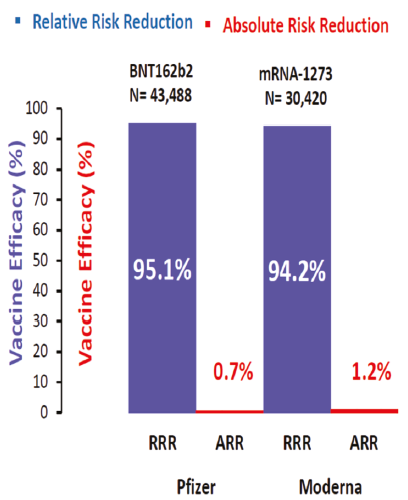
Figure 1. Anti-COVID-19 mRNA Vaccines Effectiveness
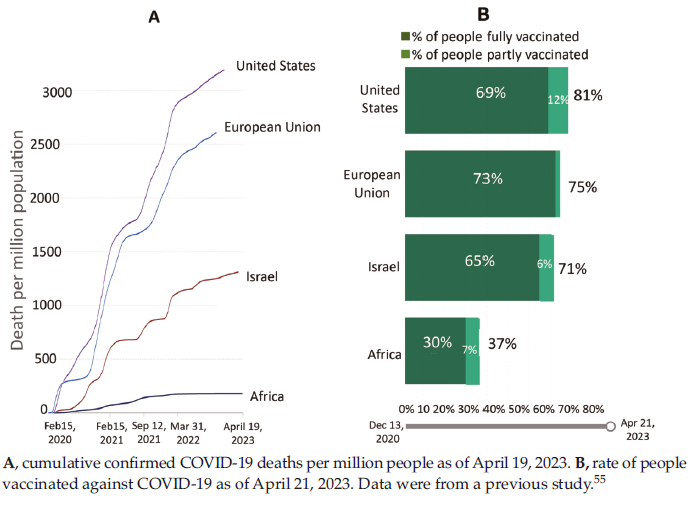
Figure 2. Relationship Between Cumulative COVID-19 Death and Vaccination Rate
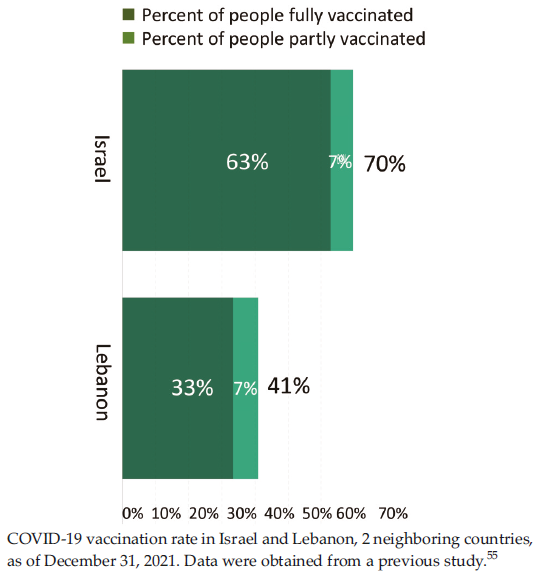
Figure 3. COVID-19 Vaccination Rate in Israel and Lebanon
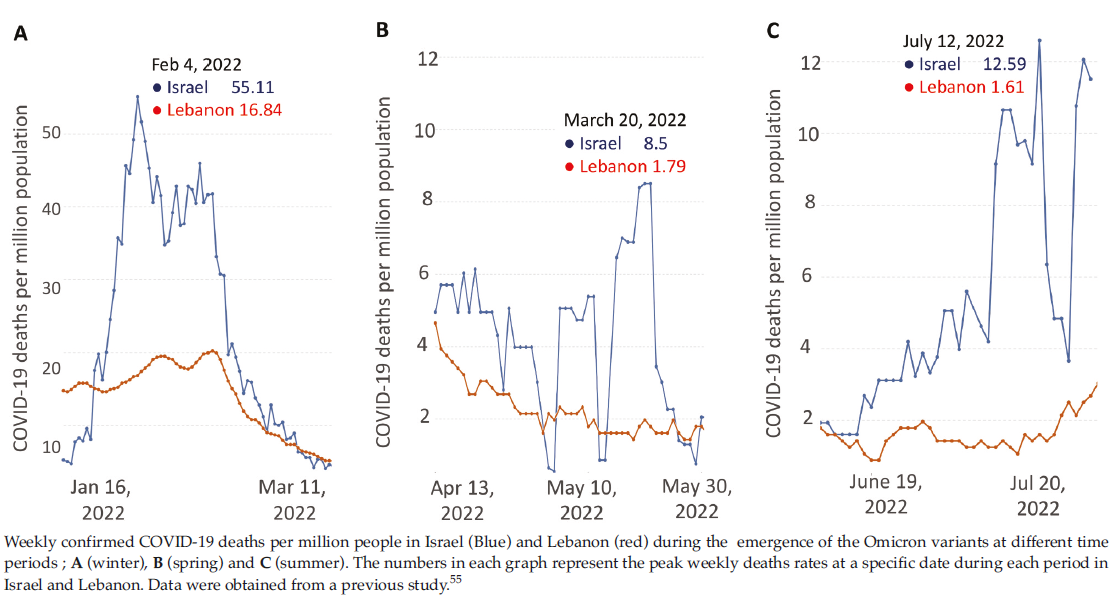
Figure 4. COVID-19 Mortality in Israel and Lebanon
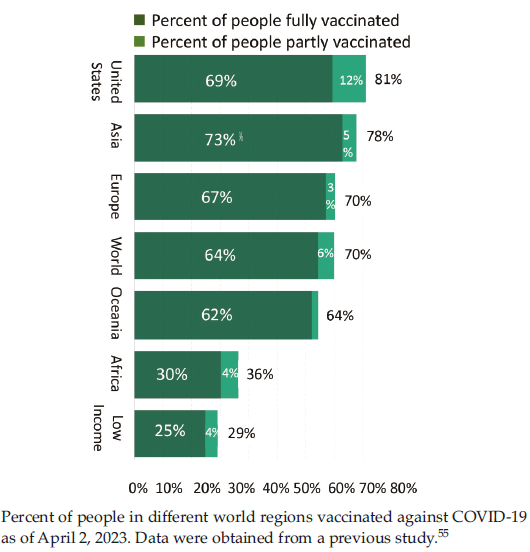
Figure 5. Rate of anti-COVID-19 vaccination in different regions of the world
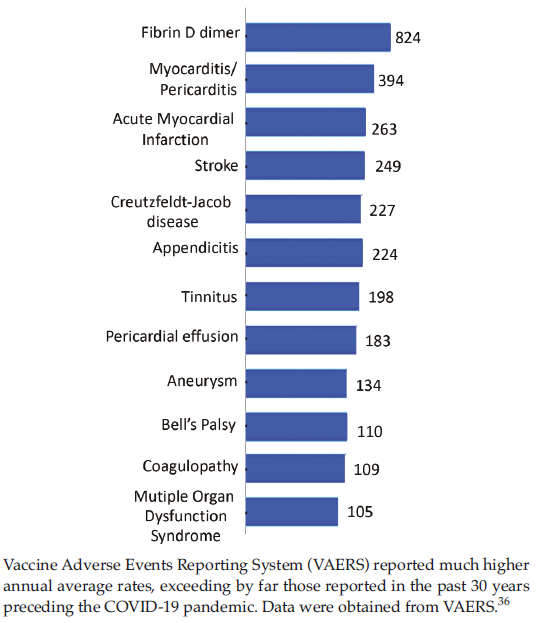
Figure 6. Average Annual Adverse Event by Symptom for COVID-19 Vaccines as a Multiple of All Other Vaccines Combined Since 1990
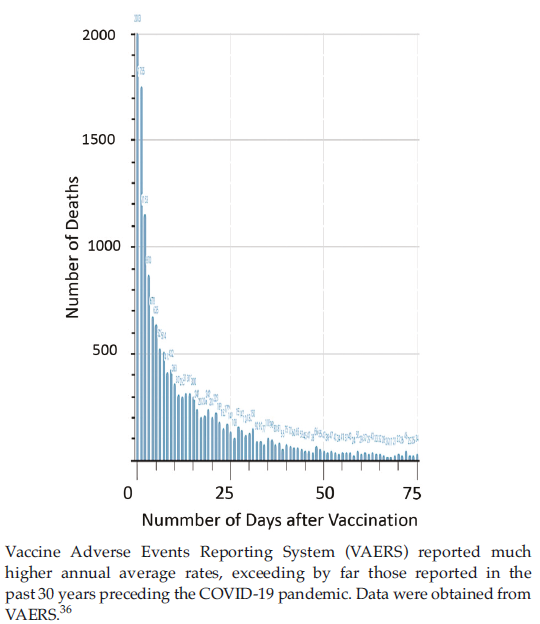
Figure 7. Number of Deaths by Days After COVID-19 Vaccination
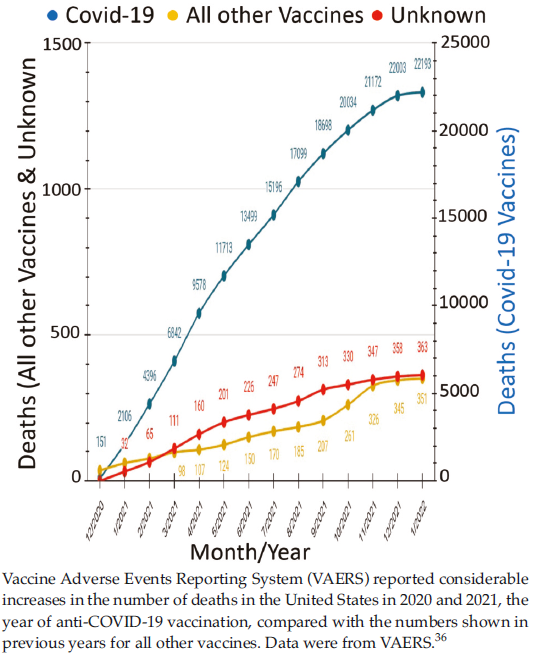
Figure 8. Cumulative Reported Deaths After Vaccination, 1 Year Summary