Volume: 22 Issue: 1 January 2024 - Supplement - 1
FULL TEXT
Objectives: Tertiary hyperparathyroidism, characterized by autonomous overproduction of parathyroid hormone, can be seen in patients with long-standing secondary hyperparathyroidism (pretransplant) or after renal transplant (posttransplant). Parathyroid scintigraphy and ultrasonography are the most commonly used imaging procedures for the preoperative localization of abnormal parathyroid glands. We aimed to evaluate imaging findings in pretransplant and posttransplant tertiary hyperparathyroidism.
Materials and Methods: This study included 32 patients with pretransplant tertiary hyperparathyroidism and 20 patients with posttransplant tertiary hyperparathyroidism. On parathyroid scintigraphy with technetium-99m sestamibi, early-phase and late-phase images were acquired. Images were evaluated for the presence and the number of active foci and the degree of uptake on the late-phase image. The existence of an autonomous gland was based on late-phase retention and was scored from 0 to 2 (retention score). On ultrasonography, the criteria threshold for autonomy was the maximum length of the largest gland ≥10 mm (ultrasonography score).
Results: On parathyroid scintigraphy, the most commonly observed pattern in the pretransplant group was positivity in ≥3 glands, and in the posttransplant group the most commonly observed pattern was positivity in 1 to 2 glands. In pretransplant and posttransplant groups, the criteria threshold for the presence of an autonomous parathyroid gland on parathyroid scintigraphy (grade 2 retention) was met in 26 (81%) and 9 (45%) patients and on ultrasonography in 25 (78%) and 10 (50%) patients, respectively. In the whole group of patients (n = 52), correlation existed between ultrasonography score and retention score. Glandular weight was correlated with both retention score and ultrasonography score.
Conclusions: Higher numbers of detectable glands and the presence of parathyroid autonomy were more common in the pretransplant group. This might be explained by parathyroid gland involution after transplant. The results may also suggest that factors other than autonomy are responsible for posttransplant tertiary hyperparathyroidism.
Key words : xAutonomy, Parathyroid, Scintigraphy, Size, Ultrasonography, Weight
Introduction
Tertiary hyperparathyroidism (t-HPT) is defined as the autonomous overproduction of parathyroid hormone (PTH) either in patients with chronic renal failure with long-standing secondary HPT (pretransplant) or in renal transplant recipients with successful renal transplants (posttransplant). Secondary HPT is a common complication of chronic kidney disease. Deteriorating kidney function leads to disturbances of calcium, phosphorus, and vitamin D metabolism. As a result of these metabolic changes, parathyroid glands are stimulated to synthesize more PTH, which results in hyperplasia. It is generally accepted that during the initial stages of disease, hyperplasia is diffuse and becomes nodular in time. It is at this stage that parathyroid glands start to function autonomously, similar to the observation in patients with primary HPT, and continue to secrete PTH despite a correction of the initial metabolic disturbance. In patients with chronic renal failure, a switch from low or normal levels of calcium to hypercalcemia marks the transition from secondary HPT to tertiary HPT. In renal transplant recipients, this generally presents as persistence of HPT after renal transplant. Diffuse hyperplasia and associated biochemical/clinical conditions have a tendency to reverse with appropriate medical management; however, this is unlikely with nodular hyperplasia.1,2 Because of this, t-HPT is also referred to as refractory HPT.
Dual-phase parathyroid scintigraphy (PS) with sestamibi and ultrasonography (USG) are the most commonly used imaging procedures for the preoperative localization of pathologic parathyroid glands. In addition to localization, these imaging procedures contribute to the prediction of response to medical therapy and the timing of surgery.3-6 It has been previously established that the sensitivity of imaging procedures is higher for the detection of autonomously functioning nodular hyperplasia compared with diffuse parathyroid hyperplasia.7-9 High uptake of sestamibi with increased retention is expected in the presence of autonomy. On USG, larger size and volume are suggestive of the presence of nodular hyperplasia.2,4,6 The transition from secondary HPT to tertiary HPT is a gradual process; in t-HPT, parathyroid glands of different size with either nodular or diffuse hyperplasia may coexist.10 The presence of even a single gland with characteristics of autonomy is sufficient for the manifestation of the clinical and biochemical consequences of t-HPT. Our aim was to evaluate PS and USG findings in pretransplant and posttransplant t-HPT.
Materials and Methods
Study population
This retrospective study was approved by the Institutional Review Board of our university (project No. KA23/191). In the pretransplant group, 54 patients with long-standing t-HPT were evaluated. Among these, 22 patients were normocalcemic and 32 were hypercalcemic. For the comparative evaluation with posttransplant patients, by definition, only hypercalcemic patients with pretransplant t-HPT who had a serum calcium level ≥10.3 mg/dL were included (ie, 32 patients; 20 male, 12 female; mean age 46.7 ± 14.3 years, range 20-73 years). The mean time spent on hemodialysis/peritoneal dialysis was 10.2 ± 4.2 years (range 5-21 years). In the normocalcemic group, the minimum time spent on hemodialysis/peritoneal dialysis was 7 years. In the posttransplant group, 20 patients (8 male, 12 female; mean age 40.5 ± 11.9 years; range 16-63 years) were included. In this group, elevated serum PTH together with or without high serum calcium levels were the reasons for parathyroid imaging evaluation.
For each patient, parathyroid hormone (PTH) and serum calcium levels obtained at the time of PS were available.
Histopathology evaluation
All patients underwent parathyroid exploration after imaging evaluation. The correlation of the scintigraphically determined foci with the presence of an histopathologically abnormal parathyroid gland was evaluated, and the weight of the largest parathyroid gland was recorded. For the histopathologic definition of hyperplasia, the following criteria were evaluated. The presence or absence of cellular hyperplasia and atypia was assessed. An increase in parathyroid cells within the gland was considered characteristic for diffuse hyperplasia, which results in a higher cell density than would be seen in normal parathyroid tissue. The cells in diffuse parathyroid hyperplasia are typically of uniform size and shape and lack the normal variation seen in nonhyperplastic parathyroid tissue. The cells may appear larger and with greater density. Although diffuse hyperplasia implies a uniform involvement of all parathyroid glands, there may be areas within the glands where nodules or clusters of cells are present. These nodules can vary in size and be seen within the hyperplastic tissue as a form of nodular hyperplasia.
Parathyroid scintigraphy
The administered activity for technetium-99m sestamibi ranged between 740 and 925 MBq. Anterior views of the neck and thorax were obtained with the patient in the supine position. Images were acquired at 15 minutes (early-phase) and at 90 to 120 minutes (late-phase) after the administration of the radiotracer. A dual-head gamma camera with a low-energy, high-resolution collimator was used. The images were evaluated by 2 experienced nuclear medicine physicians.
Images were evaluated for the presence and the number of active foci and the degree of uptake on the late-phase image. The existence of an autonomous gland was considered in the presence of the following criteria: at least 1 active foci with high uptake on early image that persisted or even increased on the delayed image or active foci visible only on the delayed image. Late-phase activity retention (retention score) was defined in 3 grades: no activity (grade 0), mild retention (grade 1), and moderate to severe retention (grade 2) (Figure 1).
Ultrasonography
Ultrasonography was performed within 3 days of PS. The criteria threshold for the presence of autonomy (USG score) was the maximum length of the largest gland ≥10 mm.
Statistical analyses
We used the SPSS statistical software package for all data analyses. Continuous variables are presented as mean values (with SD). We used the Mann-Whitney U test and the chi-square test for data comparisons. We used the Pearson or Spearman coefficients to evaluate correlations between variables. P < .05 was considered statistically significant.
Results
The mean values for biochemical and imaging parameters are presented in (Table 1). The mean PTH level and PS parameters were significantly different in pretransplant and posttransplant patients. No significant differences were observed in the mean calcium levels and USG score between the 2 groups.
Parathyroid scintigraphy findings
A negative scan with no demonstrable foci was observed in only 1 patient with pretransplant t-HPT (3%) and 2 patients (10%) with posttransplant t-HPT. With regard to the number of glands detected, in pretransplant patients ≥3 gland detectability was the most commonly observed pattern (44%), whereas this pattern was present only in 2 patients with posttransplant t-HPT (10%) (Figure 2). In posttransplant patients, positivity in 2 glands was the most commonly observed finding (45%), with 80% of patients showing positivity in 1 to 2 glands.
In pretransplant and posttransplant t-HPT, the criteria threshold for the presence of an autonomous parathyroid gland (grade 2 retention) was met in 26 (81%) and 9 (45%) patients, respectively (Figure 3). In 22 patients with long-term hemodialysis and normocalcemia, the criteria threshold for autonomy was observed in 14 patients (64%).
Ultrasonography findings
The criteria threshold for autonomy was met in 25 patients (78%) with pretransplant t-HPT and 10 patients (50%) with posttransplant t-HPT.
Combined sensitivity of parathyroid scintigraphy and ultrasonography
In pretransplant and posttransplant patients with t-HPT, combined sensitivity of the 2 imaging procedures for the detection of autonomy was 94% and 65%, respectively. In the group of 52 patients consisting of pretransplant and posttransplant patients, combined sensitivity of PS and USG in the detection of autonomy was 83%.
Correlations between parameters
In the whole group of 52 patients (32 pretransplant, 20 posttransplant), the USG score correlated with the retention score (P = .01). Correlation existed between glandular weight and USG score (P = .001) and between glandular weight and retention score (P = .01). The PTH levels were significantly correlated with retention score (P = .002) and glandular weight (P = .004).
Discussion
In secondary and tertiary forms of HPT, multiglandular involvement in the form of either diffuse or nodular hyperplasia is the most commonly encountered parathyroid abnormality. There is a wide range in the reported sensitivity of PS for detection of multiglandular disease, and it is generally lower than the detection rate of a single adenoma.11,12 In a meta-analysis, the pooled sensitivity and specificity of PS in patients with t-HPT were 58% and 93%, respectively.12 Tertiary hyperparathyroidism is characterized with nodular transformation in a diffusely hyperplastic gland. Studies have reported higher sensitivity of PS in the detection of nodular hyperplasia compared with diffuse hyperplasia.7-9 In a study that included 14 patients on long-term hemodialysis, the sensitivity of sestamibi PS for the detection of nodular and diffuse hyperplasia was 76% and 29%, respectively.7
Although it is widely accepted that t-HPT is a 4-gland disease, some patients with posttransplant t-HPT are known to present with only 1 to 2 abnormal glands to be resectable during surgery.13,14 Previous studies have shown marked variability at histologic and molecular levels between parathyroid glands in patients with posttransplant t-HPT.10 This variability of parathyroid glands has been attributed to involution of several parathyroid glands after renal transplant.15 In a study performed to evaluate the predictive value of PS for detection of visually abnormal glands during surgery in renal transplant recipients, PS was negative in 11% of the patients.14 Of the patients, 61% had 1 to 2 sestamibi-positive glands and 28% had ≥3 sestamibi-positive glands.
To our knowledge, a direct comparison of imaging findings in patients with pretransplant and posttransplant t-HPT does not exist in the literature. Furthermore, in most of the imaging studies performed in patients with t-HPT, it is unclear whether the participants are pretransplant or posttransplant patients. In our study, we compared imaging findings in patients with pretransplant and posttransplant t-HPT. We found that, the incidence of a localizing scan, the number and activity of detected glands were higher in pretransplant t-HPT than in posttransplant t-HPT. Both PS and USG had a higher sensitivity in pretransplant patients compared with posttransplant patients.
In a previous preliminary study that compared PS findings in patients with secondary HPT and posttransplant t-HPT, we have shown that thyroid gland enlargement and/or hyperactivity were observed more commonly in patients with posttransplant t-HPT versus patients with secondary HPT.16 In a study performed with USG, high incidence of thyroid gland dysfunction after transplant was reported, for which screening for thyroid function during the follow-up was recommended.17 Thyroid gland changes after renal transplant may be due to the use of immunosuppressive agents. Studies performed in patients with primary HPT have documented that in the presence of a coexisting thyroid disease, there was a reduction in the diagnostic utility of imaging procedures for the detection of abnormal parathyroid glands.18 Further studies are needed to understand whether posttransplant-induced thyroid gland alterations are associated with the lower sensitivity of imaging evaluation in patients with t-HPT.
In a study that evaluated patients with primary HPT, secondary HPT, and tertiary HPT, the sestamibi washout rate was lower in patients with t-HPT.19 In that study, preoperative PTH levels and the glandular size were the major determinants of early uptake, whereas glandular size was an independent predictor of late image sestamibi retention. In accordance with the results of that study, our present study revealed significant correlation between scintigraphic retention index and USG score. Custodio and colleagues associated higher sestamibi uptake scores with glandular weight, degree of cell proliferation, and the presence of nodular hyperplasia.9 In their study, the paradox between high sestamibi uptake and low nodular hyperplasia diagnosis was noted, and the lack of correlation between histology type and the presence of macroscopically visible nodules was emphasized. The authors commented that glands composed of a single nodule at the most advanced stage of nodular hyperplasia may be mistakenly classified as diffuse hyperplasia, due to the similar appearances of these 2 different states of hyperplasia. Because of this inferior histopathologic nodular hyperplasia diagnosis, we did not take into consideration the final histopathologic diagnosis as nodular or diffuse hyperplasia. However, all scintigraphically identified foci represented an abnormal parathyroid gland on histopathology. In our present study, the results of PS and USG revealed the presence of autonomy to be more common in pretransplant patients compared with posttransplant patients with t-HPT. Combined sensitivity of PS and USG in the detection of parathyroid autonomy was 83%.
In pretransplant patients, the emergence of hypercalcemia marks the onset of t-HPT. However, in our present study, 64% of patients on long-term hemodialysis with normocalcemia exhibited signs of autonomy on PS. Normocalcemic HPT is not widely studied in t-HPT compared with the same situation in primary HPT. In a study that evaluated the effectiveness of parathyroidectomy in normocalcemic posttransplant t-HPT, preoperative parathyroid-specific symptomatology and postsurgical outcomes were similar in normocalcemic and hypercalcemic groups.20 Further studies in pretransplant patients that evaluate clinical, biochemical, and imaging findings may be needed to establish a better definition of t-HPT. Our results suggest that in the presence of hypercalcemia, imaging results validate the presence of t-HPT; in patients with normocalcemia, the presence of imaging findings suggestive of autonomy may support the presence of t-HPT. In both normocalcemic and hypercalcemic patients, imaging findings can help guide earlier surgical referral and exploration.
Conclusions
In this study, we compared imaging findings in patients with pretransplant and posttransplant t-HPT. The results revealed that the 2 groups of patients defined under the term of t-HPT exhibit different imaging results. Findings suggestive of the presence of parathyroid autonomy were more commonly observed in patients with pretransplant t-HPT versus patients with posttransplant t-HPT. The presence of a larger gland on USG and a higher number of detectable glands with significant retention on PS were more likely in pretransplant t-HPT patients compared with posttransplant t-HPT patients. A possible explanation for this difference could be the posttransplant-induced thyroid gland changes and/or parathyroid gland involution. The results of our study suggest that refractory HPT resistant to medical management is more common in patients with pretransplant t-HPT compared with posttransplant t-HPT patients, and imaging findings may be useful in the decision to perform parathyroid surgery in both groups of patients.
References:
- Vulpio C, Bossola M. Parathyroid nodular hyperplasia and responsiveness to drug therapy in renal secondary hyperparathyroidism: an open question. Ther Apher Dial. 2018;22(1):11-21. doi:10.1111/1744-9987.12604
CrossRef - PubMed - Fukagawa M, Nakanishi S. Role of parathyroid intervention in the management of secondary hyperparathyroidism. Nephrol Dial Transplant. 2003;18 Suppl 3:iii23-26. doi:10.1093/ndt/gfg1006
CrossRef - PubMed - Yamamoto M, Ogata H, Mizobuchi M, et al. Number of enlarged parathyroid glands might be a predictor of cinacalcet response in advanced secondary hyperparathyroidism. Clin Exp Nephrol. 2012;16(2):292-299. doi:10.1007/s10157-011-0547-5
CrossRef - PubMed - Tominaga Y, Inaguma D, Matsuoka S, et al. Is the volume of the parathyroid gland a predictor of Maxacalcitol response in advanced secondary hyperparathyroidism? Ther Apher Dial. 2006;10(2):198-204. doi:10.1111/j.1744-9987.2006.00364.x
CrossRef - PubMed - Fuster D, Torregrosa JV, Domenech B, et al. Dual-phase 99mTc-MIBI scintigraphy to assess calcimimetic effect in patients on haemodialysis with secondary hyperparathyroidism. Nucl Med Commun. 2009;30(11):890-894. doi:10.1097/MNM.0b013e3283305df6
CrossRef - PubMed - Katoh N, Nakayama M, Shigematsu T, et al. Presence of sonographically detectable parathyroid glands can predict resistance to oral pulsed-dose calcitriol treatment of secondary hyperparathyroidism. Am J Kidney Dis. 2000;35(3):465-468. doi:10.1016/s0272-6386(00)70199-5
CrossRef - PubMed - Nishida H, Ishibashi M, Hiromatsu Y, et al. Comparison of histological findings and parathyroid scintigraphy in hemodialysis patients with secondary hyperparathyroid glands. Endocr J. 2005;52(2):223-228. doi:10.1507/endocrj.52.223
CrossRef - PubMed - Vulpio C, Bossola M, De Gaetano A, et al. Usefulness of the combination of ultrasonography and 99mTc-sestamibi scintigraphy in the preoperative evaluation of uremic secondary hyperparathyroidism. Head Neck. 2010;32(9):1226-1235. doi:10.1002/hed.21320
CrossRef - PubMed - Custodio MR, Montenegro F, Costa AF, et al. MIBI scintigraphy, indicators of cell proliferation and histology of parathyroid glands in uraemic patients. Nephrol Dial Transplant. 2005;20(9):1898-1903. doi:10.1093/ndt/gfh933
CrossRef - PubMed - Harach HR, Jasani B. Parathyroid hyperplasia in tertiary hyperparathyroidism: a pathological and immunohistochemical reappraisal. Histopathology. 1992;21(6):513-519. doi:10.1111/j.1365-2559.1992.tb00438.x
CrossRef - PubMed - Pattou F, Huglo D, Proye C. Radionuclide scanning in parathyroid diseases. Br J Surg. 1998;85(12):1605-1616. doi:10.1046/j.1365-2168.1998.00942.x
CrossRef - PubMed - Caldarella C, Treglia G, Pontecorvi A, Giordano A. Diagnostic performance of planar scintigraphy using (9)(9)mTc-MIBI in patients with secondary hyperparathyroidism: a meta-analysis. Ann Nucl Med. 2012;26(10):794-803. doi:10.1007/s12149-012-0643-y
CrossRef - PubMed - Nichol PF, Starling JR, Mack E, Klovning JJ, Becker BN, Chen H. Long-term follow-up of patients with tertiary hyperparathyroidism treated by resection of a single or double adenoma. Ann Surg. 2002;235(5):673-678; discussion 678-680. doi:10.1097/00000658-200205000-00009
CrossRef - PubMed - Berger MG, Pandian TK, Lyden ML, McKenzie T, Drake MT, Dy BM. Preoperative imaging in renal transplant patients with tertiary hyperparathyroidism. World J Surg. 2021;45(8):2454-2462. doi:10.1007/s00268-021-06098-0
CrossRef - PubMed - Lewin E. Involution of the parathyroid glands after renal transplantation. Curr Opin Nephrol Hypertens. 2003;12(4):363-371. doi:10.1097/00041552-200307000-00004
CrossRef - PubMed - Akta? A, Sayin CB, Genço?lu EA, et al. Sekonder ve tersiyer hiperparatiroidide paratiroid sintigrafisi bulgularinin kar?ila?tirilmasi. Nucl Med Semin. 2022;8(Suppl 1):68.
CrossRef - PubMed - Gungor O, Celik A, Kebapcilar L, et al. Incidence of thyroid dysfunction and thyroid cancer in renal transplant recipients: a single center experience. Ren Fail. 2010;32(2):167-171. doi:10.3109/08860220903541119
CrossRef - PubMed - Heizmann O, Viehl CT, Schmid R, Muller-Brand J, Muller B, Oertli D. Impact of concomitant thyroid pathology on preoperative workup for primary hyperparathyroidism. Eur J Med Res. 2009;14(1):37-41. doi:10.1186/2047-783x-14-1-37
CrossRef - PubMed - Kushchayeva YS, Tella SH, Kushchayev SV, Van Nostrand D, Kulkarni K. Comparison of hyperparathyroidism types and utility of dual radiopharmaceutical acquisition with Tc99m sestamibi and (123)I for localization of rapid washout parathyroid adenomas. Osteoporos Int. 2019;30(5):1051-1057. doi:10.1007/s00198-019-04846-6
CrossRef - PubMed - Ramonell KM, Lindeman B, Chen H, Fazendin J. Parathyroidectomy for normocalcemic tertiary hyperparathyroidism: a 19-year experience. J Surg Res. 2022;276:362-368. doi:10.1016/j.jss.2022.02.011
CrossRef - PubMed

Volume : 22
Issue : 1
Pages : 96 - 101
DOI : 10.6002/ect.MESOT2023.O16
From the 1Department of Nuclear Medicine, the 2Department of Internal Medicine, Division of Nephrology, the 3Department of Radiology, the 4Department of Pathology, and the 5Department of General Surgery, Division of Transplantation Başkent University Faculty of Medicine, Baskent University, Ankara, Turkey
Acknowledgements: The authors have not received any funding or grants in support of the presented research or for the preparation of this work and have no declarations of potential conflicts of interest.
Corresponding author: Ayşe Aktaş, Başkent University, Faculty of Medicine, Department of Nuclear Medicine, Baskent University, Ankara, Turkey
E-mail: aktasayse@hotmail.com
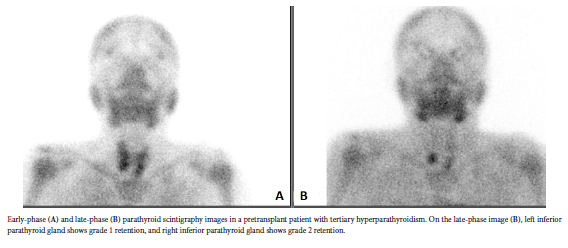
Figure 1.Parathyroid Scintigraphy Images in a Pretransplant Patient With Tertiary Hyperparathyroidism
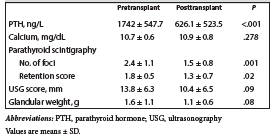
Table 1.Biochemical and Imaging Parameters in Pretransplant and Posttransplant Patients
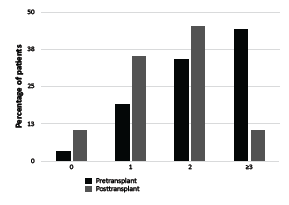
Figure 2.Parathyroid Scintigraphy Results In Relation to the Number of Detected Glands in Pretransplant and Posttransplant Patients
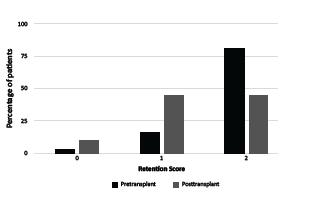
Figure 3.Retention Scores on Parathyroid Scintigraphy in Pretransplant and Posttransplant Patients