Volume: 22 Issue: 1 January 2024 - Supplement - 1
FULL TEXT
Etiologies Associated With Elevated Liver Enzymes After Renal Transplant
Objectives: One of the most important causes of morbidity and mortality in renal transplant recipients is liver disease. Liver dysfunction is shown in 7% to 67% of kidney transplant recipients. Liver insufficiency accounts for death in up to 28% of kidney transplant recipients. We stratified various etiological factors responsible for elevated liver enzymes in kidney transplant recipients.
Materials and Methods: We enrolled all patients who fulfilled inclusion criteria. The principal investigator obtained and recorded demographic and clinical information via a standardized form. We reviewed clinical records of kidney recipients with hepatotoxicity during the course of illness, and we analyzed data with SPSS statistical software (version 22). Descriptive statistics were used for continuous and categorical variables.
Results: All recipients of living related renal transplants from January 2015 to December 2016 were included in the study (n = 496). We excluded 64 patients with positive serology for hepatitis B or hepatitis C before transplant. Of the remaining 432 patients, 74 (17.1%) had deranged liver enzymes. Forty-one patients (55.4%) had deranged liver enzymes 3 to 4 years after transplant, whereas 23 patients (31.1%) had deranged liver enzymes 4 years after transplant. Liver parenchymal biopsy was performed in 17 patients (23%) to evaluate the etiology. The most common cause of deranged liver enzymes was sepsis, which was seen in 21 patients (28.4%), followed by viral hepatitis, ie, cytomegalovirus hepatitis in 7 (9.5%) and hepatitis C in 6 (8.1%) patients. Other causes included antituberculosis treatment-induced liver injury, autoimmune hepatitis, sinusoidal obstruction syndrome, and nonalcoholic steatohepatitis, observed in 4 patients each (5.4%).
Conclusion: The most common cause of deranged liver enzymes in patients who received living related renal transplants in our population was sepsis, which can have a substantial effect on graft survival.
Key words : Cytomegalovirus, Deranged liver enzymes, Hepatitis B virus, Hepatitis C virus, Renal transplant recipients, Sepsis
Introduction
The best possible treatment choice in patients with end-stage renal disease is renal transplant.1 Obvious improvements in early graft survival and long-term graft function have made renal transplant a more cost-effective alternative to dialysis, but the most obvious challenge in renal transplant is suppression of allograft rejection. A crucial advancement in the field of transplantation has been the advent of immunosuppressive drugs. However, immunosuppression regimens can cause variety of adverse effects, ranging from infection to gastrointestinal complications and hepatotoxicity.2,3 One of the most important causes of morbidity and mortality in kidney transplant recipients (KTRs) is liver disease.4 Liver dysfunction accounts for 7% to 67% of KTRs.5-8 Liver insufficiency accounts for death in up to 28% of KTR.9
Hence, KTRs receive antimicrobial agents prophylactically during the first 6 months after transplant. Kidney transplant recipients are made vulnerable to liver injury by various drugs, especially antimicrobial agents, which are used to treat infections and sepsis. Among these, the former is thought to be the most common cause. No gold standard test, specific serum marker, or characteristic histological feature has been found to identify the drug as a cause of toxicity. The diagnosis is even more challenging when a KTR is receiving a multidrug regimen, because one of the drugs could be responsible for hepatotoxicity or could act synergistically with other drugs.10-12 One of the most important causes of liver dysfunction after renal transplant is infection by hepatotropic viruses. Among these, hepatitis C virus (HCV) is the most frequent cause of liver dysfunction.13 The recent decrease in the prevalence and incidence of hepatitis B virus (HBV) and HCV infections among patients on hemodialysis and among KTRs has compelled attending physicians to investigate for other causes of liver diseases in their patients.14-18
Liver injury is indicated by elevated liver enzymes, including alanine aminotransferase, aspartate amino-transferase, and alkaline phosphatase.19 If patients present with increased levels of serum aminotransferases and/or γ-glutamyl transferase, then the patients should be questioned regarding ingestion of alcohol and hepatotoxic drugs.20 Serum aminotransferase levels should be monitored in KTRs who have used potential hepatotoxic agents, such as immunosuppressive drugs, statins, and allopurinol.
The presence of liver disease after renal transplant adversely affects graft function and survival. Tests to determine the cause of deranged liver function can be helpful for treatment of the underlying cause, thereby increasing graft survival and improving the overall quality of life of KTRs. There are, however, surprisingly few studies on the prevalence of elevated liver enzymes after kidney transplant.
Presently, data are scarce on the etiologies associated with elevated liver enzymes in KTRs. Therefore, this study will help in stratifying various etiological factors responsible for elevated liver enzymes in KTRs, especially 2 years after renal transplant.
In this study, we aimed not only to determine the etiological factors responsible for the elevation of liver enzymes in KTR but also to describe the pattern of derangement of liver enzymes.
Materials and Methods
This retrospective descriptive study was conducted at the Department of Hepatogastroenterology, Sindh Institute of Urology and Transplantation. All patients of either sex with age greater than 18 years and history of renal transplant with normal liver enzymes before transplant were included in the study. Patients who had deranged liver enzymes before renal transplant or within 2 years after transplant and those with history of hepatotropic viral infection before renal transplant were excluded from the study.
We obtained baseline demographics and clinical information. The clinical records of KTRs with hepatotoxicity during the course of illness were reviewed, and data were entered and analyzed with SPSS statistical software (version 22).
Descriptive statistics were used to summarize the continuous and categorical variables. We used t-tests for comparisons between groups for continuous variables and the chi-square test for comparisons of categorical variables. P ≤ .05 was considered statistically significant.
Results
All patients who received a living related renal transplant from January 2015 to December 2016 were included in the study (n = 496). Sixty-four patients were excluded because of positive serology for HBV for HCV or history of deranged liver enzymes before transplant or deranged liver enzymes within 2 years after transplant. Of the remaining 432 patients, 74 (17.1%) were found to have deranged liver enzymes. There were 57 (77%) male patients and 17 (23%) female patients (Figure 1). In patients who developed deranged liver enzymes, all were receiving oral prednisolone as an immunosuppression therapy followed by azathioprine in 46 patients (62.2%), tacrolimus in 11 (14.9%), mycophenolate mofetil in 9 (12.2%), and cyclosporine and sirolimus in 1 patient (1.4%) patient (Figure 2). Forty-one patients (55.4%) had deranged liver enzymes 3 to 4 years after transplant, whereas 23 patients (31.1%) had deranged liver enzymes 4 years after transplant (Figure 3).
The cholestatic or obstructive pattern was the most commonly observed pattern of abnormal liver enzymes noted in 31 patients (41.9%), followed by hepatocellular and mixed pattern in 30 (40.5%) and 13 patients (17.6%), respectively (Figure 4). Liver parenchymal biopsy was performed in 17 patients (23%) to evaluate the etiology. The most common cause of deranged liver enzymes was sepsis, which was seen in 21 patients (28.4%), followed by viral hepatitis, ie, cytomegalovirus (CMV) hepatitis in 7 patients (9.5%) and HCV hepatitis in 6 patients (8.1%). Other causes included antituberculosis treatment-induced liver injury, autoimmune hepatitis, sinusoidal obstruction syndrome, and nonalcoholic steatohepatitis observed in 4 patients (5.4%) each (Figure 5). The baseline characteristics showed a mean age of 41.7 ± 9.46 years, total bilirubin of 2 ± 1.6 mg/dL, direct bilirubin of 1.2 ± 1.3 mg/dL, alanine aminotransferase of 111.9 ± 107.9 IU, aspartate aminotransferase of 99.5 ± 88 IU, alkaline phosphatase of 157.8 ± 111.2 IU, and γ-glutamyl transferase of 196 ± 227 IU (Table 1).
Discussion
Approximately 25% of KTRs develop hepatic dysfunction after transplant.21 The wide variety of treatment regimens including lifelong immunosuppressive medications, antiviral prophylaxis, and antifungal prophylaxis may render KTRs more prone to develop liver injury.10-12 The other causes of liver injury in these patients include hepatotropic viruses such as HBV and HCV,22 sepsis,23 and choledocholithiasis.24 Kidney transplant recipients with hepatic dysfunction are more prone to develop graft rejection.25
Previously, multiple studies have reported on the causes of elevated liver enzymes immediately after renal transplant. However, the data are scarce regarding the etiologies responsible for liver injury in the delayed phase, ie, 2 years after transplant. In this study, we retrospectively analyzed a cohort of 496 patients who underwent renal transplant from January 2015 to December 2016, and we analyzed those patients who had deranged liver enzymes for the first time no earlier than 2 years after transplant.
The most common cause of deranged liver enzymes in our KTRs was sepsis. Sepsis has a marked impact on graft function, with approximately 20% of KTRs developing graft dysfunction within 1 year of a single septic episode.23 Approximately 28% of our patients had hepatic alterations and elevated liver enzymes due to sepsis. The most common cause of sepsis observed in our population was urinary tract infection and multidrug-resistant bacteremia. Systemic and microcirculatory disturbances along with imbalance between proinflammatory and anti-inflammatory mediators can result in sepsis-induced liver dysfunction. This alteration causes impaired release of bile acids and bilirubin in hepatic canaliculi, resulting in marked cholestasis. In patients with untreated sepsis, hepatic dysfunction can progress to acute liver failure that can initiate a cascade of complications including renal failure, coagulopathy, respiratory failure, and cerebral edema.26 Of the KTRs in our study with sepsis-induced hepatic dysfunction, 4 patients developed acute liver failure.
The risk of CMV infection is low in KTRs compared with other solid-organ transplant recipients. This can be explained by the low viral load of latent virus in the transplanted graft. Overall, the estimated prevalence of CMV infection in KTRs is 8% to 32%.27,28 One of the most common causes of elevated liver enzymes in KTR is CMV hepatitis. In the absence of prophylaxis, CMV hepatitis usually infects recipients in the immediate transplant phase, especially if the patient is receiving a high dose of immunosuppression. However, CMV infection mostly occurs within 1 year posttransplant; especially after cessation of antiviral prophylaxis.29,30 In our KTRs, CMV hepatitis occurred in 9.5% of the patients 3 to 4 years after transplant.
One of the major problems associated with hepatic dysfunction along with elevated liver enzymes in KTRs in countries with poor socioeconomic conditions is the incidence of blood-borne diseases, including HBV and HCV, which can also impair graft function. In KTRs, decreased 10-year survival has been observed in patients infected with HBV or HCV versus patients without infection.25 The likely etiology behind newly diagnosed seropositive HBV or HCV after transplant is de novo infection or reactivation of a previously treated infection, due to a patient’s immunosuppressed state.31-33 In the case of HBV, there are 2 proposed hypotheses to explain the reactivation. One hypothesis is that the patient may be experiencing “occult HBV” before transplant and viral replication takes place in high immunosuppressive state after transplant. The second hypothesis is that the patient possibly loses protective immunity and becomes infected by a mutant strain.34 Surprisingly, de novo HBV infection was less frequent in our KTRs compared with de novo HCV infection. This can be attributed to the availability of HBV vaccine for our recipients, because each patient received a full course of HBV vaccination prior to the renal transplant.
Similarly, HCV infection is also a complex problem in KTRs.30 After CMV hepatitis, HCV infection was the second most common viral cause of deranged liver enzymes in our population, affecting 8.1% of patients with hepatic enzyme elevation. In patients with chronic kidney disease who were receiving hemodialysis, HCV infection may be underdiagnosed due to the limited accuracy of available diagnostic tests for this population. Therefore, all KTRs with elevated liver enzymes must undergo HCV screening by nucleic acid testing after transplant and should receive prompt treatment with direct-acting antiviral therapy.35
Other causes of deranged liver enzymes in less than 5% of our KTRs included autoimmune hepatitis, vascular disorders, and drug-induced liver injury. We also reported the first case of peliosis hepatis in a KTR as a cause of hepatic dysfunction from Pakistan.36
The major strength of this study is that it is a pioneer study that has elaborated the etiologies behind the delayed elevation of liver enzymes in KTRs. However, our study had some limitations: (1) this was a retrospective study, (2) liver biopsies and molecular analyses were not performed in all KTRs, and (3) the impact of liver injury on graft survival was not studied, and the elevation in liver enzymes was not correlated with age and sex.
Conclusions
The most common cause of deranged liver enzymes in patients undergoing living related renal transplant in our population was sepsis, which can have an impact on the graft survival. Kidney transplant recipients with viral hepatitis are at risk of developing severe disease that can progress to hepatic dysfunction and liver failure. Therefore, detailed pretransplant screening using nucleic acid testing and vaccination should be performed, to prevent posttransplant complications and thereby improve graft survival.
References:
- Port FK, Wolfe RA, Mauger EA, Berling DP, Jiang K. Comparison of survival probabilities for dialysis patients vs cadaveric renal transplant recipients. JAMA. 1993;270(11):1339-1343.
CrossRef - PubMed - Halloran PF. Immunosuppressive drugs for kidney transplantation. N Engl J Med. 2004;351(26):2715-2729. doi:10.1056/NEJMra033540
CrossRef - PubMed - Anelli MG, Scioscia C, Grattagliano I, Lapadula G. Old and new antirheumatic drugs and the risk of hepatotoxicity. Ther Drug Monit. 2012;34(6):622-628. doi:10.1097/FTD.0b013e31826a6306
CrossRef - PubMed - Fabrizi F, Martin P, Ponticelli C. Hepatitis C virus infection and renal transplantation. Am J Kidney Dis. 2001;38(5):919-934. doi:10.1053/ajkd.2001.28576
CrossRef - PubMed - Aronoff A, Gault MH, Huang SN, et al. Hepatitis with Australia antigenemia following renal transplantation. Can Med Assoc J. 1973;108(1):43-50.
CrossRef - PubMed - Berne TV, Chatterjee SN, Craig JR, Payne JE. Hepatic dysfunction in recipients of renal allografts. Surg Gynecol Obstet. 1975;141(2):171-175.
CrossRef - PubMed - Ireland P, Rashid A, von Lichtenberg F, Cavallo T, Merrill JP. Liver disease in kidney transplant patients receiving azathioprine. Arch Intern Med. 1973;132(1):29-37.
CrossRef - PubMed - Moore TC, Hume DM. The period and nature of hazard in clinical renal transplantation. II. The hazard to transplant kidney function. Ann Surg. 1969;170(1):12-24. doi:10.1097/00000658-196907000-00002
CrossRef - PubMed - Pereira BJ, Levey AS. Hepatitis C virus infection in dialysis and renal transplantation. Kidney Int. 1997;51(4):981-999. doi:10.1038/ki.1997.139
CrossRef - PubMed - Zimmerman HJ. Drug-induced liver disease. Clin Liver Dis. 2000;4(1):73-96. doi:10.1016/s1089-3261(05)70097-0
CrossRef - PubMed - Bissell DM, Gores GJ, Laskin DL, Hoofnagle JH. Drug-induced liver injury: mechanisms and test systems. Hepatology. 2001;33(4):1009-1013. doi:10.1053/jhep.2001.23505
CrossRef - PubMed - Liu ZX, Kaplowitz N. Immune-mediated drug-induced liver disease. Clin Liver Dis. 2002;6(3):755-774. doi:10.1016/s1089-3261(02)00025-9
CrossRef - PubMed - Mahmoud IM, Elhabashi AF, Elsawy E, El-Husseini AA, Sheha GE, Sobh MA. The impact of hepatitis C virus viremia on renal graft and patient survival: a 9-year prospective study. Am J Kidney Dis. 2004;43(1):131-139. doi:10.1053/j.ajkd.2003.09.018
CrossRef - PubMed - Agarwal SK. Hepatitis B infection during renal replacement therapy. Hepat Mon. 2010;10(4):255-257.
CrossRef - PubMed - Einollahi B. Therapy for HBV infection in hemodialysis patients: is it possible? Hepat Mon. 2012;12(3):153-157. doi:10.5812/hepatmon.834
CrossRef - PubMed - Mahdavi-Mazdeh M. Controlling HCV infection in hemodialysis units. Nephrourol Mon. 2011;3(4):311-312.
CrossRef - PubMed - Salinitri F, Hsaiky L, Pinelli N, Alavian S. Hepatitis C virus infection complicated by kidney disease and author’s reply. Nephrourol Mon. 2011;3(4):308-310.
CrossRef - PubMed - Zahedi MJ, Darvish Moghaddam S, Alavian SM, Dalili M. Seroprevalence of hepatitis viruses B, C, D and HIV infection among hemodialysis patients in Kerman Province, South-East Iran. Hepat Mon. 2012;12(5):339-343. doi:10.5812/hepatmon.5969
CrossRef - PubMed - Alavian S, Einolahi B, Sadeghi-Gahroodi M, Hosseini S. Liver enzymes level evaluation in renal tranplanted group. Modarres J Med Sci. 2002;5(1):87-92.
CrossRef - PubMed - Gutkowski K, Chwist A, Hartleb M. Liver injury induced by high-dose methylprednisolone therapy: a case report and brief review of the literature. Hepat Mon. 2011;11(8):656-661. doi:10.5812/kowsar.1735143x.713
CrossRef - PubMed - Gheith OA, Saad MA, Hassan AA, et al. Hepatic dysfunction in kidney transplant recipients: prevalence and impact on graft and patient survival. Clin Exp Nephrol. 2007;11(4):309-315. doi:10.1007/s10157-007-0490-7
CrossRef - PubMed - Mathurin P, Mouquet C, Poynard T, et al. Impact of hepatitis B and C virus on kidney transplantation outcome. Hepatology. 1999;29(1):257-263. doi:10.1002/hep.510290123
CrossRef - PubMed - Protus M, Uchytilova E, Indrova V, et al. Sepsis affects kidney graft function and one-year mortality of the recipients in contrast with systemic inflammatory response. Front Med (Lausanne). 2022;9:923524. doi:10.3389/fmed.2022.923524
CrossRef - PubMed - Sarkio S, Salmela K, Kyllonen L, Rosliakova M, Honkanen E, Halme L. Complications of gallstone disease in kidney transplantation patients. Nephrol Dial Transplant. 2007;22(3):886-890. doi:10.1093/ndt/gfl708
CrossRef - PubMed - Dizdar OS, Ersoy A, Aksoy S, Ozel Coskun BD, Yildiz A. Analysis of liver function test abnormalities in kidney transplant recipients: 7 year experience. Pak J Med Sci. 2016;32(6):1330-1335. doi:10.12669/pjms.326.10725
CrossRef - PubMed - Wang D, Yin Y, Yao Y. Advances in sepsis-associated liver dysfunction. Burns Trauma. 2014;2(3):97-105. doi:10.4103/2321-3868.132689
CrossRef - PubMed - Patel R, Paya CV. Infections in solid-organ transplant recipients. Clin Microbiol Rev. 1997;10(1):86-124. doi:10.1128/CMR.10.1.86
CrossRef - PubMed - Hartmann A, Sagedal S, Hjelmesaeth J. The natural course of cytomegalovirus infection and disease in renal transplant recipients. Transplantation. 2006;82(2 Suppl):S15-17. doi:10.1097/01.tp.0000230460.42558.b0
CrossRef - PubMed - Weikert BC, Blumberg EA. Viral infection after renal transplantation: surveillance and management. Clin J Am Soc Nephrol. 2008;3 Suppl 2(Suppl 2):S76-86. doi:10.2215/CJN.02900707
CrossRef - PubMed - Green M, Avery R, and Preiksaitis J. Guidelines for the prevention and management of infectious complications of solid organ transplantation. Am J Transplant. 2004;4(Suppl 10):160-163. doi:10.1111/j.1600-6135.2004.00737.x
CrossRef - PubMed - Berger A, Preiser W, Kachel HG, Sturmer M, Doerr HW. HBV reactivation after kidney transplantation. J Clin Virol. 2005;32(2):162-165. doi:10.1016/j.jcv.2004.10.006
CrossRef - PubMed - Savas N, Colak T, Yilmaz U, Emiroglu R, Haberal M. Hepatitis B virus reactivation after renal transplantation: report of two cases. Transpl Int. 2007;20(3):301-304. doi:10.1111/j.1432-2277.2006.00427.x
CrossRef - PubMed - Cukuranovic J, Ugrenovic S, Jovanovic I, Visnjic M, Stefanovic V. Viral infection in renal transplant recipients. ScientificWorldJournal. 2012;2012:820621. doi:10.1100/2012/820621
CrossRef - PubMed - Wu W, Chen Y, Ruan B, Li LJ. Gene heterogeneity of hepatitis B virus isolates from patients with severe hepatitis B. Hepatobiliary Pancreat Dis Int. 2005;4(4):530-534.
CrossRef - PubMed - Carbone M, Cockwell P, Neuberger J. Hepatitis C and kidney transplantation. Int J Nephrol. 2011;2011:593291. doi:10.4061/2011/593291
CrossRef - PubMed - Samoon D, Khan RTY, Lail G, et al. Peliosis hepatis in a renal transplanted patient on immunosuppressive treatment. Eur J Pharm Med Res. 2022;9(6):30-32.
CrossRef - PubMed

Volume : 22
Issue : 1
Pages : 167 - 172
DOI : 10.6002/ect.MESOT2023.P5
From the Department of Hepatogastroenterology, Sindh Institute of Urology and Transplantation, Karachi, Pakistan
Acknowledgements: This study was funded by the Sindh Institute of Urology and Transplantation. Other than described, the authors have not received any funding or grants in support of the presented research or for the preparation of this work and have no declarations of potential conflicts of interest.
Corresponding author: Raja Taha Yaseen Khan, Department of Hepatogastroenterology, Sindh Institute of Urology and Transplantation, Karachi, Pakistan
E-mail: raja_taha101488@hotmail.com
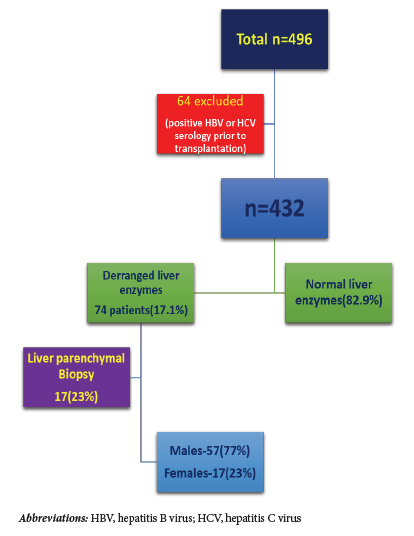
Figure 1.Flow Chart of Patients Included in the Study
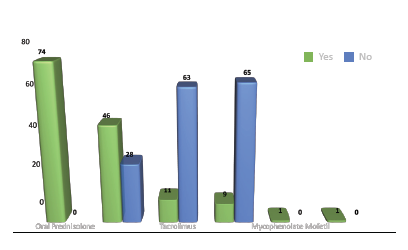
Figure 2.Type of Immunosuppression Received by Kidney Transplant Recipients With Elevated Liver Enzymes
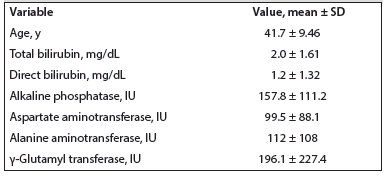
Table 1.Baseline Characteristics of Patients With Deranged Liver Enzymes After Renal Transplant
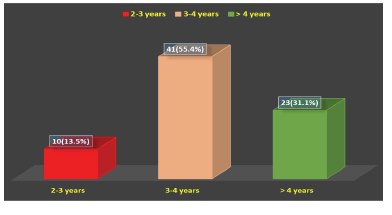
Figure 3.Timing of Deranged Liver Enzymes in Patients After Renal Transplant
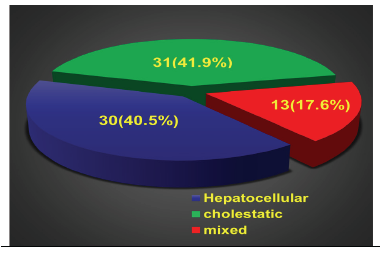
Figure 4.Frequency of Pattern of Deranged Liver Enzymes in Patients After Renal Transplant
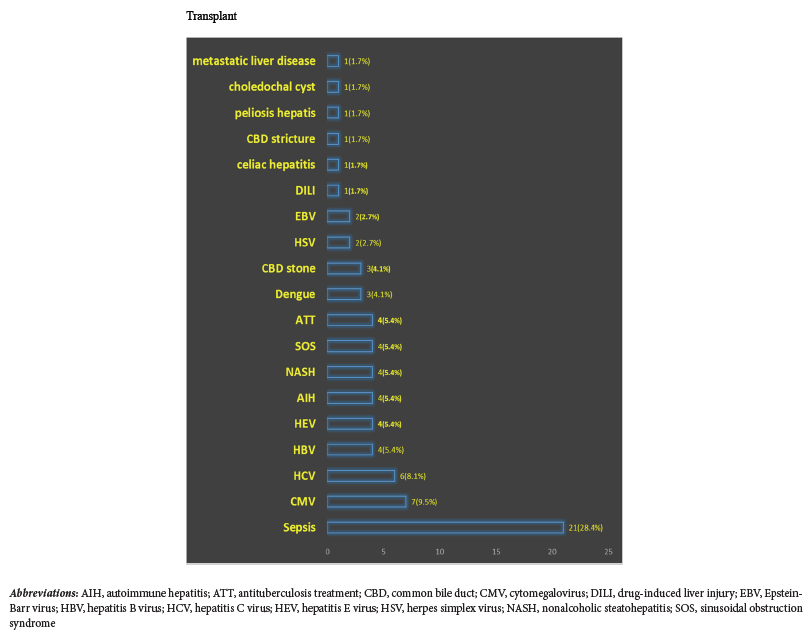
Figure 5.Etiologies Associated With Deranged Liver Enzymes in Patients After Kidney Transplant