Volume: 16 Issue: 4 August 2018
FULL TEXT
Objectives: Mycophenolate mofetil is a first-line drug after organ transplant, but there are differences in metabolism of mycophenolate mofetil among individuals. The UDP glucuronosyltransferase enzyme is the key metabolic enzyme for mycophenolate mofetil, and UGT1A8 gene polymorphisms may affect the elimination of mycophenolate mofetil in patients. Here, we conducted an in vitro study to explore the relation between UGT1A8 gene polymorphisms and mycophenolate mofetil metabolism.
Materials and Methods: Five mutant loci overex-pression vectors (UGT1A8 128C>T, 157C>A, 431C>T, 518C>G, and 830G>A) were constructed by genetic recombination and site-directed mutagenesis. We used Lipo2000 (Invitrogen, Carlsbad, CA, USA) to transfect the vectors into HEK293 cells. Mycophenolic acid, the active ingredient of mycophenolate mofetil, was added to different groups of cells. We then used the liquid chromatography tandem-mass spectro-metry technique to detect production of the metabolite 7-O-mycophenolic acid glucuronide and to evaluate activity of the UDP glucuronosyltransferase enzyme in cells with different overexpression vectors.
Results: Mutations of UGT1A8 157C>A and 518C>G vectors can lead to increased activity of UDP glucuronosyltransferase enzymes and increased production of the 7-O-mycophenolic acid glucuronide metabolite, which showed 116% (P < .001) and 107% (P = .0191) production changes of 157C>A and 518C>G mutations, respectively, relative to wild-type UGT1A8. However, mutations of UGT1A8 431C>T and 830G>A loci resulted in decreased activity of UDP glucuronosyltransferase enzymes and decreased production of the metabolite, respectively showing 62.9% (P < .001) and 9.05% (P < .001) activity relative to wild-type UGT1A8. UGT1A8 128C>T had little effect on enzyme activity, with 96.8% activity relative to wild-type UGT1A8 (P = .0569).
Conclusions: Our results showed that UGT1A8 gene polymorphisms can affect the activity of UDP glucuronosyltransferase enzyme, which may influence the elimination of mycophenolate mofetil in different patients.
Key words : Immunosuppressant, Mycophenolic acid, UDP glucuronosyltransferase
Introduction
Mycophenolate mofetil (MMF) is an important immune inhibitor used in organ transplant. It is a highly selective inhibiter of the synthetic pathways of guanine nucleotide and proliferation of T and B lymphocytes and induces apoptosis of activated lymphocytes by blocking the enzyme inosine monophosphate dehydrogenase.1 Therefore, it can reduce rejection and improve graft and recipient survival.2,3 However, even when administrated at its recommended dose, some patients have more serious adverse effects, including diarrhea, abdominal pain, bone marrow toxicities, and infection,4-6 which can vary.7 At present, a large number of clinical investigations have shown that gene polymorphism is one of the important factors leading to MMF differences among individuals,8-10 with individualized medication regimens based on different genotypes of patients effectively increasing the therapeutic efficacy and reducing adverse effects, as well as reducing the cost of treatment.
Mycophenolate mofetil plays a pharmacologic role in vivo with mycophenolic acid (MPA) as the active ingredient. After metabolism with UDP glucuronosyltransferase (UGT), MPA generates 2 major metabolites: 7-O-MPA-glucuronide (MPAG) and acyl glucuronide (AcMPAG).11 In addition, MPAG is a major metabolite of MMF. At least 90% of MMF is excreted in urine as MPAG,12 whereas AcMPAG yield accounts for a small part of MMF. Production levels of both play a role in the adverse effects of MMF.13 UGT1A8 plays an important role in generation of MPAG and AcMPAG, and clinical trials have shown that polymorphisms of the UGT1A8 gene can affect MMF metabolism and that these polymorphisms are potentially related to MMF adverse effects.
In this study, corresponding relations between mutations of single-nucleotide polymorphism (SNP) loci and MMF metabolism were investigated through clone expansion of wild-type UGT1A8, site-directed mutagenesis of 5 SNP loci on UGT1A8 (128C>T, 157C>A, 431C>T, 518C>G, 830G>A; see Table 1), transfection of overexpression vectors of wild-type UGT1A8 and mutant-type UGT1A8 to HEK293 cells, detection of MPAG levels produced by MPA, and finally evaluation of UGT activity in different overexpression vectors.
Materials and Methods
Chemicals and reagents
HEK293 cells were purchased from American Type Culture Collection (Manassas, VA,
USA). Mycophenolic acid and MPAG were purchased from Roche Bioscience
(Indianapolis, IN, USA). The cell transfection reagent Lipo2000 was purchased
from Invitrogen (Carlsbad, CA, USA). All other chemicals and reagents were of
the highest grade and commercially available.
Construction of overexpression vector of wild-type UGT1A8
The coding sequence domain of human UGT1A8 gene was designed, and the polymerase
chain reaction (PCR) primer was synthesized. Next, 5’ and 3’ ends of the target
gene were respectively added with restriction sites of BglII and SalI for
amplification of full-length PCR (degeneration at 95℃ for 3 min, degeneration at
95℃ for 30 s, annealing at 56℃ for 30 s, and extension at 68℃ for 1.5 min, for a
total of 35 cycles, and then ultimately extension for 10 min for termination of
reaction). After amplification, agarose gel electrophoresis was used to separate
PCR products, and the AXYGEN (Corning, Union City, CA, USA) recycling kit was
used to recycle target fragments. The PCR products of target gene and target
vectors (Figure 1) were then digested with BglII and SalI. After a 4- to 5-hour
enzyme digestion at 37℃, electrophoresis was used for separation and target
segments were recycled by gel extraction. A T4 DNA ligase was connected with PCR
products digested by the above enzymes and target carriers. We transferred 10 μL
of connection product into DH5α-competent cells, which were coated on
kanamycin-resistant LB agar plates and cultured overnight at 37℃, providing a
single colony used for PCR identification the next day. Positive colonies were
placed in LB liquid medium and shaken overnight. Plasmids were extracted the
next day for enzyme digestion, and positive clones were given sequencing
identification.
Construction of overexpression vector of UGT1A8 gene with site-specific
mutagenesis and various gene types
With wild-type UGT1A8 gene as a template, mutant primers were designed according
to mutant loci information of the target gene (Table 2). According to mutant PCR
procedures, 5 mutants were given A+B amplification. After that, agarose gel
electrophoresis was used to separate PCR products, and the AXYGEN recycling kit
was used to recycle target fragments. With PCR products of segment A and B as a
template, mutants underwent full-length PCR splicing and the products were
recycled. We then used BglII/SalI for double-enzyme digestion on each mutant PCR
product and target vector pIRES2-EGFP, and the products were recycled for
connecting, PCR, and enzyme digestion.
Transfection of overexpression vector of target gene to HEK293 cells
Lipo2000 transient transfection method was used to transfect the overexpression
vector of the target gene that carried green fluorescent proteins into HEK293
cells. One day before transfection, pancreatic enzymes were used to fully digest
HEK293 cells. Digested cells were plated on 6-well plates and cultured (culture
medium contained 1 mL Dulbecco’s modified Eagle’s medium + 10% fetal bovine
serum + 1% penicillin/streptomycin + 1% GlutaMAX [Gibco, Carlsbad, CA, USA];
cultured at 5% CO2, air humidity of 95%, and at 37℃). Density was adjusted for a
cell fusion degree of about 70% to 80% before transfection. Culture medium was
removed on the day of transfection and replaced with fresh medium (900 μL
Dulbecco’s modified Eagle’s medium + 10% fetal bovine serum, antibiotic free).
Cells were incubated at 37℃. Preparation of transfection reagent mixture was as
follows. In group A (overexpression vector of target gene), 1.2 μg of negative
control plasmid and positive control plasmid and 50 μL of Opti-MEM (Gibco,
Carlsbad, CA, USA) were blended. For group B, 300 μL of Opti-MEM and 19.2 μL of
Lipo2000 were blended. The mixture remained at room temperature for 5 minutes,
and then 50 μL of solution was moved from group B tubes to each tube of group A.
The solution was blended and incubated at room temperature for 20 minutes. We
added 100 μL of the DNA-Lipo2000 mixture evenly into the corresponding HEK293
cells. Cell culture plates were gently shaken and cultured in an incubator at
37℃. After 6 hours of transfection, fresh complete medium was replaced, with
cells allowed to continue development in the incubator. Transfection efficiency
at 24 and 48 hours was observed by fluorescence microscope and recorded.
Detection of 7-O-mycophenolic acid-glucuronide levels produced by
different HEK293 cells
Mycophenolic acid was prepared in 20 mM solution with dimethyl sulfoxide and
diluted to a final concentration of 200 μM with Dulbecco’s modified Eagle’s
medium when finally used. Final concentration of dimethyl sulfoxide in the
cultured sample was 1%. First, the number of cells in each group was adjusted to
be consistent with others. Next, normal HEK293 cells, HEK293 cells transfected
with blank plasmid, mutant-type UGT1A8, and wild-type UGT1A8 were cultured with
MPA at a concentration of 200 μM at 37℃ and 5% CO2 for 60 minutes. When the
substrate generation reached stability, 4× concentrate of precooled methanol
containing internal standard was used to terminate the reaction. After
centrifugation, a liquid chromato-graphy tandem-mass spectrometry detection
system (including Agilent 1100 high-performance liquid chromatography system
[Agilent Technologies, Palo Alto, CA, USA); the LEAP CTC HTS PAL automatic
sampling system [LEAP Technologies, Morrisville, NC, USA]; and API 4000 triple
quadrupole detector and Analyst 1.5.1 software [Applied Biosystems, Foster City,
CA, USA]) was used to detect the amount of MPAG in the supernatant. Results,
given as relative activity of mutant UGT1A8, were calculated using the following
formula: relative activity (%) = activity of mutant enzyme/activity of wild-type
enzyme × 100.
Statistical analyses
Results are presented as means ± standard deviation. The differences between the
2 groups were analyzed with t test and chi-square test, as appropriate.
P values < .05 were statistically significant, with analyses conducted
using SPSS version 19.0 statistical software (SPSS Inc., Chicago, IL, USA).
Results
Successful connection of wild-type UGT1A8 gene to overexpression vector
First, we examined the expression of UGT1A8 in HEK293 cells (with results of DNA
gel electrophoresis shown in Figure 2). Recombinant clone colonies underwent
target gene PCR amplification and subsequent electrophoresis (Figure 3). Results
of electrophoresis showed clear target bands and correct location. Plasmids with
positive colony PCR underwent enzyme digestion and identification.
Identification results (Figure 4) showed that 2 target bands were successfully
obtained: pIRES2-EGFP vector (5.3 kb) and the target gene (1593 base pairs).
Sequencing and identification results of each single-nucleotide
polymorphism locus of UGT1A8 gene after site-directed mutagenesis
UGT1A8 gene-related SNP loci were successfully mutated via gene sequencing and
identification. When we compared the sequencing results with gene sequences from
GenBank, we found no variations in other base groups except the mutant loci.
Professional software was used to analyze and compare the sequencing results to
ensure consistency of the scanning peaks and the corresponding bases (Figure 5).
HEK293 cells transfected with overexpression vector of different target
genes
Overexpression vectors carrying the wild-type UGT1A8 gene, the mutant UGT1A8
gene, and blank plasmid (expressing green fluorescent protein) were successfully
transfected into HEK293 cells, and transfection efficiency was observed under
fluorescence microscope after 48 hours (Figure 6).
Metabolism of mycophenolic acid in HEK293 cells transfected with
overexpression vector of different target genes
Different groups of cells were added with MPA and cultured for 60 minutes, and
the liquid chroma-tography tandem-mass spectrometry system was then used to
examine the total amount of MPAG produced by MPA in different groups. With
production of substrate in wild-type UGT1A8 group as reference, the results were
expressed in relative activity of the mutant-type UGT1A8 (Figure 7). Results
showed that the mutant UGT1A8 157C>A and 518C>G had higher ability to metabolize
MPA, with relative activity being 116% (P < .001) and 107% (P =
.0191) of that of wild-type UGT1A8. UGT1A8 431C>T and 830G>A reduced the
metabolism ability of MPA, with relative activities being 62.9% (P <
.001) and 9.05% (P < .001) of that of wild-type UGT1A8. Mutation of
UGT1A8 128C>T locus had little influence on the enzyme, with relative activity
being 96.8% (P = .0569) of that of wild-type UGT1A8. The generation of
MPAG was not detected in the control group (transfected with blank plasmid and
normal HEK293 cells).
Discussion
Mycophenolic acid, an important immune inhibitor, is one of the most widely used drugs for treatment after organ transplant.14 It can effectively relieve acute and chronic rejection after organ transplant and can effectively prolong in vivo graft survival. However, clinical studies have shown that there are individual differences in metabolism of MMF, which are associated with adverse effects of MMF. Research suggests that, besides age, sex, liver and kidney function, and interaction between drugs,15 UGT gene polymorphism also plays an important role in the individual differences of MMF metabolism.
Uridine diphosphate glucuronic acid transferase is a key enzyme in phase 2 metabolism in vivo,16 which is distributed in the liver, kidney, gastro-intestinal tract, and other organs. It participates in a variety of drug metabolism functions and is also one of the most important rate-limiting enzymes of MMF metabolism. These enzymes are broadly classified into 2 distinct families, UGT1 and UGT2, which are further subdivided into three subgroups: UGT1A, UGT2A, and UGT2B.17 UGT1A8, mainly expressed in the gastrointestinal tract and negligibly expressed in the liver,18 is mainly responsible for MPAG production together with UGT1A9 and responsible for AcMPAG generation together with UGT2B7, which plays an important role in the metabolism of MMF. Clinical studies have shown that UGT1A8 gene polymorphisms not only affect the absorption and metabolism of MMF but also have a certain potential relation with the adverse effects of MMF.19 However, for the same SNP locus, clinical con-clusions have not been completely consistent.20-23 This is mainly due to too many confounding factors that are difficult to rule out.
In this study, site-directed mutagenesis was carried out on 5 SNP loci of the UGT1A8 gene. We examined influences of the loci on enzyme activity before and after mutation. By evaluating the accumulated production of MPAG (a metabolite of MMF), we were able to observe the relation between the loci and MMF metabolism. Therefore, we were able to avoid the influences of patient condition on MMF metabolism. In addition, we were able to avoid the interaction of different drugs, thus only observing the influences of a single locus mutation on activity of UGT enzymes. Our results showed that UGT1A8 157C>A and 518C>G had higher ability to improve the activity of UGT, whereas mutation of UGT1A8 431C>T and 830G>A reduced the activity of the UGT enzyme. However, UGT1A8 128C>T had no obvious influence on activity of this enzyme. Five SNP loci were all located in the coding sequence area of UGT1A8 (based on GenBank). Locus mutation can cause changes of encoded amino acids (Table 1), which can subsequently lead to changes of UGT enzyme activity. However, the specific mechanisms remain to be completely defined. In addition, further studies should examine whether there is synergy or antagonism between multiple mutant loci. Future experiments should involve strict patient selection and should monitor changes of plasma MPAG concentration in these patients after administration with MMF and the relation of these changes with corresponding SNP loci in UGT1A8. Adverse reactions can be measured so as to further define the relation between these SNP loci and MMF metabolism.
In conclusion, our results confirm that UGT1A8 gene polymorphisms can affect MMF metabolism and that different SNP loci will lead to different activity of UGT enzymes. This will lay a foundation for individualized MMF regimens in the clinic.
References:
- Betonico GN, Abudd-Filho M, Goloni-Bertollo EM, Pavarino-Bertelli E. Pharmacogenetics of mycophenolate mofetil: a promising different approach to tailoring immunosuppression? J Nephrol. 2008;21(4):503-509.
PubMed - Sollinger HW. Mycophenolates in transplantation. Clin Transplant. 2004;18(5):485-492.
CrossRef - PubMed - Staatz CE, Tett SE. Pharmacology and toxicology of mycophenolate in organ transplant recipients: an update. Arch Toxicol. 2014;88(7):1351-1389.
CrossRef - PubMed - Lopez-Solis R, DeVera M, Steel J, et al. Gastrointestinal side effects in liver transplant recipients taking enteric-coated mycophenolate sodium vs. mycophenolate mofetil. Clin Transplant. 2014;28(7):783-788.
CrossRef - PubMed - Jensen CJ, Shrivastava S, Taber DJ, et al. A critical analysis of racial difference with mycophenolate mofetil (MMF) dosing, clinical outcomes and adverse effects in pediatric kidney transplant patients. Clin Transplant. 2011;25(4):534-540.
CrossRef - PubMed - Staatz CE, Tett SE. Clinical pharmacokinetics and pharmacodynamics of mycophenolate in solid organ transplant recipients. Clin Pharmacokinet. 2007;46(1):13-58.
CrossRef - PubMed - Guo D, Pang LF, Han Y, et al. Polymorphisms of UGT1A9 and UGT2B7 influence the pharmacokinetics of mycophenolic acid after a single oral dose in healthy Chinese volunteers. Eur J Clin Pharmacol. 2013;69(4):843-849.
CrossRef - PubMed - Levesque E, Delage R, Benoit-Biancamano MO, et al. The impact of UGT1A8, UGT1A9, and UGT2B7 genetic polymorphisms on the pharmacokinetic profile of mycophenolic acid after a single oral dose in healthy volunteers. Clin Pharmacol Ther. 2007;81(3):392-400.
CrossRef - PubMed - Deng XY, Wang CX, Wang XD, et al. Genetic polymorphisms of UGT1A8, UGT1A9, UGT2B7 and ABCC2 in Chinese renal transplant recipients and a comparison with other ethnic populations. Pharmazie. 2013;68(4):240-244.
PubMed - Mackenzie PI. Identification of uridine diphosphate glucuronosyltransferases involved in the metabolism and clearance of mycophenolic acid. Ther Drug Monit. 2000;22(1):10-13.
CrossRef - PubMed - Allison AC, Eugui EM. Mechanisms of action of mycophenolate mofetil in preventing acute and chronic allograft rejection. Transplantation. 2005;80(2 Suppl):S181-190.
CrossRef - PubMed - Shipkova M, Armstrong VW, Oellerich M, Wieland E. Acyl glucuronide drug metabolites: toxicological and analytical implications. Ther Drug Monit. 2003;25(1):1-16.
CrossRef - PubMed - Olejarz W, Bryk D, Zapolska-Downar D. Mycophenolate mofetil--a new atheropreventive drug? Acta Pol Pharm. 2014;71(3):353-361.
PubMed - Knight SR, Morris PJ. Does the evidence support the use of mycophenolate mofetil therapeutic drug monitoring in clinical practice? A systematic review. Transplantation. 2008;85(12):1675-1685.
CrossRef - PubMed - Ramirez J, Ratain MJ, Innocenti F. Uridine 5'-diphospho-glucuronosyltransferase genetic polymorphisms and response to cancer chemotherapy. Future Oncol. 2010;6(4):563-585.
CrossRef - PubMed - Mackenzie PI, Bock KW, Burchell B, et al. Nomenclature update for the mammalian UDP glycosyltransferase (UGT) gene superfamily. Pharmacogenet Genomics. 2005;15(10):677-685.
CrossRef - PubMed - Xiao Z, Nunome K, Yahara T, et al. Comparative studies of human UDP-glucuronosyltransferase 1A8 and 1A9 proximal promoters using single base substitutions. Drug Metab Pharmacokinet. 2014;29(1):90-93.
CrossRef - PubMed - Bernard O, Tojcic J, Journault K, Perusse L, Guillemette C. Influence of nonsynonymous polymorphisms of UGT1A8 and UGT2B7 metabolizing enzymes on the formation of phenolic and acyl glucuronides of mycophenolic acid. Drug Metab Dispos. 2006;34(9):1539-1545.
CrossRef - PubMed - Xie XC, Li J, Wang HY, et al. Associations of UDP-glucuronosyltransferases polymorphisms with mycophenolate mofetil pharmacokinetics in Chinese renal transplant patients. Acta Pharmacol Sin. 2015;36(5):644-650.
CrossRef - PubMed - Geng F, Jiao Z, Dao YJ, et al. The association of the UGT1A8, SLCO1B3 and ABCC2/ABCG2 genetic polymorphisms with the pharmacokinetics of mycophenolic acid and its phenolic glucuronide metabolite in Chinese individuals. Clin Chim Acta. 2012;413(7-8):683-690.
CrossRef - PubMed - Picard N, Yee SW, Woillard JB, et al. The role of organic anion-transporting polypeptides and their common genetic variants in mycophenolic acid pharmacokinetics. Clin Pharmacol Ther. 2010;87(1):100-108.
CrossRef - PubMed - Kagaya H, Inoue K, Miura M, et al. Influence of UGT1A8 and UGT2B7 genetic polymorphisms on mycophenolic acid pharmacokinetics in Japanese renal transplant recipients. Eur J Clin Pharmacol. 2007;63(3):279-288.
CrossRef - PubMed

Volume : 16
Issue : 4
Pages : 466 - 472
DOI : 10.6002/ect.2017.0017
From the the 1Department of General Surgery, Shanghai General
Hospital, School of Medicine, Shanghai Jiao Tong University, Shanghai, China;
and the 2Department of Hematology, Affiliated Hospital of Guiyang
Medical College, Guiyang, China
Acknowledgements: This research was supported by the National Natural
Science Foundation of China (81270557 and 81110108010) and the National Science
Foundation for Young Scholars (81000188). We declare that we have no conflicts
of interest. *Zhijie Zhou and Yinghao Lu contributed equally to this work.
Corresponding author: Xiaoliang Wang, Department of General Surgery,
Shanghai General Hospital, School of Medicine, Shanghai Jiao Tong University.
No. 100, Haining Road, Shanghai 200080, PR China
Phone: +86 18321127031
E-mail:
xiaoliangwang1975@hotmail.com
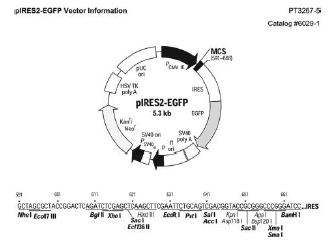
Figure 1. Sequencing Figures Before and After Site-Directed Mutagenesis of Corresponding Single-Nucleotide Polymorphism Locus of UGT1A8 Gene
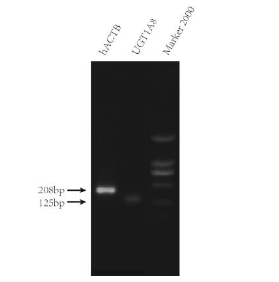
Figure 2. Primary Expression of UGT1A8 in HEK293 Cells
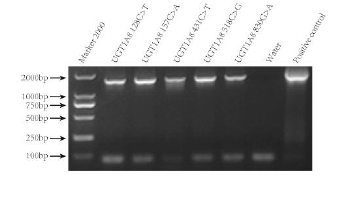
Figure 3. Identification of UGT1A8 Recombinant Vectors by Colony Polymerase Chain Reaction
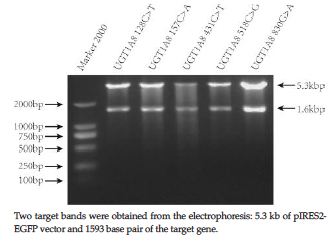
Figure 4. Enzyme Digestion and Identification of Recombinant Clones
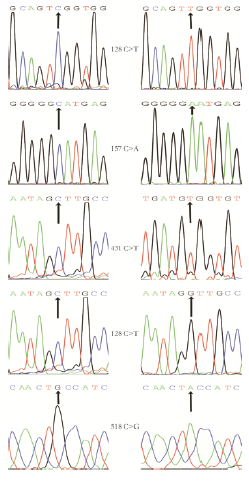
Figure 5. Information of pIRES2-EGFP Vector
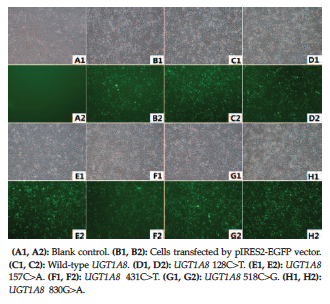
Figure 6. Common and Fluorescence Imaging of HEK293 Cells Transfected by Recombinant Plasmids
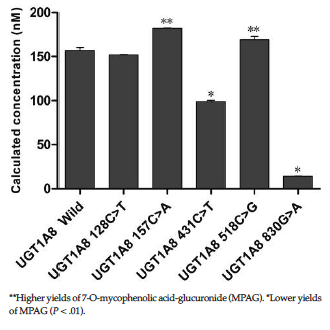
Figure 7. Mycophenolic Acid Metabolism of HEK293 Cells in Different Groups
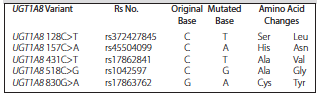
Table 1. Information of 5 Single-Nucleotide Polymorphism Loci of UGT1A8 Gene
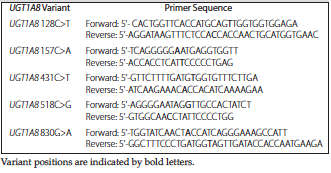
Table 2. Site-Directed Mutagenesis Primer Sequences for UGT1A8 Variants