Volume: 24 Issue: 9 September 2026
FULL TEXT
Sequential Kidney-First Retrieval and Early Graft Outcomes in Deceased Donor Kidney Transplantation: A Paired-Donor Comparative Cohort Study
Objectives: Prolonged cold ischemia is a principal modifiable determinant of delayed graft function after deceased donor kidney transplant. In conventional multiorgan procurement, kidneys are removed last, prolonging ischemic exposure, a problem magnified in resource-constrained programs. We assessed whether retrieving 1 kidney first, from a heart-beating donor before aortic cross-clamping, improves early graft outcomes.
Materials and Methods: This retrospective paired-donor cohort study included 88 adult recipients of kidneys from 44 brain dead donors at collaborating centers in central India between January 2018 and December 2024. Group 1 (n = 44) received kidney retrieved first, before aortic clamping; group 2 (n = 44) received kidney retrieved last, after procurement of thoracic and remaining abdominal organs. Primary outcomes analyzed were cold ischemia time, delayed graft function, retrieval injury, and posttransplant hemodialysis. Secondary outcomes were first-hour urine output, day 8 serum creatinine, complications, graft loss, and mortality. We used multivariable logistic regression analyses to identify predictors of graft dysfunction.
Results: Cold ischemia time was shorter in group 1 than in group 2 (78.4 ± 48.37 vs 299.4 ± 108.65 min; P < .001). Group 1 recipients had higher first-hour urine output (374.2 ± 208.62 vs 186.1 ± 124.92 mL;P < .001), lower day 8 serum creatinine (1.3 ± 0.8 vs 3.1 ± 2.83 mg/dL; P < .001), lesser delayed graft function requiring hemodialysis (9.1% vs 36.4%; P = .002), and fewer retrieval injuries and posttransplant com-plications (6.8% vs 38.6%; P < .001). Comparable advantages were observed among recipients of kidneys from expanded criteria donors. Retrieval of the kidney last independently predicted delayed graft function (adjusted odds ratio 3.92; 95% CI, 1.41-10.87; P = .008).
Conclusions: Kidney-first retrieval markedly shortened cold ischemia time and improved early graft function and retrieval safety without compromising pro-curement of other organs and proved to be a pragmatic ischemia-minimization strategy.
Key words : Cold ischemia, Delayed graft function, Expanded criteria donor, Ischemia-reperfusion injury, Organ procurement
Introduction
End-stage renal disease imposes substantial burdens of morbidity, mortality, and economic cost and constitutes a global public health challenge. Kidney transplant remains the preferred form of renal replacement therapy, offering superior survival, better quality of life, and greater long-term cost-effectiveness than maintenance dialysis.1,2 However, the imbalance between organ demand and organ availability continues to restrict access worldwide. Deceased donor kidneys are the principal resource supporting expanded access to transplant in developed health care systems.3 In contrast, in developing countries such as India, lack of awareness, limited donation and procurement infrastructure, and constrained logistics have led to poor utilization of deceased donor organs, thus predominantly favoring living donation programs.4 Organ utilization effi-ciency and graft optimization have persisted as major concerns, and deceased donation has risen only marginally over the past decade.5
Among perioperative determinants of graft survival, ischemia-reperfusion injury and delayed graft function are the most significant modifiable factors influencing short- and long-term transplant outcomes.6 Cold ischemia time has been consistently associated with increased risk of delayed graft function, acute rejection, prolonged hospitalization, and inferior graft survival.7,8 Prolonged ischemic exposure damages human endothelial cells, pro-ducing oxidative stress, inflammatory cell activation, and microvascular dysfunction, all of which impair immediate graft function after transplant.9 Multiple studies have shown that prolonged ischemia is associated with greater early graft dysfunction and higher posttransplant dialysis rates.10,11 Strategies to reduce ischemic exposure are therefore central to deceased donor kidney transplant.
In resource-limited transplant systems, reducing ischemia time becomes more challenging. Few centers in India have integrated multiorgan retrieval expertise for concomitant abdominal and thoracic procurement.12 In most centers, nonrenal organ procurement depends on external retrieval teams, a practice which invariably delays organ procurement, particularly of both kidneys, and prolongs donor maintenance time. Transportation delays, interstate allocation logistics, shortage of trained personnel, and financial limitations further complicate deceased donor workflows.13,14 In India, where decisions to donate are collective and familial rather than individual, procedural delays and uncertainty about the time of handover of mortal remains of donors may result in premature withdrawal of consent or reduced organ yield per donor. In conventional procurement, kidneys are removed only after thoracic and other abdominal organs have been retrieved, increasing their ischemia time in the setting of potentially compromised cooling and preservation. For kidneys from expanded criteria donors, these limitations may be particularly detrimental because of intrinsic vulnerability to ischemia-reperfusion injury, reduced functioning nephron mass, and age-related nephrosclerosis.15
Kidney-first retrieval has emerged as a pragmatic response to these constraints, prompted by the limited local availability of nonkidney retrieval and transplant surgeons in our region of India. In this approach, 1 kidney, conventionally the left, is removed from the heart-beating donor before aortic clamping and retrieval of other organs. This approach permits early perfusion, shortens ischemic exposure, and expedites transplant of that kidney. This approach also improves the workflow efficiency of a limited workforce, decreases donor maintenance time of a resource-constrained center, and improves coordination among retrieval teams, thereby building institutional confi-dence and feasibility in deceased donor transplant. The technique is technically safe and does not compromise the viability or functional capacity of other organs or donor hemodynamic stability.16
Although the association between prolonged ischemia and graft outcomes has been extensively investigated, little evidence has directly compared outcomes of the first versus last retrieved kidneys from the same deceased donor. Existing reports are based on small numbers and have not comprehensively assessed graft function, dialysis requirement, postoperative complications, and outcomes in expanded criteria donor subgroups.10,16 No studies have compared the influence of altered retrieval sequence, such as this one, on early postoperative functional outcomes. Given the distinctive infrastructural and logistical challenges of emerging transplant systems, solutions aligned fully with conventional protocols may not always be practicable; identifying context-specific factors and devising workable adaptations are essential to increase organ utilization, address familial concerns, and sustain program growth.
The present study was therefore designed to determine whether early graft outcomes differ between recipients of first-retrieved kidneys and recipients of conventionally last-retrieved kidneys. Our primary objectives were to compare retrieval injury, cold ischemia time, and early graft function. Our secondary objectives were to compare urine output, serum creatinine, delayed graft function, postoperative hemodialysis requirement, complications, graft loss, mortality, and outcomes of kidneys from expanded criteria donors. We hypothesized that kidney-first retrieval during multiorgan procurement closely resembles living donor nephrectomy in terms of reduced ischemic exposure and would therefore confer better early graft function in deceased donor kidney transplant.
Materials and Methods
Study design and population
We conducted a retrospective cohort study across a group of hospitals in central India that were performing deceased donor kidney transplant. We included adult recipients of deceased donor kidney transplant in whom kidney-first retrieval could be achieved between January 2018 and December 2024. The study protocol was approved by the Institutional Ethics Committee of SS Multispecialty Hospital, Nagpur, Maharashtra, India (EC Registration No. ECR/1725/Inst/MH/2022) before the commen-cement of the study and was conducted in accordance with the ethical principles of the 1975 Declaration of Helsinki. The study received approval under reference number SKCC/IEC/2026/02/PN09, dated February 24, 2026. Because the analysis used anonymized retrospective clinical data, the requirement for written informed consent was waived by the ethics committee. Individual patients were identified by number rather than by initials.
We obtained clinical data of the donor, operative details of retrieval, and follow-up parameters of graft function from institutional transplant databases and follow-up records. Induction therapy consisted of basiliximab or antithymocyte globulin, followed by triple immunosuppression based on tacrolimus.
We included recipients of kidneys retrieved in the defined manner from the same deceased donor. We excluded pediatric recipients, recipients of dual kidney transplant, recipients of simultaneous multiorgan transplant, recipients with incomplete perioperative data, recipients with primary nonfunction unrelated to ischemic injury, left kidneys in which vascular anomalies were encountered during retrieval, and recipients with inadequate postoperative follow-up.
For donor variables, we collected demographic characteristics, terminal serum creatinine, hemodyna-mic status, preservation details, and expanded criteria donor status. For recipient variables, we collected demographic data, dialysis status, urine output, serum creatinine on postoperative day 8, delayed graft function, complications, mortality, and graft loss. Our final analysis included 88 recipients of kidneys from 44 deceased donors.
Kidney-first retrieval procedure
Kidney-first retrieval was the initiating step of donor surgery. The left kidney was retrieved transperitoneally through a cruciate abdominal incision and transferred for perfusion and transplant. The remaining organs were then procured in the conventional manner and order by the nonkidney retrieval teams after aortic clamping and perfusion. The second kidney was retrieved last, after pro-curement of the thoracic and remaining abdominal organs.
Definition of study groups
Recipients were assigned to 2 groups: those who received the first retrieved kidney (group 1) and those who received the last retrieved kidney (group 2) from the same deceased donor. There were 44 recipients in each group. All procedures were performed by fully qualified and experienced kidney transplant surgeons. In the standard procurement sequence applicable to group 2, thoracic organs and abdominal viscera were removed before the second kidney, exposing that kidney to prolonged ischemia. In group 1, kidneys were retrieved before aortic clamping and underwent static cold perfusion and preservation before immediate transplant.
Cold ischemia time was defined as the interval between initiation of perfusion of the kidney (in group 1) or of the donor (in group 2) and reperfusion of the graft in the recipient. Transportation logistics, operative time, and organ preservation details were documented in all cases.
Outcome measures
Primary outcomes were cold ischemia time, delayed graft function, retrieval injury, and requirement for postoperative hemodialysis. Delayed graft function was defined as the need for dialysis within the first 7 days after transplant. Secondary outcomes were first-hour postoperative urine output, serum creatinine level on postoperative day 8, length of stay until discharge, postoperative complications, graft loss, and all-cause mortality. Complications were classified as surgical, ischemia-related, immunologic, or infectious and systemic.
Expanded criteria donors were defined according to international criteria as donors aged 60 years or older or donors aged 50 to 59 years with at least 2 of the following: systemic hypertension, terminal serum creatinine level >1.5 mg/dL, or death from cerebrovascular accident. A subgroup analysis was performed to assess the effect of retrieval sequence among recipients of these kidneys.
Statistical analyses
We used SPSS statistics version 29.0 (IBM Corp) for analyses. We presented continuous variables as mean ± SD or median with interquartile range according to distribution and categorical variables as frequencies and percentages. We assessed normality with the Shapiro-Wilk test. We compared continuous variables with the t test or Mann-Whitney U test and categorical variables with the χ2 test or Fisher exact test. We used receiver operating characteristic curve analysis to assess the ability of clinical parameters to predict graft dysfunction; areas under the curve with 95% CIs were calculated and optimal cutoffs identified with the Youden index. We performed univariate logistic regression to identify variables associated with delayed graft function and unfa-vorable graft outcome; we then entered statistically significant or clinically important variables into a multivariable logistic regression model. Odds ratios with 95% CIs are reported. All tests were 2-tailed, with P < .05 considered statistically significant.
Results
Baseline donor and recipient characteristics
Our study evaluated 88 deceased donor kidney transplant recipients from 44 kidney donors, comprising 44 recipients of first-retrieved kidneys (group 1) and 44 recipients of second-retrieved kidneys (group 2). Baseline demographic and donor characteristics were comparable between the groups. Recipients in group 1 had markedly shorter cold ischemia time than recipients in group 2, reflecting a substantial reduction in ischemic exposure (Table 1).
Early graft function
Recipients of first-retrieved kidneys had significantly better early graft function than recipients of second-retrieved kidneys, with superior postoperative renal recovery and lower rates of delayed graft function and postoperative dialysis requirement (Table 2).
Posttransplant complications and clinical outcomes
Postoperative complications and adverse clinical outcomes occurred more frequently among reci-pients of second-retrieved kidneys than among recipients of first-retrieved kidneys, indicating greater susceptibility to ischemia-related graft injury (Table 3). Receiver operating characteristic analysis showed moderate to good discrimination of ischemia-related and functional variables for graft dysfunction (Table 4), with the highest discrimi-natory power for recipient age and first-hour postoperative urine output.
Expanded criteria donor subgroup
Among recipients of kidneys from expanded criteria donors, kidney-first retrieval was associated with better graft preservation and improved postoperative renal recovery than conventional last retrieval (Table 5).
Predictors of delayed graft function
Univariate and multivariable regression analyses identified second-kidney retrieval sequence, pro-longed cold ischemia time, reduced postoperative urine output, and expanded criteria donor status as significant predictors of delayed graft function (Table 6).
Cold ischemia time was markedly lower among recipients of first-retrieved kidneys than among recipients of second-retrieved kidneys (Figure 1). Recipients of first-retrieved kidneys had significantly lower rates of delayed graft function and postope-rative hemodialysis requirement, indicating improved early graft recovery after ischemia minimization (Figure 2). Posttransplant complications were more frequent among recipients of second-retrieved kidneys, with higher rates of surgical, infectious, and immunologic adverse events (Figure 3). Receiver operating characteristic analysis demonstrated moderate predictive performance of cold ischemia time, postoperative urine output, and serum creatinine for identification of graft dysfunction (Figure 4).
Discussion
Our analyses showed that the altered sequence of retrieval during deceased donor organ procurement significantly affects early graft outcomes. Recipients of the first-retrieved kidney had significantly shorter cold ischemia time, higher first-hour urine output, lower day 8 serum creatinine levels, lower rates of delayed graft function, and decreased need for postoperative hemodialysis than recipients of the second kidney. Postoperative complications were also less frequent in the kidney-first group, supporting the benefit of early retrieval, perfusion, and preservation during deceased donor transplant.
Cold ischemia time is among the most important modifiable determinants of graft function in kidney transplant. Prolonged ischemic exposure produces endothelial dysfunction, oxidative stress, and microvascular injury and thereby impairs initial graft recovery.6,7,9 The reduced cold ischemia time in the kidney-first group translated into better immediate graft function, indicating that earlier retrieval is a meaningful lever for perioperative graft preservation. Importantly, both kidneys were derived from the same donor, which eliminated donor-related biological variability and strengthened the validity of the retrieval-sequence comparison.
The decreased incidence of delayed graft function with decreased need for postoperative hemodialysis is clinically relevant; delayed graft function is associated with longer hospitalization, greater use of health services, and inferior long-term graft outcomes. Early postoperative creatinine recovery has been shown to independently predict long-term graft survival and functional status.13 Similarly, de Sandes-Freitas and colleagues reported that pro-longed ischemia is a major contributor to the high incidence of delayed graft function in deceased donor transplant.16 Our findings further support the concept that minimizing retrieval-associated ischemic expo-sure improves perioperative graft recovery and reduces postoperative dialysis dependence.
Several previous studies have emphasized the detrimental effects of longer ischemia and delayed retrieval on graft outcomes. Keong and colleagues showed that patients with declining posttransplant renal function have a higher risk of hospitalization.14 Scurt and colleagues reported that rising postoperative creatinine correlates with poorer outcomes in marginal donor kidneys.15 Bocchi and colleagues and Mesnard and colleagues highlighted the vulnerability of elderly and marginal donor kidneys to ischemia-related injury and delayed graft recovery.17,18 Hau and colleagues demonstrated that procedural timing during transplant surgery may influence postoperative outcomes, reinforcing the importance of operative workflow optimization during procurement.19 Taken together, these reports are consistent with our obser-vation that retrieval sequence and ischemic exposure are significant determinants of early graft function.
The higher rate of retrieval injury in group 2 is an important finding. We attribute the lower injury rate in group 1 to the heart-beating status of the donor at the time of retrieval. With the circulation intact, renal vessels and ureteric anatomy are readily identifiable because of arterial pulsation, filled veins, and ureteric peristalsis, and anomalous or accessory arteries are less likely to be missed. In the exsanguinated, fully perfused field encountered during last retrieval, these structures are less distinct and more vulnerable to inadvertent injury.
The advantages of kidney-first retrieval were particularly evident among recipients of kidneys from expanded criteria donors. In addition to reduced nephron reserve, such grafts are more susceptible to preservation-related injury, making ischemia mini-mization especially relevant. In this cohort, first-retrieved expanded criteria donor kidneys showed better urine output, lower serum creatinine, and decreased need for dialysis than the conventionally retrieved counterparts. These findings are clinically important given the worldwide emphasis on expan-ding the donor pool through greater use of elderly and marginal donors18,20 and suggest that optimizing procurement strategy may enhance both utilization and outcomes of higher-risk donor kidneys.
Observations in our study are directly relevant to transplant systems in resource-constrained settings. In developing countries, the absence of integrated multiorgan retrieval infrastructure, inadequate transportation logistics, shortage of trained personnel, and difficulties in coordinating retrieval teams are frequently cited barriers to progress of deceased donor transplantation.12 Protocol optimization of this kind may be especially valuable for newer transplant centers that lack in-house multiorgan retrieval capability, more so in the early initiating stages.
Our findings support the view that institutionally relevant flexibility in retrieval practice can offset circumstantial constraints. Recalibrating the sequ-ence of kidney retrieval neither harms the retrieval process nor compromises the anatomical viability of other organs, while conferring substantial anatomical and functional benefit to at least 1 kidney and adding procedural and operational flexibility for the transplant center. Some practical scenarios illustrate this. (1) A living donor program with only 2 surgeons that is scaling up to a deceased donor transplant program can have the recipient surgeon prepare the recipient bed while the donor surgeon performs kidney-first retrieval and hands the donor over to the liver team, so that the first transplant is completed while other organs are being procured. Other scenarios include (2) when a liver recipient is delayed in transit, (3) when a lone liver surgeon leaves the donor to perform native hepatectomy on recipient, or (4) when frozen section of a suspicious hepatic lesion is awaited, the otherwise idle interval can be used for kidney-first retrieval. Another scenario is (5) where a family consents with a time limit for handover of the mortal remains and distant teams are hours away, beginning with kidney retrieval reassures the family and preserves the consent for donation. Finally, (6) where 2 recipient centers are separated by long distance transfer and surgical personnel are limited, 1 surgeon can retrieve and implant the first kidney while the remaining procurement proceeds, and then the same surgeon can retrieve and transport the second kidney, limiting avoidable prolongation of cold ischemia in both transplants.
This study had several strengths. Our study reflects a real-world deceased donor transplant scenario in a developing health care system in which procurement logistics remain challenging. The paired-donor design allowed direct comparison of first- and second-retrieved kidneys from the same donor, removing donor-related confounding. Inclu-sion of an expanded criteria donor subgroup analysis and multivariable regression modeling strengthened clinical applicability and permitted assessment of independent predictors of graft dysfunction.
Certain limitations must be acknowledged. The retrospective design may limit generalizability, and the relatively small sample size may have limited statistical power for less frequent outcomes such as graft loss and mortality. Data on second-retrieved kidneys were collected collaboratively across multiple centers, introducing potential heterogeneity in perioperative practice. Long-term graft survival data are not yet available, and the conclusions therefore rest on short-term outcomes. Residual confounding related to transportation logistics, recipient comorbidity, and center-specific procu-rement practice may have influenced results despite standardized institutional protocols.
Multicenter studies with larger samples and long-term follow-up are warranted to validate kidney-first retrieval across diverse transplant settings. Further evaluation of machine perfusion, ischemia-minimization protocols, and optimized allocation workflows may additionally improve graft preservation and deceased donor kidney utilization.
Conclusions
Retrieval sequence recalibration and flexibility are clinically consequential determinants of early graft outcomes in deceased donor kidney transplantation. A kidney-first retrieval strategy shortens ischemic exposure, improves early allograft recovery, and reduces retrieval-related injury, with benefits particularly evident in kidneys from expanded criteria donors. Beyond its surgical relevance, this approach has translational implications for transplant systems operating under logistical and infrastructural constraints, where delays in multiorgan procurement frequently compromise organ utilization and posttransplant outcomes. Incorporating structured ischemia minimization and retrieval-sequence flexibility into deceased donor pathways may improve graft utilization efficiency, reduce periope-rative morbidity, and strengthen the performance of emerging transplant programs.
References:
- Divyaveer S, Nagral S, Prasad KT, Sharma A, Jha V. Health system building blocks and organ transplantation in India. Transplantation. 2021;105(8):1631-1634. doi:10.1097/TP.0000000000003685
CrossRef - PubMed - Abraham G, Vijayan M, Gopalakrishnan N, et al. State of deceased donor transplantation in India: a model for developing countries around the world. World J Transplant. 2016;6(2):331-335. doi:10.5500/wjt.v6.i2.331
CrossRef - PubMed - Ibrahim M, Vece G, Mehew J, et al. An international comparison of deceased donor kidney utilization: what can the United States and the United Kingdom learn from each other? Am J Transplant. 2020;20(5):1309-1322. doi:10.1111/ajt.15719
CrossRef - PubMed - Irish WD, Ilsley JN, Schnitzler MA, Feng S, Brennan DC. A risk prediction model for delayed graft function in the current era of deceased donor renal transplantation. Am J Transplant. 2010;10(10):2279-2286. doi:10.1111/j.1600-6143.2010.03179.x
CrossRef - PubMed - Yao Z, Kuang M, Li Z. Risk factors for delayed graft function in patients with kidney transplantation: a systematic review and meta-analysis. BMJ Open. 2025;15(3):e087128. doi:10.1136/bmjopen-2024-087128
CrossRef - PubMed - Granata S, Votrico V, Spadaccino F, et al. Oxidative stress and ischemia/reperfusion injury in kidney transplantation: focus on ferroptosis, mitophagy and new antioxidants. Antioxidants (Basel). 2022;11(4):769. doi:10.3390/antiox11040769
CrossRef - PubMed - Helanterä I, Ibrahim HN, Lempinen M, Finne P. Donor age, cold ischemia time, and delayed graft function. Clin J Am Soc Nephrol. 2020;15(6):813-821. doi:10.2215/CJN.13711119
CrossRef - PubMed - Sweet AL, Connelly CR, Dewey EN, Scott DL. The effect of perfusate temperature on delayed graft function in deceased donor renal transplantation. Prog Transplant. 2023;33(4):341-347. doi:10.1177/15269248231212920
CrossRef - PubMed - Mazilescu LI, Urbanellis P, Kim SJ, et al. Normothermic ex vivo kidney perfusion for human kidney transplantation: first North American results. Transplantation. 2022;106(9):1852-1859. doi:10.1097/TP.0000000000004098
CrossRef - PubMed - Osband AJ, James NT, Segev DL. Extraction time of kidneys from deceased donors and impact on outcomes. Am J Transplant. 2016;16(2):700-703. doi:10.1111/ajt.13457
CrossRef - PubMed - Heylen L, Pirenne J, Samuel U, et al. The impact of anastomosis time during kidney transplantation on graft loss: a Eurotransplant cohort study. Am J Transplant. 2017;17(3):724-732. doi:10.1111/ajt.14031
CrossRef - PubMed - Kolte S, Kriplani A, Saxena R. “Kidney first” retrieval: a viable concept for emerging transplant centers. Indian J Transplant. 2023;17(3):343-347. doi:10.4103/ijot.ijot_34_23
CrossRef - PubMed:
- Koh SM, Ju MK, Huh KH, Kim YS, Kim MS. Serum creatinine level at 1-month posttransplant can independently predict long-term graft survival and functional status. Korean J Transplant. 2020;34(4):244-248. doi:10.4285/kjt.20.0053
CrossRef - PubMed - Keong FM, Afshar YA, Pastan SO, Chowdhury R, Binongo JN, Patzer RE. Decreasing estimated glomerular filtration rate is associated with increased risk of hospitalization after kidney transplantation. Kidney Int Rep. 2016;1(4):269-278. doi:10.1016/j.ekir.2016.08.008
CrossRef - PubMed - Scurt FG, Ernst A, Hammoud B, et al. Effect of creatinine metrics on outcome after transplantation of marginal donor kidneys. Nephrology (Carlton). 2022;27(12):973-982. doi:10.1111/nep.14108
CrossRef - PubMed - de Sandes-Freitas TV, Mazzali M, Manfro RC, et al. Exploring the causes of the high incidence of delayed graft function after kidney transplantation in Brazil: a multicenter study. Transpl Int. 2021;34(6):1093-1104. doi:10.1111/tri.13865
CrossRef - PubMed - Bocchi F, Beldi G, Kuhn C, Storni F, Müller N, Sidler D. Impact of suboptimal donor to suboptimal recipient kidney transplant on delayed graft function and outcome. Front Transplant. 2023;2:1240155. doi:10.3389/frtra.2023.1240155
CrossRef - PubMed - Mesnard B, Territo A, Campi R, et al. Kidney transplantation from elderly donors (>70 years): a systematic review. World J Urol. 2023;41(3):695-707. doi:10.1007/s00345-023-04311-4
CrossRef - PubMed - Hau HM, Jahn N, Vlachos C, et al. Does timepoint of surgical procedure affect the outcome in simultaneous pancreas-kidney transplantation? A retrospective single-center analysis over 20 years. J Clin Med. 2024;13(13):3688. doi:10.3390/jcm13133688
CrossRef - PubMed - Lim JH, Lee GY, Jeon Y, et al. Elderly kidney transplant recipients have favorable outcomes but increased infection-related mortality. Kidney Res Clin Pract. 2022;41(3):372-383. doi:10.23876/j.krcp.21.207
CrossRef - PubMed

Volume : 24
Issue : 9
Pages : 707 - 715
DOI : 10.6002/ect.2026.0219
From the 1Department of Nephrology and Renal Transplant, Max Super Specialty Hospital, Nagpur; the 2Department of Urology, Jawaharlal Nehru Medical College, Datta Meghe Institute of Higher Education and Research, Wardha; the 3Department of Nephrology, All India Institute of Medical Sciences, Nagpur; the 4Department of Urology, All India Institute of Medical Sciences, Nagpur; the 5Department of Nephrology, KIMS-Kingsway Hospital, Nagpur; the 6Department of Nephrology, Saraswati Kidney Care Centre, Nagpur; and the 7Department of Nephrology, Jawaharlal Nehru Medical College, Datta Meghe Institute of Higher Education and Research, Wardha, Maharashtra, India
Acknowledgements: The authors have not received any funding or grants in support of the presented research or for the preparation of this work and have no declarations of potential conflicts of interest.
Author contributions: S. Kolte conceived and designed the study, performed the retrieval procedures, and drafted the manuscript. P. Kashiv contributed to study design, data acquisition, statistical analysis, and manuscript preparation. A. Kriplani and C. Munjewar contributed to surgical data acquisition and manuscript revision. A. Bhawane, P. Khetan, A. K. Khandekar, and N. Deshpande contributed to recipient management and data interpretation. A. Pasari and M. Balwani contributed to data analysis, supervision, and critical revision of the manuscript. All authors approved the final manuscript and meet the International Committee of Medical Journal Editors criteria for authorship.
Corresponding author: Manish Balwani, Department of Nephrology, Saraswati Kidney Care Centre, Nagpur 440015, Maharashtra, India
E-mail: balwani.manish@yahoo.com
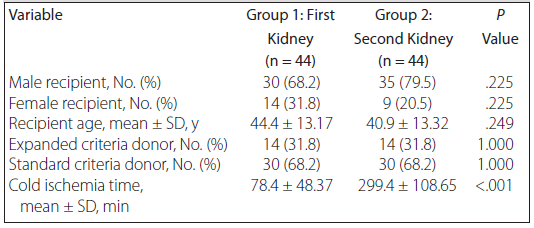
Table 1. Baseline Donor and Recipient Characteristics
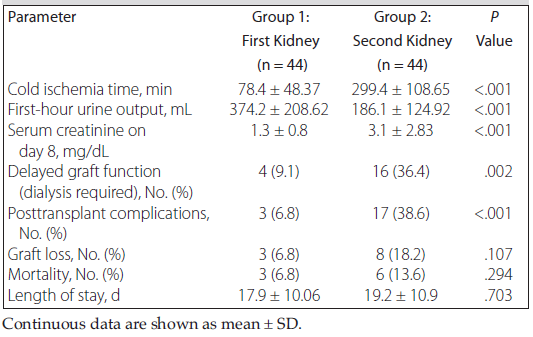
Table 2. Early Graft Function and Posttransplant Outcomes
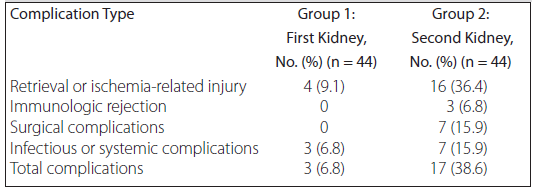
Table 3. Spectrum of Posttransplant Complications

Table 4. Receiver Operating Characteristic and Youden Index Analysis for Graft Dysfunction

Table 5. Outcomes According to Retrieval Sequence in Standard and Expanded Criteria Donors
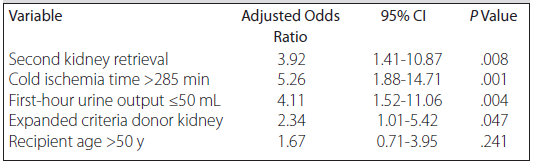
Table 6. Multivariable Predictors of Delayed Graft Function
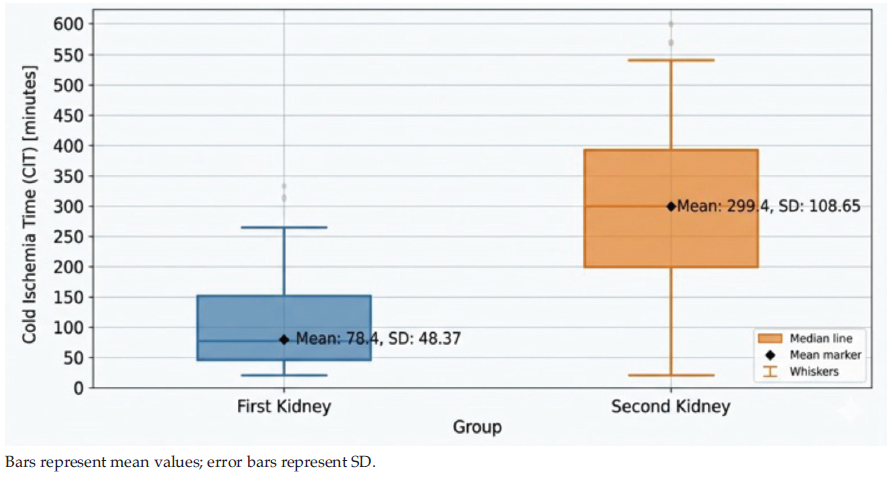
Figure 1. Cold Ischemia Time in Recipients of First-Retrieved Versus Second-Retrieved Kidneys From the Same Deceased Donor
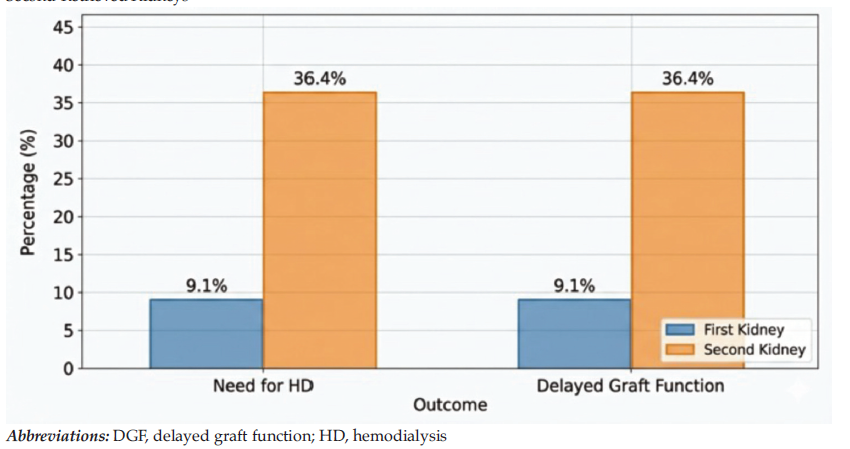
Figure 2. Delayed Graft Function and Postoperative Hemodialysis Requirement in Recipients of First-Retrieved Versus Second-Retrieved Kidneys
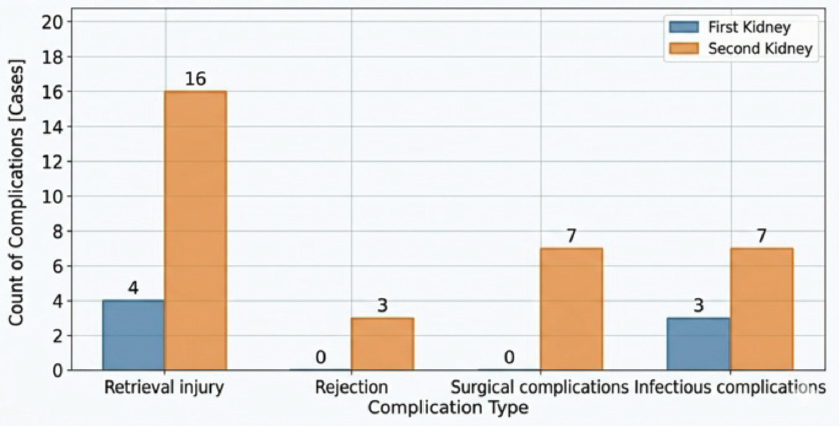
Figure 3. Spectrum of Posttransplant Complications in Recipients of First-Retrieved Versus Second-Retrieved Kidneys
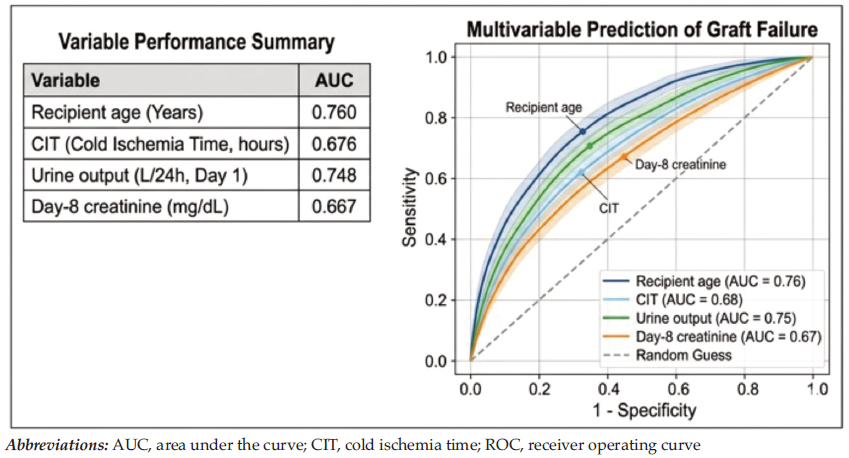
Figure 4. Receiver Operating Characteristic Curves for Prediction of Graft Dysfunction by Recipient Age, Cold Ischemia Time, First-Hour Postoperative Urine Output, and Serum Creatinine on Postoperative day 8