Volume: 24 Issue: 9 September 2026
FULL TEXT
Robot-Assisted Radical Prostatectomy in Kidney Transplant Recipients: an Updated Systematic Review and Surgical Perspective
Objectives: We systematically reviewed evidence on robot-assisted radical prostatectomy in kidney transplant recipients with prostate cancer, focusing on perioperative safety, allograft preservation, oncological and functional outcomes, pelvic lymph node dissection, technical modifications, and future reporting standards.
Materials and Methods: For the structured literature update, we used PubMed/MEDLINE-indexed records, Europe PMC/PMC material, publisher pages, DOI searches, and backward/forward citation tracking through May 4, 2026. For the anchor evidence base, we used a published literature review that studied data through April 2023. We screened studies post-April 2023 for robot-assisted radical prostatectomy-specific data and for broader radical prostatectomy data relevant to selection, graft outcomes, competing mortality, and surgical strategy. Because cohorts were small, endpoints heterogeneous, and multicenter series potentially overlapping, we synthesized fin-dings narratively rather than pooled findings quantitatively.
Results: The pre-2023 evidence on robot-assisted radical prostatectomy comprised 18 retrospective studies (186 patients). Operative time ranged from ~108 to 400 minutes, estimated blood loss from 30 to 630 mL, length of stay from 3 to 6 days, and catheterization from 5 to 18 days. The aggregate complication rate was 17.1%, with grade 3 or higher events in 8 patients. Positive surgical margins occurred in 24.2% and biochemical recurrence in 10.2%, although follow-up and risk distributions were heterogeneous. The largest multicenter robot-assisted radical prostatectomy series reported no graft injury, stable renal function, 1 Clavien-Dindo grade 3a complication, 7 positive margins among 41 patients, and 4 biochemical recurrences at 42 months. Newer evidence supported feasibility but highlighted competing mortality and careful selection.
Conclusions: Robot-assisted radical prostatectomy is feasible and generally graft-safe in selected kidney transplant recipients when performed by experienced robotic teams familiar with transplant anatomy. Unresolved questions concern patient selection, pelvic lymph node dissection strategy, standardized func-tional reporting, transplant-specific graft endpoints, and prospective multicenter data collection.
Key words : Kidney transplantation, Pelvic lymph node dissection, Prostate cancer, Renal allograft, Robotic surgery
Introduction
Kidney transplantation substantially prolongs surv-ival in patients with end-stage kidney disease, but long-term survival exposes recipients to age-related malignancies and immunosuppression-associated cancer risks. Prostate cancer has therefore become an increasingly relevant clinical problem in male kidney transplant recipients, particularly as transplant prog-rams expand to older recipients and as prostate-specific antigen (PSA) testing and multiparametric magnetic resonance imaging (mpMRI) lead to more diagnoses of localized disease.1-5 Unlike many posttransplant malignancies, prostate cancer is often biologically indolent, and its management must balance oncological control against graft safety, competing mortality, baseline renal function, immuno-suppression, and the morbidity of intervention.
Radical prostatectomy in kidney transplant recip-ients has historically been considered challenging. The renal allograft is usually placed extraperitoneally in one iliac fossa, and the transplant ureter is implanted into the bladder dome or anterior-lateral bladder wall. The operation may be further complicated by adhesions, prior pelvic surgery, calcified iliac vessels, an altered course of the external iliac artery and vein, and the need to avoid injury to the graft ureter, vascular anastomoses, and lymphatic drainage. These issues affect abdominal access, port placement, the dissection of Retzius space, bladder-neck mobilization, dorsal venous complex control, vesico-urethral anastomosis, and pelvic lymph node dissection (PLND).1,6-11
Robot-assisted radical prostatectomy (RARP) has become the dominant surgical approach for localized prostate cancer in many high-volume centers. In nontransplant populations, robotic surgery provides 3-dimensional magnified vision, wristed instru-mentation, lower blood loss, shorter length of hos-pital stay, and improved early functional recovery compared with open surgery in many settings.
These features are particularly attractive in kidney transplant recipients, in whom precise dissection around transplant-related anatomy and avoidance of bleeding, lymphocele, urinary leak, infection, and acute kidney injury are central priorities. However, the evidence for RARP in transplant recipients remains limited and is vulnerable to publication bias, small sample sizes, duplicate reporting, short follow-up, inconsistent continence and potency definitions, and selection of patients treated at expert centers.
The most recent dedicated systematic review of RARP in renal transplant recipients identified 18 retrospective studies that included 186 patients through April 2023.1 In a retrospective series of 16 renal transplant recipients, Hoda and colleagues reported that retropubic radical prostatectomy was feasible without impairment of graft function.12 Since then, several relevant reports have appeared, includ-ing a large matched radical prostatectomy cohort, a multicenter radical prostatectomy experience con-taining a robotic subgroup, a Retzius-sparing technical series, a propensity-matched RARP study, an open-versus-robotic comparative report, and a single-port transvesical technical report.13-18 Additional pre-2023 reports relevant to the RARP evidence base were published between 2008 and 2021.19-33 These newer data do not justify a simple pooled meta-analysis, because cohorts may overlap across referral networks and because RARP-specific and all-approach radical prostatectomy series report different endpoints.
They do, however, materially update the clinical interpretation of feasibility, patient selection, com-peting risks, and graft outcomes.
In this systematic review, we synthesized the current evidence on RARP in kidney transplant recipients for a high-impact journal audience. Our review focused on clinically actionable questions: which patients are appropriate candidates for RARP, how the operation should be planned and modified, what is known about perioperative and graft safety, what oncological and functional outcomes can be expected, how PLND should be approached, and what minimum dataset should be used in future studies.
Materials and Methods
Review design and reporting framework
We prepared an updated systematic review and narrative synthesis. We aligned our analyses with PRISMA 2020 principles for transparent eligibility criteria, search strategy, selection, extraction, and synthesis.34 Because the core evidence base has already been systematically searched across PubMed/Medline, Embase, and Web of Science through April 2023,1 we used that review as the anchor evidence base and performed a structured review of updated literature through May 4, 2026. This approach was chosen to avoid unnecessary duplication while making transparent which new data could change the clinical interpretation.
We followed the search strategy shown in Table 1. No meta-analysis was planned because of marked clinical heterogeneity, aggregation of outcomes, inconsistent endpoint definitions, and potential patient overlap among multicenter studies.
Eligibility criteria
Studies were eligible if they reported adult kidney or renal transplant recipients with localized or locally advanced nonmetastatic prostate cancer treated with RARP. Eligible designs included case reports, case series, retrospective cohorts, multicenter cohorts, matched comparative studies, and systematic reviews if they provided extractable RARP-specific data or were needed for reference tracking. Reports of open or laparoscopic radical prostatectomy were not included in the RARP-specific evidence synthesis unless they contained a separate robotic subgroup or provided clinically important comparative transplant recipient context. Studies of active surveillance, external-beam radiotherapy, brachytherapy, or focal therapy were used only for contextual discussion of treatment selection.
The primary outcomes were perioperative safety, preservation of allograft function, graft or transplant ureter injury, and major complications. Secondary outcomes included operative time, estimated blood loss, length of stay, catheter duration, PLND strategy, positive surgical margins, biochemical recurrence, metastasis, prostate cancer-specific mortality, continence recovery, erectile function recovery, readmission, graft survival, and overall survival. Studies not written in English, preclinical studies, conference abstracts without sufficient outcome detail, and reports without transplant recipient data were excluded from the primary synthesis.
Search strategy and evidence update
The anchor review included searches of PubMed/Medline, Embase, and Web of Science from inception to April 2023 using a structured PICO framework and was prospectively registered in PROSPERO (CRD42023450000).1 For the present update, we performed searches through May 4, 2026, using combinations of the following terms: “robot-assisted radical prostatectomy,” “robotic radical prostatectomy,” “RARP,” “renal transplant,” “kidney transplant,” “renal allograft,” “kidney allograft,” “prostate cancer,” “prostatectomy,” “Retzius-sparing,” “pelvic lymph node dissection,” and “transplant recipient.” We supplemented searches with DOI searches, publisher-page searches, PubMed similar-article functions, and backward/forward citation tracking from key reviews and multicenter studies.1,4,5,13-17
We distinguished 2 levels of evidence. First, RARP-specific evidence was used for direct conclu-sions regarding technique and perioperative, oncological, functional, and graft outcomes. Second, broader radical prostatectomy evidence in kidney transplant recipients was used to interpret selection, competing mortality, and whether outcomes in transplant recipients differed from nontransplant controls. When study populations could plausibly overlap, data were not pooled across publications; instead, the most informative or most contemporary report was described separately.
Data extraction and quality appraisal
For each included report, we extracted the following variables where available: first author, year, country or region, design, number of transplant recipients, surgical approach, previous transplant characteristics, graft side, age, PSA, clinical and pathological risk features, use of nerve-sparing surgery, PLND extent, port placement, operative time, estimated blood loss, conversion, length of stay, catheter duration, comp-lications graded according to Clavien-Dindo, graft function, ureteral or vascular graft injury, surgical margin status, biochemical recurrence, metastasis, prostate cancer-specific mortality, continence, erectile function, follow-up duration, and limitations.
We assessed risk of bias qualitatively because the evidence was dominated by retrospective nonran-domized studies, many with fewer than 15 patients. The main bias domains were patient selection, reporting bias, outcome definition heterogeneity, missing baseline functional data, short follow-up, center expertise, and overlap of patients between referral-center series. We used the ROBINS-I framework to inform the qualitative assessment of comparative nonrandomized studies.35
Results
Study selection and evidence map
The anchor systematic review identified 425 records and included 18 retrospective studies comprising 186 kidney transplant recipients treated with RARP.1 These reports ranged from first-in-field case reports to multicenter cohorts and included transperitoneal anterior RARP, modified port-placement approaches, and early Retzius-sparing experience. The updated search identified several post-2023 publications or indexed records relevant to the current evidence map. The most important were a matched European radical prostatectomy cohort that included 102 transplant recipients and 408 nontransplant controls,13 a multicenter radical prostatectomy study of 62 kidney transplant recipients, including 12 RARP cases,14 a Retzius-sparing RARP series of 4 renal transplant recipients,15 a propensity-matched RARP cohort of 8 kidney transplant recipients com-pared with nontransplant controls,16 a comparative open versus robotic radical prostatectomy study in renal transplant recipients indexed ahead of final issue assignment,17 and a single-port transvesical RARP technical report in 2 patients with prior kidney transplantation.18
Because the new studies included different denominators and may have overlapped with earlier European or single-center experiences, the present review avoided recalculation of crude pooled rates across all publications. Instead, we presented the 186-patient RARP-specific evidence base as the established pre-2023 benchmark and then synthesized how new data may modify interpretation. The resulting evidence map is shown in Figure 1, and the most clinically informative studies are summarized in Table 2.
Baseline characteristics and oncological risk
Patients undergoing RARP after kidney transplant are typically aged in their sixth or seventh decade, with prostate cancer detected through PSA screening or at transplant follow-up. In the 186 patients included in the pre-2023 robotic evidence base, patients ranged from 43 to 79 years of age. Pathological risk varied substantially: among extractable cases, Gleason score 6 was reported in 59 patients, Gleason score 7 in 93 patients, Gleason score 8 in 22 patients, and Gleason score 9 in 4 patients.1 This distribution suggested that published RARP series included many intermediate-risk cancers but also a nonnegligible high-risk subgroup.
The clinical question was therefore not limited to technical feasibility. Many transplant recipients with low-risk prostate cancer may be candidates for active surveillance. A matched analysis of active surveillance in kidney transplant recipients with low-risk prostate cancer found no metastases or biochemical recurrence among matched transplant recipients and controls over a median follow-up of approximately 5 years, although overall survival was worse in transplant recipients because of competing mortality.36 Conversely, high-risk disease may require multimodal treatment, yet PLND and postoperative radiotherapy are more complex in the presence of a pelvic allograft. Contemporary decisions should therefore incorporate cancer grade group, PSA density, mpMRI findings, biopsy burden, life expectancy, allograft function, immunosuppression, frailty, and the feasibility of salvage therapy.
Perioperative outcomes
Across the 18 pre-2023 RARP studies, operative time ranged from 108.3 to 400 minutes and estimated blood loss from 30 to 630 mL. Reported length of hospital stay ranged from 3 to 6 days, and urethral catheter duration ranged from 5 to 18 days.1 These broad ranges reflected the evolution of robotic platforms, surgeon experience, graft anatomy, adhesions, lymphadenectomy decisions, and diffe-rences in postoperative pathways.
The largest RARP-specific multicenter series inclu-ded 41 kidney transplant recipients treated at 4 referral centers. All patients underwent transperitoneal RARP, PLND was performed selectively, and 70.7% had no lymphadenectomy. Median operative time was 201 minutes, length of hospital stay was 4 days, and catheter removal occurred at a median of 10 days. No intraoperative complication was reported, and only 1 Clavien-Dindo grade 3a postoperative complication occurred. Renal function remained unchanged, and no graft injury was observed.6 These findings provide the strongest direct support for the procedural feasibility of RARP in appropriately selected transplant recipients.
Post-2023 evidence was consistent with that interpretation. A multicenter radical prostatectomy study that included 62 kidney transplant recipients reported that RARP was associated with lower blood loss but longer operative time than open radical prostatectomy; importantly, no graft loss was attributed to radical prostatectomy.14 A later propensity-matched RARP cohort identified 8 transplant recipients treated between 2018 and 2024 and reported stable allograft function at 12 months, with no metastases or prostate cancer-specific deaths during available follow-up.16 Although these new cohorts were small, the view that RARP can be performed without systematic graft compromise in expert hands was supported.
Complications and graft safety
The aggregate complication rate in the pre-2023 RARP evidence base was 17.1%. Grade 3 or higher complications were reported in 8 of 186 patients and included acute kidney failure, postoperative hemorrhage, Retzius-space hematoma, acute pul-monary edema, and lymphocele.1 The overall num-ber of events was small, but the pattern was clinically important: transplant recipients may be vulnerable not only to standard RARP complications but also to events that threaten allograft function through hemodynamic instability, obstruction, infection, lymphatic leakage, or injury to the transplant ureter.
Direct graft injury appears uncommon in pub-lished RARP series. The most important protective factors are preoperative mapping of graft location and transplant ureter course, safe abdominal entry away from the graft, modification of port placement, avoidance of blind dissection in the ipsilateral iliac fossa, readiness to identify the transplant ureter when needed, and selective omission or modification of ipsilateral PLND. Perioperative renal protection should include avoidance of nephrotoxic drugs, careful fluid and blood pressure management, minimization of excessive pneumoperitoneum when feasible, prompt exclusion of obstruction or urinary leak when creatinine rises, and early transplant nephrology involvement.
The contemporary matched radical prosta-tectomy literature adds a cautionary note. In a 1:4 propensity-matched comparison of 102 kidney transplant recipients and 408 nontransplant controls undergoing radical prostatectomy, transplant reci-pients had greater blood loss, longer length of hospital stay, later catheter removal, and more posto-perative complications on unadjusted comparison. However, transplant status was not independently associated with complications or continence recovery after multivariable modeling, and no oncological disadvantage was identified. Overall mortality was substantially higher in transplant recipients, unders-coring the importance of competing-risk selection.13
Oncological outcomes
In the pre-2023 robotic evidence base, positive surgical margins were reported in 45 of 186 patients (24.2%) and biochemical recurrence in 19 of 186 patients (10.2%), with follow-up ranging from 1 to 120 months.1 These rates should not be interpreted as definitive estimates because of heterogeneous case mix, era effects, risk distribution, pathological stage, margin definitions, follow-up length, and selective reporting. Nevertheless, they raise a clinically relevant signal that oncological outcomes in transplant recipients may not be identical to those of unselected contemporary RARP populations.
The 41-patient multicenter RARP series reported extraprostatic extension in 11 patients and positive surgical margins in 7 patients. At a median follow-up of 42 months, 4 biochemical recurrences occurred, with no metastases and no prostate cancer-specific deaths.6 The multicenter radical prostatectomy experience reported positive surgical margins in 25.8% and lymph node involvement in 8.1% of transplant recipients, again suggesting that clinically significant and potentially understaged disease is common in this population.14 In the large matched radical prostatectomy cohort, no significant differences were observed between transplant recipients and matched nontransplant controls for biochemical recurrence or progression, and there were no prostate cancer deaths during follow-up.13
These data supported RARP as an oncologically acceptable option for selected patients, but they also emphasized that treatment selection should be individualized. In low-risk disease, active surveillance should be discussed; in favorable intermediate-risk disease, RARP is reasonable when life expectancy and graft function justify intervention; in unfavorable intermediate- or high-risk disease, the feasibility of adequate staging, multimodal therapy, and salvage options becomes central. The role of prostate-specific membrane antigen positron-emission tomography (PSMA PET) in deciding whether to omit PLND is particularly important in this setting, although transplant-specific evidence remains limited.
Functional outcomes
Functional outcomes are among the weakest areas of the literature. Many reports use nonstandard conti-nence definitions, provide only pad counts, omit validated patient-reported outcomes, or lack pre-operative erectile-function data. In the 41-patient multicenter RARP series, continence was preserved in 86.1% of patients who were continent at baseline, and erections were preserved in 64.7% of patients who were potent at baseline.6 Retzius-sparing RARP may theoretically be attractive because it avoids anterior Retzius dissection near the transplanted kidney and may improve early continence, but transplant recipient evidence is currently limited to case-level or very small series.15,37-39
A Retzius-sparing RARP series of 4 renal transplant recipients reported negative margins in 3 of 4 patients, 1 positive margin >3 mm, and stable estimated glomerular filtration rate after surgery. Continence outcomes were encouraging at the short-term follow-up, but the small denominator, lack of long-term oncological follow-up, and specialist-center context limited inference.15 Overall, the field requires standardized reporting of continence (0 pads, safety pad, 0-1 pad, and validated instruments), time to continence, potency definitions, nerve-sparing status, baseline International Index of Erectile Function, and penile rehabilitation.
Pelvic lymph node dissection
Pelvic lymph node dissection is the most contro-versial technical component of RARP in kidney transplant recipients. In the general prostate cancer population, extended PLND is the most accurate surgical staging method in patients with sufficient nodal risk, but its therapeutic benefit remains debated. In transplant recipients, ipsilateral PLND may endanger the graft ureter, vascular anastomoses, and lymphatic drainage and may increase the risk of lymphocele, graft compression, infection, or renal dysfunction. Consequently, many RARP series omit PLND or perform contralateral, limited, or risk-adapted dissection.
In the 41-patient multicenter RARP series, 70.7% of patients underwent no lymphadenectomy.6 In the 186-patient systematic review, bilateral lymphade-nectomy was reported in 38 patients, unilateral lym-phadenectomy in 15, and no lymphadenectomy in 35, although the strategy was not always reported.1 Notably, no lymphadenectomy-related complication was reported in that review, but the low event count and incomplete reporting precluded a strong safety conclusion.
A pragmatic approach is to estimate nodal risk using contemporary nomograms and incorporate mpMRI, biopsy grade group, PSA density, and PSMA PET when available. For low-risk and many favorable intermediate-risk patients, PLND can reasonably be omitted. For higher-risk patients with a clinically meaningful nodal risk, contralateral extended PLND and selective ipsilateral dissection by experienced transplant-aware surgeons may be considered. If accurate nodal staging would not change management because postoperative radiotherapy or systemic therapy would be preferred, PLND omission may be justified after multidisciplinary discussion. This deci-sion should be explicitly reported in future studies.
Surgical approaches and technical modifications
Most published operations used a transperitoneal robotic approach. The transperitoneal route provides working space and familiar landmarks, and it may avoid direct early dissection of an extraperitoneal transplant bed. However, abdominal entry and port placement must be individualized. The camera port is generally placed away from the graft, assistant ports are shifted contralaterally or cranially when needed, and the surgeon should avoid trocar placement over the allograft or vascular pedicle. Preoperative cross-sectional imaging should be reviewed by the surgeon, not only by the radiologist, to understand graft side, vascular anastomoses, transplant ureter trajectory, bladder implantation site, prior lymphoceles or fibrosis, and mesh or other abdominal wall constraints.
The anterior approach can be performed safely, but it brings the operation into the Retzius space, where the transplant ureter may be vulnerable. Retzius-sparing RARP avoids anterior Retzius dis-section and may reduce manipulation near the transplanted kidney and ureter. Such an approach may also improve early continence in nontransplant patients. However, Retzius-sparing RARP is tech-nically demanding, especially in large prostates, anterior tumors, prior pelvic surgery, or when posterior planes are scarred. The available transplant recipient evidence remains limited, and the approach should be reserved for surgeons with established Retzius-sparing expertise.15,37-39
Extraperitoneal RARP has theoretical benefits, including avoidance of intraperitoneal adhesions and bowel mobilization, but this procedure can place the dissection closer to the extraperitoneal graft and vascu-lar anastomoses. Therefore, extraperitoneal access should be used only when local anatomy and surgeon experience are favorable. Single-port transvesical, perineal, or other alternative approaches may ultimately be valuable in complex pelvic anatomy. In a 2025 single-port transvesical report on 2 patients with prior kidney transplant, including 1 with 2 prior renal transplants, flexible cystoscopy was used intraoperatively to avoid transplant and native ureteral orifice injury. The study reported no perioperative complications, negative margins, and favorable early continence at 6 weeks.18 This approach is conceptually attractive because it avoids the peritoneal cavity and iliac fossae, but evidence remains too limited for recommendations outside specialized single-port centers.
Discussion
Principal findings
This updated systematic review supports 3 principal conclusions. First, RARP after kidney transplant is technically feasible and generally safe for the allograft when performed by experienced robotic teams in carefully selected patients. Across the published RARP-specific evidence, direct graft injury is rare, renal function is usually stable, and severe complications are uncommon but clinically meaningful.1,6,14-16 Second, oncological outcomes appear acceptable but not definitively equivalent to those in nontransplant populations because the evidence is retrospective, heterogeneous, and likely enriched for patients treated at expert centers. Third, the most important contemporary questions are no longer purely technical; they concern patient selection, competing mortality, PLND strategy, standardized functional outcomes, long-term graft survival, and how transplant-specific factors should be integrated into prostate cancer decision-making.
The field has moved beyond isolated technical feasibility reports. The 41-patient multicenter RARP series and the more recent matched and multicenter radical prostatectomy studies have provided increas-ingly mature evidence that RARP can be incorporated into the treatment armamentarium for localized pros-tate cancer in transplant recipients.6,13,14,16 However, these reports also exposed a central tension. Many kidney transplant recipients have long enough life expectancy to benefit from curative prostate cancer treatment, yet noncancer mortality remains higher in transplant recipients than mortality in matched nontransplant controls. A high-quality treatment decision must therefore ask not only whether RARP can be done, but whether RARP is the intervention most likely to improve the patient’s life expectancy or quality of life.
Patient selection: toward a transplant-specific decision model
Patient selection should start with conventional prostate cancer risk stratification but must add transplant-specific variables. For very-low-risk and low-risk disease, active surveillance should not be dismissed solely because the patient is immunosuppressed. The available matched active-surveillance data have suggested comparable pros-tate cancer progression outcomes between transplant recipients and nontransplant controls, although longer follow-up is needed.36 For favorable intermediate-risk disease, RARP is reasonable in patients with good functional status, stable graft function, acceptable anesthetic risk, and sufficient life expectancy. For unfavorable intermediate-risk and high-risk disease, the decision is more complex because optimal management may require nodal staging, adjuvant or salvage radiotherapy, and systemic therapy, each of which may interact with graft location and function.
A transplant-specific decision model should include age, comorbidities, cardiovascular risk, frailty, transplant vintage, baseline estimated glo-merular filtration rate, proteinuria, rejection history, immunosuppression regimen, donor type, graft side, prior pelvic surgery, abdominal wall constraints, prostate size, tumor location on MRI, risk of lymph node involvement, and patient preferences. Transplant nephrology, urologic oncology, radiation oncology, and the transplant surgical team should participate in decisions for all but the simplest low-risk cases. This multidisciplinary model is especially important because the consequences of local treatment failure, salvage radiotherapy, or severe perioperative com-plications may be amplified in transplant recipients.
Robot-assisted radical prostatectomy versus radiotherapy and active surveillance
Robot-assisted radical prostatectomy has several theoretical advantages over radiotherapy in kidney transplant recipients: RARP avoids irradiation of the graft and transplant ureter, provides definitive pathology, permits precise margin assessment, and eliminates the need for chronic androgen deprivation in many localized cases. Radiotherapy remains feasible, particularly with modern intensity-mo-dulated radiotherapy, image guidance, proton tec-hniques in selected settings, hydrogel spacers, and careful dose planning. However, historical concerns include ureteral stricture, radiation cystitis, graft nephropathy, pelvic fibrosis, and difficulty delivering salvage local treatment.
Active surveillance is increasingly relevant because PSA screening and MRI can detect more low-risk disease. The decision to treat low-risk prostate cancer aggressively after transplant should be made cautiously, especially in older recipients or those with limited graft function. Conversely, younger recipients with long expected survival and intermediate-risk disease may derive meaningful benefit from surgery. The central principle is individualization: transplant status alone should not exclude RARP, but neither should technical feasibility push clinicians toward overtreatment.
Practical surgical recommendations
A proposed practical surgical workflow is shown in Table 3. Preoperative planning should include review of transplant operative notes whenever available, recent creatinine and estimated glomerular filtration rate, urinalysis and urine culture, updated mpMRI, staging with PSMA PET for unfavorable intermediate-risk or high-risk disease where available, and careful review of cross-sectional imaging for graft and ureter location. The surgical plan should state the intended access route, port modifications, whether PLND will be performed, how the transplant ureter will be protected, and what threshold will trigger con-version or transplant surgery assistance.
Intraoperatively, blind trocar placement over the graft must be avoided. Adhesiolysis should be deliberate and minimal. The transplant ureter should not be skeletonized unless identification is required. Dissection in the ipsilateral pelvic sidewall should be limited to what is oncologically necessary. Low threshold should be maintained for intraoperative urology transplant consultation if the anatomy is uncertain. Postoperatively, creatinine should be checked early, urine output monitored, and any unexpected renal dysfunction investigated promptly with ultrasonography or computed tomography to exclude obstruction, hematoma, lymphocele, urinoma, or vascular compromise.
Evidence gaps and research agenda
The evidence base remains insufficient for strong recommendations on several important questions. No randomized evidence and no adequately powered prospective registry are available. Many reports do not specify immunosuppression, transplant vintage, graft side, ureter implantation site, baseline renal function, PSA density, MRI findings, nerve-sparing status, lymphadenectomy template, or validated functional outcomes. Follow-up is often too short for metastasis-free survival, cancer-specific survival, and graft survival. Moreover, patient overlap between high-volume European referral centers may lead to double counting if aggregate data are pooled indiscriminately.
Future studies should use a minimum transplant-specific dataset (Table 4). The ideal design is a prospective, international, multicenter registry comparing RARP, open radical prostatectomy, radiotherapy, and active surveillance in transplant recipients with localized prostate cancer. Outcomes should include 90-day complications, acute kidney injury, estimated glomerular filtration rate trajectory, graft survival, rejection episodes, infectious complications, continence, erectile function, positive margins, biochemical recurrence, metastasis-free survival, treatment-free survival, prostate cancer-specific mortality, overall survival, and patient-reported quality of life. Statistical analysis should account for competing mortality, baseline graft function, cancer risk category, and center volume.
Strengths and limitations of this review
This review provides an updated synthesis of the robotic evidence base and integrates new data post-2023 on radical prostatectomies that are clinically important for decision-making for transplant recipients. This review distinguishes direct RARP evidence from broader radical prostatectomy context and avoids misleading pooled calculations when patient overlap is plausible.
The limitations mirror the limitations of the literature. Most available studies are retrospective, underpowered, and conducted at high-volume centers. Case reports and small series are prone to publication bias. Functional endpoints were incon-sistently defined, oncological follow-up was limited, and transplant-specific variables were incompletely reported. Some recently indexed studies were avail-able only through abstracts, publisher summaries, or bibliographic records at the time of drafting; final submission should incorporate the complete texts and update the extraction table accordingly. Finally, this review is not a substitute for local multi-disciplinary evaluation, because graft anatomy and surgical expertise vary substantially between centers.
Conclusions
Robot-assisted radical prostatectomy is a feasible and generally graft-safe curative option for selected kidney transplant recipients with localized prostate cancer. The operation should be concentrated in centers with high-volume robotic expertise and familiarity with transplant anatomy.40 Preoperative imaging, individualized port placement, transplant ureter awareness, risk-adapted lymphadenectomy, careful renal protection, and multidisciplinary selection are essential.
Current evidence does not support indiscriminate extrapolation from nontransplant RARP cohorts, and current evidence does not justify a simple pooled meta-analysis. The most clinically useful inter-pretation is that RARP can be performed safely, but its value depends on cancer risk, life expectancy, graft function, competing mortality, and availability of alternatives. Future research should move from feasibility reports to prospective transplant-specific comparative outcomes with standardized oncological, functional, and graft endpoints.
References:
- Piana A, Pecoraro A, Sidoti F, et al. Robot-assisted radical prostatectomy in renal transplant recipients: a systematic review. J Clin Med. 2023;12(21):6754. doi:10.3390/jcm12216754
CrossRef - PubMed - Vajdic CM, McDonald SP, McCredie MR, et al. Cancer incidence before and after kidney transplantation. JAMA. 2006;296(23):2823-2831. doi:10.1001/jama.296.23.2823
CrossRef - PubMed - Kasiske BL, Snyder JJ, Gilbertson DT, Wang C. Cancer after kidney transplantation in the United States. Am J Transplant. 2004;4(6):905-913. doi:101111/j.1600-6143.2004.00450.x
CrossRef - PubMed - Hevia V, Boissier R, Rodríguez-Faba Ó, et al. Management of localised prostate cancer in kidney transplant patients: a systematic review from the EAU Guidelines on Renal Transplantation Panel. Eur Urol Focus. 2018;4(2):153-162. doi:10.1016/j.euf.2018.05.010.
CrossRef - PubMed - Marra G, Dalmasso E, Agnello M, et al. Prostate cancer treatment in renal transplant recipients: a systematic review. BJU Int. 2018;121(3):327-344. doi:10.1111/bju.14018
CrossRef - PubMed - Marra G, Agnello M, Giordano A, et al. Robotic radical prostatectomy for prostate cancer in renal transplant recipients: results from a multicenter series. Eur Urol. 2022;82(6):639-645. doi:10.1016/j.eururo.2022.05.024
CrossRef - PubMed - European Association of Urology. EAU Guidelines Office. EAU Guidelines on Renal Transplantation. Arnhem, The Netherlands; 2024.
CrossRef - PubMed - European Association of Urology. EAU Guidelines Office. EAU Guidelines on Prostate Cancer. Arnhem, The Netherlands; 2026.
CrossRef - PubMed - Mottet N, van den Bergh RCN, Briers E, et al. EAU-EANM-ESTRO-ESUR-SIOG guidelines on prostate cancer-2020 update. Part 1: screening, diagnosis, and local treatment with curative intent. Eur Urol. 2021;79(2):243-262. doi:10.1016/j.eururo.2020.09.042
CrossRef - PubMed - Zeng J, Christiansen A, Pooli A, Qiu F, LaGrange CA. Safety and clinical outcomes of robot-assisted radical prostatectomy in kidney transplant patients: a systematic review. J Endourol. 2018;32(10):935-943. doi:10.1089/end.2018.0394
CrossRef - PubMed - Barakat B, Othman H, Gauger U, Wolff I, Hadaschik B, Rehme C. Retzius sparing radical prostatectomy versus robot-assisted radical prostatectomy: which technique is more beneficial for prostate cancer patients (MASTER Study)? A Systematic Review and Meta-analysis. Eur Urol Focus. 2022;8(4):1060-1071. doi:10.1016/j.euf.2021.08.003.
CrossRef - PubMed - Hoda MR, Hamza A, Greco F, et al. Management of localized prostate cancer by retropubic radical prostatectomy in patients after renal transplantation. Nephrol Dial Transplant. 2010;25(10):3416-3420. doi:10.1093/ndt/gfq193
CrossRef - PubMed - Marra G, Tappero S, Barletta F, et al. Radical prostatectomy for nonmetastatic prostate cancer in renal transplant recipients: outcomes for a large contemporary cohort and a matched comparison to patients without a transplant. Eur Urol Focus. 2024;10(2):346-353. doi:10.1016/j.euf.2024.02.008.
CrossRef - PubMed - Schmidt J, Yakac A, Peters R, et al. Radical prostatectomy in kidney transplant recipients - a multicenter experience. Eur Urol Open Sci. 2024;67:45-53. doi:10.1016/j.euros.2024.07.111
CrossRef - PubMed - Leow JJ, Nagasubramanian S, Tandogdu Z, et al. Retzius-sparing robot-assisted radical prostatectomy in renal transplant recipients. BJU Int. 2025;136(2):218-221. doi:10.1111/bju.16737
CrossRef - PubMed - Slota JM, Darcy RE, Fink K, et al. Robotic radical prostatectomy in kidney transplant recipients: a propensity-matched cohort study. BJUI Compass. 2025;6(12):e70128. doi:10.1002/bco2.70128
CrossRef - PubMed - Waeckel T, Doerfler A, Béchade C, Tillou X. Comparative study of open versus robotic radical prostatectomy in renal transplant recipients and review of the literature. Prostate Int. 2026;14(1):75-80. doi:10.1016/j.prnil.2025.11.004
CrossRef - PubMed - Chavali JS, Ferguson E, Soputro N, Ramos R, Eltemamy M, Kaouk J. Single-port (SP) robotic transvesical radical prostatectomy in patients with prior kidney transplantation: technique description and early results. Urol Video J. 2025;26:100340. doi:10.1016/j.urolvj.2025.100340
CrossRef - PubMed - Jhaveri JK, Tan GY, Scherr DS, Tewari AK. Robot-assisted laparoscopic radical prostatectomy in the renal allograft transplant recipient. J Endourol. 2008;22(11):2475-2480. doi:10.1089/end.2008.0280
CrossRef - PubMed - Smith DL, Jellison FC, Heldt JP, et al. Robot-assisted radical prostatectomy in patients with previous renal transplantation. J Endourol. 2011;25(10):1643-1647. doi:10.1089/end.2011.0038
CrossRef - PubMed - Ghazi A, Erturk E, Joseph JV. Modifications to facilitate extraperitoneal robot-assisted radical prostatectomy post kidney transplant. JSLS. 2012;16(2):314-319. doi:10.4293/108680812x13427982376626
CrossRef - PubMed - Polcari AJ, Allen JC, Nunez-Nateras R, et al. Multicenter experience with robot-assisted radical prostatectomy in renal transplant recipients. Urology. 2012;80(6):1267-1272. doi:10.1016/j.urology.2012.08.048
CrossRef - PubMed - Wagener N, Nyarangi-Dix JN, Teber D, Zeier M, Hohenfellner M. Applicability of robot-assisted laparoscopic radical prostatectomy in renal allograft recipients. Transplant Proc. 2012;44(5):1287-1292. doi:10.1016/j.transproceed.2012.01.120
CrossRef - PubMed - Le Clerc QC, Lecornet E, Leon G, et al. Technical feasibility of robot-assisted laparoscopic radical prostatectomy in renal transplant recipients: results of a series of 12 consecutive cases. Can Urol Assoc J. 2015;9(7-8):E490-E493. doi:10.5489/cuaj.2319. PMID: 26279722
CrossRef - PubMed - Moreno Sierra J, Ciappara Paniagua M, Galante Romo MI, et al. Robot assisted radical prostatectomy in kidney transplant recipients. Our clinical experience and a systematic review. Urol Int. 2016;97(4):440-444. doi:10.1159/000446323
CrossRef - PubMed - Jenjitranant P, Sangkum P, Sirisreetreerux P, Viseshsindh W, Patcharatrakul S, Kongcharoensombat W. Retzius space preservation technique for robotic-assisted laparoscopic radical prostatectomy in a kidney transplant patient: first case in Thailand and our first experience. Transplant Proc. 2016;48(9):3130-3133. doi:10.1016/j.transproceed.2016.03.035
CrossRef - PubMed - Plagakis S, Foreman D, Sutherland P, Fuller A. Transperitoneal robot-assisted radical prostatectomy should be considered in prostate cancer patients with pelvic kidneys. J Endourol Case Rep. 2016;2(1):38-40. doi:10.1089/cren.2016.0006
CrossRef - PubMed - Iizuka J, Hashimoto Y, Kondo T, et al. Robot-assisted radical prostatectomy for localized prostate cancer in Asian renal transplant recipients. Transplant Proc. 2016;48(3):905-909. doi:10.1016/j.transproceed.2016.01.036
CrossRef - PubMed - Mistretta FA, Galfano A, Di Trapani E, et al. Robot assisted radical prostatectomy in kidney transplant recipients: surgical, oncological and functional outcomes of two different robotic approaches. Int Braz J Urol. 2019;45(2):262-272. doi:10.1590/S1677-5538.IBJU.2018.0308
CrossRef - PubMed - Felber M, Drouin SJ, Grande P, et al. Morbidity, perioperative outcomes and complications of robot-assisted radical prostatectomy in kidney transplant patients: a French multicentre study. Urol Oncol. 2020;38(6):599.e15-599.e21. doi:10.1016/j.urolonc.2019.12.017
CrossRef - PubMed - Leonard G, Pradère B, Monléon L, et al. Oncological and postoperative outcomes of robot-assisted laparoscopic radical prostatectomy in renal transplant recipients: a multicenter and comparative study. Transplant Proc. 2020;52(3):850-856. doi:10.1016/j.transproceed.2020.01.032
CrossRef - PubMed - Sirisopana K, Jenjitranant P, Sangkum P, et al. Radical prostatectomy outcomes in renal transplant recipients: a retrospective case series of Thai patients. BMC Urol. 2021;21(1):97. doi:10.1186/s12894-021-00862-z
CrossRef - PubMed - Shahait M, Majali FA, Dobbs RW, et al. Oncological and functional outcomes of robot-assisted radical prostatectomy in kidney transplant recipients. JSLS. 2021;25(3):e2021.00045. doi:10.4293/JSLS.2021.00045
CrossRef - PubMed - Page MJ, McKenzie JE, Bossuyt PM, et al. The PRISMA 2020 statement: an updated guideline for reporting systematic reviews. BMJ. 2021;372:n71. doi:10.1136/bmj.n71
CrossRef - PubMed - Sterne JA, Hernán MA, Reeves BC, et al. ROBINS-I: a tool for assessing risk of bias in non-randomized studies of interventions. BMJ. 2016;355:i4919. doi:10.1136/bmj.i4919
CrossRef - PubMed - Soeterik TF, van den Bergh RC, van Melick HH, et al. Active surveillance in renal transplant patients with prostate cancer: a multicentre analysis. World J Urol. 2023;41(3):725-732. doi:10.1007/s00345-023-04294-2
CrossRef - PubMed - Kadhim H, Ang KM, Tan WS, et al. Retzius-sparing technique independently predicts early recovery of urinary continence after robot-assisted radical prostatectomy. J Robot Surg. 2022;16(6):1419-1426. doi:10.1007/s11701-022-01383-z
CrossRef - PubMed - Kobari Y, Iizuka J, Hata K, et al. Effectiveness of Retzius-sparing robot-assisted radical prostatectomy in a renal transplant recipient: a case report. Transplant Proc. 2022;54(2):525-527. doi:10.1016/j.transproceed.2021.08.063
CrossRef - PubMed - Narain TA, Sooriakumaran P. UCL technique. In: Ren S, Nathan S, Pavan N, Gu D, Sridhar A, Autorino R, Eds. Robot-Assisted Radical Prostatectomy: Advanced Surgical Techniques. Springer International Publishing; 2022:191-196.
CrossRef - PubMed - Gershman B, Meier SK, Jeffery MM, et al. Redefining and contextualizing the hospital volume-outcome relationship for robot-assisted radical prostatectomy: implications for centralization of care. J Urol. 2017;198(1):92-99. doi:10.1016/j.juro.2017.01.067
CrossRef - PubMed

Volume : 24
Issue : 9
Pages : 664 - 675
DOI : 10.6002/ect.2026.0122
From the 1Department of Urology, University Hospital Hradec Kralove, Hradec Kralove, Czechia; and the 2Charles University, Faculty of Medicine in Hradec Kralove, Hradec Kralove, Czechia
Acknowledgements: The authors have not received any funding or grants in support of the presented research or for the preparation of this work and have no declarations of potential conflicts of interest.
Corresponding author: Pavel Navratil, Department of Urology, University Hospital Hradec Kralove, Sokolska 581, 500 05 Hradec Kralove, Czechia
Phone: +420 495 833 378 E-mail:pavel.navratil2@fnhk.cz
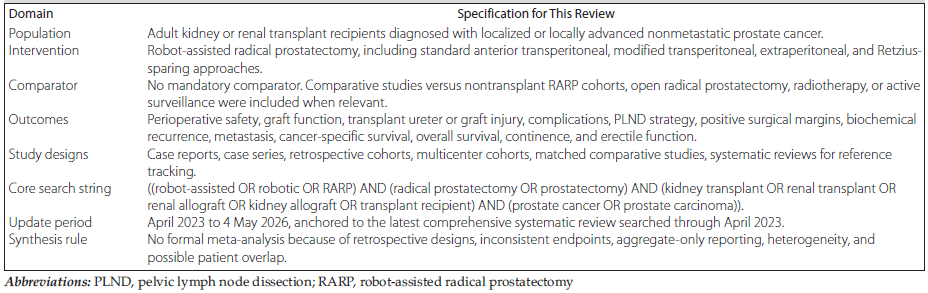
Table 1. PICOS Framework and Reproducible Search Strategy
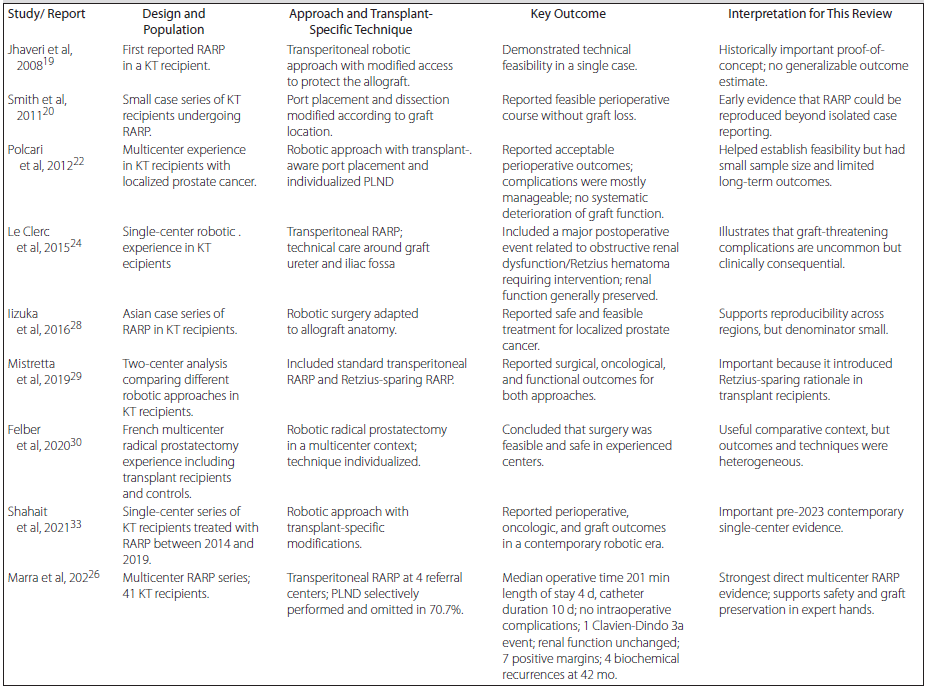
Table 2. Clinically Informative Studies and Reports on Robot-Assisted Radical Prostatectomy or Radical Prostatectomy in Kidney Transplant Recipients
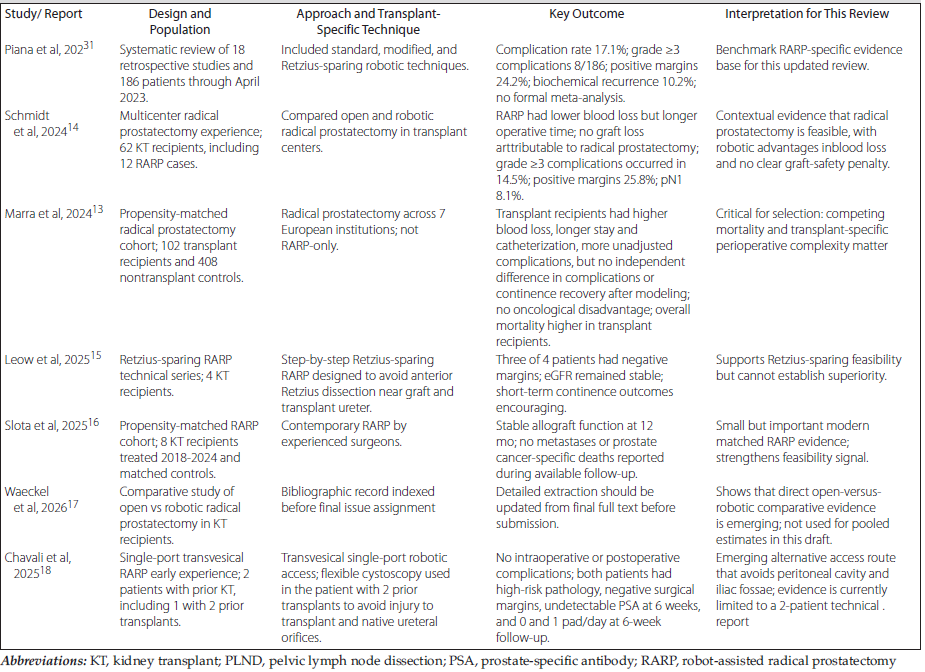
Table 2. (Cont). Clinically Informative Studies and Reports on Robot-Assisted Radical Prostatectomy or Radical Prostatectomy in Kidney Transplant Recipients
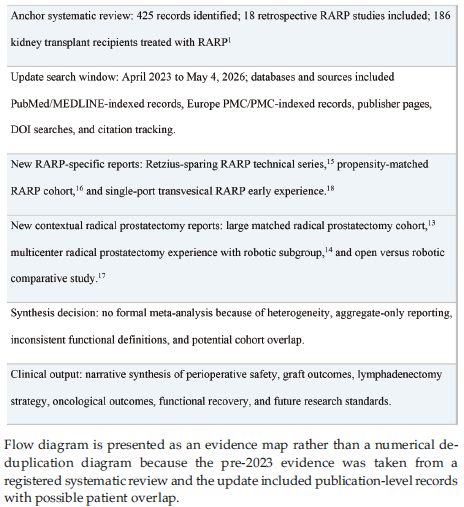
Figure 1. PRISMA Style Evidence Map for the Present Updated Review
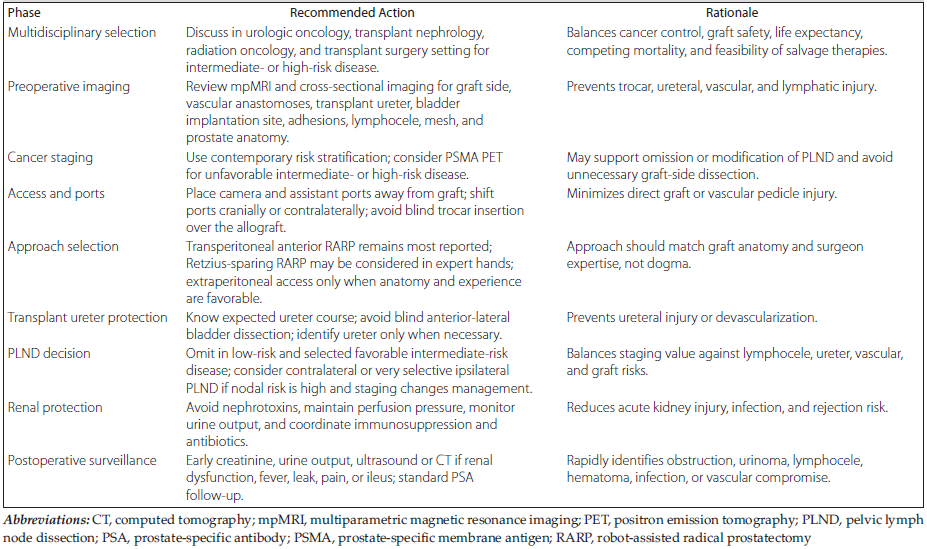
Table 3. Practical Surgical Planning Framework for Robot-Assisted Radical Prostatectomy After Kidney Transplant
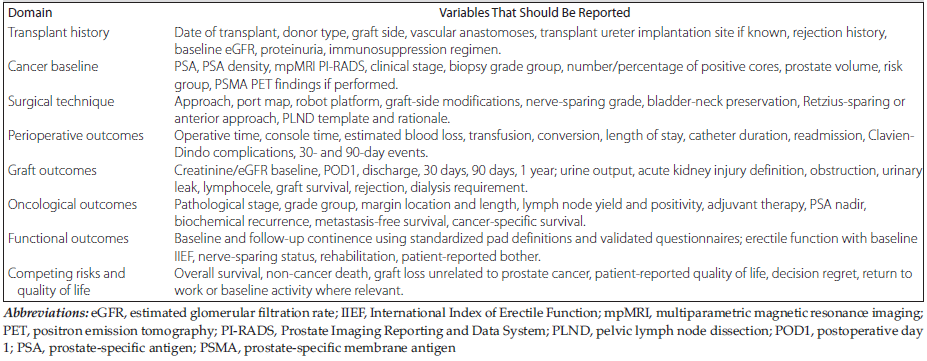
Table 4. Minimum Dataset for Future Prospective Studies of RARP in kidney transplant recipients