Volume: 24 Issue: 8 August 2026
FULL TEXT
Evaluation of Emergency Department Professionals' Knowledge and Attitudes Toward Approaching Brain Death and Potential Organ Donor Recognition: A Cross-Sectional Survey
Objectives: Early identification of potential organ donors is essential for expanding the donor pool. Although brain death is typically diagnosed in intensive care units, the recognition of patients with imminent brain death should begin earlier, particularly in the emergency department. In this study, we aimed to evaluate the knowledge and attitudes of emer-gency department professionals regarding brain death, with a specific focus on the early recognition of imminent brain death.
Materials and Methods: This cross-sectional study was conducted among emergency department health care professionals. We used a structured questionnaire to assess participants’ knowledge and attitudes on imminent brain death and potential donor recognition.
Results: Among 104 emergency department pro-fessionals who participated in the study, 82 par-ticipants (78.8%) considered brain death diagnosis medically reliable, but important knowledge gaps were identified. Only 42 participants (40.4%) correctly identified the components of the FOUR score (eye response, motor response, brainstem reflexes, and respiration), with residents showing significantly lower proficiency versus specialists (9.1% vs 59.3%; P < .001). Institutional training exposure was alarm-ingly low at 11.5%, compared with much higher rates reported in other reports on intensive care. Only 18 participants (17.3%) were aware of an emergency department-specific protocol for severe brain injury, and only 22 participants (21.2%) reported early involvement of organ transplant coordinators. Prior experience in brain death declaration was a significant predictor of higher trust (83.3% vs 77.5%; P = .023) and protocol awareness (33.3% vs 12.5%; P = .049).
Conclusions: Emergency departments represent the first point of contact for patients who may progress to brain death. Recognition of imminent brain death must begin in the emergency department to enable timely identification and referral. Targeted training programs and the development of emergency department-focused protocols may improve early donor recognition and contribute to expanding the donor pool.
Key words : Clinical protocols, Donor identification, FOUR score, Medical education, Organ donation
Introduction
The identification of brain death (BD) and the subsequent management of potential organ donors represent a race against time within the high-pressure environment of modern health care. Although the definitive diagnosis of BD, characterized by the irreversible cessation of all cerebral and brainstem functions, is typically finalized in intensive care units (ICUs), the initial recognition of potential candidates often begins much earlier.1 In this context, emergency departments (EDs) serve as the primary gateway for patients with devastating neurological injuries, making ED staff the frontline guardians of the organ donation pipeline.2
The transition from a “potential donor” to an “actual donor” is fraught with clinical and orga-nizational challenges. Delays in recognition of “imminent brain death,” defined by deep coma, mechanical ventilation, and the absence of key brainstem reflexes, can lead to rapid hemodynamic collapse, rendering organs unsuitable for transplant.3
Furthermore, such delays often exacerbate family distress, potentially leading to a higher rate of refusal for donation.2 Despite the critical nature of this phase, a large portion of potential donors is lost during the transfer between the ED and the ICU, highlighting a systemic vulnerability in the donation process.1
In current clinical practice, the identification of patients who are likely to progress to BD is generally initiated after admission to the ICU. However, this approach may delay recognition and limit timely donor identification. The concept of imminent BD refers to patients with severe neurological injury who are at high risk of progressing to BD and require early recognition.4 Because the ED is the first point of contact for these critically ill patients, the identification of imminent BD must begin in the ED. Early clinical suspicion, appropriate triage, and timely notification at this stage may play a crucial role in expanding the donor pool.
International benchmarks, particularly the collaborative models established in Spain, have emphasized that the identification of potential donors should be an integral part of the ED service portfolio.5 However, the successful implementation of such models depends heavily on the knowledge, attitudes, and procedural skills of ED professionals. Gaps in the understanding of BD criteria or hesitation in initiating donor maintenance protocols can greatly hinder donation rates.6 Therefore, an assessment of the current awareness levels and perspectives of ED staff is not merely an academic exercise but a clinical necessity to improve the quality and quantity of available organs for transplant.
With these considerations, we designed the present study to evaluate the knowledge levels, clinical skills, and professional attitudes of ED per-sonnel regarding the early identification of “imminent brain death” and potential organ donors. Beyond a simple assessment of knowledge, we aimed to identify how institutional factors such as the absence of standardized protocols interact with clinical awa-reness to create barriers in the donation process. Ultimately, this research seeks to provide a baseline for development of targeted training programs that can move donor recognition “upstream” to the emergency setting, thereby optimizing the quantity and quality of organ procurement in the health care system.
Materials and Methods
Study design, ethical considerations, and participants
This descriptive, cross-sectional study was con-ducted to evaluate the knowledge levels and attitudes of ED professionals regarding imminent BD and organ donation. The research protocol was reviewed and approved by the Clinical Research Ethics Committee of Bursa City Hospital (approval date: 10/11/2023; document code: KU.FR.37). The study population consisted of physicians (specialists, residents, and general practitioners) working in various health care institutions, including university, training and research, and state hospitals. To ensure the reliability of the data, we excluded individuals with less than 1 year of ED experience or those not assigned to the “red zone” (critical care area). Participation was voluntary and anonymous, and electronic informed consent was obtained from all participants before their involvement. All procedures were performed in accordance with the ethical standards of the institutional and/or national research committee and with the 1964 Helsinki Declaration and its later amendments.
Data collection instrument and development
For this study, we developed the web-based, 25-item questionnaire after an extensive review of validated questionnaires in the existing literature to ensure a comprehensive evaluation of both clinical knowledge and socio-cultural attitudes. Specifically, we adapted the sections regarding BD criteria, diagnostic pre-requisites, and the technical competencies of health care professionals from the frameworks established by Fırıncıoğlu and colleagues7 and Tomruk and colleagues,8 which focus on the clinical environment in Turkey. To capture the broader dimensions of organ procurement and the socio-cultural barriers to donation, we integrated items from the global perspectives provided by Hammad and colleagues9 and Malekmakan and colleagues.10
The final questionnaire consisted of 25 items organized into 3 main sections. Section 1 consisted of questions on demographic characteristics (age, sex, professional role, institution type, and years of experience).
Section 2 included questions on clinical knowledge of imminent BD, with items assessing the definition of BD, diagnostic criteria (eg, Glasgow Coma Scale requirements, brainstem reflexes), and the legal/me-dical procedures involved in declaration.
Section 3 included questions on attitudes and practices. Questions explored personal willingness to donate, perceptions of the reliability of BD diagnosis, and the presence of institutional protocols or organ transplant coordinators in the ED setting.
This hybrid approach allowed for the assessment of not only the participants’ theoretical under-standing of imminent BD but also their practical experiences and personal inclinations toward organ donation, thereby providing a multifaceted view of the current challenges in the ED.
Statistical analyses
We evaluated sample size adequacy and statistical power using G*Power (version 3.1.9.7). For cate-gorical comparisons, we used χ2 test (df = 1), assuming a medium effect size (Cohen’s w = 0.30), α = 0.05, and 80% power to yield a minimum required sample size 88 participants; with 104 participants, the achieved power was 0.864. For comparisons of continuous knowledge scores between 2 independent groups, we used an independent sample t test to assume a medium-to-large effect size (Cohen’s d = 0.60), α = 0.05, and 80% power, requiring 90 participants; with 104 participants, the achieved power was 0.851.
We used SPSS version 26.0 for statistical analyses. We used descriptive statistics (frequencies and percentages) to summarize demographic data and survey responses. We calculated knowledge scores based on correct responses to clinical items. We assessed normality of continuous variables with the Kolmogorov-Smirnov test. We compared categorical variables with the χ2 test or Fisher exact test where appropriate. We compared continuous variables using the independent sample t test for normally distributed data or the Mann-Whitney U test otherwise. P < .05 was considered statistically significant for all analyses.
Results
Participant characteristics and professional background
In total, 104 ED professionals participated in the study. Most were aged between 30 and 40 years (50.0%, n = 52), followed by the 34.6% (n = 36) in the 20- to 30-year age group. In terms of professional roles, specialists constituted the largest group (53.8%, n = 56), whereas general practitioners and residents accounted for 25.0% (n = 26) and 21.2% (n = 22), respectively. Most participants were employed in state hospitals (48.1%, n = 50) or city hospitals (25.0%, n = 26). Detailed demographic and professional characteristics are presented in Table 1.
Training exposure and institutional environment
Regarding specialized training, only 12 participants (11.5%) reported having received formal education on BD within their current institution. Despite this low training rate, 82 participants (78.8%) considered the diagnosis of BD to be medically reliable. However, institutional support structures appeared limited; only 18 participants (17.3%) stated that a specific protocol for managing severe brain injury was available in their ED, and 22 participants (21.2%) reported that the organ transplant coordinator was involved in the treatment or referral processes of such patients. Furthermore, 24 participants (23.1%) had previously been involved in a BD declaration. These findings are summarized in Table 2.
Knowledge of imminent brain death criteria and assessment tools
Participant knowledge on the definition and clinical assessment of BD showed significant variability. Among 104 participants, 72 (69.2%) correctly identified BD as a state of medical death, and 22 (21.2%) incorrectly disagreed with this definition. Regarding the FOUR score, 42 participants (40.4%) correctly identified its components, and 54 participants (51.9%) admitted to having no knowledge of the tool. Knowledge of brainstem reflexes was relatively high for pupillary light reflex (88.5%) and corneal reflex (82.7%) but lower for oculocephalic reflex (55.8%). Detailed knowledge scores and responses are listed in Table 3 and Table 4.
Comparative analysis of knowledge and attitudes
Statistical analysis showed several significant associations between professional background and BD-related outcomes. Participants with prior BD declaration experience demonstrated significantly higher trust in the reliability of the diagnosis (83.3% vs 77.5%; P = .023) and greater awareness of ED protocols (33.3% vs 12.5%; P = .049) compared with those without experience. Professional role was a major determinant of knowledge; specialists had significantly higher correct response rates for the FOUR score (59.3%) compared with general prac-titioners (30.8%) and residents (9.1%) (P < .001). Furthermore, institutional training was strongly associated with protocol awareness (50.0% vs 13.0%; P = .006). These comparative findings are detailed in Table 5.
Discussion
The present study identified a critical gap between the theoretical acceptance of BD and the operational readiness of ED professionals to identify and manage potential organ donors. Although diagnostic trust remains high, the lack of institutional protocols and specialized knowledge, particularly among residents, suggests that the ED remains an underutilized environment for the early initiation of the organ donation pathway.
Trust versus objective knowledge
A primary finding of our study is that 78.8% of ED professionals consider the BD diagnosis reliable. This high level of trust is consistent with a recent survey of Turkish ICU clinicians, where 81.9% reported sufficient competence in BD diagnosis.5 However, our data revealed a “competence-knowledge paradox”: despite high trust, only 40.4% of our participants could correctly identify the components of the FOUR score. This discrepancy mirrors international findings where clinicians often overestimate their procedural knowledge. For example, in a Brazilian cohort, although trust was high, objective knowledge scores were significantly lower among those without specific BD training.11 Furthermore, clinicians may endorse BD as a medical and legal entity yet remain uncertain when BD is contextualized into real-life decisions, particularly around the continuation or withdrawal of somatic support.1,2 This skepticism is often rooted in a lack of consensus on how to proceed when organ donation is rejected.2
Training gap: emergency department versus intensive care unit
Perhaps the most striking finding was the disparity in training exposure. Only 11.5% of our ED-based participants reported receiving formal BD training at their institution. In contrast, an ICU study from Türkiye reported training rates as high as 86.5%.5 This nearly 8-fold difference suggests that BD education is currently siloed within ICUs, neglecting the ED where the “approaching imminent BD” window often begins. Our analysis confirmed that institutional training was a potent predictor of protocol awareness (50.0% vs 13.0%; P = .006), rein-forcing the argument that structured education is the primary driver of systemic integration.12 Evidence has suggested that continuous medical education prog-rams can effectively mitigate these gaps and improve diagnosis rates across different hospital types.5,13 Despite institutional training being a predictor of awareness, current programs primarily focus on formal ICU-based diagnosis. However, to optimize the donation pipeline, training must shift “upstream” toward the early identification of imminent BD, specifically within the ED environment.
Experience and professional role
Clinical exposure appears to bridge some of the knowledge gaps. Participants in our study with prior experience in BD declaration demonstrated sig-nificantly higher trust (83.3% vs 77.5%; P = .023) and protocol awareness (33.3% vs 12.5%; P = .049) than those without. This “learning-by-doing” effect has been well-documented; neurologists and neuro-surgeons with higher case volumes have consistently reported greater comfort with apnea testing and ancillary studies.6 However, the significant knowledge deficit that we observed among residents, who had the lowest correct response rate for the FOUR score (9.1%) compared with specialists (59.3%; P < .001), is concerning. Because residents are often the first point of contact for trauma and stroke patients, their inability to utilize structured assessment tools may lead to delays in the identification of potential donors.12,14 In our setting, the legal declaration of BD is managed by a committee of neurologists and anesthesiologists. Although ED physicians do not make the final diagnosis, they serve as the primary professionals whose clinical suspicion of imminent BD is essential for timely ICU transition and donor management.
Institutional barriers and protocol awareness
The successful conversion of potential donors to actual donors relies on standardized clinical pathways. In our cohort, only 17.3% of participants were aware of an ED-specific protocol for severe brain injury, and only 21.2% reported early involvement of organ transplant coordinators. This lack of coor-dination is a global challenge; the literature has suggested that the absence of clear “triggers” for coordinator notification is a leading cause of lost donor opportunities.12 The effect of such standardized triggers was recently demonstrated in a Turkish study, where the implementation of a structured neurological monitoring protocol for comatose patients (Glasgow Coma Scale score of ≤8) led to a significant increase in clinical BD diagnoses from 3.3% to 20.5% and declaration rates from 1.1% to 13.3%.15 These findings suggest that the low protocol awareness observed in our ED sample may represent a critical missed opportunity for improving donor identification. Organizational fragmentation and unclear ownership of the donor process can further hinder multidis-ciplinary consistency.2 Moreover, the presence of a multidisciplinary team that believes in BD and organ transplant is essential to increase the number of successful transplants.2,15 The lack of coordination ob-served in our cohort suggests that identification must begin in the ED through standardized clinical triggers. Shifting the focus from “diagnosing death” to “early recognition of imminent death” at the triage stage could significantly expand the potential donor pool.
Knowledge of brainstem reflexes and apnea testing
Although basic reflexes like pupillary and corneal responses have been well-recognized (>80%), more complex assessments like the oculocephalic reflex (55.8%) and the nuances of apnea testing have been less understood. Similar patterns have been observed in Polish and Saudi Arabian studies, where clinicians have shown high proficiency in “visible” reflexes but struggled with the physiological prerequisites of apnea testing and the interpretation of ancillary tests.3,6 These steps represent the most error-prone segments of BD determination and are highly sensi-tive to confounders.12,16 This selective knowledge underscores the need for education that moves beyond basic neurology to the specific legal and physiological requirements of BD determination.1,17
Societal and ethical considerations
Beyond technical knowledge, attitudes are influ-enced by societal and ethical factors. Although most health care professionals in Türkiye report that personal beliefs are not an obstacle to donation,1 skepticism regarding the termination of life support remains a challenge.2,15 Targeted institutional work-shops are necessary to address these perceptions and improve the overall donation climate.17
Limitations
This study had several limitations that should be acknowledged. First, the cross-sectional design pre-cluded causal inference; we could identify associations between training, experience, and knowledge but could not establish causality. Second, the sample was drawn from a single urban tertiary care center (Bursa City Hospital), which may limit the generalizability of our findings to rural or smaller community hospitals where resources and training opportunities may differ substantially. Third, the use of an online, voluntary survey introduced the potential for self-selection bias; participants with greater interest in or exposure to BD and organ donation may have been more likely to respond, potentially overestimating the true know-ledge levels in the broader ED population. Fourth, reliance on self-reported data may not fully reflect actual bedside clinical performance, as participants may overes-timate their competence or recall training expe-riences inaccurately. Fifth, although our overall sample size (N = 104) provided adequate statistical power for primary comparisons, subgroup analyses, particularly among residents (n = 22), may have been underpowered to detect smaller effect sizes. Finally, although the survey instrument was adapted from validated international questionnaires, formal psy-chometric validation (eg, internal consistency, test-retest reliability) was not performed in the Turkish ED context. Despite these limitations, our findings provide valuable baseline data and highlight critical gaps that warrant targeted intervention.
Conclusions
This study revealed a critical “readiness gap” in the ED. Despite high diagnostic trust, the lack of formal training and protocols remains a systemic barrier. We conclude that the recognition of imminent BD must begin in the ED. Targeted training for frontline resi-dents and implementing standardized triggers for coordinators can transform the ED from a passive transfer point into an active driver of organ pro-curement.
References:
- Mutlu V, Utku T. Knowledge and attitude toward brain death and organ donation among anesthesiology and reanimation professionals. Transplant Proc. 2019;51(7):2163-2166. doi:10.1016/j.transproceed.2019.01.168
CrossRef - PubMed - Bayraktar N, Tasargol O. Evaluation of physician’s attitudes and knowledge regarding the diagnosis of brain death in deceased organ transplantation in Northern Cyprus. Cureus. 2023;15(6):e40749. doi:10.7759/cureus.40749
CrossRef - PubMed - Szydło M, Mijalska A, Koziara K, Głowiński J. Attitudes toward and knowledge of brain death and deceased organ donation among anesthesiologists in the northeastern region of Poland. Transplant Proc. 2022;54(4):864-873. doi:10.1016/j.transproceed.2022.03.019
CrossRef - PubMed - De Groot YJ, Jansen NE, Bakker J, et al. Imminent brain death: point of departure for potential heart-beating organ donor recognition. Intensive Care Med. 2010;36(9):1488-1494. doi:10.1007/S00134-010-1848-y
CrossRef - PubMed - Ferhatoglu SY, Ferhatoglu MF, Gurkan A. Approach of the clinicians practicing in intensive care units to brain death diagnosis and training expectations in Turkey: a web-based survey. Transplant Proc. 2020;52(10):2916-2922. doi:10.1016/j.transproceed.2020.05.023
CrossRef - PubMed - Alharbi LF, Shaheen MW, Alnaim RS, Alsherian SN, Aljaffar N, Hadhiah K. Perception of brain death amongst neurologists, neurosurgeons and intensivists in Saudi Arabia: a cross-sectional study. Niger Postgrad Med J. 2026;33(1):17-24. doi:10.4103/npmj.npmj_204_25
CrossRef - PubMed - Fırıncıoğlu A, Erkalp K, Sevdi MS, Selcan A. The assessment of the knowledge, attitude and practices of nurses working in intensive care units regarding brain death in Turkey (a survey study). Compreh Med. 2020;12(2):100-107. doi:10.5222/iksstd.2020.27147
CrossRef - PubMed - Tomruk M, İli K, Çalışanlarında YB, et al. Determination of awareness and knowledge level on brain death, organ donation and transplantation in intensive careers in Konya. J Contemp Med. 2023;13(4):586-592. doi:10.16899/jcm.1246092
CrossRef - PubMed - Hammad S, Alnammourah M, Almahmoud F, Fawzi M, Breizat AH. Questionnaire on brain death and organ procurement. Exp Clin Transplant. 2017;15(Suppl 1):121-123. doi:10.6002/ect.mesot2016.O115
CrossRef - PubMed - Malekmakan L, Rasaei N, Sanjarian S, Hammoud A, Malek Makan A, Doostkam A. Attitude and knowledge toward organ donation among university medical students: a cross-sectional study in southwest Iran. Exp Clin Transplant. 2025;23(12):778-783. doi:10.6002/ect.2025.0159
CrossRef - PubMed - Fernandes Vasconcelos T, Gonçalves Menegueti M, Corsi CA, et al. Assessment of physicians’ knowledge about brain death and organ donation and associated factors. Medicine. 2022;101(38):e30793. doi:10.1097/MD.0000000000030793
CrossRef - PubMed - Jaffa MN, Kirschen MP, Tuppeny M, et al. Enhancing understanding and overcoming barriers in brain death determination using standardized education: a call to action. Neurocrit Care. 2023;39(2):294-303. doi:10.1007/s12028-023-01775-5
CrossRef - PubMed - Sandiumenge A, Lomero Martinez del Mar M, Sánchez Ibáñez J, et al. Online education about end-of-life care and the donation process after brain death and circulatory death. Can we influence perception and attitudes in critical care doctors? A prospective study. Transpl Int. 2020;33(11):1529-1540. doi:10.1111/tri.13728
CrossRef - PubMed - Chen PM, LaBuzetta JN. A qualitative identification of gaps in understanding about brain death among trainees, health care personnel and families at an academic medical center. Neurohospitalist. 2020;10(4):266-271. doi:10.1177/1941874420923906
CrossRef - PubMed - Mengi T, Kaçmaz M, Şirin H. Nörolojik İzlem Protokolü Kullanımının Beyin Ölümü Tanı Oranlarına Etkisi. DEU Tıp Derg. 2023;36(3):277-285. doi:10.18614/deutip.1213587
CrossRef - PubMed - Greer DM, Varelas PN, Haque S, Wijdicks EF. Variability of brain death determination guidelines in leading US neurologic institutions. Neurology. 2008;70(4):284-289. doi:10.1212/01.wnl.0000296278.59487.c2
CrossRef - PubMed - Wijdicks EF, Varelas PN, Gronseth GS, Greer DM. Evidence-based guideline update: determining brain death in adults: report of the Quality Standards Subcommittee of the American Academy of Neurology. Neurology. 2010;74(23):1911-1918. doi:10.1212/WNL.0b013e3181e242a8
CrossRef - PubMed

Volume : 24
Issue : 8
Pages : 647 - 653
DOI : 10.6002/ect.2026.0063
From the 1University of Health Sciences, Bursa Faculty of Medicine, Bursa City Hospital, Department of Anesthesiology and Reanimation, Bursa, Türkiye
Acknowledgements: The authors have not received any funding or grants in support of the presented research or for the preparation of this work and have no declarations of potential conflicts of interest.
Author contributions: İrem Aydoğmuş contributed to conceptualization, methodology, data curation, formal analysis, writing of original draft, review and editing, and supervision. Eralp Çevikkalp contributed to investigation, data collection, resources, and review and editing.
Corresponding author: İrem Aydoğmuş, University of Health Sciences, Bursa Faculty of Medicine, Bursa City Hospital, Department of Anesthesiology and Reanimation, 16110, Nilüfer, Bursa, Türkiye
Phone: +90 541 265 65 96 E-mail:driremaydogmus@hotmail.com
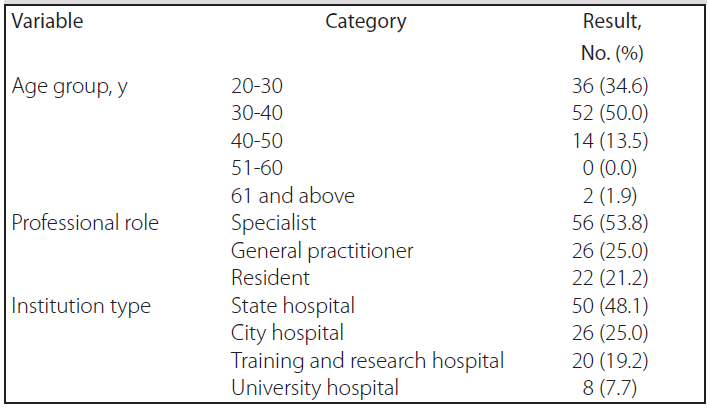
Table 1. Demographic and Professional Characteristics of the Study Population (N = 104)
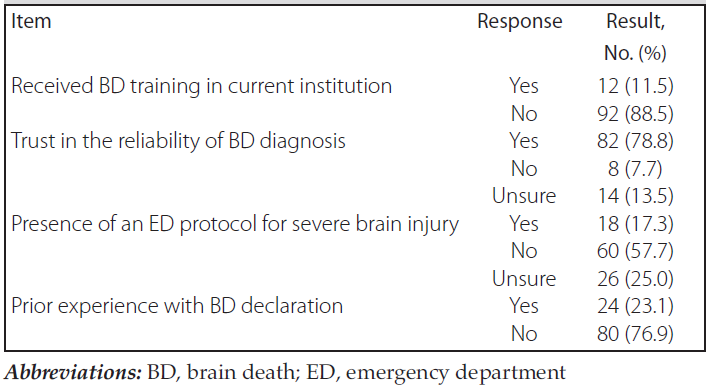
Table 2. Training, Attitudes, and Practice Environment Regarding Brain Death
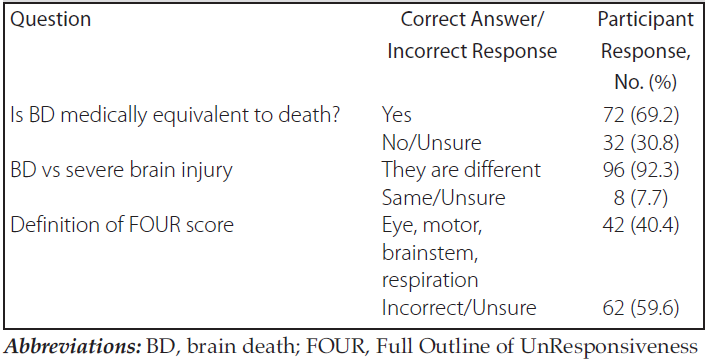
Table 3. Knowledge of Imminent Death: Single-Choice Items
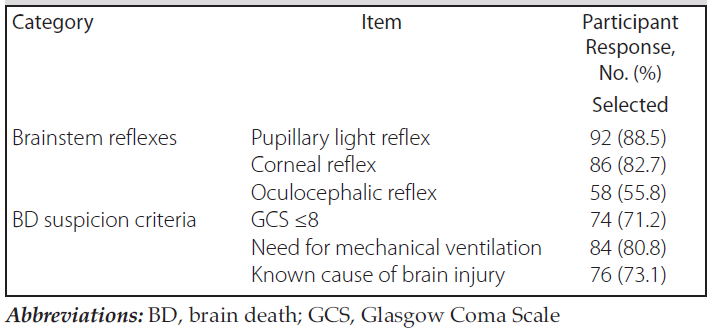
Table 4. Knowledge of Imminent Brain Death: Multi-Select Items
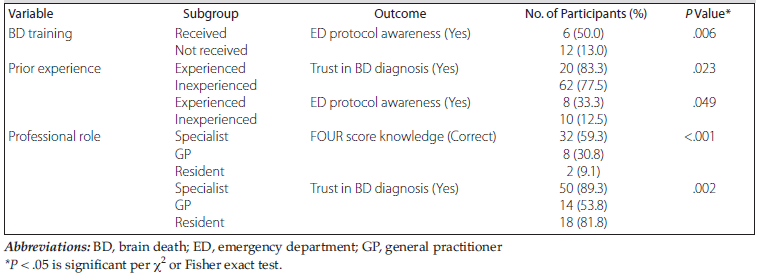
Table 5. Factors Associated With Knowledge and Attitudes (Comparative Analysis)