Volume: 24 Issue: 8 August 2026
FULL TEXT
Pretransplant Donor-Specific Antibody Levels Stratification and Early Kidney Transplant Outcomes with Predominant Antithymocyte Globulin Induction
Objectives: The impact of preformed donor-specific antibodies after kidney transplantation in Middle Eastern populations remains unclear. Here, we evaluated the association between pretransplant donor-specific antibody levels and early outcomes after kidney transplant and aimed to identify predictors of high-level donor-specific antibodies in a predominantly antithymocyte globulin-induced cohort. Material and
Methods: This retrospective study included 260 kidney transplant recipients (2021-2024) at a single center in Saudi Arabia. We stratified patients by pretransplant donor-specific antibody level: none, low-level (<1000 mean fluorescence intensity), and high-level (≥1000 mean fluorescence intensity).
Results: Among 260 transplant recipients, 151 (58%) had pretransplant donor-specific antibodies (3.8% had acute rejection, 4.6% had graft loss, 3.1% had mortality). In multivariable analysis, recipients with median age 48.0 years (interquartile range, 35.0-61.5 y) had higher HLA mismatches, and use of antithymocyte globulin induction was independently associated with high-level donor-specific antibodies. In multivariable Cox regression, HLA mismatches (hazard ratio 1.32; 95% CI, 1.06-1.65; P = .013), impaired graft function at 4 months (estimated glomerular filtration rate <60 mL/min/1.73 m2; hazard ratio 6.09; 95% CI, 2.14-17.33; P = .001), and pretransplant diabetes (hazard ratio 3.25; 95% CI, 1.01-10.44; P = .048) were independent predictors of a composite outcome of acute rejection, graft loss, or death. Having pretransplant donor-specific antibodies, including high levels, was not independently associated with adverse outcomes (P = .85). High-level donor-specific antibodies showed a trend toward lower early survival, although no independent association was detected, and the study may have been underpowered to identify modest effects.
Conclusions: Pretransplant donor-specific antibodies were common, with high levels correlating with broader sensitization. However, early graft dysfunction and HLA mismatches had a greater effect on adverse outcomes than preformed donor-specific antibodies. Widespread use of antithymocyte globulin-based induction may have mitigated the immunologic risk of donor-specific antibodies, contributing to favorable early graft and patient outcomes.
Key words : Patient survival, Predictors of donor-specific antibodies, Renal allograft outcomes
Introduction
Around 850 million people are estimated to have kidney disease across the globe.1 Development of end-stage kidney disease over time leads to a more complex situation. Peritoneal dialysis is not universally available.2 Hemodialysis, despite its wide availability, is a costly therapy, with Medicare covering around 230 to 239 US dollars per session plus an additional 240 US dollars for monthly physician fee.3 Even if the hemodialysis facility is available, the patient has to travel 3 times per week and remain attached to the machine for 4 hours. Despite renal replacement therapy, end-stage kidney disease causes significant morbidity and mortality.4 Kidney transplantation provides a better quality of life and survival for these patients.5
After transplant, the clinical course remains challenging for kidney transplant recipients. Despite advances in immunosuppressive strategies, long-term graft survival continues to be limited by immunological injury. This issue may be even more substantial in the presence of preformed and de novo donor-specific antibodies (DSA) against HLAs.6 Donor-specific antibodies are established biomarkers of alloimmune risk, although their clinical impact may be influenced by recipient characteristics and immunosuppressive strategies.
The prevalence of DSAs has been reported to range from 18% to 25%.7-9 Their presence has been associated with acute and chronic rejection,10 transplant glomerulopathy,11 and graft loss.12 Preformed DSAs are usually due to previous blood transfusion, pregnancy, and transplantation.13 The use of a single antigen bead (SAB) assay for detection and interpretation of DSAs is also challenging. The SAB test has a high coefficient of variation. As a result, the positive cutoff varies across transplant centers. Generally, a positive cutoff mean fluorescence intensity (MFI) of 1000 to 1500 is associated with the detection of specific anti-HLA antibodies.14 Other issues, such as bead saturation and the shared epitope phenomenon, may lead to falsely low MFI values.15
Although high-MFI DSAs are consistently linked to acute and chronic rejection as well as graft loss, the effects of antibodies with MFI values close to the positivity threshold are less well-defined. The clinical relevance of a low level of DSA remains a matter of debate. Some studies reported that low-level DSA with a negative cross-match may not be deleterious to the graft,16 whereas others have reported that low-level DSA may lead to a high risk of antibody-mediated rejection.17 Furthermore, the threshold used to define clinically meaningful DSA varies across transplant centers, leading to heterogeneity in patient management. Importantly, differences in induction therapy and peritransplant immunosuppression may further modify the observed relationship between DSA and graft outcomes.
Despite the global recognition of preformed DSAs as an important risk factor for antibody-mediated rejection and graft loss in kidney transplant, studies focusing on the Middle Eastern population remain scarce. Although existing literature predominantly originates from Western cohorts, a pressing need remains to understand the implications of preformed DSA across different levels in the Middle East, where no such data exist. In addition, transplant practices in this region, including the frequent use of lymphocyte-depleting induction therapies such as antithymocyte globulin (ATG), may influence the clinical expression of DSA-associated risk. It is important to understand the impact of no DSA, low-level DSA (MFI <1000), and higher-level DSA (MFI ≥1000) levels on patient and graft outcomes from our region, where genetic backgrounds, immunological profiles, and health care practices may differ. This study aimed to identify factors associated with high-level pretransplant DSA and to evaluate the impact of DSA levels on early kidney transplant outcomes in a predominantly ATG-induced cohort. Specifically, we assessed associations between DSA stratification and acute rejection, graft function, graft loss, and patient survival.
Materials and Methods
Study design and population
This retrospective observational study was con-ducted at the Renal Diseases and Transplantation Center, King Fahad Armed Forces Hospital (Jeddah, Saudi Arabia). The study included kidney transplant recipients from 2021 to 2024. The institutional ethics review committee approved the study. The study was conducted in accordance with the principles outlined in the Declaration of Helsinki. Informed consent was obtained from the study participants or their next of kin. All kidney transplant recipients aged 14 years or older were eligible for inclusion. Patients with missing key immunologic or clinical data were excluded. All living donors were either related to the recipients (up to the fourth degree) or were the recipients’ spouse. No unrelated donors were included, and all donors were aged ≥18 years.
The study represents a convenience sample of all eligible patients during the study period. We retrieved clinical, demographic, immunologic, treatment, and outcome data from electronic medical records and the institutional transplant database. Given the study objective of evaluating DSA-associated outcomes within a real-world immunosuppressive setting, no protocol-driven modification of induction or maintenance therapy was performed. Given the retrospective design, some variables were missing. Analyses were conducted using available data for each variable, with missing values handled by listwise deletion.
Immunologic risk stratification and study variables
Pretransplant DSAs were assessed with the use of Luminex SAB assays. Patients were categorized based on the presence and strength of DSA into 3 groups: group 1 consisted of patients with no detectable DSA, group 2 consisted of patients with low-level DSA (MFI <1000), and group 3 consisted of patients with high-level DSA (MFI ≥1000). We chose this stratification to explore whether the clinical effects of varying DSA strength differed under contemporary induction immunosuppression.
HLA mismatches were recorded for both class I (A, B, C) and class II (DR, DQ, DP) loci. We retrieved prior sensitizing events, including pregnancy, blood transfusion, or previous transplantation, for all patients. We also retrieved recipient and donor characteristics such as age, sex, donor type (living versus deceased), induction therapy, maintenance immunosuppression, and ATG dose. Induction therapy type was considered a key contextual variable given its potential to modify alloimmune risk.
Immunosuppression, prophylaxis, and follow-up
At our unit, induction therapy was primarily with rabbit ATG (thymoglobulin). Patients received ATG at 1.5 mg/kg per dose for 4 doses, with the total dose ranging from 4 to 6 mg/kg. The dose was adjusted based on white blood cell and platelet counts. This approach reflects institutional practice favoring lymphocyte-depleting induction in patients with increased immunologic risk, including those with pretransplant DSA.
Basiliximab was used only in select low-risk cases, such as recipients without DSAs, those over 60 years old, patients with leukopenia, fully HLA-matched pairs, or individuals negative for immu-noglobulin G antibodies against Epstein-Barr virus. Maintenance immunosuppression mainly included tacrolimus, mycophenolate mofetil, and prednisolone. Cyclosporine was occasionally used when clinically indicated. Methylprednisolone was administered during surgery and tapered over the first 3 postoperative days, after which oral prednisolone was gradually reduced to 5 mg/day within 1 month. Mycophenolate mofetil was started at 500 mg during ATG therapy and was increased to 1000 mg twice daily afterward.
All patients received prophylaxis against cyto-megalovirus with valganciclovir (450 mg for 3-6 months depending on serostatus), Pneumocystis jirovecii with cotrimoxazole (80/400 mg daily for 12 months), and oral nystatin (100,000 units/mL, 1 mL four times daily for 1 month). Rejection episodes were classified following the Banff criteria relevant at the time of biopsy (Banff 2019 or Banff 2022).18,19
Patients were followed regularly in the outpatient transplant clinic. Graft function was assessed with the use of serum creatinine and estimated glomerular filtration rate (eGFR) at scheduled intervals. Kidney biopsies were performed in cases of graft dysfunction. Universal prophylaxis against cytomegalovirus was administered, and BK virus screening was performed by quantitative polymerase chain reaction when clinically indicated.
Statistical analyses
We used descriptive and inferential methods for statistical analyses. We summarized categorical variables as counts and percentages and reported continuous variables as medians with interquartile range (IQR). We addressed missing data with listwise deletion. We evaluated group differences across the 3 DSA categories (no DSA, DSA <1000 MFI, and DSA ≥1000 MFI) with the χ2 test for categorical variables and the Kruskal-Wallis test for continuous variables. We compared posttransplant survival probabilities between the no DSA and the DSA ≥1000 MFI groups using Kaplan-Meier curves, with the log-rank test determining statistical significance.
To identify independent predictors of a composite outcome of acute rejection, graft loss, or mortality, we performed multivariable Cox proportional hazards regression, which included covariates such as number of HLA mismatches, DSA status, eGFR <60 mL/min/1.73 m2 at 4 months, ATG dose (mg/kg), and pretransplant diabetes. This model was designed to evaluate whether the association between DSA and outcomes persisted after adjust-ment for early graft function, metabolic factors, and induction intensity. We reported hazard ratios (HR) and 95% CI. P < .05 was considered statistically significant.
Results
Baseline demographic characteristics
Among the 260 kidney transplant recipients, 151 (58.1%) had pretransplant DSAs. Of these, 40 patients (15.4% of the total cohort) had DSA with MFI <1000, and 111 patients (42.7% of the total) had DSAs with MFI ≥1000. The remaining 109 recipients (41.9%) had no detectable DSAs. Figure 1A shows the group with DSA in combination with MFI <1000, and Figure 1B shows the group with DSA in combination with MFI ≥1000.
Median recipient age in our cohort was slightly higher in the ≥1000 MFI group (48.0 years) than in the <1000 MFI (44.0 years) and DSA-negative (38.0 years) groups. Most recipients were male across all groups, with proportions ranging from 56.8% to 60.6%. Donors were predominantly living, and median donor age was comparable across groups.
HLA mismatches were higher in DSA-positive patients (median 7.0 in both <1000 and ≥1000 MFI groups) compared with DSA-negative recipients (median 5.0). Consistent with institutional immuno-logic risk stratification, induction with ATG was used more frequently in DSA-positive patients, parti-cularly in the ≥1000 MFI group (97.3%). Pretransplant desensitization with intravenous immunoglobulin (IVIG) was also more common in this group (63.6%) compared with the <1000 MFI (40.5%) and none in the DSA-negative group.
Graft outcomes showed a trend toward higher acute rejection and graft loss rates in patients with DSAs, especially those with ≥1000 MFI. Acute rejection occurred in 4.5% of the ≥1000 MFI group, 5.0% of the <1000 MFI group, and 2.8% of the DSA-negative group. Similarly, graft loss was more frequent in the DSA-positive groups (5.4%-10.0%) than in the DSA-negative group (1.8%). Delayed graft function and mortality were also slightly higher in DSA-positive recipients.
Despite higher immunologic risk and greater use of lymphocyte-depleting induction, kidney function at 1 year was broadly comparable across groups. The ≥1000 MFI group showed slightly lower median GFR (82.0 mL/min/1.73 m2) compared with the <1000 MFI (85.0 mL/min/1.73 m2) and DSA-negative (83.0 mL/min/1.73 m2) groups. Table 1 shows baseline characteristics of the 3 groups.
Factors associated with DSA subgroups stratified by MFI
Univariate analysis showed that median (IQR) recipient age was slightly higher in the ≥1000 MFI group (48.0 [35.0-61.5] years) compared with the <1000 MFI (44.0 [35.2-60.0] years) and DSA-negative (38.0 [29.0-58.0] years) groups (P = .0354). Higher mean (IQR) HLA mismatches (7.0 [5.0-9.0] vs 5.0 [2.0-7.0]; P < .001) and a greater number of DSAs (4.5 [2.0-7.0] vs 1.0 [1.0-2.0]; P < .001) were observed in the ≥1000 MFI group.
Induction with ATG was significantly more common in DSA-positive patients, reflecting risk-adapted immunosuppressive practice rather than a causal association with DSA burden. Basiliximab (P < .001) and pretransplant IVIG (P < .001) were also more frequently used in the ≥1000 MFI group.
Other variables, including recipient and donor sex, donor type, sensitizing events, maintenance therapy, and previous transplant, were not significant (P > .05).
In multivariable logistic regression, older reci-pient age (odds ratio [OR] 1.02; 95% CI, 1.00-1.05; P = .019), older donor age (OR 1.04; 95% CI, 1.00-1.07; P = .030), and higher HLA mismatches (OR 1.14; 95% CI, 1.02-1.27; P = .024) were significant predictors of high DSA (MFI ≥1000).
Recipients who received ATG induction had markedly higher odds of high DSA compared with those who received basiliximab (OR 10.73; 95% CI, 2.95-38.98; P < .001), consistent with preferential ATG use in patients with greater immunologic risk rather than an effect of ATG on DSA formation. Both eGFR at 4 months (OR 1.01; 95% CI, 0.99-1.02; P = .241) and pretransplant diabetes (OR 0.80; 95% CI, 0.43-1.48; P = .469) were not significant.
Overall, HLA mismatch and immunologic risk-driven induction strategy emerged as the strongest determinants of high DSA levels. Table 2 shows univariate and multivariate analyses of the 3 cohorts.
Cox regression analysis of adverse outcomes in kidney transplant recipients
The composite outcome was defined as acute rejection, graft loss, or patient mortality, which we analyzed using a multivariable Cox regression model. Several independent predictors were identified. A higher number of HLA mismatches was significantly associated with worse outcomes, with each addi-tional mismatch increasing the hazard by appro-ximately 32% (HR 1.32; 95% CI, 1.06-1.65; P = .013).
Impaired graft function at 4 months (eGFR
<60 mL/min/1.73 m2) was the strongest predictor and was associated with more than a 6-fold increased risk (HR 6.09; 95% CI, 2.14-17.33; P < .001). Pre-transplant diabetes also carried an independent adverse effect, conferring a 3-fold higher risk of events (HR 3.25; 95% CI, 1.01-10.44; P = 0.048).
After adjustment for these dominant clinical and functional factors, DSA status did not independently predict the composite outcome within this predo-minantly ATG-treated cohort. Table 3 shows the multivariable Cox regression analysis for composite graft and patient outcomes.
Survival analysis
Posttransplant survival was evaluated using Kaplan-Meier curves according to DSA status and MFI levels. Patients with DSA and MFI ≥1000 showed a trend toward lower survival compared with DSA-negative recipients, particularly early after transplant. However, this difference did not reach significance (log-rank P = 0.214). Figure 1C shows Kaplan-Meier curves (95% CIs are shown as shaded areas).
These findings were consistent with the Cox regression analysis, in which the presence of DSA was not independently associated with the com-posite outcome of acute rejection, graft loss, or mortality (HR 1.13; 95% CI 0.30-4.34; P = 854). Thus, within the context of intensive induction immuno-suppression, high-MFI DSA was associated with only a modest, nonsignificant impact on survival in this cohort.
Discussion
Our study had several pertinent findings. We found that presence of pretransplant DSAs was common, and a substantial proportion of our study patients exhibited high-level DSA (MFI ≥1000). Patients with high-MFI DSA demonstrated broader antibody diversity, involving both class I and class II reactivities, whereas low-level DSA was associated with a narrower antibody profile. Induction therapy in our cohort was predominantly ATG-based, reflecting a risk-adapted immunosuppressive strategy, and approximately one-third of patients also received IVIG. Multivariable analysis identified higher HLA mismatches and older age (both recipients and donors) as predictors of higher DSA MFI levels.
In terms of posttransplant outcomes, impaired early graft function, HLA mismatches, and pre-transplant diabetes independently predicted the composite outcome of acute rejection, graft loss, or mortality. Although high-MFI DSA showed a trend toward lower survival, this did not reach statistical significance, consistent with Kaplan-Meier and Cox regression analysis findings, and may reflect limited power to detect modest effects. Regional studies from Turkey,20 Saudi Arabia,21 and Kuwait22 have similarly reported a limited impact of preformed DSA on graft and patient outcomes. Unlike prior reports, our study stratified patients according to DSA strength, allowing assessment of how antibody burden relates to outcomes within the context of contemporary induction practices in a Middle Eastern population.
Around 58% of our patients demonstrated prefor-med DSAs. The prevalence of preformed DSAs has varied widely across studies, ranging from as low as 10%23 to as high as 18% to 25%.7-9 This variability likely reflects differences in MFI cut-off values, high inter-assay and inter-laboratory variability of SAB assays,14 and differences in patient selection. In addition, inclusion of previously sensitized and retransplant patients, together with regional variations in donor-recipient HLA compatibility and population immunogenetic diversity, may have contributed. These factors increase the likelihood of HLA mismatches and detectable DSA. In our cohort, greater HLA mismatch was independently asso-ciated with the presence of high-MFI DSA, sup-porting the biological plausibility that increasing antigenic disparity increases alloimmunization risk. Epitope-level HLA mismatches can trigger alloim-mune responses, particularly in patients previously sensitized through transfusions, pregnancies, or prior transplant. Lobashevsky and colleagues24 demonst-rated that amino acid residue mismatches were associated with positive crossmatches in highly sensitized patients, and Dankers and colleagues25 showed that amino acid triplet differences predicted antibody reactivity against mismatched HLA antigens.
We observed that patients with DSA and MFI ≥1000 were older than those in the other groups. Although immunosenescence may reduce immune responsiveness in advanced age, this phenomenon is more typically evident beyond the sixth decade of life.26 In our cohort, the median age of recipients with high MFI was 48 years, indicating that these patients likely retained sufficient immunologic capacity to mount robust alloimmune responses. Recipients of kidneys from slightly older donors also had higher DSA MFI. Although the mechanism remains uncertain, age-related changes in donor organ immunogenicity may contribute, warranting further investigation.
The precise MFI threshold at which DSA becomes clinically injurious remains uncertain, influenced by assay variability, diagnostic cut-offs, and differences in immunosuppressive protocols. Yoo and colleagues27 reported that recipients with weak pretransplant DSA (MFI 800-3000) had outcomes comparable to DSA-negative recipients when treated with ATG, whereas stronger DSA was associated with higher rejection rates and inferior graft survival. In contrast, Zecher and colleagues,28 using basi-liximab induction, found that pretransplant DSA with MFI ≥3000 conferred a progressively higher risk of early antibody-mediated rejection, particularly when both class I and II antibodies were present. Senev and colleagues29 demonstrated that high-MFI DSA was more likely to persist posttransplant and was associated with inferior long-term graft survival, whereas low-MFI or non-DQ DSA frequently resolved and did not adversely affect outcomes.
In our cohort, nearly half of patients had pre-transplant DSA with MFI <1000, whereas slightly more than half had DSA ≥1000. Despite this, the overall rejection rate was low, and high-MFI DSA was not independently associated with adverse outcomes. Patients with DSA ≥1000 demonstrated a trend toward reduced early survival, but this did not reach statistical significance. These findings suggest that, within the setting of intensive, risk-adapted immunosuppression, the clinical impact of preformed DSA may be attenuated, although not eliminated. Eighty-two percent of patients received ATG induction, with significantly higher use among those with high MFI. Approximately one-third received IVIG, and a small proportion underwent plasma exchange. Furthermore, ATG induction was used more frequently in patients with pretransplant DSA (97.3% in high-DSA patients vs 65.1% in DSA-negative patients), reflecting a clear risk-adapted immunosuppressive strategy rather than random allocation. This imbalance introduces confounding by indication, as higher-risk patients received more intensive immunosuppression, which may have attenuated or masked the true impact of preformed DSA on early outcomes.
Together, these strategies may have mitigated the early alloimmune risk associated with preformed DSA, limiting its observable effect on short-term graft injury and survival. Analysis of the composite outcome identified several independent predictors. Higher HLA mismatches were associated with worse outcomes, likely reflecting the cumulative immuno-logic burden imposed by greater epitope disparity. Each mismatch increases the number of foreign epitopes recognized by the recipient, potentially leading to subclinical alloimmune injury even in the absence of overt rejection. This is consistent with prior studies demonstrating adverse effects of HLA mismatch on graft and patient survival.30,31 Impaired graft function at 4 months emerged as the strongest predictor of adverse outcomes, in line with findings by Mottola and colleagues, who showed that early posttransplant eGFR strongly predicts long-term graft survival.32 Pretransplant diabetes independently increased the risk of adverse outcomes, possibly through mechanisms involving chronic inflammation, endothelial dysfunction, and impaired tissue repair. Overall, these results indicate that early functional and metabolic factors outweighed immunologic markers such as preformed DSA in determining short-term outcomes in this cohort.
Our study had several strengths, including a well-characterized cohort with detailed immunologic data and stratification by DSA level, allowing evaluation of antibody burden rather than simply presence or absence. The predominance of living donor transplants reduced donor-related heterogeneity, and comprehensive follow-up enabled assessment of early graft function and survival. Inclusion of multiple relevant covariates in multivariable analyses further strengthened the validity of our findings.
However, this study had limitations. Its single-center, retrospective design limited generalizability and may have introduced potential bias. Some clinical and immunologic data were missing, and the sample size may have limited power to detect modest differences in outcomes. The predominance of living donor transplants may reduce applicability to deceased donor populations. The use of a composite endpoint combining acute rejection, graft loss, and mortality was intended to increase statistical power, given the relatively low number of individual events. However, we acknowledge that these outcomes differed in pathophysiology and timing and combining them may have diluted potential DSA-specific effects, particularly those related to acute rejection. The relatively low number of events, such as acute rejection, graft loss, and mortality, along with the short follow-up focused mainly on early outcomes, may have limited the statistical power of this study. As a result, a modest association between pretransplant DSA and outcomes cannot be excluded. In addition, follow-up focused primarily on early outcomes; the long-term effects of low- and high-level DSA in this population warrant further investigations.
Conclusions
Preformed DSAs were common in our cohort, with higher levels (≥1000 MFI) associated with HLA mismatches and increased age of both donors and recipients. HLA mismatches and impaired early graft function were the main determinants of adverse outcomes, including acute rejection, graft loss, and mortality.
Although high-MFI DSA showed a trend toward reduced survival compared with low or no DSA, no independent association with adverse outcomes was detected in this predominantly ATG-treated cohort. The use of ATG-based induction, along with occasi-onal IVIG, may have mitigated the immunologic risk of preformed DSA, contributing to overall favorable early graft and patient outcomes.
These findings suggest that careful immunologic risk stratification and appropriate induction therapy can help achieve good early outcomes in patients with preformed DSAs.
References:
- Jager KJ, Kovesdy C, Langham R, Rosenberg M, Jha V, Zoccali C. A single number for advocacy and communication—worldwide more than 850 million individuals have kidney diseases. Nephrol Dial Transplant. 2019;34(11):1803-1805. doi:10.1093/ndt/gfz174
CrossRef - PubMed - Okpechi IG, Jha V, Cho Y, et al. The case for increased peritoneal dialysis utilization in low- and lower-middle-income countries. Nephrology (Carlton). 2022;27:391-403. doi:10.1111/nep.14024
CrossRef - PubMed - Mendu ML, Weiner DE. Health policy and kidney care in the United States: core curriculum 2020. Am J Kidney Dis. 2020;76(5):720-730. doi:10.1053/j.ajkd.2020.03.028
CrossRef - PubMed - Jin DC, Yun SR, Lee SW, et al. Lessons from 30 years’ data of Korean end-stage renal disease registry, 1985-2015. Kidney Res Clin Pract. 2015;34(3):132-139. doi:10.1016/j.krcp.2015.08.004
CrossRef - PubMed - Zhang Y, Gerdtham UG, Rydell H, Jarl J. Quantifying the treatment effect of kidney transplantation relative to dialysis on survival time: new results based on propensity score weighting and longitudinal observational data from Sweden. Int J Environ Res Public Health. 2020;17(19):7318. doi:10.3390/ijerph17197318
CrossRef - PubMed - Kamburova EG, Wisse BW, Joosten I, et al. Differential effects of donor-specific HLA antibodies in living versus deceased donor transplant. Am J Transplant. 2018;18(9):2274-2284. doi:10.1111/ajt.14709
CrossRef - PubMed - Adebiyi OO, Gralla J, Klem P, et al. Clinical significance of pretransplant donor-specific antibodies in the setting of negative cell-based flow cytometry crossmatching in kidney transplant recipients. Am J Transplant. 2016;16(12):3458-3467. doi:10.1111/ajt.13848
CrossRef - PubMed - Lefaucheur C, Suberbielle-Boissel C, Hill GS, et al. Clinical relevance of preformed HLA donor-specific antibodies in kidney transplantation. Am J Transplant. 2008;8:324-331. doi:10.1111/j.1600-6143.2007.02072.x
CrossRef - PubMed - Frischknecht L, Deng Y, Wehmeier C, de Rougemont O, Villard J, Ferrari-Lacraz S, et al. The impact of pre-transplant donor specific antibodies on the outcome of kidney transplantation—data from the Swiss transplant cohort study. Front Immunol. 2022;13:1005790. doi:10.3389/fimmu.2022.1005790
CrossRef - PubMed - Rodriguez-Ramirez S, Al Jurdi A, Konvalinka A, Riella LV. Antibody-mediated rejection: prevention, monitoring and treatment dilemmas. Curr Opin Organ Transplant. 2022;27(5):405-414. doi:10.1097/MOT.0000000000001011
CrossRef - PubMed - Remport A, Ivanyi B, Mathe Z, Tinckam K, Mucsi I, Molnar MZ. Better understanding of transplant glomerulopathy secondary to chronic antibody-mediated rejection. Nephrol Dial Transplant. 2015;30(11):1825-1833. doi:10.1093/ndt/gfu371
CrossRef - PubMed - Betjes MGH, Sablik KS, Otten HG, Roelen DL, Claas FH, de Weerd A. Pretransplant donor-specific anti-HLA antibodies and the risk for rejection-related graft failure of kidney allografts. J Transplant. 2020;2020:5694670. doi:10.1155/2020/5694670
CrossRef - PubMed - Sanfilippo F, Vaughn WK, Bollinger RR, Spees EK. Comparative effects of pregnancy, transfusion, and prior graft rejection on sensitization and renal transplant results. Transplantation. 1982;34(6):360-366. doi:10.1097/00007890-198212000-00010
CrossRef - PubMed - Reed EF, Rao P, Zhang Z, et al. Comprehensive assessment and standardization of solid phase multiplex-bead arrays for the detection of antibodies to HLA. Am J Transplant. 2013;13(7):1859-1870. doi:10.1111/ajt.12287
CrossRef - PubMed - Tambur AR, Herrera ND, Haarberg KM, et al. Assessing antibody strength: comparison of MFI, C1q, and titer information. Am J Transplant. 2015;15(9):2421-2430. doi:10.1111/ajt.13295
CrossRef - PubMed - Abbas K, Mubarak M, Musharraf W, Hafeez AR, Aziz T, Zafar MN. Impact of low-level pretransplant donor-specific antibodies detected by the Luminex platform on acute rejection and long-term graft survival. World J Transplant. 2025;15(3):104308. doi:10.5500/wjt.v15.i3.104308
CrossRef - PubMed - Lee H, Eum SH, Ko EJ, et al. Impact of low-level donor-specific anti-HLA antibody on posttransplant clinical outcomes in kidney transplant recipients. Ann Lab Med. 2023;43(4):364-374. doi:10.3343/alm.2023.43.4.364
CrossRef - PubMed - Loupy A, Haas M, Roufosse C, et al. The Banff 2019 kidney meeting report (I): updates on and clarification of criteria for T cell- and antibody-mediated rejection. Am J Transplant. 2020;20(9):2318-2331. doi:10.1111/ajt.15898
CrossRef - PubMed - Roufosse C, Naesens M, Haas M, et al. The Banff 2022 kidney meeting work plan: data-driven refinement of the Banff classification for renal allografts. Am J Transplant. 2024;24(3):350-361. doi:10.1016/j.ajt.2023.10.031
CrossRef - PubMed - Karaoğlan M, Kumru G, Sadioğlu RE, et al. The effect of preformed anti-human leukocyte antigens antibodies on graft and patient outcomes in kidney transplantation. Turk J Nephrol. 2024;33(1):91-101. doi:10.5152/turkjnephrol.2023.22425
CrossRef - PubMed - Almeshari K, Pall A, Chaballout A, et al. Targeted monitoring of donor-specific HLA antibodies following renal transplantation. Clin Transpl. 2011:395-400.
CrossRef - PubMed - AbdelMonem M, Al Otaibi T, Soliman AR, et al. Pretransplant donor-specific anti-human leukocyte antigen antibodies despite a negative complement-dependent lymphocytotoxicity crossmatch: is it wise to desensitize before kidney transplant? Saudi J Kidney Dis Transpl. 2021;32(5):1289-1299. doi:10.4103/1319-2442.344748
CrossRef - PubMed - Redondo-Pachón D, Pérez-Sáez MJ, Mir M, et al. Impact of persistent and cleared preformed HLA DSA on kidney transplant outcomes. Hum Immunol. 2018;79(6):424-431. doi:10.1016/j.humimm.2018.02.014
CrossRef - PubMed - Lobashevsky AL, Senkbeil RW, Shoaf JL, et al. The number of amino acid residues mismatches correlates with flow cytometry crossmatching results in high PRA renal patients. Hum Immunol. 2002;63(5):364-374. doi:10.1016/s0198-8859(02)00371-3
CrossRef - PubMed - Dankers MK, Witvliet MD, Roelen DL, et al. The number of amino acid triplet differences between patient and donor is predictive for the antibody reactivity against mismatched human leukocyte antigens. Transplantation. 2004;77(8):1236-1239. doi:10.1097/01.tp.0000120385.03278.28
CrossRef - PubMed - Weyand CM, Goronzy JJ. Aging of the immune system. Mechanisms and therapeutic targets. Ann Am Thorac Soc. 2016;13(Suppl 5):S422-S428. doi:10.1513/AnnalsATS.201602-095AW
CrossRef - PubMed - Yoo PS, Bonnel A, Kamoun M, Levine MH. Clinical outcomes among renal transplant recipients with pre-transplant weakly reactive donor-specific antibodies. Clin Transplant. 2014;28(1):127-133. doi:10.1111/ctr.12289
CrossRef - PubMed - Zecher D, Bach C, Staudner C, et al. Characteristics of donor-specific anti-HLA antibodies and outcome in renal transplant patients treated with a standardized induction regimen. Nephrol Dial Transplant. 2017;32(4):730-737. doi:10.1093/ndt/gfw445
CrossRef - PubMed - Senev A, Lerut E, Van Sandt V, et al. Specificity, strength, and evolution of pretransplant donor-specific HLA antibodies determine outcome after kidney transplantation. Am J Transplant. 2019;19(11):3100-3113. doi:10.1111/ajt.15414
CrossRef - PubMed - Shi X, Lv J, Han W, et al. What is the impact of human leukocyte antigen mismatching on graft survival and mortality in renal transplantation? A meta-analysis of 23 cohort studies involving 486,608 recipients. BMC Nephrol. 2018;19(1):116. doi:10.1186/s12882-018-0908-3
CrossRef - PubMed - Hafeez MS, Awais SB, Razvi M, et al. HLA mismatch is important for 20-year graft survival in kidney transplant patients. Transpl Immunol. 2023;80:101861. doi:10.1016/j.trim.2023.101861
CrossRef - PubMed - Mottola C, Girerd N, Duarte K, et al. Prognostic value for long-term graft survival of estimated glomerular filtration rate and proteinuria quantified at 3 months after kidney transplantation. Clin Kidney J. 2020;13(5):791-802. doi:10.1093/ckj/sfaa044
CrossRef - PubMed

Volume : 24
Issue : 8
Pages : 608 - 618
DOI : 10.6002/ect.2026.0001
From the 1Renal Diseases and Transplantation Centre, King Fahad Armed Forces Hospital, Jeddah, Al Andalus, Jeddah, Saudi Arabia; 2Umm Al-Qura University (UQU), College of Computing, Department of Computer and Artificial Intelligence, Makkah, Saudi Arabia; and the 3Department of Medicine, King Fahad Armed Forces Hospital, Jeddah, Al Andalus, Jeddah, Saudi Arabia
Acknowledgements: The authors have not received any funding or grants in support of the presented research or for the preparation of this work and have no declarations of potential conflicts of interest.
Corresponding author: Muhammad Abdul Mabood Khalil, Consultant Nephrologist, Renal Diseases and Transplantation Centre, King Fahad Armed Forces Hospital, Jeddah, Al Kurnaysh Br Rd, Al Andalus, Jeddah 23311, Saudi Arabia
E-mail: doctorkhalil1975@hotmail.com
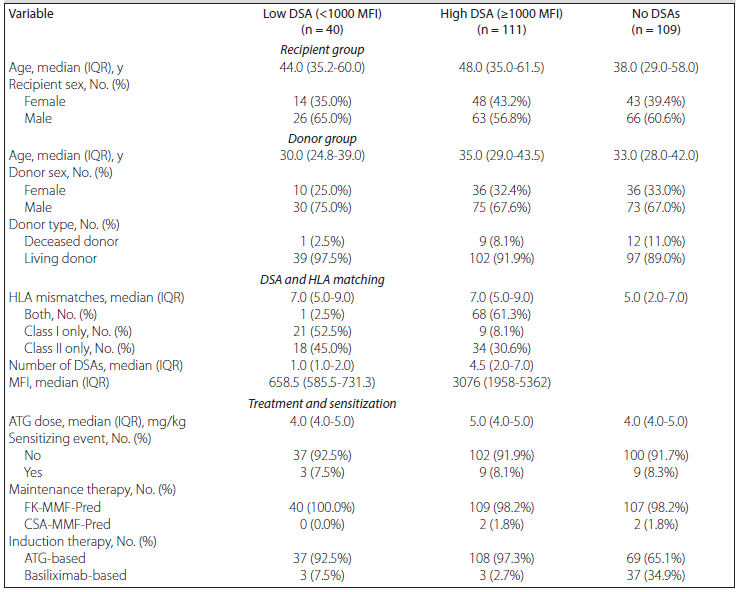
Table 1. Baseline Demographic and Clinical Characteristics
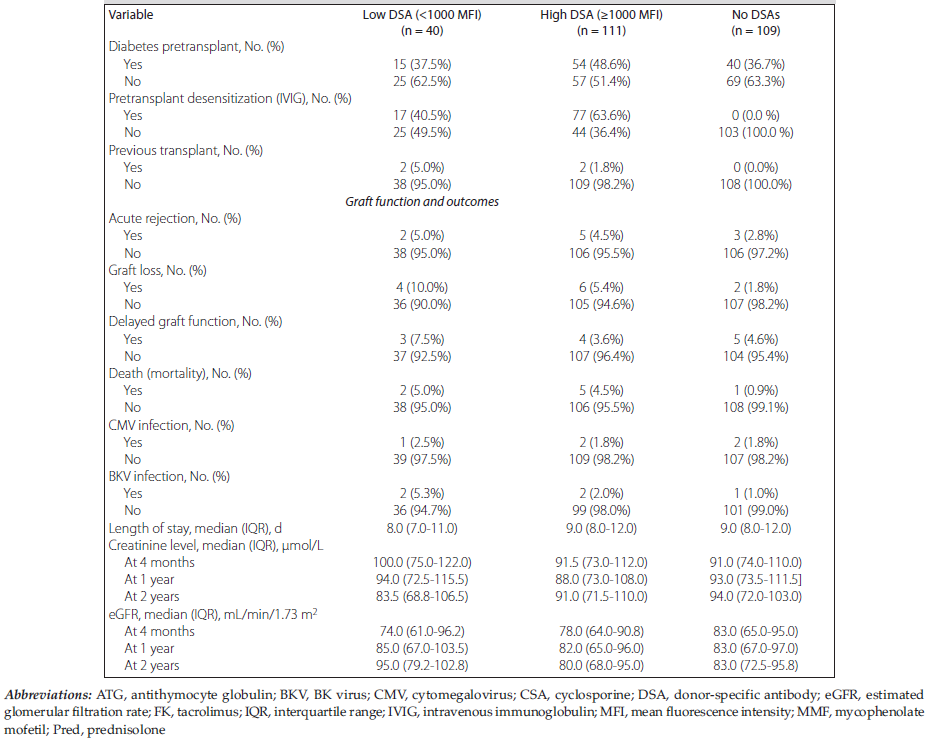
Table 1 (Cont.). Baseline Demographic and Clinical Characteristics
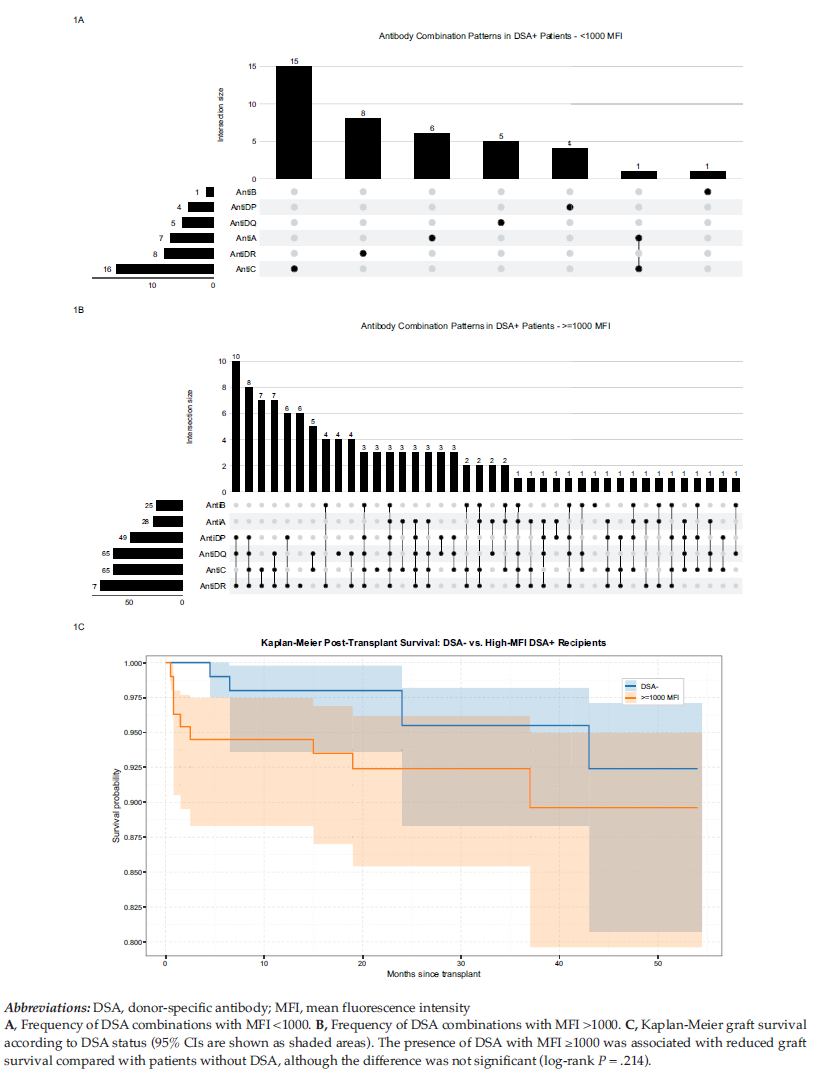
Figure 1. Comparison of Patient Groups With Different Levels of Donor-Specific Antibodies
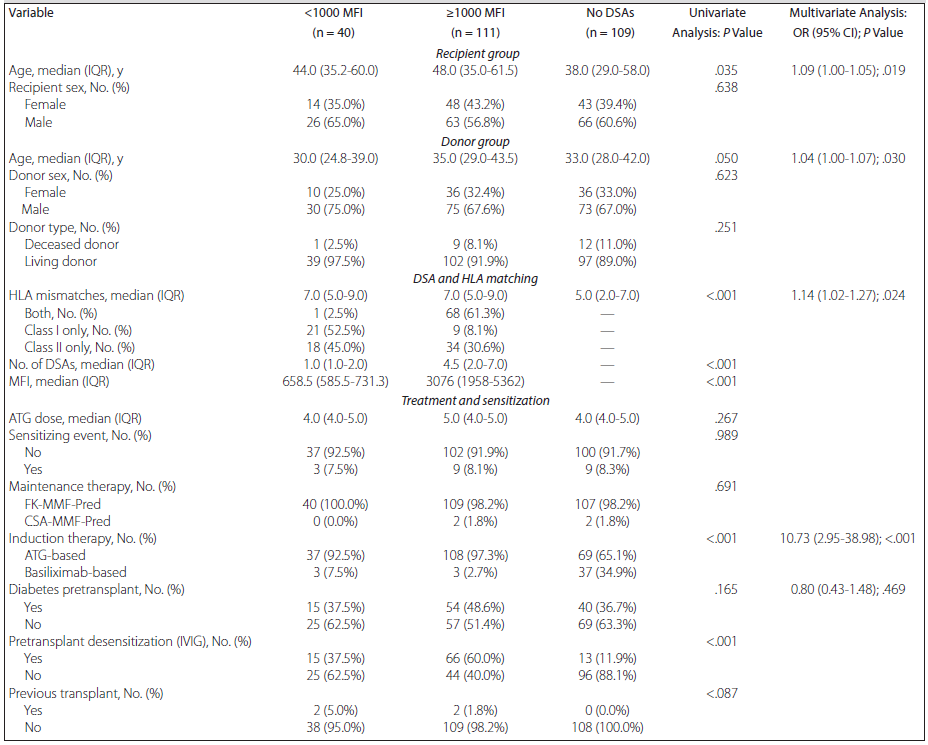
Table 2. Univariate and Multivariate Analyses to Identify Predictors of High Donor-Specific Antibody Levels
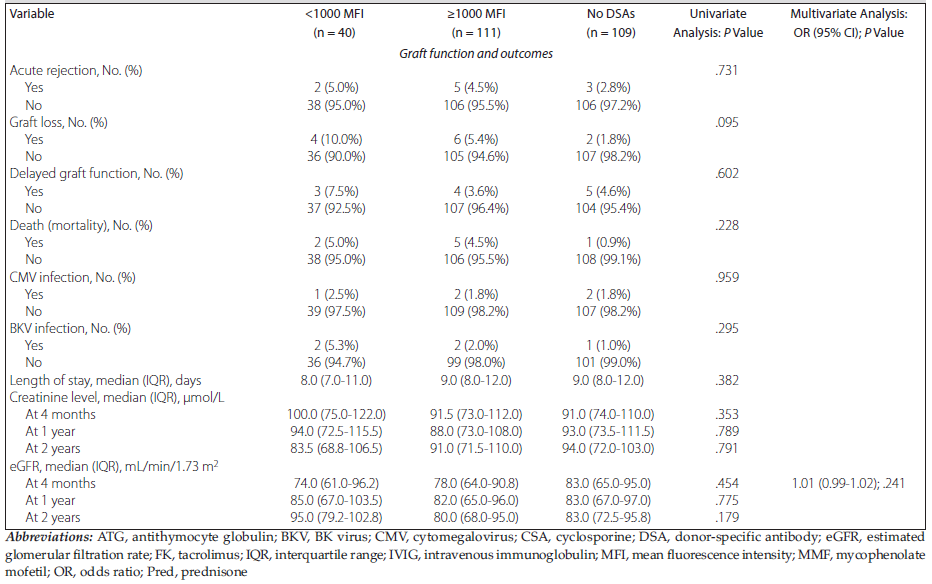
Table 2 (Cont.). Univariate and Multivariate Analyses to Identify Predictors of High Donor-Specific Antibody Levels
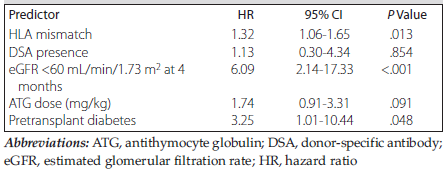
Table 3. Multivariable Cox Regression Identifying Predictors of the Composite Outcome (Rejection, Graft Loss, and Death)