Volume: 24 Issue: 7 July 2026
FULL TEXT
Prognostic Significance of the Hemoglobin, Albumin, Lymphocyte, and Platelet Score in Patients Who Develop Pneumonia After Kidney Transplant
Objectives: Infections, especially pneumonia, are among the significant causes of morbidity and mortality in transplant recipients. Pneumonia leads to a complex clinical picture, related not only to the infection itself but also to underlying immunosuppression, conco-mitant diseases, and organ dysfunction. Here, we evaluated the effect of the HALP score (ie, hemoglobin, albumin, lymphocyte, and platelet) on prognosis in patients who developed pneumonia after kidney transplant.
Materials and Methods: We retrospectively reviewed files of kidney transplant recipients in the chest diseases outpatient clinic of our hospital who were diagnosed with pneumonia on thoracic computed tomography scans between April 2020 and April 2025. We exported data (age, sex, laboratory test results at diagnosis, duration of hospitalization, and mortality rate) to a database spreadsheet file (Excel) and compared hemoglobin, albumin, lymphocyte, and platelet scores of patients who died versus survived. We analyzed disease severity by classification according to the Pneumonia Severity Index and CURB-65 (ie, confusion, uremia, respiratory rate, blood pressure, and age ≥65) scores.
Results: Among 178 included patients (100 female, 78 male), 148 survived (83.1%) and 30 died (16.9%). Patients who died had lower hemoglobin, albumin, lymphocyte, and platelet scores than patients who survived. Patients with higher Pneumonia Severity Index scores had significantly lower hemoglobin, albumin, lymphocyte, and platelet scores.
Conclusions: The hemoglobin, albumin, lymphocyte, and platelet score is a biomarker based on easily calculable, low-cost, and accessible parameters and may be a potential tool for evaluation of prognosis in the general patient population. Prospective and multicenter studies with larger sample groups are needed to better evaluate the role of the hemoglobin, albumin, lymphocyte, and platelet score for deter-mination of the prognosis related to infections in kidney transplant recipients.
Key words : Biomarker, Kidney transplantation, Prognostic factor
Introduction
Kidney transplant is the transplant of a healthy kidney from a donor to a recipient with end-stage renal failure. Kidney transplant prolongs life expectancy and improves quality of life, especially compared with dialysis.1 For most kidney transplant recipients, long-term and even lifelong immunosuppressive drug use remains essential to prevent allotransplant rejection but can reduce the host immune response against pathogens and also increase the risk of infection.2
In kidney transplant recipients, the degree of immunosuppression, underlying comorbidities, donor type (living vs deceased), prophylaxis regimen, graft function status, and environmental factors play a decisive role in the development of infection. In particular, the use of high-dose corticosteroids and antimetabolites, cytomegalovirus reactivation, hypo-gammaglobulinemia, and impaired mucociliary defen-se mechanisms increase the risk of pneumonia.3,4
Improvements in potent immunosuppression therapy have increased graft survival after kidney transplant. However, potent therapies have also led to increased susceptibility to infections. Today, pneu-monia remains one of the most common infections in kidney transplant recipients and has significant morbidity and mortality.5,6
Bacterial pathogens are common causes of pneumonia after transplant. In kidney transplant recipients, pneumonia can be seen as a coinfection caused by multiple pathogens such as bacteria, tuberculosis, cytomegalovirus, and opportunistic pathogens such as Pneumocystis jirovecii.7,8 Patients are at higher risk for hospital-acquired infections immediately after transplant, prolonged intubation, long-duration hospital stays, and multiple treatments with antibiotics that further increase the risk of pneumonia caused by resistant bacteria. Empirical antibiotic treatment should be selected based on the recipient’s previous pathogen colonization and the bacterial resistance pattern in the hospital. After transplant (6 months or later), pneumonia cases are mostly due to community-acquired bacteria (Streptococcus pneumonia, Haemophilus influenza, Mycoplasma, Chlamydia, and others). Opportunistic pathogens typically emerge 1 to 6 months after transplant, with infections associated with the high level of immunosuppression.9,10
The confusion, uremia, respiratory rate, blood pressure, and age ≥65 score (CURB-65 score) predicts the risk of mortality for community-acquired pneumonia and helps guide inpatient and outpatient treatment decisions.11 The Pneumonia Severity Index (PSI) is another scoring system widely used to predict 30-day mortality and the need for intensive care support for patients with community-acquired pneumonia.12
The importance of prognostic scores based on simple biochemical parameters has recently increa-sed in clinical practice. The hemoglobin, albumin, lymphocyte, and platelet score (HALP score) is an easily calculated and low-cost scoring system that provides insight to the immune system and predicts the prognosis of inflammation. Work has shown that, in patients with sepsis, high HALP scores are associated with low mortality.11 However, the prog-nostic significance of the HALP score in pneumonia in the transplant population has not been sufficiently investigated.
In this study, we evaluated the effect of HALP, PSI, and CURB-65 scores on prognosis in patients who developed pneumonia after kidney transplant. We evaluated the role of these scores, alone and in combination, in early diagnosis and treatment.
Materials and Methods
This retrospective study was conducted using data from patients seen at 2 centers located in Ankara and Konya provinces in Türkiye between April 2020 and April 2025. For this period, we retrospectively reviewed all medical records of hospitalized kidney transplant patients.
Patients who were diagnosed with pneumonia based on at least 1 clinical finding (cough, shortness of breath, sputum, positive physical examination findings, or other clinical symptoms such as fever) and positive radiology imaging results were included in the study. Patients under 18 years of age, patients without a history of renal transplant, patients for whom the diagnosis of pneumonia could not be confirmed clinically and radiologically, patients with another active focus of infection, patents with incomplete laboratory data that did not allow for the calculation of the HALP score, patients with hematological malignancies, and patients with insufficient clinical follow-up data were excluded from the study. The study was conducted in accordance with the principles of the Helsinki Declaration, and written informed consent was obtained from all participants. Ethical approval for study was obtained from the university’s local ethics committee (protocol No. KA: 25/280).
For patients that met the inclusion criteria, we recorded demographic characteristics (age and sex), laboratory parameters (hemoglobin, albumin, lymphocyte, and platelet levels), duration of hospitalization, need for intensive care, and mortality status of all cases included in the study from patient files and the hospital information management system. The HALP score was calculated for each patient from laboratory results obtained at the time of admission. From the complete blood count and biochemistry results of the patients included in the study, HALP scores were calculated from the following formula based on hemoglobin (g/L), serum albumin (g/L), lymphocyte count (109 cells/L), and platelet count (109 cells/L): HALP score = hemoglobin × albumin × lymphocytes/platelets.
We categorized and evaluated patients in 2 groups: patients who died and patients who survived. We compared HALP scores and other clinical parameters between these groups.
Statistical analyses
We presented continuous variables as median values (with minimum and maximum) and categorical variables as frequency (with percentage). We evaluated the distribution characteristics of continuous variables in terms of normality and used nonparametric met-hods in group comparisons due to the failure to meet the assumption of normal distribution. To examine the difference between the 2 groups according to 30-day mortality, we used the Mann-Whitney U test for con-tinuous variables and the χ2 test for categorical variables. We examined the relationship between mortality and PSI, CURB-65, and HALP scores using the Spearman rank correlation coefficient (rho). To examine the relationships between the PSI and CURB-65 scores and laboratory and clinical variables, we compared continuous variables using the Kruskal-Wallis test and compared categorical variables using the χ2 test. In variables for which a significant difference was found in the Kruskal-Wallis test, we used the Dunn post hoc test (with Bonferroni correction) to determine the difference between score levels (stages). In all tests, the 2-sided significance level was accepted as P < .05.
Results
Among 178 patients (100 women and 78 men) evaluated in this study, 148 (83.1%) survived and 30 (16.9%) died. When patients were analyzed according to PSI and CURB-65 scores to evaluate the relationship between the clinical status of patients and prognostic indicators, Spearman correlation analysis showed that PSI (r = 0.40; P < .001) and CURB-65 (r = 0.33; P < .001) scores showed a positive and signi-ficant relationship with mortality. The HALP score showed a significant negative relationship with mortality (r = -0.18; P = .019).
Patients who died versus patients who survived showed significantly greater differences in age, PSI score, duration of hospitalization, platelet-to-lymp-hocyte ratio (PLR), and HALP score but significantly lower levels of albumin, lymphocytes, and platelets (P < .001) (Table 1). Although groups did not demon-strate significant differences in hemoglobin levels, patients who died had a lower hemoglobin level versus patients who survived. These findings show that laboratory parameters and clinical scores play an important role for prediction of 30-day mortality. Box plots of these continuous variables according to mortality groups are presented in Figure 1 to visually support the differences in distribution.
Patient sex, CURB-65 stage, intensive care unit (ICU) admission, and PSI stage were significantly related to mortality (P < .001) (Table 2). Patients who died versus patients who survived had higher CURB-65 and PSI stages and significantly higher rates of ICU admission. These results support the notion that clinical scoring systems and in-hospital clinical course are strong indicators for prediction of mortality. Figure 2 shows distributions of categorical variables according to mortality status.
A general decreasing trend in HALP scores was observed as the PSI severity increased (Table 3), and the difference between the groups was significant according to the Kruskal-Wallis test (H = 11.33; P = .023). According to Dunn post hoc analysis, a significant difference was found only between PSI stage 2 and stage 5 (P = .041); no significance was observed between other PSI stages. This result shows that the decrease in HALP score is particularly pronounced in advanced PSI stages. Table 4 presents the distribution of HALP scores according to CURB-65 stage. Although a decreasing trend in HALP score was observed between CURB-65 stages, the Kruskal-Wallis test did not show a significant difference between the groups (H = 7.60; P = .107).
Table 5 presents the relationship between conti-nuous and categorical variables versus PSI in our study. According to Kruskal-Wallis and χ2 tests, the results for age, albumin level, lymphocyte level, HALP score, and duration of hospitalization showed significant differences between PSI stages (P < .05). In particular, the differences the variables of CURB-65, ICU admission, 30-day mortality, and in-hospital death versus PSI were significant at P < .001.
As shown in Figure 3 (box plots showing the distributions of continuous variables according to PSI stages), as age and duration of hospitalization increased, PSI severity increased, whereas albumin and HALP scores significantly decreased. A similar dec-reasing trend was observed in lymphocyte levels. Hemoglobin, platelet, and PLR results remained similar across all PSI stages (Figure 3). Figure 4 shows the percentage distributions of categorical variables according to PSI stages and clearly reveals higher CURB-65 scores, ICU admissions, 30-day mortality, and deaths during hospitalization with advanced PSI severity (especially PSI stage 4 and stage 5). This indicates that clinical scores and in-hospital follow-up indicators worsen in line with PSI severity. Similarly, higher survival rates and lower ICU admission rates in lower stages are visually confirmed in Figure 4.
According to the post hoc analysis results, the most significant differences between PSI stages were observed with age, duration of hospitalization, albumin, and HALP scores. Age and duration of hospitalization were significantly higher, especially for PSI stage 4 and stage 5, whereas albumin and HALP score decreased significantly, especially for PSI stage 5. A significant difference for HALP score was detected only for PSI stage 2 versus stage 5.
No significant difference was found between PSI stages with regard to hemoglobin, platelet, and PLR measurements; this result is consistent with both statistical tests and the graphs in Figure 3.
As shown in Table 6, the results for age, PSI, duration of hospitalization, albumin, ICU admission, 30-day mortality, and death during hospitalization showed significant differences among CURB-65 scores (P < .05). Figure 5 presents the distribution of continuous variables according to CURB-65 score; age and PSI increased significantly with higher CURB-65 score, whereas inflammation-nutrition indicators such as albumin and HALP tended to decrease with higher CURB-65 score. Duration of hospitalization also increases significantly, especially at CURB-65 stage 2 and above (Figure 5). In contrast, no significant differences in distribution were observed between CURB-65 stages and hemoglobin, platelets, and PLR; this is consistent with the statistical findings.
Figure 6 shows the distribution of categorical variables according to CURB-65 stages. As the CURB-65 severity increased, the rates for 30-day mortality, ICU admission, and death during hospitalization increased significantly. The dramatic increase in rates for mortality and ICU admission, particularly in CURB-65 stage 3 and stage 4, supports the prognostic power of CURB-65. Furthermore, the distribution of sex and comorbidities did not show a clear pattern according to CURB-65 stage, which is consistent with the results of the statistical analyses. Overall, the visualizations presented in Figure 5 and Figure 6 support the statistical findings in Table 6, showing that, as the severity of CURB-65 increases, clinical dete-rioration became more pro-nounced in both laboratory parameters and clinical outcomes.
Post hoc analyses revealed which stage of severity showed significant differences in the variables found. Age was significant only between CURB-65 stage 0 and stage 2. The PSI score showed a significant difference, particularly between the group with CURB-65 stage 0 and the groups with CURB-65 stages 1, 2, and 3. Duration of hospitalization was signi-ficantly different between the group with CURB-65 stage 0 versus the group with stage 1; the group with CURB-65 stage 0 was also significantly different versus the group with stage 2. Albumin showed significant differences only between CURB-65 stage 0 versus stage 2.
Discussion
Chronic kidney failure presently remains a signi-ficant cause of mortality and morbidity. As of 2023, the worldwide incidence of chronic kidney failure in adults aged >20 years is 14%. In 2023, the prevalence of kidney transplant was 12.7 cases per 100 000 population across all age groups.13
Pneumonia is a significant cause of morbidity and mortality in kidney transplant patients, both in the early and late periods. After transplant, pneumonia is the second most common infection after urinary tract infections, with a probability of occurrence of 10% to 20%. Infections increase graft loss and patient mortality rates.14,15 The probability of pneumonia is increased by the suppression of the immune response due to immunosuppressive drugs used by patients, weakened mucosal defense barriers, decreased cellular immunity, and neutrophil dysfunction.5 In our study, we evaluated patients who developed pneumonia after kidney transplant.
Advanced age (>60-65 years old) is generally associated with increased mortality, comorbidities, and poor reserve during pneumonia in organ transplant patients. Studies have shown that, in kidney transplant recipients who developed COVID-19-associated pneumonia, advanced age was an independent risk factor for mortality. Transplant patients, especially >60 years old, should be consi-dered a high-risk group, receive closer monitoring, and receive broad-spectrum treatment during possible infections.15-17 In our study, consistent with the literature, patients who died were older than patients who survived. Posttransplant hemoglobin deficiency (<10 g/dL) is a poor prognostic factor. In addition, low hemoglobin levels reduce the oxygen-carrying capacity of blood in pneumonia cases and cause tissue hypoxia. Tissue hypoxia is a factor that inc-reases mortality. Furthermore, in this patient group, hemoglobin deficiency may have also occurred as a complication of iron deficiency, epoetin deficiency, and medications.17 In our study, patients who died had lower levels of hemoglobin.
In transplant patients, lymphocyte levels are decreased. Lymphopenia is attributed to the suppres-sive effect of immunosuppression therapy on cellular immunity, resulting in severe pneumonia and opportunistic infections in transplant patients. Furthermore, the neutrophil-to-lymphocyte ratio is associated with a shorter survival time in both general pneumonia cases and transplant patients.18,19 In our study, lymphocyte counts were significantly lower in patients who died versus patients who survived.
Hypoalbuminemia (serum albumin <3.5 mg/dL) can be an indicator of both poor nutrition and chronic inflammation in transplant patients. Hypoalbumi-nemia in our patient group may have indicated low oncotic pressure and impaired immune function. Hypoalbuminemia can also cause changes in drug binding and distribution. Hypoalbuminemia, parti-cularly when detected in transplant patients, has been associated with invasive fungal infections of the lung. For all these reasons, hypoalbuminemia is considered a strong predictor of mortality in organ transplant recipients.20 In our study, patients who died had significantly lower serum albumin levels than patients who survived.
The role of platelets in the pathogenesis of pneumonia has been established. A review conducted in 2017 showed that adhesins secreted by S. pneumonia, the most common cause of community-acquired pneumonia, interact with platelets and increase platelet aggregation, and pneumolysin toxin causes platelet activation by forming pores.
In addition, bacterial hydrogen peroxide may also increase the inflammatory response, leading to thrombocytopenia. These mechanisms also increase mortality in pneumonia by causing microvascular dysfunction, endothelial damage, and cardiovascular complications.21,22 In our study, platelet counts were found to be significantly lower in patients who died versus patients who survived. This finding has been attributed to immunosuppression therapy, which suppresses bone marrow activity, and the systemic inflammation caused by the infection itself, which affects platelet function. We believe that these changes lead to a decrease in both the number and function of platelets, which negatively affects prognosis.
The HALP score, which includes hemoglobin, albumin, lymphocyte, and platelet levels, is a novel marker for interpretation of nutritional status and immune-inflammatory status. Furthermore, the HALP score is noninvasive, inexpensive, and easily calculable.23 The HALP score is used as a prognostic marker in various diseases, particularly in conditions such as infections, sepsis, and inflammatory disorders.24
In a recent large meta-analysis of cancer patients, a high HALP score was shown to be associated with a longer survival rate.25 In patients with coronary artery disease, a low HALP score was observed to be associated with a higher risk of all-cause mortality.26 Another study showed that HALP score could be used as a prognostic marker in patients with sepsis. Albumin, a component of the HALP score, has been shown to play a critical role in both nutritional and immune functions and is therefore closely related to prognosis.27
In patients scheduled for liver transplant, both perioperative and postoperative HALP scores were shown to be useful for prediction of mortality and prognosis. The same studies also emphasized that patients with lower HALP scores have longer posttransplant survival.28,29 We found no previously published studies that had investigated HALP scores in patients who underwent direct kidney transplant.
In patients with pneumonia, although research on the prognostic value of HALP scores is limited, research involving COVID-19 pneumonia exists. In patients monitored in intensive care due to COVID-19 pneumonia, HALP scores were significantly higher in patients who survived, and low HALP scores were found to be an independent risk factor for mortality.30 We found no other previously published studies that paralleled our study. In our study of patients who developed pneumonia after kidney transplant, HALP scores were significantly lower in patients who died versus patients who survived. This suggests that the HALP score, as a composite marker reflecting nutritional, inflammatory, and immune status, could be used to predict mortality risk in this patient group.
The CURB-65 and PSI are important scores used to classify pneumonia patients in the general population with normal immune status according to severity and to make decisions regarding hospital admission and appropriate treatment.12,31 Community-acquired pneumonia, in particular, is an infectious disease with high morbidity and mortality. Early determination of disease severity is critical for prediction of the risk of hospitalization, ICU requirements, and mortality; and CURB-65 and PSI are effective, evidence-based tools for prediction of mortality and disease severity in pneumonia and for determination of prognosis.32,33
Opinions differ regarding the reliability of the CURB-65 and PSI scores in patients with immuno-suppression of the immune system for pneumonia. In patients with cancer, solid-organ transplant recipients, and patients receiving immunosup-pres-sion therapy, the validity of these 2 scores is weak and insufficient as a basis for treatment decisions.33-35 An insufficient number of studies have been conducted on transplant patient groups and/or these 2 scores are weak indicators. Two different studies have empha-sized that the PSI can be used to assess the severity of pneumonia in kidney transplant patients but that the PSI is not a reliable prognostic tool on its own. These studies also emphasized that PSI can be used as a helpful assessment tool to determine the severity of the disease and the risk of complications.34,35
In our study, both CURB-65 and PSI scores were found to be significantly associated with increased mortality. We believe that using these 2 scores together could be effective to determine the severity of pneumonia in kidney transplant patients. Furthermore, we found that HALP scores were lower in patients with high PSI scores, suggesting that using these 2 scores together could be useful in prognostic assessment. Therefore, we suggest that using the HALP, PSI, and CURB-65 scoring systems together may be more beneficial for prediction of prognosis.
Limitations
Our study had strengths and limitations. An important strength was our evaluation of the prog-nostic value of an easily applicable and low-cost inflammatory biomarker such as the HALP score in a group of patients who develop pneumonia after kidney transplant. In addition, the combined consi-deration of commonly used clinical scores such as PSI and CURB-65 in the context of posttransplant pneumonia offered a holistic assessment that can contribute to clinical practice.
A limitation of our study was its retrospective design, which limited the establishment of causal relationships. Obtaining data from patient files may have carried the risk of information bias due to incomplete or heterogeneous records. In addition, the relatively limited sample size of the study reduced the generalizability of the results. The immunosuppression treatment regimens used by the patients, the etiological agents of pneumonia, and accompanying comorbidities could not be analyzed in detail. These limitations led to the inability to fully control for potential confounding factors that could affect inflammatory markers and clinical outcomes. In addition, HALP scores and other laboratory parameters were evaluated based solely on measurements at admission, and analysis of changes over time and response to treatment could not be performed. Finally, with differences in antibiotic treatments, intensive care strategies, and supportive therapies applied in the management of pneumonia in our patient group, the effects of these factors on clinical outcomes could not be fully evaluated.
Despite these limitations, our findings revealed the potential importance of the HALP score as a prognostic marker in patients who develop post-transplant pneumonia and provide a strong basis for future prospective, multicenter, and larger sample studies.
Conclusions
Our study showed that risk of mortality increased significantly as disease severity increased and that the HALP score can be considered a potentially protective biomarker in patients who develop posttransplant pneumonia. Our findings support the idea that pneumonia is an important predictor of clinical course and prognosis in patients undergoing renal transplant. The value of the HALP score for prediction of prognosis in this patient group requires confirmation in larger, multicenter studies.
Our study also showed that PSI severity had a strong and consistent relationship with worsening of the clinical condition. Although some previous studies have reported that the PSI score alone is limited in terms of prognostics, the PSI score may be valuable in the clinical evaluation of patients who develop posttransplant pneumonia.
Finally, our study showed that an increase in the CURB-65 score, which reflects disease severity, was associated with a significant worsening of the clinical condition and a consistent deterioration, especially in parameters related to mortality. Our results suggest that use of the CURB-65 score for determination of the prognosis in patients with posttransplant pneumonia may be clinically beneficial.
References:
- Peng B, Luo Y, Zhuang Q, et al. The expansion of myeloid-derived suppressor cells correlates with the severity of pneumonia in kidney transplant patients. Front Med (Lausanne). 2022;9:795392. doi:10.3389/fmed.2022.795392
CrossRef - PubMed - Halloran PF. Immunosuppressive drugs for kidney transplantation. N Engl J Med. 2004;351(26):2715-2729. doi:10.1056/NEJMra033540
CrossRef - PubMed - Anastasopoulos NA, Duni A, Peschos D, Agnantis N, Dounousi E. The spectrum of infectious diseases in kidney transplantation: a review of the classification, pathogens and clinical manifestations. In Vivo. 2015;29(4):415-422.
CrossRef - PubMed - Wilmes D, Coche E, Rodriguez-Villalobos H, Kanaan N. Bacterial pneumonia in kidney transplant recipients. Respir Med. 2018;137:89-94. doi:10.1016/j.rmed.2018.02.022
CrossRef - PubMed - Fishman JA; AST Infectious Diseases Community of Practice. Introduction: infection in solid organ transplant recipients. Am J Transplant. 2009;9 Suppl 4:S3-S6. doi:10.1111/j.1600-6143.2009.02887.x
CrossRef - PubMed - Pourmand G, Salem S, Mehrsai A, Taherimahmoudi M, Ebrahimi R, Pourmand MR. Infectious complications after kidney transplantation: a single-center experience. Transpl Infect Dis. 2007;9(4):302-309. doi:10.1111/j.1399-3062.2007.00229.x
CrossRef - PubMed - Jackson KR, Motter JD, Bae S, et al. Characterizing the landscape and impact of infections following kidney transplantation. Am J Transplant. 2021;21(1):198-207. doi:10.1111/ajt.16106
CrossRef - PubMed - Briggs JD. Causes of death after renal transplantation. Nephrol Dial Transplant. 2001;16(8):1545-1549. doi:10.1093/ndt/16.8.1545
CrossRef - PubMed - Wilmes D, Coche E, Rodriguez-Villalobos H, Kanaan N. Bacterial pneumonia in kidney transplant recipients. Respir Med. 2018;137:89-94. doi:10.1016/j.rmed.2018.02.022
CrossRef - PubMed - Hoyo I, Linares L, Cervera C, et al. Epidemiology of pneumonia in kidney transplantation. Transplant Proc. 2010;42(8):2938-2940. doi:10.1016/j.transproceed.2010.07.082
CrossRef - PubMed - Patel S. Calculated decisions: CURB-65 score for pneumonia severity. Emerg Med Pract. 2021;23(Suppl 2):CD1-CD2.
CrossRef - PubMed - Zaki HA, Hamdi Alkahlout B, Shaban E, et al. The battle of the pneumonia predictors: a comprehensive meta-analysis comparing the pneumonia severity index (PSI) and the CURB-65 score in predicting mortality and the need for ICU support. Cureus. 2023;15(7):e42672. doi:10.7759/cureus.42672
CrossRef - PubMed - GBD 2023 Chronic Kidney Disease Collaborators. Global, regional, and national burden of chronic kidney disease in adults, 1990-2023, and its attributable risk factors: a systematic analysis for the Global Burden of Disease Study 2023. Lancet. 2025;406(10518):2461-2482. doi:10.1016/S0140-6736(25)01853-7
CrossRef - PubMed - Zieschang S, Buttner S, Geiger H, Herrmann E, Hauser IA. Nonopportunistic pneumonia after kidney transplant: risk factors associated with mortality. Transplant Proc. 2020;52(1):212-218. doi:10.1016/j.transproceed.2019.11.016
CrossRef - PubMed - Dizdar OS, Ersoy A, Akalin H. Pneumonia after kidney transplant: incidence, risk factors, and mortality. Exp Clin Transplant. 2014;12(3):205-211.
CrossRef - PubMed - Villanego F, Mazuecos A, Perez-Flores IM, et al. Predictors of severe COVID-19 in kidney transplant recipients in the different epidemic waves: analysis of the Spanish Registry. Am J Transplant. 2021;21(7):2573-2582. doi:10.1111/ajt.16579
CrossRef - PubMed - Jeon YH, Lim J, Park JB, et al. Early hemoglobin levels after kidney transplantation predict clinical outcomes: a nationwide cohort study. Korean J Transplant. 2023;37(Suppl 1):177. doi:10.4285/ATW2023.F-7653
CrossRef - PubMed - Ceccato A, Panagiotarakou M, Ranzani OT, et al. Lymphocytopenia as a predictor of mortality in patients with ICU-acquired pneumonia. J Clin Med. 2019;8(6):843. doi:10.3390/jcm8060843
CrossRef - PubMed - Qiu Y, Su Y, Tu GW, et al. Neutrophil-to-lymphocyte ratio predicts mortality in adult renal transplant recipients with severe community-acquired pneumonia. Pathogens. 2020;9(11):913. doi:10.3390/pathogens9110913
CrossRef - PubMed - Santos A, Jorgenson MR, Osman F, et al. Hypoalbuminemia is a risk factor for invasive fungal infections and poor outcomes in infected kidney transplant recipients. Clin Transplant. 2023;37(10):e15052. doi:10.1111/ctr.15052
CrossRef - PubMed - Anderson R, Feldman C. Review manuscript: mechanisms of platelet activation by the pneumococcus and the role of platelets in community-acquired pneumonia. J Infect. 2017;75(6):473-485. doi:10.1016/j.jinf.2017.09.013
CrossRef - PubMed - Jahn K, Kohler TP, Swiatek LS, Wiebe S, Hammerschmidt S. Platelets, bacterial adhesins and the pneumococcus. Cells. 2022;11(7):1121. doi:10.3390/cells11071121
CrossRef - PubMed - Chen XL, Xue L, Wang W, et al. Prognostic significance of the combination of preoperative hemoglobin, albumin, lymphocyte and platelet in patients with gastric carcinoma: a retrospective cohort study. Oncotarget. 2015;6(38):41370-41382. doi:10.18632/oncotarget.5629
CrossRef - PubMed - Tian M, Li Y, Wang X, et al. The hemoglobin, albumin, lymphocyte, and platelet (HALP) score is associated with poor outcome of acute ischemic stroke. Front Neurol. 2020;11:610318. doi:10.3389/fneur.2020.610318
CrossRef - PubMed - Li J, Zheng J, Wang P, Lv D. Prognostic significance of hemoglobin, albumin, lymphocyte and platelet score in solid tumors: a pooled study. Front Immunol. 2024;15:1483855. doi:10.3389/fimmu.2024.1483855
CrossRef - PubMed - Zheng Y, Huang Y, Li H. Hemoglobin albumin lymphocyte and platelet score and all-cause mortality in coronary heart disease: a retrospective cohort study of NHANES database. Front Cardiovasc Med. 2023;10:1241217. doi:10.3389/fcvm.2023.1241217
CrossRef - PubMed - Li H, Zhou Y, Zhang X, Yao R, Li N. The relationship between hemoglobin, albumin, lymphocyte, and platelet (HALP) score and 28-day mortality in patients with sepsis: a retrospective analysis of the MIMIC-IV database. BMC Infect Dis. 2025;25(1):333. doi:10.1186/s12879-025-10739-3
CrossRef - PubMed - Agalar C, Egeli T, Aysal A, et al. HALP score predicts early post-transplant outcomes: a 25-year retrospective study on hepatocellular carcinoma and liver transplantation outcomes. Transplant Proc. 2025;57(9):1793-1798. doi:10.1016/j.transproceed.2025.08.001
CrossRef: https://doi.org/10.1016/j.transproceed.2025.08.001
PubMed - Bati IB, Tuysuz U, Eygi E. Prognostic significance of hemoglobin, albumin, lymphocyte, and platelet (HALP) score in liver transplantation for hepatocellular carcinoma. Curr Oncol. 2025;32(8):464. doi:10.3390/curroncol32080464
CrossRef - PubMed - Çolak M, Uçkun S, Çoban H, Sarioğlu N, Erel F. Can the HALP score predict survival in severe COVID-19 pneumonia? Adv Hyg Exp Med. 2023;77(1):182-187. doi:10.2478/ahem-2023-0024
CrossRef - PubMed - Fine MJ, Auble TE, Yealy DM, et al. A prediction rule to identify low-risk patients with community-acquired pneumonia. N Engl J Med. 1997;336(4):243-250. doi:10.1056/NEJM199701233360402
CrossRef - PubMed - Lim WS, van der Eerden MM, Laing R, et al. Defining community acquired pneumonia severity on presentation to hospital: an international derivation and validation study. Thorax. 2003;58(5):377-382. doi:10.1136/thorax.58.5.377
CrossRef - PubMed - Martin-Loeches I, Torres A, Nagavci B, et al. ERS/ESICM/ESCMID/ALAT guidelines for the management of severe community-acquired pneumonia. Eur Respir J. 2023;61(4):2200735. doi:10.1183/13993003.00735-2022
CrossRef - PubMed - Muller-Plathe M, Osmanodja B, Barthel G, et al. Validation of risk scores for prediction of severe pneumonia in kidney transplant recipients hospitalized with community-acquired pneumonia. Infection. 2024;52(2):447-459. doi:10.1007/s15010-023-02101-z
CrossRef - PubMed - Rademacher J, von Eynern L, Dettmer S, et al. Performance of risk prediction scores for severe pneumonia in patients with community-acquired pneumonia after organ transplantation. ERJ Open Res. 2025;11(5):00212-2025. doi:10.1183/23120541.00212-2025
CrossRef - PubMed

Volume : 24
Issue : 7
Pages : 535 - 546
DOI : 10.6002/ect.2026.0166
From the 1Department of Pulmonary Disease, Faculty of Medicine, Baskent University, Konya; the 2Department of Statistics, Faculty of Science, Selcuk University, Konya; and the 3Department of Pulmonary Diseases and the 4Department of General Surgery, Faculty of Medicine, Baskent University, Ankara, Türkiye
Acknowledgements: The authors have not received any funding or grants in support of the presented research or for the preparation of this work and have no declarations of potential conflicts of interest. The authors thank all the health care professionals involved in the follow-up and care of kidney transplant recipients included in this study.
Corresponding author: Yildiz Ucar, Hocacihan mah, Saray caddesi No:1, Selcuklu/Konya 42080, Türkiye
Phone: +90 0332 257 0606
E-mail: yildiz-ucar@hotmail.com
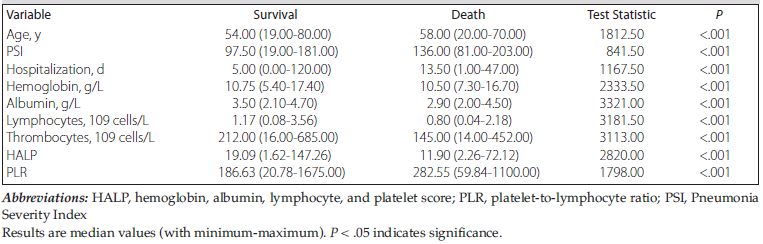
Table 1. Median and Distribution Values by Mortality (Mann-Whitney U Test)
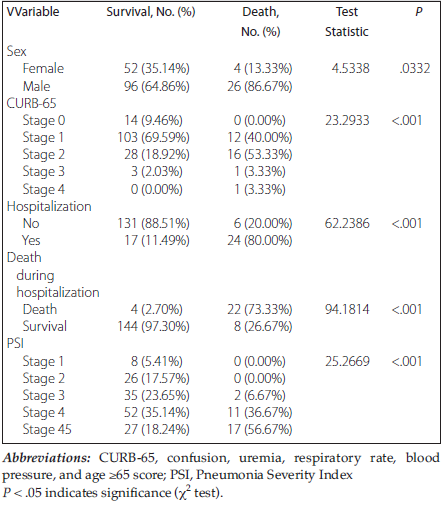
Table 2. Comparison of Categorical Variables According to Mortality Status)
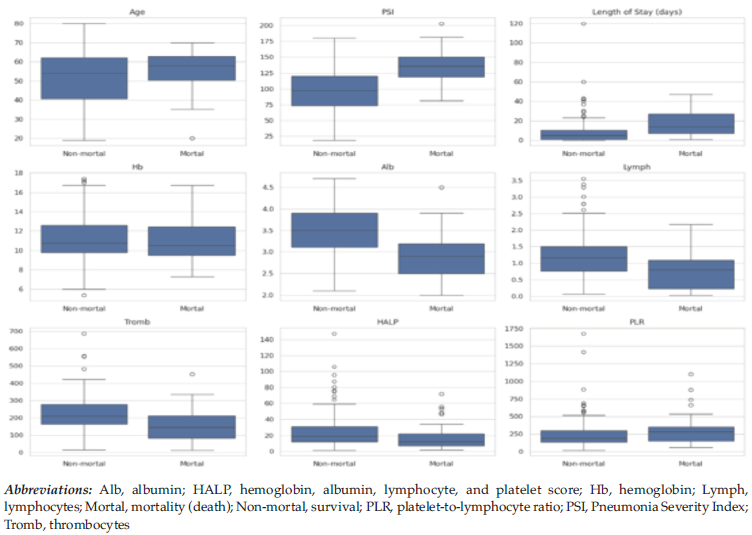
Figure 1. Distribution of Continuous Variables by 30-Day Mortality Status
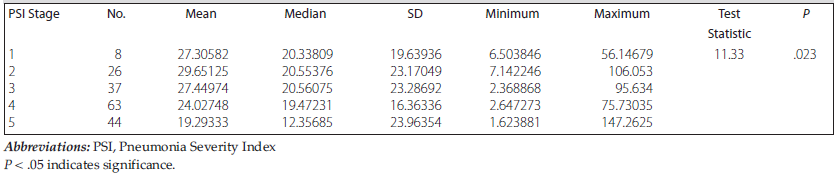
Table 3. Distribution and Comparison of Hemoglobin, Albumin, Lymphocyte, and Platelet Scores According to Pneumonia Severity Index Stage
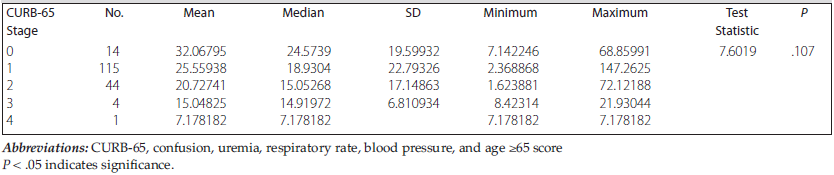
Table 4. Distribution and Comparison of Hemoglobin, Albumin, Lymphocyte, and Platelet Scores According to Confusion, Uremia, Respiratory Rate, Blood Pressure, and Age ≥65 Score
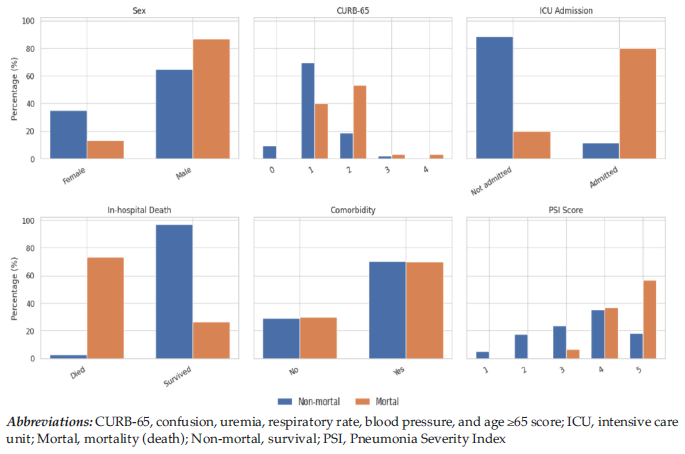
Figure 2. Distribution of Categorical Variables by 30-Day Mortality
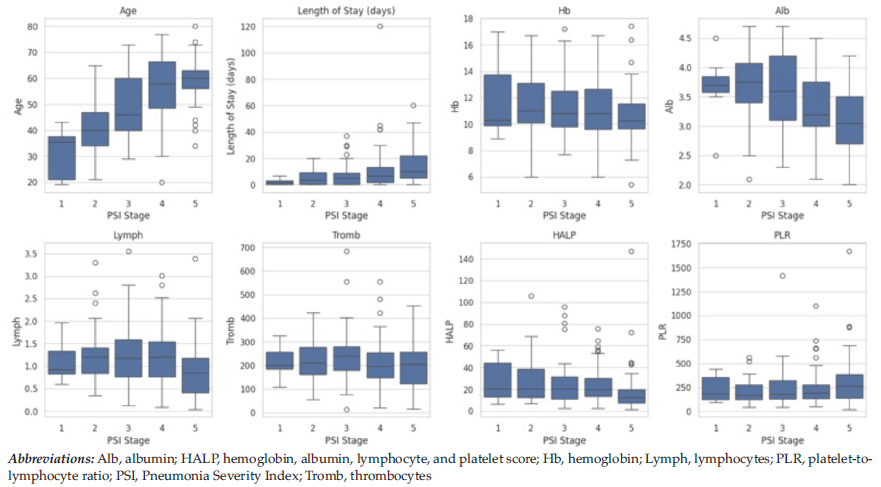
Figure 3. Box Plots of Continuous Variables Across Pneumonia Severity Index Stages
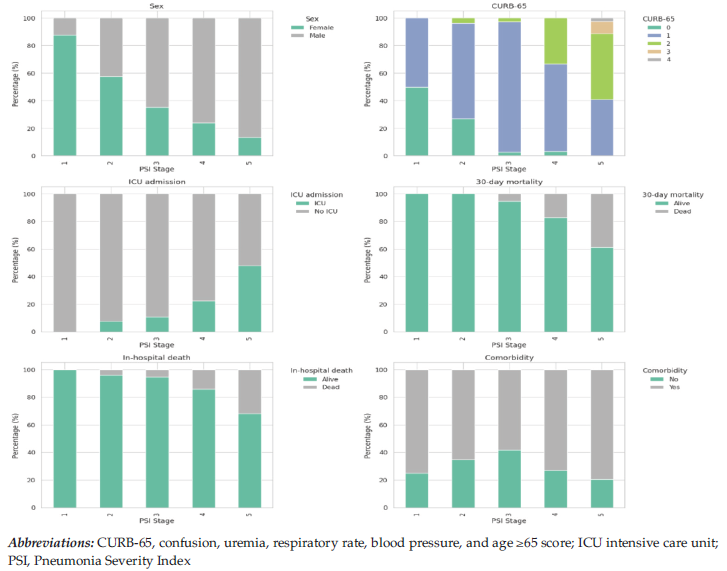
Figure 4. Distribution of Categorical Variables Across Pneumonia Severity Index Stages
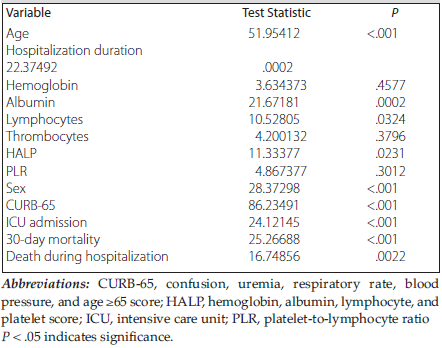
Table 5. Relationship of Variables with Pneumonia Severity Index
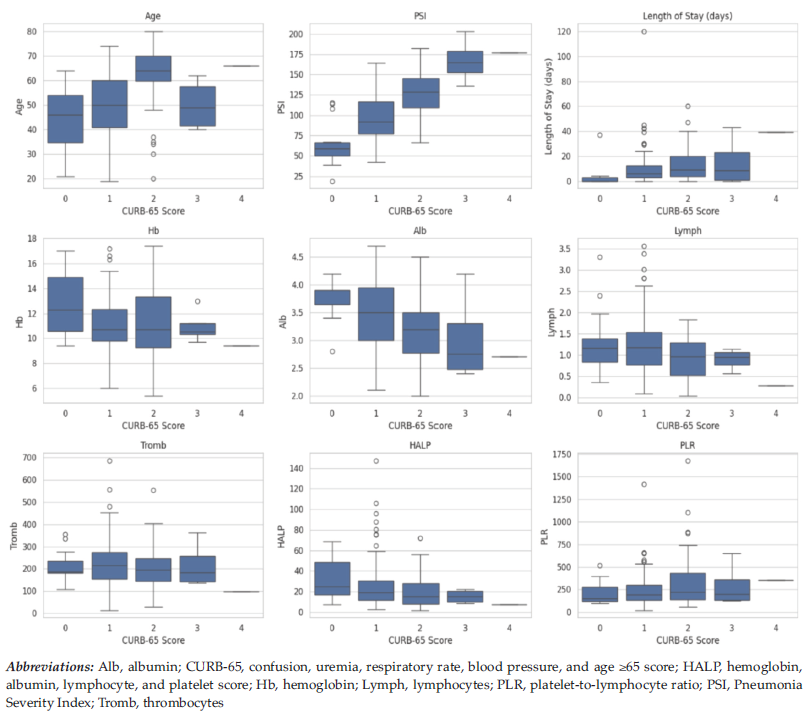
Figure 5. Box Plots of Continuous Variables Across Confusion, Uremia, Respiratory Rate, Blood Pressure, and Age ≥65 Scores
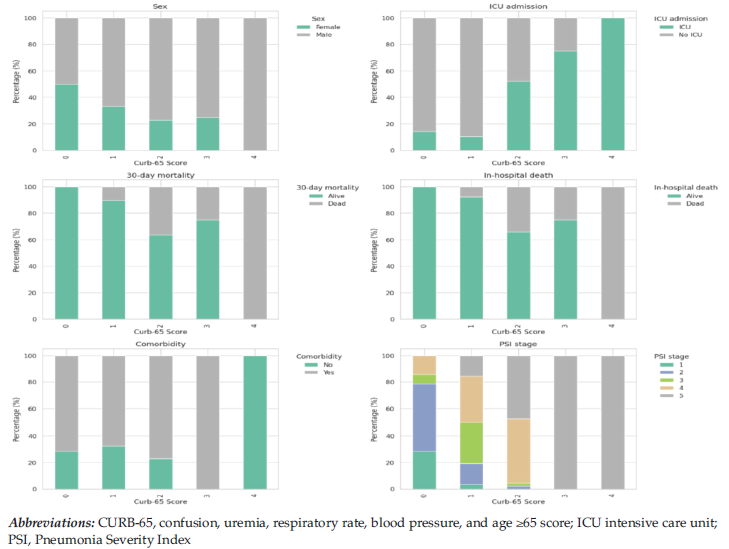
Figure 6. Distribution of Categorical Variables Across CURB-65 Scores
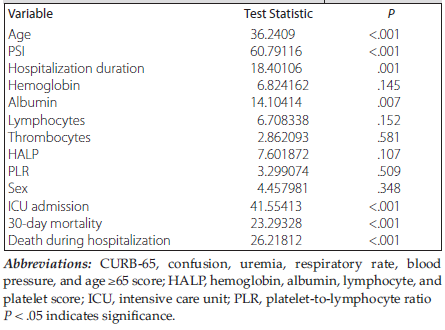
Table 6. Relationship between Variables and Confusion, Uremia, Respiratory Rate, Blood Pressure, and Age ≥65 Scores