Volume: 24 Issue: 7 July 2026
FULL TEXT
Kidney Transplantation from Hepatitis C-Positive Donors in the Direct-Acting Antiviral Era
Objectives: The introduction of direct-acting antivirals has transformed kidney transplantation with hepatitis C virus-positive donors from a high-risk practice to a safe strategy for expanding the donor pool. This study aimed to highlight global research trends, collaborations, and shifts in hepatitis C virus-positive donor kidney transplant before and after the direct-acting antiviral era.
Materials and Methods: We conducted a thorough search of the Web of Science database, focusing on research output with relevant key words related to the hepatitis C virus and kidney transplant, resulting in 414 pertinent research items. We analyzed these items using bibliometric parameters.
Results: Over the past 2 decades, notable shifts have occurred in the research trajectory, with a peak in publications observed in 2018 and 2019 following the introduction of direct-acting antivirals, followed by a decline in subsequent years. The United States generated the highest research output, followed by France and Spain. The journals Transplantation and American Journal of Transplantation dominated in terms of citations. The University of Toulouse, the University of Pennsylvania, and the University of Miami were the leading institutional contributors.
Conclusions: The introduction of direct-acting anti-virals coincided with a rapid rise in research activity and global collaboration, reflecting the transition of hepatitis C virus-positive donor kidney transplant from a high-risk practice to routine clinical adoption.
Key words : Bibliometric analysis, Hepatitis C virus, Renal transplant, Research trends
Introduction
The adoption of hepatitis C virus (HCV)-positive donor kidney transplant has transitioned from spora-dic to prevalent, primarily due to the introduction of direct-acting antivirals (DAAs) in 2014.1 Interest in the use of HCV-positive kidneys has continued, but initial caution about virus transmission risk has restricted the use of these kidneys.2 The transplant process has been revolutionized by DAAs by allowing kidneys from HCV-positive donors to be safely transplanted into HCV-negative recipients. This advancement has resulted in swift protocol implementation in nu-merous transplant centers, marking the beginning of a new era in organ transplant.3-5
The growing interest in the use of kidney transplants from HCV-positive donors has resulted in substantial changes in both clinical practice and academic research output. The primary concern in their use has centered on the safety of HCV-positive kidneys, particularly for HCV-negative recipients.3 As this topic has been addressed in greater depth, the focus of research has shifted to address other crucial issues, such as the treatment regimen and the timing and duration of DAA therapy.6-8 The increased academic research productivity has underscored the development and evolving significance of this now maturing topic.
In this study, we used bibliometric methodologies to explore the evolving trends and hot topics in research related to HCV-positive donor kidney transplant. Our study aimed to highlight the progres-sion of research productivity, focusing on key areas such as the optimization of DAA regimens, timing of therapy, and long-term outcomes. Our study also aimed to explore how research interests have evol-ved over time within this discipline. By identifying the most influential articles and detecting potential trends or shifts in research interests, this analysis may facilitate collaboration between researchers and institutions actively engaged in this field worldwide.
Materials and Methods
On January 6, 2026, we used the Web of Science (WOS) database, a widely recognized and extensive bibliometric database, to conduct a systematic search of titles containing relevant key words pertaining to HCV and kidney transplantation. To include relevant variations in keywords, “*” was utilized. Our final advanced search query included HCV or Hepatitis C (Title) AND “kidney transplant*” or “renal transplant*” (Title).
Our initial search query yielded 1236 results; to ensure the inclusion of all pertinent documents, we included only original and review articles without language restrictions (abstracts, editorial, book chapters were excluded). Our final search included 414 articles. The study was granted exemption from obtaining approval from the insti-tutional review board due to its exclusive focus on bibliometric analysis and the absence of patient data extraction.
Data analyses
After we conducted the prescribed search strategy, we extracted data for various bibliometric variables. These included the identified articles and their respective citations, the number of publications per year, countries of origin, author names, journals in which the articles were published, and frequency of co-occurring keywords. Our analysis encompassed an examination of annual trends, primary countries of contribution, leading institutions and prominent authors in the field, notable journals, frequently co-occurring key words, and citations of the identified articles. We produced tables and figures using Microsoft Excel Office 365 and VOSviewer version 1.6.20.
In 2010, Van Eck and Waltman from Leiden University developed the VOSviewer software using Java programming language. The software has the capability to calculate the level of interconnectedness between various entities, such as documents, authors, affiliations, or countries, by analyzing citation-refe-rence relationships. The aforementioned metric is commonly known as “total link strength.”
Visualization interpretation with VOSviewer
In a network visualization, terms are depicted as circles accompanied by their respective labels. The size of each circle is directly proportional to its weight (occurrence/citations), whereby larger circles denote greater weight. In certain instances, the label of an item may not be visibly presented, to prevent the occurrence of redundant labels. Clusters of related terms are differentiated based on their respec-tive colors. The lines that connect the circles serve to denote the connections and co-citation relationships that exist between the terms. The proximity between 2 circles serves as an approximate measure of the degree of association and interconnectedness, as determined by co-citation connections. The visuali-zation effectively represents the interconnections among terms, their relative significance as indicated by their size, and their associations as demonstrated through proximity and links. The overlay visuali-zation is similar to network visualization but distinguishes itself by assigning distinct colors to individual items. This bibliometric analysis employs colors to represent the publication years. The overlay visualization includes a color bar in the bottom right corner, which serves to indicate the mapping of terms to specific colors.
Results
Of the final 414 included articles related to HCV in kidney transplantation, 396 were in English, 9 in Spanish, 7 in French, 1 in German, and 1 in Japanese.
Publication trends
Since 1991, the number of publications on HCV-positive kidney transplantation has exhibited a fluctuating pattern. However, since 2017, a marked spike has occurred in publication numbers, reaching its highest point in 2019 with 28 articles. Subsequently, the number of publications has declined, with 17, 15, and 15 articles being published in 2020, 2021, and 2022, respectively. In the years 2023 and 2024, the number of publications continued to decrease, with a further decline of 11 publications in 2023 and 13 publications in 2024. By January 6, 2025, the number of publications had dramatically decreased to 8. The included articles garnered a cumulative count of 11 336 citations over the examined period of time. The total number of citations excluding self-citations was 8346, the annual growth rate was 2.06%, and the average number of citations per publication was 27.39. The year 2019 had the highest number of citations (n = 782) (Figure 1).
Top journals
Of the 414 articles published in this field, 11.35%(n = 47) were published in Transplantation; these articles received a total of 2628 citations. The American Journal of Transplantation published 24 manuscripts on this topic (5.79%), with citation count of 1537. Kidney International published 7 manuscripts, which received 696 citations. Table 1 lists the 20 most frequently cited journals in the field of HCV-positive kidney transplant. Figure 2 presents the network visualization of these journals and their interconnection, grouped in 4 clusters.
Top authors
Our examination of authors and their respective contributions to the field identified several researc-hers who emerged as noteworthy contributors. Lionel Rostaing authored a total of 24 publications, which have collectively garnered 1022 citations. Dominique Durand authored a total of 22 pub-lications and garnered 1018 citations. Jacques Izopet authored 22 publications and garnered 900 citations. Deirdre Sawinski authored 11 publications, and Jean Marc Cisterne authored 10 publications. The works of Deirdre Sawinski garnered 248 citations, and publications from Jean Marc Cisterne garnered 359 citations. Table 2 displays the top 10 authors who made the most contributions in the field of HCV-positive kidney transplantation.
Top affiliations
In terms of the total number of publications, several prominent institutions played a major role in the research output of this field. The top 5 were the University of Toulouse in France (n = 23), the University of Pennsylvania in the United States (n = 20), and the University of Miami in the United States (n = 13). Table 3 presents the top 10 contributing institutions.
Top countries
An analysis of the contributions made by countries in the area of HCV in kidney transplantation revealed contributions by 44 countries. The United States was the source of 149 publications (35.99% of the total body of work), generating 5032 citations. France had 45 publications (cited 2159 times), followed by Spain (41 publications cited 1279 times), Italy (32 publica-tions cited 1355 times), Brazil (18 publications cited 145 times), and Germany (18 publications cited 507 times). Figure 3A shows the network map of the nations that made major contributions to the literature in research on HCV in kidney transplantation.
Figure 3B shows an overlay illustration of the top contributing countries, including earlier contributors from 2005 through 2010 from countries such as France and Spain. From the mid-period extending from 2010 through 2016, United States, Italy, and Germany dominated the field, followed by Australia, China, India, and Poland dominating the most recent period (2018-2025).
Top key words
Of 1021 total key words, 47 occurred more than 20 times. After we excluded nonspecific key words such as HCV, hepatitis, kidney, and virus, the top occurring key words included “impact,” which appeared in 105 articles, followed by “infection” in 90 articles, “survival” in 68 articles, “sofosbuvir” in 48 articles, and “efficacy” in 40 articles (Table 4).
Figure 4A depicts the examination of key words, displaying a network visualization that categorizes the top key words into 3 distinct clusters. The yellow cluster focuses on the transformative impact of DAAs on recipients, providing specific insights into the consequences of transplanting HCV-positive grafts and the ensuing rates of survival. The green cluster traverses the therapeutic landscape of the past, empha-sizing the implications of older antiviral medications, most notably pegylated interferon and ribavirin. The red cluster provides an in-depth analysis of disease characteristics and epidemiology. In addition, Figure 4B shows the chronological evolution of the research focus, which began in 2005 with studies of liver diseases, followed by patient survival in hemodialysis frameworks by 2010 and focus on treatment efficacy by 2015. By 2017, the discussions had shifted to a more in-depth discussion of the armamentarium of antiviral treatments, which culmi-nated in 2020 with a special emphasis on advanced DAAs. Figure 4C traces the evolution of discussions on key HCV medications in kidney transplantation. Milestones include interferon therapy in 2010, ribavirin in 2012, pegylated interferon in 2016, simeprevir in 2018, and a peak in DAAs in 2020, notably glecaprevir, alongside ledipasvir and sofosbuvir.
Top 10 cited articles
The top 10 most cited articles, which made a lasting impact in the field of HCV in kidney transplantation, are listed in Table 5. The article titled “Hepatitis C virus infection in dialysis and renal transplantation” by Pereira and Levey (published in Kidney Interna-tional in 1997) stands out with 335 citations. Durand and colleagues’ article “Direct-acting antiviral prophylaxis in kidney transplantation from hepatitis C virus-infected donors to noninfected recipients: an open-label nonrandomized trial” (published in Annals of Internal Medicine in 2018) received 230 citations. The article “Harmful long-term impact of hepatitis C virus infection in kidney transplant recipients” (published in Transplantation in 1998 by Legendre and colleagues) yielded 217 citations.
Discussion
At the time of the introduction of the first diagnostic test for HCV in 1989, there was a reluctance to use HCV-positive kidneys in noninfected recipients due to transmission risks and limited treatment options, which at the time consisted solely of pegylated interferon and ribavirin.9,10 Compared with HCV-negative kidney grafts, early research suggested that HCV-positive kidney grafts had inferior outcomes.11 Consequently, throughout the period from 2005 through 2014, a mere 37% of the total 6546 HCV-antibody-positive donor kidneys that were available for transplant were actually utilized, despite a major proportion of these kidneys having favorable characteristics in terms of quality.11 Nonetheless, transplant of HCV-positive kidneys to recipients who are also HCV-positive was shown to be an effective strategy for reducing waiting periods and improving survival rates compared with the alternative of remaining on dialysis.12
The advent of DAAs in 2013 marked an important turning point in the treatment of HCV and led to no-table improvements in sustained virologic response rates and a substantial reduction in related comor-bidities.10,13 With the effectiveness of DAAs in eradication of the virus, the use of HCV-positive kidneys for transplant has greatly increased.14
By 2021, 92.6% of HCV-positive kidneys were being transplanted into HCV-negative recipients, demonstrating a shift in acceptance.14 Based on data from the Organ Procurement and Transplantation Network from 2015 through 2022, there has been a 20-fold increase in the percentage of wait-listed patients who were willing to accept a deceased donor kidney from an HCV antibody-positive donor (increase from 2.8% to 46.5%) and HCV nucleic acid test-positive donor (increase from 1.0% to 26.7%).14 This increase in acceptance can be seen in the increased numbers in wait lists for HCV-positive kidney transplants, which are mostly given to HCV-negative recipients.13 Interestingly, as the transplant landscape has changed, the proportion of deceased donor kidney transplants for HCV-positive recipients decreased from 5.1% to 2.8% within the same time period.14 This shift reflects a changing perspective on management of HCV-positive candidates, where there is no longer a reason to delay treatment of an HCV-positive candidate before transplant to increase access to transplants by accepting an HCV-positive organ.
The change in practice has not only alleviated organ shortages to some extent but also saved the lives of patients who would otherwise have to wait a longer time for a transplant.13 The increased accep-tance of DAAs to effectively eradicate HCV after a kidney transplant has led to a reevaluation of HCV-positive kidney transplant. The perception of an approach initially considered as a “last resort” has evolved into a more widely embraced and cost-effective alternative.13,15
We believe that providing a global perspective on kidney transplantation with HCV-positive donor organs and evaluating the relevance of articles published on this topic can serve as a valuable monitoring tool for its evolution. To our knowledge, no published bibliometric study so far has con-centrated specifically on HCV-positive kidney transplantation. Therefore, leading with this gap highlights the importance of our analysis, which aimed to highlight particular benefits like improved patient outcomes, improved access to transplant for HCV-negative recipients, and global donor organ allocation optimization in addition to tracking advancements.
Before the introduction of DAAs, the number of articles published on the subject was limited, averaging only a few per year throughout the 1990s. Beginning in the late 1990s, the numbers moderately increased. With the introduction of DAAs, the number of publications peaked in 2018 with 91 articles but then declined, reverting to levels com-parable to the early 2000s, with an annual average of approximately 30 articles published after 2020. Increased interest in evaluating the safety and efficacy of DAAs may account for the increase in publications after the introduction of DAA toward 2018. Researchers were eager to examine the safety profiles of these medications and the feasibility and safety of transplanting HCV-positive kidneys specifically to HCV-negative recipients.16,17 This increased focus was likely a result of the intention to collect empirical evidence in the initial 4 years following the introduction of DAAs, a period crucial for determining the long-term applicability and safety of these treatments.
In our chronological evolution of discussions about prominent HCV medications used to treat kidney transplant recipients who received HCV-positive grafts (Figure 4C) , we found that, before the 2010s, studies centered on ribavirin and interferon therapy, with particular emphasis on interferon alpha.18-21 After the emergence of DAAs, initial discussions mostly focused on the medications simeprevir, daclatasvir, and elbasvir. This was followed by a heightened interest in sofosbuvir and ledipasvir, with sofosbuvir notably emerging as a front-runner in these discussions. After 2020, discus-sions shifted toward newer medications, with special emphasis on glecaprevir and velpatasvir.
The findings of this study demonstrated that developed countries were the first to investigate, publish, and implement the practice of HCV-positive donor kidney transplantation in HCV-negative candidates. Not surprisingly, developed countries have continuously produced the highest number of publications on the topic and have also been making noteworthy advancements in the field (Figure 3). Over time, specialized academic organizations have developed and expanded in countries such as Saudi Arabia, Iran, India, and Egypt. However, prominence in developed countries such as the United States may indicate the country’s strong research infrastructure, funding opportunities, and focus on addressing HCV-related health issues, providing valuable insights for improving global efforts in HCV-positive kidney transplant research.22
Despite the advancements in the field of DAA therapy, the practice of transplanting HCV-positive kidneys into patients who do not have the virus continues to be accompanied by special challenges such as identifying the optimal recipients for these kidneys, addressing the considerable costs associated with HCV therapy, and managing the uncertainties surrounding posttransplant HCV care, especially when DAA therapy does not result in a cure. Further discussions are needed to clarify the implications for patient care and transplant outcomes regarding potential DAA resistance, management strategies for noncurative outcomes, and medication adherence. Ethical considerations should also be considered, particularly in relation to the deliberate transmission of HCV to recipients, emphasizing the crucial need for thorough informed consent and a dedication to patient self-determination. Although the acknowledged advantages of HCV-positive kidney transplant are apparent, open discussions are needed on unknown surroundings, the rates of HCV cure, and potential challenges posttransplant. As research in this field progresses, we expect that future studies will shift their focus toward comprehending the long-term consequences posttransplant of kidneys infected with HCV after therapy. Efforts are also needed to establish a uniform approach for the timing and duration of DAA treatment.
The decline in research productivity associated with HCV-positive kidney transplant use shown in our study may signify the natural evolution of a developing field. The initial research concentrated on fundamental inquiries regarding the safety and viabi-lity of utilizing HCV-positive kidneys, especially in recipients who are HCV-negative. Having largely resolved these concerns through the proven efficacy and safety of DAAs, subsequent research has transi-tioned to more focused and specialized subjects, including the optimization of DAA regimens, timing of therapy, and long-term outcomes. The extensive clinical implementation and standardization of HCV-positive transplant protocols have diminished the uniqueness of this subject, potentially dropping it in terms of funding and publication priorities. Emer-ging subjects in transplant medicine, including organ preservation technologies, novel surgical procedures, and xenotransplant, may have also shifted research priorities and resource allocation.23 Furthermore, global disparities in health care systems and access to DAAs may have resulted in inconsistent research interest. The COVID-19 pandemic greatly hindered research endeavors, resulting in postponements and a reallocation of focus toward studies related to the pandemic.24 We believe that, although the reduction in publications aligns with patterns observed in other advancing medical innovations, substantial oppor-tunities for future research persist in domains such as cost-effectiveness, long-term graft survival, and patient-reported outcomes in HCV-positive kidney transplant.
As with other bibliometric studies, ours had limitations.25 First, Web of Science was the only searched database; Scopus and Google Scholar were not included. This may have resulted in the exclusion of relevant articles. However, the extensive coverage and emphasis on high-impact journals by the Web of Science reduced the likelihood of missing articles, and any excluded articles were not expected to significantly affect the results of our study.26,27 Second, the search did not filter open access versus subscription-based publications individually. This may have affected how often the articles were quoted. Open-access articles are often more accessible and may receive more citations than their subscription-based counterparts. This may be a source of citation bias. Nonetheless, our bibliometric analysis offered valuable insights into the existing literature on HCV-positive kidney transplant by identifying trends, influential authors, key publications, and emerging research areas within the scope of the selected database. Future areas of focus include long-term outcome data, management of DAA resistance, and the cost-effectiveness of these transplants. Focusing on these areas will greatly improve transplant methodology, leading to better access and outcomes for recipients.
Conclusions
This bibliometric analysis underscored the growing attention of research in HCV-positive donor kidney transplant, specifically the evolving trends concerning the application of DAAs. The early studies primarily focused on the safety and feasibility of using HCV-positive kidneys; however, as DAAs proved effective, the emphasis shifted to refining treatment protocols, encompassing the timing, duration, and regimen of antiviral therapy.
The introduction of DAAs has transformed clinical practice and stimulated considerable academic engagement, as researchers increasingly investigate the intricacies of antiviral management to optimize transplant outcomes. This study established a framework for future research by identifying key publications and collaborative networks, aimed at enhancing medication strategies and tackling ongoing challenges in this swiftly evolving therapeutic domain.
References:
- Gillis B, Villanueva D, Marsh W, et al. Outcomes of kidneys transplanted from hepatitis c viremic donors to naive recipients from an Appalachian rural kidney transplant program. Exp Clin Transpl. 2024;22(3):185-188. doi:10.6002/ect.2024.0034
CrossRef - PubMed - Czarnecka P, Czarnecka K, Tronina O, Baczkowska T, Durlik M. Utilization of HCV viremic donors in kidney transplantation: a chance or a threat? Ren Fail. 2022;44(1):434-449. doi:10.1080/0886022X.2022.2047069
CrossRef - PubMed - Concepcion BP, Binari LA, Schaefer H, et al. Kidney transplantation from hepatitis C viremic deceased donors to aviremic recipients in a real-world setting. Transplant Direct. 2021;7(10):e761. doi:10.1097/TXD.0000000000001217
CrossRef - PubMed - Reddy YNV, Reddy KP, Sise ME. HCV-infected deceased donor kidney transplantation—time to take up the offer. Am J Kidney Dis. 2020;75(6):827-829. doi:10.1053/j.ajkd.2020.01.010
CrossRef - PubMed - Rawashdeh B, Hulse J, Agarwal A. Transplant of a kidney from a hepatitis C viremic donor to a naïve recipient without viral transmission: a case report. Am J Case Rep. 2021;22:e927532. doi:10.12659/AJCR.927532
CrossRef - PubMed - Cohen-Bucay A, Francis JM, Gordon CE. Timing of hepatitis C virus infection treatment in kidney transplant candidates. Hemodial Int. 2018;22(Suppl 1):S61-S70. doi:10.1111/hdi.12643
CrossRef - PubMed - Chen R, Li D, Zhang M, Yuan X. Sofosbuvir/velpatasvir prophylaxis for 12 weeks in hepatitis C virus (HCV)-negative recipients receiving kidney transplantation from HCV-positive donors. Ann Transplant. 2021;26: e933313. doi:10.12659/AOT.933313
CrossRef - PubMed - Gupta G, Yakubu I, Zhang Y, et al. Outcomes of short-duration antiviral prophylaxis for hepatitis C positive donor kidney transplants. Am J Transplant. 2021;21(11):3734-3742. doi:10.1111/ajt.16747
CrossRef - PubMed - Pereira BJG, Milford EL, Kirkman RL, Levey AS. Transmission of hepatitis C virus by organ transplantation. N Engl J Med. 1991;325(7):454-460. doi:10.1056/NEJM199108153250702
CrossRef - PubMed - D’Ambrosio R, Vinci M, Franchina M, et al. Effectiveness and safety of sofosbuvir-based direct-acting antiviral combinations in HCV-2 and HCV-3 kidney transplant recipients. Kidney Int. 2019;95(4):993-995. doi:10.1016/j.kint.2018.11.037
CrossRef - PubMed - Reese PP, Abt PL, Blumberg EA, Goldberg DS. Transplanting hepatitis C-positive kidneys. N Engl J Med. 2015;373(4):303-305. doi:10.1056/NEJMp1505074
CrossRef - PubMed - Abbott KC, Lentine KL, Bucci JR, Agodoa LY, Peters TG, Schnitzler MA. The impact of transplantation with deceased donor hepatitis C-positive kidneys on survival in wait-listed long-term dialysis patients. Am J Transplant. 2004;4(12):2032-2037. doi:10.1046/j.1600-6143.2004.00606.x
CrossRef - PubMed - Zahid MN. Transplantation of organs from hepatitis c virus-positive donors under direct-acting antiviral regimens. J Clin Med. 2022;11(3):770. doi:10.3390/jcm11030770
CrossRef - PubMed - Shetty A, Ariyamuthu VK, Gungor AB, Tanriover B. Utilization of hepatitis C virus-positive donors in kidney transplantation. Curr Opin Organ Transplant. 2023;28(1):22-28. doi:10.1097/MOT.000000000000103
CrossRef - PubMed - Eckman MH, Woodle ES, Thakar CV, Paterno F, Sherman KE. Transplanting hepatitis C virus-infected versus uninfected kidneys into hepatitis C virus-infected recipients: a cost-effectiveness analysis. Ann Intern Med. 2018;169(4):214-223. doi:10.7326/M17-3088
CrossRef - PubMed - Goldberg DS, Abt PL, Blumberg EA, et al. Trial of transplantation of HCV-infected kidneys into uninfected recipients. N Engl J Med. 2017;376(24):2394-2395. doi:10.1056/NEJMc1705221
CrossRef - PubMed - Goldberg D, Reese P, Potluri V, Scott F. Offering HCV-positive kidneys to HCV-negative patients on the kidney transplant waitlist is lifesaving: results of a Markov model. Am J Transplant. 2016;16(suppl 3). https://atcmeetingabstracts.com/abstract/offering-hcv-positive-kidneys-to-hcv-negative-patients-on-the-kidney-transplant-waitlist-is-lifesaving-results-of-a-markov-model/
CrossRef - PubMed - Li LF, Shi KQ, Lin YQ, et al. Factors associated with efficacy of pegylated interferon-α plus ribavirin for chronic hepatitis C after renal transplantation. Gene. 2014;544(2):101-106. doi:10.1016/j.gene.2014.04.072
CrossRef - PubMed - Sanai FM, Mousa D, Al-Mdani A, et al. Safety and efficacy of peginterferon-α2a plus ribavirin treatment in renal transplant recipients with chronic hepatitis C. J Hepatol. 2013;58(6):1096-103. doi:10.1016/j.jhep.2013.02.004
CrossRef - PubMed - Delabaudière C, Lavayssière L, Dörr G, et al. Successful treatment of fibrosing cholestatic hepatitis with pegylated interferon, ribavirin and sofosbuvir after a combined kidney-liver transplantation. Transpl Int. 2015;28(2):255-258. doi:10.1111/tri.12428
CrossRef - PubMed - Pageaux GP, Hilleret MN, Garrigues V, et al. Pegylated interferon-alpha-based treatment for chronic hepatitis C in renal transplant recipients: an open pilot study. Transpl Int. 2009;22(5):562-567. doi:10.1111/j.1432-2277.2008.00831.x
CrossRef - PubMed - Rawashdeh B, AlRyalat SA, Abuassi M, Prasad R, Cooper M. Unveiling transplantation research productivity of United States: a bibliometric analysis. World J Transplant. 2023;13(6):391-402. doi:10.5500/wjt.v13.i6.391
CrossRef - PubMed - Rawashdeh B, El-Hinnawi A, AlRyalat SA, Oberholzer J. Application of robotics in abdominal organ transplantation: a bibliometric analysis. Int J Med Robot. 2023;19(5):e2527. doi:10.1002/rcs.2527
CrossRef - PubMed - Rawashdeh B, AlRyalat SA, Abuassi M, et al. Impact of COVID-19 on abdominal organ transplantation: a bibliometric analysis. Transpl Infect Dis. 2023;25(3):e14027. doi:10.1111/tid.14027
CrossRef - PubMed - Rawashdeh B. Insights and limitations of bibliometric analysis in solid organ transplantation. Prog Transplant. 2024;34(3):67-69. doi:10.1177/15269248241275431
CrossRef - PubMed - AlRyalat SAS, Malkawi LW, Momani SM. Comparing bibliometric analysis using PubMed, Scopus, and Web of Science databases. J Vis Exp. 2019;(152). doi:10.3791/58494
CrossRef - PubMed - Falagas ME, Pitsouni EI, Malietzis GA, Pappas G. Comparison of PubMed, Scopus, Web of Science, and Google Scholar: strengths and weaknesses. FASEB J. 2008;22(2):338-342. doi:10.1096/fj.07-9492LSF
CrossRef - PubMed

Volume : 24
Issue : 7
Pages : 513 - 521
DOI : 10.6002/ect.2026.0045
From the 1Medical College of Wisconsin, Division of Transplant Surgery, Milwaukee, WI, USA; the 2School of Medicine, the University of Jordan, Amman, Jordan; and the 3Medical College of Wisconsin, Division of Transplant Nephrology, Milwaukee, WI, USA
Acknowledgements: The authors have not received any funding or grants in support of the presented research or for the preparation of this work and have no declarations of potential conflicts of interest.
Corresponding author: Noor Haj Mohammad, School of Medicine, the University of Jordan, Queen Rania Street, Amman, Jordan
E-mail: noorashraf267@gmail.com
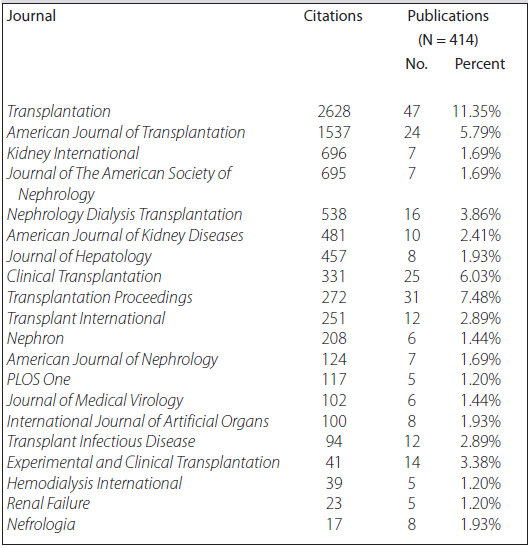
Table 1. Top 20 Journals Based on Number of Citations
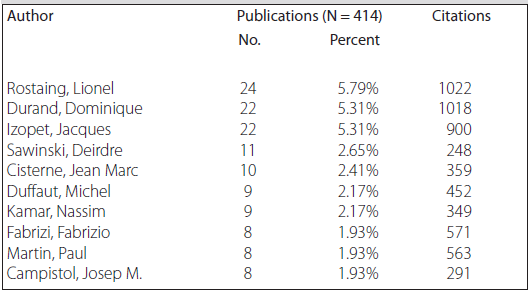
Table 2. Top 10 Contributed Authors According to Number of Publications
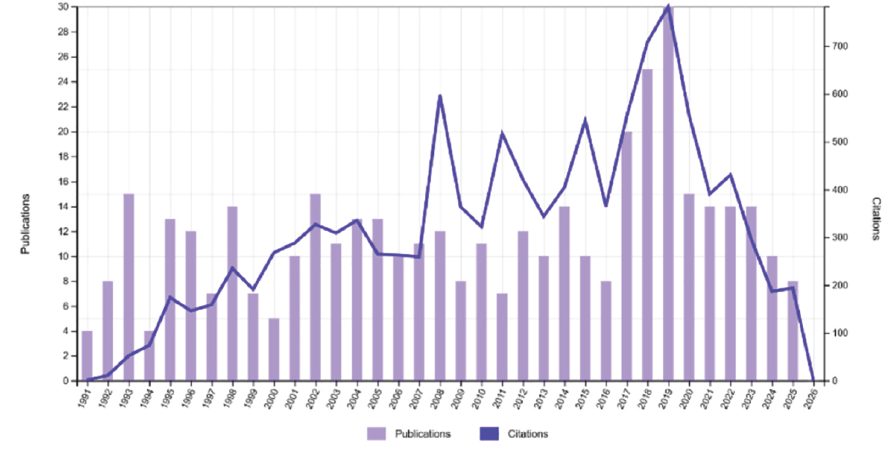
Figure 1. Annual Publications and Citations
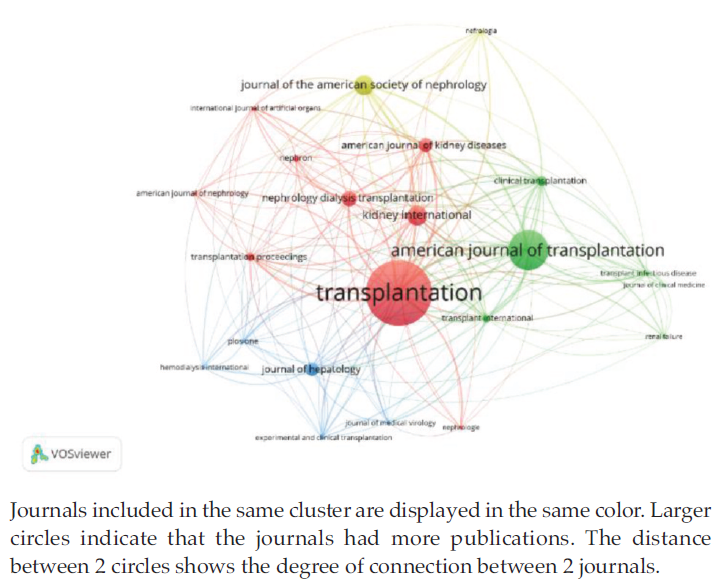
Figure 2. Network Visualization of the Top Contributed Journals (Based on the Number of Citations) and Their Interconnection, Grouped in 4 Clusters
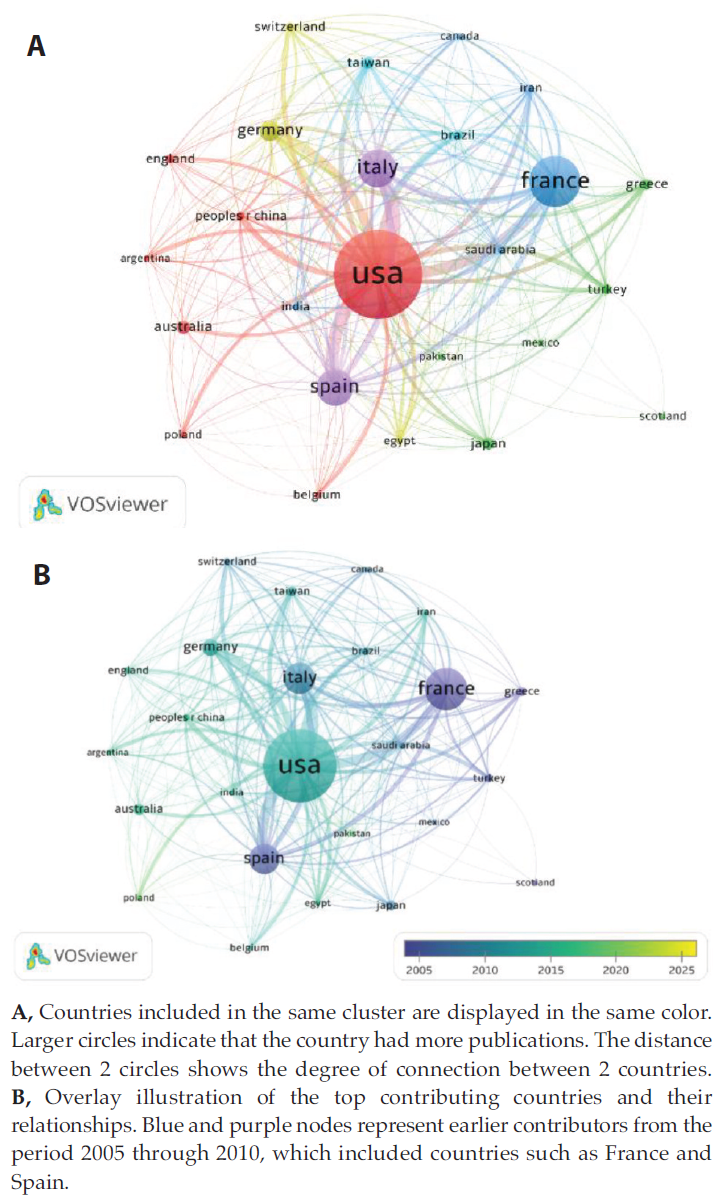
Figure 3. Top Contributing Countries and Their Interconnections
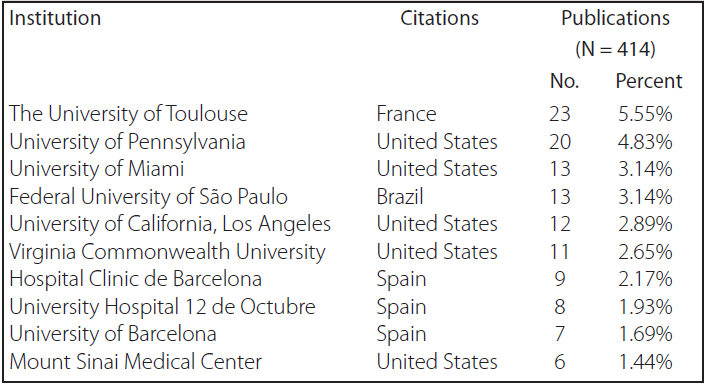
Table 3. Top Contributing Institutions
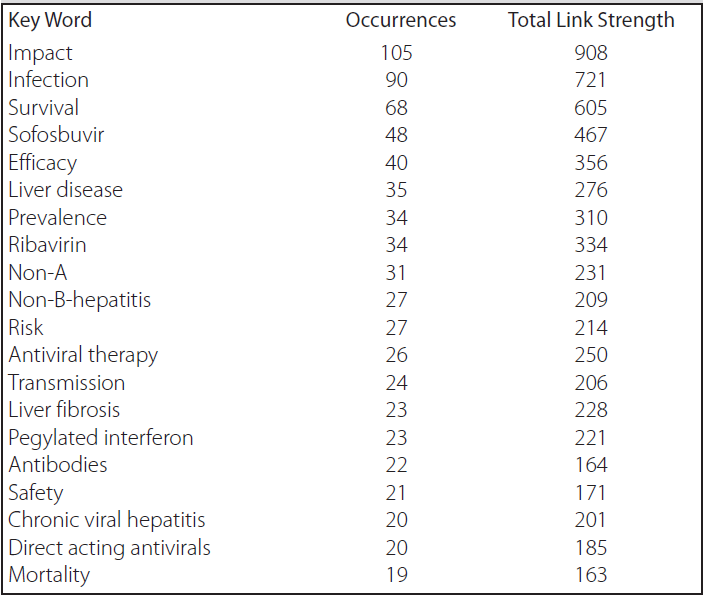
Table 4. Top 20 Occurring Key Words
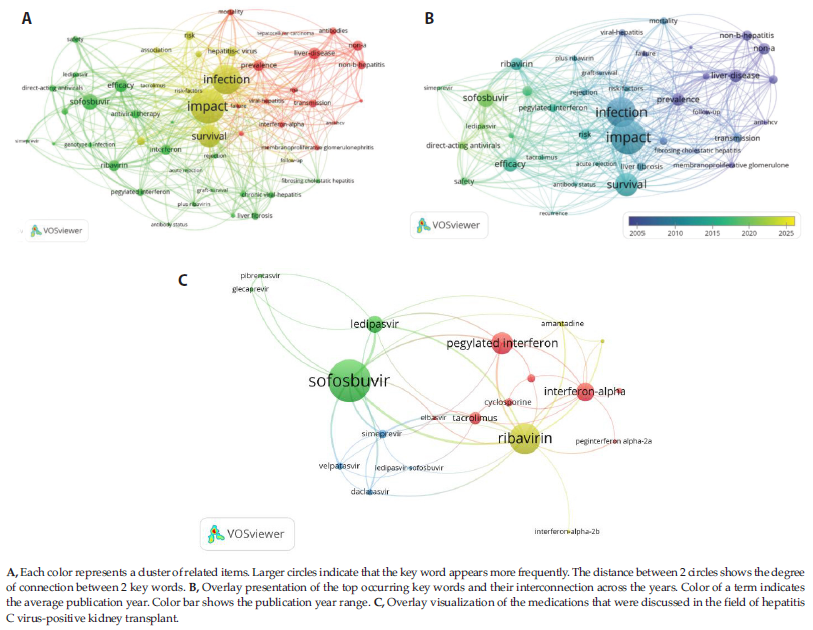
Figure 4. Cluster Visualization of the Most Occurring Key Words and Their Interconnection, Grouped in 6 Clusters
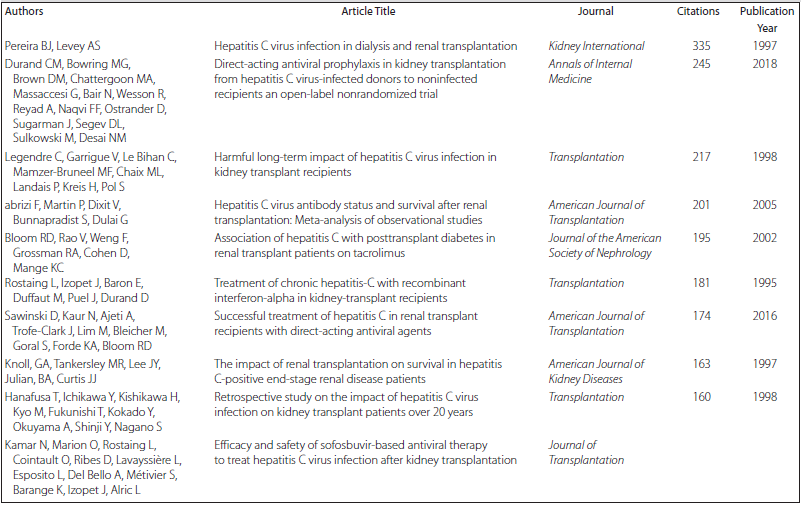
Table 5. Top 10 Cited Articles