Volume: 24 Issue: 6 June 2026
FULL TEXT
Progression of Liver Transplant Outcomes From Donors After Circulatory Death in the United States: A 23-Year Comparative Analysis With Donors After Brain Death
Objectives: We evaluated outcomes of liver transplant from donors after cardiac death versus transplants from donors after brain death, assessing trends over time.
Materials and Methods: Using the Scientific Registry of Transplant Recipients, we retrospectively analyzed liver transplants in the United States from January 2000 through May 2023. We categorized patients by donor type and transplant period.
Results: After inclusion and exclusion criteria were considered, 99 014 patients were evaluated (32 498 patients in the 2000-2010 group and 66 516 patients in the 2011-2023 group). From the first to the second time period, liver transplants from donors after cardiac death increased from 4% to 8.5%. For both time periods, liver transplant recipients from donors after cardiac death had lower Model for End-Stage Liver Disease scores than recipients from donors after brain death (18.61 ± 8.39 vs 20.32 ± 8.91 in 2000-2010 [P < .001] and 17.31 ± 7.24 vs 22.49 ± 10.45 in 2011-2023 [P < .001]). Compared with transplants with donors after cardiac death, transplants with donors after brain death had higher 5-year graft survival (72.36% vs 68.56% in 2000-2010 [P < .001]; 80.22% vs 78.06% in 2011-2023 [P = .021]) and patient survival rates (72.09% vs 68.56% in 2000-2010 [P < .001]; 79.65% vs 77.32% in 2011-2023 [P = .016]). Of note, the survival difference decreased in the second time period. Regarding graft failure, more transplant recipients from donors after cardiac death (vs donors after brain death) had biliary tract complications (9.7% vs 4.9%; P < .001).
Conclusions: Outcomes of liver transplants from donations after cardiac death have significantly improved, potentially partly as a result of allocation of donation after cardiac death livers to patients with lower Model for End-Stage Liver Disease scores in recent years.
Key words : Allograft survival, Donation after cardiac death, Liver transplantation, Long-term outcomes, Patient survival
Introduction
Liver transplant is a well-known and widely accepted therapy for all types of end-stage liver failure.1 Over the past 60 years, liver transplant has significantly evolved with the use of surgical advances and immunosuppressive agents, increasing the life expectancy of donor recipients.2 Donation after brain death (DBD) donors, wherein death is declared after irreversible loss of all brain function with circulatory and respiratory functions main-tained until retrieval, has been considered the primary source of liver grafts for patients in need of transplant. Preference is given to DBD because of reduced risk of biliary complications and ischemic cholangiopathy and increased warm ischemic time (WIT).3 However, a large disparity has emerged between the supply and demand of liver grafts, leading to the ever-growing number of patients in need of a liver and resulting in increased waitlist mortality.4
The limited number of DBD donors has prompted growing interest in alternative sources, notably donation after circulatory death (DCD) donors, that is, donors whose death is declared based on the permanent cessation of cardiac activity.5 As of 2023, there has been an approximately 18% increase in liver transplants in the United States over the past 5 years, which can likely be accounted for by the expansion in the donor pool.6
Transplants with DCD donors have historically been associated with poorer outcomes, including higher biliary complications and lower graft survival rates.7,8 However, improvement in its prognosis has been shown as a result of better matching between the donor and recipient using nuanced scoring systems, new surgical techniques, and improved perfusion technology.9-11 Of note, hypothermic and normothermic perfusion technologies seem to have allowed for improved DCD liver preservation, leading to improved patient outcomes.12
Research over the past decade has increasingly focused on DCD liver transplant as a strategy to expand the donor pool and reduce waitlist mortality, while maintaining acceptable patient and graft survival outcomes. Despite the improved prognosis, DCD still has worse outcomes compared with DBD or living donor transplant; factors remain that should be considered when using DCD livers, including higher donor age and WIT and cold ischemic time (CIT), which can be predictors of poorer patient outcomes.13,14 In this study, we aimed to evaluate graft and patient outcomes of liver transplants from DCD donors compared with transplants from DBD donors and to assess their progress over the past 2 decades.
Materials and Methods
We conducted a retrospective longitudinal analysis on liver transplants conducted from January 2000 through May 2023 using the Scientific Registry of Transplant Recipients (SRTR) database. To provide a detailed dataset, the SRTR compiles information mainly from the Organ Procurement and Transplantation Network in addition to secondary sources such as Centers for Medicare and Medicaid Services and the Death Master File. The database includes thorough background data on transplant candidates, donors, and recipients, in addition to outcomes. Our study population included patients who underwent liver transplant between the mentioned time period and who were at least 18 years old at the time of transplant. We excluded patients who had undergone multiorgan transplant or retransplant, had missing data relevant to the study objectives (including admission and discharge dates), lacked follow-up information, or who had living donors.
To compare outcomes throughout the years in an apprehensive manner, the study cohort was divided into 2 subgroups based on transplant year: patients who received a transplant from January 2000 through December 2010 and patients who received a transplant from January 2011 through May 2023. Based on donor type, patients in each time period were divided into 2 groups: the DBD group and the DCD group.
We evaluated the following recipient charac-teristics: age, sex, race, body mass index (BMI), Model for End-Stage Liver Disease (MELD) score, reason for transplant, transplant procedure type, discharge albumin, discharge creatinine, length of hospitalization, and CIT. The transplant recipient’s MELD score serves as an effective tool to prioritize transplant recipients’ order based on the severity of the case.15 We evaluated the following donor characteristics: age, sex, race, BMI, and history of diabetes. For all factors, we compared DCD versus DBD patients in each time period and DCD patients between the 2 time periods. In addition, we deter-mined hazard ratios for donor age >60 years, donor BMI >30, donor WIT, CIT >12 hours, and MELD score of recipients of DCD donors for each time period as these parameters were previously cited as factors that can affect graft function and failure potential.
Cold ischemic time was defined as the period from donor organ procurement until revascularization in the recipient, and WIT was defined as the period during which the liver is not perfused with oxygenated blood, typically occurring during organ retrieval (donor WIT) and implantation (recipient WIT). Etiologies for graft failure were compared between DBD and DCD groups; within the DCD group, etiologies were compared across time periods.
Our main objective was to evaluate outcomes by calculating and comparing the 5-year graft and patient survival rates between the DBD and DCD groups in 2000-2010 and 2011-2023 and determining the difference in the survival rate between both groups in each time period. We also aimed to compare the 5-year graft and patient survival rates in the DCD group versus each time period.
We used Python 3.11 and IBM SPSS 29 for data analyses, including data cleaning and preprocessing, statistical analysis, baseline characteristics, study group outcome comparisons, and survival rate calculation. Key Python libraries used were NumPy and pandas for numerical computations and data handling, matplotlib.pyplot for data visualization, and lifelines for Kaplan-Meier survival analyses. Our study analysis included multiple statistical tests based on variable type: t tests for univariate analysis of continuous variables, χ2 tests for categorical variables, and Kaplan-Meier curves for evaluating patient and graft survival rates. We presented continuous variables as means ± SD and categorical variables as proportions and percentages. We replaced missing values of these features with the mean of the features in their corresponding cohort: recipient’s discharge albumin, recipient’s discharge creatinine, and recipient’s MELD score. We performed Cox regression analysis to determine how graft survival in the DCD group was influenced by different factors such as donor BMI, age, WIT, and CIT. P < .05 was considered statistically significant.
Results
After consideration of inclusion and exclusion criteria, 99 014 patients were evaluated: 32 498 who had transplants from 2000 through 2010 and 66 516 who had transplants from 2011 through 2023. Each group was then further divided into subgroups based on donor type (DCD or DBD).
Table 1 lists demographic characteristics of study groups. The proportion of DCD transplants increased from 4% in 2000-2010 to 8.5% in 2011-2023. We compared DBD and DCD groups in each time period and differences between DCD groups in each time period and calculated P values for these comparisons. Although some characteristics showed significant differences between groups, this was mostly due to the large sample size and did not necessarily translate to clinical significance. Notably, the length of hospita-lization was considerably lower in the DCD group from 2011-2023 compared with other groups. The most common reason for a transplant seemed to have shifted from cirrhosis due to hepatitis C virus (HCV) to fatty liver and alcoholic cirrhosis; moreover, the contribution of hepatocellular carcinoma has also increased. The MELD score in the DCD group was lower than in the DBD group in both time periods (more so in 2011-2023) and significantly lower in the DCD group in the latter time period compared with the DCD group in the earlier time period.
The 5-year graft survival rates were higher in the DBD group compared with the DCD group for both time periods (72.36% vs 68.56% in 2000-2010 [P < .001] and 80.22% vs 78.06% in 2011-2023 [P = .021]; Figure 1 and Figure 2, respectively). For 5-year patient survival, differences were similar between the DBD and DCD groups (72.09% vs 68.56% in 2000-2010 [P < .001] and 79.65% vs 77.32% in 2011-2023 [P = .016]; Figure 3 and Figure 4, respectively).
When graft and patient survival rates were compared for 2000-2010 versus 2011-2023 in the DCD group, survival significantly increased in the more recent time period (graft survival increased to 78.06% in 2011-2023 vs 68.56% in 2000-2010 [P < .001>] and patient survival increased to 77.32% in 2011-2023 vs 68.56% in 2000-2011 [P < .001], Figure 5 and Figure 6, respectively). Cox regression analysis, conducted to demonstrate different factors that could affect graft survival for patients with DCD donors in each time period (Table 2), showed that only MELD score in 2000-2010 affected graft survival, with other factors not having significant effects on graft survival.
Table 3 compares the contribution of each allog-raft failure etiology between DCD and DBD groups in all patients (2000-2023) and between the 2 DCD time period groups (2000-2010 vs 2011-2023). Notably, biliary tract complications significantly contributed more to graft failure in the DCD group compared with the DBD group.
Discussion
The number of liver transplants in the adult popu-lation has greatly increased due to increased inci-dence of liver disease, hepatocellular carcinoma, and other factors.16 With the increased need for liver grafts to support the growing waitlist of patients that require life-saving transplants, various sources of liver grafts are being explored.4 Options include use of donor livers that were previously marginalized, such as DCD donors.17 In this study, we analyzed patient and graft survival rates in liver transplant recipients from DCD donors and compared these rates with transplants from DBD donors in the period from 2000 through 2023. As previously shown, the steady climb in liver transplants across the past 2 decades has been accompanied by an increase in DCD donors, which is consistent with the findings from our study.9
Our findings showed higher graft and patient survival rates in the DBD group compared with the DCD group in both time periods. This is similar to other studies, which demonstrated superior patient survival rates in DBD liver transplants compared with DCD.18,19 However, the difference in survival was considerably smaller in the latter time period (2011-2023): for 5-year graft survival, the difference was 2.16% in the latter period versus 3.80% in the earlier period (2000-2010), and 5-year patient survival was 2.33% in the latter period versus 3.53% in the earlier period. Moreover, comparisons of the DCD group during 2011-2023 versus 2000-2010 showed a signi-ficant increase in graft and patient survival. These findings may be attributable to recent advancements in liver transplant, including enhanced preservation techniques, improved donor and recipient selection, and increased clinical experience and utilization.
The performance gap between DCD and DBD outcomes has also narrowed as a result of a fun-damental shift in the etiology of liver disease in the United States. During the early era of our study (2000-2010), HCV was the leading indication for transplant. The recurrence of HCV posttransplant historically accelerated graft fibrosis and failure. The introduction of direct-acting antivirals in 2013 effec-tively curbed HCV as a primary indication, leading to a dramatic decline in HCV-related transplants.20 Conversely, the 2011-2023 period showed a sharp rise in transplants for alcohol-associated liver disease and nonalcoholic steatohepatitis. Patients with alcohol-associated liver disease, who now constitute the largest group of recipients, have generally shown favorable posttransplant survival compared with the historical HCV cohort, provided that abstinence is maintained.21 This epidemiological shift could contribute to the improved overall patient survival rates observed in our latter cohort.
Although static cold storage (SCS) has been generally considered for storage of livers, there has been a shift toward machine perfusion, which poses potential benefits for liver storage and ultimately liver transplant outcomes.9 A significant driver of the improved DCD outcomes observed in the latter cohort (2011-2023) was the adoption of dynamic preservation strategies. Historically, DCD grafts subjected to SCS were vulnerable to ischemia-reperfusion injury. However, the recent integration of normothermic regional perfusion has revolutionized DCD use. Recent analyses have indicated that DCD livers recovered with normothermic regional perfusion have signifi-cantly higher utilization rates and can effectively prevent ischemic cholangiopathy compared with those recovered with super-rapid recovery alone.22,23 In a randomized trial, transplant recipients with DCD donors had improved outcomes through the use of hypothermic oxygenated machine perfusion (HOPE) versus SCS by decreasing the likelihood of nonanas-tomotic biliary strictures.24 These findings are consistent with another study on the rodent model, which showed that DCD livers treated with HOPE had decreased risk of biliary injury.25 Other studies have also suggested the use of normothermic mac-hine perfusion as a way to improve DCD outcomes.26 Unlike HOPE, normothermic machine perfusion uses temperatures close to the physiological range along with appropriate nutrients to ensure that the quality of the DCD liver graft remains intact.27
Beyond technology and patient selection, the “center effect” plays a critical role in improved outcomes with DCD grafts. High-volume centers have overcome the learning curve associated with the rapid surgical recovery required for DCD donors. Data have suggested that centers performing a higher volume of DCD transplants achieve outcomes comparable to DBD transplants, largely as a result of standardized protocols for donor selection and perioperative management.28 With improvements in comfort with DCD protocols nationally, the variability in outcomes has decreased, contributing to superior survival rates documented in our study. Another study demonstrated that increased clinical experience with DCD liver transplant translated to shorter ischemic times, shorter lengths of hospitalization after transplant, and lower rates of retransplant, resulting in increased use of livers from DCD donors.29
Our patient demographic data showed a signi-ficantly lower MELD score in the DCD donor group compared with the DBD donor group for both time periods (2000-2010 and 2011-2023), which is consis-tent with several studies; DCD livers are more vulnerable to complications and thus are allocated to recipients with lower MELD scores to reduce the risk of graft failure, ischemic complications, and death.30 This practice is more common in high-volume transplant centers, which choose patients with lower MELD scores who can tolerate reperfusion injury and possible retransplant.31 This observation may also explain why our results showed significantly shorter hospitalization time in the DCD recipients from 2011-2023, as DCD liver grafts are often given to healthier, lower-risk recipients because of the perceived increased risk of graft-related complications. The length of hospitalization may also be due to factors such as improved graft preservation techniques and careful recipient selection, as mentioned above.
We also observed a lower MELD in the 2011-2023 DCD group compared with the 2000-2010 DCD group; notably, MELD score differences between the DCD and DBD group were higher in the 2011-2023 period. This raises questions regarding the allocation of DCD livers to patients with lower MELD scores or whether it is appropriate to keep patients with higher scores on the waitlist for a DBD liver, considering improved survival rates for DCD throughout the years. Vinson and colleagues concluded that patients with MELD scores of ≤30 would benefit from waiting for a DBD simultaneous liver and kidney transplant due to lower waitlist mortality; conversely, for those with MELD scores >30, waiting is not advised. However, this practice may lead to discarding organs, which may have societal implications that could overshadow individual benefits.32 Meier and colleagues evaluated DCD liver transplant in patients with MELD scores of >35 and found that, if the DCD liver was selected with strict criteria (such as higher quality organs), comparable outcomes to DBD livers could occur; otherwise, outcomes re-mained worse.33 Organ allocation is a complex and multifactorial subject; however, in general, it seems more beneficial to consider DCD livers for patients with lower MELD scores, particularly MELD scores of <30. In this context, in our analysis, the age of DCD donors was significantly lower compared with DBD donors for both periods, perhaps because the DCD graft was not used for older donors. However, the overall age of both DBD and DCD donors was slightly higher in 2011-2023 compared with 2000-2010. As reported previously, as the age of the US population continues to increase, the age of the liver donors will also increase.9
Our findings showed that the DCD group had significantly more biliary tract complications that contributed to graft failure than the DBD group. This result is in line other studies that used different transplant databases.34,35 Biliary tract comp-lications include ischemic cholangiopathy, anastomotic stricture, nonanastomotic stricture, and bile leaks. Ischemic cholangiopathy involves ischemic injury to the bile ducts during the WIT before organ procurement. This injury can lead to bile duct endot-helial cell damage, microthrombosis, and subsequent fibrosis, resulting in strictures and bile leaks.36 Studies have shown that ischemic cholangiopathy is more prevalent in DCD grafts, with 1 meta-analysis reporting a 10.8 times increased odds of ischemic cholangiopathy in DCD compared with DBD recipients.37 When comparing biliary tract complica-tions in DCD transplants from 2000-2010 versus 2011-2023, we observed a decrease in incidence from 11% to 6.7%, which may be explained by advance-ments in surgical techniques, donor selection, and preservation methods. In a Canadian study that analyzed a DCD liver transplant program from 2006-2016, ischemic cholangiopathy and overall biliary complications were significantly reduced in the later years, correlating with enhanced surgical techniques.38
Reduction in WIT has been achieved through implementation of rapid recovery protocols, inclu-ding earlier heparin administration and expedited surgical retrieval after circulatory arrest and the use of normothermic regional perfusion, which has allowed for restoration of oxygenated blood flow before organ retrieval, further protecting the liver from ischemic damage.39 Cold ischemic time has also been reduced through the integration of machine perfusion technologies such as normothermic and hypothermic oxygenated perfusion, which has enabled preservation of grafts in transit, reducing cold storage duration and ischemia-reperfusion injury.40
Another graft failure etiology was the rate of recurrent viral hepatitis, which was slightly higher in DBD grafts compared with DCD grafts. When we compared our findings with other studies, evidence on the recurrence of viral hepatitis in DBD versus DCD liver transplants was mixed. Although some studies have suggested that DCD grafts may be associated with more severe or rapid recurrence of HCV, others have found no significant differences between the 2 types of grafts. Further research efforts with larger, multicenter cohorts and standardized protocols are needed to clarify the effects of graft type on recurrence of viral hepatitis in liver transplant recipients.37
Our Cox regression analyses indicated that DCD donors over the age of 60 years and with BMI over 30 do not have significant hazard ratios for allograft and patient survival in both decades. Although it is possible to use livers from older donors, with regard to graft and patient survival, work has suggested that younger donors tend to result in better outcomes.41 Other recent work has deemed donors in this category as low risk, which would align with our results.9
Although longer WIT and CIT can yield poor graft and patient outcomes, the results of our study showed that hazard ratios for DCD donors in 2000-2010 and 2011-2023 were not significant.9 Previous work showed that CIT has decreased significantly in recent years due to improved effi-ciency at each step of the process, from the donation, transit, to the recipient surgery, whether this is in preservation techniques, liver machine perfusion, or efficient training of care providers.42 The MELD score for DCD liver recipients from 2000-2010 was found to be hazardous for graft survival, unlike for DCD liver recipients from 2011-2023, which was not significant. The absence of proper selection criteria for matching donors and recipients can result in poor graft and patient survival rates, making a high MELD score a hazardous factor.33 With strict selec-tion criteria, shorter CIT, and high-quality DCD donors, the risk can be minimized for patients with high MELD scores.33 Another study suggested that, although patient and graft outcomes for DCD were worse than for DBD, the MELD score was not a risk factor for overall biliary complications.43 Instead, the study proposed donor age of >40 years as a significant risk factor.43 To summarize, in inter-pretation of our results on hazardous factors, the lack of significance for some factors in our data could reflect how advancements in clinical practice have mitigated these hazards over time. The disappearance of the MELD score’s significance in the latter period further supports this interpretation. However, along with considerable missing data (particularly for WIT), the wide confidence intervals, especially in the 2011-2023 results for CIT and donor age, suggested that results may be underpowered to detect a true effect. Therefore, although our findings may point to a positive trend in management of DCD transplants, these risk factors likely remain clinically important. Our study had several limitations, including the substantial amount of missing data, resulting in exclusion of certain patients. The inclusion of pati-ents from a single database, such as SRTR, which contains patients solely from the United States, may result in selection bias. In addition, because of the retrospective nature of the study, we could not analyze some factors of interest that were not available in the database.
With shortages in liver grafts, DCD donors have become an alternate source of transplants; yet con-cerns about graft viability and long-term outcomes have historically limited their use. Liver transplants from DBD donors still have better outcomes than DCD donors, but the difference has decreased consi-derably in recent years. Moreover, the prognosis for transplant outcomes with DCD donors has improved considerably. Along with advancements in surgical and preservation techniques and optimization of donor-recipient matching, our study showed that better outcomes could be due in part to proper donor selection, namely allocating DCD grafts to patients with lower MELD score. Further prospective studies on donor selection, perfusion technologies, and surgical techniques are necessary, and future research should be aimed at reducing biliary tract complications in DCD transplants.
References:
- Crossin JD, Muradali D, Wilson SR. US of liver transplants: normal and abnormal. Radiographics. 2003;23(5):1093-1114. doi:10.1148/rg.235035031
CrossRef - PubMed - Zarrinpar A, Busuttil RW. Liver transplantation: past, present and future. Nat Rev Gastroenterol Hepatol. 2013;10(7):434-440. doi:10.1038/nrgastro.2013.88
CrossRef - PubMed - Limkemann AJ, Singh N, Helfrich K, et al. Safely expanding the liver donor pool by utilization of organs from donation after circulatory death with comparable results to donation after brain death, a large single-center experience. J Gastrointest Surg. 2022;26(7):1453-1461. doi:10.1007/s11605-022-05313-0
CrossRef - PubMed - Goldaracena N, Cullen JM, Kim DS, Ekser B, Halazun KJ. Expanding the donor pool for liver transplantation with marginal donors. Int J Surg. 2020;82S:30-35. doi:10.1016/j.ijsu.2020.05.024
CrossRef - PubMed - Dunne K, Doherty P. Donation after circulatory death. Contin Educ Anaesth Crit Care Pain. 2011;11(3):82-86. doi:10.1093/bjaceaccp/mkr003
CrossRef - PubMed - Terrault NA, Francoz C, Berenguer M, Charlton M, Heimbach J. Liver transplantation 2023: status report, current and future challenges. Clin Gastroenterol Hepatol. 2023;21(8):2150-2166. doi:10.1016/j.cgh.2023.04.005
CrossRef - PubMed - Hessheimer AJ, Cardenas A, Garcia-Valdecasas JC, Fondevila C. Can we prevent ischemic-type biliary lesions in donation after circulatory determination of death liver transplantation? Liver Transpl. 2016;22(7):1025-1033. doi:10.1002/lt.24460
CrossRef - PubMed - Reich DJ, Hong JC. Current status of donation after cardiac death liver transplantation. Curr Opin Organ Transplant. 2010;15(3):316-321. doi:10.1097/MOT.0b013e32833991e3
CrossRef - PubMed - Croome KP, Taner CB. The changing landscapes in DCD liver transplantation. Curr Transplant Rep. 2020;7(3):194-204. doi:10.1007/s40472-020-00283-1
CrossRef - PubMed - Grewal HP, Willingham DL, Nguyen J, et al. Liver transplantation using controlled donation after cardiac death donors: an analysis of a large single-center experience. Liver Transpl. 2009;15(9):1028-1035. doi:10.1002/lt.21811
CrossRef - PubMed - DeOliveira ML, Jassem W, Valente R, et al. Biliary complications after liver transplantation using grafts from donors after cardiac death: results from a matched control study in a single large volume center. Ann Surg. 2011;254(5):716-722. doi:10.1097/SLA.0b013e318235c572
CrossRef - PubMed - Jadlowiec CC, Taner T. Liver transplantation: current status and challenges. World J Gastroenterol. 2016;22(18):4438-4445. doi:10.3748/wjg.v22.i18.4438
CrossRef - PubMed - Lee KW, Simpkins CE, Montgomery RA, Locke JE, Segev DL, Maley WR. Factors affecting graft survival after liver transplantation from donation after cardiac death donors. Transplantation. 2006;82(12):1683-1688. doi:10.1097/01.tp.0000250936.73034.98
CrossRef - PubMed - Black M, Gupta A, Asrani SK, Ma TW, Testa G, Wall A. Living donor liver transplantation versus donation after brain death and donation after circulatory death liver transplantation in the US. Proc (Bayl Univ Med Cent). 2022;35(3):273-277. doi:10.1080/08998280.2022.2034202
CrossRef - PubMed - Kamath PS, Kim WR, Advanced Liver Disease Study G. The model for end-stage liver disease (MELD). Hepatology. 2007;45(3):797-805. doi:10.1002/hep.21563
CrossRef - PubMed - Wang S, Toy M, Hang Pham TT, So S. Causes and trends in liver disease and hepatocellular carcinoma among men and women who received liver transplants in the U.S., 2010-2019. PLoS One. 2020;15(9):e0239393. doi:10.1371/journal.pone.0239393
CrossRef - PubMed - Foley DP, Fernandez LA, Leverson G, et al. Donation after cardiac death: the University of Wisconsin experience with liver transplantation. Ann Surg. 2005;242(5):724-731. doi:10.1097/01.sla.0000186178.07110.92
CrossRef - PubMed - Schlegel A, Foley DP, Savier E, et al. Recommendations for donor and recipient selection and risk prediction: working group report from the ILTS Consensus Conference in DCD Liver Transplantation. Transplantation. 2021;105(9):1892-1903. doi:10.1097/TP.0000000000003825
CrossRef - PubMed - Bohorquez H, Seal JB, Cohen AJ, et al. Safety and outcomes in 100 consecutive donation after circulatory death liver transplants using a protocol that includes thrombolytic therapy. Am J Transplant. 2017;17(8):2155-2164. doi:10.1111/ajt.14261
CrossRef - PubMed - Goldberg D, Ditah IC, Saeian K, et al. Changes in the prevalence of hepatitis C virus infection, nonalcoholic steatohepatitis, and alcoholic liver disease among patients with cirrhosis or liver failure on the waitlist for liver transplantation. Gastroenterology. 2017;152(5):1090-1099 e1091. doi:10.1053/j.gastro.2017.01.003
CrossRef - PubMed - Cholankeril G, Ahmed A. Alcoholic liver disease replaces hepatitis C virus infection as the leading indication for liver transplantation in the United States. Clin Gastroenterol Hepatol. 2018;16(8):1356-1358. doi:10.1016/j.cgh.2017.11.045
CrossRef - PubMed - Bekki Y, Croome KP, Myers B, Sasaki K, Tomiyama K. Normothermic regional perfusion can improve both utilization and outcomes in DCD liver, kidney, and pancreas transplantation. Transplant Direct. 2023;9(3):e1450. doi:10.1097/TXD.0000000000001450
CrossRef - PubMed - Watson CJE, Hunt F, Messer S, et al. In situ normothermic perfusion of livers in controlled circulatory death donation may prevent ischemic cholangiopathy and improve graft survival. Am J Transplant. 2019;19(6):1745-1758. doi:10.1111/ajt.15241
CrossRef - PubMed - van Rijn R, Schurink IJ, de Vries Y, et al. Hypothermic machine perfusion in liver transplantation - a randomized trial. N Engl J Med. 2021;384(15):1391-1401. doi:10.1056/NEJMoa2031532
CrossRef - PubMed - Feng S, Lai JC. Expanded criteria donors. Clin Liver Dis. 2014;18(3):633-649. doi:10.1016/j.cld.2014.05.005
CrossRef - PubMed - Schlegel A, Graf R, Clavien PA, Dutkowski P. Hypothermic oxygenated perfusion (HOPE) protects from biliary injury in a rodent model of DCD liver transplantation. J Hepatol. 2013;59(5):984-991. doi:10.1016/j.jhep.2013.06.022
CrossRef - PubMed - Boteon YL, Laing RW, Schlegel A, et al. Combined hypothermic and normothermic machine perfusion improves functional recovery of extended criteria donor livers. Liver Transpl. 2018;24(12):1699-1715. doi:10.1002/lt.25315
CrossRef - PubMed - Delman AM, Turner KM, Ammann AM, et al. The volume-outcomes relationship in donation after circulatory death liver transplantation. Clin Transplant. 2022;36(6):e14658. doi:10.1111/ctr.14658
CrossRef - PubMed - Haque O, Yuan Q, Uygun K, Markmann JF. Evolving utilization of donation after circulatory death livers in liver transplantation: the day of DCD has come. Clin Transplant. 2021;35(3):e14211. doi:10.1111/ctr.14211
CrossRef - PubMed - Hobeika MJ, Saharia A, Mobley CM, et al. Donation after circulatory death liver transplantation: an in-depth analysis and propensity score-matched comparison. Clin Transplant. 2021;35(6):e14304. doi:10.1111/ctr.14304
CrossRef - PubMed - Kubal C, Roll GR, Ekser B, Muiesan P. Donation after circulatory death liver transplantation: what are the limits for an acceptable DCD graft? Int J Surg. 2020;82S:36-43. doi:10.1016/j.ijsu.2020.04.064
CrossRef - PubMed - Vinson AJ, Gala-Lopez B, Tennankore K, Kiberd B. The use of donation after circulatory death organs for simultaneous liver-kidney transplant: to DCD or not to DCD? Transplantation. 2019;103(6):1159-1167. doi:10.1097/TP.0000000000002434
CrossRef - PubMed - Meier RPH, Nunez M, Syed SM, et al. DCD liver transplant in patients with a MELD over 35. Front Immunol. 2023;14:1246867. doi:10.3389/fimmu.2023.1246867
CrossRef - PubMed - Ziogas IA, Alexopoulos SP, Matsuoka LK, et al. Living vs deceased donor liver transplantation in cholestatic liver disease: an analysis of the OPTN database. Clin Transplant. 2020;34(10):e14031. doi:10.1111/ctr.14031
CrossRef - PubMed - Kwong AJ, Ebel NH, Kim WR, et al. OPTN/SRTR 2020 annual data report: liver. Am J Transplant. 2022;22 Suppl 2:204-309. doi:10.1111/ajt.16978
CrossRef - PubMed - Ly M, Crawford M, Verran D. Biliary complications in donation after circulatory death liver transplantation: the Australian National Liver Transplantation Unit's experience. ANZ J Surg. 2021;91(3):445-450. doi:10.1111/ans.16304
CrossRef - PubMed - Jay CL, Lyuksemburg V, Ladner DP, et al. Ischemic cholangiopathy after controlled donation after cardiac death liver transplantation: a meta-analysis. Ann Surg. 2011;253(2):259-264. doi:10.1097/SLA.0b013e318204e658
CrossRef - PubMed - Tun-Abraham ME, Wanis K, Garcia-Ochoa C, et al. Can we reduce ischemic cholangiopathy rates in donation after cardiac death liver transplantation after 10 years of practice? Canadian single-centre experience. Can J Surg. 2019;62(1):44-51. doi:10.503/cjs.012017
CrossRef - PubMed - Giorgakis E, Mathur AK. Expedited placement to maximize utilization of marginal organs. Curr Opin Organ Transplant. 2020;25(6):640-646. doi:10.1097/MOT.0000000000000827
CrossRef - PubMed - Muller X, Schlegel A, Kron P, et al. Novel real-time prediction of liver graft function during hypothermic oxygenated machine perfusion before liver transplantation. Ann Surg. 2019;270(5):783-790. doi:10.1097/SLA.0000000000003513
CrossRef - PubMed - Diaz FJL, Aguilar JLF, Perez BS, et al. Results of liver transplantation with donors older than 80 years: a case control study. Gastroenterol Hepatol Bed Bench. 2017;10(3):173-177.
CrossRef - PubMed - Cesaretti M, Izzo A, Pellegrino RA, Galli A, Mavrothalassitis O. Cold ischemia time in liver transplantation: An overview. World J Hepatol. 2024;16(6):883-890. doi:10.4254/wjh.v16.i6.883
CrossRef - PubMed - Foley DP, Fernandez LA, Leverson G, et al. Biliary complications after liver transplantation from donation after cardiac death donors: an analysis of risk factors and long-term outcomes from a single center. Ann Surg. 2011;253(4):817-825. doi:10.1097/SLA.0b013e3182104784
CrossRef - PubMed

Volume : 24
Issue : 6
Pages : 460 - 469
DOI : 10.6002/ect.2025.0193
From the 1SUNY Upstate Medical University, Department of Surgery, Division of Transplant Services, Syracuse, New York, USA; and the 2Oakland University, Department of Computer Science and Engineering, Rochester, Michigan, USA
Acknowledgements: The authors have not received any funding or grants in support of the presented research or for the preparation of this work and have no declarations of potential conflicts of interest. Data used in this study are available from the Scientific Registry of Transplant Recipients (SRTR) upon request, subject to the SRTR data access policies and applicable privacy regulations; researchers can access the data through the SRTR website and should contact the SRTR for details on data access and requirements.
Author contributions: A. Jamshidi contributed to investigation, writing-original draft, writing-review and editing, formal analysis, data curation. S. Kunam contributed to writing-original draft. D. Langman contributed to writing-original draft. T. Patale contributed to writing original draft. A. Golkarieh contributed to formal analysis, data curation. M. Moein contributed to writing-review and editing, formal analysis, and data curation. R. Saidi contributed to supervision, study design.
*Suhani Kunam, Tara Patale, and Dean Langman authors have contributed equally to this work.
Corresponding author: Reza F. Saidi, Division of Transplant Services, Department of Surgery, SUNY Upstate Medical University, 750 East Adams Street, Syracuse, NY 13210, USA
Phone: +315 464 7329 E-mail:SaidiR@upstate.edu
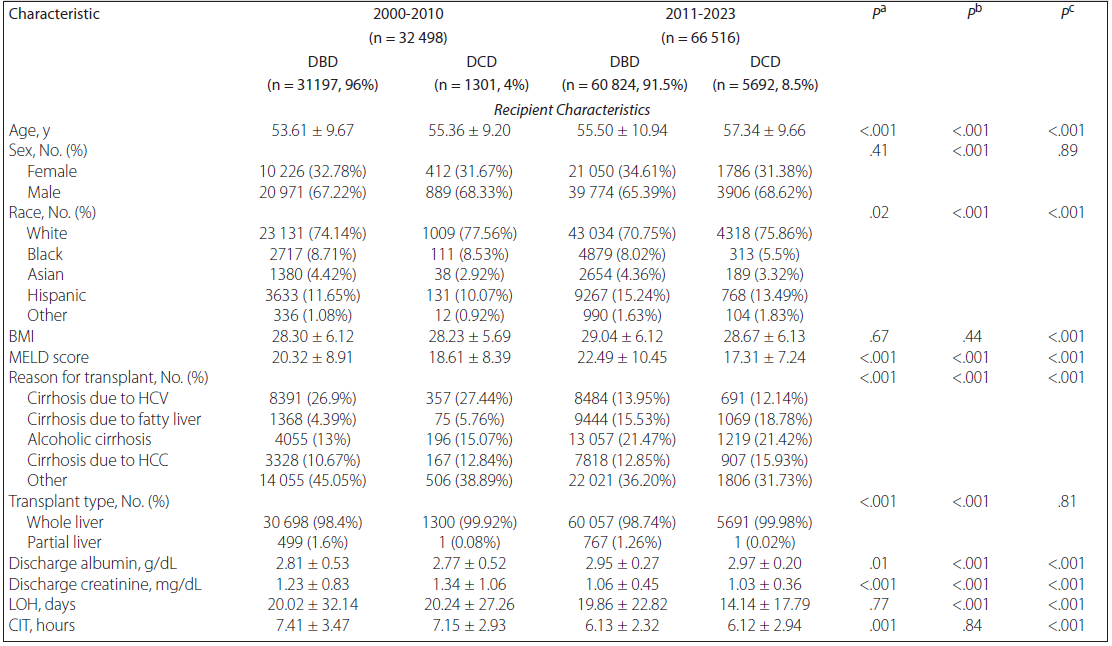
Table 1. Comparison of Demographic Characteristics Between Liver Transplants With Donation After Brain Death Versus Donation After Cardiac Death Donors During Periods 2000-2010 and 2011-2023
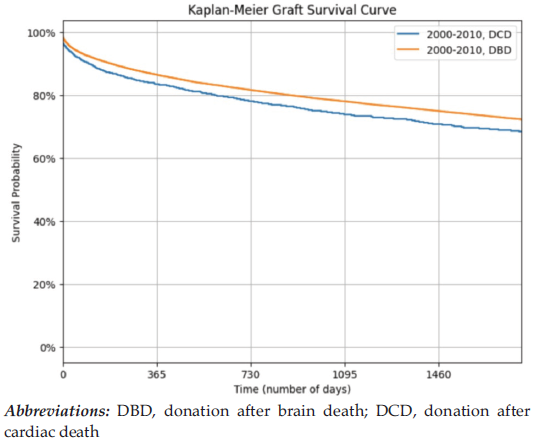
Figure 1. Graft Survival Rate Comparison Between Patients With Donation After Cardiac Death Donors Versus Patients With Donation After Brain Death Donors in the 2000-2010 Time Period
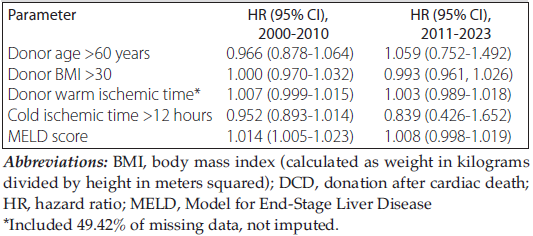
Table 2. Cox Regression Analyses of Factors Affecting Graft Survival for Patients With Donation After Cardiac Death Donors in 2000-2010 Versus 2011-2023
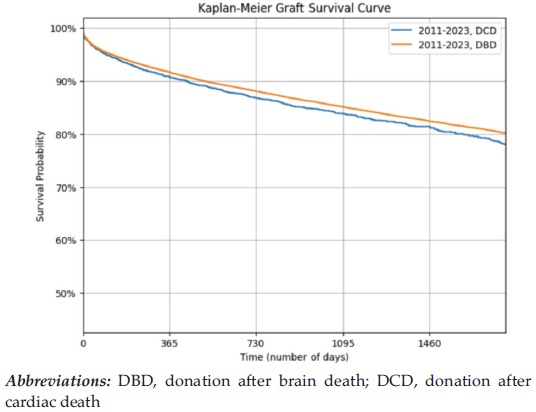
Figure 2. Graft Survival Rate Comparison Between Patients With Patients With Donation After Cardiac Death Donors Versus Patients With Donation After Brain Death Donors in the 2011-2023 Time Period
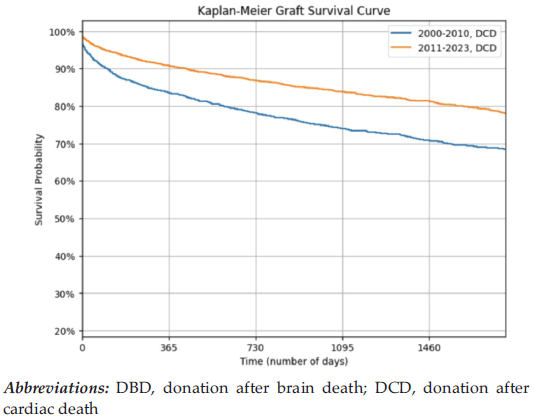
Figure 5. Graft Survival Rate Comparison Between Patients With Donation After Cardiac Death Donors in the 2000-2010 Versus the 2011-2023 Time Periods
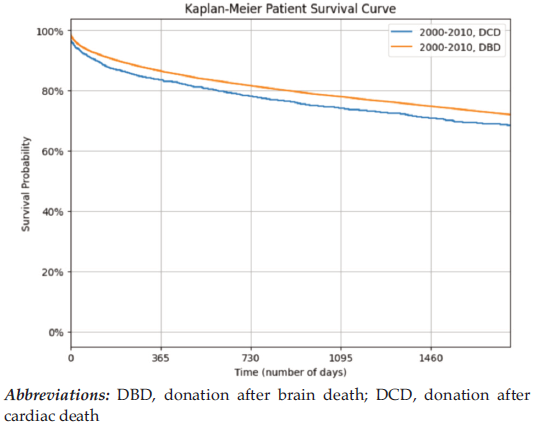
Figure 3. Patient Survival Rate Comparison Between Patients With Donation After Cardiac Death Donors Versus Patients With Donation After Brain Death Donors in the 2000-2010 Time Period
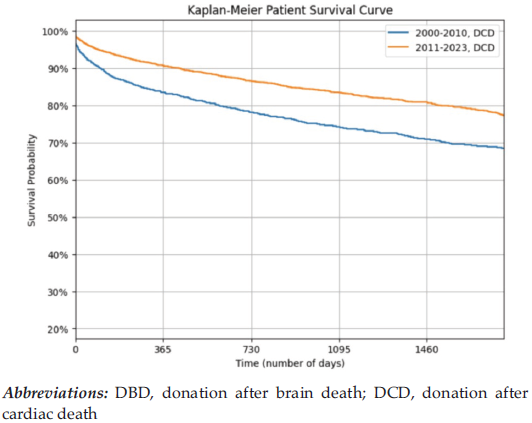
Figure 6. Patient Survival Rate Comparison Between Patients With Donation After Cardiac Death Donors in the 2000-2010 Versus the 2011-2023 Time Periods
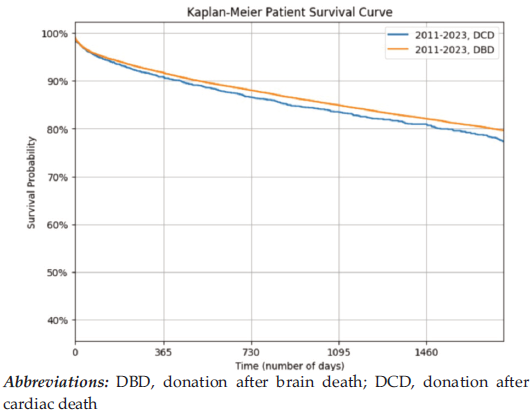
Figure 4. Patient Survival Rate Comparison Between Patients With Donation After Cardiac Death Donors Versus Patients With Donation After Brain Death Donors in the 2011-2023 Time Period
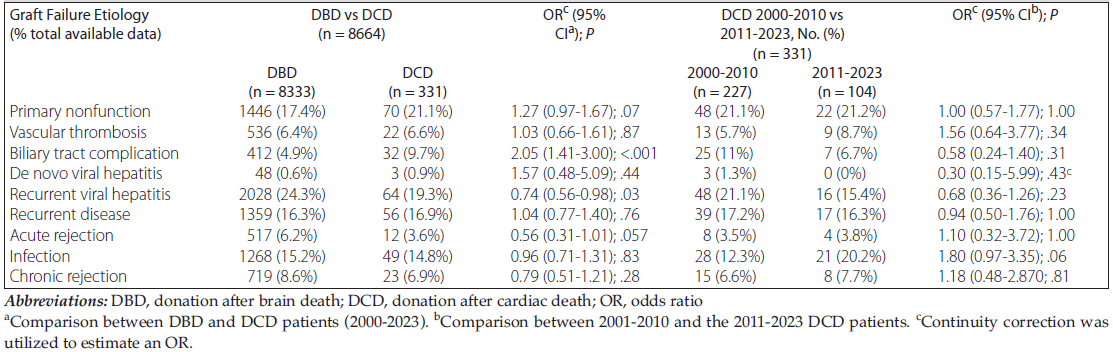
Table 3. Comparison of Graft Failure Etiology in Patients With Donation After Brain Death Verus Donation After Cardiac Donors and in Patients With Donation After Cardiac Death in 2000-2010 Versus 2011-2023
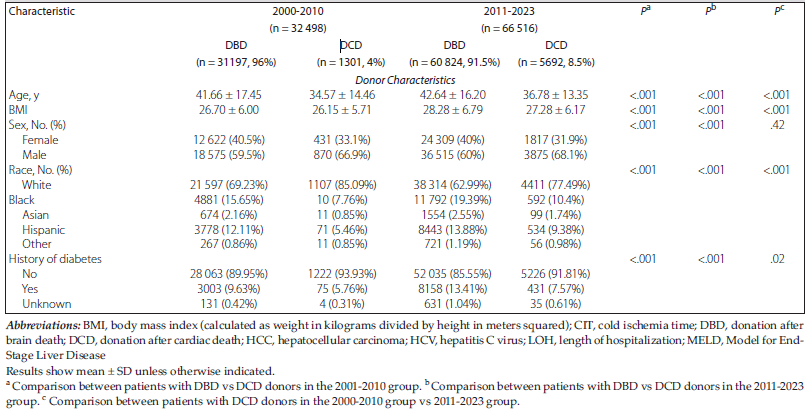
Table 1 (Cont). Comparison of Demographic Characteristics Between Liver Transplants With Donation After Brain Death Versus Donation After Cardiac Death Donors During Periods 2000-2010 and 2011-2023