Volume: 24 Issue: 5 May 2026
FULL TEXT
Objectives: The influence of obesity on postoperative outcomes remains controversial. We evaluated the relationship between preoperative body mass index and perioperative and postoperative outcomes in adult recipients of living donor liver transplant.
Materials and Methods: We retrospectively studied 225 adult patients who underwent living donor liver transplant between November 2019 and June 2024 and grouped patients by preoperative body mass index (calculated as weight in kilograms divided by height in meters squared) into 4 groups. Demographic data, comorbidities, operative parameters, complication rates, and survival outcomes were analyzed across groups. We used multivariable Cox regression analysis to assess independent predictors of mortality.
Results: Although Model for End-Stage Liver Disease scores, operative time, and hospital stay did not differ significantly among groups, higher body mass index was associated with significantly increased early postope-rative complications (P = .018). Logistic regression revealed early complications as an independent predictor of mortality (odds ratio of ~9, P < .001). Overall survival differed significantly across body mass index categories (P = .007), with poorest outcomes in morbidly obese patients (body mass index ≥
40). Cox regression confirmed that obesity (body mass index 35-39.9) was an independent predictor of reduced long-term survival (hazard ratio = 1.65; 95% CI, 1.01-2.70; P = .045), whereas morbid obesity showed a nonsignificant trend toward higher risk. Diabetes, cardiovascular disease, and low graft-to-recipient body weight ratio were also more common in higher body mass index groups and contributed to increased mortality risk.
Conclusions: Elevated body mass index was associated with increased early postoperative risk, particularly in the obese group, with reduced long-term survival posttransplant. These associations remained signifi-cant after adjustment for major clinical covariates. Presence of comorbidities and reduced graft-to-recipient weight ratio further compounded risk. Com-prehensive preoperative evaluation and individualized management, including metabolic optimization and prehabilitation, may help improve outcomes in this high-risk population.
Key words : Early postoperative morbidity, Graft-to-recipient weight ratio, Living donor liver transplantation Metabolic comorbidity, Survival analysis,
Introduction
Liver transplant is a well-established life-saving therapy for patients with end-stage liver disease, yet optimal recipient selection remains a key determinant of postoperative outcomes. Among potential risk factors, obesity often expressed using body mass index (BMI; calculated as weight in kilograms divided by height in meters squared) has become increasingly common among transplant candidates and may influence perioperative morbidity and long-term outcomes. Some studies have reported higher rates of wound-related complications, including surgical site infections and wound dehiscence, as well as biliary complications and overall infectious morbidity among obese recipients.1-3 Other studies have demonstrated no significant differences in perioperative or posto-perative complication rates when obese liver transplant recipients were compared with nonobese controls, even among patients with severe or morbid obesity.4,5 Collectively, these findings suggest that elevated BMI alone may not be a consistent predictor of postoperative complications following liver transplant. Given the conflicting evidence in the literature, this study aimed to evaluate the association between preoperative body mass index and perioper-ative and postoperative outcomes following liver transplant.
Materials and Methods
Study design and settingThis retrospective observational study was con-ducted at the Department of Transplantation, Florya Medical Park Hospital (Istanbul, Türkiye). We obtained ethical approval from the Ethics Committee of Istanbul Aydın University (Approval No: 140/2024) and complied with the principles outlined in the 1975 Declaration of Helsinki. Informed consent was not required due to the retrospective study. In this study, all living donors were aged >18 years and were related (up to the 4th degree) or were a spouse to organ recipients. The study included adult patients (≥18 years) who underwent living donor liver transplant between November 2019 and June 2024.
Patient selection and body mass index groupsInitially, 240 adult liver transplant candidates were screened. After 15 patients with retransplant, ful-minant hepatic failure, preoperative portal vein thrombosis, and BMI <18.5 were excluded, the final cohort consisted of 225 patients (Figure 1). Patients were classified into 4 groups based on preoperative BMI values, according to World Health Organization criteria (Table 1).
Data collection
Clinical and perioperative data were collected from the hospital’s electronic medical record system. The following variables were analyzed: demographic characteristics (age, sex); liver disease etiology (cryptogenic, hepatitis B virus [HBV], nonalcoholic steatohepatitis, HBV + hepatocellular carcinoma, alcohol-related, autoimmune, other); disease severity (Model for End-Stage Liver Disease [MELD] scores); transplant details (graft type [right or left lobe], graft-to-recipient weight ratio [GRWR]); comorbidities (presence of diabetes mellitus, cardiovascular disease, pulmonary disease); surgical outcomes (operation time in minutes, length of hospital stay in days). We also analyzed early (occurring within 30 days after surgery) and late postoperative complications (occurring after 30 days).
All complications were categorized according to the Clavien-Dindo classification system. Grades I-II were defined as minor, and grade III-V were defined as major complications. We analyzed overall survival by BMI subgroup at 30 days and at 1, 2, 3, and 4 years. We calculated GRWR values were calculated for all patients and categorized as <0.8 or ≥0.8 for subgroup analysis.
Statistical analysesWe used IBM SPSS Statistics version 26.0 (IBM Corp) for all statistical analyses. We reported continuous variables as median and interquartile range or mean ± SD and compared these with the Kruskal-Wallis test or analysis of variance, depending on distribution. We analyzed categorical variables with the χ2 test or the Fisher exact test as appropriate. Post hoc comparisons were conducted with the Dunn test (for age and sex distribution) and Bonferroni correction (for GRWR comparisons).
P < .05 was considered statistically significant. Survival was analyzed using the Kaplan-Meier met-hod with the log-rank test. We assessed the relationship between postoperative complications and survival using logistic regression models. In addition, a multivariable Cox proportional hazards regression analysis was performed to evaluate independent predictors of long-term mortality, including BMI category, age, sex, MELD score, GRWR, diabetes mellitus, and cardiovascular disease. Hazard ratios with 95% CIs were reported.
Results Patient demographics and body mass index classificationOf 240 living donor liver transplant candidates, 225 patients met the inclusion criteria. Most patients were classified in group 1 (BMI 18.5-29.99), ac-counting for 69.3% (n = 156) of the total cohort. Group 2 included 47 patients (20.9%), group 3 included 18 patients (8%), and group 4 (BMI ≥40) included 4 patients (1.8%). The sex distribution showed a significant difference bet-ween group 1 and group 2 (P = .011), with a higher pro-portion of men in group 2. However, age distribution across the BMI groups was not significantly different (P > .05) ( Figure 2).
Etiology of liver disease and Model for End-Stage Liver Disease score distribution
The most common etiologies of liver disease were cryptogenic (27%), HBV (16%), nonalcoholic steato-hepatitis (16%), and HBV with hepatocellular carcinoma (12%). Other etiologies included alcohol-related liver disease (10%), autoimmune disease (5%), and miscellaneous causes (14%) (Figure 3). Median MELD scores were similar across all BMI groups, with no significant difference (P = .832), sug-gesting comparable pretransplant disease severity among the groups (Figure 4).
Operative characteristics and graft parameters
Operative time did not significantly differ among BMI groups (P = .665), and the type of graft used was predominantly right lobe (94.2%) in all groups (Figure 5). In contrast, GRWR values were significantly lower in obese patients. Group 1 had significantly higher GRWR values compared with groups 2, 3, and 4 (Bonferroni-adjusted P < .01), whereas no significant differences were found among the obese groups themselves (Figure 6).
The prevalence of low GRWR (GRWR <0.8) increased with BMI, reaching 50% in morbidly obese recipients (Table 2). Patients with GRWR <0.8 had a significantly higher incidence of early postoperative complications compared with those with GRWR ≥0.8 (58.3% vs 31.1%; P = .026). Although the mortality rate was numerically higher in the low-GRWR group (16.7% vs 4.7%), this difference did not reach significance (P = .081). In multivariate analysis, GRWR alone was not identified as an independent predictor of mortality.
Prevalence of comorbidities by body mass index group
The prevalence of diabetes mellitus and cardio-vascular disease increased significantly with higher BMI (P= .008 and P = .029, respectively). No significant difference was observed in the prevalence of pulmo-nary disease across BMI groups (P = .301) (Figure 7).
Length of hospital stay
The duration of hospitalization did not differ sig-nificantly across BMI categories, regardless of whet-her deceased patients were included or excluded from the analysis (P = .835) (Figure 8). This indicated that BMI did not influence inpatient recovery time.
Early postoperative complications (≤30 days)
There was a significant increase in the incidence of early postoperative complications among patients in higher BMI groups (P = .018). Groups 2, 3, and 4 experienced higher complication rates compared with group 1.
Late postoperative complications (>30 days)
No significant differences were observed in the rates of late complications among the BMI groups (P = .494) (Figure 9). In addition to time-based classification, postoperative complications were graded according to the Clavien-Dindo severity scale. Minor complications (grades I–II) included self-limited events such as fever, nausea, and electrolyte disturbances managed conservatively. Major complications (grades III–V) comprised those requiring surgical or radiological intervention, intensive care unit admission, or resulting in mortality.
As shown in Table 3, the proportion of major complications increased in parallel with BMI. Group 1 exhibited the lowest rate of major complications (20%), whereas group 4 had the highest (75%). Importantly, most of these severe events occurred within the early postoperative period (≤30 days), aligning with the overall increase in early com-plications observed in higher BMI groups (P = .018). No significant difference in late major complications was observed between groups.
Effect of complications on posttransplant mortality
Logistic regression analysis demonstrated that early postoperative complications were a strong indepen-dent predictor of mortality. Patients who experienced early complications had approximately 9 times higher risk of death (odds ratio of ~9; P < .001). In contrast, late complications did not have a significant effect on survival (P = .317) (Figure 10).
Multivariable Cox regression analysis of factors associated with posttransplant mortality
A multivariable Cox proportional hazards regression model was performed to assess the independent effect of BMI on long-term survival after adjusting for age, sex, MELD score, GRWR, diabetes mellitus, and cardiovascular disease. As shown in Table 4, the obese group (BMI 35-39.9) demonstrated a signifi-cantly increased hazard of mortality (hazard = 1.65; 95% CI, 1.01-2.70; P = .045), and the morbidly obese group (BMI ≥40) showed a nonsignificant trend toward increased risk (hazard ratio = 2.90; 95% CI, 0.91-9.22; P = .072), likely due to small sample size (n = 4). Other independent predictors of mortality included increasing age, MELD score, diabetes, and cardiovascular disease; GRWR <0.8 was not signifi-cant but showed a suggestive trend (P = .097).
Overall and body mass index-stratified survival analysis
The Kaplan–Meier survival analysis revealed favo-rable overall survival rates, with 92.4% at 30 days, 87.7% at 1 year, 87.1% at 2 years, and 85.8% at 3 to 4 years (Figure 11).
However, when stratified by BMI group, a signi-ficant difference in survival was observed (P = .007). Recipients in group 4 (BMI ≥40) showed the poorest survival, whereas recipients in group 1 showed the most favorable long-term outcomes (Figure 12). These findings highlight the adverse effects of morbid obesity on long-term survival following liver transplant.
Discussion
In this retrospective cohort study of adult living donor liver transplant recipients, we observed that higher preoperative BMI was associated with a significantly increased rate of early postoperative complications and inferior overall survival. These differences were evident despite similar MELD scores, operative durations, and hospital stays across BMI groups. Although logistic regression identified early complications as a strong predictor of mortality (odds ratio of ~9), multivariable Cox regression analysis further demonstrated that obesity (BMI 35-39.9) was independently associated with reduced long-term survival after adjustment for age, sex, MELD score, GRWR, diabetes, and cardiovascular disease (hazard ratio = 1.65; 95% CI, 1.01-2.70; P = .045). Morbid obesity (BMI ≥40) showed a non-significant trend toward increased mortality (hazard ratio = 2.90; P = .072), which may have reflected the limited sample size in this subgroup.
Recent evidence has indicated that elevated BMI is predominantly associated with an increased risk of early postoperative complications following liver transplant. Diaz-Nieto and colleagues reported that recipients with higher BMI tended to experience higher rates of general infectious morbidity and wound complications after liver transplant.6 Similarly, contemporary cohort analyses have suggested that the adverse effects of obesity are mainly confined to the early postoperative phase rather than late transplant-related events. In a large retrospective study that included 888 liver transplant recipients stratified by BMI categories, Bajwa and colleagues demonstrated that patient survival was significantly lower among recipients with a BMI ≥40. Moreover, morbidly obese recipients exhibited a higher inci-dence of early postoperative complications, including infectious events, cardiac arrhythmias, cardiac arrest, and myocardial infarction, underscoring the heighte-ned early postoperative risk in this subgroup.7 Furthermore, Tejedor-Tejada and colleagues reported significantly increased postoperative morbidity among obese recipients, particularly in terms of vascular and biliary complications as well as primary graft nonfunction, and reported a higher risk of impaired 1-year graft survival compared with nonobese controls.8 Our findings are in line with this early risk profile; however, the impact of obesity appears to extend beyond the perioperative period. In our study, obesity (BMI 35-39.9) remained an independent predictor of long-term mortality in multivariable analysis, suggesting that BMI may influence not only early complications but also broader systemic or immunologic processes affecting survival. This finding highlighted the prognostic significance of BMI across the full posttransplant course.
In our cohort, overall survival differed signi-ficantly across BMI categories, with higher BMI associated with inferior survival outcomes. This survival difference was closely linked to the occur-rence of early postoperative complications, which emerged as a strong determinant of mortality, whereas late complications did not have a significant impact on survival. Recipients in higher BMI categories also exhibited a greater burden of metabolic comorbidities and significantly lower GRWRs, factors that may have contributed to the observed survival differences.
In addition to BMI, diabetes mellitus, cardio-vascular disease, and higher MELD score were identified as independent predictors of post-transplant mortality. Although low GRWR was more common among obese recipients and was associated with higher early complication rates, this factor did not reach significance in multivariable analysis but showed a suggestive trend (P = .097). These findings are consistent with known risk factors in liver transplant and were confirmed in our Cox regression model, reinforcing their prognostic importance alongside BMI. Importantly, the persis-tence of BMI as an independent predictor after adjustment for these variables underscores its additive risk, rather than being a surrogate for comorbid conditions alone. These findings emp-hasize the importance of graft size optimization, especially in obese recipients, to mitigate early morbidity.9
Furthermore, the use of the Clavien-Dindo classification provided a more structured view of postoperative complications, revealing a clear trend toward increased major (grades III-V) complications in patients with higher BMI. This granular catego-rization allowed for a better understanding of the clinical severity of complications beyond simple early/late distinctions and may have practical impli-cations for perioperative risk stratification.10
Furthermore, our findings on lower GRWR in patients with higher BMI supported earlier studies indicating that insufficient graft volume may contribute to suboptimal regeneration and increased risk of complications in obese recipients.11,12 Mismatch of GRWR, especially in living donor liver transplant, has been shown to be correlated with increased portal pressure, impaired graft function, and early graft loss, particularly when metabolic demands are not met.13
Notably, all recipients in the morbidly obese category (BMI ≥40) in our cohort were female. This introduces sex as a potential confounding factor when interpreting survival outcomes in this subgroup. Given the very small sample size (n = 4), however, any observed differences in outcomes should be interpreted with caution, and further studies with larger, sex-balanced samples are needed to explore potential interactions between sex and BMI in transplant outcomes. Physiologic or hor-monal explanations remain speculative and could not be evaluated in our analysis.
Attention has also increased with regard to structured prehabilitation programs and periope-rative interventions aimed at mitigating the risk posed by high BMI. Recent studies suggested that even short-term interventions focusing on weight reduction, nutritional support, and physical condi-tioning may positively influence outcomes in obese transplant candidates.14,15 Furthermore, select centers have explored the integration of bariatric surgery before liver transplant in patients with severe obesity, with promising early results in terms of reducing complications and improving transplant eligibility.16
In conclusion, our study suggested that elevated preoperative BMI is significantly associated with an increased risk of early postoperative complications and reduced long-term survival following living donor liver transplant. Although late complications and hospital stay duration were not influenced by BMI, early postoperative events, particularly in obese and morbidly obese recipients, emerged as key determinants of patient outcomes. The observed association between high BMI and both lower GRWRs and higher rates of metabolic comorbidities further underscored the multifactorial nature of perioperative risk in this population. Multivariable analysis confirmed that obesity remained an independent predictor of mortality after adjusting for major clinical confounders. However, the limited sample size in the morbidly obese group precluded definitive conclusions for this subgroup.
Our findings highlight the importance of com-prehensive preoperative risk stratification, including both metabolic and technical parameters, in obese transplant candidates. Incorporating structured prehabilitation programs, targeted nutritional and metabolic optimization, and, in selected cases, bariatric interventions may improve short-term safety and long-term survival in this high-risk group. Future prospective studies are warranted to validate individualized, BMI-adjusted perioperative mana-gement strategies that can enhance outcomes in liver transplant recipients.
References:
- Spengler EK, O’Leary JG, Te HS, et al. Liver transplantation in the obese cirrhotic patient. Transplantation. 2017;101(10):2288-2296. doi:10.1097/TP.0000000000001794
CrossRef - PubMed - Schaeffer DF, Yoshida EM, Buczkowski AK, et al. Surgical morbidity in severely obese liver transplant recipients-a single Canadian Centre Experience. Ann Hepatol. 2009;8(1):38-40.
CrossRef - PubMed - Dare AJ, Plank LD, Phillips AR, et al. Additive effect of pretransplant obesity, diabetes, and cardiovascular risk factors on outcomes after liver transplantation. Liver Transpl. 2014;20(3):281-290. doi:10.1002/lt.23818
CrossRef - PubMed - Fujikawa T, Fujita S, Mizuno S, et al. Clinical and financial impact of obesity on the outcome of liver transplantation. Transplant Proc. 2006;38(10):3612-3614. doi:10.1016/j.transproceed.2006.10.188
CrossRef - PubMed - Leonard J, Heimbach J, Malinchoc M, Watt K, Charlton M. The impact of obesity on long-term outcomes in liver transplant recipients—results of the NIDDK liver transplant database. Am J Transplant. 2008;8(3):667-672. doi:10.1111/j.1600-6143.2007.02100.x
CrossRef - PubMed - Diaz-Nieto R, Lykoudis PM, Davidson BR. Recipient body mass index and infectious complications following liver transplantation. HPB (Oxford). 2019;21(8):1032-1038. doi:10.1016/j.hpb.2019.01.002
CrossRef - PubMed - Bajwa R, Singh L, Garcia SM, Imperio-Lagabon K, Sims OT, Modaresi Esfeh J. Post liver transplant short term and survival outcomes in patients living with obesity. Dig Liver Dis. 2024;56(11):1874-1879. doi:10.1016/j.dld.2024.04.018
CrossRef - PubMed - Tejedor-Tejada J, Garcia-Pajares F, Safadi R, et al. The impact of obesity on postoperative complications and short-term survival after liver transplantation. Eur J Gastroenterol Hepatol. 2023;35(7):782-789. doi:10.1097/MEG.0000000000002574
CrossRef - PubMed - Kim D-G, Hwang S, Kim JM, et al. Outcomes and risk factors for liver transplantation using graft-to-recipient weight ratio less than 0.8 graft from living donors: multicentric cohort study. Ann Surg. 2024;279(6):1018-1024. doi:10.1097/SLA.0000000000006104
CrossRef - PubMed - Clavien PA, Barkun J, De Oliveira ML, et al. The Clavien-Dindo classification of surgical complications: five-year experience. Ann Surg. 2009;250(2):187-196. doi:10.1097/SLA.0b013e3181b13ca2
CrossRef - PubMed - Ma KW, Wong KHC, Chan ACY, et al. Impact of small-for-size liver grafts on medium-term and long-term graft survival in living donor liver transplantation: a meta-analysis. World J Gastroenterol. 2019;25(36):5559-5568. doi:10.3748/wjg.v25.i36.5559
CrossRef - PubMed - Sethi P, Thillai M, Thankamonyamma BS, et al. Living donor liver transplantation using small-for-size grafts: does size really matter? J Clin Exp Hepatol. 2018;8(2):125-131. doi:10.1016/j.jceh.2017.06.004
CrossRef - PubMed - Lo C-M, Fan S-T, Liu C-L, et al. Adult-to-adult living donor liver transplantation using extended right lobe grafts. Ann Surg. 1997;226(3):261-270. doi:10.1097/00000658-199709000-00005
CrossRef - PubMed - Benmassaoud A, Martel M, Carli F, et al. Prehabilitation in patients awaiting liver transplantation. Transplant Rev (Orlando). 2024;38(2):100835. doi:10.1016/j.trre.2024.100835
CrossRef - PubMed - Hasse J. Pretransplant obesity: a weighty issue affecting transplant candidacy and outcomes. Nutr Clin Pract. 2007;22(5):494-504. doi:10.1177/0115426507022005494
CrossRef - PubMed - Suraweera D, Saab EG, Choi G, Saab S. Bariatric surgery and liver transplantation. Gastroenterol Hepatol (N Y). 2017;13(3):170-175.
CrossRef - PubMed

Volume : 24
Issue : 5
Pages : 402 - 410
DOI : 10.6002/ect.2026.0016
From the 1Department of General Surgery, Ankara Etlik City Hospital, Ankara, Türkiye; and the 2Department of General Surgery, Istanbul Aydin University, Istanbul, Türkiye
Acknowledgements: The authors have not received any funding or grants in support of the presented research or for the preparation of this work and have no declarations of potential conflicts of interest.
Corresponding author: Birkan Birben, Ankara Etlik City Hospital, Varlık Mahallesi, Halil Sezai Erkut Caddesi Yenimahalle, Ankara, Türkiye 06170
Phone: +90 312 797 00 00
E-mail: birkanbirben53@gmail.com
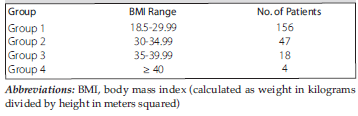
Table 1. Body Mass Index-Based Classification of Patients
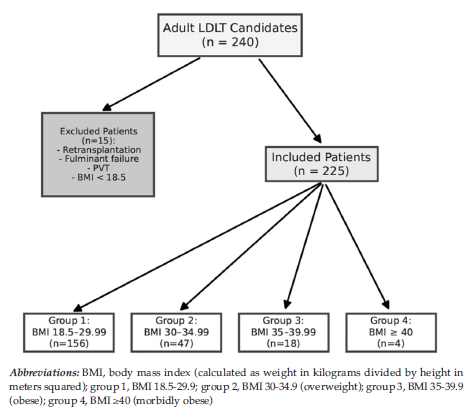
Figure 1. Patient Flow DiagramPatient Flow Diagram
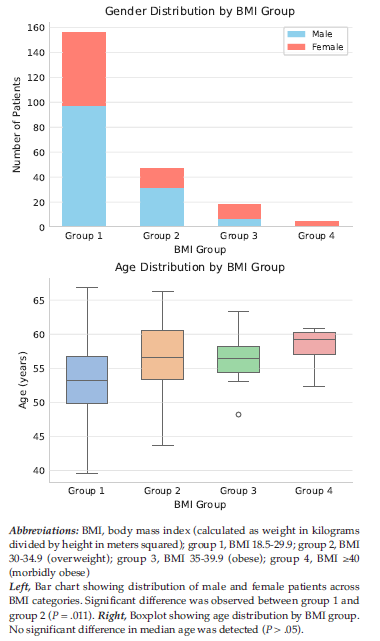
Figure 2. Distribution of Male/Female Patients and Age Across BMI Groups
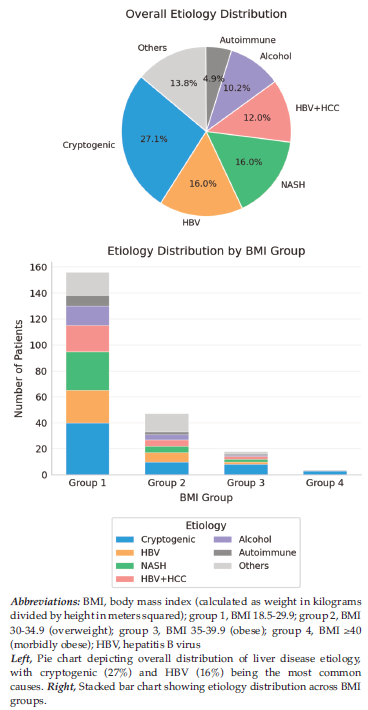
Figure 3. Etiology of Liver Disease Among Recipients
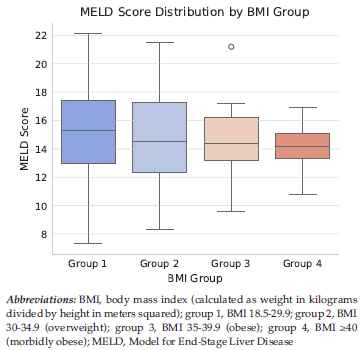
Figure 4. Model for End-Stage Liver Disease Score Distribution by Body Mass Index Group
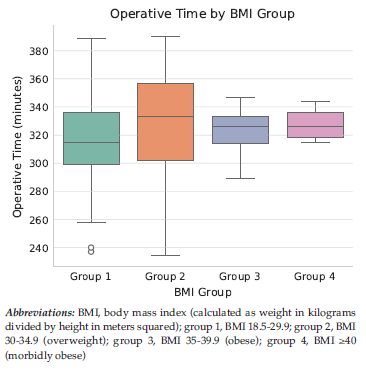
Figure 5. Operative Time Across Body Mass Index Groups
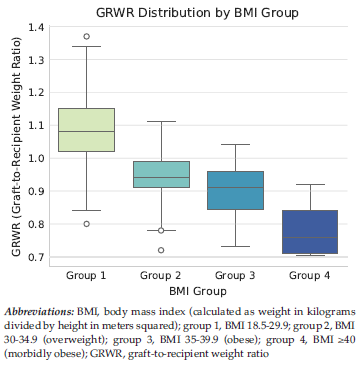
Figure 6. Graft-to-Recipient Weight Ratio by Body Mass Index Group
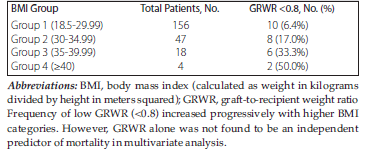
Table 2. Distribution of Low Graft-to-Recipient Weight Ratio (<0.8) Across Body Mass Index Groups
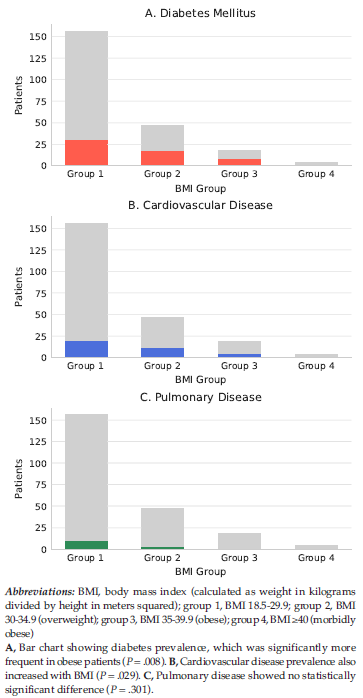
Figure 7. Prevalence of Comorbidities by Body Mass Index Group
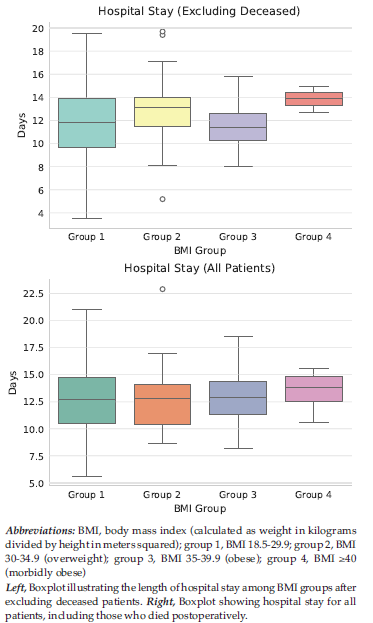
Figure 8. Hospital Stay Duration by Body Mass Index Group
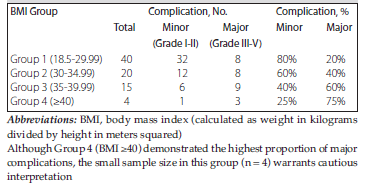
Table 3. Distribution of Minor and Major Postoperative Complications According to Clavien-Dindo Classification
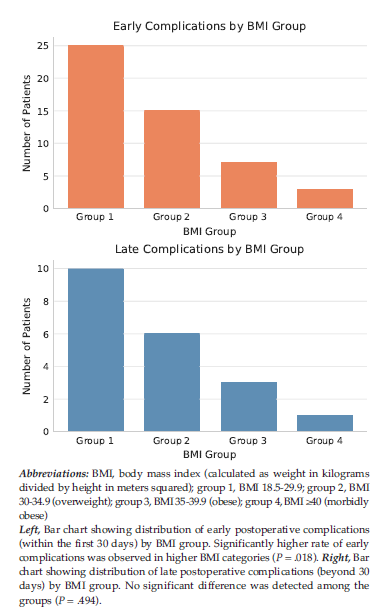
Figure 9. Early and Late Postoperative Complications by Body Mass Index Group
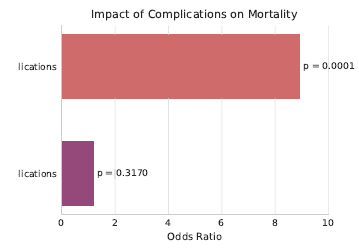
Figure 10. Effect of Postoperative Complications on Mortality
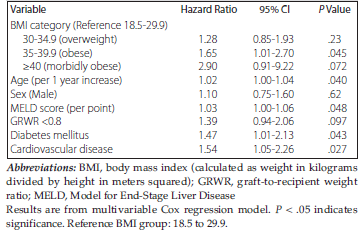
Table 4. Multivariable Cox Regression Analysis of Factors Associated With Posttransplant Mortality
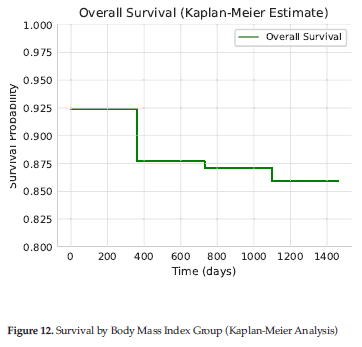
Figure 11. Overall Survival (Kaplan-Meier Estimate)
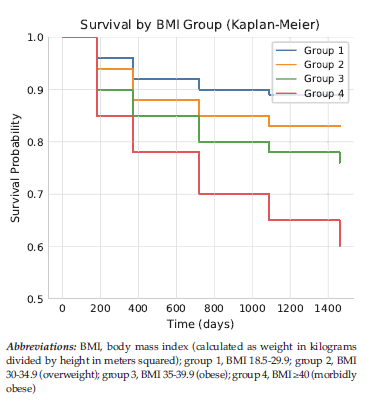
Figure 12. Survival by Body Mass Index Group (Kaplan-Meier Analysis)