Volume: 24 Issue: 5 May 2026
FULL TEXT
Objectives: Early detection of renal allograft compli-cations can prompt immediate treatment to preserve graft function. Radiological evaluation of allograft vascular supply can be achieved with the use of a multimodal approach with Doppler ultrasonography, computed tomography, or magnetic resonance imaging. Although postoperative imaging is common, no consensus exists on the relationship between type of immediate postoperative imaging and short- and long-term graft outcomes.
Materials and Methods: We conducted a systematic review in accordance with Preferred Reporting Items for Systematic Reviews and Meta-Analyses guidance. We searched the EMBASE, Medline, and Cochrane databases for studies published from January 1, 1995, to June 19, 2025. Inclusion criteria included any study that reported results of radiological imaging of the renal allograft obtained within 1 week of the renal transplant procedure.
Results: Search results showed 36 studies that met the inclusion criteria. An average of 2.76 ± 2.39 days was the time between the transplant procedure and the first imaging of the transplanted graft. All included studies described the use of Doppler ultrasonography in the evaluation of the graft function, with magnetic resonance angiography and renal scintigraphy also described. In reports showing radiological measure-ments within 1 week, 11 studies reported a significant relationship between radiological measurements and renal function, and 12 studies reported a significant relationship between radiological measurements and delayed graft function. At the 1 year posttransplant measurements, 8 studies reported that early abnormalities shown in radiological parameters suggested deterioration in long-term renal function measurements.
Conclusions: This systematic review demonstrated the utility of early imaging in the identification of early post-operative allograft complications.
Key words : Arterial, Complications, Imaging, Kidney transplant, Radiology
Introduction
Renal transplantation is the most effective treatment option for patients with end-stage renal disease.1,2 Renal transplantation can improve quality of life of patients and reduce morbidity and mortality compared with dialysis.3 Advancements in surgical practice, medical management, and graft surveillance have contributed to improving success of the procedure and longevity of the graft. Rates of renal transplant have been increasing globally, emphasizing the importance of evidence-based evaluation, surveillance, and maintenance regimens.4-6
Assessments of the postoperative quality of renal allograft arterial perfusion can be made by several modalities, including Doppler ultrasonography, magnetic resonance imaging (MRI), and computed tomography (CT).2,7 Imaging can provide a useful adjunct for identification of acute and chronic transplant complications such as delayed graft function (DGF) and hypoperfusion, which can affect the lifespan of the graft. Multiple imaging modalities may be used to assess renal allograft perfusion, with Doppler ultrasonography as the first-line imaging study posttransplant and CT or MRI or other functional studies as second-line imaging to provide further radiological assessments.8 Despite the use of these well-established methods to assess graft perfusion, their use in the immediate period post-transplant has been unclear. This is potentially due to the use of urine output as a surrogate measure for graft function and the logistical challenges of imaging during immediate patient recovery.
Early detection of renal allograft complications can prompt immediate treatment to preserve graft function.7,9 Postoperative imaging may be performed preemptively or reactively to graft complications. Visualization of the arterial supply of the kidney allograft is vital to identify issues like transplant renal artery stenosis, which requires quick intervention to preserve the graft. Although biochemical tests such as serum creatinine and estimated glomerular filtration rate (eGFR) can be useful in surveillance posttransplant, diagnosis of graft failure requires histopathological and radiological confirmation.10 Early surgical revision of any vascular abnormalities may affect survival and longevity of the allograft. The relationship between immediate radiological findings and postoperative complications and long-term graft function is unclear. There is also an increasing body of evidence that identification of graft dysfunction in the immediate posttransplant period can be predictive of long-term prognosis and survival of the graft, although no specific consensus exists on the best method or the relationship between the method and short- and long-term graft outcomes.
In this systematic review, we aimed to summarize the available literature on assessments of early posttransplant graft perfusion with various imaging modalities. Our goal was to study the relationship between early imaging parameters and long-term outcomes such as renal function, DGF, and graft survival. Amalgamating the available evidence and literature will inform research needs and set directions for future studies.
Materials and Methods
We conducted a systematic review in accordance with Preferred Reporting Items for Systematic Reviews and Meta-Analyses guidance (Figure 1).11 We conducted a search of literature from January 1, 1995, through June 19, 2025, in the EMBASE, Cochrane, and Medline databases. The key com-ponents of our search strategy (Figure 2) include the various imaging modalities (ultrasound, CT, MRI) and kidney transplantation. The study was designed to include any English language studies with papers published after January 1, 1995. Inclusion criteria included any studies reporting results of radiological imaging of the renal allograft obtained within 1 week of the renal transplant procedure. No ethical approval or consent was required for this study.
Two independent reviewers (C.S., Y.A.) comple-ted screening of abstracts and full text, with any conflicts referred to a third senior reviewer (D.H). Exclusion criteria included case reports, nonprimary research (systematic review and meta-analysis), studies on patients that had nonrenal transplants, animal studies, or studies with non-English language text. Full-text extraction that met inclusion criteria were analyzed, and metadata were extracted for each study (C.S., Y.A., and S.S.). Extracted metadata included authors, publication year, radiological, cohort size, patient characteristics, imaging modality, imaging parameter measures, time of imaging from transplant procedure, follow-up period, primary and secondary outcomes, and key findings and outcomes. End-point outcomes included renal function measu-rements at (<3 months and >1 year), graft function (<1 year and >1 year), graft failure, complications, and need for intervention.
Because of the heterogeneity of included study designs and outcome measures, we did not perform a quantitative analysis. The variability in follow-up regimens, patient populations, and reporting of outcomes did not allow for a meta-analysis. A summary of included quantitative data is available in the available data extraction table (Tables 1-4).
We performed risk of bias assessment on included studies with ROBINS-I or the QUADAS tool that included various parameters rated according to the quality of evidence shown (Table 5 and Table 6). We had no quality threshold for the selection of articles.
Results
Figure 1 shows the study exclusion process. Thirty-six studies comprising 5492 renal transplant reci-pients were eligible for inclusion (that is, studies involving radiological imaging of renal transplant grafts within 1 week of the transplant procedure). Of the 36 included studies, 18 studies originated from Europe, 4 from North America, 2 from South America, 2 from Australia, and 10 from Asia. The included studies were published from 2000 through 2025, and 2009 was the year with highest frequency of research publications (n = 7 studies). Studies were subdivided into categories depending on primary reported outcomes: serum creatinine/eGFR/creatinine clearance/renal function (Table 1), delayed graft function (Table 2), graft survival/graft complications (Table 3), and resistive index (RI) (Table 4).
Doppler ultrasonography was used as the primary imaging modality in the early posttransplant period, with 36 studies reporting imaging with Doppler ultrasonography and variations such as echo and color Doppler. Two of the 36 studies also reported use of magnetic resonance angiography, and 2 studies reporting use of technetium-99 diethylene triamine pentaacetic acid (DTPA). The average duration between the transplant procedure and first imaging of the graft was 2.76 ± 2.39 days.
Qualitative synthesis
Several studies reported factors that affected RI measurements immediately posttransplant, including donor and recipient characteristics, operative factors, presence of ischemic injury, and immunosuppressive regimens.12,13 However, no consensus was shown on the utility of immediate RI in terms of its prognostic value, including development of DGF, late renal function, and graft survival.14 Qualitative data on key findings from included studies are listed in Tables 1-4.
Included studies had an overall moderate risk of bias, as shown in scores of ROBINS-I or QUADAS assessments. Risk of bias mainly arose from missing or incomplete data reporting or availability of data. Quality of documentation and selection of partici-pants were also issues, with high attrition rates and participant exclusion because of inadequate quality of methodology or follow-up. Six studies had a high risk of bias, and 16 studies had moderate risk of bias due to inadequate reporting of outcome measures.
Radiological parameters and renal function measurements Eleven studies reported a significant relationship between radiological parameters and renal function parameters (ie, RI, pulsatility index, MRI measurements) measured in the first week and serum creatinine, creatinine clearance, or eGFR measured at different time periods of follow-up as represented in Table 1.15-25
Studies that assessed RI showed a negative correlation between RI values and eGFR or creatinine clearance values at 1-year posttransplant; a higher RI at initial measurement indicated poorer long-term kidney function.16,25 This may represent a change in renal blood flow dynamics and time of ischemia immediately posttransplant, which may have resulted in altered renal function or recovery of the graft. Not all studies that assessed RI reported correlations with renal function parameters in the short- and long-term; 2 studies reported no significant correlation between RI and serum creatinine.16,22
The relationship between RI and renal function parameters may be more apparent with longer follow-up periods; our included studies reported follow-up periods from weeks to years. In studies with shorter follow-up periods, no correlation between RI and serum creatinine at 1 week was shown; however, a correlation was observed at 12 weeks posttransplant in a study of 63 patients, although the sensitivity and predictive value was intermediate.20 Eight studies reported follow-up periods and results at 1 year, with all suggesting a correlation between abnormal radiological findings and poorer renal function measurements at 1 years In magnetic resonance angiography (MRA), severe stenosis correlated with pulsatility index and decreased anterior-posterior diameter or parenchymal thickness correlated with significant increase in serum creatinine.15,17,1,21,24 However, no correlation was reported between day 2/3 RI and serum creatinine at 12 months in a cohort study of 333 patients, with findings corroborated in a retrospective review of 119 patients with day 2 RI measurements.22,26
Resistive index compared with parameters such as renal blood flow from contrast-enhanced ultrasonog-raphy (CEUS), scintigraphy measurements, anterior-posterior kidney diameter or parenchymal thickness, minimum/maximum renal blood flow velocities, and pulsatility index was linked to reduction in serum creatinine over follow-up.15,19-22 In a retrospective review, deterioration of renal function at 1 year posttransplant was related to abnormal Doppler ultrasonography findings at day 5, which may be attributed to the above factors.17 In contrast, 3 studies showed no significant correlation between early RI or MRA-reported mild to moderate stenosis and serum creatinine measured after 12 months.22,24,26 Differences in outcomes may be attributed to differences in study populations, duration of ima-ging posttransplant, and attrition rates. The existing evidence is observational, correlative, and mixed in quality. Although most included papers reported correlations with radiological findings and short-term or longer-term graft renal function at months to year time periods, the strength of these associations and the best modality for prediction remained unclear.
Radiological parameters and delayed graft function/transplant failure
Twelve studies reported DGF as a primary outcome. Delayed graft function is a kidney transplant complication and a form of acute kidney injury necessitating dialysis after transplant. Twelve studies reported a significant association between radiological parameters and DGF.12,13,26-35 With increased RI values measured within the first week, incidence of DGF also increased. Elevated RI measured within 24 hours posttransplant demonstrated a significant association with DGF.28 Elevated RI was also shown to be significantly correlated with graft loss or death outcome in 364 recipients.36 These relationships may be explained by the complex pathophysiology of DGF and radiological parameters indicating vascular compromise or ischemia, which may precipitate DGF in patients.
A “cut-off” RI value of >0.7 measured within the first week posttransplant was significantly correlated with outcomes such as immediate DGF and length of hospital stay in 6 studies but not correlated with long-term graft function or complications.26,30,32-34 Other studies reported RI cut-off values of ≥0.8 within the first 24 hours and RI plus power Doppler value of ≥0.84 correlating with DGF; however, these studies noted the effect of donor comorbidities and operative conditions as affecting immediate RI posttransplant.27 The complexity of preoperative, intraoperative, and postoperative clinical conditions affecting RI values must be considered when assessing the best “cut-off” point for prediction and recognition that the cutoff may vary depending by patient for a clear consensus on a suitable time point.
Resistive index measured intraoperatively has also been described to be related to posttransplant RIs in the immediate postoperative period. Intraoperative RIs have been shown to demonstrate a definite increase in cases where DGF was present.35 Increased RI in the first 14 days was significantly correlated with DGF, with early RI values being associated with increased 1-year survival.12,30 In addition to RI, pulsatility index, absent end-diastolic flow, and power Doppler measurements conferred additional parameters that could differentiate and predict between patient cohorts experiencing DGF.13,27,31 Further research should be conducted to understand why these relationships occur and the best modality for measurements.
Clinical course: graft complications and reintervention
Eleven studies described the relationship between radiological parameters and the clinical course of the renal graft. Resistive index was shown to be related with graft prognosis, and RI >0.7 values were shown in several studies to be associated with graft loss, transplant failure, and mortality.36-38 Immediate radiological imaging could be useful to delineate primary graft dysfunction in the early posttransplant period and to identify patients at high-risk of graft loss or complications.39 A need for immediate intervention was shown after imaging through Doppler ultrasonography within 1 hour post-transplant in 2 patients with transplant ischemia, although RI was not reported in these cases.12 Immediate surgical intervention was required in another study of 27 patients in which RI was reported across a range above and below the 0.7 threshold, with surgical reintervention occurring despite RI values.38 Diagnosis of critical transplant renal artery stenosis in 2 studies led to immediate angiographic and surgical interventions to salvage the grafts.24,40 One study reported use of amylase as a biomarker in combination with RI for diagnosis of DGF.40 Nevertheless, another study reported no relationship between immediate RI and incidence of surgical complications; instead of RI values, immediate Doppler ultrasonography revealed poor perfusion, which was confirmed with CT angiography, leading to immediate surgical intervention.30 Other studies corroborated these findings, reporting that clinical assessment in combination with decreased color Doppler flow was a stronger indicator for reoperation than other parameters.14,41
Use of alternative imaging modalities
Several studies reported use of CEUS for diagnostic and prognostic information of the renal allograft independent of factors such as recipient vascular compliance.15,18,42,43 Use of CEUS distinguished between similar posttransplant complications such as acute tubular necrosis, early transplant renal artery stenosis, and acute rejection episodes.44 Contrast ultrasonography could identify complications such as hematoma and acute rejection episodes. Renal transplant scintigraphy in the early posttransplant period also predicted long-term graft function.22,45
The ability of scintigraphy to predict graft function compared with RI, which may inevitably increase immediately posttransplant, was described in compa-rative studies between RI and scintigraphy parameters, with associations shown between perfusion and renog-raphy curve measures in the early posttransplant period and follow-up levels of serum creatinine and glomerular filtration rate at later time points.28,45
Discussion
This systematic review identified 36 key studies describing immediate posttransplant radiological examination of renal transplant grafts and their relationship with various pretransplant and posttransplant parameters. All included studies reported evaluation of the renal graft with Doppler ultrasonography, which is often the first-line radiological tool used in clinical practice. Most of the studies evaluated RI of the transplanted graft; RI is equal to peak systolic velocity minus end-diastolic velocity divided by the peak systolic velocity. Several studies compared Doppler ultrasonography findings and renal scintigraphy or CEUS scans.
The prognostic value of RI was mixed with regard to the association between immediate RI and long-term outcomes such as graft survival or renal function. A descriptive systematic review examining the prognostic role of RI in kidney transplants demonstrated associations with death, graft failure, and composite graft outcomes.46 Another systematic review evaluating the relationship between RI measured posttransplant or intraoperatively and DGF demonstrated an association between both parameters; however, this link was not translated to significant diagnostic accuracy with a sensitivity of approximately 50%.47 Resistive index can be elevated in the immediate posttransplant period regardless of the function of the graft, and this value is dynamic and can change depending on the posttransplant day and transplant conditions.45 Of note, depending on whether the segmental or interlobular arcuate arteries were used during the examination, slight differences were observed in the measurement of RI values despite not having significant prognostic differences between each parameter.20
Ten of our included studies reported comparisons between Doppler ultrasonography and renal scintig-raphy and CEUS. These additional parameters beyond RI provided additional information to distinguish between different allograft pathologies, with characteristic descriptors of findings from hematomas, acute tubular necrosis, and acute rejection episodes. Immediate imaging can identify posttransplant issues that can be addressed radiologically or surgically to salvage or remove the graft. Although these rates are only reported as proportions of the included cohorts, this early identification of graft failure or stenosis can provide benefits for patients through early reintervention.
Limitations
This systematic review provided an up-to-date synthesis of available literature on immediate posttransplant assessment of the renal transplant graft, providing a broad overview of existing studies of pretransplant and posttransplant factors. The studies focused on RI as a radiological parameter; research on other imaging modalities in the early posttransplant period are limited. Limitations of our review included the lack of formal randomized controlled trials in the included studies; all included studies were observational with limited sample sizes. Inclusion of retrospective studies may have also introduced bias with incomplete data collection. Publication bias was also a limitation, with literature often only reporting if there are statistically signi-ficant findings; our included studies mainly reported significant findings. Incomplete documentation of data such as patient demographics, existing comorbidities, transplant surgical techniques, and immunosup-pressive regimens may have also affected radiological parameters and transplant outcomes. The results of our systematic review may be limited and not generalizable to a global population as only included English language studies were included. We had planned to perform a formal quantitative synthesis; however, because of significant heterogeneity including differences in study design and outcomes between included studies, this was not possible.
Future research in the form of large-scale rando-mized controlled trials with adequate reporting of patient factors, surgical technique, radiological analysis, and standardized measurements of out-comes must be conducted to identify the prognostic value of these radiological parameters.
In conclusion, radiological parameters such as RI can be affected by various pretransplant, perioperative, and posttransplant factors. Although the prognostic value of RI remains unclear in the included studies, immediate postoperative assessment of renal transplant grafts can identify early posttransplant complications that could benefit from rapid intervention.
References:
- Abecassis M, Bartlett ST, Collins AJ, et al. Kidney transplantation as primary therapy for end-stage renal disease: a National Kidney Foundation/Kidney Disease Outcomes Quality Initiative (NKF/KDOQITM) conference. Clin J Am Soc Nephrol. 2008;3(2):471-480. doi:10.2215/cjn.05021107
CrossRef - PubMed - Sugi MD, Joshi G, Maddu KK, Dahiya N, Menias CO. Imaging of renal transplant complications throughout the life of the allograft: comprehensive multimodality review. RadioGraphics. 2019;39(5):1327-1355. doi:10.1148/rg.2019190096
CrossRef - PubMed - Tonelli M, Wiebe N, Knoll G, et al. Systematic review: kidney transplantation compared with dialysis in clinically relevant outcomes. Am J Transplant. 2011;11(10):2093-2109. doi:10.1111/j.1600-6143.2011.03686.x
CrossRef - PubMed - Hariharan S, Rogers N, Naesens M, et al. Long-term kidney transplant survival across the globe. Transplantation. 2024;108(9):e254-e263. doi:10.1097/tp.0000000000004977
CrossRef - PubMed - Boenink R, Kramer A, Tuinhout RE, et al. Trends in kidney transplantation rate across Europe: study from the ERA Registry. Nephrol Dial Transplant. 2023;38(6):1528-1539. doi:10.1093/ndt/gfac333
CrossRef - PubMed - Kramer A, Boenink R, Mercado Vergara CG, et al. Time trends in preemptive kidney transplantation in Europe: an ERA registry study. Nephrol Dial Transplant. 2024;39(12):2100-2112. doi:10.1093/ndt/gfae105
CrossRef - PubMed - Ghonge NP, Goyal N, Vohra S, Chowdhury V. Renal transplant evaluation: multimodality imaging of post-transplant complications. Br J Radiol. 2021;94(1124):20201253. doi:10.1259/bjr.20201253
CrossRef - PubMed - Sjekavica I, Novosel L, Rupčić M, et al. Radiological imaging in renal transplantation. Acta Clin Croat. 2018;57(4):694-712. doi:10.20471/acc.2018.57.04.12
CrossRef - PubMed - Aubert O, Kamar N, Vernerey D, et al. Long term outcomes of transplantation using kidneys from expanded criteria donors: prospective, population based cohort study. BMJ. 2015;351:h3557. doi:10.1136/bmj.h3557
CrossRef - PubMed - Earley A, Miskulin D, Lamb EJ, Levey AS, Uhlig K. Estimating equations for glomerular filtration rate in the era of creatinine standardization: a systematic review. Ann Intern Med. 2012;156(11):785-795. doi:10.7326/0003-4819-156-11-201203200-00391
CrossRef - PubMed - Page MJ, McKenzie JE, Bossuyt PM, et al. The PRISMA 2020 statement: an updated guideline for reporting systematic reviews. BMJ. 2021;372:n71. doi:10.1136/bmj.n71
CrossRef - PubMed - Aschwanden M, Mayr M, Imfeld S, Steiger J, Jaeger KA, Thalhammer C. Rapid adaptation of the intrarenal resistance index after living donor kidney transplantation. Nephrol Dial Transplant. 2009;24(4):1331-1334. doi:10.1093/ndt/gfp016
CrossRef - PubMed - Chudek J, Kolonko A, Król R, Ziaja J, Cierpka L, Więcek A. The intrarenal vascular resistance parameters measured by duplex Doppler ultrasound shortly after kidney transplantation in patients with immediate, slow, and delayed graft function. Transplant Proc. 2006;38(1):42-45. doi:10.1016/j.transproceed.2005.12.013
CrossRef - PubMed - Horrow MM, Parsikia A, Zaki R, Ortiz J. Immediate postoperative sonography of renal transplants: vascular findings and outcomes. AJR Am J Roentgenol. 2013;201(3):W479-W486. doi:10.2214/AJR.12.10310
CrossRef - PubMed - Schwenger V, Hankel V, Seckinger J, et al. Contrast-enhanced ultrasonography in the early period after kidney transplantation predicts long-term allograft function. Transplant Proc. 2014;46(10):3352-3357. doi:10.1016/j.transproceed.2014.04.013
CrossRef - PubMed - Kahraman S, Genctoy G, Cil B, et al. Prediction of renal allograft function with early Doppler ultrasonography. Transplant Proc. 2004;36(5):1348-1351. doi:10.1016/j.transproceed.2004.05.030
CrossRef - PubMed - Garcia-Covarrubias L, Martinez A, Morales-Buenrostro LE, et al. Parameters of Doppler ultrasound at five days posttransplantation as predictors of histology and renal function at one year. Transplant Proc. 2010;42(1):262-265. doi:10.1016/j.transproceed.2009.11.027
CrossRef - PubMed - Lebkowska U, Janica J, Lebkowski W, et al. Renal parenchyma perfusion spectrum and resistive index (RI) in ultrasound examinations with contrast medium in the early period after kidney transplantation. Transplant Proc. 2009;41(8):3024-3027. doi:10.1016/j.transproceed.2009.08.023
CrossRef - PubMed - McArthur C, Geddes CC, Baxter GM. Early measurement of pulsatility and resistive indexes: correlation with long-term renal transplant function. Radiology. 2011;259(1):278-285. doi:10.1148/radiol.10101329
CrossRef - PubMed - Shakeri Bavil A, Mirfakhraei A, Tayebi Khosroshahi H, Chokhachizadeh Moghadam R, Fouladi DF. The inability of an early post-transplantation intrarenal resistive index to predict renal allograft function at 12 weeks after engraftment in young adults. Acta Radiol. 2016;57(11):1402-1408. doi:10.1177/0284185115587321
CrossRef - PubMed - Mohammadi A, Biniaz F, Nikoobakht MR, Barbari GR. Doppler ultrasonographic assessment of early changes in kidney graft size and resistive index and their predictive role on 1-year graft function. Transplant Proc. 2013;45(1):172-174. doi:10.1016/j.transproceed.2012.08.016
CrossRef - PubMed - Yazici B, Oral A, Gokalp C, et al. Evaluation of renal transplant scintigraphy and resistance index performed within 2 days after transplantation in predicting long-term graft function. Clin Nucl Med. 2015;40(7):548-552. doi:10.1097/RLU.0000000000000789
CrossRef - PubMed - Ba S, Halimi JM, Al-Najjar A, et al. Prognostic value of absent end-diastolic flow within the first week following renal transplantation. Transplant Proc. 2009;41(2):645-647. doi:10.1016/j.transproceed.2008.12.006
CrossRef - PubMed - Gufler H, Weimer W, Neu K, Wagner S, Rau WS. Contrast enhanced MR angiography with parallel imaging in the early period after renal transplantation. J Magn Reson Imaging. 2009;29(4):909-916. doi:10.1002/jmri.21726
CrossRef - PubMed - Łebkowska U, Malyszko J, Łebkowski W, et al. The predictive value of arterial renal blood flow parameters in renal graft survival. Transplant Proc. Nov 2007;39(9):2727-2729. doi:10.1016/j.transproceed.2007.08.043
CrossRef - PubMed - Rodrigo E, López-Rasines G, Ruiz JC, et al. Determinants of resistive index shortly after transplantation: independent relationship with delayed graft function. Nephron Clin Pract. 2009;114(3):c178-c186. doi:10.1159/000262300
CrossRef - PubMed - Contti MM, Garcia PD, Kojima CA, Nga HS, de Carvalho MFC, de Andrade LGM. Quantified power Doppler as a predictor of delayed graft function after renal transplantation. Int Urol Nephrol. 2015;47(2):405-412. doi:10.1007/s11255-014-0896-6
CrossRef - PubMed - Mwipatayi BP, Suthananthan AE, Daniel R, et al. Relationship between ‘immediate’ resistive index measurement after renal transplantation and renal allograft outcomes. Transplant Proc. 2016;48(10):3279-3284. doi:10.1016/j.transproceed.2016.09.043
CrossRef - PubMed - Moura-Neto JA, Moura AF, Suassuna JHR, Araújo NC. Determinants of the serial changes in measurements of renal allograft Doppler resistive index in the first postoperative month. J Bras Nefrol. 2020;42(4):461-466. doi:10.1590/2175-8239-jbn-2018-0232
CrossRef - PubMed - Schwarz C, Mühlbacher J, Böhmig GA, et al. Impact of ultrasound examination shortly after kidney transplantation. Eur Surg. 2017;49(3):140-144. doi:10.1007/s10353-017-0467-z
CrossRef - PubMed - Comai G, Baraldi O, Cuna V, et al. Increase in serum amylase and resistive index after kidney transplant are biomarkers of delayed graft function. In Vivo. 2018;32(2):397-402. doi:10.21873/invivo.11252
CrossRef - PubMed - Venkatesh L HR. Is there an association between renal resistance index and early post renal transplant function? J Evid Based Med Healthc 2018;5(24):1842-1845. doi:10.18410/jebmh/2018/384
CrossRef - PubMed:
- Bogaert S, Suchonos N, Mohan PV, et al. Predictive value of the renal resistive index in the immediate postoperative period after kidney transplantation on short- and long-term graft and patient outcomes. J Crit Care. 2022;71:154112. doi:10.1016/j.jcrc.2022.154112
CrossRef - PubMed - Dion MS, McGregor TB, McAlister VC, Luke PP, Sener A. Hypothermic machine perfusion improves Doppler ultrasonography resistive indices and long-term allograft function after renal transplantation: a single-centre analysis. BJU Int. 2015;116(6):932-937. doi:10.1111/bju.12960
CrossRef - PubMed - Thebridge L, Fisher C, Puttaswamy V, Pollock C, Clarke J. Intra-operative and early post-operative cortical resistive indices in renal transplantation: representative values according to graft function and time of scan. WFUMB Ultrasound Open. 2025;3(2):100093. doi:10.1016/j.wfumbo.2025.100093
CrossRef - PubMed:
- Kolonko A, Chudek J, Zejda JE, Wiecek A. Impact of early kidney resistance index on kidney graft and patient survival during a 5-year follow-up. Nephrol Dial Transplant. 2012;27(3):1225-31. doi:10.1093/ndt/gfr424
CrossRef - PubMed - Jeong DS, He W, Shin MH, Choi NK. Resistive index as a predictor of early failure of kidney transplantation. Korean J Transplant. 2019;33(3):55-59. doi:10.4285/jkstn.2019.33.3.55
CrossRef - PubMed - Barba J, Rioja J, Robles JE, et al. Immediate renal Doppler ultrasonography findings (<24 h) and its association with graft survival. World J Urol. 2011;29(4):547-553. doi:10.1007/s00345-011-0666-3
CrossRef - PubMed - Mehrsai A, Salem S, Ahmadi H, et al. Role of resistive index measurement in diagnosis of acute rejection episodes following successful kidney transplantation. Transplant Proc. 2009;41(7):2805-2807. doi:10.1016/j.transproceed.2009.07.050
CrossRef - PubMed - Siskind E, Lombardi P, Blum M, et al. Significance of elevated transplant renal artery velocities in the postoperative renal transplant patient. Clin Transplant. 2013;27(2):E157-E160. doi: 10.1111/ctr.12075
CrossRef - PubMed - Krishnamoorthy S, Gopalakrishnan G, Kekre NS, Chacko N, Keshava S, John G. Detection and treatment of transplant renal artery stenosis. Indian J Urol. 2009;25(1):56-61. doi:10.4103/0970-1591.45538
CrossRef - PubMed - Fischer T, Filimonow S, Dieckhöfer J, et al. Improved diagnosis of early kidney allograft dysfunction by ultrasound with echo enhancer--a new method for the diagnosis of renal perfusion. Nephrol Dial Transplant. 2006;21(10):2921-9. doi:10.1093/ndt/gfl313
CrossRef - PubMed - Grzelak P, Kurnatowska I, Nowicki M, et al. Detection of transplant renal artery stenosis in the early postoperative period with analysis of parenchymal perfusion with ultrasound contrast agent. Ann Transplant. 2013;18:187-94. doi:10.12659/aot.883896
CrossRef - PubMed - Benozzi L, Cappelli G, Granito M, et al. Contrast-enhanced sonography in early kidney graft dysfunction. Transplant Proc. 2009;41(4):1214-1215. doi:10.1016/j.transproceed.2009.03.029
CrossRef - PubMed - Kocabaş B, Aktaş A, Aras M, Işiklar I, Gençoğlu A. Renal scintigraphy findings in allograft recipients with increased resistance index on Doppler sonography. Transplant Proc. 2008;40(1):100-3. doi:10.1016/j.transproceed.2007.11.004
CrossRef - PubMed - Azzouz S, Chen A, Ekmekjian T, Cantarovich M, Baran D, Sandal S. The role of renal resistive index as a prognostic tool in kidney transplantation: a systematic review. Nephrol Dialysis Transplant. 2022;37(8):1552-1565. doi:10.1093/ndt/gfac149
CrossRef - PubMed - Bellos I, Perrea DN, Kontzoglou K. Renal resistive index as a predictive factor of delayed graft function: a meta-analysis. Transplant Rev. 2019/07/01/ 2019;33(3):145-153. doi:10.1016/j.trre.2019.03.003
CrossRef - PubMed - Drudi FM, Pretagostini R, Padula S, et al. Color Doppler Ultrasound in renal transplant: role of resistive index versus renal cortical ratio in the evaluation of renal transplant diseases. Nephron Clin Pract. 2004;98(3):c67-c72. doi:10.1159/000080675
CrossRef - PubMed - Isiklar I, Aktas A, Akgun S, Karakayali H. From donor to recipient: Doppler US, power US and scintigraphy of kidney perfusion before and after transplantation. Acta Radiol. 2000;41(3):285-287. doi:10.1080/028418500127345262
CrossRef - PubMed

Volume : 24
Issue : 5
Pages : 359 - 370
DOI : 10.6002/ect.2026.0009
From the 1Section of Vascular Surgery, Department of Surgery and Cancer, Imperial College London, London, UK; the 2Imperial School of Medicine, Imperial College London, London, UK; the 3Stoke Mandeville Hospital, Buckinghamshire Healthcare NHS Trust, Aylesbury, Buckinghamshire, UK; the 4Newcastle University Medical School, Newcastle University, Newcastle, UK; and the 5Department of Transplant Surgery, Royal Free Hospital, London, UK
Acknowledgements: CLS and BM are supported by Health Education England Specialised Foundation Post and acknowledge infrastructure support for this research from the National Institute for Health Research (NIHR) Imperial Biomedical Research Centre (BRC). The authors have no declarations of potential conflicts of interest.
Corresponding author: David N. Hakim, Section of Vascular Surgery, Department of Surgery and Cancer, Imperial College London, London, UK W6 8RF
E-mail: dnh14@ic.ac.uk
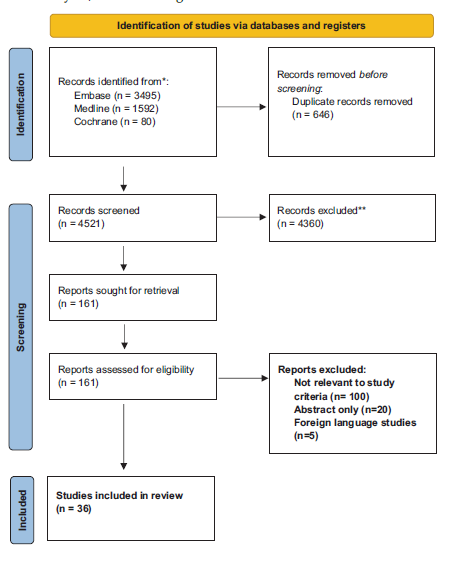
Figure 1. Preferred Reporting Items for Systematic Reviews and Meta-Analyses, 2020 Flow Diagram11
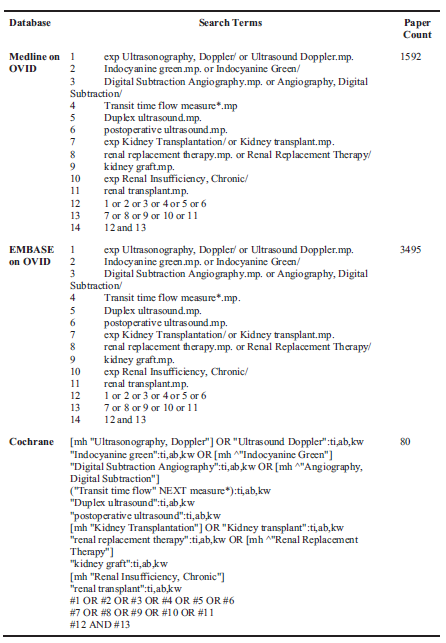
Figure 2. Search Terms Accessed on June 16, 2025
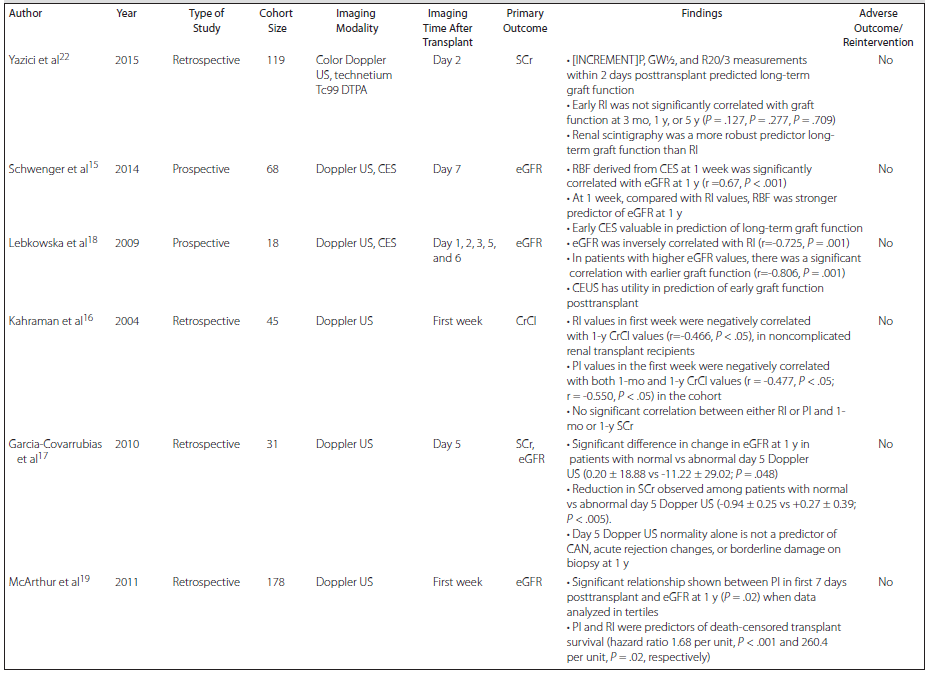
Table 1. Qualitative Synthesis of Included Studies: Serum Creatinine, Estimated Glomerular Filtration Rate, Creatine Clearance, and Renal Function
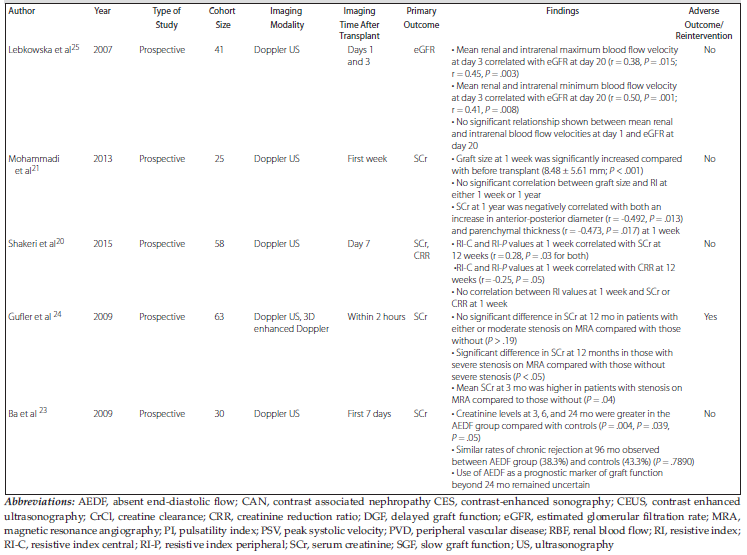
Table 1 (Cont). Qualitative Synthesis of Included Studies: Serum Creatinine, Estimated Glomerular Filtration Rate, Creatine Clearance, and Renal Function
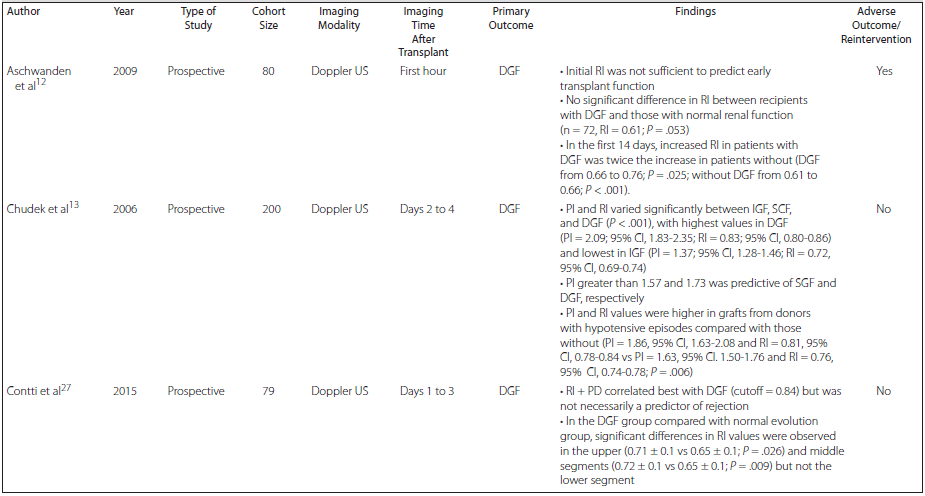
Table 2. Qualitative Synthesis of Included Studies: Delayed Graft Function
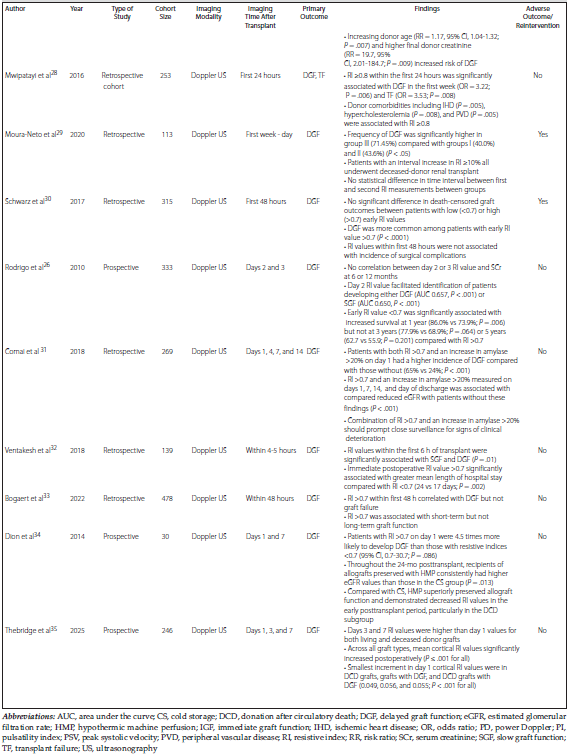
Table 2 (Cont). Qualitative Synthesis of Included Studies: Delayed Graft Function
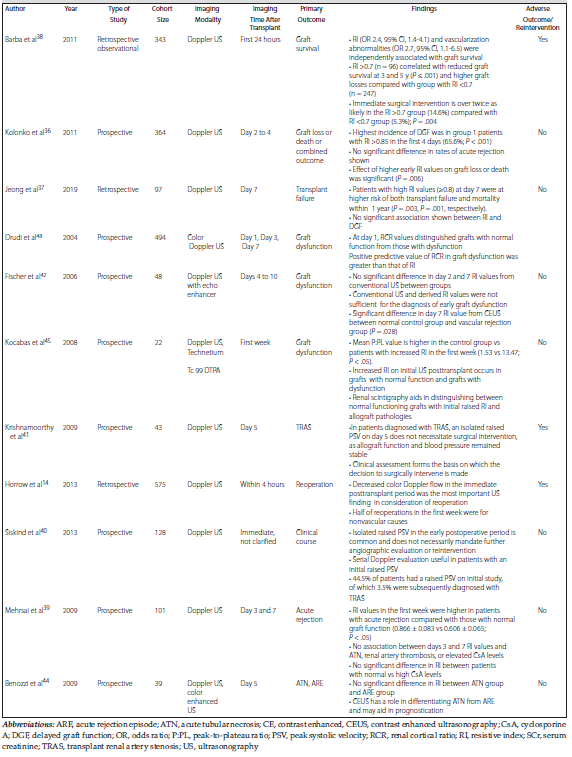
Table 3. Qualitative Synthesis of Included Studies: Graft Survival and Complications
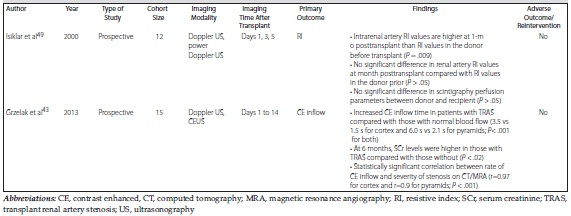
Table 4. Qualitative Synthesis of Included Studies: Radiological Parameters, Including Resistive Index
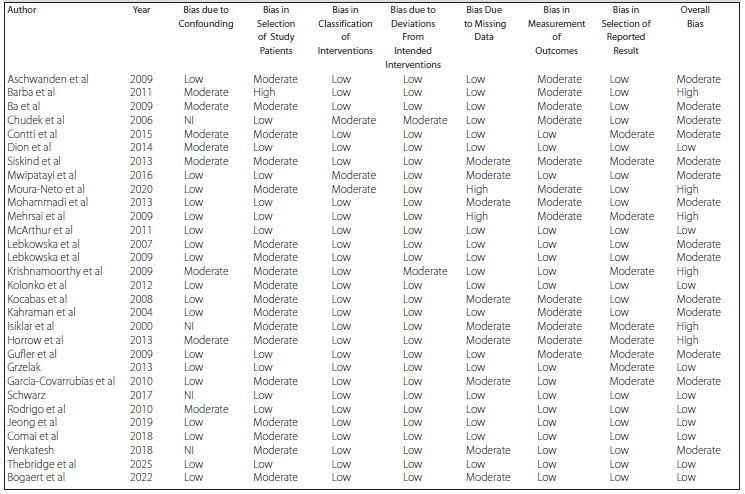
Table 5. Risk of Bias Analysis in Non-randomized Studies of Interventions (ROBINS-I)

Table 6. Risk of bias analysed with QUADAS tool