Volume: 24 Issue: 4 April 2026
FULL TEXT
Predictive Effect of Perioperative Indexes on Scheduled Discharge of Lung Transplant Patients
Objectives: Perioperative factors can influence planned discharge and survival prediction for lung transplant patients. In this study, we retrospectively analyzed perioperative clinical data of lung transplant recipients and assessed the predictive effects of relevant indexes on timely discharge of patients within 90 days post-transplant.
Materials and Methods: We conducted a retrospective study on 81 lung transplant patients seen from March 1, 2017, to March 1, 2024, using data from the hospital information system. We used univariate and multi-variate logistic regression, ROC curve analysis, and Kaplan-Meier survival analysis to analyze periopera-tive indicators. To strengthen the robustness of our findings, we performed external validation.
Results: Univariate logistic analysis showed that preoperative hemoglobin, albumin, blood loss, lactic acid, and postoperative hemoglobin were prognostic factors, whereas multivariate logistic analysis showed that postoperative lactic acid was an independent risk factor (P < .05). A negative correlation was shown between postoperative hemoglobin and lactate (r = -0.433, P < .001). External validation results provided additional confirmation of our study’s findings.
Conclusions: Further analysis and exploration with larger cohort studies are needed to enhance the generalizability and reliability of the findings that showed preoperative hemoglobin, albumin levels, blood loss, lactic acid, and postoperative hemoglobin were factors affecting prognosis and that posto-perative lactic acid level was an independent risk factor discharge status.
Key words : Anemia, Bleeding, Clinical outcome, Hospitalization, Lactic acid
Introduction
Lung transplant is an effective method for treating end-stage pulmonary diseases.1,2 Because of the complexity of the surgery, the lung transplant procedure may result in substantial bleeding.3,4 Recipients of lung transplants often have had end-stage lung diseases such as chronic obstructive pulmonary disease, interstitial lung disease, and pneumoconiosis. These conditions typically have a long disease course and are often accompanied by persistent infections and malnutrition.5,6 In a study from Hernandez and Morgan, the preoperative anemia rate among lung transplant recipients was 54% (n = 183 of 342 lung transplant patients), but only 11% of patients received treatment.7 Preoperative malnutrition has also been linked to poor prognosis.8 Although most lung transplant procedures are time-sensitive, patients in the end stages are often debilitated and frequently have anemia, which can lead to increased hospital stays and mortality rates.9 In this study, we retros-pectively analyzed how perioperative factors influence planned discharge and survival predictions for lung transplant patients, with a focus on preoperative nutritional status, intraoperative bleeding, intra-operative hypoxia, postoperative nutrition, and other factors affecting patients prognosis.
Materials and Methods
Ethical considerations
All lung transplant recipients signed informed consent forms before surgery, and the source of the donor lung was uniformly allocated by the National Organ Transplant Center. These protocols satisfied the requirements of medical ethics of The First Affiliated Hospital of USTC (Hefei, China) (2024-RE-319).
Disease endpoint
The disease endpoint was defined as patients who were not discharged from the hospital within 90 days after surgery. Based on this specific clinical focus, we did not distinguish between the specific reasons for delayed discharge. Regardless of the cause, which is undoubtedly related to poor treatment outcomes, all cases meeting this definition were categorized under this endpoint. To further validate the effectiveness of this definition, we separately constructed models for death, prolonged hospitalization, and functional dependence, as well as a mixed endpoint model. The results indicated that the mixed endpoint model performs better in predicting outcomes (Table 1).
Participants and procedure
We conducted a retrospective analysis of 85 lung transplant recipients seen at The First Affiliated Hospital of USTC (Anhui Provincial Hospital) from March 1, 2017, to March 1, 2024. Ultimately, 81 cases were included, comprising 69 males and 12 females, based on the inclusion criteria: (1) first-time lung transplant recipients, (2) recipients of heart death organ donation or brain death organ donation for lung transplant, and (3) recipients aged ≥18 years. Exclusion criteria were as follows: (1) use of extracorporeal membrane oxygenation (ECMO) and mechanical ventilation before transplant, (2) preo-perative complications of immune system disease or blood system disease, (3) use of anticoagulant agents before surgery, and (4) critical state before surgery, with rescue lung transplant performed by using ECMO before surgery.
Criteria for discharge were as follows: controlled condition, no need for mechanical ventilation, improved dyspnea, ability to get out of bed and care for oneself, no need for oxygen at rest, and no need for continued hospitalization. Poor prognosis was defined as presence of one or more of the following: death, need for mechanical ventilation, unrelieved dyspnea, continuous oxygen use at rest, dependence on others for assistance, or severe impairment due to complications.
External validation
To strengthen the robustness of our findings, we performed external validation in response to the reviewer’s suggestion. The external validation cohort consisted of 270 patients from Wuxi People’s Hospital (2023-2025), with 93 outcome events. This cohort was analyzed using the same perioperative factors and modeling approach as the primary study.
Variable selection
We collected data from the medical records of study patients via the hospital information system, including patient factors before transplant (preoperative hemog-lobin, albumin, coagulation index, and platelet level); operative factors (amount of blood loss, based on surgical records); postoperative factors (postoperative lactic acid level, postoperative hemoglobin); and prognosis data (90-day survival rate and hospital discharge rate within 90 days). We then selected the following factors as research variables: fibrinogen, prothrombin time, activated partial thrombin time, platelet count, preoperative hemoglobin, preopera-tive albumin, intraoperative blood loss, postope-rative lactate, and postoperative hemoglobin. All postoperative study factors were measured within a uniform time frame (within 24 hours).
Statistical analyses
We used SPSS version 27.0 (IBM) for statistical analyses. We presented continuous variables as means ± SD and categorical variables as frequencies and percentages. We compared groups with the t
test, Mann-Whitney test, or Pearson χ2 test, as appropriate. We used univariate and multifactorial logistic regression to analyze risk factors for delayed hospital discharge within 90 days. The receiver ope-rating characteristic curve was drawn for the influencing factors, and we calculated cut-off value and area under curve (AUC). We used Kaplan-Meier curves to depict survival and used the Pearson correlation coefficient to analyze the relationship between postoperative hemoglobin and lactate.
P < .05 was considered statistically significant.
Results
Patients characteristics
Among the 81 lung transplant patients included
in this study, 38 had silicosis, 24 had interstitial pneumonia, 7 had bronchiectasis, 6 had chronic obstructive pulmonary disease, 4 had idiopathic pulmonary fibrosis, 1 had connective tissue disease, and 1 had lymphangiomyomatosis. Twenty-three patients were in the low hemoglobin group (<120 g/L) and 58 patients had hemoglobin ≥120 g/L. Intra-operative blood loss was less than 800 mL in 45 patients and greater than 800 mL in 36 patients. The 90-day survival rate was 85.2% (69 of 81 patients). Within 90 days, 48 patients recovered well and were discharged on schedule, 11 died, and the other 22 had poor prognosis, including 3 patients who could not walk after lower limb ischemia after ECMO, 5 patients who breathed assisted by tracheotomy ventilator, and 14 patients who still relied on continuous oxygen inhalation in the resting state and needed continuous treatment in the hospital (Table 2).
No significant differences were shown between patients who were discharged on schedule and those who were not in preoperative hemoglobin, preoperative albumin, blood loss, postoperative lactate, and postoperative hemoglobin (P < .05) (Table 3).
Logistic analysis results for failing to leave hospital within 90 days
Preoperative hemoglobin (protective factor), albumin (protective factor), postoperative hemoglobin (protective factor), blood loss (risk factor), and postoperative lactic acid (risk factor) were identified as factors affecting patients leaving the hospital within 90 days (P < .05). Lactic acid was found to be an independent risk factor for a patient not leaving the hospital on time (P < .05) (Table 4).
Receiver operating characteristic curve analyses
With preoperative hemoglobin >122.5 g/L as the cut-off value, the sensitivity and specificity of preo-perative hemoglobin for predicting successful discharge were 80.9% and 51.6%, and the AUC was 0.658. With preoperative albumin >35.85 g/L as the cut-off value, the sensitivity and specificity of preoperative albumin for predicting successful discharge were 83.0% and 48.4%, and AUC was 0.658. With intraoperative bleeding <700 mL as the cut-off value, the sensitivity and specificity of intraoperative bleeding for predicting successful discharge were 67.7% and 70.2%, and the AUC was 0.731. With lactic acid <3.75 mmol/L as the cut-off value, the sensitivity and specificity of lactic acid for predicting successful discharge were 64.5% and 80.9%, and the AUC was 0.751. With postoperative hemoglobin >102.5 g/L as the cut-off value, the sensitivity of postoperative hemoglobin for predicting successful discharge was 55.3%, the specificity was 90.3%, and the AUC was 0.732. When the above combined indexes were met at the same time, the sensitivity of combined indexes for predicting successful discharge was 93.5%, the specificity was 74.5%, and the AUC was 0.859 (Table 5; Figure 1).
Survival analyses
Figure 2A shows that the 90-day survival rate was significant at a postoperative lactate threshold of
3.75 mmol/L (odds ratio [OR] = 6.738, P = .002). Figure 2B indicates that survival rate was significantly associated when patients did not have any of the risk factors before or during surgery (including preope-rative anemia, preoperative hypoproteinemia, or intraoperative blood loss exceeding 700 mL) (OR = 3.347, P = .044). Figure 2C suggests that a high postoperative hemoglobin level (>102.5 g/L) was significantly associated with survival rate (OR = 5.535, P = .005). Figure 3 shows a negative correlation between postoperative he-moglobin with lactate (r = -0.433, P < .001) (Figure 3).
External validation
Preoperative hemoglobin (protective factor), albumin (protective factor), postoperative hemoglobin (protective factor), blood loss (risk factor), and postoperative lactic acid (risk factor) were identified as factors affecting not leaving the hospital within 90 days (P < .05). Lactic acid was found to be an independent risk factor for not leaving the hospital on time (P < .05) (Table 6).
With preoperative hemoglobin >124.5 g/L as the cut-off value, sensitivity and specificity for predicting successful discharge were 85.8% and 47.1% and
the AUC was 0.645. With preoperative albumin >35.42 g/L, the sensitivity and specificity were 81.1% and 50.0% and the AUC was 0.667. For intraoperative blood loss <741.85 mL, the sensitivity and specificity were 64.5% and 75.0% and the AUC was 0.734. With postoperative lactate <3.72 mmol/L, the sensitivity and specificity were 63.7% and 84.4%, and the AUC was 0.696. For postoperative hemoglobin >104.36 g/L, the sensitivity was 54.0%, specificity was 91.1%, and the AUC was 0.746. When these combined indexes were met simultaneously, the sensitivity was 96.6%, the specificity was 78.4%, and the AUC was 0.813 (Table 7).
Discussion
Preoperative anemia, hypoproteinemia, blood loss, and postoperative hemoglobin levels can affect patient outcomes; However, lactate levels within the first 24 hours were identified as an independent risk factor influencing discharge status. Elevated lactate levels also serve as markers for predicting disease progression.10,11 Increased lactate levels were independently associated with prolonged intubation time, postoperative acute kidney injury, and longer hospital stays.12 A lactate level of 2.0 mmol/L at 72 hours after ECMO initiation could predict 30-day mortality.13 Fessler and colleagues reported that a lactate level below the 2.6 mmol/L threshold at the end of surgery has a high negative predictive value for grade 3 primary graft dysfunction by postoperative day 3.14,15 The critical value for lactate levels was ≥2.9 mmol/L, with a sensitivity of 74.07% and a specificity of 78.57% (P < .001). Consistent with pre-vious studies, postoperative lactate levels in our study suggested that intraoperative ischemia and hypoxia and are important indicators for assessing prognosis.
Patients with good preoperative nutritional status and minimal blood loss have higher survival rate. Before surgery, anemia and hypoproteinemia can weaken the patient; thus, addressing these issues and strictly controlling intraoperative bleeding are critical. Patients who met all 3 conditions (no anemia, no hypoproteinemia, and blood loss less than 700 mL) had better prognosis. Hernandez-Morgan and col-leagues found that anemia was a risk factor for postoperative reoperation due to significant blood loss requiring hemostasis (OR 4.89; P = .007).7 Lung transplant involves significant blood loss and trauma, and massive hemorrhage can lead to increased blood transfusions. Patients requiring extensive transfusions had significantly increased risk of primary graft dysfunction, longer stays in the intensive care unit, greater need for mechanical ventilation and ECMO support, higher mortality, and greater incidence of overall adverse events.16,17
Large blood loss during lung transplant surgery is an independent risk factor affecting 1-year survival rates after transplant.18 Giménez-Milà and colleagues reported a median blood loss of 800 mL (range, 500-1238 mL) in 341 lung transplant procedures.19 Anemic patients have a higher rate of ECMO use, and inves-tigators suggested that ECMO increases the risk of bleeding.20,21 Zhao and colleagues reported that median blood loss for patients using ECMO was 2000 mL (range, 1400-4000 mL) compared with 800 mL (range, 400-1500 mL) for those not using ECMO, with a significant difference.20 Wu and colleagues reported 357 of 528 lung transplant patients with insignificant to moderate bleeding and 171 with severe bleeding.22 Postoperatively, patients with severe to massive bleeding within 72 hours had a higher incidence of primary graft dysfunction grade 3, longer hospital stays, higher mortality rates at 30 days and 1 year, increased need for postope-rative ECMO, reintubation for more than 48 hours, tracheotomy, reintervention, and higher rates of dialysis.
The presence of anemia and hypoproteinemia can further increase the risk of death. Therefore, it is essential to prepare thoroughly before surgery, prevent bleeding during the procedure, and ensure that patients meet the requirements for hemoglobin, albumin, and postoperative blood loss.
In a study from Zhao and colleagues of 26 049 patients, postoperative hemoglobin levels following major noncardiac surgery were nonlinearly associated with ischemic complications or mortality, without any clinically important interaction with patient sex.23 In a review from Li and colleagues, incidence of posto-perative anemia in cardiac surgery was reported to vary from 29% to 94% across different studies.24 Nonetheless, the body of evidence has suggested that postoperative anemia is a common and an inde-pendent risk factor for adverse postoperative outcomes such as acute kidney injury, stroke, mortality, and functional impairment. Postoperative hemoglobin and lactate have been studied as independent risk factors for intestinal ischemia after abdominal aortic aneurysm rupture, revealing a correlation between the 2.25
In our study, postoperative hemoglobin levels above 102 g/L were associated with a 100% survival rate at 90 days. Higher postoperative hemoglobin levels also indicated that patients had a better baseline status before surgery, experienced less intraoperative bleeding, and faced no occurrence of intraoperative ischemia and hypoxia. Conversely, lower postoperative hemoglobin levels could lead to ischemia and hypoxia, elevated lactate levels, and impose hypoxic stress on various organs, thus affecting patient survival.
Our external validation results were consistent with the previous findings, further supporting the robustness and reliability of the model. Specifically, the AUC values for key perioperative indicators such as preoperative hemoglobin, preoperative albumin, intraoperative blood loss, postoperative lactate, and postoperative hemoglobin were in line with the original results. For example, the AUC for postope-rative lactate was 0.751 in the original analysis and 0.696 in the external validation, whereas the combined index also demonstrated high sensitivity (96.6%) and specificity (78.4%) in both datasets.
This study had several limitations. First, we did not differentiate between death and other reasons for delayed discharge, as all cases meeting this definition were considered the same endpoint. Our focus was on timely discharge rather than the specific reasons for delay. Although the results of the mixed endpoint modeling are promising, there may still be hetero-geneity in the case outcomes. Second was the single-center design, which may limit the generalizability of the findings to broader populations. Third, the exploratory and retrospective nature of the study may introduce potential biases, such as incomplete data and the inability to establish causality, which should be considered when interpreting the results. Fourth, our sample size was relatively small compared with the number of influencing factors considered. While the results are promising, the robustness of the findings may lack sufficient persuasive power. Fifth, the cut-off values were derived from the same dataset. Therefore, the cut-offs are exploratory and hypothesis-generating. Although external validation has strengthened the credibility of the model, further analysis and exploration with larger cohort studies are needed to enhance the generalizability and reliability of the findings.
In conclusion, preoperative hemoglobin, albumin levels, blood loss, lactic acid, and postoperative hemoglobin are factors that affect prognosis, with postoperative lactic acid level being an independent risk factor for short-term adverse postoperative outcomes. The combined index offers a certain level of accuracy in predicting prognosis.
References:
- Loor G, Mattar A, Schaheen L, Bremner RM. Surgical complications of lung transplantation. Thorac Surg Clin. 2022;32(2):197-209. doi:10.1016/j.thorsurg.2022.01.003
CrossRef - PubMed - Capuzzimati M, Hough O, Liu M. Cell death and ischemia-reperfusion injury in lung transplantation. J Heart Lung Transplant. 2022;41(8):1003-1013. doi:10.1016/j.healun.2022.05.013
CrossRef - PubMed - Shepherd HM, Hachem RR, Witt CA, et al. Bleeding and thrombotic complications associated with anticoagulation prior to lung transplantation: a case series. J Thorac Dis. 2022;14(8):2917-2926. doi:10.21037/jtd-22-300
CrossRef - PubMed - Maegele M. Challenges to improving patient outcome following massive transfusion in severe trauma. Expert Rev Hematol. 2020;13(4):323-330. doi:10.1080/17474086.2020.1733404
CrossRef - PubMed - Nosotti M, Ferrari M. Nutritional status and lung transplantation: an intriguing problem. Ann Transl Med. 2020;8(3):44. doi:10.21037/atm.2019.12.62
CrossRef - PubMed - Wang X, Hu W, Zhang J. Advances in pathophysiology and assessment methods of chronic obstructive pulmonary disease with frailty. Chin Med J Pulm Crit Care Med. 2025;3(1):22-28. doi:10.1016/j.pccm.2025.02.002
CrossRef - PubMed - Hernandez-Morgan M, Neelankavil J, Grogan T, Hong B, Wingert T, Methangkool E. Preoperative anemia as a risk factor for postoperative outcomes in patients undergoing lung transplantation. J Cardiothorac Vasc Anesth. 2021;35(8):2311-2318. doi:10.1053/j.jvca.2020.10.045
CrossRef - PubMed - Wang W, Chen Y, Yang T, et al. The effect of nutritional status on clinical outcome in lung transplantation. Asia Pac J Clin Nutr. 2022;31(4):636-641. doi:10.6133/apjcn.202212_31(4).0007
CrossRef - PubMed - Lanigan M, Wilkey A. Current concepts in evaluation and management of preoperative anaemia in patients undergoing thoracic surgery. Curr Opin Anaesthesiol. 2023;36(1):89-95. doi:10.1097/ACO.0000000000001214
CrossRef - PubMed - Nguyen AV, Haas D, Bouchard M, Quon BS. Metabolomic biomarkers to predict and diagnose cystic fibrosis pulmonary exacerbations: a systematic review. Front Pediatr. 2022;10:896439. doi:10.3389/fped.2022.896439
CrossRef - PubMed - Xuan C, Gu J, Xu Z, Chen J, Xu H. A novel nomogram for predicting prolonged mechanical ventilation in lung transplantation patients using extracorporeal membrane oxygenation. Sci Rep. 2024;14(1):11692. doi:10.1038/s41598-024-62601-2
CrossRef - PubMed - Worrell SG, Haug K, Dubovoy A, Lin J, Engoren M. Is lactic acidosis after lung transplantation associated with worse outcomes? Ann Thorac Surg. 2020;110(2):434-440. doi:10.1016/j.athoracsur.2020.02.046
CrossRef - PubMed - Trejnowska E, Skoczynski S, Swinarew AS, et al. Value, time and outcomes of elevated lactate levels in adult patients on extracorporeal membrane oxygenation. Perfusion. 2024;39(1):124-133. doi:10.1177/02676591221130177
CrossRef - PubMed - Fessler J, Vallee A, Guirimand A, et al. Blood lactate during double-lung transplantation: a predictor of grade-3 primary graft dysfunction. J Cardiothorac Vasc Anesth. 2022;36(3):794-804. doi:10.1053/j.jvca.2021.10.043
CrossRef - PubMed - Aksoy T, Arslan AH, Ugur M, Ustunsoy H. Lactate and lactate clearance are predictive factors for mortality in patients with extracorporeal membrane oxygenation. Braz J Cardiovasc Surg. 2024;39(2):e20230091. doi:10.21470/1678-9741-2023-0091
CrossRef - PubMed - Pena JJ, Bottiger BA, Miltiades AN. Perioperative management of bleeding and transfusion for lung transplantation. Semin Cardiothorac Vasc Anesth. 2020;24(1):74-83. doi:10.1177/1089253219869030
CrossRef - PubMed - Siddiqui AS, Shakil J. Impact of blood products transfusion on patients in the immediate post-lung transplant period: a cohort study. Ann Transplant. 2024;29:e943652. doi:10.12659/AOT.943652
CrossRef - PubMed - Lv J, Zhou M, Wei D, Zhang C, Chen J, Ye S. Analysis of high-risk factors for early pulmonary bacterial infection after lung transplantation and their correlation with long-term mortality. Am J Transl Res. 2024;16(9):4988-4995. doi:10.62347/ILKV4550
CrossRef - PubMed - Gimenez-Mila M, Videla S, Pallares N, et al. Impact of surgical technique and analgesia on clinical outcomes after lung transplantation: a STROBE-compliant cohort study. Medicine (Baltimore). 2020;99(46):e22427. doi:10.1097/MD.0000000000022427
CrossRef - PubMed - Zhao Y, Su Y, Duan R, et al. Extracorporeal membrane oxygenation support for lung transplantation: initial experience in a single center in China and a literature review. Front Med (Lausanne). 2022;9:950233. doi:10.3389/fmed.2022.950233
CrossRef - PubMed - Savage N, Wayne S, Doi A, et al. Disclosing all complications of lung transplantation on ECMO. J Heart Lung Transplant. 2023;42(7):1002-1003. doi:10.1016/j.healun.2023.03.013
CrossRef - PubMed - Wu KA, Kim JK, Rosser M, Chow B, Bottiger BA, Klapper JA. The impact of bleeding on outcomes following lung transplantation: a retrospective analysis using the universal definition of perioperative bleeding. J Cardiothorac Surg. 2024;19(1):466. doi:10.1186/s13019-024-02952-z
CrossRef - PubMed - Zhao BC, Xie YS, Luo WC, et al. Postoperative haemoglobin and anaemia-associated ischaemic events after major noncardiac surgery: a sex-stratified cohort study. J Clin Anesth. 2024;95:111439. doi:10.1016/j.jclinane.2024.111439
CrossRef - PubMed - Li MM, Miles S, Callum J, Lin Y, Karkouti K, Bartoszko J. Postoperative anemia in cardiac surgery patients: a narrative review. Can J Anaesth. 2024;71(3):408-421. doi:10.1007/s12630-023-02650-9
CrossRef - PubMed - Urbonavicius S, Feuerhake IL, Srinanthalogen R, et al. Value of routine flexible sigmoidoscopy and potential predictive factors for colonic ischemia after open ruptured abdominal aortic aneurysm repair. Medicina (Kaunas). 2020;56(5)doi:10.3390/medicina56050229
CrossRef - PubMed

Volume : 24
Issue : 4
Pages : 335 - 342
DOI : 10.6002/ect.2025.0292
From the 1Department of Geriatric Respiratory and Critical Care Medicine, The First Affiliated Hospital of Anhui Medical University, Hefei, China; and the 2Department of Rehabilitation, the 3Department of Thoracic Surgery, and the 4Department of Intensive Care Unit, The First Affiliated Hospital of USTC, Division of Life Sciences and Medicine, University of Science and Technology of China, Hefei, China
Acknowledgements: This work was supported by 2023 Anhui Province Clinical Medical Research Transformation Project (grant No. 202304295107020044) and 2021 Anhui Medical University Pre-clinical and Discipline Co-construction Project (Grant No. 2021lcxk005). The authors have no declarations of potential conflicts of interest.
Corresponding author: Xiaoyun Fan, Department of Geriatric Respiratory and Critical Care Medicine, The First Affiliated Hospital of Anhui Medical University, No 218 Jixi Road, Hefei, 230001, Anhui, China
Phone: +86 139 56988552 E-mail: xiaoyunfan@ahmu.edu.cn
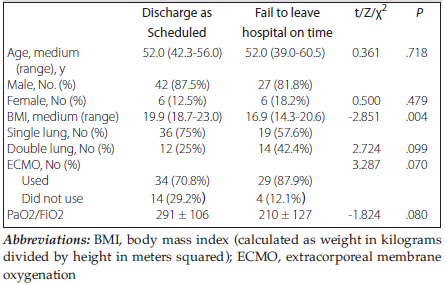
Table 1. Characteristics of Study Patients
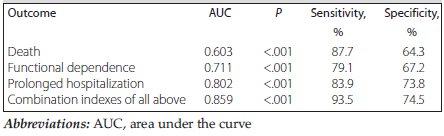
Table 2. Sensitivity Analysis of the Mixed Endpoint and Categorical Endpoints of Patients
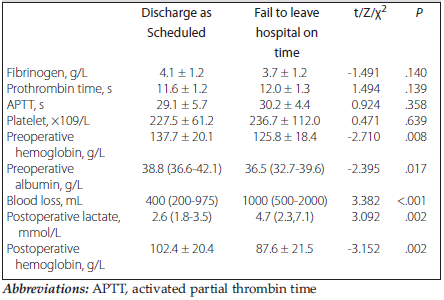
Table 3. Perioperative Factors of Study Patients
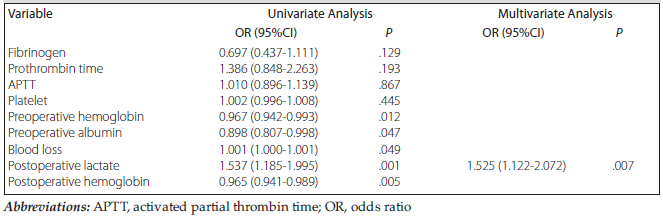
Table 4. Logistic Analysis Results Affecting Not Leaving Hospital on Time After Lung Transplant
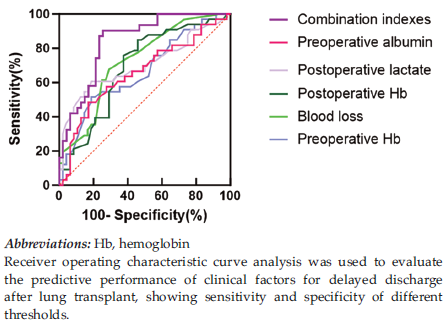
Figure 1. Receiver Operating Characteristic Curve Analysis Results Affecting Failing to Leave Hospital on Time After Lung Transplant
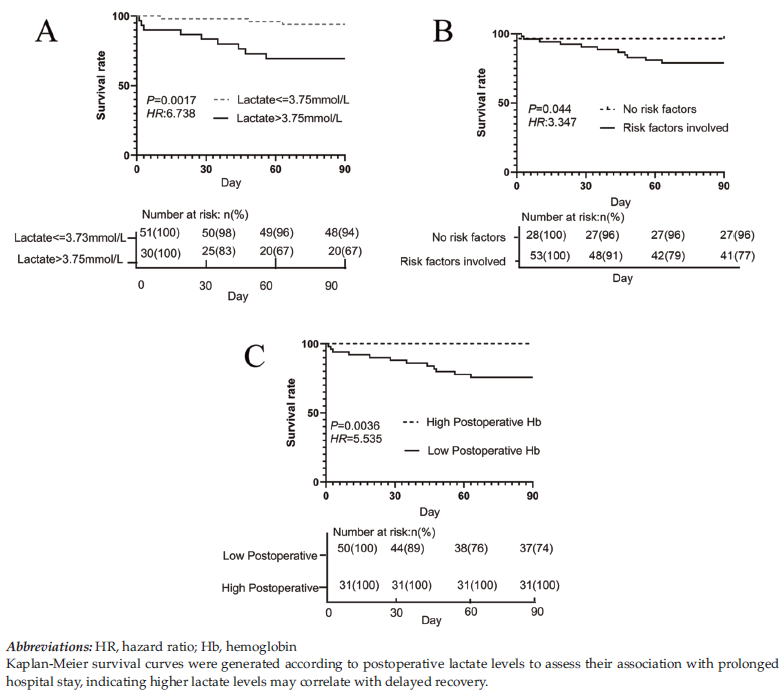
Figure 2. Survival Analysis Results Based on Postoperative Lactate Levels Affecting Not Leaving Hospital on Time After Lung Transplant
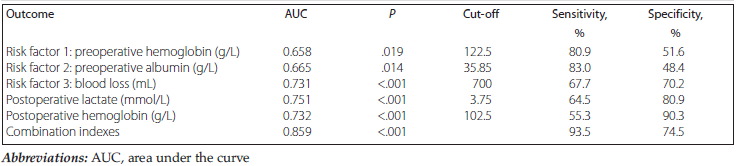
Table 5. Receiver Operating Characteristic Curve Analysis Results Affecting Not Leaving Hospital on Time After Lung Transplant
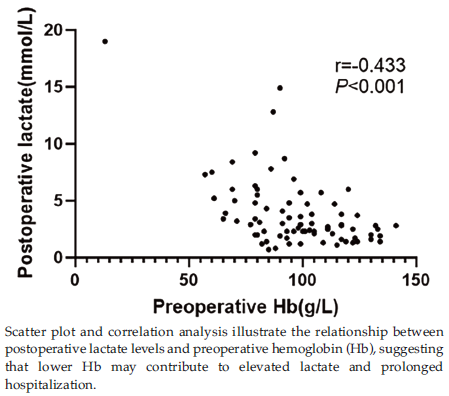
Figure 3. Correlation Between Postoperative Lactate Levels and Preoperative Hemoglobin Affecting Not Leaving Hospital on Time After Lung Transplant
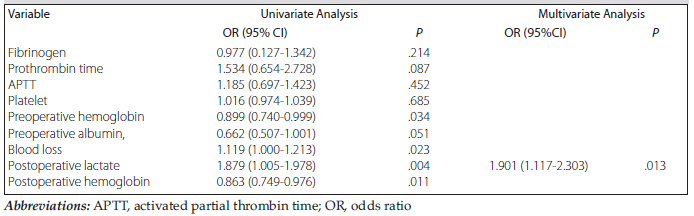
Table 6. Logistic Analysis Results of External Validation of Variables Affecting Not Leaving Hospital on Time After Lung Transplant
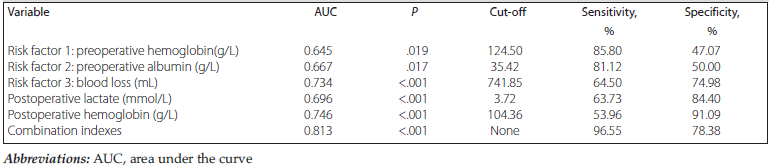
Table 7. Receiver Operating Characteristic Curve Analysis of External Validation