Volume: 24 Issue: 2 February 2026
FULL TEXT
Reproductive Health After Kidney Transplantation: Insights Into Infertility and Assisted Techniques
Fertility challenges are significantly more prevalent among individuals with chronic kidney disease compared with healthy populations. Kidney transplant often restores reproductive potential and makes parenthood attainable for many recipients; however, a considerable proportion remains infertile. This infertility is multifactorial, arising from sexual dysfunction, hormonal disturbances, and uremia-induced gonadal toxicity. Patients should be counseled on potential adverse effects of medications for fertility, pregnancy progression, and fetal health. Interdisciplinary care is particularly important for infertile graft recipients, especially women, to safeguard both transplant function and maternal well-being during pregnancy. Evidence indicates that, with appropriate management, parenthood after transplant can be safe and successful, and the risk of congenital anomalies in children of male recipients is comparable to baseline population rates. Assisted reproductive technologies, including in vitro fertilization, have demonstrated effectiveness in this group, although tailored protocols are essential to prevent complications such as ovarian hyperstimulation syndrome. Current evidence on use of assisted repro-ductive technology in kidney transplant recipients is largely limited to case reports and small studies, underscoring the need for larger, standardized investigations. Here, we provide an overview of reproductive challenges in kidney transplant patients, with a focus on infertility, and highlight emerging strategies in fertility preservation and management aimed at improving clinical outcomes.
Key words : Assisted reproductive technology, Chronic kidney disease, Fertilization in vitro, Fertility preservation, Pregnancy
Introduction
Infertility is a well-recognized complication of chronic kidney disease (CKD), affecting both men and women through disruption of the hypothalamic-pituitary-gonadal (HPG) axis.1 In women with advanced CKD, menstrual disturbances such as irregular cycles, anovulation, and amenorrhea affect approximately 50% to 60% of patients, largely driven by hormonal dysregulation, hyperprolactinemia, and the accu-mulation of uremic toxins.2 Men with CKD frequently exhibit hypogonadism, erectile dysfunction, and impaired spermatogenesis, all of which contribute to diminished reproductive capacity.3 Beyond infertility, CKD is strongly associated with adverse pregnancy outcomes, including preterm delivery, gestational hypertension, anemia, and low birth weight.4
Kidney transplantation (KT) offers a potential avenue for fertility restoration in individuals with end-stage kidney disease (ESKD).5 Successful transplant often reverses endocrine abnormalities, enabling women to regain regular menstrual cycles and men to recover sexual function.6 For female transplant recipients, the ability to conceive represents not only a return to physiological normalcy but also the ful-fillment of personal and family aspirations previously constrained by disease.7 Fertility recovery further reflects improved overall health and graft stability, underscoring the restoration of metabolic and hormonal balance. Nevertheless, the ability for spontaneous conception after KT remains limited.8 Pregnancy is typically deferred until graft function stabilizes, a delay that frequently coincides with advan-cing maternal age and reduced ovarian reserve.9 Consequently, pregnancy rates among transplant recipients remain lower than in the general population.10 Persistent menstrual irregularities in women4 and ongoing hypogonadism or impaired spermatogenesis in men11 further contribute to reduced fertility. Registry data have shown that unadjusted pregnancy rates within the first 3 years posttransplant are approximately 33 per 1000 women, nearly 3-fold lower than in healthy counterparts.12 Moreover, transplant recipients face unique challenges, including the effects of immunosuppressive therapy,13 risk of graft dysfunction,14 and heightened maternal-fetal complications such as hypertension, preeclamp-sia, and preterm birth.15 To optimize outcomes, careful timing and multidisciplinary management are essential.16
Assisted reproductive technologies (ART) thus provide an important alternative, helping patients overcome residual infertility and age-related decline while allowing conception under medically con-trolled conditions. Techniques such as in vitro fertilization (IVF), intracytoplasmic sperm injection (ICSI), and ovulation induction can be tailored to minimize risks associated with immunosuppressive therapy and comorbidities. Until recently, data on ART outcomes in KT recipients were scarce. A landmark registry study by Shah and colleagues,17 which analyzed 130 ART pregnancies in 77 recipients across North America, demonstrated elevated risks of hypertensive disorders and preterm delivery, emphasizing the need for individualized fertility counseling and vigilant monitoring. Given the limited number of large-scale studies, concerns about publication bias remain, potentially underestimating the risks of assisted conception in this population. Ultimately, the primary goal of ART in transplant recipients must be to achieve healthy pregnancies while safeguarding maternal well-being, fetal development, and graft integrity. In this review, we aimed to provide a comprehensive overview of the reproductive challenges faced by KT recipients, with a focus on infertility, and to highlight emerging strategies in fertility preservation and infertility management, with the overarching goal of impro-ving clinical outcomes in this unique patient group.
Methods of Literature Search
A systematic and comprehensive literature search was conducted across multiple electronic databases, including PubMed, Medline, Scopus, and Web of Science, to capture both seminal and recent research addressing fertility impairment among KT recipients. The search covered publications from January 1968 through February 2025. A combination of Medical Subject Headings (MeSH) and free-text terms was employed, with logical operators (AND, OR) applied to refine the search strategy. Key words included, but were not limited to, chronic kidney disease, infertility, sex hormones, reproductive dysfunction, gonadal axis, female infertility, male infertility, menstrual irregularities, hypogonadism, KT, assisted reproductive techniques, in vitro fertilization, and new treatment strategies.
Inclusion criteria were as follows: (1) peer-reviewed original research articles, systematic reviews, or meta-analyses; (2) studies involving human subjects who underwent KT; (3) publications addressing the reproductive health challenges, infertility, diagnosis, management, or patient and graft outcomes in infertile KT recipients; and (4) articles published in English. Exclusion criteria were as follows: (1) conference abstracts without full text, case reports with insufficient detail, editorials, and commentaries; and (2) studies focusing solely on non-renal organ transplant without relevant KT data.
Two reviewers independently screened titles and abstracts to identify potentially relevant studies, followed by a full-text review (Figure 1). Reviewers resolved any discrepancies through discussion or, when necessary, consultation with a third reviewer. Reviewers manually searched reference lists of all included studies to identify additional eligible articles. Data extraction was performed to synthesize evidence for this descriptive review, focusing on study design, population characteristics, diagnostic criteria, interventions, outcomes, and key findings. The methodological quality of included studies was not formally appraised, consistent with the narrative review design.
Infertility in Women With Chronic Kidney Disease
Infertility in women with CKD is multifactorial, involving neuroendocrine suppression, hormonal imbalance, and premature ovarian aging. These mechanisms explain the rarity of pregnancy in women with advanced CKD. Women with CKD experience profound disturbances in reproductive physiology, primarily because of disruption of the hypothalamic-pituitary-ovarian axis.1 The accumulation of uremic toxins, anemia, and metabolic derangements interfere with normal neuroendocrine signaling, leading to impaired pulsatile secretion of gonadotropin-releasing hormone (GnRH).1 This suppression results in redu-ced luteinizing hormone (LH) and follicle-stimulating hormone (FSH) levels, both of which are essential for follicular maturation and ovulation. In addition, hyperprolactinemia, a common feature of ESKD cau-sed by reduced renal clearance of prolactin, further inhibits GnRH release and exacerbates anovulation. Consequently, estradiol and progesterone levels are characteristically low, reflecting impaired ovarian function and luteal phase deficiency.4 These hormonal imbalances manifest clinically as menstrual irregu-larities, amenorrhea, and infertility.
Another important aspect of CKD-related reproductive dysfunction is accelerated ovarian aging. Studies have shown that women with CKD reach menopause approximately 4.5 years earlier than women in the general population,9 suggesting that chronic systemic illness, oxidative stress, and long-term exposure to immunosuppressive therapy may hasten follicular depletion. This early decline in ovarian reserve compounds the already reduced fertility potential in women with advanced kidney disease. Clinically, pregnancy is rare among women undergoing dialysis, with conception rates as low as 0.3%.15 Even when conception occurs, outcomes are often poor due to inadequate endocrine support and systemic complications. However, advances in inten-sive hemodialysis regimens have improved live birth rates, offering some hope for women who wish to conceive.18 Peritoneal dialysis presents additional challenges, as the altered peritoneal environment and risk of adhesions may further impair fertility.18
Infertility in Men With Chronic Kidney Disease
Infertility in men with CKD is multifactorial, involving suppression of the HPG axis, hyper-prolactinemia, testosterone deficiency, direct testi-cular injury, oxidative stress, sexual dysfunction, systemic illness, and pharmacological influences. Chronic kidney disease disrupts the pulsatile release of GnRH, leading to reduced secretion of LH and FSH.1 This hormonal imbalance results in insufficient stimulation of Leydig and Sertoli cells, causing testosterone deficiency and impaired spermatogenesis.1 Hyperprolactinemia, commonly observed as a result of reduced renal clearance, further suppresses GnRH release and worsens hypogonadism.4 Beyond endocrine dysfunction, uremic toxins exert direct toxic effects on the testes, contributing to degeneration of seminiferous tubules, reduced germ cell counts, and interstitial fibrosis.1 Oxidative stress and chronic inflammation, both hallmarks of CKD, damage sperm DNA, impair motility, and alter morphology, thereby diminishing fertility potential. Xu and colleagues demonstrated that patients on dialysis exhibited approximately a 50% reduction in sperm viability, motility, concentration, and normal morphology compared with healthy controls.19 Sexual dysfunction is another major contributor, with erectile dysfunction (ED) highly prevalent because of endothelial dysfunction, vas-cular calcification, anemia, and neuropathy.20 Reduced nitric oxide bioavailability compromises penile blood flow, whereas metabolic complications such as insulin resistance and malnutrition diminish libido and energy levels. Collectively, these factors result in ED prevalence exceeding 50% among patients with ESKD.21 Comorbidities such as diabetes mellitus, hypertension, and cardiovascular disease further impair spermatogenesis and reduce fertility.22 Phar-macological agents also play a role; immunosup-pressive drugs, including glucocorticoids and calcineurin inhibitors, exacerbate hypertension through mechanisms such as salt retention and vasoconstriction, indirectly worsening reproductive health.23 Clinically, men with CKD often present with oligospermia or azoospermia, abnormal sperm morphology, and reduced testosterone levels. These manifestations include decreased libido, ED, muscle wasting, and fatigue. Even when conception occurs, poor sperm quality may compromise pregnancy outcomes.
Reproductive Health Challenges in Women With Kidney Transplants
Women with KT often face unique reproductive health challenges, including delayed fertility reco-very or infertility, higher pregnancy risks, and comp-lications related to immunosuppressive therapy.
Fertility recovery after kidney transplant
After successful KT, the hypogonadotropic hypo-gonadism characteristic of women with ESKD typically resolves. Up to 80% of women regain regular ovulatory cycles within 6 to 12 months after KT, provided graft function remains stable, and menstruation may resume as early as 2 to 3 months posttransplant.24 Although fertility restoration can be swift, immediate pregnancy is discouraged. The optimal interval before attempting conception remains debated. Current guidelines from the American Society of Transplantation and the European Transplantation Society recommend postponing pregnancy for at least 1 to 2 years after transplant, allowing time for graft stabilization (serum creatinine <1.5 mg/dL, well-controlled blood pressure, and minimal proteinuria) and adjustment of immunosuppressive therapy.16 This delay, however, poses challenges for women who are aged in their late 30s or 40s (years), whose ovarian reserve may already be compromised. Evidence suggests that menopause occurs appro-ximately 4.5 years earlier in female KT recipients compared with age-matched controls, implying that chronic illness or long-term immunosuppression may accelerate ovarian aging.1,9 Hence, the 2 key predictors of spontaneous pregnancy in female transplant recipients are age at time of transplant and resumption of regular menstrual cycles posttransplant.24 Therefore, decisions regarding transplant and pregnancy should be individualized, with particular consideration given to women of advanced maternal age.
Prevalence and causes of infertility
The existing body of research has offered only limited and imprecise evidence concerning infertility among female KT recipients. In the absence of comprehensive epidemiological studies, findings from small-scale investigations indicate that infertility rates within this population may be marginally higher than those observed in the general population.9 The etiological factors contributing to infertility in transplant recipients differ somewhat from those typically encountered in the broader population (Table 1). Frequently cited causes include ovulatory dysfunction, tubal obstruction or impairment, and male-related factors.24 However, the precise distribution of these causes remains unclear, as most available evidence is derived from isolated case reports rather than large-scale studies. Notably, in nearly one-quarter of cases, no definitive cause can be identified, a condition referred to as idiopathic infertility. This diagnostic uncertainty may reflect the limitations of current investigative methodologies.
The potential role of immunological mechanisms in infertility among transplant recipients remains controversial. Some researchers have proposed that inadequate maternal immune tolerance to paternal antigens may hinder conception. One hypothesis suggested that high compatibility between partners in human leukocyte antigens (HLA) could reduce pregnancy rates.25 Immune-related factors are there-fore considered a significant contributor to idiopathic infertility. In certain cases, immunomodulatory or immunosuppressive therapies are used to regulate immune responses. However, female graft recipients are already maintained on long-term immunosup-pressive regimens, which may theoretically mitigate the incidence of immunologically mediated infertility in this group. Supporting this, Lessan-Pezeshki and colleagues reported an infertility prevalence of 10.4% among female KT recipients.8 Their analysis attributed 50% of cases to ovulatory disorders, 33% to male factors, and 16.6% to idiopathic causes.
Impact of immunosuppression on female fertility
Most maintenance immunosuppressants are not intrinsically sterilizing in women; however, certain agents may disrupt menstrual regularity or exert teratogenic effects. The US Food and Drug Administration classifies most of these agents as category C; however, robust data on their effects on pregnancy and fetal outcomes remain insufficient. The principal immunosuppressive therapies used after KT include corticosteroids, calcineurin inhibitors (CNIs) (cyclosporine and tacrolimus), antimetabolites (mycophenolate mofetil [MMF] and azathioprine), and mammalian target of rapamycin (mTOR) inhibitors (sirolimus and everolimus).26 Glucocorticoids, CNIs, and azathioprine generally do not exert direct adverse effects on female fertility and are considered com-patible with pregnancy.13 In women with recurrent miscarriages, low-dose prednisolone (<20 mg) has been associated with improved fertilization rates.27 Nevertheless, prolonged high-dose glucocorticoid therapy carries risks, including maternal hyper-tension, preeclampsia, gestational diabetes, and preterm delivery.27 Cyclosporine has been reported to enhance live birth rates in women with unexp-lained recurrent miscarriages, whereas azathioprine remains the most widely utilized immunosup-pressant in pregnant transplant recipients and is regarded as the safest option after corticosteroids.26
In contrast, MMF is classified as a category D agent and has shown strong links to first-trimester pregnancy loss and congenital malformations.27 Although MMF does not appear to impair conception, MMF is absolutely contraindicated during pregnancy and should be replaced with azathioprine at least 6 weeks before conception.26 Women receiving MMF must be counseled on strict contraceptive measures. In addition, mTOR inhibitors are known to interfere with ovarian function, frequently inducing anovulatory cycles and elevated gonadotropin levels, consistent with ovarian suppression.26 Animal studies with sirolimus have demonstrated reduced ovarian size and impaired ovulatory cycles.27 Clinical data on the safety of mTOR inhibitors during pregnancy are lacking; consequently, many centers avoid their use in women planning conception, opting instead to transition to CNIs approximately 6 weeks before pregnancy attempts.26
Cyclophosphamide, an alkylating agent occasio-nally used in transplant settings (eg, refractory rejection or concomitant autoimmune disease), is profoundly gonadotoxic. Even at relatively modest doses, cyclophosphamide can precipitate premature ovarian failure. When its use is unavoidable, fertility preservation strategies such as oocyte or embryo cryopreservation should be discussed if time permits.28 Evidence on pregnancy outcomes with newer biologic agents remains sparse. Belatacept is not recommended for women seeking conception and should be discontinued upon pregnancy confirmation. Similarly, data on rituximab (anti-CD20), basiliximab, and antithymocyte globulin exposure during pregnancy are extremely limited.29
Other commonly prescribed posttransplant medications may complicate pregnancy despite not directly impairing fertility. Angiotensin-converting enzyme inhibitors and angiotensin receptor blockers, frequently used for blood pressure control, are contraindicated due to fetotoxicity and must be discontinued prior to conception.30 Calcineurin inhi-bitors are associated with hypertension and gesta-tional diabetes, necessitating close monitoring during pregnancy.30 Likewise, statins and antiviral agents should be avoided. Therefore, with appropriate modifications such as substituting teratogenic drugs with pregnancy-compatible alternatives and ensuring stable graft function, most female KT recipients can pursue pregnancy.
Pregnancy and risks in kidney transplant recipients
Despite the restoration of fertility after transplant, the overall rates of conception and successful pregnancy in this population remain lower than those observed in the general population.10 Encouragingly, most pregnancies in women with KT culminate in live births, with reported live birth rates ranging between 70% and 80%.14 A 2019 meta-analysis encompassing 6712 pregnancies in transplant recipients documented a live birth rate of 73%, only marginally below that of healthy women. Nonetheless, miscarriage rates of approximately 15% and stillbirth rates of around 5% were modestly higher than in the general population.31 Importantly, pregnancy-related comp-lications are substantially more common, with adverse maternal and fetal events occurring in nearly one-quarter of transplant pregnancies.15 Maternal risks are particularly pronounced. The incidences of preeclampsia, pregnancy-induced hypertension, and cesarean delivery are significantly elevated com-pared with non-transplant pregnancies. In fact, nearly 25% of pregnant kidney recipients developed pregnancy-induced hypertension, and preeclampsia developed in 21.5% of transplant recipients, compared with less than 10% in the general population15; in addition, cesarean section rates exceeded 75%. Notably, only a small fraction of cesarean deliveries are directly attributable to renal indications, as the pelvic allograft rarely obstructs the birth canal, and vaginal delivery is generally safe.15 Gestational diabetes is also more prevalent, likely due to the metabolic effects of long-term immunosuppressive therapy.26
Fetal risks mirror these maternal challenges. Preterm labor, intrauterine growth restriction, and infant mortality are reported more frequently in transplant pregnancies. Preterm birth, defined as delivery before 37 weeks, occurs in approximately 43% of cases, which is far above the baseline risk of 10% in the general population and accounts for nearly half of live births in this cohort.32 Predictors of preterm delivery include maternal hypertension and elevated serum creatinine levels (>1.7 mg/dL) before conception.32 On average, gestational age at delivery is shortened to about 35 weeks, with mean birth weights of ~2.5 kg, underscoring the tendency toward prematurity and growth restriction. Cesarean delivery rates, ranging between 60% and 80%, further reflect the high-risk nature of these pregnancies, often necessita-ted by complications such as preeclampsia.33 Together, these findings highlight that, although pregnancy after KT is feasible and frequently successful, pregnancy remains a high-risk endeavor. Careful preconception counseling, vigilant monitoring, and management by experienced maternal-fetal medi-cine teams are essen-tial to optimize both maternal and neonatal outcomes.
Pregnancy and kidney transplant survival
Kidney transplant has enabled many women with ESKD to achieve successful pregnancies. However, pregnancy introduces physiological changes that can challenge graft function. During gestation, effective renal plasma flow and glomerular filtration rate increase significantly, accompanied by peripheral vasodilation.15 The kidney allograft adapts by augmenting glomerular filtration rate in the first trimester, slightly reducing it in the second, and returning to baseline in the third.1 Despite these adaptations, hyperfiltration may predispose to maternal and fetal complications.
Preconception risk assessment for complications is critical. The absence of acute rejection episodes within 28 days is considered a favorable predictor of graft survival. Long-term data have shown that pregnancy itself does not increase graft loss, with failure rates comparable to nonpregnant recipients at 10 years of follow-up.33 Younger age at transplant and conception have been associated with higher live birth rates.32 Proteinuria and serum creatinine are key predictors of graft outcomes. Proteinuria exceeding 0.5 g/day, particularly when accompanied by elevated creatinine, is linked to increased risk of dysfunction. Favorable outcomes are associated with serum creatinine <1.3 mg/dL, whereas moderate dysfunction (1.3-1.9 mg/dL) and severe dysfunction (>1.9 mg/dL) are correlated with progressive decline and eventual graft failure.34 Concomitant proteinuria and impaired graft function further heighten the risk of irreversible damage. Other adverse predictors include hypertension, preconception proteinuria, reduced graft function, and short transplant-to-conception intervals.1
Pregnancy represents a state of immunological tolerance, with suppressed lymphocyte activity facili-tating fetal acceptance. This immunosuppression may benefit the kidney allograft, although the fetus itself can act as an antigenic stimulus, potentially triggering rejection. Postpartum, as immune function normalizes, the risk of acute rejection rises. During pregnancy and the early postpartum period, rejection rates have been reported to range from 1% to 14.5%, comparable to nonpregnant recipients.1 Predictors of rejection include prior episodes, elevated serum creatinine, and fluctuations in immunosuppressant levels. Diagnosis during pregnancy can be challenging, as hyperfiltration lowers baseline creatinine, masking subtle increases. Ultrasonography-guided allograft biopsy is considered safe during pregnancy. Steroids remain the first-line treatment for acute rejection, although data on agents such as antithymocyte globulin and rituximab remain limited.1,26
Reproductive Health Challenges in Men With Kidney Transplants
Kidney transplant markedly improves overall health and partially restores reproductive function; however, significant challenges persist that extend beyond graft survival. The residual effects of CKD and ESKD compound these difficulties, manifesting as persistent sexual dysfunction, hormonal disturbances, impaired fertility, and adverse effects of immuno-suppressive therapy. Psychosocial stressors and systemic comorbidities further complicate reproduc-tive outcomes in this population.
Fertility recovery after kidney transplantation
In male recipients, an expanding body of evidence has suggested that KT can re-establish a eugonadal state in a subset of patients. Substantial increases in serum testosterone and normalization of FSH and LH within 6 to 12 months posttransplant have been documented.35 Reinhardt and colleagues reported that approximately 50% of recipients recover from hypogonadism within the first year.36 Sperm quality, including count, motility, and morphology, often improves within months of transplant, particularly in men with severe pretransplant uremia.37 Parallel improvements in erectile function have also been observed in some patients.37 Nevertheless, fertility rates among transplant recipients remain lower than in the general population, with persistent risks of hypogonadism and ED.35
Histological studies provide further insight on fertility in male transplant recipients. Testicular biopsies from 9 men before and after KT revealed a marked increase in spermatogonia, spermatocytes, spermatids, and spermatozoa, although Sertoli cell numbers remained unchanged.35 After transplant, patients can continue to exhibit late-stage maturational arrest.36 These discrepancies may reflect differences in underlying ESKD etiologies, immunosuppressive regimens, or other subtle population-specific factors. Uncertainty remains as to whether long-term graft function can normalize hormone levels or whether many recipients will remain chronically hypogonadal. Adolescents exposed to uremia before or during puberty appear particularly vulnerable, often demonstrating persistently poor semen quality posttransplant because of early germ cell damage during spermatogenesis initiation.35 The most severe impairments are observed in patients aged 13 to 18 years.
Prevalence and causes of infertility
Infertility is common among male KT recipients, with prevalence estimates ranging from 30% to 60%. Etiology of infertility in men is multifactorial, shaped by preexisting uremic damage, partial hormonal recovery posttransplant, and new challenges imposed by immunosuppressive therapy (Table 2). Unique surgical factors also contribute. Placement of the transplanted kidney in the retroperitoneum can damage spermatic cord structures, including the vas deferens and testicular blood supply, further compromising fertility in already subfertile men.38 Addressing fertility concerns should therefore be an integral part of preoperative counseling. Beyond reversible uremic hypogonadism, comorbidities such as diabetes, hypertension, and cardiovascular disease are prevalent in transplant populations and inde-pendently impair semen quality and erectile function.22,30 Akbari and colleagues found little difference in semen parameters between KT recipients and age-matched controls at 2 years posttransplant.37 Eid and colleagues showed that infertile transplant recipients exhibited oligospermia and reduced motility similar to infertile nontransplant controls, but with uniquely poor flagellar coordination, possibly linked to elevated cyclosporine levels.39 Interestingly, although erectile function improves in some patients,37 a large European cohort reported worsening ED posttransplant, as measured by the International Index of Erectile Function.40
Effect of immunosuppression on male fertility
Immunosuppressive regimens play a pivotal role in fertility recovery after KT. Each agent carries distinct reproductive risks, necessitating careful selection. Corticosteroids in high doses can suppress the HPG axis41 and impair Leydig cell testosterone synthesis via glucocorticoid receptor activation.41 These effects are typically dose-dependent and transient. Main-tenance prednisone at moderate doses is generally compatible with fatherhood, with no increase in congenital malformations reported.15 Calcineurin inhibitors, including cyclosporine and tacrolimus, remain cornerstone agents. Although neither has been reported to cause overt gonadal failure at standard doses,42 sperm parameters correlate inversely with cyclosporine concentration, and withdrawal often restores sperm counts. Tacrolimus is considered less gonadotoxic than cyclosporine.43 They do not preclude paternity; however, it is prudent to employ the lowest effective dose in men attempting to conceive. Clinicians should remain vigilant regarding drug interactions that may potentiate CNI toxicity.
Azathioprine is often preferred when conception is desired, given its relatively favorable safety profile.44 However, chromosomal abnormalities in sperm have been reported during treatment and up to 1 year after discontinuation, prompting recom-mendations to stop therapy 3 months before conception.26 Although MMF is teratogenic in pregnancy,27 paternal exposure has not been linked to adverse offspring outcomes. In a 2017 study of 205 pregnancies fathered by 152 KT recipients on MMF, no increase in malformations or miscarriage was reported.45
The mTOR inhibitors exert antiproliferative effects on the testes, lowering testosterone and elevating FSH/LH, consistent with hypogonadotropic hypo-gonadism. Men on sirolimus often exhibit severely impaired sperm parameters and dramatically reduced fertility. Zuber and colleagues reported fatherhood rates of 5.9 per 1000 patient-years in sirolimus users versus 92.9 in nonusers, showing a 15-fold difference.46 Encouragingly, fertility often recovers on discontinuation.47
Occasional use of cyclophosphamide for severe rejection or autoimmune disease has been shown to be profoundly gonadotoxic. It destroys spermatogonial stem cells, leading to long-term oligospermia or azoospermia in more than one-half of chronically treated men. High cumulative doses can cause permanent infertility and Leydig cell dysfunction. Sperm cryopreservation is strongly advised before initiating such therapy in young men.48
Data on biologic agents remain limited but are generally reassuring. Rituximab does not target reproductive tissues and is considered safe for fatherhood. Anakinra (an interleukin 1 inhibitor) and abatacept (a T-cell co-stimulation blocker) have not been associated with an increased risk of miscarriage or malformations following paternal exposure.42
Paternity after kidney transplant
Achieving paternity during dialysis remains a considerable challenge, with spontaneous conception rates reduced by at least 50% or more.49 In contrast, fertility outcomes greatly improve after KT. The capacity of male transplant recipients to father children has been well documented across multiple organ types. Data from the Transplant Pregnancy Registry International reported nearly 1000 male KT recipients who successfully fathered children.50 A large study reported more than 200 spontaneous pregnancies fathered by male renal transplant recipients, occurring between 1 and 16 years post-transplant.51 Of note, conceptions within the first 2 years after transplant were associated with slightly lower birth weights and a 15% incidence of pre-mature delivery among partners.51 Although this study did not provide the overall incidence of pregnancy or the total number of male transplants (thus limiting precise calculation of paternity rates), the findings nonetheless underscore the substantial reproductive potential after transplant.
In a retrospective analysis of nearly 500 children fathered by solid-organ transplant recipients, most of whom were maintained on triple immunosuppressive therapy (steroids, tacrolimus/cyclosporine, and MMF/azathioprine), no significant differences were shown in rates of major congenital malformations or preterm delivery compared with children conceived before transplant. Interestingly, paternal immuno-suppression was associated with a markedly inc-reased risk of preeclampsia in partners, with an odds ratio of 7.4.52 Although the underlying mechanism remains unclear, this observation highlights the need for further investigation.
In more recent multicenter data from 2024, live birth rates among partners of male transplant ecipients were lower than those of female recipients, with spontaneous conception occurring less frequently, at 64% compared with more than 80% in female transplant recipients.11 This suggests that, although fatherhood after transplant is both feasible and safe, ART such as IVF or intrauterine insemination may be necessary in certain cases, reflecting residual subfertility related to immuno-suppressive therapy, age, or comorbidities. Together, evidence presents an encouraging outlook: men can successfully achieve fatherhood following KT.
Psychosocial and Emotional Effects of Infertility in Kidney Transplant Recipients
Infertility after transplant carries profound psyc-hosocial and emotional consequences for both men and women.53 For male recipients, the inability to father children may challenge perceptions of mas-culinity, self-esteem, and social identity, often leading to feelings of inadequacy or frustration. Men may also experience relational strain, as partners and families sometimes equate fatherhood with fulfillment of marital and cultural expectations. Female recipients, on the other hand, often face heightened emotional distress due to societal pressures that link woman-hood with motherhood. The inability to conceive can evoke grief, guilt, and anxiety, particularly when expectations of restored fertility after transplant are unmet.54 Both men and women may struggle with depression, loss of hope, and strained relationships, as infertility can disrupt shared life goals and create emotional distance between partners.55 At the same time, coping strategies such as counseling, peer support, and open communication with health care providers can help male and female transplant recipients navigate these challenges.56 Importantly, infertility after transplant is not solely a medical issue but also a deeply human experience that affects identity, relationships, and emotional well-being, underscoring the need for holistic care that integrates psychosocial support alongside medical mana-gement.57
Management Strategies for Reproductive Dysfunction in Kidney Transplant Recipients
Managing reproductive dysfunction in KT recipients requires a multidisciplinary approach that addresses both graft health and reproductive challenges. Effective management not only improves fertility but also enhances overall quality of life.
Multidisciplinary team involvement
Effective management of fertility and pregnancy in KT involves a reproductive endocrinologist, fertility specialists, a transplant physician, an internist, and a dedicated nursing team, alongside psychological and social support professionals. Additional health care specialists may be involved based on individual needs. In complex or high-risk situations where there is concern that reproductive efforts may pose significant risks, consultation with an institutional ethics committee is advised to guide decision-making and help resolve any conflicts.58 For women, fertility specialists guide ovulation induction and ART like IVF, whereas transplant physicians optimize kidney function to minimize pregnancy complications.59 For men, urologists or andrologists assess and treat infertility causes, such as low testosterone or poor sperm quality, and may recommend sperm retrieval if natural conception is unfeasible.60 Psychological counseling provides emotional support, helping patients manage infertility-related stress and make informed decisions about treatments and family planning.61
Traditional fertility preservation techniques
Fertility preservation is vital, especially for patients undergoing gonadotoxic therapies. Traditional methods include established approaches form the cornerstone of fertility preservation and focus on the careful handling of eggs, sperm, and embryos to enhance the chances of successful conception. Key traditional techniques include those listed here.
Ovarian tissue cryopreservation. This technique involves surgically removing ovarian tissue, which is then frozen for future use. When reimplanted, the tissue may help restore natural hormone production and fertility potential.62
Oocyte (egg) cryopreservation. This method entails stimulating the ovaries to produce mature eggs, which are then retrieved and frozen. Improved freezing techniques, particularly vitrification, have increased survival and success rates following thawing.63
In vitro fertilization. In vitro fertilization involves stimulating the ovaries, retrieving eggs, and fertilizing them in a laboratory. The resulting embryos are then cryopreserved and transferred to the uterus. This method is widely used in cases of tubal factor infertility, endometriosis, male factor infertility, and unexplained infertility. Success rates are highest among women under aged 35 years, ranging from 30% to 40% per cycle, and decline with advancing age.64 Notably, the first successful IVF in a KT recipient was reported in 1995.65 Since then, only a limited number of case reports and small series have documented live births following IVF in women with KT.66-68 Over time, evidence has shown that single-embryo IVF transfers can be performed successfully in KT recipients without a significant increase in kidney-related complications.69
Sperm cryopreservation. Sperm cryopreservation is particularly useful before transplant or gonado-toxic treatments, with sperm freezing shown as a reliable method for preserving male fertility.70 Optimized protocols have ensured effective use even after extended storage durations.
Recent and emerging fertility preservation methods
Breakthroughs in reproductive science have intro-duced innovative fertility preservation strategies for patients who may not benefit from conventional techniques. These include experimental approaches like follicular activation and culture, testicular tissue cryopreservation, and exploratory therapies in gene editing and regenerative medicine.
Follicular activation and culture involve stimu-lating dormant primordial follicles through targeted molecular signaling pathways and maturing them in vitro, offering hope for women with reduced ovarian reserve or those unable to undergo oocyte retrieval before transplant. Although still experimental, this approach may significantly enhance fertility options by increasing the availability of viable eggs, even in cases with minimal ovarian reserve.71
For prepubertal male patients who lack mature sperm for standard cryopreservation, testicular tissue preservation provides an alternative by cryopreserving immature tissue containing spermatogonial stem cells, which can later be reimplanted or matured in vitro to restore spermatogenesis. Animal studies have already demonstrated success in generating viable sperm, and ongoing research aims to translate these findings into human applications.72
In parallel, advances in gene therapy and rege-nerative medicine are being explored to repair or regenerate reproductive tissues damaged by high-risk transplants or treatments. Techniques such as CRISPR-based gene editing and stem cell-derived regenerative strategies hold the potential to restore ovarian or testicular function, generate new gametes, and address genetic or epigenetic defects affecting fertility. Although these approaches remain largely theoretical, early-stage research has suggested they could play a transformative role in future fertility preservation strategies for transplant patients with extensive reproductive challenges.73
Current Treatments and Future Directions in Fertility Preservation Through Assisted Reproductive Tec-hnology
Current treatments for reproductive dysfunction in KT recipients have focused on managing hormonal imbalances and improving fertility through ART. Infertility management in KT recipients generally follows the same protocols as in the general population. Treatment should be tailored to the underlying cause, ranging from ovulation induction for ovarian-related infertility to more advanced methods like ART (Table 3). Assisted reproductive technologies encompass procedures involving the handling of human eggs, sperm, or embryos in vitro to facilitate conception.
Assisted reproductive technology has transfor-med reproductive medicine by offering new avenues for individuals and couples with infertility. From traditional methods such as artificial insemination to cutting-edge techniques like gene editing and stem cell therapies, ART continues to evolve. Established procedures like IVF and ICSI are widely used, whereas emerging advancements, including in vitro gametogenesis, gene therapy, and regenerative medicine, are expanding possibilities. Although many of these innovations are still experimental and have been primarily tested in animal models, some, such as preimplantation genetic testing, mitochondrial repla-cement therapy, laser-assisted hatching, time-lapse imaging, and in vitro maturation, have been adopted in clinical practice. Artificial intelligence is also playing an increasingly vital role in optimizing embryo selection, clinical protocols, and outcome prediction.
Goals of assisted reproductive technology
The primary goal of ART is to achieve a healthy, uncomplicated singleton pregnancy while minimizing risks such as multiple gestations and ovarian hyperstimulation syndrome. Shah and colleagues17 recently reported outcomes of pregnancies in KT recipients treated with ART, highlighting elevated risks of hypertensive disorders and preterm delivery. These findings underscore the importance of individualized fertility counseling and vigilant monitoring in this patient population.
Risks of in vitro fertilization in kidney transplant recipients
Kidney transplant recipients undergoing IVF face elevated risks, particularly of ovarian hypersti-mulation syndrome,66 due to partial renal excretion of gonadotropins.15 When kidney clearance is impaired, hormone accumulation may intensify stimulation effects, leading to dehydration, reduced urine output, and even renal function decline. Therefore, ovulation stimulation should be carefully monitored and performed with lower hormone doses.66 Ovarian hyperstimulation syndrome may also cause ovarian enlargement, which in turn can lead to ureteric obstruction and further compromise kidney function.74 Moreover, anatomical conside-rations such as the pelvic placement of a transplanted kidney can complicate egg retrieval procedures. Medications like clomiphene citrate, letrozole, and gonadotropins are used to stimulate ovulation. Although data on their direct effects on graft function are limited, clinical experience has shown minimal interference. Nonetheless, patients with hereditary kidney conditions should be evaluated for underlying thrombotic risks. Estradiol levels increase during gonadotropin-induced stimulation, heightening the risk of thromboembolic events in susceptible individuals, such as those with systemic lupus erythematosus and antiphospholipid antibodies.66 Letrozole is often preferred in transplant recipients because it can induce the development of a single follicle, thus lowering the chance of multiple pregnancies. Although not specifically registered for infertility treatment, letrozole is supported by clinical evidence and guideline recommendations for its efficacy and safety.75
Comparative effectiveness and limitations
Each fertility preservation approach offers distinct advantages and challenges, especially when consi-dered in the context of transplant recipients. Established methods such as ovarian tissue and oocyte cryopreservation, IVF, and sperm freezing have demonstrated consistent success over time and are supported by well-defined clinical protocols. These techniques are reliable and widely accessible, making them the cornerstone of fertility preservation strategies. In contrast, newer innovations such as dormant follicle activation, testicular tissue pre-servation, and gene-based therapies are exciting possibilities for patients with complex reproductive needs. However, these emerging options are still in the early stages of development, often hindered by technical challenges and inconsistent regulatory frameworks. Although their future potential is considerable, current outcomes are not yet as predictable or effective as those of more traditional methods.62,73
Conclusions
Individuals of reproductive age who undergo KT encounter distinct yet manageable challenges to fertility. Advances in immunosuppressive therapy, combined with coordinated multidisciplinary support, enable many male and female recipients to achieve parenthood. Success, however, hinges on deliberate preparation and vigilant oversight. Collaborative care plays a pivotal role in addressing infertility, particularly among women, ensuring both graft preservation and healthy pregnancy outcomes. Equally important is the strategic timing of conception, whether naturally or through ART, to optimize results. When tailored to the patient’s circumstances and closely supervised, ART offers a safe and effective pathway, minimizing potential medical risks while enhancing the likelihood of favorable outcomes.
References:
- Helal AS, Fatema K, Hasan MJ. Reproductive dysfunction in chronic kidney disease: a focus on male and female infertility. Arch Nephrol. 2025;7(1):1-10. doi:10.22259/2639-3573.0701001
CrossRef - PubMed - Kuczera P, Wiecek A, Adamczak M. Impaired fertility in women and men with chronic kidney disease. Adv Clin Exp Med. 2022;31(2):187-195. doi:10.17219/acem/141188
CrossRef - PubMed - Dumanski SM, Eckersten D, Piccoli GB. Reproductive health in chronic kidney disease: the implications of sex and gender. Semin Nephrol. 2022;42(2):142-152. doi:10.1016/j.semnephrol.2022.04.005
CrossRef - PubMed - Ahmed SB, Ramesh S. Sex hormones in women with kidney disease. Nephrol Dial Transplant. 2016;31(11):1787-1795. doi:10.1093/ndt/gfw084
CrossRef - PubMed - Roman AS. Pregnancy after transplant-addressing mode of obstetrical delivery among solid organ transplant recipients. JAMA Netw Open. 2021;4(10):e2127414. doi:10.1001/jamanetworkopen.2021.27414
CrossRef - PubMed - Szymusik I, Warzecha D, Wielgos M, Pietrzak B. Infertility in female and male solid organ recipients - from diagnosis to treatment: an up-to-date review of the literature. Ann Transplant. 2020;25:e923592. doi:10.12659/AOT.923592
CrossRef - PubMed - Klein CL, Josephson MA. Post-transplant pregnancy and contraception. Clin J Am Soc Nephrol. 2022;17(1):114-120. doi:10.2215/CJN.14100820
CrossRef - PubMed - Lessan-Pezeshki M, Ghazizadeh S, Khatami MR, et al. Fertility and contraceptive issues after kidney transplantation in women. Transplant Proc. 2004;36(5):1405-1406. doi:10.1016/j.transproceed.2004.04.090
CrossRef - PubMed - Dines VA, Garovic VD, Parashuram S, Cosio FG, Kattah AG. Pregnancy, contraception, and menopause in advanced chronic kidney disease and kidney transplant.
Womens Health Rep (New Rochelle). 2021;2(1):488-496. doi:10.1089/whr.2021.0053
CrossRef - PubMed - Boyer A, Lobbedez T, Ouethrani M, et al. Paternity in male kidney transplant recipients: a French national survey, the PATeRNAL study. BMC Nephrol. 2020;21(1):483. doi:10.1186/s12882-020-02115-x
CrossRef - PubMed - Thirumavalavan N, Scovell JM, Link RE, Lamb DJ, Lipshultz LI. Does solid organ transplantation affect male reproduction? Eur Urol Focus. 2018;4(3):307-310. doi:10.1016/j.euf.2018.08.012
CrossRef - PubMed - Al-Badri M, Kling JM, Vegunta S. Reproductive planning for women after solid-organ transplant. Cleve Clin J Med. 2017;84(9):719-728. doi:10.3949/ccjm.84a.16116
CrossRef - PubMed - Moreira FL, Benzi JRL, Pinto L, Thomaz ML, Duarte G, Lanchote VL. Optimizing therapeutic drug monitoring in pregnant women: a critical literature review. Ther Drug Monit. 2023;45(2):159-172. doi:10.1097/FTD.0000000000001039
CrossRef - PubMed - Ponticelli C, Zaina B, Moroni G. Planned pregnancy in kidney transplantation. A calculated risk. J Pers Med. 2021;11(10)doi:10.3390/jpm11100956
CrossRef - PubMed - Yo JH, Fields N, Li W, et al. Adverse pregnancy outcomes in solid organ transplant recipients: a systematic review and meta-analysis. JAMA Netw Open. 2024;7(8):e2430913. doi:10.1001/jamanetworkopen.2024.30913
CrossRef - PubMed - Cabiddu G, Spotti D, Gernone G, et al. A best-practice position statement on pregnancy after kidney transplantation: focusing on the unsolved questions. The Kidney and Pregnancy Study Group of the Italian Society of Nephrology. J Nephrol. 2018;31(5):665-681. doi:10.1007/s40620-018-0499-x
CrossRef - PubMed - Shah S, Rachwal B, Vyas P, et al. Pregnancy outcomes using assisted reproductive technology in kidney transplant recipients. Transplantation. 2025;109(12):1896-1904. doi:10.1097/TP.0000000000005449
CrossRef - PubMed - Piccoli GB, Conijn A, Consiglio V, et al. Pregnancy in dialysis patients: is the evidence strong enough to lead us to change our counseling policy? Clin J Am Soc Nephrol. 2010;5(1):62-71. doi:10.2215/CJN.05660809
CrossRef - PubMed - Xu LG, Xu HM, Zhu XF, et al. Examination of the semen quality of patients with uraemia and renal transplant recipients in comparison with a control group. Andrologia. 2009;41(4):235-240. doi:10.1111/j.1439-0272.2009.00924.x
CrossRef - PubMed - Papadopoulou E, Varouktsi A, Lazaridis A, Boutari C, Doumas M. Erectile dysfunction in chronic kidney disease: from pathophysiology to management. World J Nephrol. 2015;4(3):379-387. doi:10.5527/wjn.v4.i3.379
CrossRef - PubMed - Procci WR, Hoffman KI, Chatterjee SN. Sexual functioning of renal transplant recipients. J Nerv Ment Dis. 1978;166(6):402-407. doi:10.1097/00005053-197806000-00003
CrossRef - PubMed - Lotti F, Maggi M. Effects of diabetes mellitus on sperm quality and fertility outcomes: clinical evidence. Andrology. 2023;11(2):399-416. doi:10.1111/andr.13342
CrossRef - PubMed - Kasiske BL, Anjum S, Shah R, et al. Hypertension after kidney transplantation. Am J Kidney Dis. 2004;43(6):1071-1081. doi:10.1053/j.ajkd.2004.03.013
CrossRef - PubMed - Yaprak M, Dogru V, Sanhal CY, Avanaz A, Erman M. Fertility outcome after renal transplantation: a single-center experience. Transplant Proc. 2019;51(4):1108-1111. doi:10.1016/j.transproceed.2019.01.111
CrossRef - PubMed - Ober C, Hyslop T, Elias S, Weitkamp LR, Hauck WW. Human leukocyte antigen matching and fetal loss: results of a 10 year prospective study. Hum Reprod. 1998;13(1):33-38. doi:10.1093/humrep/13.1.33
CrossRef - PubMed - Muntean A, Lucan M. Immunosuppression in kidney transplantation. Clujul Med. 2013;86(3):177-180.
CrossRef - PubMed - Huang Q, Wu H, Li M, Yang Y, Fu X. Prednisone improves pregnancy outcome in repeated implantation failure by enhance regulatory T cells bias. J Reprod Immunol. 2021;143:103245. doi:10.1016/j.jri.2020.103245
CrossRef - PubMed - Ejaz K, Abid D, Juneau P, Chu J, Hasni S. Use of gonadotropin-releasing hormone agonists for ovarian preservation in patients receiving cyclophosphamide for systemic lupus erythematosus: a meta-analysis. Lupus. 2022;31(14):1706-1713. doi:10.1177/09612033221128740
CrossRef - PubMed - Fanouriakis A, Kostopoulou M, Anders HJ, et al. EULAR recommendations for the management of systemic lupus erythematosus with kidney involvement: 2025 update. Ann Rheum Dis. 2026;85(1):75-90. doi:10.1016/j.ard.2025.09.007
CrossRef - PubMed - Lou IX, Chen J, Ali K, Chen Q. Relationship between hypertension, antihypertensive drugs and sexual dysfunction in men and women: a literature review. Vasc Health Risk Manag. 2023;19:691-705. doi:10.2147/VHRM.S439334
CrossRef - PubMed - Shah S, Venkatesan RL, Gupta A, et al. Pregnancy outcomes in women with kidney transplant: metaanalysis and systematic review. BMC Nephrol. 2019;20(1):24. doi:10.1186/s12882-019-1213-5
CrossRef - PubMed - Mohammadi FA, Borg M, Gulyani A, McDonald SP, Jesudason S. Pregnancy outcomes and impact of pregnancy on graft function in women after kidney transplantation. Clin Transplant. 2017;31(10)doi:10.1111/ctr.13089
CrossRef - PubMed - Mustafa MS, Noorani A, Abdul Rasool A, et al. Pregnancy outcomes in renal transplant recipients: a systematic review and meta-analysis. Womens Health (Lond). 2024;20:17455057241277520. doi:10.1177/17455057241277520
CrossRef - PubMed - Fernandez-Fresnedo G, Plaza JJ, Sanchez-Plumed J, Sanz-Guajardo A, Palomar-Fontanet R, Arias M. Proteinuria: a new marker of long-term graft and patient survival in kidney transplantation. Nephrol Dial Transplant. 2004;19 Suppl 3:iii47-51. doi:10.1093/ndt/gfh1015
CrossRef - PubMed - Lundy SD, Vij SC. Male infertility in renal failure and transplantation. Transl Androl Urol. 2019;8(2):173-181. doi:10.21037/tau.2018.07.16
CrossRef - PubMed - Reinhardt W, Kubber H, Dolff S, Benson S, Fuhrer D, Tan S. Rapid recovery of hypogonadism in male patients with end stage renal disease after renal transplantation. Endocrine. 2018;60(1):159-166. doi:10.1007/s12020-018-1543-2
CrossRef - PubMed - Akbari F, Alavi M, Esteghamati A, et al. Effect of renal transplantation on sperm quality and sex hormone levels. BJU Int. 2003;92(3):281-283. doi:10.1046/j.1464-410x.2003.04323.x
CrossRef - PubMed - Sheynkin YR, Hendin BN, Schlegel PN, Goldstein M. Microsurgical repair of iatrogenic injury to the vas deferens. J Urol. 1998;159(1):139-141. doi:10.1016/s0022-5347(01)64036-9
CrossRef - PubMed - Eid MM, Abdel-Hamid IA, Sobh MA, el-Saied MA. Assessment of sperm motion characteristics in infertile renal transplant recipients using computerized analysis. Int J Androl. 1996;19(6):338-344. doi:10.1111/j.1365-2605.1996.tb00524.x
CrossRef - PubMed - Mirone V, Longo N, Fusco F, et al. Renal transplantation does not improve erectile function in hemodialysed patients. Eur Urol. 2009;56(6):1047-1053. doi:10.1016/j.eururo.2008.09.020
CrossRef - PubMed - Medar ML, Andric SA, Kostic TS. Stress-induced glucocorticoids alter the Leydig cells’ timing and steroidogenesis-related systems. Mol Cell Endocrinol. 2021;538:111469. doi:10.1016/j.mce.2021.111469
CrossRef - PubMed - Perez-Garcia LF, Dolhain R, Vorstenbosch S, et al. The effect of paternal exposure to immunosuppressive drugs on sexual function, reproductive hormones, fertility, pregnancy and offspring outcomes: a systematic review. Hum Reprod Update. 2020;26(6):961-1001. doi:10.1093/humupd/dmaa022
CrossRef - PubMed - Siervo G, Mariani NAP, Silva AAS, et al. Low dose of cyclosporine A disrupts sperm parameters and testosterone levels reversibly in mice. Toxicol Appl Pharmacol. 2023;460:116374. doi:10.1016/j.taap.2023.116374
CrossRef - PubMed - Norgard BM, Magnussen B, Larsen MD, Friedman S. Reassuring results on birth outcomes in children fathered by men treated with azathioprine/6-mercaptopurine within 3 months before conception: a nationwide cohort study. Gut. 2017;66(10):1761-1766. doi:10.1136/gutjnl-2016-312123
CrossRef - PubMed - Midtvedt K, Bergan S, Reisaeter AV, Vikse BE, Asberg A. Exposure to mycophenolate and fatherhood. Transplantation. 2017;101(7):e214-e217. doi:10.1097/TP.0000000000001747
CrossRef - PubMed - Zuber J, Anglicheau D, Elie C, et al. Sirolimus may reduce fertility in male renal transplant recipients. Am J Transplant. 2008;8(7):1471-1479. doi:10.1111/j.1600-6143.2008.02267.x
CrossRef - PubMed - Drobnis EZ, Nangia AK. Immunosuppressants and male reproduction. Adv Exp Med Biol. 2017;1034:179-210. doi:10.1007/978-3-319-69535-8_12
CrossRef - PubMed - Ghobadi E, Moloudizargari M, Asghari MH, Abdollahi M. The mechanisms of cyclophosphamide-induced testicular toxicity and the protective agents. Expert Opin Drug Metab Toxicol. 2017;13(5):525-536. doi:10.1080/17425255.2017.1277205
CrossRef - PubMed - Elstein M, Smith EK, Curtis JR. Reproductive potential of patients treated by maintenance haemodialysis. Br Med J. 1969;2(5659):734-736. doi:10.1136/bmj.2.5659.734
CrossRef - PubMed - Coscia LA, Constantinescu S, Moritz MJ, et al. Report from the National Transplantation Pregnancy Registry (NTPR): outcomes of pregnancy after transplantation. Clin Transpl. 2010:65-85.
CrossRef - PubMed - Xu LG, Yang YR, Wang HW, et al. Characteristics of male fertility after renal transplantation. Andrologia. 2011;43(3):203-207. doi:10.1111/j.1439-0272.2010.01052.x
CrossRef - PubMed - Morken NH, Diaz-Garcia C, Reisaeter AV, et al. Obstetric and neonatal outcome of pregnancies fathered by males on immunosuppression after solid organ transplantation. Am J Transplant. 2015;15(6):1666-1673. doi:10.1111/ajt.13159
CrossRef - PubMed - De Pasquale C, Pistorio ML, Veroux M, et al. Psychological and psychopathological aspects of kidney transplantation: a systematic review. Front Psychiatry. 2020;11:106. doi:10.3389/fpsyt.2020.00106
CrossRef - PubMed - Nassar MK, Nagy E, Elshial MM, et al. Psychosocial and quality of life assessment in kidney transplant recipients: a focus on anxiety, depression, and clinical correlates. BMC Nephrol. 2025;26(1):501. doi:10.1186/s12882-025-04418-3
CrossRef - PubMed - Czyzewski L, Frelik P, Wyzgal J, Szarpak L. Evaluation of quality of life and severity of depression, anxiety, and stress in patients after kidney transplantation. Transplant Proc. 2018;50(6):1733-1737. doi:10.1016/j.transproceed.2018.04.026
CrossRef - PubMed - Malhotra J, Devi MG, Patil M. Best practice recommendations for infertility management. J Hum Reprod Sci. 2024;17(Suppl 1):S1-S240. doi:10.4103/jhrs.JHRS_ISAR_IFS
CrossRef - PubMed - Temur BN, Aksoy N. Psychosocial problems in recipients of kidney transplant. Exp Clin Transplant. 2024;22(Suppl 1):187-191. doi:10.6002/ect.MESOT2023.P18
CrossRef - PubMed - Ross LF. Ethical considerations related to pregnancy in transplant recipients. N Engl J Med. 2006;354(12):1313-1316. doi:10.1056/NEJMsb041648
CrossRef - PubMed - Rozen G, Stern K. An update on fertility assistance and assisted reproductive technologies. Aust J Gen Pract. 2023;52(1-2):11-17. doi:10.31128/AJGP-08-22-6512
CrossRef - PubMed - Dabaja AA, Schlegel PN. Medical treatment of male infertility. Transl Androl Urol. 2014;3(1):9-16. doi:10.3978/j.issn.2223-4683.2014.01.06
CrossRef - PubMed - Patel A, Sharma P, Kumar P. Role of mental health practitioner in infertility clinics: a review on past, present and future directions. J Hum Reprod Sci. 2018;11(3):219-228. doi:10.4103/jhrs.JHRS_41_18
CrossRef - PubMed - Silber SJ, Goldsmith S, Rubinoff B, et al. First successful ovarian cortex allotransplant to a Turner syndrome patient requiring immunosuppression: wide implications. Fertil Steril. 2025;123(1):156-163. doi:10.1016/j.fertnstert.2024.08.324
CrossRef - PubMed - Erden M, Gayete-Lafuente S, Vural NA, Oktay KH. Utility and outcomes of ovarian tissue cryopreservation and transplantation for gynecologic cancers: a systematic review and meta-analysis. Obstet Gynecol. 2024;144(4):481-492. doi:10.1097/AOG.0000000000005708
CrossRef - PubMed - Beebeejaun Y, Copeland T, Duffy JMN, et al. Triggering oocyte maturation in in vitro fertilization treatment in healthy responders: a systematic review and network meta-analysis. Fertil Steril. 2025;123(5):812-826. doi:10.1016/j.fertnstert.2024.11.011
CrossRef - PubMed - Lockwood GM, Ledger WL, Barlow DH. Successful pregnancy outcome in a renal transplant patient following in-vitro fertilization. Hum Reprod. 1995;10(6):1528-1530. doi:10.1093/humrep/10.6.1528
CrossRef - PubMed - Norrman E, Bergh C, Wennerholm UB. Pregnancy outcome and long-term follow-up after in vitro fertilization in women with renal transplantation. Hum Reprod. 2015;30(1):205-213. doi:10.1093/humrep/deu293
CrossRef - PubMed - Gastanaga-Holguera T, Calvo M, Gomez-Irwin L, Gesto IC, Gonzalez-Gonzalez V, Vidaurreta M. Successful pregnancy and follow-up after in vitro fertilization of a kidney transplant patient with systemic lupus erythematosus, primary biliary cholangitis, and hypothyroidism. JBRA Assist Reprod. 2021;25(4):657-660. doi:10.5935/1518-0557.20210052
CrossRef - PubMed - Warzecha D, Szymusik I, Grzechocinska B, et al. In vitro fertilization and pregnancy outcomes among patients after kidney transplantation: case series and single-center experience. Transplant Proc. 2018;50(6):1892-1895. doi:10.1016/j.transproceed.2018.02.144
CrossRef - PubMed - Nouri K, Bader Y, Helmy S, Ott J, Jirecek S, Tempfer CB. Live birth after in vitro fertilization and single embryo transfer in a kidney transplant patient: a case report and review of the literature. J Assist Reprod Genet. 2011;28(4):351-353. doi:10.1007/s10815-010-9521-5
CrossRef - PubMed - Zhang J, Li X, Liang R, et al. Ovarian tissue cryopreservation after graft failure of allogeneic hematopoietic stem cell transplantation: first report and literature review. Front Endocrinol (Lausanne). 2024;15:1367241. doi:10.3389/fendo.2024.1367241
CrossRef - PubMed - Pampanini V, Sahlin L, Holopainen E, et al. Factors influencing the timing of ovarian tissue cryopreservation in young girls. Reprod Fertil. 2024;5(4)doi:10.1530/RAF-24-0032
CrossRef - PubMed - Sung ZY, Liao YQ, Hou JH, et al. Advancements in fertility preservation strategies for pediatric male cancer patients: a review of cryopreservation and transplantation of immature testicular tissue. Reprod Biol Endocrinol. 2024;22(1):47. doi:10.1186/s12958-024-01219-5
CrossRef - PubMed - Sacinti KG, Sadat R, Ozkavukcu S, Sonmezer M, Sonmezer M. Ovarian tissue cryopreservation and transplantation as a natural means to delay menopause. Arch Gynecol Obstet. 2024;310(5):2305-2313. doi:10.1007/s00404-024-07752-3
CrossRef - PubMed - Khalaf Y, Elkington N, Anderson H, Taylor A, Braude P. Ovarian hyperstimulation syndrome and its effect on renal function in a renal transplant patient undergoing IVF treatment: case report. Hum Reprod. 2000;15(6):1275-1277. doi:10.1093/humrep/15.6.1275
CrossRef - PubMed - Legro RS, Brzyski RG, Diamond MP, et al. Letrozole versus clomiphene for infertility in the polycystic ovary syndrome. N Engl J Med. 2014;371(2):119-129. doi:10.1056/NEJMoa1313517
CrossRef - PubMed

Volume : 24
Issue : 2
Pages : 87 - 100
DOI : 10.6002/ect.2026.0004
From the 1Department of Nephrology and the 2Department of Histopathology Sindh Institute of Urology and Transplantation, Karachi, Pakistan
Acknowledgements: The authors have not received any funding or grants in support of the presented research or for the preparation of this work and have no declarations of potential conflicts of interest.
Corresponding author: Tabassum Elahi, Department of Nephrology, Sindh Institute of Urology and Transplantation, Chand Bibi Road near Civil Hospital, Karachi, Pakistan 74200
Phone: +92 332 3291778
E-mail: elahitabassum@gmail.com
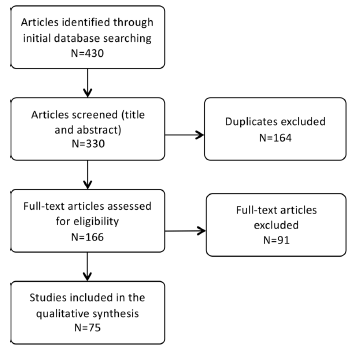
Figure 1.Flow Diagram Showing Study Methodology for Article Selection
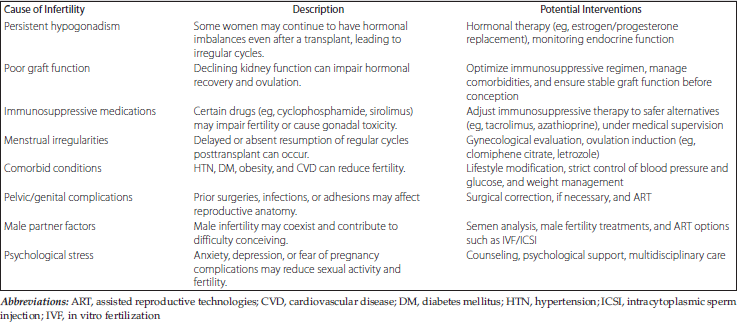
Table 1.Causes of Infertility and Management Approaches in Female Kidney Transplant Recipients
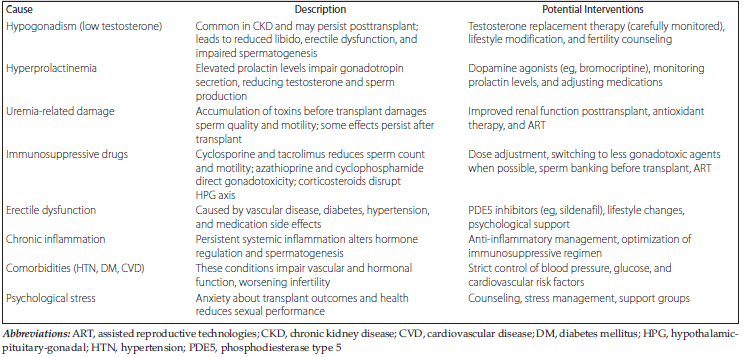
Table 2.Causes of Infertility and Management Approaches in Male Kidney Transplant Recipients
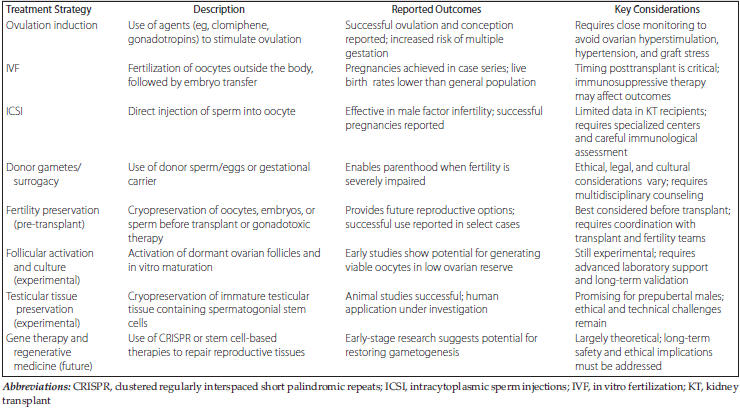
Table 3.Infertility Treatment Options and Their Outcomes in Kidney Transplant Recipients