Volume: 24 Issue: 2 February 2026
FULL TEXT
Comparative Analysis of Efficacy and Safety of the Glucagon-Like-Peptide-1 Receptor Agonists Tirzepatide and Semaglutide in Solid-Organ Transplant Recipients
Objectives: Diabetes mellitus, including new-onset diabetes after transplant, is a prevalent complication in solid-organ transplant recipients, often necessitating complex glycemic management. Glucagon-like peptide-1 receptor agonists, including semaglutide and tirzepatide, have shown promising outcomes in the general population, but comparative data in solid-organ transplant recipients are limited. In this study, we evaluated and compared the efficacy and safety of semaglutide and tirzepatide in a diverse cohort of solid-organ transplant recipients.
Materials and Methods: This retrospective chart review study involved 73 solid-organ transplant recipients treated with semaglutide (n = 39) or tirzepatide (n = 34) at a quaternary care center in the United Arab Emirates. Efficacy endpoints included changes in weight, body mass index, hemoglobin A1c, fasting plasma glucose, insulin requirements, and serum triglycerides. As safety outcomes, we assessed adverse effects, immunosuppressant levels, and allograft function.
Results: Both agents significantly improved weight, body mass index, hemoglobin A1c, fasting plasma glucose, and triglyceride levels. Tirzepatide led to a greater reduction in median triglyceride levels com-pared with semaglutide, despite a significantly shorter treatment duration. Adverse events were more frequent in the semaglutide group, including gastrointestinal intolerance and infections, despite being confounded by disparities in follow-up duration. No significant changes in tacrolimus levels, graft function, or mortality were observed in either group.
Conclusions: Tirzepatide and semaglutide were shown to be both effective and generally safe for mana-gement of diabetes mellitus in solid-organ transplant recipients. Tirzepatide may offer advantages in tolerability and rapid glycemic control. Prospective studies are warranted to confirm these findings in larger, controlled cohorts.
Key words : Diabetes mellitus, Glycemic control, New-onset diabetes after transplant
Introduction
Diabetes mellitus (DM) represents a prevalent and substantial complication among solid-organ transplant (SOT) recipients. Both preexisting DM and/or the development of new-onset diabetes after transplant, often attributed to high-dose steroid administration posttransplant, compromise graft function and are associated with increased health care costs and all-cause mortality.1-3 Hence, the implementation of effective glycemic control strategies is of paramount importance to counteract potential adverse conse-quences associated with glycemic derangements. Consequently, insulin is usually initiated promptly after surgery to achieve this stringent glycemic control.1,4,5 Nevertheless, prolonged intensive insulin therapy may be associated with adverse outcomes, such as an elevated risk of hypoglycemia and weight gain.6-8 In addition, committing SOT recipients to lifelong insulin therapy posttransplant presents sub-stantial lifestyle challenges for patients. Therefore, to alleviate the burden of lifelong insulin dependence, most SOT recipients are transitioned to alternative antidiabetic agents commonly used in the general population down the course of therapy, particularly when they are receiving moderate steroid doses.
Glucagon-like peptide-1 (GLP-1), a naturally occurring incretin hormone, is rapidly secreted postprandially by enteroendocrine L-cells situated in the distal small intestine and colon.2,9 However, the endogenous GLP-1 is characterized by its short half-life, thus rendering it an inapplicable therapeutic avenue.2,9 Therefore, GLP-1 receptor agonists (GLP-1RA) have been developed and modified to have an extended duration of action and are widely used in the general population because of their documented benefits in glycemic control, cardiovascular risk mitigation, and weight management, as supported by existing literature.10-12 Glucagon-like peptide-1 recep-tor agonists possess a multimodal mechanism of action, including insulinotropic and glucagonostatic properties, as well as the ability to inhibit hepatic gluconeogenesis. In addition, GLP-1RAs promote weight loss through their ability to hinder gastric emptying and the ability to induce central appetite suppression.3,9 Several oral antidiabetic medications are associated with diverse adverse effects, such
as lactic acidosis, fluid retention, and lipid abnormalities, which can further compound the disease burden in SOT recipients. These factors, collectively, position GLP-1RA as an interesting therapeutic avenue for exploration in SOT recipients.
Mounting evidence has highlighted the efficacy and safety of GLP-1RAs, including semaglutide and tirzepatide, in the general population.11,13,14 Nevertheless, only limited data, including findings from our research group, have thus far demonstrated the safety and effectiveness of GLP-1RA in SOT recipients.15 In a systematic review conducted by Yao and colleagues, tirzepatide, the novel glucose-dependent insulinotropic polypeptide/glucagon-like peptide-1 receptor co-agonist receptor agonist, demonstrated superiority in both glycemic control, indicated by reductions in hemoglobin A1c (HbA1c) levels and fasting plasma glucose concentrations, as well as weight management, compared with 14 older GLP-1RAs.16 However, a similar comparative analysis of tirzepatide against other GLP-1RAs has not been replicated in the context of SOT recipients.Semaglutide is one of the relatively newer and more widely utilized GLP-1RAs in the general population. A few retrospective studies have evaluated the efficacy and safety of semaglutide within SOT reci-pients. In 2022, through their investigation, Vigara and colleagues established the efficacy of semag-lutide and liraglutide in reducing weight and enhancing renal graft function in a limited cohort of 40 kidney transplant recipients. In addition, the study reported no significant changes in serum tacrolimus levels among the participants.17 However, the study did not present comparative efficacy or safety data within the study sample. In addition, the study's exclusive focus on kidney transplant recipients may limit the generalizability of the findings to other SOT recipients. Moreover, Sweiss and colleagues conducted a similar investigation encompassing a more diverse cohort comprising kidney, liver, and lung transplant recipients who had received liraglutide, semaglutide, or dulaglutide. Their findings revealed significant reductions in HbA1c and weight, along with improvements in renal function, indicated by an increased estimated glomerular filtration rate (eGFR) at the conclusion of therapy duration. However, the investigators provided limited information on the effects of serum immunosuppressant levels in their study cohort, thereby complicating the extrapolation of the safety profile of these agents in the transplant population. Once more, no comparative efficacy or safety data were reported between different GLP-1RAs incorporated in the previous study.18
In 2020, Singh and colleagues conducted a unique comparative analysis aimed to assess the efficacy and safety of dulaglutide compared with liraglutide. The outcomes revealed dulaglutide's superior perfor-mance in reducing insulin requirements, reducing weight, and improving eGFR compared with baseline.2 However, no similar comparative analysis has been conducted on the relatively newer, more commonly utilized agents, semaglutide and tirzepatide.
Objectives
The use of GLP-1RAs represents a promising therapeutic approach for management of DM and new-onset diabetes after transplant in SOT recipients. In the present retrospective analysis, we aimed to assess the efficacy and safety of 2 of the newer and more commonly utilized GLP-1RAs, tirzepatide and semaglutide, in a larger, more diverse cohort of SOT recipients. In addition, we aimed to provide insights into patient outcomes and overall allograft survival.
Materials and Methods
We conducted a retrospective chart review of data from a quaternary care hospital in Abu Dhabi, United Arab Emirates. All SOT recipients treated with tirzepatide or semaglutide between June 2017 and January 2024 were screened for inclusion. We included patients aged >18 years who had history of SOT and follow-up of at least 3 months of treatment with tirzepatide or semaglutide. We excluded patients who had GLP-1RA therapy of <3 months posttransplant or who had nonadherence to GLP-1RA therapy documented in providers' notes. We identified a total of 80 patients, of whom 73 fulfilled the inclusion criteria and comprised the final study group, with 34 patients treated with tirzepatide and 39 treated with semaglutide posttransplant. The institutional Research Ethics Committee of Cleveland Clinic Abu Dhabi (REC) approved the study (REC No. A-2022-011) and waived the need for informed consent because of the retrospective nature of the study.
For baseline data, we collected recipient age, sex, weight, height, and blood group type. We also collected details on the transplant procedure, such as the transplanted organ, native disease, transplant location, and the time elapsed from transplant to the initiation of GLP-1RA therapy. We also collected past medical history, including preexisting DM, onset of DM, and insulin therapy requirement at baseline. Efficacy endpoints included alterations in weight, body mass index (BMI, calculated as weight in kilograms divided by height in meters squared), serum trigly-cerides, insulin requirements, HbA1c, fasting plasma glucose, and eGFR, calculated according to the Chronic Kidney Disease Epidemiology collaboration formula of 2021. We collected data on monitored safety outcomes, including serum lipase levels, thyroid-stimulating hormone levels, liver function tests, self-reported gastrointestinal (GI) intolerance, and serum immunosuppressant levels at baseline and after GLP-1RA therapy. Finally, we also collected any incidences of reported allograft rejection and all-cause mortality.
We used the Statistical Package of Social Sciences (version 29) for data analyses. We presented nonparametric values as median (interquartile range [IQR]), which were compared with the Mann-Whitney U test. We presented categorical variables as frequency (percentage). We used the Wilcoxon signed rank test for comparative analyses of continuous variables before and after GLP-1RA therapy and the McNemar test, χ2 test and Fisher exact test for analysis of categorical variables, as deemed appropriate. Statistical significance was established at a threshold of P < .05. This study was designed to generate hypotheses rather than test them definitively. We conducted multiple statistical tests without adjustment, and the results should inform future confirmatory studies.
Results
Our study included 73 SOT recipients who met the predefined inclusion criteria. The SOT recipients included 34 who received tirzepatide therapy and 39 who received semaglutide therapy. Among our study cohort, most SOT recipients underwent kidney transplant (n = 53, 72.6%).
Both treatment groups exhibited comparable distributions of men and women, with 52% male recipients (n = 18) in the tirzepatide group and 56.4% male recipients (n = 22) in the semaglutide group. At baseline, the median BMI was 32.44 (IQR, 28.89-35.09) in the tirzepatide group and 33.13 (IQR, 30.7-38.9) in the semaglutide cohort. The prevalence of DM was similar across both groups at baseline; however, a greater proportion of insulin dependence was shown in patients concomitantly receiving semaglutide (94.9%, n = 37) compared with patients in the tirzepatide group (73.5%, n = 25). Both treatment groups received concomitant oral anti-diabetic therapy. Four patients (10.2%) in the semaglutide group discontinued treatment because of intolerance and were switched to dipeptidyl peptidase-4 inhibitors, with no therapeutic overlap. However, these patients were still included the semaglutide group for analysis, consistent with the intention-to-treat principle. Among SOT recipients, most who received tirzepatide were maintained on tacrolimus-based immunosuppression (n = 32, 94.1%), with a comparable proportion in the semaglutide group (n = 37, 94.9%). Notably, all 73 patients in our study cohort were exclusively from the United Arab Emirates.
Patients in the semaglutide group were started on 0.25 mg subcutaneous injection once per week, which was then titrated as clinically indicated to a maximum dose of 1 mg subcutaneous injection once per week. Tirzepatide was initiated at 2.5 mg once per week subcutaneously; based on tolerability, the dose was then titrated to 15 mg subcutaneously once per week. The median duration of GLP-1RA therapy administration in the tirzepatide group (11 months [IQR, 7-13 mo]) was significantly shorter than the duration of semaglutide administration (31.5 months [IQR, 26.75-36.25 mo]) (P < .001). Detailed baseline characteristics are listed in Table 1.
At baseline, before commencement of GLP-1RA therapy, the median weight was 85 kg (IQR, 74.75-93 kg) in the tirzepatide group and 89 kg (IQR, 78-98 kg) in the semaglutide group. Significant reductions in weight from baseline were shown in both the tirzepatide and semaglutide groups, with median decreases of approximately 4 kg and 2 kg, respectively (P < .001). This weight reduction was further evi-denced by the significant decrease in BMI in both groups (P < .001). In addition, our SOT recipients experienced significant reductions in serum triglyce-ride levels after GLP-1RA therapy compared with baseline (P < .001).
With regard to glycemic control, both semaglutide and tirzepatide therapies resulted in significant reductions in HbA1c and fasting plasma glucose levels from baseline (P < .001). The proportion of insulin-dependent patients in the semaglutide group (n = 37, 94.9%) significantly exceeded the proportion in the tirzepatide group (n = 24, 70.6%) (P = .016). After tirzepatide therapy, the median insulin requirement significantly decreased from 46 units (IQR, 22.5-75.0 units) to 34 units (11.5-74.5 units) (P = .01). However, semaglutide did not elicit a significant reduction in insulin requirement from baseline (P = .877). Furthermore, 28.2% (n = 11) of patients undergoing semaglutide therapy exhibited an elevated insulin requirement after completion of therapy in contrast to only 7.3% (n = 3) of patients in the tirzepatide group (P = .036). No significant difference (P = .164) was shown in incidence of diabetic retinopathy after treatment in the tirzepatide group (n = 2, 5.8%) compared with the semaglutide group (n = 6, 15.4%). Renal function remained stable in both groups, as reflected by unchanged serum creatinine and eGFR after treatment with GLP-1RAs. Tables 2 and 3 list continuous outcomes following tirzepatide and semaglutide therapy, respectively. Categorical safety and efficacy outcomes are listed in Table 4.
With regard to safety considerations, neither GLP-1RA therapy significantly influenced serum tacrolimus levels in participants within our study cohort (P > .05). In addition, both semaglutide and tirzepatide did not have a significant effect on serum lipase, thyroid-stimulating hormone, or liver function tests on participants in our study cohort.
Concerning adverse events, our patient population appeared to exhibit greater tolerance to tirzepatide compared with semaglutide. Specifically, only 2 SOT recipients (5.7%) discontinued tirzepatide therapy due to GI intolerance, whereas nearly one-third of patients in the semaglutide group (n = 12, 30.8%) had to discontinue therapy for the same reason (P = .007). The frequency of hypoglycemic events necessitating emergency care was comparable between treatment arms. In the tirzepatide group, 23.5% (n = 8) of SOT recipients reported hypoglycemia, whereas 25.6% (n = 10) of SOT recipients in the semaglutide group experienced similar episodes. Moreover, the inci-dence of patients developing transaminitis and pancreatitis was comparable between both study arms (P > .05).
Of particular interest, the semaglutide group showed a significantly higher proportion of patients with microbiologically confirmed infections according to provider notes. During follow-up, 3 infections were observed among 34 patients receiving tirzepatide over a median duration of 11 months (31.2 patient-years of exposure), corresponding to an infection rate of 0.10 infections per patient-year (9.6 per 100 patient-years). In comparison, 17 infections occurred among 39 patients treated with semaglutide during a median follow-up of 20 months (65.0 patient-years of exposure), yielding an infection rate of 0.26 infections per patient-year (26.2 per 100 patient-years). Among our study cohort, there were no recorded instances of graft rejection or mortality.
Tirzepatide was associated with a significantly greater median reduction in serum triglycerides (-0.67 mmol/L) compared with semaglutide (-0.4 mmol/L) (P = .004). No significant differences were detected between the 2 groups in other efficacy outcomes among SOT recipients, including HbA1C, fasting plasma glucose, insulin requirement, or BMI reduc-tions from baseline. Median (IQR) duration of treatment was approximately 3 times longer in the semaglutide group at 31.5 months (26.75-36.25 mo) versus 11 months (7-13 mo) in the tirzepatide arm (P < .001). Detailed comparative efficacy outcomes are listed in Table 5.
Discussion
The GLP-1RAs semaglutide and tirzepatide are well-documented in the literature for inducing significant reductions in weight and improvement of glycemic control in the general population.11,14 A systematic review conducted by Yao and colleagues investigated the effects of 15 different GLP-1RAs, including tirze-patide and semaglutide, with tirzepatide emerging as the most effective for achieving glycemic control, as evidenced by reductions in HbA1c and fasting plasma glucose levels.16 Furthermore, only 1 phase 3 clinical trial (SURPASS-2) has directly compared semaglutide with tirzepatide treatment in the general population.19 SURPASS-2, a head-to-head comparison study, evaluated the safety and efficacy of once-weekly tirzepatide versus once-weekly semaglutide in metformin-treated patients with uncontrolled type 2 DM. The study demonstrated that once-weekly tirzepatide was either noninferior or superior to once-weekly semaglutide in terms of glycemic control and weight reductions, with comparable safety and tolerability profiles throughout the investigation period.
Similarly, findings from our study group indi-cated no significant differences in efficacy endpoints within SOT recipients such as reductions in BMI, HbA1c, fasting plasma glucose, and insulin requirement after therapy completion. Despite the shorter duration of administration, tirzepatide showed comparable efficacy endpoints to semaglutide therapy administered over several years.
Moreover, SOT recipients treated with tirzepatide demonstrated a significant reduction in median insulin requirement, approximately 12 units lower compared with baseline. However, the reduction in total daily insulin requirement from baseline among patients receiving semaglutide was not significant at study conclusion. This observation together with changes in insulin requirements from baseline imply a potential advantage of tirzepatide in achieving tighter glycemic control and reducing insulin dependence among SOT recipients. However, it is imperative to consider the significant variability in the proportion of insulin-dependent patients at baseline between both groups, potentially introducing a confounding effect. Furthermore, more SOT recipients treated with semaglutide were maintained on steroids for immunosuppression, representing a significant confounding variable. In addition, a significantly higher incidence of infection was observed in the semaglutide group compared with the tirzepatide group during the treatment period. Given the poten-tial of infection to exacerbate insulin resistance,20 this difference may confound interpretation of glycemic outcomes. The notably higher infection rate observed in the semaglutide group may warrant further investigation, particularly given the immunocom-promised status of SOT recipients. Although causality could not be established in this retros-pective analysis, this signal raises important clinical considerations regarding GLP-1RA selection in transplant populations.
Tirzepatide and semaglutide have been well-documented in the scientific literature to induce significant decreases in serum triglycerides among the general population.11,14 In our earlier investigation, we emphasized tirzepatide's capacity to significantly decrease serum triglycerides among SOT recipients.15 In this comparative analysis, we observed a signi-ficant difference in the median reduction of serum triglycerides, favoring tirzepatide over semaglutide among study participants, despite the documented shorter half-life of tirzepatide.21,22 This finding suggests that these differences in the clinical profile may be attributed to differences in the molecular structures rather than their duration of action.
Interestingly, the median time interval between transplant and the initiation of tirzepatide therapy was significantly longer than the interval for the semaglutide group. This observation could be associated with the relative novelty of tirzepatide, potentially affecting clinicians' comfort in prescribing it, particularly among SOT recipients, until further comprehensive evidence is available.
Numerous studies in the scientific literature have extensively documented the nephroprotective pro-perties associated with GLP-1RAs across the general population.23-26 Moreover, Vigara and colleagues elucidated the renal advantages of semaglutide in SOT recipients in their 2022 investigation. Their findings revealed a significant enhancement in eGFR after 12 months of semaglutide therapy (+3.5 mL/min/1.73 m2; P = .03).17 Nevertheless, the study's exclusive focus on kidney transplant reci-pients introduced a notable confounding factor, complicating the differentiation between the renal recovery process after kidney transplant and the nephroprotective properties attributed to semaglutide. Our investigation of 73 SOT recipients encompassed a more diverse cohort, consisting of heart, kidney, liver, lung, simultaneous pancreas-kidney, and simul-taneous liver-kidney transplant recipients. Renal function remained stable in both the semaglutide and tirzepatide groups by the end of the study period, with no significant alterations observed in serum creatinine or eGFR. Future prospective investigations may be needed to clarify whether GLP-1RAs exert nephroprotective effects after transplant.
Glucagon-like peptide-1 receptor agonists are acknowledged for their ability to retard gastric emptying, potentially affecting the absorption of coadministered drugs. Therefore, our investigation thoroughly monitored serum tacrolimus levels, unexpected dose adjustments, and instances of graft rejection to evaluate the safety profile of GLP-1RAs in SOT recipients. In a prior study, Vigara and colleagues established that neither liraglutide nor semaglutide significantly influenced serum tacrolimus trough levels or dosing.17 In our prior investigation, tirze-patide administration did not lead to significant alterations in serum tacrolimus levels among SOT recipients.15 Similarly, our present investigation revealed no significant alterations in steady-state trough levels of tacrolimus after therapy in the semaglutide group. Our study further underscored that tirzepatide and semaglutide appear to elicit comparable effects on steady-state serum tacrolimus levels. In addition, no occurrences of allograft rejection or patient mortality were recorded in our study cohort. Moreover, other reported adverse events such as pancreatitis and transaminitis were unlikely to be directly attributed to GLP-1RA use, as alternative etiologies for these side effects were documented in providers' notes. Nevertheless, it is important to acknowledge that, because of the relatively short duration of the study, the incidence of adverse effects and rejection episodes may be underestimated.
Our investigation revealed nausea, vomiting, and diarrhea as predominant adverse effects associated with GLP-1RA therapy. The proportion of patients requiring emergency department admissions because of GI intolerance was comparable between SOT recipients undergoing tirzepatide and semaglutide therapy. However, among SOT recipients receiving tirzepatide, only 5.7% (n = 2) experienced severe GI side effects necessitating therapy discontinuation. In contrast, a significantly higher proportion, appro-ximately one-third of SOT recipients receiving semag-lutide therapy, encountered GI side effects warranting therapy discontinuation. This disparity may indicate greater tolerability of tirzepatide in SOT recipients. Furthermore, the occurrence of infections during GLP-1RA therapy significantly differed between our semaglutide group and our tirzepatide group. However, it is essential to acknowledge the significant difference in therapy duration between both arms of our investigation, which presented a significant confounder in tolerability and safety outcomes. In addition, because all patients included in our study were shown to receive sufficient im-munosuppressive treatment to mitigate organ rejection, determining a direct association between GLP-1RA therapy and the observed differences in infection rates poses a considerable challenge.
Our study offers a distinctive perspective by encompassing a diverse cohort consisting of 5 dif-ferent types of transplant recipients. Furthermore, it explores the utilization of tirzepatide and semaglutide, 2 prevalent agents within the GLP-1RA class. However, our study had several limitations, including its retrospective nature, short duration of follow-up, and relatively small cohort size. Furthermore, the nonequal therapy durations and nonstandardized intervals for data collection after initiation of GLP-1RA therapy presented an additional limitation. Our limited cohort size also precluded further statistical comparisons or regression modeling to adjust for potential confounders. The management of diabetes in SOT recipients remains a considerable challenge, characterized by a scarcity of guidance on the use of GLP-1RA. Hence, an urgent need exists for larger-scale prospective studies to comprehensively assess the efficacy and safety of GLP-1RA over prolonged durations.
Conclusions
This study, to the best of our knowledge, represents the first investigation to compare the efficacy and safety profiles of 2 newer and commonly used GLP-1RA, tirzepatide and semaglutide, in SOT recipients. Our findings suggested that both agents effectively managed hyperglycemia and weight without signi-ficantly affecting serum immunosuppressant levels in this population. However, tirzepatide appears to offer a more efficient option for achieving rapid glycemic control and weight management in SOT recipients.
References:
- Thomas MC, Mathew TH, Russ GR, Rao MM, Moran J. Early peri-operative glycaemic control and allograft rejection in patients with diabetes mellitus: a pilot study. Transplantation. 2001;72(7):1321-1324. doi:10.1097/00007890-200110150-00024
CrossRef - PubMed - Singh P, Taufeeq M, Pesavento TE, Washburn K, Walsh D, Meng S. Comparison of the glucagon-like-peptide-1 receptor agonists dulaglutide and liraglutide for the management of diabetes in solid organ transplant: a retrospective study. Diabetes Obes Metab. 2020;22(5):879-884. doi:10.1111/dom.13964
CrossRef - PubMed - Sadhu AR, Schwartz SS, Herman ME. The rationale for use of incretins in the management of new onset diabetes after transplantation (NODAT). Endocr Pract. 2015;21(7):814-822. doi:10.4158/EP14569.RA
CrossRef - PubMed - Thangavelu T, Lyden E, Shivaswamy V. A retrospective study of glucagon-like peptide 1 receptor agonists for the management of diabetes after transplantation. Diabetes Ther. 2020;11(4):987-994. doi:10.1007/s13300-020-00786-1
CrossRef - PubMed - Gallon LG, Winoto J, Leventhal JR, Parker MA, Kaufman DB. Effect of prednisone versus no prednisone as part of maintenance immunosuppression on long-term renal transplant function. Clin J Am Soc Nephrol. 2006;1(5):1029-1038. doi:10.2215/CJN.00790306
CrossRef - PubMed - Lebovitz HE. Insulin: potential negative consequences of early routine use in patients with type 2 diabetes. Diabetes Care. 2011;34(Suppl 2):S225-S230. doi:10.2337/dc11-s225
CrossRef - PubMed - Bonds DE, Miller ME, Bergenstal RM, et al. The association between symptomatic, severe hypoglycaemia and mortality in type 2 diabetes: retrospective epidemiological analysis of the ACCORD study. BMJ. 2010;340:b4909. doi:10.1136/bmj.b4909
CrossRef - PubMed - Holman RR, Farmer AJ, Davies MJ, et al. Three-year efficacy of complex insulin regimens in type 2 diabetes. N Engl J Med. 2009;361(18):1736-1747. doi:10.1056/NEJMoa0905479
CrossRef - PubMed - Garber AJ. Incretin-based therapies in the management of type 2 diabetes: rationale and reality in a managed care setting. Am J Manag Care. 2010;16(7 Suppl):S187-S194.
CrossRef:
PubMed - Ferhatbegović L, Mršić D, Macić-Džanković A. The benefits of GLP1 receptors in cardiovascular diseases. Front Clin Diabetes Healthc. 2023;4:1293926. doi:10.3389/fcdhc.2023.1293926
CrossRef - PubMed - Wilding JP, Batterham RL, Calanna S, et al. Once-weekly semaglutide in adults with overweight or obesity. N Engl J Med. 2021;384(11):989-1002. doi:10.1056/NEJMoa2032183
CrossRef - PubMed - Gerstein HC, Colhoun HM, Dagenais GR, et al; REWIND Investigators. Dulaglutide and cardiovascular outcomes in type 2 diabetes (REWIND): a double-blind, randomised placebo-controlled trial. Lancet. 2019;394(10193):121-130. doi:10.1016/S0140-6736(19)31149-3
CrossRef - PubMed - Aronne LJ, Sattar N, Horn DB, et al; SURMOUNT-4 Investigators. Continued treatment with tirzepatide for maintenance of weight reduction in adults with obesity: the SURMOUNT-4 randomized clinical trial. JAMA. 2024;331(1):38-48. doi:10.1001/jama.2023.24945
CrossRef - PubMed - Jastreboff AM, Aronne LJ, Ahmad NN, et al. Tirzepatide once weekly for the treatment of obesity. N Engl J Med. 2022;387(3):205-216. doi:10.1056/NEJMoa2206038
CrossRef - PubMed - Khatib OE, Chiha M, Hijazi R, et al. Safety and efficacy of tirzepatide in solid-organ transplant recipients: experience of a quaternary care center in the Middle East. Exp Clin Transplant. 2025;23(1):12-20. doi:10.6002/ect.2024.0284
CrossRef - PubMed - Yao H, Zhang A, Li D, et al. Comparative effectiveness of GLP-1 receptor agonists on glycaemic control, body weight, and lipid profile for type 2 diabetes: systematic review and network meta-analysis. BMJ. 2024;384:e076410. doi:10.1136/bmj-2023-076410
CrossRef - PubMed - Vigara LA, Villanego F, Orellana C, Naranjo J, Torrado J, Garcia T, et al. Effectiveness and safety of glucagon-like peptide-1 receptor agonist in a cohort of kidney transplant recipients. Clin Transplant. 2022;36(5):e14633. doi:10.1111/ctr.14633
CrossRef - PubMed - Sweiss H, Hall R, Zeilmann D, et al. Single-center evaluation of safety & efficacy of glucagon-like peptide-1 receptor agonists in solid organ transplantation. Prog Transplant. 2022;32(4):357-362. doi:10.1177/15269248221122867
CrossRef - PubMed - Frías JP, Davies MJ, Rosenstock J, et al. Tirzepatide versus semaglutide once weekly in patients with type 2 diabetes. N Engl J Med. 2021;385(6):503-515. doi:10.1056/NEJMoa2107519
CrossRef - PubMed - Yki-Järvinen H, Sammalkorpi K, Koivisto VA, Nikkilä EA. Severity, duration, and mechanisms of insulin resistance during acute infections. J Clin Endocrinol Metab. 1989;69(2):317-323. doi:10.1210/jcem-69-2-317
CrossRef - PubMed - Eli Lilly and Company. Mounjaro. Prescribing information. May 2022. Accessed April 30, 2024. https://www.accessdata.fda.gov/drugsatfda_docs/label/2022/215866s000lbl.pdf
CrossRef:
PubMed:
- Jung HN, Jung CH. The upcoming weekly tides (semaglutide vs. tirzepatide) against obesity: STEP or SURPASS? J Obes Metab Syndr. 2022;31(1):28-36. doi:10.7570/jomes22012
CrossRef - PubMed - Peng ZY, Yang CT, Lin WH, Yao WY, Ou HT, Kuo S. Chronic kidney outcomes associated with GLP-1 receptor agonists versus long-acting insulins among type 2 diabetes patients requiring intensive glycemic control: a nationwide cohort study. Cardiovasc Diabetol. 2023;22(1):272. doi:10.1186/s12933-023-01991-5
CrossRef - PubMed - Gragnano F, De Sio V, Calabrò P. FLOW trial stopped early due to evidence of renal protection with semaglutide. Eur Heart J Cardiovasc Pharmacother. 2024;10(1):7-9. doi:10.1093/ehjcvp/pvad080
CrossRef - PubMed - Kawanami D, Takashi Y. GLP-1 Receptor agonists in diabetic kidney disease: from clinical outcomes to mechanisms. Front Pharmacol. 2020;11:967. doi:10.3389/fphar.2020.00967
CrossRef - PubMed - Yu JH, Park SY, Lee DY, Kim NH, Seo JA. GLP-1 receptor agonists in diabetic kidney disease: current evidence and future directions. Kidney Res Clin Pract. 2022;41(2):136-149. doi:10.23876/j.krcp.22.001
CrossRef - PubMed

Volume : 24
Issue : 2
Pages : 173 - 181
DOI : 10.6002/ect.2025.0180
From the 1Department of Pharmacy Services, Cleveland Clinic Abu Dhabi, Al Maryah Island, Abu Dhabi, United Arab Emirates, and the 2Endocrinology Department, Cleveland Clinic Abu Dhabi, Al Maryah Island, Abu Dhabi, United Arab Emirates
Acknowledgements: The authors have not received any funding or grants in support of the presented research or for the preparation of this work and have no declarations of potential conflicts of interest.
Corresponding author: Sandra El Hajj, Abu Dhabi, Al Maryah Island, PO Box 112412, Abu Dhabi, UAE
E-mail: ElHajjS@clevelandclinicabudhabi.ae
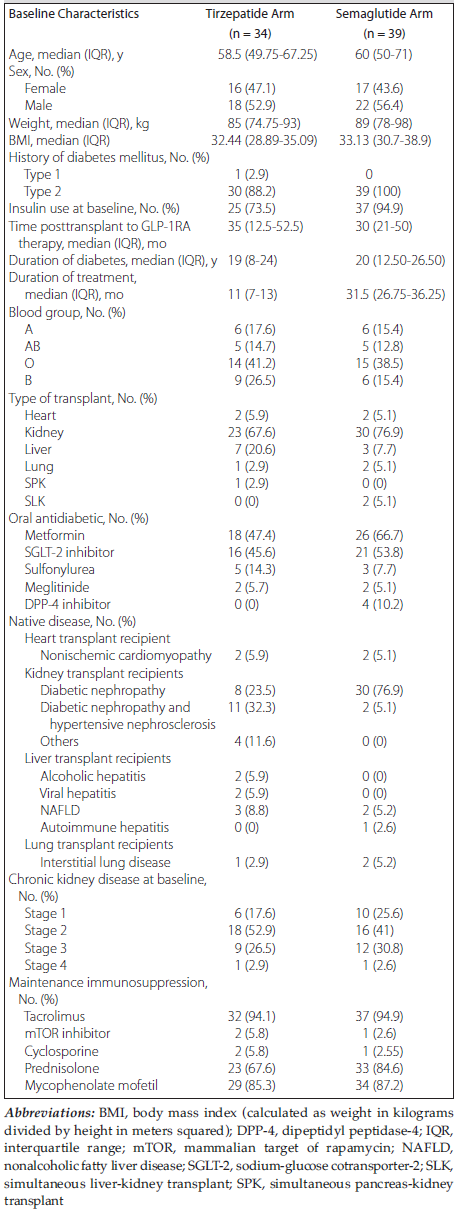
Table 1. Baseline Characteristics of 73 Solid-Organ Transplant Recipients Before Initiation of Tirzepatide or Semaglutide Therapy
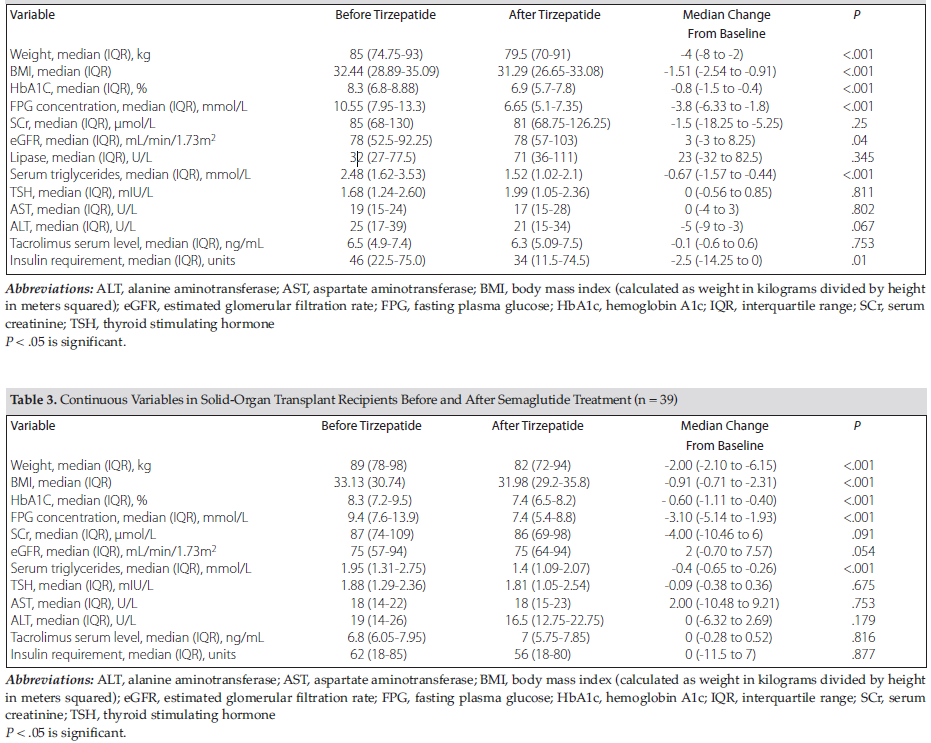
Table 2. Continuous Variables in Solid-Organ Transplant Recipients Before and After Tirzepatide Therapy (n = 34)
Table 3. Continuous Variables in Solid-Organ Transplant Recipients Before and After Semaglutide Treatment (n = 39)

Table 4. Categorical Outcomes Among 73 Solid-Organ Transplant Recipients Undergoing Treatment With Glucagon-Like-Peptide-1 Receptor Agonists

Table 5. Comparative Analysis of Efficacy and Safety Endpoints in Tirzepatide Group and Semaglutide Arms (N = 73)