Volume: 24 Issue: 2 February 2026
FULL TEXT
Safety and Effectiveness of Spironolactone to Reduce Proteinuria in Kidney Transplant Recipients During a 5-Year Follow-Up
Objectives: Posttransplant proteinuria is a biomarker of renal injury, negatively affecting graft function and survival. Aldosterone is involved in renal allograft damage, and its blockade can be beneficial. This study analyzed the long-term effect of spironolactone on proteinuria and graft function in kidney transplant recipients.
Materials and Methods: We conducted a retrospective single-center study of kidney transplant recipients ≥18 years old with persistent posttransplant proteinuria (measured as urine protein-to-creatinine ratio >0.5 for more than 6 months), who were treated with spirono-lactone and followed for 5 years. Patients were grouped by initial proteinuria as mild (<1), moderate (1-3), and severe (>3). Effects of spironolactone alone or combined with angiotensin-converting enzyme inhibitors or angiotensin receptor blockers were analyzed.
Results: Among 138 included patients, 119 received spironolactone monotherapy: 23 (19.3%) had mild proteinuria, 75 (63.0%) were moderate, and 21 (17.7%) were severe. In the moderate group, proteinuria significantly reduced from 1.4 (1.0-2.6) to 0.8 (0.2-7.7) at month 1 and 0.7 (0.1-3.8) at month 5. In the severe group, proteinuria also significantly reduced at year 1 from 5.4 (3.2-9.1) to 1.4 (0.2-11.6) (P < .05) and at year 5 to 0.5 (0.1-3.1) (P < .05). Nineteen patients received spironolactone associated with angiotensin-converting enzyme inhibitors or angiotensin receptor blockers:
12 (63.1%) had moderate proteinuria and 7 (36.9%) had severe proteinuria. In the moderate group, proteinuria significantly decreased to 0.9 (0.1-5.2) after 2 years compared with baseline of 1.6 (1.0-2.4), reaching 0.6 (0.1-3.5) in year 5. In the severe group, proteinuria decreased during 2 years from 5.6 (3.3-8.9) to 1.5 (0.9-3.7) (P < .01) and reached 1.7 (0.3-3.1) in year 5. Renal function remained stable, and graft survival rate was similar among groups.
Conclusions: Long-term treatment with spironolactone effectively reduced posttransplant proteinuria in kidney transplant recipients with initial proteinuria >1, preserving graft function.
Key words : Aldosterone, Angiotensin-converting enzyme inhibitors, Kidney transplantation, Urine protein-to-creatinine ratio
Introduction
The renin-angiotensin system promotes aldosterone secretion, which is essential for blood pressure regulation, extracellular fluid volume, and serum potassium levels.1 Activation of mineralocorticoid receptors (MR) triggers proinflammatory effects on kidney cells, which leads to functional and structural changes in the glomerulus and tubulointerstitial compartment.1,2 Aldosterone affects the function of podocytes, contributing to the development of glome-rular inflammation and fibrosis, which ultimately leads to glomerulosclerosis.2 Aldosterone also induces epithelial-to-mesenchymal transformation of proximal tubular cells and stimulates the expression of pro-fibrotic molecules, such as transforming growth factor β1, plasminogen activator inhibitor 1, endothelin 1, placental growth factor, connective tissue growth factor, osteopontin, and galectin 3, which aggravates tubulointerstitial damage.3 In kidney transplant recipients, fibrosis causes chronic allograft dysfunction, and proteinuria is considered a risk factor for the progression of kidney damage in this population.1,4
Although blockade of the renin-angiotensin system is widely used as a renoprotective and antialbuminuric strategy, its effectiveness to reduce proteinuria and the progression of renal failure is not entirely known.1 Spironolactone is a nonselective steroidal MR antagonist (MRA).1 Although eple-renone and finerenone have more selective action to block MR,1 spironolactone remains widely used in clinical practice due to its availability and lower cost. Previous studies have shown that addition of aldosterone antagonists to angiotensin-converting enzyme inhibitors (ACEIs) and/or angiotensin receptor blockers (ARBs) may reduce proteinuria, but the inclusion of aldosterone antagonists may increase the risk of hyperkalemia, acute kidney injury, and gynecomastia.1,2,5 The use of spirono-lactone alone has also been proven to be effective to reduce albuminuria in patients with diabetic nephropathy.6 However, similar effects of spirono-lactone therapy in other groups remain unclear.
The most effective antiproteinuric therapy in kidney transplant recipients is still being studied. The potential negative effects on graft function limit the use of ACEIs and ARBs in this population. Instead, therapy with MRA could be a good alternative. In a previous study, spironolactone effectively reduced proteinuria within 12 months of treatment in kidney transplant recipients presenting with initial proteinuria higher than 1 g/day, without affecting blood pressure, which suggests a hemodynamic-independent mechanism.7 However, there are conflicting results from other studies with regard to the effects of spironolactone treatment to reduce proteinuria in kidney transplant recipients.8 Addition of aldosterone antagonists to the treatment regimen of patients with chronic kidney disease (CKD) on ACEI or ARB might lower proteinuria, but the increased adverse side effects can restrict this association.5 Our present study analyzed the effect of prolonged spironolactone therapy on proteinuria and glomerular filtration rate (GFR) of kidney transplant recipients with persistent proteinuria. The local Ethics Committee approved the study (CAAE No. 59373816.0.0000.5404).
Materials and Methods
This single-center retrospective cohort included kidney transplant recipients aged ≥18 years at time of transplant who had received a kidney transplant from January 1991 to December 2015, with persistent proteinuria after transplant and treatment with spironolactone. In posttransplant follow-up, per-sistent proteinuria was defined as a urine protein-to-creatinine ratio (UPCR) higher than 0.5 longer than 6 months. The treatment with spironolactone consisted of a single daily dose ranging from 25 to 100 mg. Clinical, laboratory, and histology data were collected from medical records at the time of transplant, at the beginning of treatment with spironolactone, and every 12 months during the first 5 years of treatment. Data were recorded and organized using a digital worksheet (Microsoft Excel). The primary outcome was UPCR values during the treatment with spironolactone. Secondary outcomes were renal function, as estimated with the study equation of the Chronic Kidney Disease Epidemiology Collaboration,9 and graft survival.
All kidney transplant recipients received a graft from an ABO-compatible donor with negative complement-dependent cytotoxicity crossmatches for T cells and B cells. Criteria for living donors included individuals ≥18 years old and parents, siblings, or family members related up to the third degree. For nonrelated donors, only documented marriages were accepted.
The induction immunosuppression therapy con-sisted of donor-specific transfusion or CD3 mo-noclonal antibodies in cases of transplants performed between 1991 and 1998. From 1998 to 2009, induction therapy involved monoclonal anti-interleukin-2 receptor antibodies. For transplants performed after 2009, induction treatment was performed with antithymocyte globulin with doses ranging from 3 to 6 mg/kg according to recipient immunological risk and donor profile. In cases where the recipients had a low immunological risk, with panel reactive anti-body (PRA) lower than 50%, absence of donor-specific antibodies against human leukocyte antigens (HLA), and standard donors according to the criteria proposed by the United Network for Organ Sharing in 2003,10 the utilized dose was 3 mg/kg. Recipients with a PRA of 50% to 80% and those who received a graft from expanded criteria donors received 4.5 mg/kg of antithymocyte globulin. Recipients with PRA >80% and those presenting with preformed donor-specific antibodies were consi-dered high immunological risk and received induction of immunosuppression with antithy-mocyte globulin 6 mg/kg.
In cases of living related donors with identical HLA typing, induction of immunosuppression was not performed. For living related donors with nonidentical HLA or living unrelated donors, immunosuppression induction was performed with 3 to 6 mg/kg antithymocyte globulin, according to the recipient’s immunological risk. All recipients received 500 mg intravenous methylprednisolone at the time of transplant, then 250 mg and 125 mg on the subsequent days, after which recipients were switched to oral prednisone. Maintenance immuno-suppression consisted of a calcineurin inhibitor (tacrolimus or cyclosporine) associated with an antiproliferative drug (sodium mycophenolate or azathioprine).
Graft biopsies were indicated in the presence of an increase in serum creatinine >20% from previous values and/or the development of proteinuria >1. Biopsies were evaluated using the Banff 2013 classification.11
For analysis, recipients were grouped according to the UPCR at the beginning of treatment with spironolactone as mild (UPCR ≤1), moderate (UPCR 1-3), or severe proteinuria (UPCR ≥3). Additional analyses were conducted on patients treated with antiproteinuric therapy using spironolactone monot-herapy or combined with ACEI or ARB. Numerical data are shown as mean ± SD, median (with range), or count (with percentage). Continuous data among groups were compared using parametric tests (t test or analysis of variance) and nonparametric tests (Kruskal-Wallis test or Mann-Whitney test). Categorical variab-les were compared with the chi-square test or the Pearson chi-square test. Survival curves were generated using the Kaplan-Meier estimation. Data were analyzed with GraphPad Prism 10 for macOS.
Results
Of 2202 kidney transplants performed at the center from January 1991 to December 2015, 138 (6.3%) patients received treatment with spironolactone because of persistent proteinuria. Among these, 119 patients were treated with spironolactone monotherapy, and 19 patients received spironolactone associated with ACEIs or ARBs. Of the patients treated only with spironolactone, most were male recipients (68.9%), with mean age at kidney transplant of 41.9 ± 14.5 years.
The etiology of CKD was chronic glomerulo-nephritis in 28 patients (23.5%), hypertensive nephrosclerosis in 27 patients (22.7%), and unknown in 26 patients (21.8%). In this group, only 9 patients (7.6%) had diabetes mellitus as the cause of CKD.
Most recipients (n = 98; 82.3%) received a kidney from a deceased donor, and the mean age of the donors was 39.7 ± 13.9 years. The prevalence of expanded criteria donors was 16.0%, and 12 donors (10.1%) presented with acute kidney injury at the time of donation. The mean cold ischemia time was 20.5 ± 7.7 hours, and the maintenance immunosup-pression therapy included a calcineurin inhibitor in 79.8% of cases, mainly tacrolimus (n = 81; 85.3%).
Only 1 episode of T-cell-mediated acute rejection was detected before the treatment with spironolactone. Regardless of previous viral infectious episodes, 2 patients (1.7%) presented with positive cytology results for polyomavirus, and 3 patients (2.5%) received treatment for cytomegalovirus infection.
Analysis of the group that received combined treatment with spironolactone and ACEIs or ARBs showed that most patients were male recipients (n = 17, 89.4%) with a mean age of 33.7 ± 14.3 years. Most cases had an unknown etiology of CKD (n = 8, 42.1%), and there were no cases of diabetes mellitus as the cause of CKD in this group. All patients received a kidney from a deceased donor, 2 of whom were expanded criteria donors, without cases of acute kidney injury at donation. The mean cold ischemia time was 21.3 ± 6.9 hours, and there were no episodes of acute rejection, positive polyomavirus cytology, or cytomegalovirus infections detected in this group (Table 1).
Among patients treated only with spironolactone, the median time from the transplant to the initiation of treatment was 72 months (12-360 months). At the beginning of treatment, 23 patients (19.3%) presented with mild proteinuria, 75 (63.0%) with moderate proteinuria, and 21 (17.7%) with severe proteinuria. The characteristics of recipients and donors were similar among the groups (Table 1). In the mild group, proteinuria remained stable during the posttreatment follow-up. However, patients with baseline UPCR >1 presented with a significant reduction in proteinuria during year 1 of treatment. In the moderate group, the UPCR decreased from a median of 1.4 (1.1-2.6) to 0.8 (0.2-7.7) at year 1 of treatment (P < .01) and remained stable during the follow-up, reaching a median of 0.8 (0.1-3.9) at year 5. In the severe group, the proteinuria progressively decreased from 5.4 (3.3-9.1) at the beginning of treatment to 1.4 (0.2-11.6) at year 1 (P < .01), reaching 0.5 (0.1-3.0) at year 5 of treatment (P < .01) (Figure 1). The estimated GFR remained stable throughout all groups without a significant change in mean arterial pressure (Table 2).
The posttransplant time to start treatment with spironolactone was longer, that is, 138 (24-264) months, in the group that received antiproteinuric treatment combined with ACEI or ARB versus those who received spironolactone monotherapy. Among patients with combined therapy, 12 (63.1%) pre-sented with moderate proteinuria and 7 (36.9%) presented with severe proteinuria, without cases of mild proteinuria. The characteristics of recipients, donors, and transplant were similar between the groups (Table 1). In the moderate group, there was a significant reduction in UPCR to 0.9 (0.1-5.2) at 2 years after initiation of spironolactone compared with the initial value of 1.6 (1.0-2.4) (P = .03). The UPCR remained stable during follow-up in this group, reaching 0.6 (0.1-3.5) at year 5 of treatment. In the severe group, a significant reduction in UPCR to 1.5 (0.9-3.7) was also observed after 24 months of treatment compared with the initial value of 5.6 (3.3-8.9) (P < .01). The UPCR remained stable in this group, reaching 1.7 (0.3-3.1) at year 5 of treatment. The estimated GFR and mean arterial pressure remained stable during the entire follow-up period in these groups (Table 2).
Biopsies from grafts of patients who were treated with spironolactone monotherapy were analyzed. Fourteen patients (18.7%) in the moderate group underwent graft biopsy, with a mean time after transplant of 100.3 months (14.9-305.7 months) and a mean time after treatment with spironolactone of 46.9 months (1.4-181.0 months). In this group, 5 cases of glomerulopathy were diagnosed, including 2 cases of transplant glomerulopathy, 1 case of recurrent membranous nephropathy, and 1 case of de novo immunoglobin A nephropathy. Glomerulosclerosis was observed in 31.2 ± 23.8% of biopsies. Most of these biopsies showed either an absence of lesions or presence of only mild acute lesions, such as interstitial inflammation (Banff 2013 classification, i), tubulitis (t), glomerulitis (g), intimal arteritis (v), and peritubular capillaritis (ptc). However, moderate to severe chronic markers, mainly interstitial fibrosis (ci) and tubular atrophy (ct), were observed in more than 70% of these cases. In the severe group, 9 patients (42.8%) underwent graft biopsy, with a median time after transplant of 101.9 months (4.9-250.6 months) and a median time after treatment of 23.8 months (0.4-93.2 months). No glomerulopathy was identified in this group. In these biopsies, moderate to severe interstitial fibrosis and tubular atrophy were observed in 88.9% of cases (Table 3). The graft survival rates were similar among the groups during follow-up (Figure 2). Spironolactone was discontinued in 3 patients due to gynecomastia and in 1 patient due to hyperkalemia during follow-up.
Discussion
Posttransplant proteinuria after kidney transplant ranges from 11% to 45%, with a multifactorial etiology.12 Proteinuria can result from disruption of the glomerular barrier caused by ischemia-reper-fusion injury, rejection, allograft nephropathy, transplant glomerulopathy, infection, or calcineurin inhibitor nephrotoxicity, which negatively affects graft function and survival and increases the risk of cardiovascular events and death.13 In our present study, most recipients received a kidney from a deceased donor, and almost 80% of these cases were maintained under calcineurin inhibitor therapy, which suggests a possible toxicity caused by calcineurin inhibitors in these grafts. In addition, the onset of proteinuria occurred in these kidney recipients after the first posttransplant year, suggesting chronic changes in the transplanted kidneys. The mammalian target of rapamycin (mTOR) inhibitors are associated with the onset of proteinuria. Although mTOR inhibitors are not usually the first option for the initial immunosuppression at the center, these may oc-casionally be included in alternative regimens during follow-up. However, in this series, eventual changes in immunosuppression therapy were not recorded, so assessment of the mTOR inhibitor effects on proteinuria was not possible. Although this series has not evaluated the exact mechanism, reduction of proteinuria may help improve graft survival inde-pendently of its cause.13
In this series, we observed a significant reduction of proteinuria in recipients presenting with UPCR >1 during year 1 of treatment with spironolactone.After this period, the proteinuria remained stable during 5 years of treatment, and the GFR was maintained in all groups. The histopathology findings reinforced the hypothesis that proteinuria was linked to chronic changes in the grafts. Previous work in animal models indicated that the treatment with spironolactone was associated with a signi-ficant reduction in tissue inflammation, thereby slowing the progression of renal fibrosis.14 The treatment with spironolactone may have affected the progression of tissue fibrosis in this study, leading to reduced proteinuria and preservation of graft function during follow-up. However, despite the treatment, some irreversible chronic lesions persisted, which could explain the persistence of proteinuria in some cases with more severe chronic injuries.
There are different possibilities for the antipro-teinuric effect of spironolactone. Spironolactone can protect the filtration barrier and the tubulointerstitial components and thereby prevented urinary protein loss. Podocytes are components of the filtration barrier that do not replicate, which makes the intracellular degradation system, including autophagy, which is crucial for maintaining podocyte homeostasis.6 Dong and colleagues6 have demonstrated that treatment with spironolactone in animal models increased autophagy and reduced podocyte loss. In the mesangium, aldosterone stimulates the expression and activity of the serum/glucocorticoid-regulated kinase 1, which plays a role in the transcription of connective tissue growth factor and intercellular adhesion molecule, and thereby contributes to fibrosis and glomerular inflammation.2 Aldosterone is also implicated in transformation of tubular cells into mesenchymal cells, inflammation, and inadequate tissue repair after ischemia-reperfusion injury.2 Previous studies have indicated that spironolactone treatment before or after ischemia can prevent the activation of the inflammatory and profibrotic process.15
Although we observed a positive effect in proteinuria reduction among transplant recipients treated with spironolactone in this series, there are conflicting results in the literature. A previous meta-analysis that included 5 randomized controlled trials with 239 participants showed no effects of MRA compared with placebo to reduce proteinuria, and there was a significantly higher risk of hyperkalemia in the MRA-treated group.16 Some studies using eplerenone, another steroidal MRA with higher efficacy and a shorter treatment half-life, showed improvement of proteinuria without associated hyperkalemia in chronic allograft nephropathy, thereby attenuating the progression of chronic disease.17,18 Finerenone, a third-generation MRA, presents higher affinity for the MR receptor than spironolactone and eplerenone, with potential renal protective effects with fewer adverse events, such as hyperkalemia and sexual side effects.19 This high-lights the importance of further research to assess the potential benefits of MRAs in kidney transplant recipients.
Although proteinuria is considered a risk factor for the progression of renal damage in kidney transplant recipients, in this study, the GFR remained stable during follow-up in all groups, and the graft survival rate was similar among the groups. The antiproteinuric effect of spironolactone, associated with its potential anti-inflammatory and antifibrotic effects, could explain these results. The absence of significant change in blood pressure among patients treated with spironolactone may be due to the concurrent opposing effects of other medications. The incidence of adverse events related to spiro-nolactone therapy was low in this series, indicating the good tolerability of this medication in kidney transplant recipients. Although treatment with spironolactone can increase blood potassium levels, this was adequately managed through nutritional guidance and, in some cases, by adding a loop diuretic.
Because of its retrospective design, this study had some limitations. The possibility of recurrence of native nephropathies could not be ruled out, due to the large number of patients presenting with chronic glomerulonephritis or unknown CKD etiologies. Due to the lack of protocol biopsies, the renal biopsies evaluated may be insufficient to properly assess the histopathology features of the treated patients. Additionally, although few patients were on mTOR inhibitors in this series, the number of patients who received this drug in each group was not recorded, which affected the analysis of its potential influence on UPCR. Nevertheless, the study showed an association between spironolactone treatment and a reduction in proteinuria during 5 years in recipients with UPCR >1, while maintaining stable graft function throughout the follow-up.
Conclusions
The treatment with spironolactone monotherapy or combined with ACEI or ARB effectively reduced proteinuria in kidney transplant recipients with initial proteinuria >1. Despite proteinuria being considered a risk factor for the progression of renal damage in kidney transplant recipients, the GFR remained stable during follow-up, and the graft survival rate was similar among the groups. These results may be a consequence of the protective effects of spironolactone on inflammation and fibrosis.
References:
- Baran W, Krzeminska J, Szlagor M, et al. Mineralocorticoid receptor antagonist: use in chronic kidney disease. Int J Mol Sci. 2021;22(18):9995. doi:10.3390/ijms22189995
CrossRef - PubMed - Erraez S, López-Mesa M, Gómez-Fernández P. Mineralcorticoid receptor blockers in chronic kidney disease. Nefrologia (Engl Ed). 2021;41(3):258-275. doi:10.1016/j.nefro.2020.10.001
CrossRef - PubMed - Brown NJ. Contribution of aldosterone to cardiovascular and renal inflammation and fibrosis. Nat Rev Nephrol. 2013;9(8):459-469. doi:10.1038/nrneph.2013.110
CrossRef - PubMed - Lahmer T, Hermans R, Schmaderer C, et al. Mineralocorticoid receptor antagonism and aldosterone synthesis inhibition do not improve glomerulosclerosis and renal interstitial fibrosis in a model of chronic kidney allograft injury. Kidney Blood Press Res. 2012;35(6):561-567. doi:10.1159/000339649
CrossRef - PubMed - Chung EY, Ruospo M, Natale P, et al. Aldosterone antagonists in addition to renin angiotensin system antagonists for preventing the progression of chronic kidney disease. Cochrane Database Syst Rev. 2020;10(10):CD007004. doi:10.1002/14651858.CD007004.pub4
CrossRef - PubMed - Dong D, Fan TT, Ji YS, Yu JY, Wu S, Zhang L. Spironolactone alleviates diabetic nephropathy through promoting autophagy in podocytes. Int Urol Nephrol. 2019;51(4):755-764. doi:10.1007/s11255-019-02074-9
CrossRef - PubMed - de Sousa MV, Guida JP, do Valle CF, Camargo LF, Rivelli GG, Mazzali M. Spironolactone in post-transplant proteinuria: a safe alternative therapy. Transplant Proc. 2017;49(4):813-816. doi:10.1016/j.transproceed.2017.01.075
CrossRef - PubMed - Mortensen LA, Jespersen B, Helligsoe ASL, et al. Effect of spironolactone on kidney function in kidney transplant recipients (the SPIREN trial): a randomized placebo-controlled clinical trial. Clin J Am Soc Nephrol. 2024;19(6):755-766. doi:10.2215/CJN.0000000000000439
CrossRef - PubMed - Levey AS, Stevens LA, Schmid CH, et al.; CKD-EPI (Chronic Kidney Disease Epidemiology Collaboration). A new equation to estimate glomerular filtration rate. Ann Intern Med. 2009;150(9):604-612. doi:10.7326/0003-4819-150-9-200905050-00006
CrossRef - PubMed - Metzger RA, Delmonico FL, Feng S, Port FK, Wynn JJ, Merion RM. Expanded criteria donors for kidney transplantation. Am J Transplant. 2003;3 Suppl 4:114-125. doi:10.1034/j.1600-6143.3.s4.11.x
CrossRef - PubMed - Haas M, Sis B, Racusen LC, et al.; Banff meeting report writing committee. Banff 2013 meeting report: inclusion of c4d-negative antibody-mediated rejection and antibody-associated arterial lesions. Am J Transplant. 2014;14(2):272-283. doi:10.1111/ajt.12590
CrossRef - PubMed - Ponticelli C, Graziani G. Proteinuria after kidney transplantation. Transpl Int. 2012;25(9):909-917. doi:10.1111/j.1432-2277.2012.01500.x
CrossRef - PubMed - Afsar B, Afsar RE, Caliskan Y, Lentine KL. Mineralocorticoid receptor blockage in kidney transplantation: too much of a good thing or not? Int Urol Nephrol. 2025;57(3):839-854. doi:10.1007/s11255-024-04256-6
CrossRef - PubMed - Leader CJ, Kelly DJ, Sammut IA, Wilkins GT, Walker RJ. Spironolactone mitigates, but does not reverse, the progression of renal fibrosis in a transgenic hypertensive rat. Physiol Rep. 2020;8(10):e14448. doi:10.14814/phy2.14448
CrossRef - PubMed - Barrera-Chimal J, Pérez-Villalva R, Rodríguez-Romo R, et al. Spironolactone prevents chronic kidney disease caused by ischemic acute kidney injury. Kidney Int. 2013;83(1):93-103. doi:10.1038/ki.2012.352
CrossRef - PubMed - Dibo P, Mareddy NSR, Kojima GSA, et al. Efficacy and safety of mineralocorticoid receptor antagonists in kidney transplant patients: an updated meta-analysis of randomized controlled trials. BMC Nephrol. 2025;26(1):438. doi:10.1186/s12882-025-04161-9
CrossRef - PubMed - Medeiros M, Velásquez-Jones L, Hernández AM, et al. Randomized controlled trial of mineralocorticoid receptor blockade in children with chronic kidney allograft nephropathy. Clin J Am Soc Nephrol. 2017;12(8):1291-1300. doi:10.2215/CJN.05300516
CrossRef - PubMed - Baskin E, Siddiqui MA, Gülleroglu K, et al. Long-term effect of eplerenone treatment in children with chronic allograft nephropathy. Pediatr Transplant. 2023;27(6):e14557. doi:10.1111/petr.14557
CrossRef - PubMed - Zhai S, Ma B, Chen W, Zhao Q. A comprehensive review of finerenone: a third-generation non-steroidal mineralocorticoid receptor antagonist. Front Cardiovasc Med. 2024;11:1476029. doi:10.3389/fcvm.2024.1476029
CrossRef - PubMed

Volume : 24
Issue : 2
Pages : 111 - 118
DOI : 10.6002/ect.2025.0132
From the 1School of Medical Sciences, and the 2Renal Transplant Research Laboratory, Renal Transplant Unit, Division of Nephrology, Department of Internal Medicine, School of Medical Sciences, University of Campinas, Campinas, Brazil
Acknowledgements: João Antônio Pessoa de Freitas is a graduate student with a grant from the Institutional Scientific Initiation Scholarship Program/National Council for Scientific and Technological Development. Other than described, the authors have not received any funding or grants in support of the presented research or for the preparation of this work and have no declarations of potential conflicts of interest.
Corresponding author: Marcos Vinicius de Sousa, Renal Transplant Research Laboratory, Renal Transplant Unit, Division of Nephrology, School of Medical Sciences, University of Campinas, Rua Tessália Vieira de Camargo 126, Cidade Universitária Zeferino Vaz, 13083-970 Campinas, São Paulo, Brazil
E-mail: marcosnefro@gmail.com
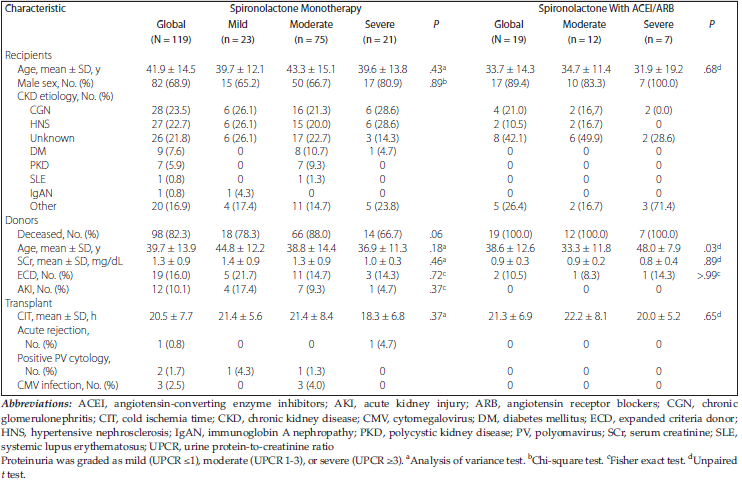
Table 1.General Characteristics of the Included Patients, Grouped According to Initial Levels of Proteinuria and Antiproteinuric Treatment
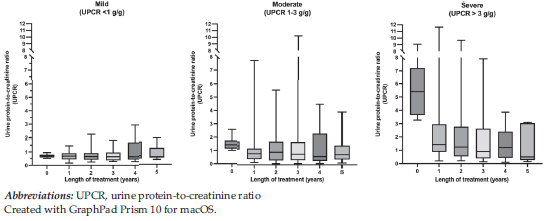
Figure 1.Proteinuria According to Duration of Treatment With Spironolactone Monotherapy, Grouped by Initial Proteinuria Levels
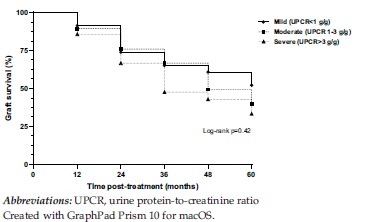
Figure 2.Graft Survival of Patients Treated With Spironolactone Monotherapy, According to Duration of Treatment, Grouped by Initial Proteinuria Levels
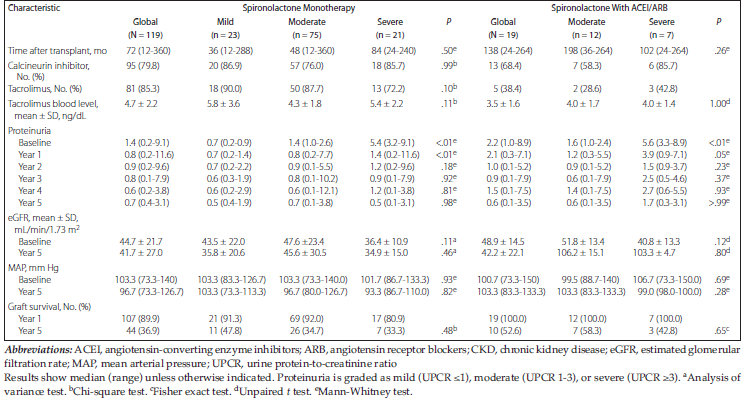
Table 2.Outcomes of Antiproteinuric Treatment According To Initial Levels of Proteinuria and Antiproteinuric Therapy Regimen
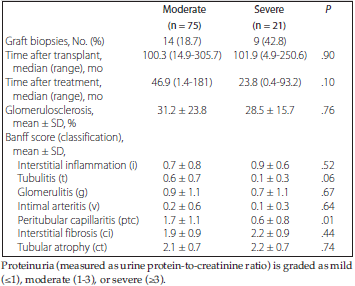
Table 3.Histology Features of Graft Biopsies From Patients Treated With Spironolactone Monotherapy, Grouped by Initial Proteinuria Levels