Volume: 24 Issue: 1 January 2026
FULL TEXT
Objectives: In this study, we aimed to evaluate the long-term outcomes of renal transplant in patients with rheumatic diseases.
Materials and Methods: In this retrospective case-control study, we analyzed and compared outcomes of 187 patients who underwent renal transplant because of rheumatic disease-associated renal failure between the years 1994 and 2020 versus a control transplant group (n = 325), matched for age, sex, body mass index, and follow-up duration.
Results: Among patients in the rheumatic disease group, AA amyloidosis was the most common renal pathology leading to kidney transplant. Delayed graft function, acute rejection, and mortality were more common in the rheumatic disease group. Survival rates in recipients at 1, 5, 10, and 15 years were lower in the rheumatic disease group than in the control group (log-rank 0.046), whereas graft survival rates were found to be similar (log-rank 0.206). Recipient survival rates at 1, 5, 10, and 15 years in patients in the rheumatic disease group with AA amyloidosis were significantly worse compared with patients in the rheumatic disease group with glomerulonephritis (log-rank 0.006). Advanced recipient age and graft loss were found to be independent risk factors for mortality in the Cox regression analysis.
Conclusions: Delayed graft function, acute rejection, and mortality rates were higher in patients who had kidney transplants because of rheumatic diseases. Patients with secondary amyloidosis associated with rheumatic disease had worse long-term renal transplant outcomes.
Key words : Amyloidosis, Familial Mediterranean fever, Kidney transplantation
Introduction
Rheumatic diseases that cause inflammation throughout the body can have substantial effects on the kidneys. In some cases, this involvement can be severe and lead to renal damage or failure. Renal involvement is associated with substantial morbidity and mortality in patients with systemic lupus erythematosus (SLE), antineutrophil cytoplasmic antibody-associated vasculitis, and secondary amyloidosis (also known as AA amyloidosis).1-3
The treatment of patients who are at risk of rheumatic diseases to prevent the development of end-stage renal disease (ESRD) by appropriate medical agents is just as crucial as the treatment of patients who have already developed ESRD.4 Dialysis in patients with ESRD has important socioeconomic effects, and kidney transplant remains the superior treatment modality to reduce all-cause mortality for patients with ESRD.5 Overall survival has been shown to better with kidney transplant than with dialysis in patients with SLE-related ESRD.6
Strong evidence has shown that kidney transplant is associated with favorable outcomes in patients with rheumatic diseases,7,8 although long-term graft and recipient survival in patients with rheumatic disease remains controversial. In an analysis based on a national database, renal transplant recipients and graft survival rates were shown to be significantly worse in recipients with than in recipients without rheumatic diseases.9
The pathogenesis of renal involvement in rheumatic diseases is highly variable. Although the primary pathology in autoimmune diseases is glomerulonephritis, secondary amyloidosis is the predominant pathology in autoinflammatory dis-eases and seronegative spondyloarthropathies. If the underlying disease is not sufficiently controlled, recurrences may occur in the transplanted kidney. Additional information is required on the long-term prognosis of patients who have undergone kidney transplant due to rheumatic diseases. We aimed to evaluate the long-term outcomes of renal transplant in patients with ESRD due to rheumatic disease and compared these data with a nested case-control population.
Materials and Methods
This study was approved by the Medical Ethics Committee of Akdeniz University (Approval No. 08.03.2023-KAEK-202) and followed the tenets of the Declaration of Helsinki.
We first determined patients who had undergone renal transplant due to rheumatic disease-associated renal failure from our transplant unit archive. Renal pathology leading to ESRD and renal transplant had been recorded before transplant surgery. We also collected data on a control group who had undergone kidney transplant contemporaneously in the same unit.
We retrospectively collected data of renal transplant recipients with and without rheumatic disease from medical records. We recorded age, sex, renal disease leading to ESRD, donor type, type of dialysis, time until transplant, induction and immunosuppressive protocols, graft survival data, and patient survival data.
We obtained blood and urine sample examination data from hospital electronic records. We also recorded serum creatinine levels, the amount of urinary protein, and glomerular filtration rates examined between pretransplant period and last follow-up visit.
We obtained mortality records from hospital records and the official death registration system. Follow-up time was defined as the time period between transplant surgery and data collection for surviving patients; for nonsurviving patients, follow-up time was the time period between surgery and time of death. We calculated graft and recipient survival rates at 1, 5, 10, and 15 years and analyzed survival-related factors.
Statistical analyses
We used SPSS version 23.0 (Statistical Package for the Social Sciences, IBM) to analyze data. We performed normality analysis by using the Shapiro-Wilk test. We compared data with normal distribution (mean ± SD) with the t test and data that did not have normal distribution (median [minimum-maximum]) with the Mann-Whitney U test. We showed continuous variables as mean ± SD and categorical variables as percentages. We evaluated relationships between categorical variables by using with the x2 test (Fisher exact test with minimum expected count <5, continuity correction for 5 ≤ to <25, Pearson x2 value for ≥25). We used analysis of variance test to compare continuous variables in 3 or more groups. For survival analysis, we used the Kaplan-Meier method, with comparisons using the log-rank test. We used Cox proportional hazards model to analyze risk factors for mortality. In all comparisons, P < .05 was considered to be statistically significant.
Results
Between 1994 and 2020, 187 patients with rheumatic diseases underwent renal transplant. We matched 325 renal transplant cases for age, sex, body mass index, and follow-up duration, which were included as a nested case-control group. Secondary amyloi-dosis was a common cause of renal impairment among recipients with rheumatologic disease; most causes were related to familial Mediterranean fever (FMF) (50.2%). In the control group, the etiologies of renal failure that progressed to kidney transplant included diabetes mellitus (43.7%), hypertension (19.7%), and glomerulonephritis (25.2%) (Table 1).
No significant differences were shown between the groups in terms of donor types, mismatch numbers, inductions regimens, and immunosup-pressive protocols. Delayed graft function (P = .023), acute rejection (P = .016), and mortality rates (P = .047) were higher in patients with rheumatic disease, although graft loss and chronic allograft dysfunction rates were similar. Interestingly, 3.1% of patients in the nonrheumatic group were diagnosed with malignancies versus none in the rheumatic group (P = .015). Characteristics and clinical features of patients undergoing renal transplant due to rheumatic diseases and the control group are presented in Table 2.
Outcomes of grafts and recipients among the recipients with renal amyloidosis, glomerular involvement of rheumatic diseases, and primary glomerulonephritis of control group were compared (Table 3). Although rates of graft loss were similar among the groups, mortality was higher in recipients with amyloidosis (P < .001). Glomerular rheumatic disease involvement was more common in female recipients, and recipients with primary glomerulo-nephritis were younger than recipients with the other diseases.
Serum creatinine levels, glomerular filtration rates, and urinary protein levels are shown in Figure 1. No significant difference was observed in the first 1 year after transplant surgery and at the last follow-up visit between recipients with rheumatic disease and controls.
Graft survival rates at postoperative 1, 5, 10, and 15 years were not different for patients with and without rheumatic disease (92.2%, 85.1%, 81.3%, and 74.5% vs 98.1%, 94.0%, 84.7% and 79%, respectively; log-rank 0.206). However, recipient survival rates at 1, 5, 10, and 15 years were significantly higher in the control group than in the rheumatic disease group (97.1%, 91.5%, 82.9%, and 69.0% vs 93.9%, 84.5%, 72.8%, and 55.4%, respectively; log-rank 0.046). In the rheumatic disease group, survival rates of recipients with amyloidosis at 1, 5, 10, and 15 years were significantly lower than rates of recipients with glomerular involvement (log-rank 0.006) (Figure 2).
Among renal transplant recipients, the number of nonsurvivors and survivors were 120 and 392, respectively. Nonsurvivors were older than survivors, and the frequencies of rheumatic disease, delayed graft function, acute rejection, graft lost, and amyloidosis were significantly higher in this group. In contrast, glomerular involvement of rheumatic disease and primary glomerulonephritis were less common in nonsurvivors. Donor type, rate of mismatch, and rate of tumor development were found to be not associated with mortality. Cox regression analysis revealed that advanced recipient age and graft loss were independent risk factors for mortality (Table 4).
Discussion
The findings of the present study indicated that secondary amyloidosis was the primary renal pathology in renal transplant recipients with rheumatic diseases. During the 25-year time period, 187 patients with rheumatic diseases underwent kidney transplant; 60.4% of patients required transplant due to secondary amyloidosis, with most related to FMF. Because Turkey is a country with high prevalence of FMF, this finding is not surprising.10 In a study reported from Poland, AA amyloidosis ranks third among causes for renal transplant among patients with rheumatic disease.9 Unlike the findings of the Poland study, lupus nephritis was the second most common rheumatic disease related to renal transplant in our study.
Delayed graft function, acute rejection, and mortality rates were higher in patients with rheumatic diseases compared with the control group, whereas graft loss rates were similar for both groups. In the Kaplan-Meier survival analysis, patient survival rates at 1, 5, 10, and 15 years were significantly lower in the rheumatic disease group than in the control group. Graft survival rates at 1, 5, 10, and 15 years were lower among recipients with rheumatic diseases than in the control group, although differences were not significant. Our findings on graft and recipient survival rates support the findings reported of Ciszek and colleagues.9 In their study, they reported that 5-year graft and recipient survival rates were significantly higher in the nonrheumatic group compared with the rheumatic group. In addition, recipient survival rates were also the same in the rheumatic disease groups (93% at 1 year and 84% at 5 years) in our study and the study reported by Ciszek and colleagues. Graft survival rates in the Polish transplant registry study were lower than the rate for our cohort (overall for 1 and 5 years, 89% vs 95.9% and 76% vs 90.7%, respectively; rheumatic disease group for 1 and 5 years, 87% vs 92.2% and 72% vs 85.1%, respectively). In our study, 10 and 15-year survival rates were also higher.
Survival rates among transplant recipients with secondary amyloidosis in the rheumatic disease group were significantly lower than rates for recipients with glomerular diseases. For the entire cohort, 35.8% of nonsurvivors had secondary amyloidosis. Among patients who underwent renal transplant because secondary amyloidosis, 43 of 113 (38%) were nonsurvivors. However, secondary amyloidosis was not found to be an independent risk factor for mortality in the Cox regression analysis. Other studies have been published on outcomes of renal transplant in patients with secondary amyloidosis, especially FMF-associated AA amyloidosis.11-20 A large portion of the evidence has suggested that patient and graft survival rates are lower in patients with FMF-associated AA amyloidosis,11-17 whereas other evidence has indicated that long-term outcomes of transplant in patients with amyloidosis secondary to FMF are similar to outcomes of other renal transplant recipients.18-20
Survival rates among transplant recipients with amyloidosis were reported as 90.6% to 96%, 73% to 92.5%, 45% to 72.8%, and 39% to 55.4% at 1, 5, 10, and 15 years, respectively.11-20 These rates were 92.8%, 81.6%, 65.9%, and 52.6% at 1, 5, 10, and 15 years, respectively, in our study. These results and the literature data reveal that patient survival rates after renal transplant in patients with amyloidosis are worse than in the general transplant population and patients with glomerular disease. This may be caused by poorly controlled underlying disease that causes amyloidosis and recurrence of amyloidosis in the transplanted kidney. However, renal outcomes and graft survival rates were satisfactory in patients who received biological agents such as anti-interleukin 1 and tumor necrosis factor-α inhibitors, and these agents can be used effectively and safely in renal transplant recipients.21 More favorable graft and recipient survival rates in rheumatic patients with glomerular disease may be related to the immunosuppressants that were used. Immunosuppressive agents and corticosteroids used in solid-organ transplant induc-tion and maintenance treatment protocols are also the main therapeutic agents used in the glomerular involvement of diseases, such as SLE, systemic vasculitis, and Good Pasture syndrome.
Systemic lupus erythematosus has been also reported to be associated with worse allograft and recipient survival rates compared with diabetes mellitus.22 Although another study on incidence of acute graft rejection showed no significant difference in recipient and graft survival rates, the recurrence of the disease in the renal graft was considerable in lupus nephritis.8 The authors suggested that kidney transplant is a good option for patients with ESRD due to lupus nephritis. Furthermore, excellent long-term renal allograft survival rates with overall allograft survival of 91.6%, 84.3%, and 74.4% at 1, 5, and 10 years, respectively, were reported in patients with SLE.23 No significant association was found between SLE serological abnormalities at the time of renal transplantation and graft failure.24 Kidney transplant is also accepted as a good option for treatment of ESRD secondary to antineutrophil cytoplasmic antibody-associated vasculitis.23,25
In this study renal transplant outcomes of rheumatic diseases, rates of mortality and graft loss in transplant recipients with glomerular involvement of rheumatic diseases were lower than these rates among transplant recipients with AA amyloidosis and the overall rheumatic disease cohort. In our regression analysis of the study cohort, only graft loss and the recipient age were identified as independent risk factors for mortality.
Conclusions
Familial Mediterranean fever-associated AA amyloi-dosis is the most common renal pathology leading to renal transplant in the Turkish population and is related to the worst renal transplant outcomes among rheumatic diseases. In patients with rheumatic disease undergoing renal transplant, delayed graft function, acute rejection, and mortality rates were higher, recipient survival rates were lower, and graft survival rate was similar to these rates among the general transplant population.
References:
- Alforaih N, Whittall-Garcia L, Touma Z. A review of lupus nephritis. J Appl Lab Med. 2022;7(6):1450-1467. doi:10.1093/jalm/jfac036
CrossRef - PubMed - Scherlinger M, Mertz P, Sagez F, et al. Worldwide trends in all-cause mortality of auto-immune systemic diseases between 2001 and 2014. Autoimmun Rev. 2020;19(6):102531. doi:10.1016/j.autrev.2020.102531
CrossRef - PubMed - Siligato R, Gembillo G, Calabrese V, Conti G, Santoro D. Amyloidosis and glomerular diseases in familial Mediterranean fever. Medicina (Kaunas). 2021;57(10). doi:10.3390/medicina57101049
CrossRef - PubMed - Honda S, Katsumata Y, Karasawa K, Yamanaka H, Harigai M. Management of end-stage renal disease associated with systemic rheumatic diseases. JMA J. 2020;3(1):20-28. doi:10.31662/jmaj.2019-0020
CrossRef - PubMed: - Chaudhry D, Chaudhry A, Peracha J, Sharif A. Survival for waitlisted kidney failure patients receiving transplantation versus remaining on waiting list: systematic review and meta-analysis. BMJ. 2022;376:e068769. doi:10.1136/bmj-2021-068769
CrossRef - PubMed - Wu MJ, Lo YC, Lan JL, et al. Outcome of lupus nephritis after entering into end-stage renal disease and comparison between different treatment modalities: a nationwide population-based cohort study in Taiwan. Transplant Proc. 2014;46(2):339-341. doi:10.1016/j.transproceed.2013.11.080
CrossRef - PubMed - Theodorakakou F, Fotiou D, Dimopoulos MA, Kastritis E. Solid organ transplantation in amyloidosis. Acta Haematol. 2020;143(4):352-364. doi:10.1159/000508262
CrossRef - PubMed - Naranjo-Escobar J, Manzi E, Posada JG, et al. Kidney transplantation for end-stage renal disease in lupus nephritis, a very safe procedure: a single Latin American transplant center experience. Lupus. 2017;26(11):1157-1165. doi:10.1177/0961203317696591
CrossRef - PubMed - Ciszek M, Kisiel B, Czerwinski J, et al. Kidney transplant recipients with rheumatic diseases: epidemiological data from the Polish transplant registries 1998-2015. Transplant Proc. 2018;50(6):1654-1657. doi:10.1016/j.transproceed.2018.03.122
CrossRef - PubMed - Lancieri M, Bustaffa M, Palmeri S, et al. An update on familial Mediterranean fever. Int J Mol Sci. 2023;24(11). doi:10.3390/ijms24119584
CrossRef - PubMed - Kofman T, Grimbert P, Canoui-Poitrine F, et al. Renal transplantation in patients with AA amyloidosis nephropathy: results from a French multicenter study. Am J Transplant. 2011;11(11):2423-2431. doi:10.1111/j.1600-6143.2011.03620.x
CrossRef - PubMed - Sawinski D, Lim MA, Cohen JB, et al. Patient and kidney allograft survival in recipients with end-stage renal disease from amyloidosis. Transplantation. 2018;102(2):300-309. doi:10.1097/TP.0000000000001930
CrossRef - PubMed - Law S, Cohen O, Lachmann HJ, et al. Renal transplant outcomes in amyloidosis. Nephrol Dial Transplant. 2021;36(2):355-365. doi:10.1093/ndt/gfaa293
CrossRef - PubMed - Sarihan I, Caliskan Y, Mirioglu S, et al. Amyloid A amyloidosis after renal transplantation: an important cause of mortality. Transplantation. 2020;104(8):1703-1711. doi:10.1097/TP.0000000000003043
CrossRef - PubMed - Altindal M, Turkmen E, Yildirim T, et al. Kidney transplantation for end-stage renal disease secondary to familial Mediterranean fever. Clin Transplant. 2016;30(7):787-790. doi:10.1111/ctr.12749
CrossRef - PubMed - Celik A, Saglam F, Dolek D, et al. Outcome of kidney transplantation for renal amyloidosis: a single-center experience. Transplant Proc. 2006;38(2):435-439. doi:10.1016/j.transproceed.2006.01.003
CrossRef - PubMed - Green H, Lichtenberg S, Rahamimov R, et al. Familial mediterranean fever is associated with increased mortality after kidney transplantation-a 19 years’ single center experience. Transplantation. 2017;101(10):2621-2626. doi:10.1097/TP.0000000000001681
CrossRef - PubMed - Emiroglu R, Basaran O, Pehlivan S, et al. Effect of amyloidosis on long-term survival in kidney transplantation. Transplant Proc. 2005;37(7):2967-2968. doi:10.1016/j.transproceed.2005.07.010
CrossRef - PubMed - Abedi AS, Nakhjavani JM, Etemadi J. Long-term outcome of renal transplantation in patients with familial Mediterranean fever amyloidosis: a single-center experience. Transplant Proc. 2013;45(10):3502-3504. doi:10.1016/j.transproceed.2013.09.021
CrossRef - PubMed - Keven K, Sengul S, Kutlay S, et al. Long-term outcome of renal transplantation in patients with familial Mediterranean fever amyloidosis: a single-center experience. Transplant Proc. 2004;36(9):2632-2634. doi:10.1016/j.transproceed.2004.09.065
CrossRef - PubMed - Yazisiz V, Yilmaz VT, Ucar I, et al. The use of anti-interleukin-1 agents and tumor necrosis factor-alpha inhibitors in renal transplant recipients. Arch Rheumatol. 2021;36(3):366-374. doi:10.46497/ArchRheumatol.2021.8500
CrossRef - PubMed - Chelamcharla M, Javaid B, Baird BC, Goldfarb-Rumyantzev AS. The outcome of renal transplantation among systemic lupus erythematosus patients. Nephrol Dial Transplant. 2007;22(12):3623-3630. doi:10.1093/ndt/gfm459
CrossRef - PubMed - Considine SW, Davis NF, McLoughlin LC, et al. Long-term outcomes of renal transplant in patients with end-stage renal failure due to systemic lupus erythematosus and granulomatosis with polyangiitis. Exp Clin Transplant. 2019;17(6):720-726. doi:10.6002/ect.2019.0138
CrossRef - PubMed - Yap KS, Urowitz MB, Mahood Q, et al. The utility of lupus serology in predicting outcomes of renal transplantation in lupus patients: systematic literature review and analysis of the Toronto lupus cohort. Semin Arthritis Rheum. 2017;46(6):791-797. doi:10.1016/j.semarthrit.2016.09.008
CrossRef - PubMed - Silva RM, Leal R, Marques MG, et al. Renal transplantation in antineutrophil cytoplasmic antibody-associated vasculitis: a single-center 10-year experience. Transplant Proc. 2023;55(6):1396-1399. doi:10.1016/j.transproceed.2023.04.018
CrossRef - PubMed

Volume : 24
Issue : 1
Pages : 36 - 42
DOI : 10.6002/ect.2023.0267
From the 1Division of Nephrology, Department of Internal Medicin,; the 2Division of Rheumatology, Department of Internal Medicine, and the 3Department of General Surgery, Akdeniz University School of Medicine, Antalya, Turkey
Acknowledgements: The authors have not received any funding or grants in support of the presented research or for the preparation of this work and have no declarations of potential conflicts of interest.
Author contributions: All authors contributed to the study conception and design. V. T. Yilmaz, T. S. Öğüt, A. Kisaoğlu, and M. Ünal contributed data. V. T. Yilmaz, H. Koçak, B. Aydinli, and V. Yazisiz performed data analyses and interpretation. V. T. Yilmaz and V. Yazisiz wrote the first draft of the manuscript, and all authors commented on previous versions of the manuscript. All authors read and approved the final and revised manuscript.
Corresponding author: Veli Yazisiz, Division of Rheumatology, Department of Internal Medicine, Akdeniz University School of Medicine, Antalya, Turkey
Phone: +90 505 314 99 01
E-mail: drvyazisiz@yahoo.com.tr
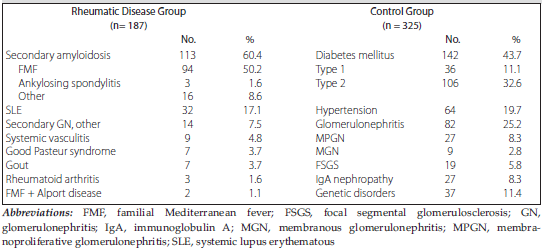
Table 1. Primary Causes of End-Stage Renal Disease in 512 Kidney Recipients
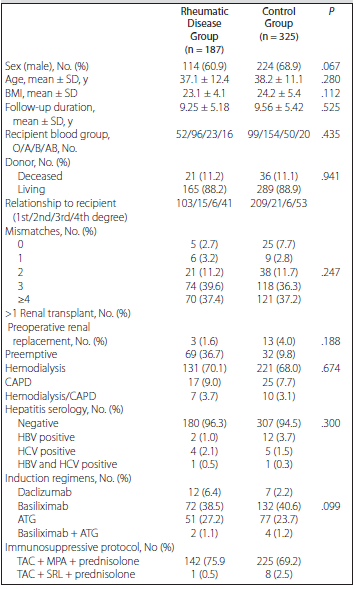
Table 2. Demographic Characteristics and Clinical Features of Renal Transplant Study Groups
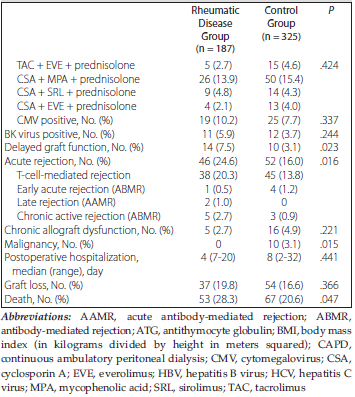
Table 2 (Cont). Demographic Characteristics and Clinical Features of Renal Transplant Study Groups
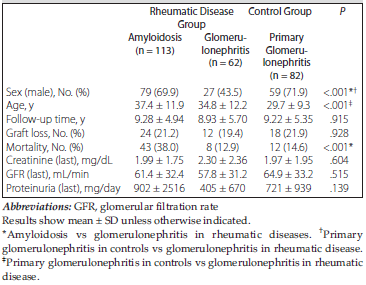
Table 3. Comparison of Transplant Recipients With Amyloidosis and Glomerulonephritis Renal Pathology Versus Control Patients With Glomerulonephritis
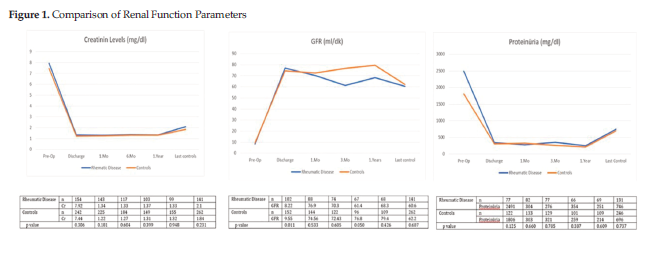
Figure 1. Comparison of Renal Function Parameters
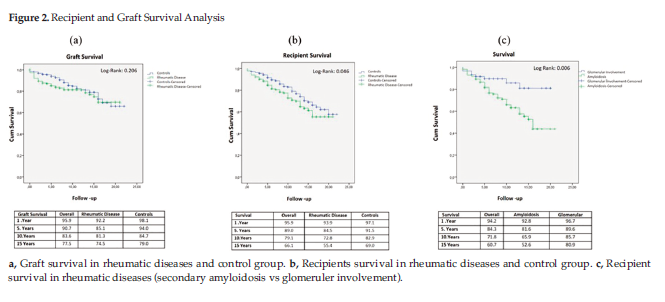
Figure 2. Recipient and Graft Survival Analysis
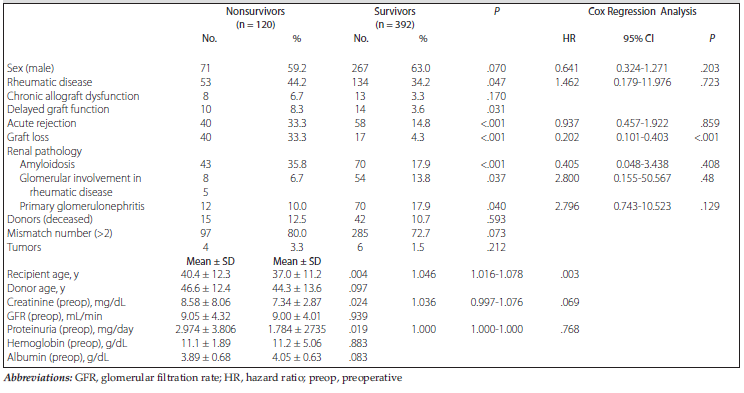
Table 4. Characteristics of Nonsurvivors and Survivors and Risk Factors for Mortality