Volume: 23 Issue: 8 August 2025
FULL TEXT
Objectives: Patients who reach the terminal phase
of renal disease are candidates for kidney transplant. However, the pretransplant process is substantial and requires time-intensive evaluations. We aimed to investigate the factors that affect the timeline for evaluation of kidney transplants and to identify the challenges and recommendations for improvement of the evaluation process in Saudi Arabia.
Materials and Methods: For the first part of the study, we collected retrospective data from all patients who underwent kidney transplant from 2017 to 2022 at King Abdullah Medical City, Makkah, Saudi Arabia. For the second part of the study, we used a cross-sectional design to collect health workers’ perceptions of the factors, recommendations, and challenges in the kidney transplant evaluation process at King Abdullah Medical City.
Results: The average number of specialty clinic visits was 7.43, and the average number of clinic visits was 21.37. The mean wait time for surgery was 185.5 days (SD, 106.91 days). There was a significant positive correlation between the wait time for surgery and the total number of clinics visited (r = 0.286, P = .026).
Conclusions: This study provides valuable insightsinto the factors that may affect kidney transplant evaluation in Saudi Arabia, and our results emphasize the impor-tance of adequate resources and effective teamwork.
Key words : End-stage renal disease, Evaluation timeline, Transplantation, Transplant wait time
Introduction
Patients with advanced renal disease are candidates for kidney transplant, which is the treatment of choice. Patients who can locate a living donor have the opportunity to receive a transplant sooner than those awaiting a deceased donor kidney transplant. Furthermore, living donor transplant improves morbidity, cost-effectiveness, and long-term survival rates.
Patients must first undergo a comprehensive and exhaustive kidney transplant evaluation process to be considered a transplant candidate. This process is a multi-step procedure designed to determine whether a person is a suitable candidate for kidney transplant. This process involves several stages, including initial evaluation, medical testing, donor evaluation, and matching.1,2
The timeline for the kidney transplant evaluation process can vary depending on several factors, including individual medical history, the availability of donors, and the complexity of the medical tests required. Some patients may be able to complete the process within a few months, whereas other patients may require several years.3
In addition to patient factors, hospital factors and health system factors can greatly affect the outcome of the kidney transplant evaluation process, with such factors greatly varying among regions and among hospitals. Patients should work closely with health care teams to understand the hospital factors and system factors that may affect their transplant evaluation process and thereby address potential challenges.3,4
No previously published studies have studied the estimated timeline for kidney transplant, the associated challenges, or the opportunities for enhancement of the transplant evaluation process. Therefore, this study aimed to identify factors that may reduce the time required for the transplant evaluation process, to improve the clinical outcomes of patients who presently receive dialysis in Saudi Arabia.2
Materials and Methods
Study design and participants
The first part of our study was the collection of retrospective data for all patients who underwent living related (first-degree relative or spouse) kidney transplant from 2017 to 2022 at King Abdullah Medical City, Makkah, Saudi Arabia. Kidney transplant recipients who had undergone transplant surgery outside our institute were excluded from the study.
The second part of our study was the application of a cross-sectional design to collect health care workers’ perceptions of the factors, recommen-dations, and challenges in the kidney transplant evaluation process at King Abdullah Medical City. This study was approved by the Institutional Review Board of King Abdullah Medical City (approval No. 22-981).
Data collection
Data were collected from medical records, including clinical characteristics (age, sex, ABO blood type, comorbidities, and renal disease), date of start of transplant evaluation process, and date of transplant surgery, in addition to the number and specialty of various clinic visits. All transplants were living related kidney transplants, and all transplants were performed exclusively at our center.
A self-administered questionnaire was used by health care workers to identify challenges and recommendations in the kidney transplant process. The questionnaire included 7 domains with 26 closed-ended questions that required responses on an ordinal scale, as well as 2 open-ended questions that required the respondent to provide their personal view of the challenges and recommendations regarding the transplant evaluation process in Saudi Arabia. The questionnaire was developed from material published in previous studies5,6 and was electronically distri-buted to all employees of the King Abdullah Medical City.
Study outcomes
This study investigated factors that affect the timeline for the evaluation of kidney transplants. Moreover, this study identified challenges and recommendations for improvement of the timeline of the transplant evaluation process in Saudi Arabia.
Statistical analyses
We used SPSS software for data analyses, including descriptive and inferential analyses. We used mean values, frequencies, numbers, and standard deviations of the data for descriptive statistics. We measured differences between groups and correlations with inferential statistics.
Results
Patient data collection
Table 1 lists the demographic and clinical charac-teristics of the patients who underwent kidney transplant. There were more female patients (58.7%) than male patients (41.3%), and most patients (84.75%) were from the city of Makkah.
Table 2 provides important information on the average characteristics for kidney transplant cases. The results show that the mean age at transplant was 42.48 years, the mean number of specialty clinic visits was 7.43, and the mean number of total clinic visits was 21.37. The mean wait time for surgery was 185.5 days (SD, 106.91 days).
Table 3 shows a positive correlation between wait time to transplant surgery and the total number of clinic visits (r = 0.286, P = .026). This correlation suggests that patients who visited more clinics during their evaluation process tended to experience longer wait times for transplant surgery. However, there was no significant correlation between wait time for surgery and the number of specialty clinics visited (r = 0.213, P = .153), which indicated that the wait time is not affected by the number of different specialty clinics visited.
Table 4 shows the correlation between wait time for transplant surgery and clinical characteristics. The results showed that male sex, Makkah city residency, B blood group type, and autosomal dominant polycystic kidney disease were associated with longer wait times compared with other subgroups. However, these results were not significant.
Health care worker questionnaire
Demographic data of the participants showed 41%, 50%, and 69% of questionnaire respondents were male employees, were members of the nursing staff, and were not from the nephrology department, respectively. Respondents had a mean age and experience of 38.12 years and 5.64 years, respectively (Table 5).
The participants identified heavy workload, poor patient medical condition, and insufficient staff as the highest perceived challenges in the kidney transplant evaluation process in 47%, 46%, and 37% of responses, respectively (Table 6). Moreover, participants identified increases in the amount of equipment and number of beds, improvement of staff education on protocol and guidelines, and an increase in the number of staff as the main recommendations to improve the kidney transplant evaluation process by 51%, 40%, and 37%, respectively (Table 7).
Discussion
The results of this study showed that the average wait time for kidney transplant in a Saudi Arabia hospital was 185.5 days (SD, 106.91 days), which is consistent with the results of other studies that have shown a range of 129.4 to 164.7 days.7,8
The significant correlation between wait time for surgery and the total number of clinics visited is consistent with several previous studies,9,10 which may reflect a complex medical history and the need for additional interventions before surgery.
However, our study did not find a significant correlation between the wait time for surgery and the number of specialty clinics visited. These results differ from those of previous studies that reported a correlation between wait times for kidney transplant surgery and the number of visits to specific medical specialties such as cardiology, gastroenterology, and infectious diseases.11 The lack of this correlation in the present study may be due to differences in the study population or in the evaluation process used to determine the need for specialty clinic visits.
The longer wait times for some subgroups, specifically male patients and patients from the Makkah region, were not statistically significant. However, our study found that patients in blood group B and patients with autosomal dominant polycystic kidney disease had longer wait times, which is consistent with previous research that has identified these factors as potential barriers to timely kidney transplant.12,13
Our study sheds light on the challenges faced by Saudi Arabia health care providers during the kidney transplant evaluation process. The participants perceived that workload, medical condition of patients, and lack of sufficient staff were the most substantial challenges. These results are consistent with previous studies that have identified workload and staff issues as substantial barriers to high-quality care during the transplant evaluation process.14,15
Our study found that an increase of sufficient materials, a greater number of staff, enhanced unification of protocols and guidelines, and better use of multidisciplinary teams are the main recom-mendations for improvement of the kidney transplant evaluation process. These findings are consistent with previous research that has emphasized the importance of adequate resources, sufficient staff, and effective teamwork to ensure efficient kidney transplant evaluation and management.16,17 To overcome the long wait times related to multiple clinic visits, we suggest establishment of 1-day multidisciplinary coordinator clinics, as studied by Formica et al,18 as well as greater standardization of the protocols and guidelines for evaluation of kidney transplants across Saudi Arabia.19
Our study had some limitations. First, this study included a single transplant center in Makkah, Saudi Arabia; therefore, the results may not be genera-lizable to other populations. Future studies should analyze additional factors that may influence the evaluation process across multiple centers, to compare the evaluation process and wait times for kidney transplant surgery.
Conclusions
This study reviewed the evaluation process for kidney transplants in Saudi Arabia, with an aim to discover factors related to the timeline of the kidney transplant evaluation process, as well as the chal-lenges faced by health care providers. These results informed some recommendations to improve the health care system in Saudi Arabia and other countries, which potentially reduce the wait period and improve the quality of care provided during the kidney transplant evaluation process.
References:
- Massie AB, Leanza J, Fahmy LM, et al. A risk index for living donor kidney transplantation. Am J Transplant. 2016 Jul;16(7):2077-84. doi: 10.1111/ajt.13709
CrossRef - PubMed - Kasiske BL. OPTN/SRTR 2016 annual data report: deceased organ donation. Am J Transplant. 2018;18:434-463. doi: 10.1111/ajt.14563.
CrossRef - PubMed - de Jong RW, Stel VS, Heaf JG, Murphy M, Massy ZA, Jager KJ. Non-medical barriers reported by nephrologists when providing renal replacement therapy or comprehensive conservative management to end-stage kidney disease patients: a systematic review. Nephrol Dial Transplant. 2021;36(5):848-862. doi:10.1093/ndt/gfz271
CrossRef - PubMed - Sandal S, Charlebois K, Fiore JF, et al. Health professional-identified barriers to living donor kidney transplantation: a qualitative study. Can J Kidney Health Dis. 2019;6:2054358119828389. doi:10.1177/2054358119828389
CrossRef - PubMed - Hoffmann SC, Stanley EM, Cox ED, et al. Ethnicity greatly influences cytokine gene polymorphism distribution. Am J Transplant. 2002;2(6):560-567. doi:10.1034/j.1600-6143.2002.20611.x
CrossRef - PubMed - Young CJ, Gaston RS. Understanding the influence of ethnicity on renal allograft survival. Am J Transplant. 2005;5(11):2603-2604. doi:10.1111/j.1600-6143.2005.01118.x
CrossRef - PubMed - Meier-Kriesche HU, Port FK, Ojo AO, et al. Effect of waiting time on renal transplant outcome. Kidney Int. 2000;58(3):1311-1317. doi:10.1046/j.1523-1755.2000.00287.x
CrossRef - PubMed - Bornemann K, Croswell E, Abaye M, et al. Protocol of the KTFT-TALK study to reduce racial disparities in kidney transplant evaluation and living donor kidney transplantation. Contemp Clin Trials. 2017;53:52-59. doi:10.1016/j.cct.2016.11.011
CrossRef - PubMed - Husain SA, Brennan C, Michelson A, et al. Patients prioritize waitlist over posttransplant outcomes when evaluating kidney transplant centers. Am J Transplant. 2018;18(11):2781-2790. doi:10.1111/ajt.14985
CrossRef - PubMed - Locke JE, Reed RD, Massie A, et al. Obesity increases the risk of end-stage renal disease among living kidney donors. Kidney Int. 2017;91(3):699-703. doi:10.1016/j.kint.2016.10.014
CrossRef - PubMed - Kotta PA, Elango M, Papalois V. Preoperative cardiovascular assessment of the renal transplant recipient: a narrative review. J Clin Med. 2021;10(11):2525. doi:10.3390/jcm10112525
CrossRef - PubMed - Lim WH, Ooi E, Pilmore HL, et al. Interactions between donor age and 12-month estimated glomerular filtration rate on allograft and patient outcomes after kidney transplantation. Transpl Int. 2022;35:10199. doi:10.3389/ti.2022.10199
CrossRef - PubMed - Danovitch GM, Hariharan S, Pirsch JD, et al. Management of the waiting list for cadaveric kidney transplants: report of a survey and recommendations by the Clinical Practice Guidelines Committee of the American Society of Transplantation. J Am Soc Nephrol. 2002;13(2):528-535. doi:10.1681/ASN.V132528
CrossRef - PubMed - Concepcion BP, Alasfar S, Levea SL, Singh P, Wiseman A. The transplant nephrology workforce in the united states: current state and future directions. Adv Chronic Kidney Dis. 2020;27(4):336-343.e1. doi:10.1053/j.ackd.2020.05.005
CrossRef - PubMed - Israni AK, Zaun D, Rosendale JD, Schaffhausen C, Snyder JJ, Kasiske BL. OPTN/SRTR 2016 Annual Data Report: deceased organ donation. Am J Transplant. 2018;18(suppl 1):434-463. doi:10.1111/ajt.14563
CrossRef - PubMed - Fonouni H, Golriz M, Mehrabi A, et al. The role of an interdisciplinary transplant team on living donation kidney transplantation program. Transplant Proc. 2010;42(1):137-140. doi:10.1016/j.transproceed.2009.12.038
CrossRef - PubMed:https://pubmed.ncbi.nlm.nih.gov/20172299/
- Watford DJ, Cheng XS, Han J, Stedman MR, Chertow GM, Tan JC. Toward telemedicine-compatible physical functioning assessments in kidney transplant candidates. Clin Transplant. 2021;35(2):e14173. doi:10.1111/ctr.14173
CrossRef - PubMed - Formica RN Jr, Barrantes F, Asch WS, et al. A one-day centralized work-up for kidney transplant recipient candidates: a quality improvement report. Am J Kidney Dis. 2012;60(2):288-294. doi:10.1053/j.ajkd.2012.04.008
CrossRef - PubMed - Pham PT, Pham PA, Pham PC, Parikh S, Danovitch G. Evaluation of adult kidney transplant candidates. Semin Dial. 2010;23(6):595-605. doi:10.1111/j.1525-139X.2010.00809.x
CrossRef - PubMed

Volume : 23
Issue : 8
Pages : 530 - 534
DOI : 10.6002/ect.2025.0121
From King Abdullah Medical City, Makkah, Kingdom of Saudi Arabia
Acknowledgements: The authors have not received any funding or grants in support of the presented research or for the preparation of this work and have no declarations of potential conflicts of interest.
Corresponding author: Zainab Habibullah, King Abdullah medical city, Makkah, KSA
E-mail: zainabnsh@yahoo.com
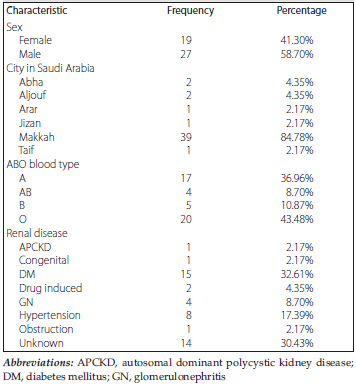
Table 1. Kidney Transplant Cases
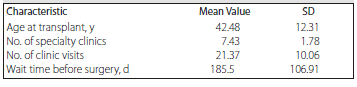
Table 2. Characteristics for Kidney Transplant Cases
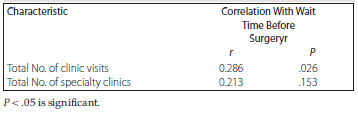
Table 3. Correlation Between Wait Time for Transplant Surgery and Number of Clinic Visits: Pearson Correlation and P Value
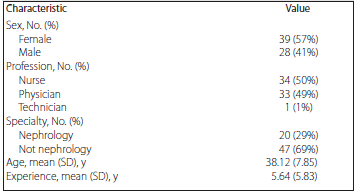
Table 5. Participant Demographics
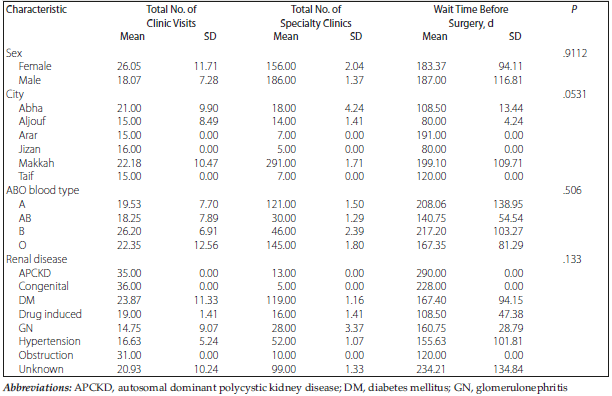
Table 4. Comparison of Wait Times and Clinical Characteristics
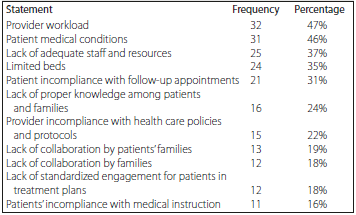
Table 6. Challenges in the Kidney Transplant Evaluation Process
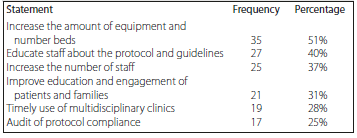
Table 7. Recommendations to Improve the Kidney Transplant Evaluation Process