Volume: 23 Issue: 8 August 2025
FULL TEXT
Objectives: Postoperative donor care is being improved with newly applied methods. Recently, because of its effectiveness, erector spinae plane blocks have been increasing in popularity. However, its use for laparoscopic living-donor nephrectomy is not fully known. We evaluated the effectiveness of erector spinae plane blocks in laparoscopic living-donor nephrectomy on postoperative pain and total analgesia consumption in the first 24 hours postsurgery.
Materials and Methods: In this randomized, prospective cohort efficiency study, we included 60 donors scheduled for elective nephrectomy. The control group (n = 30) received analgesic medication according to organ transplant ward protocol for postoperative pain treatment; the erector spinae plane block group (n = 30) underwent an erector spinae plane block application with routine analgesic medication practice. We evaluated the efficacy of postoperative pain treatment and total analgesic consumption at postoperative 1, 6, 12, and 24 hours.
Results: Among the 60 donors in the study, there were no differences in the verbal numerical rating scale and the Wong-Baker Faces Pain Rating Scale scores between the groups in the first 24 hours. However, total tramadol consumption in the erector spinae plane block group was less (P = .003) than in the control group. Regression analysis confirmed that block application was associated with tramadol consumption (P = .001).
Conclusions: Although erector spinae plane blocks applied under bilateral ultrasonographic guidance did not have any efficacy for pain relief in the first 24 hours postoperation, a decrease was found in analgesic consumption compared with the nonblock group.
Key words : Donor wound healing, Pain control, Postoperative pain
Introduction
Laparoscopic living-donor nephrectomy (LLDN) is a safe procedure and improves the quality of life among donors. The procedure accelerates wound healing and thus facilitates the earlier discharge of donor candidates. Laparoscopic living-donor nep-hrectomy also requires fewer analgesics compared with the open method.1 The physiology of posto-perative pain has been attributed to tissue damage as a result surgical trauma, inflammation, residual pneumoperitoneum, related biochemical changes, and diaphragm irritation. Phrenic neuropraxia due to irritation is the most prominent cause of pain and subsequently results in shoulder pain.2
Pain control is provided by intravenous (IV) analgesics, which are local anesthetics injected into the incision area, and regional techniques after LLDN operations.2,3 The development of less invasive methods of transplant surgery has also motivated improvements in anesthesia administration methods. Recently, new regional anesthesia techniques for postoperative pain control have become popular. Many blocks are being applied with ultrasonography to reduce pain severity after laparoscopic and open surgeries.3,4 In 2016, the erector spinae plane block (ESPB) was first described by Forero and colleagues and was successfully used in thoracic and abdominal surgeries.5 As previously reported, ESPB has been successful in controlling pain, total opioid use, nausea, vomiting, and pruritus, especially following laparoscopic abdominal surgeries.3-6
Currently, focus has been on donor care, and especially practices, to improve postoperative quality of life after transplant operations. In our clinic, patient-controlled analgesia, epidural anesthesia, and, in recent years, ESPB applications have been used for postoperative pain control. However, to our knowledge, no prospective cohort study in the literature has investigated the effects of ESPB applications on postoperative pain control, total analgesic consumption, nausea, vomiting, and pruritus following LLDN operations. The primary aim of our study was to investigate the success and effectiveness of ESPB applications according to the results of the pain assessment scales. The secondary purpose was to evaluate the total amount of analgesics (paracetamol and tramadol) administered as routine and rescue therapy in the first 24 hours after surgery.
Materials and Methods
Volunteer study design
This prospective cohort, randomized, single-center study was conducted in patients scheduled for LLDN in 2021 in the organ transplant department of our hospital following the ethical standards of the Declaration of Helsinki. Ethical approval for the protocol of the presented study was provided by the Institutional Review Board of our hospital in Turkey (no. 70904504/123; date of approval: 10/02/2021), and the study was prospectively registered at ClinicalTrials.gov (NCT04867070).
Written informed consent for participation in the study was obtained from all donors before the LLDN operation. All participants were aged 19 to 75 years and classified as I or II according to the American Society of Anesthesiologists (ASA) physical con-dition classification. The ESPB was explained to the volunteers, and a block was applied if the patients provided their consent. The donors were randomly assigned to the ESPB group or the control group using computer-generated random numbers placed in separate closed envelopes that the study investigator opened before performing the block in the operation room. All ESPBs were performed by the same anesthesiologist. All data collectors were blinded to randomization. Organ transplant nurses evaluated the donor pain status in the recovery ward and organ transplant ward at 1, 6, 12, and 24 hours postoperatively. Pain assessment results were recorded, which was the primary outcome of the study.
The standard perioperative medical analgesic protocol predetermined by our department was applied to all patients scheduled to undergo LLDN. Accordingly, IV analgesic treatments with tramadol (1 mg/kg) and paracetamol (1 g) were routinely applied at the end of surgery and every 8 hours during the postoperative period. Participants with a pain score >5 were given additional IV paracetamol (1 g, maximum of 4 g daily) or IV tramadol (1 mg/kg), aside from routine analgesic treatments. Total analgesic consumption was recorded, which was the secondary outcome of the study. Side effects such as nausea, vomiting, pruritus, and use of antiemetic drugs were also noted. Demographic and other postoperative data were recorded. Participants with bleeding diathesis, use of anticoagulants, use of corticosteroids, use of antipsychotic drugs, allergy to local anesthesia, and any contraindication to peripheral block were excluded from the study.
Donor anesthesia and erector spinae plane block procedure
All donors were administered IV midazolam (0.05 mg/kg) as an anxiolytic after standard anesthesia monitoring in the preoperative period. For the ESPB group, first, the spinous process of the tenth thoracic vertebra was detected with an 8-MHz frequency linear ultrasonography probe in the prone position. Next, the transverse process of the tenth thoracic vertebra was observed by shifting approximately 3 cm laterally from this point, and the insertion area was anesthetized with a cutaneous-subcutaneous local anesthetic. An echogenic, 22-gauge 80-mm block needle (Stimuplex A, B Braun) was positioned in the craniocaudal direction between the transverse process and the erector spinae muscle using the in-plane technique. Normal saline (3 mL) was injected into this area to check the accuracy of the location, and a hydrodissection image was obtained. After confirmation, 20 mL of 0.25% bupivacaine HCl was injected bilaterally, and its distribution in the cephalocaudal direction between the muscle and transverse processes was observed. For the control group, only a standard postoperative pain management protocol (tramadol and paracetamol) was used.
After patients were in a supine position, IV fentanyl (2 μg/kg), IV pentothal (3-5 mg/kg), and IV rocuronium bromide (0.4-0.6 mg/kg) were used for induction according to the LLDN operation anesthesia protocol. Anesthesia maintenance was provided by 4% to 6% desflurane (medical air 60% in oxygen), IV remifentanil (0.01-0.05 μg/kg/min), and IV rocuronium bromide (0.1 mg/kg infusion). Artery catheterization was performed as a standard to measure invasive blood pressure. All patients were extubated in the operating room, and their follow-ups and treatments were maintained in the recovery room.
Evaluation of pain
The verbal numerical rating scale (vNRS)7-9 and the Wong-Baker Faces Pain Rating Scale (WBFS)10 are routinely used for postoperative pain scoring at our center. Accordingly, the number chosen by the donors from 0 (no pain) to 10 (maximal pain) provided the vNRS score, in which patients are shown emoji analogs of the numbers, provided the WBFS score. Pain status of donors was assessed by experienced organ transplant nurses in the postoperative recovery room at 6, 12, and 24 hours postoperatively. All scoring results and analgesic medications were noted.
Laparoscopic living-donor nephrectomy procedure The patient was placed in a lateral decubitus position, according to the procurement side of the kidney. We used the Hasson technique for the first trocar insertion. After a pneumoperitoneum with 12 to 15 mm Hg of pressure was ensured, then trocars were inserted with the guidance of the camera.
For left nephrectomy, trocars were inserted as follows: a 10-mm camera port from the left perium-bilical region (T10 dermatome), a 5-mm trocar in the left midclavicular line from the subcostal region (T7 dermatome), and a 12-mm trocar in the left midclavicular line from the left lower quadrant (T11 dermatome).
The left colon and sigmoid were reflected medially, and the ureter and gonadal veins were identified. The dissection was performed along through the gonadal vein to the renal vein and continued to the identification of the adrenal vein. The renal vein was dissected from the surrounding tissue. In this step, the renal artery was also identified and dissected from the surrounding tissue. After that, the adrenal vein was ligated and cut. The adrenal gland was separated from the kidney, and the upper pole was dissected from the spleen. The ureter was dissected from the psoas muscle. The kidney, with its Gerota fascia, was dissected from the surrounding perirenal fat. By mobilizing the kidney, the renal artery and vein were dissected completely from the surrounding tissue. We used a vascular stapler (ECHELON FLEX powered vascular stapler; Ethicon) for transection of the renal artery and vein and a Hem-O-Lok clip (Weck Closure Systems) for ligation of the ureter distally. The kidney was extracted through a low transverse Pfannenstiel incision (T12 dermatome). For the right nephrectomy, the technique was similar to that for the left side, in addition to securing the gonadal and adrenal veins; in addition, a 5-mm trocar in the midaxillary line at the umbilical level (T10 dermatome) was inserted for liver retraction.
Statistical analyses
We used the Statistical Package for Social Sciences for Windows version 23.0 (IBM) and Microsoft Office Excel version 16.0 for statistical analyses. Categorical variables were compared using the Pearson chi-square test or the Fisher exact test, and data are presented as numbers and percentages. Normally distributed continuous data are presented as mean and SD, and nonnormal data are presented as median and interquartile range. We used the Kolmogorov-Smirnov or Shapiro-Wilk tests to evaluate the normality of the continuous data. We used the Mann-Whitney-Wilcoxon test to compare nonparametric data between the 2 groups. Variables that were used in the data included block group, age, sex, body mass index (BMI), numeric pain scores (at 1, 6, 12, and 24 h into the postoperative period), WBFPS (at 1, 6, 12, and 24 h into the postoperative period), adminis-tered total tramadol and paracetamol dosage, ASA score, vomiting, nausea, pruritus, administered dosage of metoclopramide, and the granisetron requirement. We performed multivariate linear regression analyses and Pearson correlation tests to identify the factors associated with analgesic consumption. Variables used in the multivariate regression analysis included block group, sex, age, BMI, and administered total tramadol and paracetamol dosages.
Results
Study participants
Eight-two consecutive donors who underwent LLDN in 2021 were included in the study. Among these, 60 donors were investigated after exclusion of those who did not meet the inclusion criteria or who had missing follow-up data. The ESPB group comprised 30 donors, and the control group (treated with only postoperative medical analgesics) comprised 30 donors (Figure 1). No differences were found between age distributions and distributions between men and women, ASA score, BMI, and hospital stay (Table 1). No complications were observed in the intraoperative follow-up of either group. All participants were discharged without any major complications after their routine treatment in the postoperative period.
Pain intensity and characteristics
The same anesthesiologist successfully performed all ESPBs in the ESPB group. No block-related complications, such as bleeding or subcutaneous emphysema, were encountered during the intra-operative or postoperative periods. Resting pain for all participants was questioned during the postoperative period (at 1, 6, 12, and 24 h). Aside from routine practice, additional analgesic treatments were ordered if the pain score was >5. When we compared the ESPB group versus the control group at the specified time intervals, we observed no significant differences in vNRS and WBFS scores (Table 2). Two donors described right shoulder pain in the control group, but this description was not encountered in the ESPB group.
Opioid consumption
Pain management for all donors was done according to the postoperative analgesia protocol of our organ transplant ward. Donors requiring additional analgesia were noted, and, in accordance with level of pain, analgesics were ordered. When we compared analgesic consumption of both groups in the first 24 hours, the mean amount of tramadol used in the control group was higher than in in the ESPB group (P = .003; Table 3).
We conducted a multiple linear regression to predict tramadol consumption based on age, sex, BMI, block application, and paracetamol consumption. A significant regression equation was found (F[5,54] = 2.74, P = .03), with an R2 of 0.203. The predicted tramadol consumption was calculated as follows: 266.353 – 49.836 (block application) – 0.159 (age) – 0.008 (paracetamol dosage) + 3.754 (sex) + 2.892 (BMI), where sex was coded as 1 = male and 2 = female and block was coded as 1 = not applied and 2 = applied. Only block application was a significant predictor of tramadol consumption. Tramadol consumption had been decreased 49.836 mg with block application (Table 4). Figure 2 shows total and predicted tramadol consumption according to the groups. The regression analysis confirmed that block application was associated with tramadol consumption in the ESPB group (P = .001).We questioned itching, nausea, and vomiting symptoms for all participants and noted antiemetic treatment (metoclopramide, or granisetron) for the first 24 hours (Table 3). We observed no differences between groups in terms of nausea, vomiting, or itching.
Discussion
The postoperative analgesia regimens used to treat the donors included in our study were standardized for both groups. Bilateral ESPB was applied to the ESPB group before induction of general anesthesia. When we compared pain scores in the postoperative period between groups, no significant differences were shown. We could not find any similar clinical trial investigating the effects of ESPB application in LLDN in the literature. However, in 2 cases, Piliego and colleagues11 reported that ESPB was advantageous in terms of comfort and the simplicity of application in postoperative pain control following laparoscopic nephrectomy operations. Erector spinae plane block has also been used in renal transplant patients to reduce analgesic consumption.12,13 As reported, 30 mL of 0.375% of bupivacaine applied unilaterally from the level of the T9 transverse process before the incision resulted in successful perioperative pain control. The studies also reported that vNRS score could decrease to 0 after ESPB was performed with 27 mL of unilaterally applied ropivacaine 0.25% at the T8 to T9 level during the period after renal transplant, with the effect of tramadol continuing for 24 hours.
Epidural anesthesia, which is the gold standard for pain control in abdominal surgeries, is not preferred for living-donor hepatectomies due to postoperative coagulopathy in living liver donors.14 Continuous bilateral ESPB at the seventh transverse process level was associated with less analgesic consumption during the postoperative 3 days compared with the control group in right-sided living-donor hepatectomies. However, pain scores were lower than in the control group only at day 2, and postoperative pain scores showed no differences on the day of surgery and at days 1, 3, and 4.15 Similarly, our study did not find a difference in pain scores in the first 24 hours and observed that opioid consumption was lower in the ESPB group.
Erector spinae plane block was applied to 10 patients who underwent a laparoscopic hysterectomy and was found to be a safe procedure.16 However, similar to our results, in a systemic review inves-tigating the effectiveness of ESPB in reducing postoperative pain after cesarean section, the block showed no significant difference compared with other methods.17
Erector spinae plane block is commonly used in laparoscopic cholecystectomy operations in abdo-minal surgeries18-20 and has been successful in mitigating postoperative pain and positively affecting total analgesic consumption. In a meta-analysis from Daghmouri and colleagues,6 bilateral ESPB for postoperative pain control in laparoscopic cholecystectomy operations decreased analgesia consumption and was a safe method. However, ESPB has been shown to be effective only for a short time in the postoperative period following percutaneous nephrolithotomy operations, and it was not superior to IV analgesia applications for pain control at 24 hours.21
As is well known, ESPB is a paraspinal fascial plane block.5 The local anesthetic administered between the erector spinae muscle and thoracic transverse processes is spread at 3 to 6 vertebral levels in the craniocaudal direction. This subsequently blocks the spinal nerves in the thoracic and abdominal dorsal and ventral rami and provides somatic-visceral analgesia.22 According to case reports on laparoscopic nephrectomy and renal transplant, ESPB was effective after being administered to T8 to T9.11-13 Because our surgical incision level was between T7 and T12 and renal sensation originates from T10 to T11, we performed ESPB at T10.23 Thus, the multidermatome innervation of the anterior, posterior, and lateral thoracic and abdominal walls at the T7 to T12 levels would have been reduced. According to our hypothesis, inadequate postoperative pain control following LLDN suggests that the application of local anesthetic at the bilateral T10 level may be insufficient for diffusion into the retroperitoneal nerves. Nevertheless, this might be due to the pneumoperitoneum accompanying phrenic neuro-praxia. Further studies are needed to support this hypothesis.
The literature indicates that ESPB notably decreases the use of analgesics.6,17,24 Furthermore, postoperative analgesia strategies aim to provide pain control with the most negligible side effects, especially among donors. In addition to regional techniques, opioid use may lead to adverse effects, such as nausea, vomiting, and itching.25 In the present study, although there were no significant differences in nausea, vomiting, or antiemetic use between the groups, postoperative 24-hour total tramadol use was lower in the ESPB group versus the control group, which supports the literature. Therefore, ESPB can be considered an option to prevent recurrent opioid use.
Our study had some limitations. Two different pain assessment tools were used in the postoperative period. The aim was to conclude the pain assessment more accurately. However, these tools were used while patients were at rest, and the pain level during movement was not evaluated. We believe that investigating the ESPB’s effectiveness during movement will be valuable in terms of ESPB application in future studies on LLDN operations. Furthermore, the total intraoperative amount of remifentanil was not compared between the groups due to adjustments in infusion dosage. Therefore, the effects of ESPB application on pain due to surgery are unknown.
Conclusions
Ultrasonograph-guided bilateral ESPB is a safe and simple method of pain relief that can be used during LLDN surgery. The present study demonstrated that total opioid use over 24 hours decreased in donors who received the block application, thus supporting the literature. However, when we compared pain scores between the ESPB group and control group, there was no significant effect on reducing posto-perative pain or increasing donor comfort. Therefore, more studies on the routine use of ESPB in LLDN operations are needed.
References:
- Minnee RC, Idu MM. Laparoscopic donor nephrectomy. Neth J Med. 2010;68(5):199-206.
CrossRef - PubMed - Sao CH, Chan-Tiopianco M, Chung KC, et al. Pain after laparoscopic surgery: Focus on shoulder-tip pain after gynecological laparoscopic surgery. J Chin Med Assoc. 2019;82(11):819-826. doi:10.1097/JCMA.0000000000000190
CrossRef - PubMed - Kang R, Chin KJ, Kim GS, et al. Bilateral continuous erector spinae plane block using a programmed intermittent bolus regimen versus intrathecal morphine for postoperative analgesia in living donor laparoscopic hepatectomy: a randomized controlled trial. J Clin Anesth. 2021;75:110479. doi:10.1016/j.jclinane.2021.110479
CrossRef - PubMed - Rawal N. Current issues in postoperative pain management. Eur J Anaesthesiol. 2016;33(3):160-171. doi:10.1097/EJA.0000000000000366
CrossRef - PubMed - Forero M, Adhikary SD, Lopez H, Tsui C, Chin KJ. The erector spinae plane block: a novel analgesic technique in thoracic neuropathic pain. Reg Anesth Pain Med. 2016;41(5):621-627. doi:10.1097/AAP.0000000000000451
CrossRef - PubMed - Daghmouri MA, Akremi S, Chaouch MA, et al. Bilateral erector spinae plane block for postoperative analgesia in laparoscopic cholecystectomy: a systematic review and meta-analysis of randomized controlled trials. Pain Pract. 2021;21(3):357-365. doi:10.1111/papr.12953
CrossRef - PubMed - Bijur PE, Latimer CT, Gallagher EJ. Validation of a verbally administered numerical rating scale of acute pain for use in the emergency department. Acad Emerg Med. 2003;10(4):390-392. doi:10.1111/j.1553-2712.2003.tb01355.x
CrossRef - PubMed - Hjermstad MJ, Fayers PM, Haugen DF, et al. Studies comparing numerical rating scales, verbal rating scales, and visual analogue scales for assessment of pain intensity in adults: a systematic literature review. J Pain Symptom Manage. 2011;41(6):1073-1093. doi:10.1016/j.jpainsymman.2010.08.016
CrossRef - PubMed - Bahreini M, Jalili M, Moradi-Lakeh M. A comparison of three self-report pain scales in adults with acute pain. J Emerg Med. 2015;48(1):10-18. doi:10.1016/j.jemermed.2014.07.039
CrossRef - PubMed - Stinson JN, Kavanagh T, Yamada J, Gill N, Stevens B. Systematic review of the psychometric properties, interpretability and feasibility of self-report pain intensity measures for use in clinical trials in children and adolescents. Pain. 2006;125(1-2):143-157. doi:10.1016/j.pain.2006.05.006
CrossRef - PubMed - Piliego C, Longo F, Agro FE. Erector spinae plane block growing potential: pain management in laparoscopy nephrectomy. Saudi J Anaesth. 2020;14(2):275-276. doi:10.4103/sja.SJA_43_20
CrossRef - PubMed - Aytuluk HG, Kara MY. Erector spinae plane block for postoperative analgesia in kidney transplantation: a report of 3 cases. J Clin Anesth. 2020;61:109683. doi:10.1016/j.jclinane.2019.109683
CrossRef - PubMed - Temirov T, Ben-David B, Mustafin A, Viderman D. Erector spinae plane block in management of pain after kidney transplantation. Pain Med. 2019;20(5):1053-1054. doi:10.1093/pm/pny221
CrossRef - PubMed - Karna ST, Pandey CK, Sharma S, Singh A, Tandon M, Pandey VK. Postoperative coagulopathy after live related donor hepatectomy: incidence, predictors and implications for safety of thoracic epidural catheter. J Postgrad Med. 2015;61(3):176-180. doi:10.4103/0022-3859.159419
CrossRef - PubMed - Adelmann D, Khorashadi M, Zhou G, et al. The use of bilateral continuous erector spinae plane blocks for postoperative analgesia after right-sided living donor hepatectomy: a feasibility study. Clin Transplant. 2021;35(9):e14413. doi:10.1111/ctr.14413
CrossRef - PubMed - Frassanito L, Zanfini BA, Catarci S, Sonnino C, Giuri PP, Draisci G. Erector spinae plane block for postoperative analgesia after total laparoscopic hysterectomy: case series and review of the literature. Eur Rev Med Pharmacol Sci. 2020;24(7):3892-3897. doi:10.26355/eurrev_202004_20855
CrossRef - PubMed - Ribeiro Junior IDV, Carvalho VH, Brito LGO. Erector spinae plane block for analgesia after cesarean delivery: a systematic review with meta-analysis. Braz J Anesthesiol. 2022;72(4):506-515. doi:10.1016/j.bjane.2021.09.015
CrossRef - PubMed - Verma R, Srivastava D, Saxena R, et al. Ultrasound-guided bilateral erector spinae plane block for postoperative analgesia in laparoscopic cholecystectomy: a randomized controlled trial. Anesth Essays Res. 2020;14(2):226-232. doi:10.4103/aer.AER_41_20
CrossRef - PubMed - Ibrahim M. Erector spinae plane block in laparoscopic cholecystectomy, is there a difference? a randomized controlled trial. Anesth Essays Res. 2020;14(1):119-126. doi:10.4103/aer.AER_144_19
CrossRef - PubMed - Kwon HM, Kim DH, Jeong SM, et al. Does erector spinae plane block have a visceral analgesic effect?: a randomized controlled trial. Sci Rep. 2020;10(1):8389. doi:10.1038/s41598-020-65172-0
CrossRef - PubMed - Bryniarski P, Bialka S, Kepinski M, Szelka-Urbanczyk A, Paradysz A, Misiolek H. Erector spinae plane block for perioperative analgesia after percutaneous nephrolithotomy. Int J Environ Res Public Health. 2021;18(7):3625. doi:10.3390/ijerph18073625
CrossRef - PubMed - Chin KJ, El-Boghdadly K. Mechanisms of action of the erector spinae plane (ESP) block: a narrative review. Can J Anaesth. 2021;68(3):387-408. doi:10.1007/s12630-020-01875-2
CrossRef - PubMed - Peate I, Nair M. The kidney: microscopic. In: Peate I, Nair M, ed. Anatomy and Physiology for Nurses at a Glance. 1st ed. Wiley-Blackwell; 2015:73-75.
CrossRef - PubMed - Tulgar S, Kapakli MS, Senturk O, Selvi O, Serifsoy TE, Ozer Z. Evaluation of ultrasound-guided erector spinae plane block for postoperative analgesia in laparoscopic cholecystectomy: a prospective, randomized, controlled clinical trial. J Clin Anesth. 2018;49:101-106. doi:10.1016/j.jclinane.2018.06.019
CrossRef - PubMed - Shin HJ, Oh AY, Baik JS, Kim JH, Han SH, Hwang JW. Ultrasound-guided oblique subcostal transversus abdominis plane block for analgesia after laparoscopic cholecystectomy: a randomized, controlled, observer-blinded study. Minerva Anestesiol. 2014;80(2):185-193.
CrossRef - PubMed

Volume : 23
Issue : 8
Pages : 523 - 529
DOI : 10.6002/ect.2022.0401
From the 1Akdeniz University Medical Faculty, Department of Anesthesiology and Reanimation, Antalya, Türkiye; the 2Akdeniz University Medical Faculty, Department of General Surgery, Antalya, Türkiye; the 3Akdeniz University Medical Faculty, Department of Nursing, Organ Transplantation Clinic, Antalya, Türkiye
Acknowledgements: The authors have not received any funding or grants in support of the presented research or for the preparation of this work and have no declarations of potential conflicts of interest.
Corresponding author: Ilker Onguc Aycan, Akdeniz University Medical School, Department of Anesthesiology and Reanimation, Antalya, Turkey
Phone: +90 242 249 6124
E-mail: ilkeraycan@gmail.com
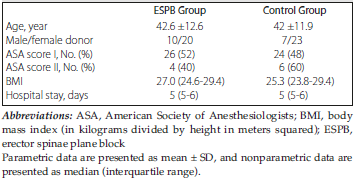
Table 1. Demographic Data of Donors
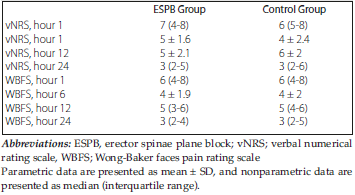
Table 2. Comparison of Pain Assessment Tools According to the Block Application
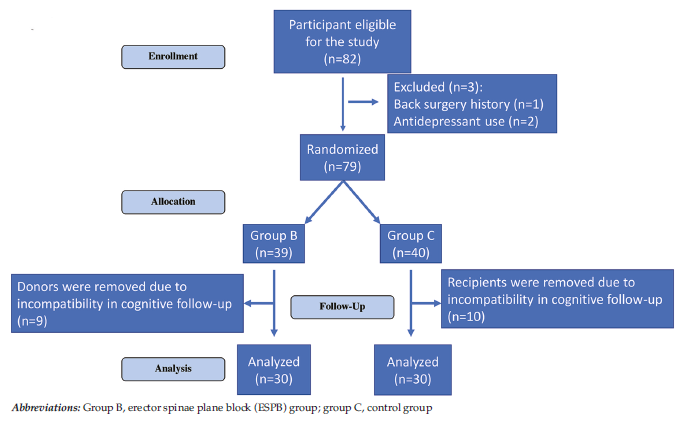
Figure 1. CONSORT Flow Diagram of Study Design
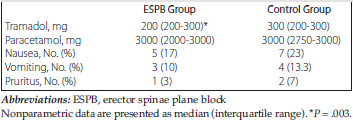
Table 3. Comparison of Analgesic Use and Analgesic-Related Adverse Drug Events
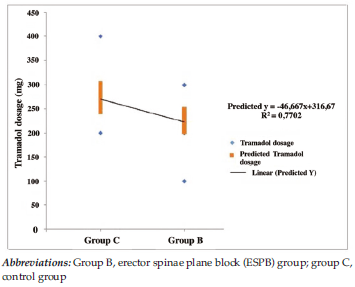
Figure 2. Linear Regression Model of Tramadol Consumption

Table 4. Regression Coefficients for Predicting Tramadol Consumption After Laparoscopic Donor Nephrectomy