Volume: 23 Issue: 2 February 2025
FULL TEXT
Objectives: We assessed effects of brain death etiology on organ donation, particularly focusing on the number of organs transplanted per donor.
Materials and Methods: We evaluated 934 actual donors from 982 brain death cases at our center from April 2016 to July 2023. We analyzed donor cause of death, donor age, sex, blood group, time to consent, and hospital characteristics.
Results: Among 934 actual brain death donors (63.6% male), mean age was 41.44 years. Cause of death was nontraumatic intracranial hemorrhage in 43.3% of cases, followed by trauma, hypoxia, cerebrovascular accident, toxicity, and brain tumor, respectively. Kidney, liver, heart, and lung donations occurred in 696 cases (74.5%), 809 (86.6%), 146 (15.6%), and 25 (3.4%), respectively. Donor cause of death significantly affected kidney donation (P < .001), with highest rates in trauma (83.7%), followed by brain tumors. Although cause of death did not affect liver transplant rates (P = .26), the highest rate was associated with trauma (89.9%), followed by toxicity. Difference in heart transplant rates among different causes of death was significant (P < .001), with highest rates in trauma cases. Similar to liver transplant, lung transplant was similar among different causes of death (P = .3). Organs transplanted per donor averaged 2.52 ± 1.13, with highest numbers associated with trauma (2.88 ± 1.07), followed by drug toxicity, brain tumors, hypoxia, nontraumatic intracranial hemorrhage, and cerebrovascular accident (P < .001). Compared with trauma, differences in organs transplanted per donor were significant for nontraumatic intracranial hemorrhage (mean difference 0.56; 95% CI, 0.39-0.74; P < .001), cerebrovascular accident (mean difference 0.58; 95% CI, 0.29-0.87; P < .001), and hypoxia (mean difference 0.50; 95% CI, 0.26-0.76; P = .002).
Conclusions: Understanding how cause of death influences donation can help improve organ donation practices and potentially increase the number of organs available for transplant.
Key words : Brain dead donor, Cause of death, Organ donor, Organ per donor, Organ transplantation
Introduction
Organ transplant is the most effective treatment for end-stage organ failures. Despite global attempts to improve organ transplant rates, organ shortage persists against the increasing rate of organ demands and remains a worldwide problem that leads to high mortality among patients on wait lists. Overcoming this shortage necessitates an expansion of the donor pool. Today, living donation and donation after both brain death and circulatory death are the available sources of donated organs, with brain death donors constituting the main organ pool.1 In 2021, in the United States, a leader in organ transplant and donation, there were 6538 living donors and 13 862 deceased donors, which included 9763 (69.8%) brain death donors.2,3 Positively, the number of deceased donors showed a 10.1% increase from 2020, and a 10-year evaluation showed constant annual increasing rates as well.2 However, the wait list mortalities underscore the existing gap between organ supply and demand, with 6.0, 13.1, 8.6, and 17.5 pretransplant deaths per 100 patients on the kidney,4 liver,5 heart,6 and lung,7 wait lists in 2021, respectively. Therefore, it is essential to better understand the donor pools, problems, and obstacles, and we must endeavor to expand this pool and improve the donation process accordingly.
There are many causes that can lead to brain death, which may result in donation. Trauma and cerebrovascular accidents (CVA) are the most frequent causes of death (COD) among deceased donors. An evaluation of 15 years of data from the Organ Procurement and Transplant Network (OPTN) database showed that of 132 782 potential donors, 33.66% of them died from CVA/stroke and 32.65% died from trauma.8 Similarly, in Iran, trauma was the most prevalent COD for donors for the period 2002-2019.9 However, the pattern of donor COD is changing. A comparison of OPTN data from 2021 versus 2011 demonstrated that, although the number of strokes and head traumas had increased, the percentage of donors attributed to these causes declined, with stroke decreasing from 36.1% to 25% and head trauma from 33% to 24.1%. Interestingly, the percentage of donors who died from anoxia had increased from 28% to 47.3%.2 Additionally, rates of drug intoxication among donors increased by 2.6-fold for the period of 2010-2014 versus 2015-2019.8 These changes were not limited to the United States. In Korea, a similar pattern was observed, with a decline in CVA and head trauma as the donor COD and an increase in hypoxia.10 These changes highlight the importance for evaluation of organ donation in different types of COD, because COD is a main donor characteristic and can provide important information about donor health and even influence the donation process and transplant outcomes.8,11
Therefore, in this study, we evaluated the effects of COD on the numbers of organs transplanted per donor (OTPD) and on the transplant rates of each organ separately. We believe that understanding differences in donation outcomes based on the COD can improve the donation process, based on the nature of each cause and its potential effects on organs and the donor’s situation.
Materials and Methods
Study design and data collection
This study was a prospective cohort study conducted at the Masih Daneshvari Procurement Center and received ethical approval from the Ethics Committee of the National Research Institute of Tuberculosis and Lung Diseases (No. IR.SBMU.NRITLD.rec.1402.192). We also adhered to the ethical guidelines of the Declaration of Helsinki. The main purpose of this study was to understand the effect of the cause of brain death on the number of organs transplanted from a single donor. We used our database, which encompasses data of eligible brain death organ donors. For this study, we extracted data from April 2016 to July 2023. An eligible donor is defined as a patient declared with brain death who is medically suitable for donation. If the eligible donor’s family consents to donation, and at least 1 organ is recovered for donation, or even if the operative incision for organ recovery is made, then the eligible donor is considered an actual donor.12 In this study, we only included actual donors. Therefore, we excluded eligible donors for whom circulatory death occurred before organ recovery, or donors for whom further evaluation revealed ineligibility criteria, or even if the family withdrew their consent. The data for actual donors, including age, sex, COD, blood group, and duration of obtaining consent for donation, were evaluated.
Hospital-related factors such as hospital type (hospitals that provide both trauma and neurosurgery care are defined as type I, and hospitals with no trauma and no neurosurgery are type II), hospital classification (public and private), and the total numbers of intensive care unit beds or emergency room beds of each hospital were assessed.
Of note, pancreatic and intestinal transplant were excluded and only kidney, liver, heart, and lung transplants were evaluated in this study, with the number of organs transplanted per donor (OTPD) limited to a maximum of 6 organs. Furthermore, heart and lung transplant are extremely limited in this jurisdiction due to reasons unrelated to the donor. Therefore, in addition to OTPD, we defined a new term, that is, abdominal OTPD (AOTPD), which encompasses the number of liver and kidneys transplanted per donor.
Statistical analyses
Data from this study are available upon request. The data were extracted and transferred to SPSS software (version 25). Descriptive evaluations are reported as percentages for categorical variables, and quantitative variables are described as mean values ± SD. The effect of COD on the transplant of each organ was evaluated by logistic regression and reported using odds ratio (OR), 95% confidence interval (95% CI), and P value. The influence of COD on OTPD was assessed by analysis of variance and described using mean difference (MD), 95% CI, and P value. Evaluations were reanalyzed by adjusting some variables between different COD.
Results
Study population
From April 2016 to July 2023, 982 consented eligible donors were transferred to our center for organ procurement, of whom 48 did not become actual donors because of withdrawal of consent, prerecovery circulatory death, and donation contraindications, such as COVID-19 positivity, sepsis, or malignant features of primary brain tumors. Average age among the 934 remaining donors who became actual donors was 41.44 ± 16.18 years, and 594 (63.6%) were male donors.
The time to obtain consent was 1.97 ± 1.2 days. Blood group category according to ABO and Rh factor was compatible with the general population, ie, 38.4% blood group O and 7.6% blood group AB. Regarding hospital type and category, 821 (87.9%) of all actual donors were from type I hospitals, and 555 (59.4%) were from public hospitals. The median number of either intensive care unit beds or emergency room beds was 137 (range 14-200). Among the 934 donors, 31 cases had no organs recovered due to organ unsuitability discovered during the operation or recovered organs were not transplanted. Therefore, there were 903 (96.68%) utilized donors.
The cause of brain death in 404 cases (43.3%) was nontraumatic intracranial hemorrhage (NT-ICH), followed by trauma (27.5%), hypoxia (11.3%), toxicity due to drug overdose (7.3%), CVA (7.7%), and brain tumor (2.9%) (Table 1).
Cause of death and organ donation rate in kidney transplants
Among 934 actual donors, kidney transplant occurred in 696 (74.5%). The overall evaluation of the effect of COD on kidney transplant showed a significant difference (P < .001). The highest rate was attributed to trauma with an 83.7% transplant rate, followed by brain tumor (81.5%) and drug toxicity (80.9%).
The odds of kidney donation in NT-ICH and CVA exhibited significant differences, with OR 0.42 (95% CI, 0.28-0.61; P < .001) and OR 0.44 (95% CI, 0.24-0.80; P = .008), respectively (Table 2).
Regarding blood groups, kidney donation was not significantly different among the different blood groups. The rates of donation in groups A, AB, B, and O were 75.3%, 69.9%, 76.5%, and 73.7%, respectively (P = .68). Kidney donation in type I and II hospitals was 74.0%, and 75.2%, respectively (OR 0.95; 95% CI, 0.60-1.5; P = .85). Public and private hospitals had 73.5% and 76% donation rates, respectively (OR 0.88; 95% CI, 0.64-1.18; P = .39).
Kidney donation was not affected by hospital size, but significantly differences were shown according to sex, age, and duration of brain death detection (Figure 1A). Therefore, the effect of different types of COD on kidney donation was adjusted for age, sex, and duration of obtaining consent for donation. The adjusted odds ratio revealed that kidney donation in cases of drug toxicity and hypoxia was significantly or marginally significantly lower than in trauma patients (OR 0.42; 95% CI, 0.19-0.91 [P = .02] for nontrauma patients; and OR 0.55; 95% CI, 0.29-1.02 [P = .06] for trauma patients) (Table 2). The most frequently observed causes of kidney loss in this procurement center are detailed in Table 3.
Cause of death and organ donation rate in liver transplants
The liver was transplanted from 809 actual donors (86.6%); comparison of liver transplant rates among different COD showed no significant difference (P = .26). The highest liver transplant rate was related to trauma at 89.9%, followed by toxicity, brain tumor, CVA, NT-ICH, and hypoxia, respectively. The odds of liver donation were similar to trauma for all of COD except for hypoxia (Table 2).
Liver donation was affected by age (OR 0.98; 95% CI, 0.96-0.99; P = .003), but no significant difference were shown for sex, blood group, hospital Therefore, the adjusted OR was reported for age in Table 1, which shows OR 0.5 (95% CI, 0.27-0.98; P = .04).
Cause of death and organ donation rate in heart transplants
Of 934 actual donors, 146 hearts (15.6%) were transplanted. The difference in heart transplant rates between different COD was significant (P < .001), with the highest rate attributed to trauma (29.6%). The next highest rates were related to toxicity and brain tumor. The odds of transplant were significantly higher for trauma versus NT-ICH (OR 0.24; 95% CI, 0.16-0.37; P < .001) (Table 2).
In heart donation, no significant differences were shown for blood group, hospital size, type, and classification (Figure 1C). However, a significant effect of the duration to obtain consent, sex, and age was noted in heart donation. Therefore, adjusted OR is reported for age, sex, and duration. The difference in heart transplant rates among the types of COD remained considerable (P = .008) (Table 2).
Cause of death and organ donation rate in lung transplants
Of 934 actual donors, lungs were transplanted from 25 donors (3.4%). Evaluation of lung transplant rates among different types of COD showed no significant difference (P = .3). The highest rate was related to NT-ICH at 52%, followed by trauma at 24%, toxicity at 12%, CVA at 8%, and primary brain tumor at 4%.
Lung donation was affected by age (OR 0.97; 95% CI, 0.95-0.99; P = .02). However, no significant difference in lung donation was shown between male donors (0.48%) and female donors (0.52%) (OR 0.51; 95% CI, 0.23-1.15; P = .10). Similarly, hospital size, type, classification, and duration to obtain consent had no effect on lung donation. The etiologies of lung loss are detailed in Table 3.
Cause of death and organs transplanted per donor
The average number of OTPD was 2.52 ± 1.13. Regarding sex, there was no significant difference in OTPD, which was 2.49 ± 1.15 in male donors and 2.56 ± 1.09 in female donors (P = .34). The highest mean OTPD was attributed to trauma with 2.88 ± 1.07, followed by toxicity, brain tumor, hypoxia, NT-ICH, and finally CVA. These differences were significant (P < .001).
Compared with trauma, the MD of NT-ICH (MD 0.56; 95% CI, 0.39-0.74; P < .001), hypoxia (MD 0.50; 95% CI, 0.26-0.76; P = .002), and CVA (MD 0.58; 95% CI, 0.29-0.87; P < .001) were significant, with all 3 having a lower OTPD than trauma (Table 4). After adjustment for age and duration to obtain consent, OTPD was also significantly lower than trauma (MD 0.39; 95% CI, 0.16-0.62; P < .001).
As shown in Table 3, a significant number of hearts and lungs were not transplanted because of factors unrelated to the donors. Therefore, we calculated the number of kidneys and livers transplanted per donor (ie, AOTPD) and analyzed AOTPD among the types of COD. Initially, AOTPD showed similar outcomes to OTPD, but interestingly, after adjustment for age and duration, the AOTPD among hypoxic donors was also significant compared with trauma donors (P = .04) (Table 4).
Discussion
In this prospective cohort study, our aim was to evaluate different causes of brain death among actual brain death donors to determine whether there were any differences in the rates of OTPD and transplant rates among each organ. Interestingly, our analyses revealed that for donors with primary brain tumors and those exposed to drug toxicity, although they constituted a smaller pool of potential donors, they exhibited a higher rate of organs donated per donor. Conversely, death from CVA had the lowest numbers of organs per donor. We found that the difference in OTPD among the types of COD was highly related to age and time to obtain consent. However, even with adjustment, the difference remained considerable. In addition, the heart was the transplant organ most affected by COD, regardless of differences in age, sex, and time to obtain consent. The COD also influenced kidney transplant, yet contrary to the results for heart transplant, this difference mostly diminished after adjustment. Following trauma cases, primary brain tumor donors exhibited the highest probability of kidney donation. For both liver transplant and heart transplant, donors with etiology of drug toxicity emerged as the second-most likely candidates, after donors with trauma etiology.
Authors of a previous study8 of OPTN data conducted an evaluation similar to our study. They stated that trauma had the highest rate of utilized donors, and multiple organ donation occurred from trauma donors more often than from donors with other COD. Conversely, cardiovascular causes for donor COD demonstrated the lowest utilization rate and the least rates of multiple organ donation. They also evaluated the effects of COD on transplant rates of various organs and discovered that, for all 5 studied organs (kidney, liver, lung, heart, and pancreas), trauma cases had the highest transplant rates for all deceased donors. Separate analysis of only brain death donors still showed the highest likelihood of utilization of heart, lung, and kidney in trauma cases, although the likelihood of liver transplant was highest for drug intoxication.8 In agreement with these previously published reports, in our study, the trauma cases had high transplant rates for all organs. Moreover, hearts and lungs of cardiovascular donors were less likely to be transplanted in the United States. Adjey and colleagues also suggested that differences between COD were most likely related to age and comorbidity differences between COD.8
Trauma, a main COD among donors, has been evaluated in different studies. In 2018, a systematic review attempted to estimate the conversion rate of traumatic patients and, with evaluation of 27 previously published articles, reported that the trauma conversion rate ranged from 14.0% to 75.2%, with an estimated mean of 48.1%.1 Regarding OTPD, another previous study on the donation and transplant rates in the United States during a 30-year period demonstrated that the rates of OTPD were higher in trauma cases (3.5) compared with non-trauma cases (2.4).13 Similarly, a study conducted in Canada reported numbers of organs donated per donor of 4.23 for the trauma group versus 4.14 organs donated per donor in the nontrauma group.14
In addition to the effect of COD on the donor conversion rate and organ transplant rates, another important aspect of donor COD is its influence on transplant outcomes, including recipient survival.11 These effects vary by organ and COD. In kidney transplant, donor COD is a main predictive factor of graft failure. The Kidney Donor Profile Index (KDPI), which is the scoring system used in kidney allocation by the OPTN, incorporates COD along with 9 other donor characteristics to better estimate transplant outcomes.15,16 Numerous studies have focused on KDPI and kidney transplant outcomes and have demonstrated that higher KDPI scores are associated with higher rates of graft failure and delayed graft function.16-18 Similarly, it has been observed that COD can affect the outcomes of liver transplant as well. Recipients who received livers from donors who died from CVA had a higher risk of graft loss and mortality versus both trauma and anoxia donors.19,20
Regarding heart transplant, studies have shown that various COD other than head trauma were associated with 90-day mortality and graft failure.21 Another study evaluated posttransplant cardiovascular mortality of heart recipients, which discovered that recipients of NT-ICH donors had a higher incidence of mortality.22 Interestingly, Ganesh and colleagues evaluated data from the United Kingdom national database on 1254 heart recipients and described that the differences in heart transplant outcomes caused by COD are attributable to confounding factors, and with adjustment of these factors, the mentioned difference would be eliminated. These factors included the age of the donor, organ ischemic time, donor-recipient size mismatch, and some other factors related to recipients.23
In contrast to observations for liver, kidney, and heart transplants, lung transplant mostly demonstrated no effect of COD on recipient outcomes. Comparison of donations from trauma donors and nontrauma donors showed in no difference regarding transplant outcomes.24 This outcome is in accordance with 2 previous studies. One study evaluated the influence of different COD on recipient survival,25 and a second study compared transplant outcomes among donors after cardiopulmonary resuscitation versus donors with no history of cardiopulmonary resuscitation.26 Both studies reported no alteration in outcomes by COD. Conversely, another study showed higher severity and incidence of graft rejection in the first posttransplant year in recipients of donors who died from traumatic brain injury. However, the same study reported that, generally, COD has no effect on lung transplant outcomes.27 However, the low rate of lung transplant among COD and the reported differences could be attributed to infrastructural problems unrelated to the donor.28,29
Our study was based on a local registry of donation with a large sample size of approximately 1000 brain death donors. Although this large sample size demonstrates the strength of our evaluation, our study had some limitations. Primary brain tumors were the COD for only a small number of actual donors. Therefore, the outcomes related to this COD could statistically be affected by the small sample size. Although the effect of donor comorbidities on organ donation rates is an important factor, we were unable to assess such an effect in our study.
Conclusions
Our study revealed significant differences in the OTPD among different types of COD among donors. Trauma and primary brain tumor were the types of COD associated with more organs per donor, whereas CVA, hypoxia, and NT-ICH donors had a lower number of OTPD. This disparity clarifies the differences among different organ donor pools and can help donation organizations better choose their policies toward these different pools. We suggest that in those COD groups associated with higher rates of OTPD, attention and resources should be more focused toward donor identification, since failure to identify a single traumatic potential donor could result in the loss of more organs than would the case of a CVA potential donor. Nonetheless, potential donors who died from COD associated with lower rates of OTPD should be managed with higher caution, as there is a higher chance of poor viability of their organs; with better preservation and management techniques, the quality of such organs could improve. However, it is clear that each donor and each organ is invaluable, and the donation process should be improved in all possible donor pools, regardless of the donor COD.
References:
- Cameron A, Erdogan M, Lanteigne S, Hetherington A, Green RS. Organ donation in trauma victims: a systematic review and meta-analysis. J Trauma Acute Care Surg. 2018;84(6):994-1002. doi:10.1097/TA.0000000000001886
CrossRef - PubMed - Israni AK, Zaun DA, Gauntt K, et al. OPTN/SRTR 2021 Annual Data Report: Deceased Organ Donation. Am J Transplant. 2023;23(2 Suppl 1):S443-S474. doi:10.1016/j.ajt.2023.02.010
CrossRef - PubMed - International Registry in Organ Donation and Transplantation. Final Numbers 2021. https://www.irodat.org/?p=database
CrossRef - PubMed - Lentine KL, Smith JM, Miller JM, et al. OPTN/SRTR 2021 Annual Data Report: Kidney. Am J Transplant. 2023;23(2 Suppl 1):S21-S120. doi:10.1016/j.ajt.2023.02.004
CrossRef - PubMed - Kwong AJ, Ebel NH, Kim WR, et al. OPTN/SRTR 2021 Annual Data Report: Liver. Am J Transplant. 2023;23(2 Suppl 1):S178-S263. doi:10.1016/j.ajt.2023.02.006
CrossRef - PubMed - Colvin MM, Smith JM, Ahn YS, et al. OPTN/SRTR 2021 Annual Data Report: Heart. Am J Transplant. 2023;23(2 Suppl 1):S300-S378. doi:10.1016/j.ajt.2023.02.008
CrossRef - PubMed - Valapour M, Lehr CJ, Schladt DP, et al. OPTN/SRTR 2021 Annual Data Report: Lung. Am J Transplant. 2023;23(2 Suppl 1):S379-S442. doi:10.1016/j.ajt.2023.02.009
CrossRef - PubMed - Adjei MA, Wisel SA, Kim IK, Steggerda JA. Drug overdose and cardiovascular deaths among deceased organ donors: implications for donor utilization and data reporting. Ann Transplant. 2023;28:1-21. doi:10.12659/AOT.940255
CrossRef - PubMed - Shadnoush M, Latifi M, Rahban H, et al. Trends in organ donation and transplantation over the past eighteen years in Iran. Clin Transplant. 2023;37(2):1-7. doi:10.1111/ctr.14889
CrossRef - PubMed - Cho WH. Organ donation in Korea in 2018 and an introduction of the Korea national organ donation system. Korean J Transplant. 2019;33(4):83-97. doi:10.4285/jkstn.2019.33.4.83
CrossRef - PubMed - Singhal AK, Sheng X, Drakos SG, Stehlik J. Impact of donor cause of death on transplant outcomes: UNOS registry analysis. Transplant Proc. 2009;41(9):3539-3544. doi:10.1016/j.transproceed.2009.06.192
CrossRef - PubMed - Domínguez-Gil B, Delmonico FL, Shaheen FAM, et al. The critical pathway for deceased donation: reportable uniformity in the approach to deceased donation. Transpl Int. 2011;24(4):373-378. doi:10.1111/j.1432-2277.2011.01243.x
CrossRef - PubMed - Ackerman A, Clark D, Lipinska J, Chung B, Whiting J. Organ donation after trauma: a 30-year review. J Trauma Acute Care Surg. 2019;87(1):130-133. doi:10.1097/TA.0000000000002322
CrossRef - PubMed - Lateigne S, Erdogan M, Hetherington A, Cameron A, Beed SD, Green RS. Organ donation by patients with and without trauma in a Canadian province: a retrospective cohort analysis. CMAJ Open. 2018;6(3):E300-E307. doi:10.9778/cmajo.20180026
CrossRef - PubMed - US Health Resources and Services Administration. Administrative Rules of Deceased Donor Organ Procurement. Policy 1. Administrative Rules and Definitions: Active candidate. Department of Health and Human Services. Effective Date: December 11, 2024. https://optn.transplant.hrsa.gov/media/eavh5bf3/optn_policies.pdf
CrossRef - PubMed - Lehner LJ, Kleinsteuber A, Halleck F, et al. Assessment of the kidney donor profile index in a European cohort. Nephrol Dial Transplant. 2018;33(8):1465-1472. doi:10.1093/ndt/gfy030
CrossRef - PubMed - Peters-Sengers H, Heemskerk MBA, Geskus RB, et al. Validation of the Prognostic Kidney Donor Risk Index Scoring System of Deceased Donors for Renal Transplantation in the Netherlands. Transplantation. 2018;102(1):162-170. doi:10.1097/TP.0000000000001889 (Erratum in: Transplantation. 2018;102(7):e359. doi:10.1097/TP.0000000000002297)
CrossRef - PubMed - Arias-Cabrales CE, Pérez-Sáez MJ, Redondo-Pachón D, et al. Relevance of KDPI value and acute rejection on kidney transplant outcomes in recipients with delayed graft function: a retrospective study. Transpl Int. 2020;33(9):1071-1077. doi:10.1111/tri.13654
CrossRef - PubMed - Winter A, Féray C, Audureau E, et al. A donor quality index for liver transplantation: development, internal and external validation. Sci Rep. 2018;8(1):1-14. doi:10.1038/s41598-018-27960-7
CrossRef - PubMed - Asrani SK, Saracino G, Wall A, et al. Assessment of donor quality and risk of graft failure after liver transplantation: the ID2 EAL score. Am J Transplant. 2022;22(12):2921-2930. doi:10.1111/ajt.17191
CrossRef - PubMed - Urban M, Booth K, Schueler S, Netuka I, MacGowan G. Donor and recipient risk factor analysis of inferior postheart transplantation outcome in the era of durable mechanical assist devices. Clin Transplant. 2018;32(10):0-2. doi:10.1111/ctr.13390
CrossRef - PubMed - Hammond ME, Zollinger C, Vidic A, et al. Donor age, sex, and cause of death and their relationship to heart transplant recipient cardiac death. J Clin Med. 2023;12(24). doi:10.3390/jcm12247629
CrossRef - PubMed - Ganesh JS, Rogers CA, Banner NR, Bonser RS. Donor cause of death and medium-term survival after heart transplantation: a United Kingdom national study. J Thorac Cardiovasc Surgery. 2005;129(5):1153-1159. doi:10.1016/j.jtcvs.2004.09.029
CrossRef - PubMed - Pilarczyk K, Heckmann J, Carstens H, et al. Does traumatic donor cause of death influence outcome after lung transplantation? A single-centre analysis. Thorac Cardiovasc Surg. 2017;65(5):395-402. doi:10.1055/s-0035-1564447
CrossRef - PubMed - Wauters S, Verleden GM, Belmans A, et al. Donor cause of brain death and related time intervals: does it affect outcome after lung transplantation? Eur J Cardiothorac Surg. 2011;39(4):e68-e76. doi:10.1016/j.ejcts.2010.11.049
CrossRef - PubMed - Castleberry AW, Worni M, Osho AA, et al. Use of lung allografts from brain-dead donors after cardiopulmonary arrest and resuscitation. Am J Respir Crit Care Med. 2013;188(4):466-473. doi:10.1164/rccm.201303-0588OC
CrossRef - PubMed - Ciccone AM, Stewart KC, Meyers BF, et al. Does donor cause of death affect the outcome of lung transplantation? J Thorac Cardiovasc Surg. 2002;123(3):429-436. doi:10.1067/mtc.2002.120732
CrossRef - PubMed - Shadmehr MB, Arab M, Pejhan S, et al. Eight years of lung transplantation: experience of the National Research Institute of Tuberculosis and Lung Diseases. Transplant Proc. 2009;41(7):2887-2889. doi:10.1016/j.transproceed.2009.07.016
CrossRef - PubMed - Najafizadeh K, Ghorbani F, Rostami A, et al. Depression while on the lung transplantation waiting list. Ann Transplant. 2009;14(2):34-37.
CrossRef - PubMed

Volume : 23
Issue : 2
Pages : 103 - 110
DOI : 10.6002/ect.2024.0255
From the 1Lung Transplantation Research Center, National Research Institute of Tuberculosis and Lung Diseases, Shahid Beheshti University of Medical Sciences; the 2Department of Hepato-Pancreato-Biliary and Transplant Surgery, Masih Daneshvari Hospital, Shahid Beheshti University of Medical Sciences; and the 3Tracheal Diseases Research Center, National Research Institute of Tuberculosis and Lung Diseases, Shahid Beheshti University of Medical Sciences, Tehran, Iran
Acknowledgements: We thank Mrs. Minoo Safari for exceptional management of the database; her dedication and leadership have been invaluable to the success of this project. In addition, we thank all the respective families of the donors whose selfless contributions have made a significant difference in the lives of others. The authors have not received any funding or grants in support of the presented research or for the preparation of this work and have no declarations of potential conflicts of interest.
Corresponding author: Fariba Ghorbani, Deputy Director of Organ Donation Unit, Shahid Beheshti University of Medical Sciences, Masih Daneshvari Hospital, Darabad Avenue, Shahid Bahonar roundabout, Tehran, Iran
Phone: +98 912 422 2913
E-mail: dr.f.ghorbani@gmail.com
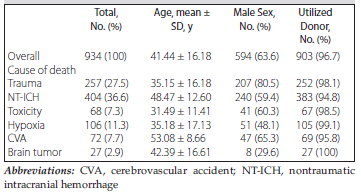
Table 1. Baseline Characteristics of Actual Donors
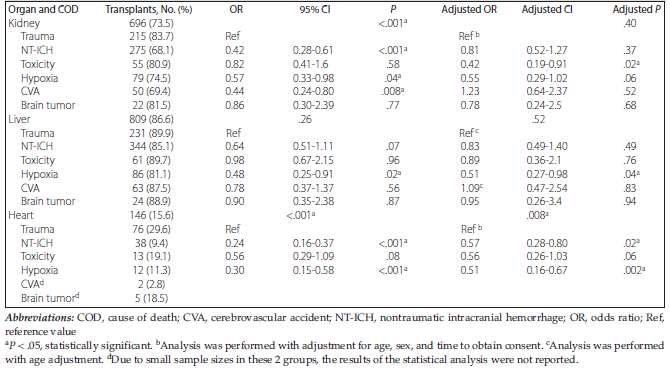
Table 2. Evaluation of 934 Actual Donors and the Organ Transplant Rates and Odds Based on Cause of Death
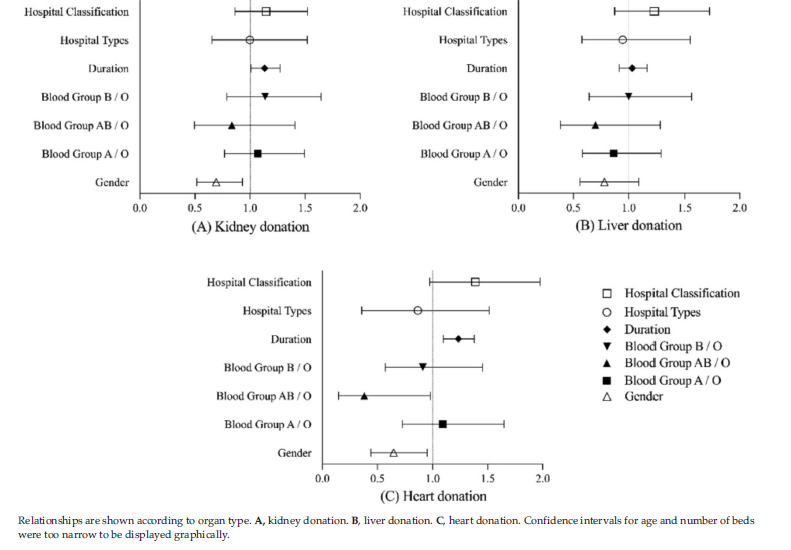
Figure 1. Relationship Between Donor Sex and Blood Group, Duration of Consent, and Hospital Characteristics and Odds of Organ Donation
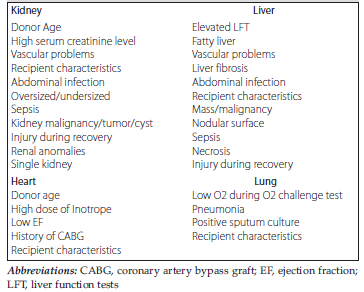
Table 3. Etiologies of Actual Donor Organ Loss Observed at Our Center
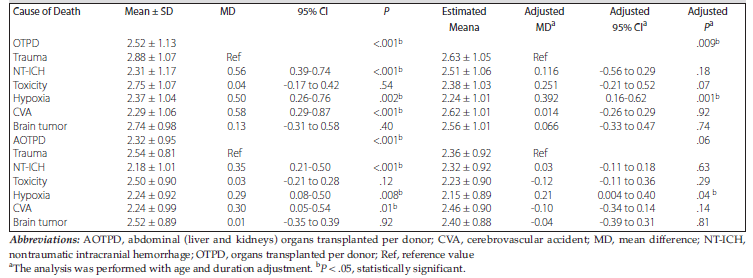
Table 4. Comparison of Organs Transplanted Per Donor and Abdominal Organs Transplanted Per Donor for the Cause of Death