Volume: 23 Issue: 12 December 2025
FULL TEXT
Lipid Droplet Dynamics in Hepatocytes During Lipotoxic Stress: Transition From Fatty Liver to Liver Transplantation
Objectives: Metabolic dysfunction-associated steatotic liver disease, the most common chronic liver disease worldwide, is a major cause of end-stage liver failure requiring transplant. Its hallmark, free fatty acid accumulation in hepatocytes, leads to lipotoxicity. We examined lipid droplet and mitochondrial changes in HepG2 cells under lipotoxic conditions.
Materials and Methods: Lipotoxic stress was induced in HepG2 cells (ATCC HB8065) by treating cells with 1 mM palmitic acid. We studied cells at 0, 12, and 24 hours. Cells were fixed in 2.5% glutaraldehyde (pH 7.4), postfixed with 1% osmium tetroxide in 0.1 M phosphate buffer, dehydrated in ethanol, and embedded in Araldite/Epon812 resin. We prepared sections by using a microtome. Semi-thin sections were stained with methylene blue-azure II and analyzed with light microscopy. Ultrathin sections were double-stained with uranyl acetate and lead citrate and examined with a JEOL-JEM 1400 electron microscope with
a charge-coupled device camera. We observed substantial mitochondrial and cellular alterations associated with palmitic acid-induced lipotoxic
stress.
Results: When morphological changes in HepG2 cells were analyzed at 0, 12, and 24 hours, treatment with palmitic acid caused substantial stress in HepG2 cells, with the most noticeable effects observed at 24 hours. Morphological analysis indicated increased lipid vacuoles by 12 hours posttreatment compared with at 0 hours (baseline). Structural changes in mitochondria, such as enlargement and elongation, were also noted. After 24 hours, the number of mitochondria and
lipid vacuoles had further increased, showing clear signs of mitophagy, indicating activation of protective hepatocellular mechanisms to address organelle stress caused by lipotoxicity.
Conclusions: Palmitic acid-induced lipotoxicity activates mitophagy, which is crucial for mitigating cellular damage and maintaining hepatocyte homeostasis. Targeting mitophagy may restore mitochondrial function, alleviate lipotoxic stress, and delay transplant in metabolic liver diseases.
Key words : Lipotoxicity, MASLD, Mitophagy
Introduction
Metabolic dysfunction-associated steatotic liver disease (MASLD) is the most prevalent chronic liver disease. It is characterized by the accumulation of triglycerides in liver cells (hepatocytes) and is recognized as a significant cause of liver disorders, contributing to increased mortality worldwide.1 This serious condition considerably raises the risk of cardiovascular disease and increases cardiovascular morbidity and mortality and can lead to cirrhosis and hepatocellular carcinoma. As well as increase the risk of cancer and liver-related deaths.2
The number of patients needing liver transplant because of MASLD is rising globally. In fact, MASLD has become the second most common reason for liver transplant in the United States and Europe.3 Liver transplant remains the only effective treatment that can improve the prognosis of patients with end-stage liver disease. With advancements in perioperative care and optimized immunosuppressive therapies, long-term survival rates have notably increased, offering recipients a better quality of life and extended life expectancy.4
The high prevalence of MASLD is largely driven by the global obesity epidemic, characterized by high-calorie intake, low physical activity, insulin resistance, and dyslipidemia. In healthy individuals, liver fat originates from dietary fats, lipolysis, and de novo lipogenesis in hepatocytes. Hepatocytes regulate liver fat levels through mitochondrial β-oxidation and secretion as very-low-density lipoproteins, ensuring liver fat remains below 5% of its weight.5
Palmitic acid is important because of its high lipotoxic potential. As palmitic acid accumulates in the body, it promotes the formation of lipid droplets within cells. These droplets act as temporary storage for excess lipids; however, if their dynamics are not properly regulated, they can signal cellular distress and disrupt cellular homeostasis.6,7
Lipid droplets have diverse functions. They regulate the storage and hydrolysis of neutral lipids and act as a reservoir for cholesterol, acyl glycerols, and phospholipids used in membrane formation and maintenance, including secretory granules. Despite the potential importance and status of lipid droplets as a prominent organelle in hepatocytes, its role has not been well studied.8-10
The initial stage in the development of MASLD, which can ultimately lead to liver failure requiring transplant, is hepatocyte steatosis. This condition occurs as a result of accumulation of lipid droplets in liver cells. Lipid droplets in hepatocytes are essential organelles involved in the detoxification process. They play a critical role in lipid storage within the cells, preventing the free dispersal of lipids in the cytoplasm, which could lead to toxicity. Moreover, lipids are cleared from lipid droplets through mitochondrial β-oxidation. Lipid droplets migrate closer to the mitochondria, where processes such as macrolipophagy and microlipophagy release free fatty acids from the droplets and deliver the lipids for oxidation in nearby mitochondria.11
MASLD progresses through well-defined stages, often culminating in liver transplant in advanced cases. Initially, simple steatosis develops, marked by the accumulation of fat in hepatocytes. Over time, this can advance to metabolic dysfunction-associated steatohepatitis, characterized by fat accumulation, inflammation, and hepatocyte injury. Chronic inflammation may lead to fibrosis, involving excessive extracellular matrix deposition. In the absence of intervention, fibrosis can progress to cirrhosis, causing significant liver dysfunction and architectural disruption. In its end stages, cirrhosis often necessitates liver transplant as a result of irreversible damage and organ failure.12,13
In response to lipotoxic stress, including the overload of lipid droplets, autophagy is activated as a protective cellular mechanism, helping to degrade excess lipid droplets and damaged cellular components.14 In the liver, a specific form of autophagy called mitophagy plays a crucial role in eliminating damaged mitochondria to alleviate oxidative stress and maintain mitochondrial homeostasis.15,16
Mitochondrial dysfunction is a key factor in the initiation and progression of MASLD. Building on previous findings and this understanding, our primary objective in this study was to conduct a time-resolved morphological analysis of lipid droplets and mitochondrial structures in hepatocytes under lipotoxic conditions. We used electron microscopy to examine isolated HepG2 cells that were exposed to palmitic acid for 12 and 24 hours. We focused on structural alterations to gain a better understanding of the cellular mechanisms underlying MASLD.
Materials and Methods
This study was conducted in the Department of Medical Biology Cell Culture Laboratory of Baskent University School of Medicine (Ankara, Turkey).
HepG2 cell culture
For this study, we used HepG2 (ATCC-HB8065) human hepatocellular carcinoma cells For the proliferation of HepG2 cells, we used a medium consisting of Dulbecco’s modified Eagle medium (Capricorn, DMEM-HA) supplemented with 10% heat-inactivated (at 56 °C for 30 min) fetal bovine serum and 1% penicillin/streptomycin. We cultured cells in a 37 °C incubator with 5% CO2 and replaced the medium twice per week. We evaluated the flasks daily by using an inverted microscope to analyze viability, proliferation, and infection. When the cells reached approximately 90% confluency, they were passaged by using 0.25% Trypsin-EDTA. After passage, we seeded cells at a density of 4 × 10⁴ cells/cm2 to promote proliferation. We pas-saged the maintenance culture once per week by gentle trypsinization and seeded cells at a density of 4 × 10⁴ cells/cm2 in 25-cm2 flasks (Orange Scientific, 4420100) with 6 mL of complete medium.
Palmitic acid preparation
We prepared saturated palmitic acid (Sigma-Aldrich, P0500) in bovine serum albumin (BSA) by using a modification of the method described previously by Li and associates.17 Briefly, we dissolved palmitic acid in ethanol at 200 mM, which was then mixed with 10% fatty acid-free, low-endotoxin BSA, with a final concentration of 4 mM. We adjusted all solutions so that pH levels were 7.5; all solutions were filtered, sterilized, and stored at -20 °C until use. Control solutions containing ethanol and BSA were similarly prepared.
Electron microscopy method and analysis
After subjecting HepG2 cells to 0, 12, and 24 hours of 1 mM palmitic acid stress, we analyzed cells under an electron microscopic. Briefly, cells were fixed in 2.5% glutaraldehyde solution in phosphate buffer, pH 7.4, for 4 hours and postfixed for 1 hours in 1% osmium tetroxide in 0.1 M phosphate buffer. After samples were washed in phosphate buffer, they were dehydrated in a graded series of ethanol to absolute ethanol, treated with propylene oxide, and embedded in Araldite/Epon812 (catalog No. 13940, EMS). After heat polymerization, we cut sections by using a microtome. Semi-thin sections were stained with methylene blue-azure II and examined by using a light microscope (Leica) with a DC490 digital camera (Leica). Ultrathin sections (Leica Ultracut R) were double-stained with uranyl acetate and lead citrate (Leica EM AC20) and examined by using a JEOL-JEM 1400 electron microscope and photographed by charge-coupled device camera (Gatan Inc). We observed changes in cell ultrastructure.
Results
Our investigation of morphological changes in HepG2 cells at 0, 12, and 24 hours under lipotoxic conditions indicated that the most pronounced effects occurred 24 hours after the administration of 1 mM palmitic acid, highlighting the increased lipotoxic impact observed at the 24-hour time point.
Electron microscopy analysis at hour 0
Observation of nuclei in the cells at baseline (0-hour treatment) showed distinct nucleolus and euchro-matic structures. The nuclear pores were of normal width, and the double membrane structure of the nucleus was in normal arrangement.
Rough endoplasmic reticulum were clearly and regularly observed in the cytoplasm. Cells were rich in tubular mitochondria. Lipid droplets were obser-ved in the cytoplasm ((Figure 1), A and B). Cytoplasm borders were regular.
Electron microscopy analysis at hour 12
Observation of nuclei in the cells at hour 12 of treatment showed prominent nucleoli and euchro-matic structures, with some cells featuring double nucleoli. Several cells contained lipid droplets within their nuclei (Figure 2A). The widths of the nuclear pores and the double membrane structure of the nucleus appeared normal.
Rough endoplasmic reticulum were regularly structured in the cytoplasm. The cells exhibited a high abundance of tubular mitochondria, which were larger and more elongated than shown in the 0-hour group (Figure 2E).
In addition, lipid droplets in the cytoplasm were increased in size and number compared with the 0-hour group (Figure 2C). Chains of the lipid droplets were also observed ((Figure 2), D and E), and some cells were filled with lipid droplets (Figure 2C). Electron-lucent clefts were noted in the cytoplasm (Figure 2B), and the borders of the cytoplasm appeared regular.
Electron microscopy analysis at hour 24
Observation of nuclei in the cells at hour 24 of treatment showed prominent nucleolus and euchro-matic structures. Cells with lobed nuclei were observed (Figure 3A). Some cells had double nucleolus. Nuclear pore widths and double membrane structure of the nucleus appeared to be normal.
Rough endoplasmic reticulum were regular in structure in the cytoplasm. C-shaped mitochondria ((Figure 3), D and F) and megamitochondrion ((Figure 3), B, D, and E) were observed. Lipid droplets in the cytoplasm were increased and enlarged (Figure 3E) compared with that shown at hour 12. Lipid droplets clustered, and some cells were almost filled with lipid droplets ((Figure 3), C and D).
Mitochondrion and lipid droplets were seen adjacent, with cross-talk suggested to occur because of this close position (Figure 3E). Mitochondria-associated membranes ((Figure 3), B, D, and G) and nucleus-associated mitochondria were observed. In addition, signs of mitophagy (Figure 3F) and reticulophagy (Figure 3G) were observed in the cells. Myelin figures were seen at hour 24 of treatment (Figure 3F), and electron-lucent clefts were observed in the cytoplasm ((Figure 3), E and F). Cytoplasm borders were regular.
Discussion
Fatty liver diseases, formerly known as nonalcoholic fatty liver disease and now termed MASLD, are increasingly recognized as integral components of metabolic syndromes. This classification is based on their shared pathophysiological features, which include obesity, insulin resistance, hypertension, and hyperlipidemia. Moreover, metabolic syndrome is associated with various metabolic toxicities that exacerbate disease progression.18,19
Palmitic acid, a common saturated fatty acid found in the human body, has been significantly asso-ciated with the development of metabolic disorders. Under conditions of metabolic stress, autophagy, a lysosome-dependent degradation pathway, plays a pivotal role in maintaining cellular homeostasis. By breaking down excess or damaged cytoplasmic proteins and organelles, autophagy provides essential energy and macromolecular precursors. This self-renewal mechanism supports cellular survival and helps preserve metabolic equilibrium in the face of stress-induced challenges.20,21
The findings of this study provide valuable insights into the cellular response to palmitic acid-induced lipotoxic stress in HepG2 cells. The observed changes in ultrastructure highlight the detrimental effects of lipid overload and the cellular mechanisms activated to counteract this stress.
Electron microscopy analysis revealed progressive ultrastructural changes in HepG2 cells in response to lipid accumulation. At 0 hours, the cells exhibited a normal ultrastructure, characterized by well-organized rough endoplasmic reticulum, tubular mitochondria, and lipid droplets. By 12 hours, the elongation of tubular mitochondria and the formation of lipid droplet chains indicated an adaptive cellular response to lipid overload. At 24 hours, the emergence of C-shaped mitochondria, megamitochondria, and mitochondria-associated membranes and the incre-ased clustering of lipid droplets suggested heightened metabolic activity and organelle interaction to manage lipid stress. In addition, evidence of mitophagy and reticulophagy highlighted the activation of autophagic pathways to mitigate organelle damage and maintain cellular homeostasis.
The close association between mitochondria and lipid droplets observed at 24 hours suggested cross-talk between these organelles. This interaction likely facilitated the transfer of fatty acids from lipid droplets to mitochondria for β-oxidation, repre-senting a critical adaptive response to lipid overload. The formation of mitochondria-associated memb-ranes and nucleus-associated mitochondria further supported the hypothesis that organelle interactions are essential for maintaining cellular homeostasis under lipotoxic conditions.
These findings have important clinical implica-tions for understanding the pathophysiology of metabolic disorders, including MASLD, obesity, and type 2 diabetes. Activation of mitophagy as a defense mechanism suggests that therapeutic strategies targeting mitophagy could mitigate mitochondrial dysfunction and improve cellular resilience to lipid-induced stress. Furthermore, enhancing the lipid droplet-mitochondria interaction may optimize lipid metabolism and reduce lipotoxicity, offering poten-tial avenues for intervention in lipid-related metabolic diseases, including MASLD.
This study highlights the clinical significance of palmitic acid-induced lipotoxicity in HepG2 cells, demonstrating its role in activating the mitophagy pathway and in driving structural adaptations in mitochondria and lipid droplets. These findings underscore the critical role of mitophagy and organelle cross-talk in managing lipid overload, preserving cellular homeostasis, and mitigating cellular stress.
Given the progressive nature of lipid-induced liver damage, these mechanisms are particularly relevant in the context of advanced liver diseases that may require liver transplant. Modulating mitophagy to restore mitochondrial function and enhance organelle interactions could offer therapeutic benefits, potentially delaying disease progression and reducing the need for transplant. Future research should explore these pathways to develop targeted interventions for managing metabolic disorders and liver pathologies associated with lipid accumulation.
References:
- Tauil RB, Golono PT, de Lima EP, et al. Metabolic-associated fatty liver disease: the influence of oxidative stress, inflammation, mitochondrial dysfunctions, and the role of polyphenols. Pharmaceuticals. 2024;17(10):1354. doi:10.3390/ph17101354
CrossRef - PubMed - Badmus OO, Hillhouse SA, Anderson CD, Hinds TD, Stec DE. Molecular mechanisms of metabolic associated fatty liver disease (MAFLD): functional analysis of lipid metabolism pathways. Clin Sci. 2022;136(18):1347-1366. doi:10.1042/CS20220572
CrossRef - PubMed - Devarbhavi H, Asrani SK, Arab JP, Nartey YA, Pose E, Kamath PS. Global burden of liver disease: 2023 update. J Hepatol. 2023;79(2):516-537. doi:10.1016/j.jhep.2023.03.017
CrossRef - PubMed - Kirnap NG, Kirnap M, Alshalabi O, Tutuncu NB, Haberal M. Posttransplant diabetes mellitus incidence and risk factors in adult liver transplantation recipients. Acta Endocrinol (Copenh). 2020;16(4):449-453. doi:10.4183/aeb.2020.449
CrossRef - PubMed - Pal SC, Eslam M, Mendez-Sanchez N. Detangling the interrelations between MAFLD, insulin resistance, and key hormones. Hormones. 2022;21(4):573-589. doi:10.1007/s42000-022-00391-w
CrossRef - PubMed - Listenberger LL, Han X, Lewis SE, et al. Triglyceride accumulation protects against fatty acid-induced lipotoxicity. Proc Natl Acad Sci U S A. 2003;100(6):3077-3082. doi:10.1073/pnas.0630588100
CrossRef - PubMed - Yilmaz-Yalcin Y, Bascil-Tutuncu N, Baysan-Cebi HP, et al. A lipotoxic medium decreases the number of lipid droplets in β cells: one possible explanation of the β-cell failure in patients with hyperlipidemia receiving tacrolimus. Exp Clin Transplant. Published online October 18, 2022. doi:10.6002/ect.2022.0269
CrossRef - PubMed - Fan H, Tan Y. Lipid droplet-mitochondria contacts in health and disease. Int J Mol Sci. 2024;25(13):6878. doi:10.3390/ijms25136878
CrossRef - PubMed - Zhang W, Xu L, Zhu L, Liu Y, Yang S, Zhao M. Lipid droplets, the central hub integrating cell metabolism and the immune system. Front Physiol. 2021;12:746749. doi:10.3389/fphys.2021.746749
CrossRef - PubMed - Olzmann JA, Carvalho P. Dynamics and functions of lipid droplets. Nat Rev Mol Cell Biol. 2019;20(3):137-155. doi:10.1038/s41580-018-0085-z
CrossRef - PubMed - Sathyanarayan A, Mashek MT, Mashek DG. ATGL Promotes autophagy/lipophagy via SIRT1 to control hepatic lipid droplet catabolism. Cell Rep. 2017;19(1):1-9. doi:10.1016/j.celrep.2017.03.026
CrossRef - PubMed - Eslam M, Newsome PN, Sarin SK, et al. A new definition for metabolic dysfunction-associated fatty liver disease: an international expert consensus statement. J Hepatol. 2020;73(1):202-209. doi:10.1016/j.jhep.2020.03.039
CrossRef - PubMed - Miller KC, Geyer B, Alexopoulos AS, Moylan CA, Pagidipati N. Disparities in metabolic dysfunction-associated steatotic liver disease prevalence, diagnosis, treatment, and outcomes: a narrative review. Dig Dis Sci. 2025;70(1):154-167. doi:10.1007/s10620-024-08722-0
CrossRef - PubMed - Singh R, Kaushik S, Wang Y, et al. Autophagy regulates lipid metabolism. Nature. 2009;458(7242):1131-1135. doi:10.1038/nature07976
CrossRef - PubMed - Kim I, Rodriguez-Enriquez S, Lemasters JJ. Selective degradation of mitochondria by mitophagy. Arch Biochem Biophys. 2007;462(2):245-253. doi:10.1016/j.abb.2007.03.034
CrossRef - PubMed - Ma X, McKeen T, Zhang J, Ding WX. Role and mechanisms of mitophagy in liver diseases. Cells. 2020;9(4):837. doi:10.3390/cells9040837
CrossRef - PubMed - Li XN, Song J, Zhang L, et al. Activation of the AMPK-FOXO3 pathway reduces fatty acid-induced increase in intracellular reactive oxygen species by upregulating thioredoxin. Diabetes. 2009;58(10):2246-2257. doi:10.2337/db08-1512
CrossRef - PubMed - Etik DÖ, Verdi H, Ataç FB. Endoplasmic reticulum stress response in non-alcoholic fatty liver disease: sophisticated pathways. Gazi Med J. 2023;34(1):95-100. doi:10.12996/gmj.2023.20
CrossRef - PubMed - Serin E, Güçlü M, Ataç FB, et al. Methylenetetrahydrofolate reductase C677T mutation and nonalcoholic fatty liver disease. Dig Dis Sci. 2007;52(5):1183-1186. doi:10.1007/s10620-006-9565-7
CrossRef - PubMed - Tütüncü NB, Verdi H, Yalçin Y, et al. Beta-cell Golgi stress response to lipotoxicity and glucolipotoxicity: a preliminary study of a potential mechanism of beta-cell failure in posttransplant diabetes and intraportal islet transplant. Exp Clin Transplant. 2022;20(6):585-594. doi:10.6002/ect.2022.0027
CrossRef - PubMed - Verdi H, Baysan Cebi HP, Yilmaz Yalcin Y, et al. The role of parkin in rat pancreatic beta cells fate. Cell Mol Biol (Noisy-le-grand). 2023;69(8):57-67. doi:10.14715/cmb/2023.69.8.9
CrossRef - PubMed

Volume : 23
Issue : 12
Pages : 824 - 829
DOI : 10.6002/ect.2025.0003
From the 1Department of Medical Biology, Baskent University School of Medicine; the 2Department of Histology and Embryology, Hacettepe University School of Medicine; and the 3Department of Internal Medicine, Division of Endocrinology and Metabolism, Baskent University School of Medicine, Ankara, Turkey
Acknowledgements: The authors have not received any funding or grants in support of the presented research or for the preparation of this work and have no declarations of potential conflicts of interest.
Corresponding author: H. Pinar Baysan Cebi, Baskent University, School of Medicine Department of Medical Biology, Ankara, Turkey
E-mail:baysanpinar@gmail.com pbaysan@baskent.edu.tr
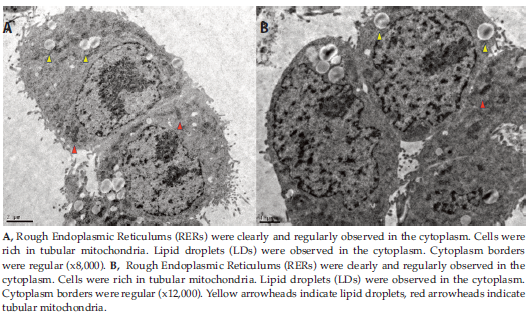
Figure 1.Electron Microscopy Analysis of HepG2 cells at Hour 0 Before Administration of 1 mM Palmitic Acid
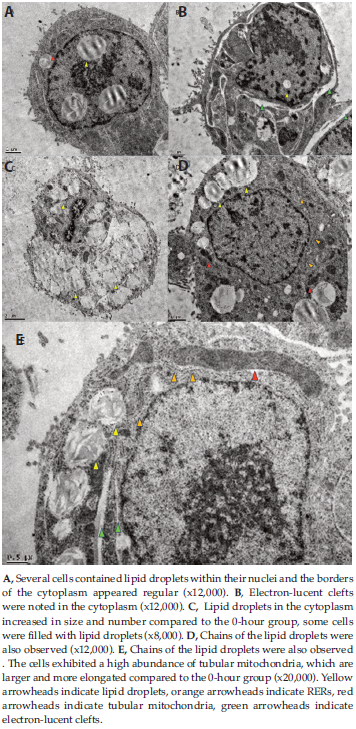
Figure 2.Electron Microscopy Analysis of HepG2 cells at Hour 12 Under Lipotoxic Conditions Caused by Administration of 1 mM Palmitic Acid
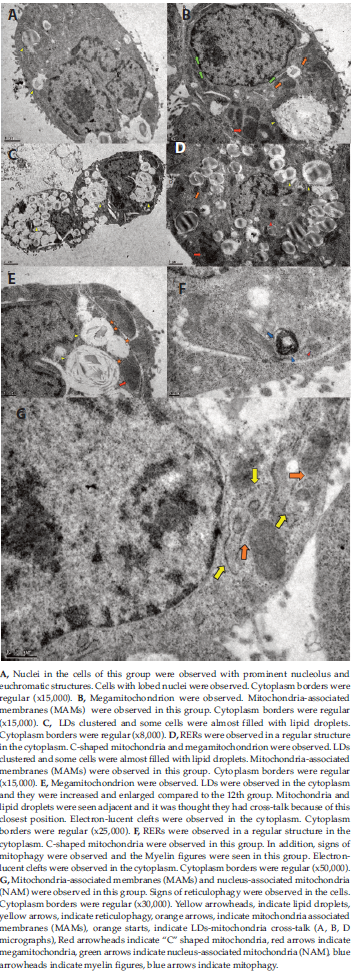
Figure 3.Electron Microscopy Analysis of HepG2 cells at Hour 24 Under Lipotoxic Conditions Caused by Administration of 1 mM Palmitic Acid