Volume: 23 Issue: 12 December 2025
FULL TEXT
Abstract
Objectives: Gender disparity in access to kidney transplant is a well-established universal challenge. Prior to 2020, duration on the transplant wait list was the only criterium for deceased donor kidney transplant allocation in the state of Gujarat. In January 2020, the State Organ and Tissue Transplant Orga-nization Gujarat was formed, which implemented a point system for deceased donor kidney transplant allocation policy based on human leukocyte antigen mismatch, panel reactive antibody, and donor-specific antibody, among other factors. In this system, adult female recipients are assigned 2 additional points. We investigated the effect of change in deceased donor kidney transplant allocation policy on disparities between male and female recipients.
Materials and Methods: This is a retrospective, single-center, observational study. The number of male and female recipients who received deceased donor kidney transplant was collected from the medical records at the nephrology department for the period January 2014 through December 2024. We analyzed trends using logistic regression with inverse variance weighting.
Results: Over the study period, 3814 kidney transplants were conducted, comprising 2732 from living donors and 1083 from deceased donors. We found a prog-ressive increase in the percentage of women who were deceased donor kidney transplant recipients, from 27.57% in 2019 to 50.76% in 2024 (P < .001). This increase may be attributed to the compounding effect of point allocation to the categories of donor-specific antibody, panel reactive antibody, patient age, and gender.
Conclusions: Our study provided new insights for resolution of gaps in deceased donor kidney transplantation between male and female recipients. Implementation of a point-based system for deceased donor kidney transplant allocation policy with extra points for recipients who are women may increase the number of kidney transplants for these recipients. A similar policy may be undertaken by other centers to achieve a temporary solution until underlying factors leading to gender disparity are better understood and methods to overcome these challenges are formed.
Key words : Allocation policy, Gender disparity, Kidney transplantation
Introduction
Gender disparity in donor selection and organ allocation remains a substantial concern in the field of transplantation and is recognized worldwide,1 including by the Americas and Europe; however, this problem remains especially challenging in Asian countries. An analysis done by the European Com-mittee on Organ Transplantation of the Council of Europe showed that, among kidney transplants across 64 countries, most of the deceased donors were men, and most of living donors were women. It also observed that approximately two-thirds of the organ transplant recipients were men (liver and kidney).2 The United Network for Organ Sharing Registry in 2022 showed that, of 5864 living donor kidney transplants (LDKT), 63.7% were from female donors, whereas female recipients made up only 36.2% of all recipients.3
Recognizing gender disparity in transplantation as a particular challenge in Asian countries, the Asian Organ Transplantation Registry for gender-disag-gregated kidney transplantation was established in 2021 with the aim to collect data and provide potential solutions across the Asia-Pacific. The analyzed data showed kidneys were more likely to be from female donors (vs male donors) in all countries except the Philippines, whereas female recipients (both LDKT and deceased donor kidney transplants [DDKT]) remained less than 50% across all countries.4 Such gender disparity can be seen in all steps of the transplant process, for both LDKT and DDKT.
There are disparities in access to transplantation. Appropriate counseling and early referral for transplantation are crucial in the process for timely evaluation and access to transplant for patients with end-stage kidney disease. Women have less probability for referral to a transplant program and for counselling with a transplant physician.5,6 An analysis of data from the French End-Stage Kidney Disease Registry shows that female patients have less access to the transplant wait list even after adjustment for confounders such as age and comorbidities.7 Even after referral, women have less likelihood to finish the transplant evaluation than men.8 The time from initiation of dialysis to registration on the transplant wait list was also found to be longer in women.7,9
With regard to kidney donation and transplant, women are more likely to donate their organs versus men.10-12 In most Asian countries, approximately 60% of all kidney donors were women, of which 64% to 90% were spouses of recipients. Rate of recipients who are women ranged from 18% to 40% in most countries, with the exception of Myanmar, where women recipients comprised 52% of all recipients.10 Of 4787 LDKT that were performed at the Institute of Kidney Disease and Research Centre-Institute of Transplantation Sciences (IKDRC-ITS), Ahmedabad, 33.7% of the donors were mothers of the recipients and 20.1% were spouses of the recipients. Of 831 DDKT performed during the same period, only 32% of the recipients were female. Even in kidney paired donations, most donors were female, which points toward an underlying socioeconomic cause for gender disparity rather than a biologic cause.13
Various factors have been proposed that explain the gender disparity in transplantation. Traditionally, men may often be the sole income earners in a family, which may impede willingness of men to donate organs because of interruption of income and also because of fear of poor recovery and long-term complications that may render such men unable to earn a daily income. Women, on the other hand, may perceive themselves as dependent on men for social and financial stability, and such women may experience coercive pressure (whether real or perceived) to donate organs to male relatives to ensure a family’s financial and social stability. Also, sensi-tization caused by pregnancy is a unique challenge faced by women patients, which may impede the discovery of a good match. Lastly, women are com-monly perceived to exhibit a more altruistic nature; if this is true, then such women may be more likely to donate to family members in need.
Although gender disparities in access to kidney transplant are well recognized, formal inclusion of gender as an allocation criterion has not been reported in any national policy to date. Some regions have adopted broader equity-based strategies, but these have typically focused on pediatric patients or highly sensitized patients rather than gender equity.
Materials and Methods
Deceased donor kidney allocation system in Gujarat Allocation of kidneys from deceased donors is a complex process, the cornerstone of which is the point allocation system for priority decisions on the organ wait list. The Transplantation of Human Organs and Tissues Act regulates the procurement and transplant of all organs and tissues in India. The National Organ and Tissue Transplant Organization is the apex center under Directorate General of Health Services, Ministry of Health and Family Welfare, Government of India, that coordinates procurement and distribution of organs in the country. Before 2020, the duration spent on the transplant wait list was the only criterion for DDKT allocation. The State Organ and Tissue Transplant Organization, Gujarat, was formed in January 2020, consisting of a point-based system for organ allocation. The point system has a total of 13 criteria, including the number of human leukocyte antigen (HLA) mismatches, serology panel reactive antibody (PRA), donor-specific antibody (DSA), age, duration of dialysis, and duration on wait list, among others. Two additional points are also allocated to female recipients in this system (Table 1).14
Study methods
We conducted a retrospective observational study at IKDRC-ITS, Ahmedabad, where data from January 2014 to December 2024 was collected from medical records held by the department of nephrology. The number of female and male recipients who had undergone DDKT was collected. The effect of change in DDKT allocation policy in Jan 2020 on gender disparity was analyzed.
Results
Over the study period, 3814 kidney transplants were conducted at our center; 2732 were LDKT, and 1083 were DDKT. We found a progressive increase in the percentage of female DDKT recipients, with almost a doubling of female DDKT recipients from 27.57% in 2019 to 50.76% in 2024 Table 2, Figure 1). For the first time during the study period, the rate of female DDKT recipients has surpassed the rate of male DDKT recipients at our center.
From 2014 to 2024, the number of DDKTs per-formed annually ranged from 39 in 2014 to 159 in 2022, with a mean of 98.5 ± 38.7 transplants per year. Overall, 39.3% (426/1083) of DDKT recipients were female, with yearly proportions varying from 24.5% in 2017 to 54.2% in 2023. The Cochran-Armitage test and the chi-square test for linear trend showed no significant mo-notonic increase in female recipient proportions over time (P = .883), which suggests a nonlinear pattern.
To better characterize the temporal trend, a logistic regression model with a logit transformation was used, treating each year as an independent observation and centering the model at year 2014. Inverse variance weighting was applied to account for differences in annual sample sizes, with greater weight to years with more precise estimates. Following implementation of the gender-weighted allocation policy in 2020, the proportion of female recipients increased significantly from 30.8% in the period before the policy (2014-2019) to 46.7% in the period after implementation of the policy (2020-2024), which is an absolute increase of 15.9 percentage points (95% CI, 10.1-21.6%; P < .001) and represents a 51.5% relative increase. In 2024, female recipients accounted for 50.8% of DDKTs. The corresponding confidence interval (95% CI, 42.3-59.1%) includes the 50% threshold, which is a likely indicator that gender parity was achieved. Wilson score confidence intervals demonstrated adequate precision, particularly in high-volume years (2022-2024), and the total sample size (n = 1083) provided more than 80% power to detect meaningful differences in gender distribution over time (Table 3, Table 4).
Discussion
Since the DDKT allocation system is multifactorial, the increase in the percentage of female DDKT recipients cannot be attributed to a single factor but is rather due to a compounding effect of point allocations to DSA, PRA, age of patient, because female patients tend to have higher PRA and DSA level due to sensitization. A key limitation of this study is the inability to statistically adjust for these variables due to incomplete data, particularly during the COVID-19 pandemic, which affected routine documentation. Although the interplay of these factors is acknowledged within the allocation fra-mework, the individual contributions of these factors to the observed increase in female recipient proportion could not be quantified in this analysis.
It is important to remember that this should not be considered an end to the issue of gender disparity in transplantation; rather, this is only a bridge to achieve a temporary solution until underlying factors leading to gender disparity are better understood and ways to overcome these challenges are formed. Because HLA mismatch, PRA, DSA, history of previous transplant, and duration on wait list are all factors that affect the balance within the allocation system, priority remains to transplant highly sensitized individuals irrespective of gender. On the other hand, there may be some concern that this allocation policy in DDKT may disincentivize LDKT in female patients. Patients and families may opt to enroll for DDKT in hope of faster organ allocation to a female recipient despite availability of healthy, living potential donors. However, we did not find a significant decrease in the number of LDKT female recipients after imple-mentation of this policy.
Another concern is that this policy may be per-ceived to create an unfair disadvantage for male candidates. Rather than prioritizing a single gender on the transplant wait list, this policy should be viewed as a corrective measure to address systemic barriers that have historically delayed female candidates from being listed. Ethical concerns regarding priority to female candidates in organ allocation must be clearly acknowledged. Although the aim is to correct long-standing gender imbalances, such changes can raise questions about fairness and equal treatment.
To maintain trust and transparency, reasons, limits, and expected duration of such policies should be clearly explained to the public and those involved in transplantation. This approach should be understood, not as a permanent change, but as a temporary measure to support fairness until the deeper causes of gender disparity are better addressed. Regular tracking of outcomes, such as changes in the wait list, transplant success, and perceptions of fairness can help ensure that the policy remains balanced and appropriate. Inclusion of input from ethics bodies and neutral review panels can also help address concerns about partiality and support trust among both health care providers and the public. There may be a need to revisit this system regularly, to avoid a prolonged and unfair advantage to female recipients.
Replication of this policy at a national level to promote gender equity has already been discussed, and steps are underway for its implementation. However, long-term goals should not be ignored. Action should be taken to provide for equitable access to female patients at all stages, from diagnosis to treatment. Intensive and timely counseling regarding transplantation must be done, not just for the patient, but also for the decision-making members of the family. Policies for social empowerment of women must be formed, including policies to address literacy, better maternal and child health care, and financial independence.
Raising awareness and education at a local level must remain the key component to change public attitude regarding organ donation. Misinformation regarding complications in donors and unethical use of donated organs must be dispelled, and a commu-nity of trust and altruism must be built to increase the donor pool and ameliorate organ shortages in India. This will require the coming together of community social workers, non-governmental organizations, health care workers, and policymakers at a state and national level to promote registration of female patients on transplant wait lists and increase donation of organs from both genders equally.
References:
- Melk A, Babitsch B, Borchert-Morlins B, et al. Equally interchangeable? How sex and gender affect transplantation. Transplantation. 2019;103(6):1094-1100. doi:10.1097/TP.0000000000002655.
CrossRef - PubMed - Cozzi E, Álvarez M, Carmona M, et al. An analysis by the European Committee on Organ Transplantation of the Council of Europe outlining the international landscape of donors and recipients sex in solid organ transplantation. Transpl Int. 2022;35:10322. doi:10.3389/ti.2022.10322
CrossRef - PubMed - Organ Procurement and Transplantation Network. National data. (2022). Health Resources and Services Administration, US Department of Health and Human Services. Accessed August 7, 2023. https://optn.transplant.hrsa.gov/data/view-data-reports/national-data
CrossRef:
PubMed:
- Han M, Wong G, Kute VB, et al; Steering Committee Members of ASTREG-WIT-KT. Gender disparity in Asian-Pacific Countries: an analysis of the ASTREG-WIT-KT Registry. Transplantation. 2023;107(1):1-5. doi:10.1097/TP.0000000000004223
CrossRef - PubMed - Salter Megan L, McAdams-Demarco Mara A, Law A, et al. Age and sex disparities in discussions about kidney transplantation in adults undergoing dialysis. J Am Geriatr Soc. 2014;62(5):843-849. doi:10.1111/jgs.12801
CrossRef - PubMed - Smothers L, Patzer R, Pastan S, DuBay D, Harding J. Gender disparities in kidney transplantation referral vary by age and race: a multiregional cohort study in the Southeast United States. Kidney Int Rep. 2022;7(6):1248-1257. doi:10.1016/j.ekir.2022.03.027
CrossRef - PubMed - Couchoud C, Bayat S, Villar E, Jacquelinet C, Ecochard R; REIN registry. A new approach for measuring gender disparity in access to renal transplantation waiting lists. Transplantation. 2012;94(5):513-519. doi:10.1097/TP.0b013e31825d156a.
CrossRef - PubMed - Alexander GC, Sehgal AR. Barriers to cadaveric renal transplantation among blacks, women, and the poor. JAMA. 1998;280(13):1148-1152. doi:10.1001/jama.280.13.1148
CrossRef - PubMed - Johansen KL, Chertow GM, Foley RN, et al. US Renal Data System 2020 Annual Data Report: Epidemiology of Kidney Disease in the United States. Am J Kidney Dis. 2021;77(4 Suppl 1):A7-A8. doi:10.1053/j.ajkd.2021.01.002
CrossRef - PubMed - Kim Y, Ahmed E, Ascher N, et al. Meeting report: first state of the art meeting on gender disparity in kidney transplantation in the Asia Pacific. Transplantation. 2021;105(9):1888-1891. doi:10.1097/TP.0000000000003841
CrossRef - PubMed - Piccoli GB, Alrukhaimi M, Liu ZH, Zakharova E, Levin A; World Kidney Day Steering Committee. What we do and do not know about women and kidney diseases: questions unanswered and answers unquestioned: reflection on World Kidney Day and International Woman’s Day. Nephrology (Carlton). 2018;23(3):199-209. doi:10.1111/nep.13193
CrossRef - PubMed - Brar A, Markell M. Impact of gender and gender disparities in patients with kidney disease. Curr Opin Nephrol Hypertens. 2019;28(2):178-182. doi:10.1097/MNH.0000000000000482
CrossRef - PubMed - Kute VB, Chauhan S, Navadiya VV, et al. India: gender disparities in organ donation and transplantation. Transplantation. 2022;106(7):1293-1297. doi:10.1097/TP.0000000000003960
CrossRef - PubMed - State Organ and Tissue Transplant Organization. Framing of Gujarat deceased donor organ and tissue transplantation guidelines (G-DOT Guidelines). March 4, 2019. Accessed June 7, 2024. https://sotto.nic.in/StateHome.aspx
CrossRef:
PubMed:

Volume : 23
Issue : 12
Pages : 772 - 777
DOI : 10.6002/ect.2025.0110
From the 1Department of Nephrology and the 2Department of Urology, Institute of Kidney Disease and Research Centre-Institute of Transplantation Sciences, Ahmedabad, Gujarat
Acknowledgements: The authors have not received any funding or grants in support of the presented research or for the preparation of this work and have no declarations of potential conflicts of interest.
Corresponding author: Khushboo Saxena, Department of Nephrology, Institute of Kidney Disease and Research Centre-Institute of Transplantation Sciences, Ahmedabad, Gujarat
E-mail: khushi_saxena@hotmail.com
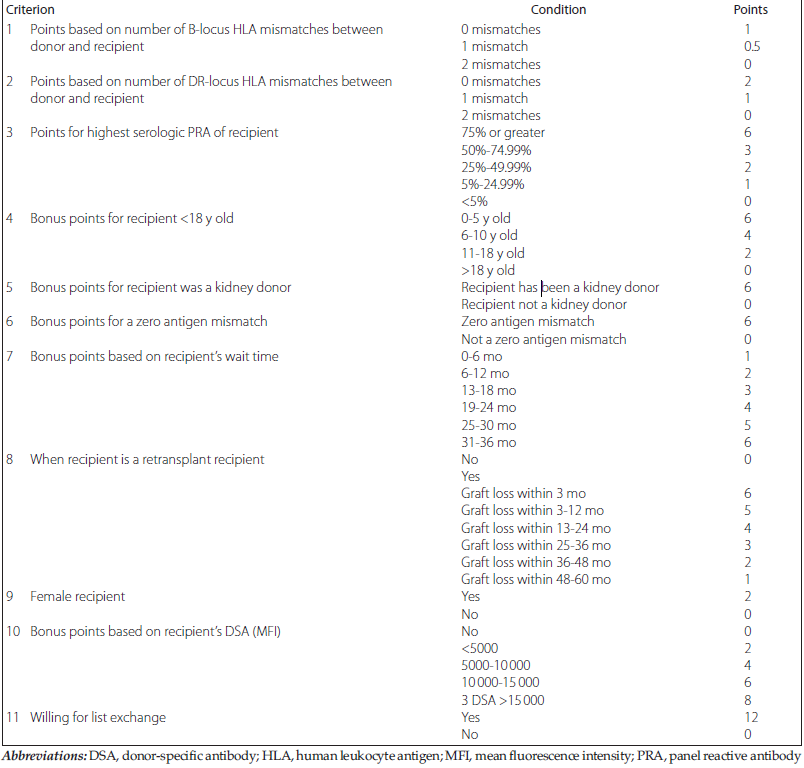
Table 1. Point System for Allocation of Deceased Donor Kidneys, State Organ and Tissue Transplant Organization, Gujarat

Table 2. Men and Women Recipients in Deceased Donor Kidney Transplants at the Institute of Kidney Diseases and Research Centre and Dr HL Trivedi Institute of Transplantation Sciences, Ahmedabad, India, During 2014-2024
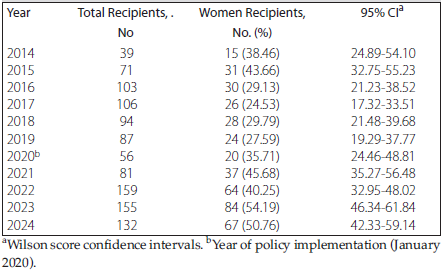
Table 3. Annual Distribution of Women Recipients for Deceased Donor Kidney Transplants with Precision Estimates and Policy Timeline Context (2014-2024)
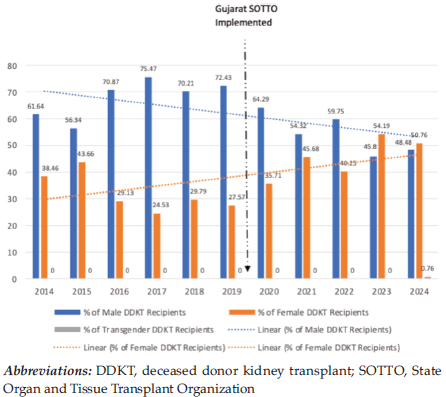
Figure 1. Percentage Distribution According To Gender In Deceased Donor Kidney Transplants at the Institute of Kidney Diseases and Research Centre and Dr HL Trivedi Institute of Transplantation Sciences, Ahmedabad, India, 2014-2024
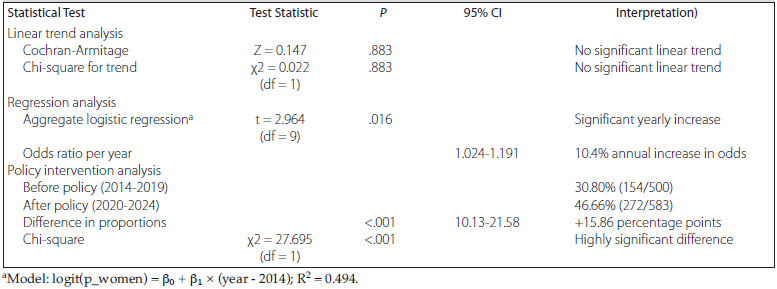
Table 4. Temporal Trends and Policy Effect Analysis)