Volume: 23 Issue: 11 November 2025
FULL TEXT
Risk Factors for Acute Respiratory Distress Syndrome in Patients after Living Donor Liver Transplant
Objectives: Acute respiratory distress syndrome remains a serious multifactorial complication after liver transplant, characterized by high mortality. Key determinants and risk factors for acute respiratory distress syndrome remain incompletely understood.
Materials and Methods: We retrospectively investi-gated risk factors for acute respiratory distress syndrome in 124 patients after living donor liver transplant between January 2018 and March 2025. We analyzed preoperative clinical information, intraope-rative course characteristics, and patient parameters on admission to the intensive care unit after surgery, as well as complications and outcomes. Acute respiratory distress syndrome was diagnosed in accordance with the Berlin definition as the presence of acute hypoxemia, bilateral pulmonary infiltrates on chest radiography consistent with pulmonary edema, and respiratory failure not fully explained by cardiac dysfunction or fluid overload. We conducted multivariate logistic regression analysis to differentiate risk factors.
Results: Among the 124 analyzed patients, 16 (12.9%) were diagnosed with acute respiratory distress syndrome, predominantly within the first 24 hours. Preoperative presence of hepatopulmonary syndrome (odds ratio 6.86; P < .001), intraoperative high total red blood cell transfusion volume (odds ratio 1.90; P = .011), postoperative elevated white blood cell count (odds ratio 1.56; P = .020), neutrophil-to-lymphocyte ratio (odds ratio 2.00; P = .03), decreased Pao2 (odds ratio 0.93; P = .010), lower international normalized ratio (odds ratio 0.004; P = .027), total bilirubin concentration (odds ratio 1.01; P = .030), and serum albumin level (odds ratio 1.12; P = .006) were risk factors. Patients also experienced significantly higher rates of early postoperative complications, systemic disorders, prolonged mechanical ventilation and hospitalization, and hospital mortality (25%; P < .001).
Conclusions: Acute respiratory distress syndrome after living donor liver transplant was associated with hepato-pulmonary syndrome, intraoperative large-volume red blood cell transfusion, postoperative white blood cells, neutrophil-to-lymphocyte ratio, Pao2, international normalized ratio, albumin, and total bilirubin.
Key words : End-stage liver disease, Hospitalization, Pulmonary complication
Introduction
For patients with end-stage liver disease, orthotopic liver transplantation (OLT) is currently the most effective treatment.1 Survival rates after living donor OLT are reported to be higher than rates after deceased donor transplant.2 Nevertheless, despite a comparatively low overall incidence of complica-tions (30%) and mortality (0.8%), adverse events arising during the first postoperative month continue to represent the predominant cause of death.3,4 Among these, pulmonary complications warrant particular attention, as they represent one of the most critical determinants of unfavorable outcomes after OLT, with acute respiratory distress syndrome (ARDS) being the most severe form, leading to prolonged intensive care unit (ICU) stays, increased mortality, and graft dysfunction.5 Despite significant advancements in transplant medicine, ARDS remains a critical challenge, with reported incidences ranging from 1% to 30% in different studies, depen-ding on diagnostic criteria, patient selection, and perioperative management strategies.6
Post-OLT ARDS is associated with a mortality rate of up to 60%, underscoring the need for early identification and intervention. The development of post-OLT ARDS is driven by a complex interaction of preexisting conditions, intraoperative injuries, and postoperative complications.7,8
The diagnosis of ARDS in this patient population can be challenging because distinguishing ARDS from other causes of respiratory failure such as volume overload or atelectasis is often difficult. Understanding the underlying mechanisms of ARDS development is crucial to improving outcomes for these patients. Given the persistent lack of targeted pharmacological therapies for ARDS, research attention has increasingly shifted toward early recognition of predisposing factors and development of preventive strategies.9-12 Therefore, we used our perioperative database to identify major risk factors for postoperative ARDS in adult OLT patients.
Material and Methods
We conducted a retrospective, observational, single-center study of 124 patients after OLT admitted to the ICU of the V. Vakhidov Republican Specialized Scientific and Practical Medical Center of Surgery (Tashkent, Uzbekistan) between January 2018 and March 2025. We collected data from medical records at our hospital. Our Institutional Ethics Committee reviewed the protocol and approved the study. Because of the retrospective nature of the study, the Committee waived the requirement for informed consent from patients and their representatives.
The performance of living donor transplant in the Republic of Uzbekistan was legalized by the Law of May 11, 2022, LRU-768 “On Transplantation of Human Organs and Tissues.” This legislation comprehensively regulates the procurement of organs and/or tissues from living donors for transplantation to recipients who are genetically related to them.
According to the legislation of the Republic of Uzbekistan, only adult relatives of the patient can be organ donors. In this regard, our center performs only related liver transplants. The donor-recipient relationship was distributed as follows: 34 brothers, 24 sons, 24 sisters, 18 cousins, 8 daughters, 3 fathers, 2 mothers, and 1 uncle. In addition, the legislation of Uzbekistan allows for spousal donation, provided that the marital relationship with the recipient has lasted more than 3 years. In our series, 10 spouses were approved as donors in accordance with this provision.
We included initial clinical information obtained during hospitalization for each patient, intraoperative course characteristics, and patient parameters on admission to the ICU after OLT, as well as complica-tions and outcomes.
Anesthesia management was conducted following the protocol established by the our center’s anesthesia team. All patients who underwent OLT received general anesthesia with mandatory endotracheal intubation. A combined anesthetic approach was predominantly used that involved both intravenous and inhalational agents, along with neuromuscular blockade. In addition to standard monitoring, invasive monitoring techniques were utilized, including placement of an intra-arterial catheter, a central venous catheter, and the use of transesophageal echocardiography. Intraoperative ventilation strate-gies were selected at the discretion of the attending anesthesiologist.
Blood component transfusions, such as packed red blood cells (RBC), fresh frozen plasma, platelets, and cryoprecipitate, were administered intraopera-tively as clinically indicated. Vasoactive agents were delivered either via continuous infusion or as bolus doses; the responsible anesthesiologist documented all administration parameters.
At the end of the surgical procedure, all patients remained intubated and were transferred to the ICU, where postoperative management was conducted by a multidisciplinary team. We collected relevant clinical data, including arterial blood gas analysis, chest radiographic findings, and other postoperative indicators related to this study, from our center’s electronic medical records.
All patients received standard medical treatment after OLT according to international guidelines. Patients were diagnosed with ARDS in accordance with the Berlin definition as the presence of acute hypoxemia (Pao2/Fio2300mm Hg within 7 days after the inciting event), bilateral pulmonary infiltrates on chest radiography or computed tomography scan consistent with pulmonary edema, and respiratory failure not fully explained by cardiac dysfunction or fluid overload.9
Hepatopulmonary syndrome (HPS) was defined based on the presence of the following criteria: Pao2 < 80 mm Hg while breathing ambient air or an alveolar-arterial oxygen gradient ≥15 mm Hg; pulmonary vascular dilation confirmed by a positive contrast-enhanced echocardiography or radionuclide lung perfusion scintigraphy (with a brain shunt fraction >6%); and the presence of portal hypertension, with or without liver cirrhosis.13,14
Statistical analyses
We used SPSS version 26.0 (IBM Corp) for statistical analyses. We expressed continuous variables with normal distribution as mean ± SD and nonnormally distributed data as medians with interquartile ranges. We presented categorical variables as absolute frequencies and percentages. We conducted group comparisons for categorical variables with the X2 or Fisher exact test and compared continuous variables with either the t test or the Mann-Whitney U test, depending on data distribution. To determine indepen-dent predictors, we performed multivariate logistic regression analysis. We evaluated the discriminatory capacity of the identified predictors by using receiver operating characteristic curve analysis. Statistical significance was defined as a 2-tailed P < .05.
Results
Post-OLT ARDS occurred in 16 of 124 patients (12.9%). In 11 patients (68.8%, 11/16), ARDS developed within the first 24 hours after OLT; in the other 5 patients (31.3%, 5/16), ARDS manifestation occurred on day 3 or 4 after extubation against the background of a gradual reduction in the dose of methylprednisolone. In 10 of 16 cases (62.5%), ARDS was associated with massive transfusion of blood and blood substitutes, including fresh frozen plasma and platelets, as well as with prolonged surgical intervention due to significant blood loss during removal of the affected liver. In these cases, no signs of active infection were detected. Four patients (25.0%, 4/16) had severe systemic infection complicated by disseminated intravascular coagulation. Three recipients had a combination of all of the above risk factors, and ARDS developed suddenly on day 4 posttransplant. In 1 case (6.3%, 1/16), the cause of ARDS was gastric aspiration.
Combination therapy, including mechanical ven-tilation (MV) with positive end-expiratory pressure, active aspiration of edema fluid and secretions, diuretics, bolus corticosteroids, and culture-guided antibacterial therapy, ensured survival in 12 of 16 patients (75.0%).
The mean duration of MV in patients with ARDS after OLT was 92.6 ± 12.4 hours. In patients with mild ARDS (Pao2/Fio2 200-300 mm Hg), mean MV duration was 70.5 ± 8.2 hours, after which patients were transferred to noninvasive ventilation with positive airway pressure for another 12 hours. In patients with moderate ARDS (Pao2/Fio2 100-200 mm Hg), the mean invasive MV duration was 86.2 ± 9.8 hours. In patients with severe ARDS (Pao2/Fio2 < 100 mm Hg), mean MV duration was 120.4 ± 16.8 hours, and 4 patients required prolonged MV (>7 days). The main causes of death were progressive sepsis, resistant hypoxemia, and multiple organ failure.
Tables 1, 2, and 3 summarize the characteristics of patients with and without post-OLT ARDS. No significant differences were found in age, sex, body mass index, Model for End-Stage Liver Disease (MELD) score, Child-Pugh score, or primary etiology of liver disease. However, the prevalence of HPS was significantly higher in the ARDS group (43.8% vs 10.2%; P = .002), indicating a strong association between preexisting pulmonary vascular dysfunction and risk of ARDS. Other comorbidities such as hepatic encephalopathy, ascites, and chronic cardiopulmo-nary diseases showed no significant intergroup differences (Table 1).
Intraoperatively, although total infusion volume, blood loss, and ischemia times were comparable between groups, patients who developed ARDS received significantly larger volumes of RBC transfu-sions (800 [range, 737.5-1025] mL vs 250 [range, 0-912.5] mL; P < .001), suggesting intraope-rative transfusion burden as a potential risk factor. Notably, pressor support was more frequently required in the ARDS group (75.0% vs 29.6%; P = .002), reflecting hemodynamic instability (Table 2).
In the early postoperative period, patients with ARDS exhibited significantly lower Pao2 (88.1 vs 122.5 mm Hg; P < .001), Pao2/Fio2 ratios (193 vs 405.5; P < .001), and oxygen saturation (97.5% vs 100%; P < .001), consistent with impaired oxygenation. Patients also had higher white blood cell (WBC) counts (P < .001), elevated neutrophil-to-lymphocyte ratio (NLR) (P < .001), and increased total bilirubin (P < .001) (Table 3).
Patients with ARDS had significantly higher rates of early postoperative complications (Table 4), including bleeding (31.3% vs 4.6%; P < .001), biliary complications (25% vs 2.8%; P < .001), repeated surgical or interventional procedures (50% vs 0.9%; P < .001), and graft dysfunction or rejection (31.3% vs 7.4%; P < .001). Furthermore, disseminated intra-vascular coagulation, sepsis, and acute kidney injury were also markedly more frequent in the ARDS group (all P < .001). The durations of MV (92.6 vs 8 h; P < .001) and ICU stay (285.5 vs 54.5 h; P < .001) were significantly prolonged in the ARDS cohort. Hospital mortality was higher among ARDS patients (25% vs 6.5%; P < .001).
Variables showing significant between-group differences were subjected to feature selection using random forest algorithm combined with recursive feature elimination to identify the optimal subset of predictors for ARDS after OLT. Seven features were selected as the most informative determinants, with Pao2 emerging as the strongest predictor, followed successively by NLR, WBC, total RBC transfusion, albumin, international normalized ratio (INR), and total bilirubin. The predictive performance of these 7 features is illustrated by their respective receiver operating characteristic curves (Figure 1), yielding area under the curve (AUC) values of 0.85 for Pao2, 0.81 for NLR, 0.79 for WBC, 0.72 for RBC transfusion, 0.67 for albumin, 0.649 for INR, and 0.64 for total bilirubin. The combined predictive model that inclu-ded all selected variables demonstrated robust discriminatory ability with an overall AUC of 0.84 (95% CI, 0.81-0.90) and an optimized Youden index corresponding to a sensitivity of 79.3% and a specificity of 84.4%.
Multivariate logistic regression analysis (Table 5) identified several independent predictors significantly associated with the development of ARDS: elevated WBC count (odds ratio [OR] =1.56 per 1 × 10⁹/L; 95% CI, 1.07-2.26; P = .020), NLR (OR = 2.00 per unit; 95% CI, 1.07-3.75; P = .03), decreased Pao2 (OR = 0.93 per mm Hg; 95% CI, 0.88-0.98; P = .010), and lower INR values (OR = 0.004 per unit; 95% CI, 0.00-0.54; P = .027).
Several other factors did not reach statistical significance in the multivariate model but demonst-rated significant associations with ARDS risk in univariate analysis, including presence of HPS (OR = 6.86; 95% CI, 2.13-22.06; P < .001), total RBC transfusion volume (OR = 1.90 per 500 mL; 95% CI, 1.16-3.10; P = 0.011), total bilirubin concentration (OR = 1.01 per μmol/L; 95% CI, 1.00-1.02; P = .030), and serum albumin level (OR = 1.12 per g/L; 95% CI, 1.03-1.21; P = .006), suggesting potential clinical relevance and the need for further investigation in adequately powered prospective studies.
Discussion
Acute respiratory distress syndrome represents a rapidly progressive form of noncardiogenic hypoxe-mic respiratory failure that develops in response to a wide range of pulmonary or extrapulmonary insults.7,8,15 It remains a significant cause of posto-perative morbidity and mortality, particularly after major surgical interventions. Despite decades of inten-sive investigation in both experimental and clinical settings, the overall prognosis of ARDS remains poor, and management of ARDS is largely supportive.9,10
Previous studies have reported that the incidence of ARDS after OLT ranges from 1% to 30%. Acute respiratory distress syndrome plays a crucial role in the reduced survival of patients following OLT, leading to prolonged stays in the ICU and hospital, increased in-hospital mortality, and long-term physical, psychological, and social impairments.7,16-18
Although post-OLT ARDS profoundly affects outcomes of recipients, it is often underrecognized and underdiagnosed, resulting in insufficient application of timely and effective therapeutic strategies.8,19
The pathophysiology of ARDS is multifactorial and includes such common predisposing factors as sepsis, pneumonia, aspiration, trauma, massive blood transfusions, and multiple organ failure.12,20-22 However, for specific surgical interventions, it is essential to identify procedure-specific risk determinants.23,24
In the present study, which included 124 adult patients undergoing OLT, we aimed to analyze the perioperative characteristics of this patient population. By integrating clinical, biochemical, and hemodynamic markers, our goal was to improve approaches to early diagnosis and treatment, ultimately enhancing patient survival and clinical outcomes.
Our study found that the incidence of posto-perative ARDS, defined according to the Berlin criteria, was 12.9%, with most cases occurring within the first 24 hours after surgery. The development of ARDS was associated with increased mortality, prolonged hospitalization, and extended duration of MV, with the highest mortality observed in patients with severe ARDS. Eight perioperative predictors were identified (HPS, WBC, NLR, Pao2, INR, RBC transfusion, albumin, and total bilirubin).
Among preoperative variables, the presence of HPS was the strongest predictor, being associated with a markedly increased risk of ARDS, highlighting the critical role of intrapulmonary vascular shunting and impaired oxygenation even prior to OLT. The preope-rative MELD score was not significantly associated with post-OLT ARDS; however, postoperative total bilirubin and INR values showed significant associati-ons with ARDS, partially consistent with the findings of Zhao and colleagues.7 Earlier research reported that high concentrations of bilirubin exert pronounced toxicity, contributing to inflammation, apoptosis, oxidative stress, and cell lysis.25 Elevated INR reflects coagulopathy and endothelial dysfunction as potential contributing factors in the pathogenesis of ARDS.
Among intraoperative variables, the total volume of RBC transfusion was independently associated with the development of post-OLT ARDS, suggesting the involvement of postreperfusion syndrome, transfusion-related inflammatory lung injury, and endothelial dysfunction as possible mechanisms.
According to data obtained on admission to the ICU immediately after surgery, several markers of systemic inflammation and oxygenation status were independently associated with ARDS. Elevated WBC count, increased NLR, and higher total bilirubin concentration were significantly correlated with increased ARDS risk. In contrast, higher serum albumin levels were protective, whereas lower Pao2 at ICU admission independently predicted ARDS development, consistent with oxygenation impairment as both a diagnostic and pathophysiological correlate of the syndrome.
Our findings are partially aligned with recent work on machine learning models for predicting ARDS after liver transplant, where predictive variables included recipient age, body mass index, MELD score, total bilirubin, prothrombin time, operative time, standard urine output, total intake volume, and RBC transfusion volume.19
Our study had several limitations, including its retrospective design, lack of standardized intra- and postoperative management protocols, and the absence of graft function assessment, which may also influence ARDS occurrence.
Conclusion
Acute respiratory distress syndrome developed in 12.9% of adult OLT recipients in our study, predo-minantly within the first 24 hours. Occurrence of ARDS was associated with higher rates of graft dysfunction, acute kidney injury, disseminated intra-vascular coagulation, sepsis, mortality, prolonged MV, and extended ICU stay. Independent preoperative risk factors included HPS; intraoperative factors comprised large-volume RBC transfusion; and postoperative predictors were WBC, NLR, Pao2, INR, albumin, and total bilirubin, all of which may serve for risk stratification and implementation of preventive strategies in patients undergoing OLT. However, further prospective studies with larger numbers of patients are needed to confirm the identified risk factors and to develop optimal respiratory and intensive care strategies in liver transplant recipients.
References:
- European Association for the Study of the Liver. EASL Clinical Practice Guidelines on liver transplantation. J Hepatol. 2024;81(6):1040-1086. doi:10.1016/j.jhep.2024.07.032
CrossRef - PubMed - Bozkurt B, Dayangac M, Tokat Y. Living donor liver transplantation. Chirurgia (Bucur). 2017;112(3):217-228. doi:10.21614/chirurgia.112.3.217
CrossRef - PubMed - Farkas S, Hackl C, Schlitt HJ. Overview of the indications and contraindications for liver transplantation. Cold Spring Harb Perspect Med. 2014;4(5):a015602. doi:10.1101/cshperspect.a015602
CrossRef - PubMed - Agostini C, Buccianti S, Risaliti M, et al. Complications in post-liver transplant patients. J Clin Med. 2023;12(19):6173. doi:10.3390/jcm12196173
CrossRef - PubMed - Levesque E, Hoti E, Azoulay D, et al. Pulmonary complications after elective liver transplantation-incidence, risk factors, and outcome. Transplantation. 2012;94(5):532-538. doi:10.1097/TP.0b013e31825c1d41
CrossRef - PubMed - Feltracco P, Carollo C, Barbieri S, Pettenuzzo T, Ori C. Early respiratory complications after liver transplantation. World J Gastroenterol. 2013;19(48):9271-9281. doi:10.3748/wjg.v19.i48.9271
CrossRef - PubMed - Zhao W, Ge X, Sun K, et al. Acute respiratory distress syndrome after orthotopic liver transplantation. J Crit Care. 2016;31(1):163-7. doi:10.1016/j.jcrc.2015.09.028
CrossRef - PubMed - Tariparast PA, Roedl K, Horvatits T, Drolz A, Kluge S, Fuhrmann V. Impact of acute respiratory distress syndrome on outcome in critically ill patients with liver cirrhosis. Sci Rep. 2025;15(1):4301. doi:10.1038/s41598-025-88606-z
CrossRef - PubMed - ARDS Definition Task Force; Ranieri VM, Rubenfeld GD, Thompson BT, et al. Acute respiratory distress syndrome: the Berlin Definition. JAMA. 2012;307(23):2526-2533. doi:10.1001/jama.2012.5669
CrossRef - PubMed - Bellani G, Laffey JG, Pham T, et al. Epidemiology, patterns of care, and mortality for patients with acute respiratory distress syndrome in intensive care units in 50 countries. JAMA. 2016;315(8):788-800. doi:10.1001/jama.2016.0291
CrossRef - PubMed - Thompson BT, Chambers RC, Liu KD. Acute respiratory distress syndrome. N Engl J Med. 2017;377(6):562-572. doi:10.1056/NEJMra1608077
CrossRef - PubMed - Grasselli G, Calfee CS, Camporota L, et al; European Society of Intensive Care Medicine Taskforce on ARDS. ESICM guidelines on acute respiratory distress syndrome: definition, phenotyping and respiratory support strategies. Intensive Care Med. 2023;49(7):727-759. doi:10.1007/s00134-023-07050-7
CrossRef - PubMed - Bansal K, Gore M, Grant LM, Mittal S. Hepatopulmonary syndrome. 2025 Jun 23. In: StatPearls [Internet]. StatPearls Publishing; 2025.
CrossRef - PubMed - Qasim A, Jyala A, Shrivastava S, et al. Hepatopulmonary syndrome: a comprehensive review. Cureus. 2024 Jul 23;16(7):e65204. doi:10.7759/cureus.65204
CrossRef - PubMed - Meyer NJ, Gattinoni L, Calfee CS. Acute respiratory distress syndrome. Lancet. 2021;398(10300):622-637. doi:10.1016/S0140-6736(21)00439-6
CrossRef - PubMed - Ripoll JG, Wanta BT, Wetzel DR, Frank RD, Findlay JY, Vogt MNP. Association of perioperative variables and the acute respiratory distress syndrome in liver transplant recipients. Transplant Direct. 2019; 6(1):e520. doi:10.1097/TXD.0000000000000965
CrossRef - PubMed - Gorman EA, O'Kane CM, McAuley DF. Acute respiratory distress syndrome in adults: diagnosis, outcomes, long-term sequelae, and management. Lancet. 2022;400(10358):1157-1170. doi:10.1016/S0140-6736(22)01439-8
CrossRef - PubMed - Oh EJ, Kim J, Kim BG, et al. Intraoperative factors modifying the risk of postoperative pulmonary complications after living donor liver transplantation. Transplantation. 2023;107(8):1748-1755. doi:10.1097/TP.0000000000004544
CrossRef - PubMed - Wu W, Zhang Z, Wang S, et al. Novel machine learning models for the prediction of acute respiratory distress syndrome after liver transplantation. Front Artif Intell. 2025;8:1548131. doi:10.3389/frai.2025.1548131
CrossRef - PubMed - Barbas CS, Isola AM, Caser EB. What is the future of acute respiratory distress syndrome after the Berlin definition? Curr Opin Crit Care 2014;20(1):10-16. doi:10.1097/MCC.0000000000000058
CrossRef - PubMed - Ketcham SW, Sedhai YR, Miller HC, et al. Causes and characteristics of death in patients with acute hypoxemic respiratory failure and acute respiratory distress syndrome: a retrospective cohort study. Crit Care. 2020;24(1):391. doi:10.1186/s13054-020-03108-w
CrossRef - PubMed - Matthay MA, Zemans RL, Zimmerman GA, et al. Acute respiratory distress syndrome. Nat Rev Dis Primers. 2019;5(1):18. doi:10.1038/s41572-019-0069-0
CrossRef - PubMed - Kor DJ, Lingineni RK, Gajic O, et al. Predicting risk of postoperative lung injury in high-risk surgical patients: a multicenter cohort study. Anesthesiology. 2014;120(5):1168-1181. doi:10.1097/ALN.0000000000000216
CrossRef - PubMed - Blum JM, Stentz MJ, Dechert R, et al. Preoperative and intraoperative predictors of postoperative acute respiratory distress syndrome in a general surgical population. Anesthesiology. 2013 Jan;118(1):19-29. doi:10.1097/ALN.0b013e3182794975
CrossRef - PubMed - Zhai R, Sheu CC, Su L, et al. Serum bilirubin levels on ICU admission are associated with ARDS development and mortality in sepsis. Thorax. 2009;64(9):784-790. doi:10.1136/thx.2009.113464
CrossRef - PubMed

Volume : 23
Issue : 11
Pages : 713 - 719
DOI : 10.6002/ect.2025.0197
From the Intensive Care Unit, V. Vakhidov Republican Specialized Scientific and Practical Medical Center of Surgery, Tashkent, Uzbekistan
Acknowledgements: The authors have not received any funding or grants in support of the presented research or for the preparation of this work and have no declarations of potential conflicts of interest.
Author contributions: RAI designed the study, analyzed and visualized the data, managed the project, supervised the research, and drafted the initial manuscript. SKI was responsible for data curation and methodology development. Both RAI and SKI participated in editing and revising the final manuscript.
Corresponding author: Sardor Ibragimov, V. Vakhidov Republican Specialized Scientific and Practical Medical Center of Surgery, Kichik Halka yuli Street 10, Chilanzar District, Tashkent, Uzbekistan
E-mail:dr.sardor.ibragimov@gmail.com
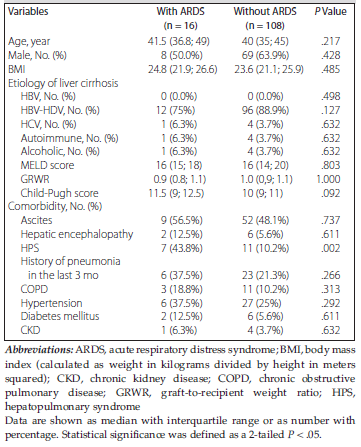
Table 1.Differences in Preoperative Variables Between Patients With and Without Acute Respiratory Distress Syndrome After Orthotopic Liver Transplant
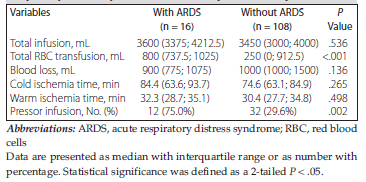
Table 2.Intraoperative Variables Between Patients With and Without Acute Respiratory Distress Syndrome After Orthotopic Liver Transplant
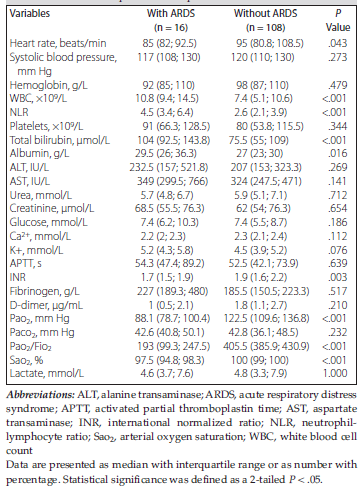
Table 3.Clinical and Laboratory Parameters on Admission to the Intensive Care Unit After Orthotopic Liver Transplant
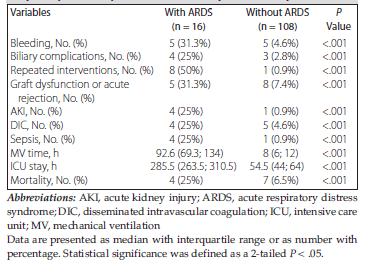
Table 4.Postoperative Variables Between Patients With and Without Acute Respiratory Distress Syndrome After Orthotopic Liver Transplant
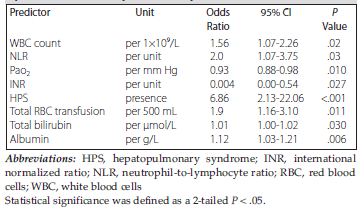
Table 5.Summary of Risk Predictors for Acute Respiratory Distress Syndrome After Orthotopic Liver Transplant
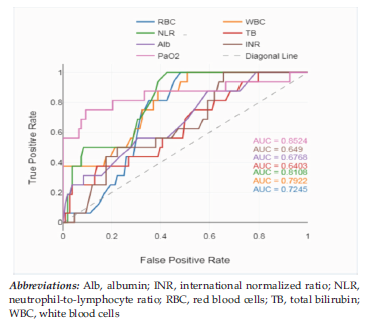
Figure 1.Receiver Operating Characteristic Curves of Key Predictors in the Study Cohort