Volume: 22 Issue: 9 September 2024
FULL TEXT
Objectives: Ureteral strictures after kidney transplant are an uncommon but significant cause of morbidity. This systematic literature review investigated risk factors for ureteral stricture formation after renal transplant and overall rate of strictures after renal transplant.
Materials and Methods: We used PubMed, Medline, and Cochrane Library to search for relevant articles concerning renal transplant and posttransplant complications (ureteral stricture). We included the key words “kidney transplant” OR “renal transplant” AND “ureteral stenosis/stricture” AND “adults.” We selected (1) clinical studies involving ureteral strictures following renal transplant; (2) studies with outcomes that included ureteral stricture rate; and (3) studies that had preoperative data on mean donor patient age, sex, and donor type (living or deceased). Case reports, case series, letters to the editors, and non-English articles were excluded.
Results: We identified 455 articles initially; 356 articles were screened, and 13 original articles were included in the study. Together, the studies reported on 292 posttransplant ureteral strictures. Kidney graft multiplicity (P = .02), donor age (P < .001), stentless procedures (P = .04), recipient age (P < .001), donation after circulatory death (P = .04), cold ischemia time (P = .027), warm ischemia time (P = .05), history of nephrolithiasis (P = .001), history of prostate conditions (P = .024), history of bladder recatheterization (P = .006), history of bladder outlet obstruction (P = .007), double kidney transplant (P = .037), and panel reactive antibodies were associated with posttransplant ureteral stricture formation. Mean ureteral stricture rate was 0.08 ± 0.04 (range, 0.34%-65%). Mean period from transplant to stricture formation was 17 ± 24 months. Mean follow-up was 36 ± 16 months. Conclusions: Ureteral stricture can potentially affect graft function and patient outcomes. Understanding and managing the risk factors associated with ureteral stricture are crucial for improving posttransplant prognosis.
Key words : Kidney transplant, Ureter, Ureteral stenosis
Introduction
Renal transplant is a common type of transplant performed in patients with end-stage kidney failure and on dialysis.1 In 2022, over 25?000 kidney transplants were performed in the United States, marking a 3.4% increase from the previous year. However, renal transplants are risky and associated with complications, including thrombus, infection, autoimmune rejection, and ureteric strictures.1,2 Ureteric stricture is a narrowing of the transplanted ureters that carry urine to the bladder.3 When stricture occurs, it can cause hydronephrosis, which can present as significant flank pain, urinary tract infections, and irreversible kidney damage. Transplantation improves survival rates and quality of life in patients with end-stage chronic renal failure compared with dialysis; in addition, the cost of dialysis is nearly 3 times that of transplant.4,5
The overall stricture rates vary in the literature, commonly ranging from as low as 1% to as high as 8%.6-12 Several surgical techniques may also affect the results, which include the Lich-Gregoir (L-G), Leadbetter-Politano (L-P), and Paquin techniques, which are all techniques used to perform ureteroneocystostomies during renal transplant.
Lich-Gregoir is an extravesical technique that mobilizes the ureter extravesically along the length of the ureter and detrusor, which is then divided in the direction of the ureter.13 Afterward, the ureter is anastomosed with the bladder mucosa; the detrusor, which has been split, is sutured to cover the ureter, and the result is a submucosal ureteral tunnel.13 Leadbetter-Politano is an intravesical technique in which the ureter is excised from its attachment to the bladder and reattached intravesically in a superomedial position with a new submucosal tunnel.14 Paquin is both an intravesicular and extravesicular technique in which the ureter is excised from its attachment to the bladder and then reattached posteromedially.15
The transplanted ureter is at elevated risk of ischemic damage as a result of reduced blood supply because the only source for perfusion is from the renal pelvic vessels, which run in the periureteral adventitia and may be injured during explant and anastomosis.16 The presence of ureteral stents may also affect patient outcomes. The major urological complication rate has been shown as 3.3% in those who received stents compared with 8.8% in those who did not receive stents.7 This finding indicates that the presence of stents decreases the chance of major urological complications postoperatively. In this review, we aimed to investigate the risk factors for ureteral stricture formation after renal transplant and the overall rate of strictures after renal transplant in various patient populations.7
Materials and Methods
Data collection
We used PubMed, Medline, and Cochrane Library to search for relevant articles concerning renal transplant and posttransplant complications/ureteral stricture. We used the following key words: “kidney transplant” OR “renal transplant” AND “ureteral stenosis/stricture” AND “adults.” We could not perform a meta-analysis because of missing or heterogeneous data. Included articles ranged from years 2014 to 2021; older articles were either unavailable or not accessible.
Eligibility criteria
We selected studies according to the following criteria: (1) clinical studies involving ureteral stricture after renal transplant; (2) studies with outcomes that included ureteral stricture rate; (3) studies that had available preoperative data on mean donor patient age, sex, and donor type (living or deceased). Studies that investigated surgical or medical management of ureteral strictures were excluded. Case reports, case series, letters to the editors, and non-English articles were excluded.
Data extraction
Data was extracted independently by 2 reviewers (F.G. and S.P).
Primary outcomes
We aimed to identify which risk factors were most correlated with ureteral stricture development and the overall rate of strictures after renal transplant (Figure 1).
Results
Demographics
Among the 13 original articles included in the study, the mean number of procedures was 764 ± 450 cases, with 6 institutions that used the L-G technique exclusively and 1 institution that used a mixture of L-G and L-P techniques (Table 1). Mean donor age was 43.8 ± 5.4 years, mean recipient age was 46.8 ± 5.5 years, 64% of recipients received kidneys from deceased donors, and 6 studies used stents in all their cases.6,9,10,17-19 Three studies included results on simultaneous pancreas and kidney transplant.9,17,19 Among the studies, 59.9% of donors were men, 40.1% of donors were women, 64.0% of recipients were men, and 32.7% of recipients were women. The mean day of removal of the Foley catheter was 4.6 days posttransplant. Mean stent removal time was 37 ± 12 days posttransplant.
Occurrence of ureteral stricture after renal transplant
The mean rate of ureteral stricture formation was 0.08 ± 0.04%, and the mean time from transplant to stricture formation was 17 ± 24 months. Mean follow-up of patients was 36 ± 16 months. The shortest follow-up time was 12 months, and the longest was 108 months (9 years). Only 4 studies reported common sites of ureteral stricture formation.17,18,20,21 The most common location of stricture was the distal ureter, followed by the ureterovesical junction and then the middle ureter (Table 2).
Possible risk factors for ureteral stricture formation after renal transplant
With and without ureteral stent placement
Baston and colleagues reported a rate of ureteral stricture formation of 3.3% in the stent group compared with 8.8% in the nonstent group (P = .04).7 Cayetano-Alcaraz and colleagues reported no significant difference in stricture formation based on the presence or absence of stent placement.11 Irdam and colleagues utilized stents in all cases and reported an overall stricture formation rate of 6.6%, which was higher than the mean stricture rate of 3.9%.6
Kidney graft multiplicity
Rahnemai-Azar and colleagues reported that presence of renal artery multiplicity was significant for stricture formation on univariate (P = .02) and multivariate analysis (hazard ratio = 2.4; 95% CI, 1.1-5.1; P = .02).20 In patients with dual kidney transplants, the complication rate was 10.2% compared with 4% in patients with single kidney transplants (hazard ratio = 2.4; 95% CI, 1.1-5.1; P = .02).
Donor age
Irdam and colleagues found a high rate of ureteral stenosis formation (6.6%) compared with other centers. They found that older donor age and recipient age were positively correlated with ureteral stricture formation (P < .001).6
Donor after circulatory death versus donor after brain death. Mah and colleagues showed no association between donor type (living, brain death, circulatory death) and development of ureteral strictures.17 Rahnemai-Azar and colleagues showed no association between transplants with donors after circulatory death, donors after brain death, or living donors and ureteric stricture formation.20
Cold ischemia time and warm ischemia time
Black and colleagues supported the findings to reduce cold ischemia time. Cold ischemia time >435 minutes (odds ratio = 43.9; 95% CI, 1.6-1238.8; P = .027) was associated with ureteric stricture formation.8 Donors with prolonged warm ischemia time more frequently developed ureteral stenosis after kidney transplant (P < .05).6
Previous urological history
Hernández Garcia and colleagues showed that history of nephrolithiasis (P = .001), history of prostate conditions (P = .024), history of bladder recatheterization (P = .006), and history of bladder obstruction (P = .007) before transplant were asso-ciated with increased ureteral stenosis.12 Cayetona-Alcaraz showed that presence of ureteral duplication (odds ratio = 3.29; 95% CI, 2.40-4.51) was significant for ureteric stricture formation.11
Surgical technique
The ureter-bladder anastomosis technique, if perfor-med incorrectly, can cause signi-ficant damage to the ureter, increasing the chance of stricture formation.3 In an evaluation of 853 renal transplants over 15 years, Choi and colleagues reported a rate of ureteral complications of 7.7%.22 Most studies used a stented extravesical approach because it required a shorter ureter length. Double kidney transplant was asso-ciated with ureteric stricture formation (P = .0371).20
Stitch and suture type
Harza and colleagues used a submucosal bladder tunnel and then anastomosed the transplanted ureter directly to the bladder mucosa with separate absorbable sutures.7 The investigators reported an overall strictures rate of 3.10%.3 Krajewsk and colleagues utilized an absorbable monofilament 5-0 suture to suture the distal ureter to the bladder mucosa, which was done using the L-G technique.18 With this technique, the investigators had an overall stricture rate of 65%.18 With a 4-0 polydioxanone suture for the heel of the anastomosis of the ureteroneocystostomy over a 7F ureteric double-J stent, Salter and colleagues secured half of the anastomosis from heel to apex with suture in a full-thickness single layer.9 With this technique, the investigators had an overall stricture rate of 0.34%.9 In their study, which used synthetic absorbable glyconate monofilament suture from the bladder mucosa to the ureter, Choi and colleagues reported an overall stricture rate of 2.69%.22 Gil-Sousa and colleagues used interrupted 4-0 or 5-0 polyglycolic acid sutures for ureteroneocystostomy and reported an overall stricture rate of 3.39%.21 Mah and colleagues used interrupted absorbable sutures (5-0 polydioxanone) for the ureter-bladder anas-tomosis and reported an overall stricture rate of 2.6%.17
Delayed graft function
Among 93 patients, Cayetano-Alcaraz and colleagues examined whether delayed graft function (defined as a need for dialysis within the first week posttransplant) was a risk factor for ureteral strictures.11 The investigators found no significant association but identified postoperative urinomas and ureteral duplication as risk factors.
Recipient comorbidity
Cayetano-Alcaraz and colleagues found that preexisting diabetes mellitus (P = .397), history of dyslipidemia (P = .682), and history of hypertension (P = .09) were not associated with ureteric stricture formation.4 Irdam and colleagues also showed no significant association between hypertension or diabetes mellitus and stricture formation.2 Minkovich and colleagues showed that vascular disease and hypertension were not significant for development of ureteral strictures.12 Rahenmai-Azar and colleagues found that transplant recipients with a history of diabetes did not have a significantly greater risk of developing strictures.20 However, they found that retransplant increased the odds of stricture development (2.09) compared with transplant-naive patients.20 Hernández Garcia and colleagues found that smoking was significantly associated with ureteric stricture formation on univariate analysis but not on multivariate analysis.12
Panel reactive antibody and degree of HLA mismatch. Black and colleagues showed that acute reaction (odds ratio = 3.0; 95% CI, 1.1-7.4; P = .027) was associated with ureteral stricture development.8 Cayetano-Alcaraz and colleagues found that donor-specific HLAs were not significantly associated with ureteral stricture formation compared with that shown in patients without donor-specific HLAs (P = .84).11 Mah and colleagues also indicated that the degree of HLA mismatch was not a significant risk factor for ureteral stricture development (P = .3).17 Rahnemai-Azar and colleagues reported a ureteral complication rate of 7.2% in those who received kidneys from donors who had panel reactive antibodies (PRA) >0, compared with 4.1% in those who did not.20 The odds ratio was 1.82, indicating there was a trend for ureteral complications in those who had donors with PRAs compared with those who did not.20
BK virus and cytomegalovirus viremia
Black and colleagues reported that 12% of patients with BK viremia developed ureteral strictures.8 They did not report the percentage of patients with BK viremia who developed strictures or the total percentage of patients with BK viremia.8 Although Cayetano-Alcaraz and colleagues did not report cases of BK viremia in their sample population,11 they reported an equal percentage of cytomegalovirus infections in those who developed strictures and those who did not (6.5% for both). Mah and colleagues reported that 11% of those with ureteral compli-cations developed BK virus infection, whereas 20% of those without ureteral complications developed BK virus infection.17 This difference was not significant (P = .20).17
Discussion
In the present systematic review, we identified risk factors and rates of ureteral strictures in renal transplant recipients. To our knowledge, this study is the most recent on this topic since Giessing and colleagues.16 Kidney graft multiplicity, stentless procedures, warm and cold ischemia time, urological history (ureteral duplication, history of nephrolit-hiasis, prostate conditions), recipient demographics, and PRAs were associated with posttransplant ureteral stricture formation.
Donor age and recipient age are thought to be a cause of stricture formation as a result of impaired ureteral vascularization causing ureteral ischemia. Donor and recipient age showed a age-dependent correlation. The odds ratio for postoperative compli-cations was 1.55 for <18 to 30 years of age, 1.27 for 36 to 59 years of age, and 2.53 if >60 years old.20 The rate of complication was 5.3% if less than 3 years of age, 3.5% if 4 to 35 years of age, 4.4% if 36 to 59 years of age, and 8.3% if over 60 years of age.20 For the recipient, we observed an inverse trend. The odds ratio was 0.93, 0.73, and 0.43, respectively, with the highest incidence of stricture formation observed in recipients aged between 36 and 59 years.20 The results indicated the importance of having younger donors to limit posttransplant stricture formation.
Having a deceased donor kidney also showed significant trends in rate of stricture formation.20 A complication rate of 4.7% was seen with deceased donors versus a 3.9% complication rate with living donors.20 The odds ratio was 1.22 for deceased versus living donors, indicating that those who had transplants from deceased donors were more likely to have complications versus those who had transplants from living donors.20 A deceased donor can be associ-ated with surgical uncertainty compared with a living donor, who is commonly either a relative or someone with altruistic motives; the definitive outcome of living donor transplant provides improved opportunities for medical optimization before surgery and can reduce inevitable ischemia-reperfusion injuries.
History of urological conditions may increase the risk of stricture formation.23 For a donor who has undergone ureteroscopy for a ureteral stone, the rate of stricture formation can be as high as 24%, potentially due to large scope size, which can result in mucosal damage to the urinary tract collecting system.23,24 Additional factors associated with ureteral stricture formation after ureteroscopy include prolonged duration of the stone, stone size, proximal location, and use of intracorporeal lithotripsy.23 All of these factors can lead to mucosal damage or ischemia, which can explain the correlation between a history of urinary tract stone formation in patients needing transplant and the development of strictures after renal transplant.23 Up to 38% of those who have undergone previous ureteral repair have reported recurrence of ureteral strictures.23 Prostate disease may play also a role in stricture formation. With prolonged benign prostatic hyperplasia, urinary stasis can cause back pressure and damage to ureteric mucosal injury if left untreated.25 These factors can lead to dilation of the collecting system, resulting in susceptibility to stricture formation.25
Kidney graft multiplicity can pose numerous disadvantages for the donor. Surgical complexity is increased with multiple renal arteries, posing an increased risk of damage to the ureters.26 Risk of kinking or compression of the transplanted arteries is increased, which can result in ischemia.26 Multiple renal arteries pose an increased risk of vascular complications posttransplant, such as thrombosis and stenosis causing indirect ureter damage.26 Malperfusion of accessory arteries from small anastomosis with flow limitation, greater turbulence, and higher vulnerability to traction injuries may lead to more ureteric stricture formation.
One study that we examined did not use stents, which reported a ureteral stricture rate of 3.39%.21 Unfortunately, ureter length was not included in the selected journal articles. Longer ureters can be subject to more tension during the surgical procedure. Tension can compromise the blood flow to the ureter, which can lead to ischemia. This predisposes the ureters to stricture formation as fibrosis is promoted and regeneration is impaired. Increased stretching of the ureter during surgery can also lead to fibrosis and scarring of the ureter.
History of diabetes mellitus can lead to vascular complications like atherosclerosis or microvessel disease, secondarily to hyperglycemia.27 These complications can indirectly cause ischemia to the ureter, predisposing it to stricture formation.27 History of dyslipidemia can also lead to vascular complications, such as atherosclerosis.28 These atherosclerotic plaques can obstruct blood flow to the ureters and cause ischemia, predisposing the ureters to stricture formation.28 Higher rates of PRAs can indicate a greater risk of antibody-mediated rejection after kidney transplant.29 Chronic inflammation or ischemia was not associated with stricture formation; however, positive PRA was associated with stricture formation.
Prolonged ischemia time can deplete adenosine triphosphate levels in the kidneys, leading to a build-up of reactive oxygen species, inflammation, and coagulation.30 These effects are amplified with reperfusion,30 contributing to ischemia-reperfusion injury, which can cause allograft failure. This effect can cascade down to the ureters and increase the risk of ureteral strictures.30 In this study, both cold (P = .027) and warm ischemia time (P = .05) were associated with stricture formation.
Stents can provide mechanical support and promote adequate healing of the ureter after transplant.31,32 Stents maintain the patency of the ureter and ensure the flow of urine; however, physical contact and irritation to the mucosal lining may lead to fibrosis.31,32 A recent Cochrane review showed that use of ureteric stents can reduce complications arising from ureteric anastomosis in renal transplants from 7% to 9% to 1.5%.33 Refractory ureteral strictures can be successfully treated with nonexpandable and memory-holding metallic stents.24 Four patients who developed recurrent renal transplant ureteral stric-tures were successfully treated with Memokath 051 stents, a promising alternative to balloon dilatation.32 However, the use of double J ureteral stents may pre-dispose patients to postoperative urinary infections, and stent removal requires an invasive procedure without reduction in ureteral stricture rates.2
The literature has shown the L-G technique to be associated with fewer urological complications compared with other techniques such as the L-P technique.34 This is because cystotomy is used to perform the extravesical anastomosis between the ureter and bladder mucosa.34 For the L-P technique, 2 cystotomies are introduced.34 The L-G technique also allows for a shorter ureter compared with the L-P technique; therefore, ischemia injury of the distal ureter is more likely to occur with the L-G technique, with decreased risk of stricture formation.34
Our review had some limitations. First, limited articles were available. Some articles did not include important risk factors. Important risk factors such as BK virus and cytomegalovirus viremia, ischemia time, and use of stents were not universally reported. Modalities for diagnosis of ureteral stricture forma-tion were inconsistent; some studies included imaging modality, and others did not. Some studies included a time-limited follow-up period, which may underreport the true number of stricture formations. Some studies did not include previous transplants, simultaneous multiorgan transplants, or transplants performed at outside institutions. A few studies did not include the renal transplant technique, donor or recipient demographics, renal function, and mean time to ureteral stricture development. Knowledge of avoidable and unavoidable risk factors are important for follow-up and transplant prognosis (Table 3).
Conclusions
In the future, histopathology assessment could be included to pinpoint the exact etiology of ischemia time on the ureter by visualizing morphological and microscopic changes.35 More randomized studies are needed to investigate the true determinants of ureteral stricture formation to guide preventative services. Ureteral stricture is a notable complication after kidney transplant and can potentially affect graft function and patient outcomes. Understanding and managing the risk factors associated with ureteral stricture are crucial steps for improving posttransplant prognosis.
References:
- Mayo Clinic. Kidney transplant. March 28, 2024. Accessed March 29, 2024. https://www.mayoclinic.org/tests-procedures/kidney-transplant/about/pac 384777#:~:text=A%20kidney%20transplant%20is%20often,Better%20quality%20of%20life
CrossRef - PubMed - Dalgic A, Boyvat F, Karakayali H, Moray G, Emiroglu R, Haberal M. Urologic complications in 1523 renal transplantations: the Baskent University experience. Transplant Proc. 2006;38(2):543-547. doi:10.1016/j.transproceed.2005.12.116
CrossRef - PubMed - NYU Langone Health. Diagnosing ureteral stricture. Accessed March 28, 2024. https://nyulangone.org/conditions/ureteral-stricture/diagnosis
CrossRef - PubMed - Buksh O, Khogeer A, Bawazir AO, Alammari A, Junaid I. Post-transplant ureteric stricture managed by extra-anatomical stenting with modification on the originally described stent location: a case report. Cureus. 2023;15(1):e33335. doi:10.7759/cureus.33335
CrossRef - PubMed - National Institute of Diabetes and Digestive and Kidney Diseases. Kidney disease statistics for the United States. 2023. Accessed March 27, 2024. https://www.niddk.nih.gov/health-information/health-statistics/kidney-disease
CrossRef - PubMed - Irdam GA, Sutojo B, Raharja PA. Risk factors of ureteral stenosis in kidney transplant recipients: a retrospective study in national referral hospital in Indonesia. Adv Urol. 2021;2021:2410951. doi:10.1155/2021/2410951
CrossRef - PubMed - Harza M, Baston C, Preda A, et al. Impact of ureteral stenting on urological complications after kidney transplantation surgery: a single-center experience. Transplant Proc. 2014;46(10):3459-3462. doi:10.1016/j.transproceed.2014.08.051
CrossRef - PubMed - Black AJ, Harriman D, Nguan C. Contemporary risk factors for ureteral stricture following renal transplantation. Can Urol Assoc J. 2022;16(6):E321-E327. doi:10.5489/cuaj.7648
CrossRef - PubMed - Salter S, Lee A, Jaya J, Suh N, Yii MK, Saunder A. Timely surgical intervention for ureteric complications ensures adequate graft function in renal transplantation: a 10-year review. ANZ J Surg. 2020;90(7-8):1340-1346. doi:10.1111/ans.15914
CrossRef - PubMed - Minkovich M, Famure O, Li Y, et al. Ureteral strictures post-kidney transplantation: trends, impact on patient outcomes, and clinical management. Can Urol Assoc J. 2021;15(10):E524-E530. doi:10.5489/cuaj.7003
CrossRef - PubMed - Cayetano-Alcaraz A, Rodriguez-Alvarez JS, Vilatobá-Chapa M, et al. Is delayed graft function associated with ureteral stenosis in the kidney transplant recipient? A case-control study. Can Urol Assoc J. 2019;13(11):E361-E365. doi:10.5489/cuaj.5794
CrossRef - PubMed - Hernández Garcia E, Ruiz Fuentes MC, Gracia Guindo MC, Lopez Gonzalez Gila JD, Ruiz Fuentes N, Osuna Ortega A. Development of ureteral stenosis/obstruction in kidney transplant. Transplant Proc. 2020;52(2):527-529. doi:10.1016/j.transproceed.2019.11.047
CrossRef - PubMed - Leblanc B, Williot P. Lich-Gregoir ureteroneocystostomy: experience of a North-American pediatric center. Ann Chir. 1995;49(8):685-688.
CrossRef - PubMed - Steffens J, Langen PH, Haben B, Hiebl R, Steffens L, Polsky MS. Politano-leadbetter ureteroneocystostomy. A 30-year experience. Urol Int. 2000;65(1):9-.doi:10.1159/000064827
CrossRef - PubMed - Abranches-Monteiro L, Hamid R, D’Ancona C, et al. The International Continence Society (ICS) report on the terminology for male lower urinary tract surgery. Neurourol Urodyn. 2020;39(8):2072-2088. doi:10.1002/nau.24509
CrossRef - PubMed - Giessing M. Transplant ureter stricture following renal transplantation: surgical options. Transplant Proc. 2011;43(1):383-386. doi:10.1016/j.transproceed.2010.12.014
CrossRef - PubMed - Mah T-J, Mallon DH, Brewster O, et al. Ureteric complications in recipients of kidneys from donation after circulatory death donors. Clin Transplant. 2017;31(4). doi:10.1111/ctr.12912
CrossRef - PubMed - Krajewski W, Dembowski J, Ko?odziej A, et al. Urological complications after renal transplantation - a single centre experience. Cent European J Urol. 2016;69(3):306-311. doi:10.5173/ceju.2016.833
CrossRef - PubMed - Manassero F, Vistoli F, Mogorovich A, DE Maria M, Boggi U, Selli C. Early and late ureteral complications after renal transplant. Minerva Urol Nefrol. 2017;69(6):613-618. doi:10.23736/S0393-2249.17.02786-2
CrossRef - PubMed - Rahnemai-Azar AA, Gilchrist BF, Kayler LK. Independent risk factors for early urologic complications after kidney transplantation. Clin Transplant. 2015;29(5):403-408. doi:10.1111/ctr.12530
CrossRef - PubMed - Gil-Sousa D, Oliveira-Reis D, Teves F, et al. Ureteral stenosis after renal transplantation-a single-center 10-year experience. Transplant Proc. 2017;49(4):777-782. doi:10.1016/j.transproceed.2017.01.050
CrossRef - PubMed - Choi YS, Kim KS, Choi SW, et al. Ureteral complications in kidney transplantation: analysis and management of 853 consecutive laparoscopic living-donor nephrectomies in a single center. Transplant Proc. 2016;48(8):2684-2688. doi:10.1016/j.transproceed.2016.06.054
CrossRef - PubMed - Benjamin Newell Breyer BN. Ureteral stricture: practice essentials, relevant anatomy, pathophysiology. Medscape. March 15, 2024. Accessed May 22, 2024. https://emedicine.medscape.com/article/442469-overview?form=fpf#a8
CrossRef - PubMed - Aytekin C, Boyvat F, Harman A, Ozyer U, Colak T, Haberal M. Percutaneous therapy of ureteral obstructions and leak after renal transplantation: long-term results. Cardiovasc Intervent Radiol. 2007;30(6):1178-1184. doi:10.1007/s00270-007-9031-8
CrossRef - PubMed - Cleveland Clinic. Ureteral obstruction: causes, symptoms & treatment. August 20, 2023. Accessed May 21, 2024. https://my.clevelandclinic.org/health/diseases/21155-ureteral-obstruction
CrossRef - PubMed - Varotti G, Bianchi V, Fontana I. Multiple arteries kidney offer. Urology. 2020;146:e12-e13. doi:10.1016/j.urology.2020.08.012
CrossRef - PubMed - Brown JS, Wessells H, Chancellor MB, et al. Urologic complications of diabetes. Diabetes Care. 2005;28(1):177-185. doi:10.2337/diacare.28.1.177
CrossRef - PubMed - Linton MF, Yancey PG, Davies SS, Jerome WG (Jay), Linton EF, Vickers KC. The role of lipids and lipoproteins in atherosclerosis. In: De Groot LJ, Beck-Peccoz P, Chrousos G, et al, eds. Endotext. MDText.com, Inc.; 2000.
CrossRef - PubMed - Hajeer AH. Panel reactive antibody test (PRA) in renal transplantation. Saudi J Kidney Dis Transpl. 2006;17(1):1-4.
CrossRef - PubMed - Ponticelli CE. The impact of cold ischemia time on renal transplant outcome. Kidney Int. 2015;87(2):272-275. doi:10.1038/ki.2014.359
CrossRef - PubMed - Bernasconi V, Tozzi M, Pietropaolo A, et al. Comprehensive overview of ureteral stents based on clinical aspects, material and design. Cent European J Urol. 2023;76(1):49-56. doi:10.5173/ceju.2023.218
CrossRef - PubMed - Boyvat F, Aytekin C, Colak T, Firat A, Karakayali H, Haberal M. Memokath metallic stent in the treatment of transplant kidney ureter stenosis or occlusion. Cardiovasc Intervent Radiol. 2005;28(3):326-330. doi:10.1007/s00270-004-0028-2
CrossRef - PubMed - Gerken ALH, Nowak K, Meyer A, et al. Ureterovesical anastomosis complications in kidney transplantation: definition, risk factor analysis, and prediction by quantitative fluorescence angiography with indocyanine green. J Clin Med. 2022;11(21):6585. doi:10.3390/jcm11216585
CrossRef - PubMed - Friedersdorff F, Weinberger S, Biernath N, Plage H, Cash H, El-Bandar N. The ureter in the kidney transplant setting: ureteroneocystostomy surgical options, double-J stent considerations and management of related complications. Curr Urol Rep. 2020;21(1):3. doi:10.1007/s11934-020-0956-7
CrossRef - PubMed - Tan J, Yu Z, Ling X, et al. Main pathological changes of benign ureteral strictures. Front Med (Lausanne). 2022;9:916145. doi:10.3389/fmed.2022.916145
CrossRef - PubMed

Volume : 22
Issue : 9
Pages : 655 - 663
DOI : 10.6002/ect.2024.0191
From the 1Albany Medical College, Albany, New York; the 2Department of Urology at Albany Medical College, Albany, New York; the 3Department of Transplant Surgery at Albany Medical College, Albany, New York; and the 4Department of Transplant Surgery at Albany Medical College, Albany, New York, USA
Acknowledgements: The authors have not received any funding or grants in support of the presented research or for the preparation of this work and have no declarations of potential conflicts of interest. *Shreya Patel, Talia Denis, and Fortis Gaba contributed equally to this work.
Corresponding author: Rauf Shahbazov, 50 New Scotland, Albany, NY 12208, USA
Phone: +1 518 262 5614
E-mail: shahbar@amc.edu
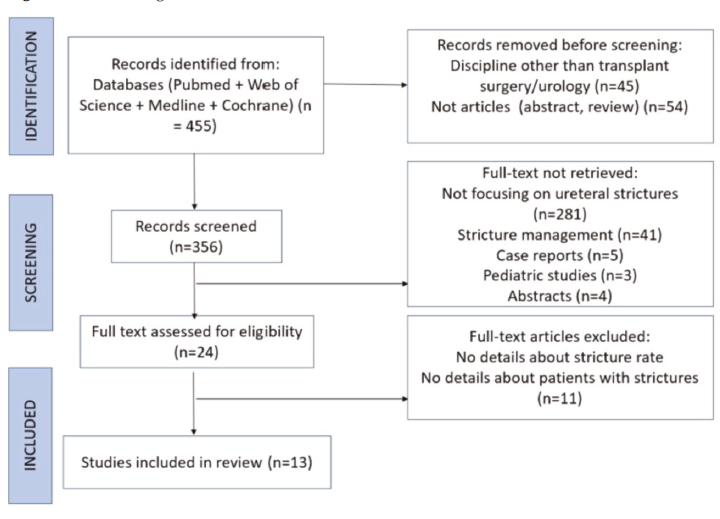
Figure 1. Consort Diagram for Identification of Selected Articles
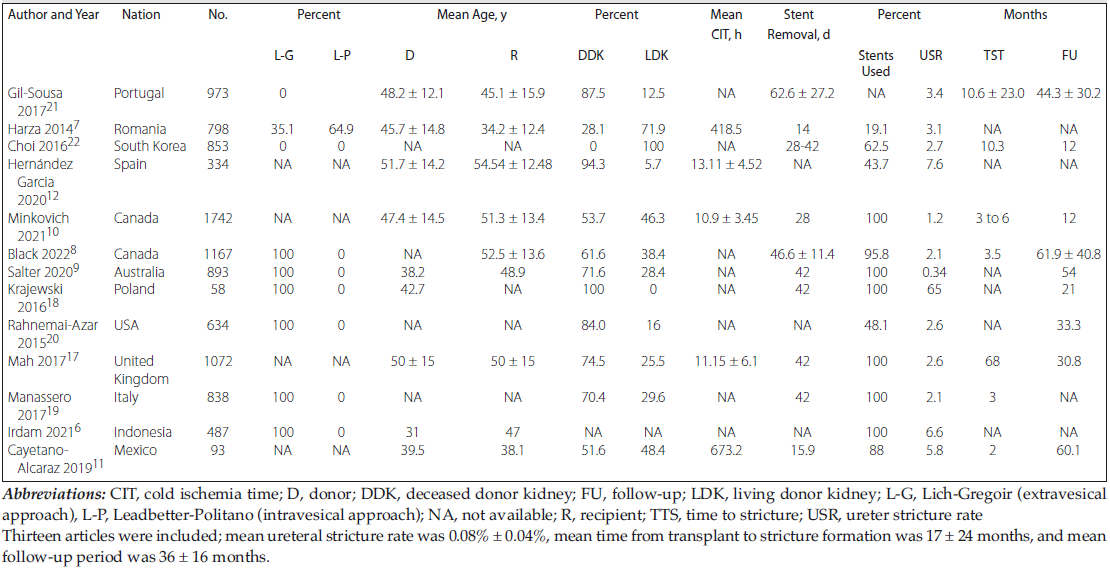
Table 1. Demographics of Included Studies
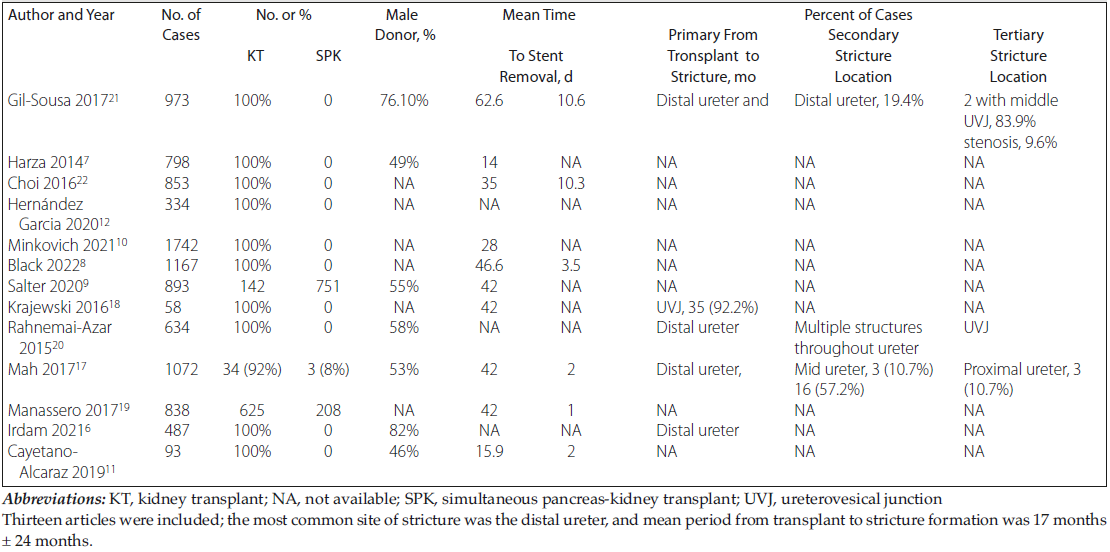
Table 2. Demographics of Selected Articles
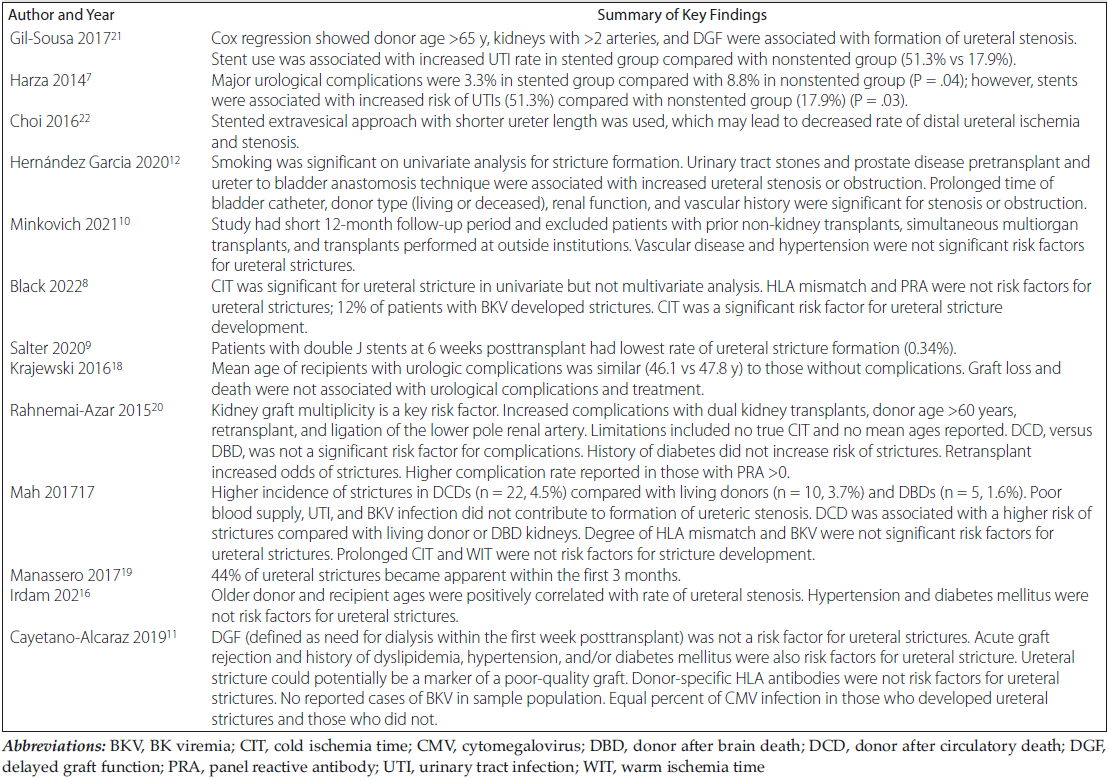
Table 3. Summary of Key Takeaways From Selected Studies