Volume: 24 Issue: 9 September 2026
FULL TEXT
Health-Related Quality of Life in Kidney Transplant Recipients: A Single-Center Experience From a Lower-Middle Income Country
Objectives: Chronic kidney disease is a growing global health concern, with kidney transplant recognized as the optimal kidney replacement therapy for improving health-related quality of life in these patients. However, data on health-related quality of life after kidney transplant in lower-middle-income countries like Pakistan remain limited. This study assessed health-related quality of life in kidney transplant recipients at the Sindh Institute of Urology and Transplantation (Karachi, Pakistan), to evaluate the effects of transplantation on physical, mental, emotional, and social well-being.
Materials and Methods: Our cross-sectional study included 205 adult kidney transplant recipients(≥1 year posttransplant). We used SF-36 questionnaire responses to analyze sociodemographic data, physical symptoms, psychological status, and social function. We used SPSS version 22 for statistical analysis, with P < .05 considered significant.
Results: Among the study group, mean age was 38.1 ± 10.6 years; 78% of recipients were men. Mean SF-36 score was 99.5 ± 4.81, indicating high health-related quality of life. Physical function (96.8 ± 8.5) and social function (95.5 ± 15.7) scores were notably high, whereas general health perception score was lower (82.5 ± 22.5). Male transplant recipients reported significantly better physical function than female transplant recipients (P = .031). No significant asso-ciations were found between health-related quality of life and marital status, education, income, or time since transplant (P > .05).
Conclusions: Kidney transplant significantly improved health-related quality of life, particularly in physical and social domains, among Pakistani transplant recipients. Disparities between male and female patients highlight the need for tailored posttransplant care for females, whereas the minimal impact of other sociodemographic factors suggested the effectiveness of structured transplant programs in lower-middle-income countries. These findings support expanding access to kidney transplant while emphasizing sensitive rehabilitation strategies for female versus male patients.
Key words : Chronic kidney disease, Pakistan, Renal transplantation, SF-36
Introduction
Chronic kidney disease (CKD) is becoming a major global health problem as a result of the persistent increase in its prevalence. One in 10 individuals is affected by CKD, and, in 2017, more than 800 million people had CKD. As its prevalence has increased, rates of complications and death have also increased, and CKD will be the fifth most common cause of death in 2040 and was the twelfth and thirteenth in 2017 and 2013, respectively.1 Rates of CKD in Pakistan also match the global rates.2 Treatment options for stage V of CKD are hemodialysis, peritoneal dialysis, and kidney transplant (KT).3
Compared with chronic dialysis, KT offers impro-ved survival and better health-related quality of life (HRQoL) for patients, thus showing that KT is the best form of kidney replacement therapy.4 However, despite KT recipients having normal functioning kidneys, improved cognitive function, and expec-tations of a relatively normal life after KT, KT recipients may experience negative feelings such as anxiety, anger, and worry that can lead to psych-ological or psychiatric illness. Therefore, evaluation of HRQoL is as vital as evaluations of other illnesses posttransplant.5,6
Health-related quality of life is a concept that looks beyond the evaluation of diseases, life expectancy, or causes of death and involves the impact of health status on quality of life (QoL); hence, it is a multidimensional notion that includes physical, mental, emotional, and social function domains.7,8 Understanding a patient’s HRQoL is becoming an important aspect of medical management as it can help to evaluate the effects of chronic diseases and their treatment on QoL. Different health authorities, like the World Health Organization, have announced improvement of HRQoL as a priority in the mana-gement of chronic diseases.9
After KT, a positive impact is expected on QoL by patients, their families, and physicians; thus, an evaluation of QoL should be a part of the clinical evaluation. Different studies have shown improved QoL in all 4 aspects (physical, mental, emotional, and social functioning) of its evaluation. In a study from China, 93% of KT recipients showed improved QoL in the sense of self-confidence and also in all
4 aspects of QoL, with improvements associated with adherence to follow-up, economic level, job status, and donor source.10 In another study from Pakistan that used the World Health Organization QoL-BREF tool, which included 25 questions to assess QoL, KT resulted in a positive impact demonstrated by a mean global score of 79.21 and individual physical domain score of 80.40, psychological domain score of 78.99, social domain score of 82.70, and environmental domain score of 74.75.11
In this study, we used multiple objective and subjective data to help analyze QoL after KT. We used the short form 36 health survey (SF-36) questionnaire, which combines the determinants of sociodemographic, physical symptoms, anxiety, depression, social functioning and the roles of emotional, general health, and mental health. The SF-36 questionnaire also includes questions on demographics, social status, physical functional status, and mental health. We aimed to evaluate HRQoL at 1 year post-KT and later among KT recipients at Sindh Institute of Urology and Transplantation (SIUT). The goal was to assess the effects of KT on HRQoL of recipients in the domains of social, physical, emotional, and mental health.
Materials and Methods
This cross-sectional observational study was con-ducted at the Department of Nephrology, SIUT, Karachi, Pakistan. The study population comprised all adult patients ≥18 years who were more than 1-year post-KT, with serum creatinine ≤1.4 mg/dL in males and ≤1.2 mg/dL in females. We enrolled a total of 205 transplanted patients who were approached during outpatient visits.
Study participants answered the standardized and validated SF-36 questionnaire, generating a profile of HRQoL at 1 or more years after KT. We obtained sociodemographic data, including age, sex, marital status, education, and employment. The SF-36 questionnaire assessed physical symptoms, psychological status, social functional status, and mental health through yes and no questions, multiple choice questions, and close-ended questions. Study investigators conducted interviews of participants. The SF-36 questionnaire allowed us to measure the health status of a particular individual, to help with service planning, and to measure the effects of clinical and social interventions.
The ethical review committee of SIUT approved the study before start of data collection (ERC No. 2024/A-471). All participants who met the inclusion criteria were included in the study. After the nature of the research and its aims were explained and confidentiality ensured, participants provided infor-med written consent. Data were collected electro-nically using the Urdu and English versions of the SF-36 questionnaire.
Statistical analyses
We used Statistical Package for the Social Sciences (SPSS) version 22.0 (IBM Corp) for data collection. We used descriptive statistics to summarize continuous and categorical variables. We presented qualitative data as frequencies and percentages and quantitative data as means ± SD. We compared continuous variables using t test or Mann-Whitney U test and compared categorical variables using the χ2 test. We used Pearson correlation for bivariate comparisons of numerical variables. P < .05 was considered significant.
Results
Table 1 shows the main demographic, economic, and social characteristics of the 205 study participants. Mean age of participants was 38.1 ± 10.6 years, with 119 participants (58.0%) in the 18- to 40-year age group, 45 (22.1%) in the 41- to 50-year age group, and 24 (11.7%) in the >50-year age group. Most parti-cipants were males, representing 78.0% (n = 160), whereas female participants accounted for 22.0% (n = 45). Regarding education, 45.9% (n = 94) of par-ticipants were matriculate (secondary education) or below, and 41.5% (n = 85) had intermediate educa-tion or higher. Most participants were married (79.5% [n = 163] married, 19.5% [n = 40] not married).
The mean duration after KT was 8.9 ± 6.1 years (range, 1-34 years). Among participants, 34.2% (n = 63) underwent KT within the last 5 years and 65.8% (n = 121) had KT 5 or more years previously. For donor-recipient relationships, brothers were the most frequent donors, comprising 49.5% (n = 92). Sisters accounted for 27.8% (n = 57), mothers accounted for 10.7% (n = 20), fathers and sons each accounted for 4.3% (n = 8 each), husbands accounted for 3.2% (n = 6), wives accounted for 4.3% (n = 8), cousins accounted for 2.1% (n = 4), and uncles accounted for 1.1% (n = 2) of donors. Per the donor selection guidelines at SIUT Hospital, eligibility required that donors be 20 years of age or older at the time of transplant. No unrelated donors except spouses were accepted as donors.
Geographically, 114 participants (55.6%) were residents of the Sindh province, 61 participants (29.8%) were residents of Punjab, 17 participants (8.3%) were residents of Khyber Pakhtunkhwa, and 8 participants (3.9%) were residents of Balochistan. The average family size was 8.4 ± 5.7 members. Median monthly income was 35 000 Pakistani ru-pees (PKR) (interquartile range, PKR 25 000-60 000); 42.9% of participants (n = 88) had an income of PKR 50 000 or less, and 19.0% (n = 39) earned PKR 50 000 or more.
Participants had an average SF-36 score of 99.5 ± 4.81 (range, 82-116). Overall scores indicated high physical function (96.8 ± 8.5), high social function (95.5 ± 15.7), and low pain interference (93.4 ± 18.7). However, general health perceptions were relatively lower (82.5 ± 22.5). Differences between men and women revealed that male participants scored significantly higher in physical function (97.8 ± 6.01 vs 93.2 ± 13.4; P = .031) and showed a trend toward better pain scores (94.9 ± 15.6 vs 88.0 ± 26.7; P = .106) compared with female participants; other domains did not differ significantly between male and female participants (Figure 1). Marital status had no notable effect on HRQoL, as married and unmarried participants exhibited similar scores across all measures (P > .05). Parti-cipants with intermediate or higher education had marginally better physical function (97.9 ± 5.1 vs 95.9 ± 9.8; P = .090) and pain scores (95.6 ± 13.0 vs 91.0 ± 22.5; P = .091) than those with matric or below, but these differences were not significant. Profession of participants did not show significant differences across various domains (Figure 2). Time since KT (≤5 years vs >5 years) and income level (PKR ≤50 000 vs >50 000) also did not yield significant disparities in HRQoL, although higher-income participants repor-ted slightly better pain scores (98.2 ± 3.8 vs 94.3 ± 17.5; P = .054) (Table 2).
Overall, our findings suggested that, although participant sex influenced physical function, other sociodemographic factors, such as marital status, education, income, and time since transplant, had minimal effects on HRQoL in our population.
Discussion
This study evaluated the HRQoL of KT recipients at one of the largest KT centers in Pakistan, revealing key insights into the posttransplant well-being of patients in a low-middle-income country (LMIC) setting. Our findings demonstrated that KT reci-pients generally reported high HRQoL scores, particularly in physical function, social function, and low pain domains, although general health percep-tions were comparatively lower. These results align with global evidence supporting KT as the optimal kidney replacement therapy for improving QoL compared with dialysis.4,10 However, our study also highlighted disparities between male and female KT recipients with limited influence of other sociode-mographic factors such as marital status, education, income, and time since transplant on HRQoL outcomes. Compared with scarce local studies, we found that HRQoL scores were markedly higher in our patients. Mallick and colleagues also reported similar observations in their study involving KT patients.11
The overall high scores in physical function (96.8 ± 8.5) and social function (95.5 ± 15.7) reinforced previous research that indicated significant impro-vements in QoL following successful KT.10,11 The relatively lower score in general health (82.5 ± 22.5) may reflect ongoing concerns about long-term graft survival, immunosuppressive side effects, or comorbidities, which are known to influence self-perceived health status.5,6 Our findings are consistent with studies from Pakistan and China, where KT recipients reported improved HRQoL but continued to experience residual health anxieties.10,11
A notable finding was the significant difference in physical function between male and female KT recipients (P = .031), with male participants reporting higher scores. This disparity may be attributed to sociocultural factors in Pakistan, where women often face greater restrictions in physical activity, lower health-seeking behavior, and additional domestic burdens that could impede posttransplant recovery.12 The trend toward better pain scores in male participants (P = .106) further suggested that sex-specific rehabilitation and psychosocial support may be necessary to optimize outcomes for female KT recipients.
In contrast to some previous studies,10,13 our analysis found no significant associations between HRQoL and marital status, education level, or income. Although participants with higher education and income showed a marginal trend toward better physical function and pain scores, these differences were not significant (P > .05). This finding contrasts with research from high-income countries, where socioeconomic status often correlates with better transplant outcomes.14 The lack of such an association in our cohort may reflect the equitable health care access provided by SIUT, a charitable institution that minimizes financial barriers to posttransplant care. Following successful transplant, a medical social worker continues to support patients and families to address the complex medical, emotional, and social challenges that come with transplant. Medical social workers provide counseling, emotional support, and education to help navigate posttransplant care and to promote indepen-dence and self-management. Key responsibilities include promoting medicine adherence, identifying and mobilizing support system, and educating patients about healthy lifestyle choices. The role of such workers also involves collecting data on patient progress and tracking metrics such as return to work or school, QoL scores, medication adherence rates, and patient satisfaction. Analyzing these metrics can help refine care pathways to ensure that patients receive the best possible support, thus improving overall QoL.
Similarly, time since transplant (≤5 vs >5 years) did not significantly affect HRQoL, suggesting that the benefits of KT are sustained in the long-term, consistent with findings from other LMICs.15 However, the absence of a decline in HRQoL over time may also indicate effective long-term follow-up care at SIUT, which helps mitigate complications that typically worsen with graft duration.
The high HRQoL scores in our study affirmed KT as the preferred renal replacement therapy in LMICs, reinforcing the need for expanded transplant prog-rams to reduce reliance on dialysis. However, the gap in physical function between male and female participants calls for targeted interventions, such as female-focused rehabilitation programs and mental health support, to ensure equitable outcomes.16,17 In addition, the minimal influence of income and education suggests that structured posttransplant care can mitigate socioeconomic disparities, a model that could be replicated in similar settings.
Our study had several limitations, including its single-center design and reliance on self-reported data, which may introduce bias. The predominance of male participants (78%) may have also limited generalizability to female KT recipients. Future multi-center studies with longitudinal follow-up could provide deeper insights into long-term HRQoL trends and the impact of immunosuppressive regimens.
Conclusions
Our study demonstrated that KT significantly enhanced HRQoL, with high scores in physical and social function among Pakistani recipients. Although disparities between male and female KT recipients were shown, other sociodemographic factors such as income, education, and marital status had minimal influence, underscoring the effectiveness of struc-tured transplant care in LMICs. Our findings support the expansion of KT programs while advocating for sensitive posttransplant care for female KT recipients and optimizing outcomes for all recipients.
References:
- Jager KJ, Kovesdy C, Langham R, Rosenberg M, Jha V, Zoccali C. A single number for advocacy and communication--worldwide more than 850 million individuals have kidney diseases. Nephrol Dial Transplant. 2019;34(11):1803-1805. doi:10.1093/ndt/gfz174
CrossRef - PubMed - Imtiaz S, Alam A. Epidemiology and demography of chronic kidney disease in Pakistan--a review of Pakistani literature. Pak J Kidney Dis. 2023;7(1):2-7. doi:10.53778/pjkd71209
CrossRef - PubMed - Mazzuchi N, Fernández-Cean JM, Carbonell E. Criteria for selection of ESRD treatment modalities. Kidney Int. 2000;57(Suppl 74):S136-S143. doi:10.1046/j.1523-1755.2000.07422.x
CrossRef - PubMed - Tonelli M, Wiebe N, Knoll G, et al. Systematic review: kidney transplantation compared with dialysis in clinically relevant outcomes. Am J Transplant. 2011;11(10):2093-2109. doi:10.1111/j.1600-6143.2011.03686.x
CrossRef - PubMed - El-Agroudy AE, Taher AA, Alshehabi KM, Alalwan AA, Arekat MR. Quality of life among renal transplant recipients in Bahrain: a single-center experience. Saudi J Kidney Dis Transpl. 2021;32(3):774-785. doi:10.4103/1319-2442.336773
CrossRef - PubMed - McAdams-DeMarco MA, Olorundare IO, Ying H, et al. Frailty and postkidney transplant health-related quality of life. Transplantation. 2018;102(2):291-299. doi:10.1097/TP.0000000000001943
CrossRef - PubMed - Finkelstein FO, Wuerth D, Finkelstein SH. Health related quality of life and the CKD patient: challenges for the nephrology community. Kidney Int. 2009;76(9):946-952. doi:10.1038/ki.2009.307
CrossRef - PubMed - Aarnio M, Winter T, Kujala U, Kaprio J. Associations of health related behaviour, social relationships, and health status with persistent physical activity and inactivity: a study of Finnish adolescent twins. Br J Sports Med. 2002;36(5):360-364. doi:10.1136/bjsm.36.5.360
CrossRef - PubMed - World Health Organization, Public Health Agency of Canada. Preventing chronic diseases: a vital investment. September 28, 2005. https://iris.who.int/handle/10665/43314
CrossRef - PubMed - Zhao L, Yan J, Yang GL, Liu Y. A study on adherence to follow-up, quality of life, and associated factors among renal transplant recipients in China. Transplant Proc. 2017;49(6):1285-1290. doi:10.1016/j.transproceed.2017.03.086
CrossRef - PubMed - Mallick NK, Hassan A, Bhatti RS, et al. Quality of life of post-renal transplant patients in Rawalpindi. Cureus. 2022;14(12):e33083. doi:10.7759/cureus.33083
CrossRef - PubMed - Amany H, Essam K, Rehab N, Maissa E, Hussien E, Samah R. Quality of life in a sample of Egyptian renal transplant recipients. Middle East Curr Psych. 2020;27:31. doi:10.1186/s43045-020-00041-0
CrossRef - PubMed - Sanchez S, Teelucksingh S, Ali R, Bailey H, Legall G. Quality of life and health status among patients receiving renal replacement therapy in Trinidad and Tobago, West Indies. Int J Nephrol Renovasc Dis. 2021;14:173-192. doi:10.2147/IJNRD.S302157
CrossRef - PubMed - Smith GC, Trauer T, Kerr PG, Chadban SJ. Prospective quality-of-life monitoring of simultaneous pancreas and kidney transplant recipients using the 36-item short form health survey. Am J Kidney Dis. 2010;55(4):698-707. doi:10.1053/j.ajkd.2009.12.025
CrossRef - PubMed - Aydan AO, Cihat BS, Rengin E, Cihangir O, Mehmet H. Quality of life through gender role perspective in candidate renal transplant recipients: a report from Baskent University using the short form 36 health survey. Exp Clin Transplant. 2018;16(Suppl 1):28-34. doi:10.6002/ect.TOND-TDTD2017.O4
CrossRef - PubMed - Graeme C, Thomas T, Peter G, Steven J. Prospective quality-of-life monitoring of simultaneous pancreas and kidney transplant recipients using the 36-item short form health survey. Am J Kidney Dis. 2010;55(4):698-707. doi:10.1053/j.ajkd.2009.12.025
CrossRef - PubMed - Liem YS, Bosch JL, Arends LR, Heijenbrok-Kal MH, Hunink MG. Quality of life assessed with the medical outcomes study short form 36-item health survey of patients on renal replacement therapy: a systematic review and meta-analysis. Value Health. 2007;10(5):390-397. doi:10.1111/j.1524-4733.2007.00193.x
CrossRef - PubMed

Volume : 24
Issue : 9
Pages : 683 - 688
DOI : 10.6002/ect.2026.0052
From the 1Department of Nephrology and the 2Department of Transplantation Nephrology, Sindh Institute of Urology and Transplantation (SIUT), Karachi, Pakistan
Acknowledgements: The authors have not received any funding or grants in support of the presented research or for the preparation of this work and have no declarations of potential conflicts of interest.
Corresponding author: Nazarul Hassan Jafry, Nephrology Department, Sindh Institute of Urology and Transplantation (SIUT), Dewan Farooq Medical Complex (DFMC), Chand Bibi Road, Karachi 74200, Pakistan
E-mail: drjafry12@gmail.com
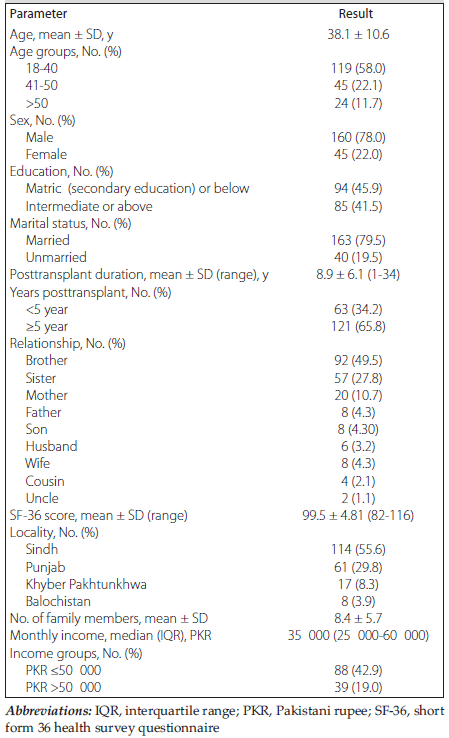
Table 1. Main Demographic, Economic, and Social Characteristics of Kidney Transplant Recipients (N = 205)
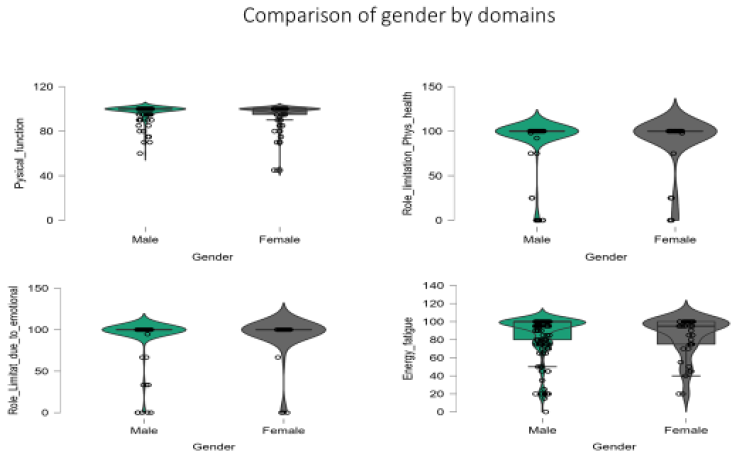
Figure 1. Comparison of Various Domains of Health-Related Quality of Life in Male Versus Female Kidney Transplant Recipients
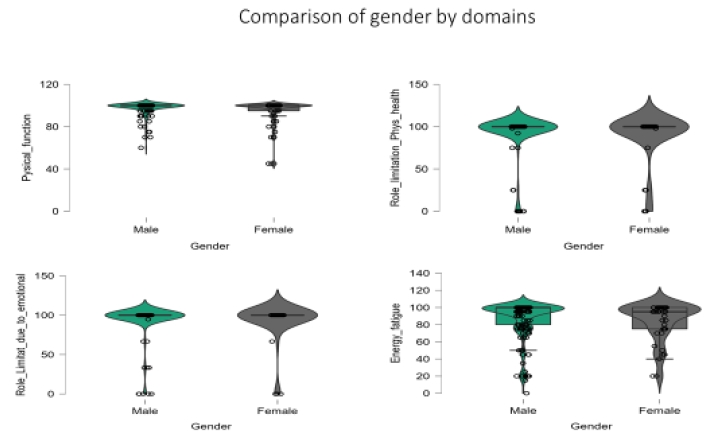
Figure 2. Comparison of Various Domains of Health-Related Quality of Life by Profession of Kidney Transplant Recipients
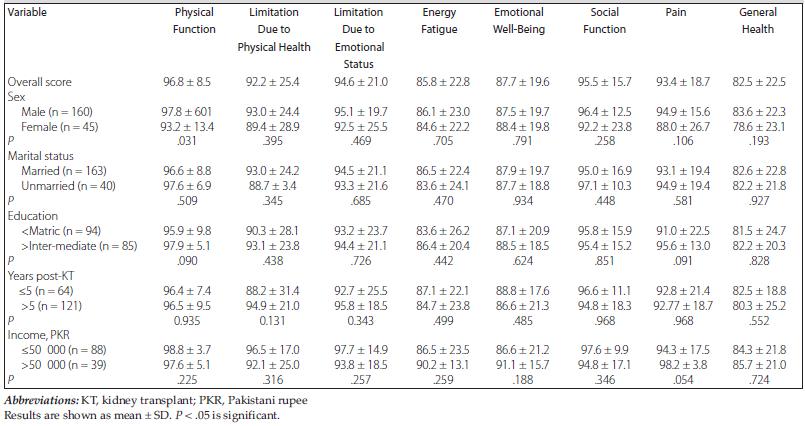
Table 2. Comparison of Mean Domain Scores and P Values Based on Sociodemographic Variables