Volume: 24 Issue: 4 April 2026
FULL TEXT
Evaluation of Knowledge Levels Regarding Oral Health in Kidney Transplant Patients
Objectives: Objectives: In this study, we aimed to investigate the effects of immunosuppressive medica-tions used by kidney transplant recipients on their periodontal health and to evaluate oral hygiene habits and knowledge levels regarding oral health among kidney transplant recipients. Materials and Methods: We included 120 participants who had undergone kidney transplant in our study. We collected and statistically analyzed demographic data and knowledge levels of the participants. Results: Responses to the statements “Gum bleeding is the first sign of gum disease,” “It is necessary to obtain doctor’s approval before dental treatments after transplantation,” and “Bad breath can be an indicator of liver and kidney diseases” did not significantly vary based on education level. However, participants with a university degree had significantly higher knowledge levels regarding other statements (P < .05). Conclusions: As level of education increases, awareness of their own health among participants seemed to improve. Therefore, public health literacy initiatives can contribute positively to individuals’ overall health.
Key words : Health literacy, Periodontal health, Renal transplantation
Introduction
Chronic kidney disease (CKD) is defined as abnormalities in kidney structure or function that persist for at least 3 months and can lead to adverse effects on systemic health. Kidney failure is considered the most serious outcome of CKD, and symptoms generally arise from complications resulting from a decline in kidney function. When symptoms are severe, treatment is only possible through dialysis or transplantation. Chronic kidney disease treated in this manner is classified as kidney failure or end-stage kidney disease (ESKD).1 According to a 2024 study, the global estimated prevalence of CKD is 9.5% (ranging from 5.9% to 11.7%).2 Chronic kidney disease is projected to be the fifth leading cause of death by 2040.3
Kidney replacement therapies, which are consi-dered the only methods for prolonging life in ESKD, include hemodialysis, peritoneal dialysis, and kidney transplant.4 Kidney transplant is preferred over dialysis for patients with ESKD because of its long-term benefits in terms of survival and quality of life.5 Kidney transplant is regarded as the best treatment option for ESKD.6 Significant advancements in surgi-cal techniques, induction, and maintenance immuno-suppressive regimens have improved transplant success rates.7 Despite these developments, infections remain the second leading cause of graft failure and death posttransplant.8 Poor oral hygiene has been suggested to affect the number and severity of complications, potentially influencing transplant success.9
Many systemic diseases exhibit intraoral mani-festations. Therefore, oral examination is a valuable diagnostic tool in the clinical assessment of systemic health. Chronic kidney disease often presents with various oral findings, related to both the disease itself and its treatment.10 Untreated oral lesions may worsen the clinical condition and prognosis.11 With the increasing awareness of the interrelationship between dental and medical issues, the role of the dentist has become crucial in managing the overall health care of CKD patients and addressing oral manifestations of such diseases.12
Health literacy is defined as “the degree to which individuals have the capacity to obtain, process, and understand basic health information and services needed to make appropriate health decisions.”13 Although various mediating factors between health literacy and oral health outcomes have been identified, the level of knowledge is considered an important component of health literacy.14 Therefore, educating patients with CKD about oral and periodontal changes may help in the diagnosis of the underlying disease or management of potential complications, thereby improving quality of life.
In this study, we assessed the level of knowledge regarding oral and dental health in kidney transplant recipients.
Materials and Methods
Ethical approval and study design
This study was approved by the Local Ethics Committee of Dicle University Faculty of Dentistry (protocol number: 2023-35) and supported by the Dicle University Scientific Research Projects Coordi-nation Unit (project number: DIS.24.009). The study was conducted in accordance with the principles of the Declaration of Helsinki between November 2023 and February 2024 at the Department of Periodon-tology, Faculty of Dentistry, Dicle University. Participants were recruited from the Periodontology Clinic at Dicle University and the Kidney Transplant Unit of Gazi Yasargil Education and Research Hospital. Written informed consent was obtained from all participants.
Participants
For this study, 120 kidney transplant recipients aged 18 years or older, and at least 1 year posttransplant, voluntarily participated. Inclusion criteria were as follows: ≥1 year posttransplant, aged >18 years, and willingness to participate in the study. Exclusion criteria were as follows: <1 year posttransplant, aged <18, severe neurodegenerative diseases, unwilling-ness to participate in the study.
Data collection
We used a structured 2-part questionnaire. The first section collected demographic characteristics, inclu-ding age, sex, and education level. The second section consisted of 20 statements assessing know-ledge on (1) general oral health, (2) periodontal diseases, and (3) relationship between kidney disease and oral health. Responses were recorded as “agree,” “disagree,” or “no opinion,” and “agree” and coded as 1, 2, and 3, respectively. Education level was coded as 0 (no formal education), 1 (primary, secondary, or high school), or 2 (tertiary education [associate, bachelor’s, or postgraduate).
For scoring, each correct/knowledgeable answer was assigned 1 point, and each incorrect or “no opinion” response was assigned 0 points. The total score ranged from 0 to 20, with higher scores indica-ting higher oral-health knowledge.
We defined age categories as 18 to 29, 30 to 39, 40 to 49, 50 to 59, and 60 to 69 years, which were treated as ordinal variables in regression analyses.
Demographic characteristics by education level
We calculated the mean age category (coded ordinally) and sex distribution separately for
each education level group (0 = no formal education, 1 = primary/secondary/high school, 2 = tertiary education). We presented categorical variables as frequencies and percentages and continuous variab-les as mean ± SD.
Logistic regression analyses
To identify factors associated with lower oral health knowledge, we derived a total score by assigning 1 point to responses coded as “3” (ie, agree) on each of the 20 items and summing across items (range, 0-20). The median of the total score distribution (median = 6) was used to define the binary outcome, with 1 for scores below the median (low knowledge) and 0 for otherwise. Multivariable logistic regression was then performed with education level (0 = no formal education, 1 = primary/secondary/high school, 2 = tertiary [ie, university] [reference]), age category (ordinal), and sex (male vs female) as predictors. Adjusted odds ratios (aORs) with 95% CIs and P values were reported. Model fit indexes included McFadden pseudo-R2, log-likelihoods, Akaike infor-mation criterion, and Bayesian infor-mation criterion.
Statistical analyses
We summarized categorical variables as frequencies and percentages and continuous variables as mean ± SD. We made comparisons between categorical variables by using the χ2 test, the Fisher exact test, or the Fisher-Freeman-Halton test, as appropriate. We performed statistical analyses with SPSS version 21.0 (IBM Corp). P < .05 was considered statistically significant.
Power analyses
We conducted post hoc power analysis to assess whether the sample size was adequate to detect differences in total oral health knowledge scores among the 3 education groups. The total score was calculated by assigning 1 point for each correct answer (range, 0-20). We performed 1-way analysis of variance and calculated Cohen f from the between- and within-group variance. We computed post hoc power by using the FTestAnovaPower function (α = .05).
Results
This study included 120 kidney transplant recipients. Age category scores (that is, mean proportion of male and female participants in each group) ranged from 1 (18-29 years) to 5 (60-69 years), with higher values indicating older age groups. Mean ± SD age category was 2.84 ± 1.24 in the no formal education group, 2.24 ± 1.15 in the primary/secondary/high school group, and 2.00 ± 0.77 in the tertiary (ie, university) education group. Among these groups, the pro-portion was 62.2%, 25.8%, and 42.9%, respectively, in male participants and 37.8%, 74.2%, and 57.1% in female participants. Table 1 lists mean ± SD age and sex distribution for each education group in addition to overall demographic characteristics.
Knowledge levels by education
Table 2 lists the distribution of responses to the 20 questionnaire items according to education level. Across multiple items, participants with no formal education showed significantly lower agreement rates and higher uncertainty compared with the other groups. For example, for the statement “Nutrition has a positive or negative effect on oral health,” 71.7% of all participants agreed; however, agreement was significantly lower in the no formal education group (51.4% vs 75.8% and 95.2% for the primary/secondary/high school and tertiary education groups, respectively; P < .05), whereas uncer-tainty was higher (35.1% vs 16.1% and 4.8%; P < .05). For “Dental caries and gum problems are caused by bacteria in the mouth,” agreement was 58.3% overall but only 32.4% in the no formal education group, compared with 62.9% and 90.5% in the other 2 groups (P < .05).
Similar trends were observed for statements regarding regular tooth brushing, tongue cleaning, incorrect brushing techniques, the systemic effects of gum disease, and the effects of oral hygiene on transplant outcomes. Table 2 lists these results and the P values.
Findings of power analyses
The mean ± SD total knowledge scores for the 3 education level groups were 10.62 ± 5.31 for parti-cipants with no formal education (n = 37), 6.60 ± 4.52 for those with primary/secondary/high school education (n = 62), and 3.62 ± 2.31 for those with tertiary education (n = 21). The calculated effect size was large (Cohen f = 0.553), and the post hoc power analysis indicated a power of 99.99%, confirming that the sample size was sufficient to detect significant differences among the groups.
Findings of logistic regression
Logistic regression analysis included 120 participants (events = 52 “low knowledge,” non-events = 68). In the multivariable model, education level showed significant associations with the outcome, whereas age category and sex did not reach significance. Specifically, with tertiary (university) education as the reference, the aOR (95% CI) results were as follows: education 0 (no formal) versus 2 (tertiary) showed aOR = 0.063 (95% CI, 0.014-0.273; P < .001); education 1 (primary/secondary/high) versus 2 (tertiary) showed aOR = 0.097 (95% CI, 0.025-0.381; P = .001); age category (ordinal) showed aOR = 0.875 (95% CI, 0.611-1.251; P = .463); and male (vs female) showed aOR = 0.479 (95% CI, 0.195-1.174; P = .108).
Model fit statistics were as follows: McFadden pseudo-R2 = 0.156, LL-null = -82.108, LL-model = -69.271, Akaike information criterion = 148.542, and Bayesian information criterion = 162.479.
Discussion
In 2022, the incidence of ESKD requiring renal replacement therapy (RRT) in Turkey was calculated as 160.9 per million population. When the prevalence of patients with ESKD who required RRT was included, incidence was found to be 1016.2 per million population. The annual incidence is higher in men (190.6 per million population) than in women (131.2 per million population) and increases with age. The annual incidence of ESKD requiring RRT for transplant is 23.7 per million population. The incidence of ESKD treated with transplant is signifi-cantly higher in men than in women and is most prevalent in younger and middle-aged groups. Among those who begin RRT, the prevalence of diabetes is 36.7%. Similarly, the prevalence of ESKD is higher in men (1142.5 per million population)
than in women (889.6 per million population) and increases with age.15
Studies have investigated the potential systemic effects of inflammation caused by periodontal pathogens on the initiation and/or progression of various systemic diseases.16,17 A 2012 joint workshop on Periodontitis and Systemic Diseases by the European Federation of Periodontology and the American Academy of Periodontology reported that CKD is also associated with periodontal disease.18 Studies have suggested that periodontal diseases, resulting from poor oral hygiene, may contribute to the systemic increase in inflammatory markers and atherosclerotic complications, leading to more serious clinical issues in the progression of CKD.19,20 It is crucial for these patients to be informed about their periodontal health, periodontal diseases, and the oral complications caused by the systemic diseases that they may have or by the medications that they use. Individuals with low health literacy have been shown to possess lower levels of oral health knowledge, lower self-efficacy, utilize preventive services less frequently, and experience a higher burden and severity of oral diseases.21 Strengthening oral health literacy is one way to address this, by including planned studies that evaluate individuals’ knowledge, attitudes, and behaviors regarding oral health. In our literature review, we found no research that evaluated the knowledge level of kidney transplant patients regarding oral health. Therefore, our study aimed to assess the oral health knowledge and dental habits of kidney transplant recipients and simultaneously raise their awareness and knowledge. The results were then compared with findings from studies involving different patient groups.
Periodontitis is a multifactorial disease influenced by both genetic and environmental risk factors. These factors can be classified into nonmodifiable factors (age, sex, ethnicity, genetic polymorphisms) and acquired or environmental factors (specific bacterial flora, smoking, stress, diabetes, obesity, osteoporosis, or socioeconomic status).22 The development of periodontal disease is determined by biofilm ac-cumulation. However, reducing the effects of acquired/environmental risk factors can modify the effectiveness of preventing and treating periodontal diseases. To assess the participants’ knowledge about the relationship between periodontal disease and bacteria, we posed the statement, “Tooth decay and gum problems are caused by bacteria in the mouth.” When we analyzed the responses, 58.3% agreed, 5.8% disagreed, and 35.8% were unsure. In a study by Doli ska and colleagues23 involving patients atten-ding a periodontology clinic, 81% agreed with the statement, “Do you think oral bacteria contribute to the presence of periodontal disease?” Varela-Centelles and colleagues24 included general practitioners and nurses in their study and found that only 4% of the general population acknowledged that bacteria play a role in the etiology of gum problems.
Good oral hygiene is known to be essential for periodontal health. Studies have shown that compre-hensive professional plaque control, combined with optimal individual hygiene procedures, results in stable periodontal health.25,26 In our study, we assessed the participants’ knowledge on the rela-tionship between periodontal health and oral care. Various statements were posed, such as “Regular tooth brushing reduces the frequency of tooth and gum problems,” to which 77.5% agreed, 7.5% disag-reed, and 15% were unsure. The statement, “Incorrect brushing techniques can cause tooth and gum issues,” received 63.3% agreement, 2.5% disagreement, and 34.2% were unsure. Deinzer and colleagues,27 in a study involving the general population, asked participants about periodontal risk factors and found that 57.7% could not respond, whereas 31.8% mentioned at least 1 oral hygiene-related factor (such as incorrect brushing [20%], poor/inadequate oral hygiene [14.5%], and plaque bacteria [1.3%]). In the study from Varela-Centelles and colleagues,24 73.2% of the general population agreed that poor oral hygiene plays a role in the development of periodontal disease.
Early signs of gingivitis include redness in the gums and bleeding during tooth brushing. Perio-dontitis, on the other hand, often progresses asymp-tomatically until it leads to tooth migration, mobility, or loss.28 To assess knowledge of participants about the symptoms of periodontal disease, various statements were presented. The statement “Gum bleeding is the first sign of gum disease” received 68.3% agreement, 4.2% disagreement, and 27.5% were unsure. The statement, “Red, swollen gums, gum recession, and tooth mobility are among the signs of gum disease,” received 69.2% agreement, 2.5% disagreement, and 28.3% were unsure. In a study from Abu-Gharbieh and colleagues29 that involved 723 adult participants, 86.3% agreed with the statement, “Red gums are an early sign of gum disease.” Gholami and colleagues30 found that 39.9% of participants agreed with the statement, “Red gums are an early sign of gum disease,” and 27% agreed that tooth mobility can be a result of gum disease. In the study from Varela-Centelles and colleagues,24 14.4% of the general population reported observing red gums, 34.9% noticed tooth mobility, and 11.6% reported gum recession. Gholami and colleagues30 reported that 54.1% of participants in their study agreed with the statement, “It is normal to experience bleeding while brushing.”
In the study from Varela-Centelles and colleagues,24 22.2% of the general population indicated that gum bleeding could be a sign of periodontal disease. In a study conducted by Tasdemir and colleagues31 among medical doctors, 59% of the physicians reported that gum bleeding is the first sign of periodontal disease.
Dental scaling often results in bleeding, and sensitivity following the procedure is sometimes perceived by patients as a mistake or damage caused during the procedure. Misunderstandings regarding dental scaling may delay treatment, cause avoidance, or exacerbate symptoms.32 In our clinical experience, patients frequently seek treatment only in the advanced stages of periodontal disease because of their avoidance of dental scaling. Given the importance of gingival inflammation in transplant patients, we assessed participants’ views on dental scaling procedures. Statements such as “Dental scaling is harmful to teeth and gums” and “Dental scaling leads to more tartar formation afterward” were posed. The responses revealed that 25.8% agreed with both statements, whereas 27.5% and 20% disagreed, respectively. In a study conducted by Gholami and colleagues30 in Iran, 31.9% of participants believed dental scaling to be harmful. Varela-Centelles and colleagues24 found that 19% of the general popu-lation shared this view, whereas Young and colleagues32 reported that 11.4% thought dental scaling could harm the gums. These beliefs may stem from perceptions such as faster plaque buildup or tooth sensitivity after scaling or the exposure of the root surface after the removal of tartar and plaque. Educating patients beforehand about tartar formation, the procedure, and possible outcomes such as bleeding or sensitivity may help to dispel these misconceptions.
Periodontitis not only affects oral health but can also negatively affect other systems and organs, thereby influencing the progression of systemic diseases. Williams and Offenbacher33 proposed a new field called “medical periodontology,” highlighting the bidirectional relationship between periodontal diseases and systemic conditions, including diabetes, cardiovascular diseases, cerebrovascular diseases, respiratory diseases, and complications like preterm birth and low birth weight. To assess participants’ knowledge of the relationship between periodontal disease and systemic conditions, several statements were posed. With regard to the statement “Gum inflammation can adversely affect the course of diabetes, heart disease, and pregnancy,” 43.3% of participants agreed, 2.5% disagreed, and 48.3% were unsure. For the statement “Gum disease can worsen chronic kidney disease,” 49.2% agreed, 8.3% disagreed, and 42.5% were unsure. In a study by Doli ska and colleagues,23 89% of participants agreed that perio-dontal disease affects general health. Bawankar and colleagues34 studied patients with cardiovascular disease and found that 19.74% of men and 13.85% of women believed that gum disease could affect overall health. Varela-Centelles and colleagues24 reported that 37% of the general population, 53% of doctors, and 47% of nurses agreed that periodontitis is related to general health. Deinzer and colleagues27 found that 65.7% of participants could not respond when asked about the link between periodontitis and systemic diseases. In a study by Tasdemir and colleagues31 involving physicians, 43.5% believed periodontal disease to be related to kidney disease. In a similar study conducted among physicians in Nigeria, 88.6% reported a relationship between kidney disease and periodontal disease.35
In patients after kidney transplant, gingival hyperplasia can occur due to immunosuppressive medications, which may lead to functional, aesthetic, and phonetic complications.36 Thus, patients must be aware that the medications that they use may exacerbate existing oral diseases and increase the risk of new oral health problems. To assess awareness of gingival enlargement caused by immunosuppressants, participants were asked about the statement, “Im-munosuppressants used after transplantation may cause gingival enlargement.” The results showed that 44.2% agreed, 10.8% disagreed, and 45.0%. were unsure. In a study conducted by Umeizudike and colleagues35 among medical doctors, 35% of parti-cipants reported being aware that cyclosporine use could lead to periodontal problems. After transplant, it is crucial for the physician to inform patients about the potential dental side effects, in addition to the medical ones, with regard to the medications that they are taking. Routine dental check-ups could help transplant recipients manage their oral hygiene habits and prevent gingival enlargement. Our study results indicated that patients are not sufficiently aware of this issue.
Participants were also asked whether “Doctor approval is necessary before dental treatments after transplantation.” A high percentage (86.7%) agreed, whereas only 0.8% disagreed, and 12.5% were unsure. The high agreement rate may be due to 2 possible reasons. First, patients may have been informed by their physicians after transplant that they need to consult their treating doctor regarding their systemic health status before undergoing dental treatments. Second, when patients visit the dentist, they may be informed by the dentist that the approval of the physician, who monitors their systemic condition, is required.
Knowledge levels regarding oral health among kidney transplant recipients have not been directly evaluated in recent studies. Therefore, the findings obtained through our specially designed question-naire provide a novel contribution to the literature. Moreover, oral complications such as gingival overgrowth, candidiasis, and other lesions are frequ-ently reported in transplant recipients, indicating that the observed knowledge gaps may have clinical relevance.37 The necessity of regular dental screening, elimination of infection sources, and educational pre-ventive care programs for organ transplant recipients has been emphasized in the literature, highlighting the importance of patient education to improve oral health behaviors and reduce complication risks.38,39 A multidisciplinary and interdiscip-linary approach is essential to ensure optimal health outcomes and the success of the transplant procedure.38-41
This study had some limitations. First, existing studies on this specific topic are scarce. Second, our sample size was relatively small due to the study being single center. Third, despite efforts to ensure data accuracy, certain limitations exist in the data collection method. For example, some participants might have selected what they believed to be the expected response, potentially leading to biased answers.
Conclusions
In comparisons of oral health knowledge among participants with different education levels, university-educated participants demonstrated significantly better knowledge. This finding showed that increased education level can enhance individuals’ awareness of their own health. Therefore, raising public health literacy could provide significant benefits for overall health.
References:
- Levey AS, Coresh J. Chronic kidney disease. Lancet. 2012;379(9811):165-180. doi:10.1016/S0140-6736(11)60178-5
CrossRef - PubMed - Bello AK, Okpechi IG, Levin A, et al. An update on the global disparities in kidney disease burden and care across world countries and regions. Lancet Glob Health. 2024;12(3):e382-e395. doi:10.1016/S2214-109X(23)00570-3
CrossRef - PubMed - Foreman KJ, Marquez N, Dolgert A, et al. Forecasting life expectancy, years of life lost, and all-cause and cause-specific mortality for 250 causes of death: reference and alternative scenarios for 2016–40 for 195 countries and territories. Lancet. 2018;392(10159):2052-2090. doi:10.1016/S0140-6736(18)31694-5
CrossRef - PubMed - Vanholder R, Annemans L, Brown E, et al. Reducing the costs of chronic kidney disease while delivering quality health care: a call to action. Nat Rev Nephrol. 2017;13(7):393-409. doi:10.1038/nrneph.2017.63
CrossRef - PubMed - van Heurn E, de Vries EE. Kidney transplantation and donation in children. Pediatr Surg Int. 2009;25(5):385-393. doi:10.1007/s00383-009-2350-x
CrossRef - PubMed - Levarda-Hudolin K, Hudolin T, Bašić-Jukić N, Kaštelan Ž. Oral lesions in kidney transplant recipients. Acta Clin Croat. 2016;55(3):459-463. doi:10.20471/acc.2016.55.03.15
CrossRef - PubMed - Agrawal A, Ison MG, Danziger-Isakov L. Long-term infectious complications of kidney transplantation. Clin J Am Soc Nephrol. 2022;17(2):286-295. doi:10.2215/CJN.15971020
CrossRef - PubMed - Memikoğlu KO, Keven K, Şengül Ş, Soypaçaci Z, Ertürk Ş, Erbay B. Urinary tract infections following renal transplantation: a single-center experience. Transplant Proc. 2007;39(10):3131-3134. doi:10.1016/j.transproceed.2007.10.005
CrossRef - PubMed - Schönfeld B, Varga Á, Szakály P, Bán Á. Oral health status of kidney transplant patients. Transplant Proc. 2019;51(4):1248-1250. doi:10.1016/j.transproceed.2019.03.009
CrossRef - PubMed - Asha V, Latha S, Pai A, Srinivas K, Ganapathy K. Oral manifestations in diabetic and nondiabetic chronic renal failure patients on hemodialysis. J Indian Acad Oral Med Radiol. 2012;24(4):274-279. doi:10.5005/jp-journals-10011-1312
CrossRef - PubMed:
- Wahid A, Chaudhry S, Ehsan A, Butt S, Kahn AA. Bidirectional relationship between chronic kidney disease and periodontal disease: a review. Pak J Med Sci. 2012;29(1):211-215. doi:10.12669/pjms.291.2926
CrossRef - PubMed - Proctor R, Kumar N, Stein A, Moles D, Porter S. Oral and dental aspects of chronic renal failure. J Dent Res. 2005;84(3):199-208. doi:10.1177/154405910508400301
CrossRef - PubMed - Nielsen-Bohlman L, Panzer AM, Kindig DA, eds. Health Literacy: A Prescription to End Confusion. National Academies Press; 2004. doi:10.17226/10883
CrossRef - PubMed - Spivakovsky S, Suh YW, Janal MN. Development of KROHL, a tool for evaluating oral health knowledge. PEC Innov. 2022;1:100100. doi:10.1016/j.pecinn.2022.100100
CrossRef - PubMed - Ateş K, Seyahi N, Koçyiğit İ, Eds. Registry of the Nephrology, Dialysıs and Transplantation in Turkey. Turkish Society of Nefrology; 2023.
CrossRef:
PubMed:
- Quijano A, Shah AJ, Schwarcz AI, Lalla E, Ostfeld RJ. Knowledge and orientations of internal medicine trainees toward periodontal disease. J Periodontol. 2010;81(3):359-363. doi:10.1902/jop.2009.090475
CrossRef - PubMed - Bui FQ, Almeida-da-Silva CLC, Huynh B, et al. Association between periodontal pathogens and systemic disease. Biomed J. 2019;42(1):27-35. doi:10.1016/j.bj.2018.12.001
CrossRef - PubMed - Linden GJ, Herzberg MC; Working group 4 of joint EFP/AAP workshop. Periodontitis and systemic diseases: a record of discussions of working group 4 of the Joint EFP/AAP Workshop on Periodontitis and Systemic Diseases. J Clin Periodontol. 2013;40(Suppl 14):S20-S23. doi:10.1111/jcpe.12091
CrossRef - PubMed - Kovesdy CP, Kalantar-Zadeh K. Novel targets and new potential: developments in the treatment of inflammation in chronic kidney disease. Expert Opin Investig Drugs. 2008;17(4):451-467. doi:10.1517/13543784.17.4.451
CrossRef - PubMed - D’Aiuto F, Ready D, Tonetti MS. Periodontal disease and C-reactive protein-associated cardiovascular risk. J Periodontal Res. 2004;39(4):236-241. doi:10.1111/j.1600-0765.2004.00731.x
CrossRef - PubMed - Firmino RT, Martins CC, Faria L dos S, et al. Association of oral health literacy with oral health behaviors, perception, knowledge, and dental treatment related outcomes: a systematic review and meta-analysis. J Public Health Dent. 2018;78(3):231-245. doi:10.1111/jphd.12266
CrossRef - PubMed - Borrell LN, Papapanou PN. Analytical epidemiology of periodontitis. J Clin Periodontol. 2005;32(Suppl 6):132-158. doi:10.1111/j.1600-051X.2005.00799.x
CrossRef - PubMed - Doli ska E, Milewski R, Pietruska MJ, et al. Periodontitis related knowledge and its relationship with oral health behavior among adult patients seeking professional periodontal care. J Clin Med. 2022;11(6):1517. doi:10.3390/jcm11061517
CrossRef - PubMed - Varela Centelles P, Diz Iglesias P, Estany Gestal A, Ulloa Morales Y, Bugarín González R, Seoane Romero JM. Primary care physicians and nurses: targets for basic periodontal education. J Periodontol. 2018;89(8):915-923. doi:10.1002/JPER.17-0382
CrossRef - PubMed - Axelsson P, Lindhe J. The significance of maintenance care in the treatment of periodontal disease. J Clin Periodontol. 1981;8(4):281-294. doi:10.1111/j.1600-051X.1981.tb02039.x
CrossRef - PubMed - Axelsson P, Lindhe J, Nyström B. On the prevention of caries and periodontal disease. J Clin Periodontol. 1991;18(3):182-189. doi:10.1111/j.1600-051X.1991.tb01131.x
CrossRef - PubMed - Deinzer R, Micheelis W, Granrath N, Hoffmann T. More to learn about: periodontitis related knowledge and its relationship with periodontal health behaviour. J Clin Periodontol. 2009;36(9):756-764. doi:10.1111/j.1600-051X.2009.01452.x
CrossRef - PubMed - Pihlstrom BL, Michalowicz BS, Johnson NW. Periodontal diseases. Lancet. 2005;366(9499):1809-1820. doi:10.1016/S0140-6736(05)67728-8
CrossRef - PubMed - Abu-Gharbieh E, Saddik B, El-Faramawi M, Hamidi S, Basheti M. Oral health knowledge and behavior among adults in the United Arab Emirates. Biomed Res Int. 2019;2019:1-7. doi:10.1155/2019/7568679
CrossRef - PubMed - Gholami M, Pakdaman A, Jafari A, Virtanen JI. Knowledge of and attitudes towards periodontal health among adults in Tehran. East Mediterr Health J. 2014;20(3):196-202.
CrossRef - PubMed - Taşdemir Z, Alkan BA. Knowledge of medical doctors in Turkey about the relationship between periodontal disease and systemic health. Braz Oral Res. 2015;29(1):1-8. doi:10.1590/1807-3107BOR-2015.vol29.0055
CrossRef - PubMed - Young C. A survey on misunderstanding of dental scaling in Hong Kong. Int J Dent Hyg. 2008;6(1):25-36. doi:10.1111/j.1601-5037.2007.00279.x
CrossRef - PubMed - Williams RC, Offenbacher S. Periodontal medicine: the emergence of a new branch of periodontology. Periodontol 2000. 2000;23(1):9-12. doi:10.1034/j.1600-0757.2000.2230101.x
CrossRef - PubMed - Bawankar P, Kolte A, Kolte R. Assessment of knowledge, awareness, and attitude among patients with cardiovascular disease about its association with chronic periodontitis. J Indian Soc Periodontol. 2021;25(2):156-161. doi:10.4103/jisp.jisp_101_20
CrossRef - PubMed - Umeizudike KA, Iwuala SO, Ozoh OB, Ekekezie OO, Umeizudike TI. Periodontal systemic interaction: perception, attitudes and practices among medical doctors in Nigeria. J West Afr Coll Surg. 2015;5(2):43-65.
CrossRef:
PubMed - Gawron K, Łazarz-Bartyzel K, Potempa J, Chomyszyn-Gajewska M. Gingival fibromatosis: clinical, molecular and therapeutic issues. Orphanet J Rare Dis. 2016;11(1):9. doi:10.1186/s13023-016-0395-1
CrossRef - PubMed - Kaswan S, Patil S, Maheshwari S, Wadhawan R. Prevalence of oral lesions in kidney transplant patients: a single center experience. Saudi J Kidney Dis Transpl. 2015;26(4):678-683. doi:10.4103/1319-2442.160128
CrossRef - PubMed - Elhusseiny GA, Saleh W. Oral health in children with chronic kidney disease, hemodialysis, and renal transplantation: a comprehensive narrative review of the oral manifestations and dental implications. Clin Med Insights Pediatr. 2024;18: 11795565241271689. doi:10.1177/11795565241271689
CrossRef - PubMed - Kwak EJ, Kim DJ, Choi Y, Joo DJ, Park W. Importance of oral health and dental treatment in organ transplant recipients. Int Dent J. 2020;70(6):477-481. doi:10.1111/idj.12585
CrossRef - PubMed - Othman N, Gheith O, Al-Otaibi T, et al. Role of diabetes education program in controlling posttransplant diabetes in a recent renal transplant bodybuilder: case report and review of the literature. Exp Clin Transplant. 2019;17(Suppl 1):169-171. doi:10.6002/ect.MESOT2018.P46
CrossRef - PubMed - Gu L, Gross AC, Kizilbash S. Multidisciplinary approach to optimizing long-term outcomes in pediatric kidney transplant recipients: multifaceted needs, risk assessment strategies, and potential interventions. Pediatric Nephrology. 2025;40(3):661-673. doi:10.1007/s00467-024-06519-x
CrossRef - PubMed

Volume : 24
Issue : 4
Pages : 315 - 323
DOI : 10.6002/ect.2025.0087
From the 1Dicle University, Faculty of Dentistry, Department of Periodontics, Diyarbakir, Turkiye; the 2Health Sciences University, Gazi Yaşargil Educational and Research Hospital, Department of General Surgery, Organ Transplant Center, Diyarbakir, Turkiye, and the 3Health Sciences University, Gazi Yaşargil Educational and Research Hospital, Department of Nephrology, Organ Transplant Center, Diyarbakir, Turkiye
Acknowledgements: This work was supported by Dicle University Scientific Research Projects Coordination Unit (project number DIS.24.009). The authors have no declarations of potential conflicts of interest. This manuscript is derived from the thesis of Umut Yaprak.
Corresponding author: Umut Yaprak, Dicle University Faculty of Dentistry Department of Periodontics Diyarbakir, Türkiye
Phone: +90 538 583 6924 E-mail: umutyaprak@gmail.com
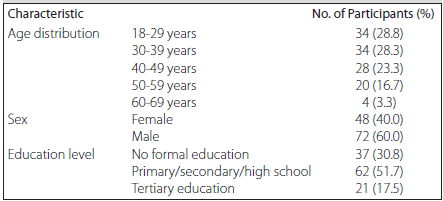
Table 1. Demographic Characteristics of Participants
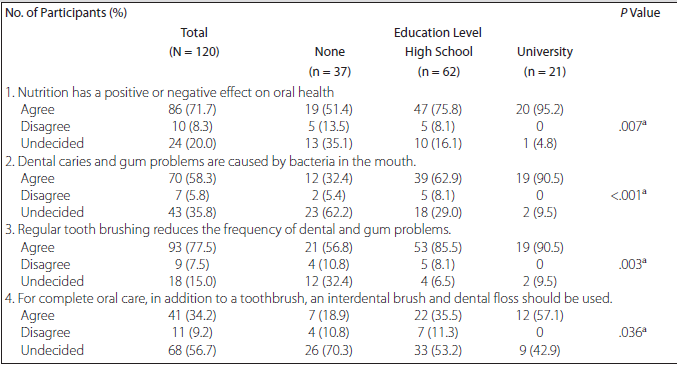
Table 2. Distribution of Knowledge Levels Among Participants
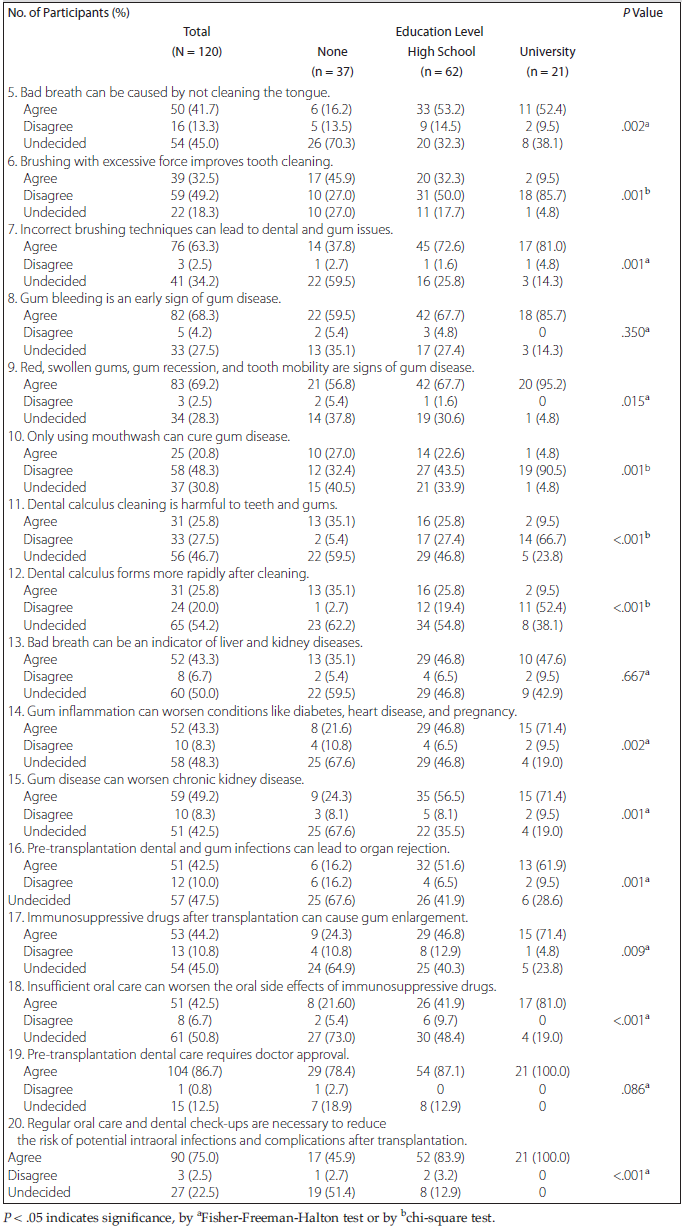
Table 2 (Continue). Distribution of Knowledge Levels Among Participants