Volume: 24 Issue: 10 October 2026
FULL TEXT
Decoding Donor-Derived Cell-Free DNA in Heart Transplants From Donors With Circulatory Death: Beyond Rejection to Endothelial Priming
Dear Editor:
The 2026 consensus updates on graft failure in heart transplants from donors with circulatory death (DCD), especially regarding normothermic regional perfusion (NRP), are both fascinating and relevant to current research.1 Donor-derived cell-free DNA (dd-cfDNA) is emerging as a key noninvasive tool for discovery of homograft injury posttransplant. The ability to catch pathogenesis early is important, even when symptoms are not obvious and other tests, like biopsies or regular imaging, are normal.2
Recent investigations have highlighted that some kidney transplant recipients show ongoing low levels of dd-cfDNA. Patients also show restricted kidney function, yet repeated tests do not show rejection.3 This split between molecular damage signals and regular diagnostic tools raises key questions about the biological basis of early graft failure. Although we recognize that most current evidence of persistent low-level dd-cfDNA without histological rejection derives from kidney transplant and that the vascular architecture, baseline clearance kinetics, and ischemia-reperfusion profiles of renal allografts differ significantly from cardiac phenotypes, this conceptual split still provides a useful mechanistic framework for cardiac DCD-NRP transplant. However, further exploration is needed on cardiac-specific validated evidence.4,5
Based on this concept, dd-cfDNA is becoming popular for detection of damage of cardiac muscle and endothelial cells. Donor-derived cfDNA shows up in the bloodstream when these cells undergo apoptosis or necrosis.6 In heart transplants, higher dd-cfDNA levels are linked to issues like acute cellular rejection, antibody-mediated rejection, and ischemia-reperfusion injury. Clinicians can monitor these levels closely for early identification of organ damage.2,7 However, assessment of levels for DCD-NRP transplants is not as simple as it seems, and consideration of some important aspects are warranted.
First, the warm ischemic stress before NRP recovery, thoracoabdominal or regional, is important to consider.4 In DCD, the donor undergoes circulatory arrest, creating systemic warm ischemia that damages multiple organs. When NRP is initiated, dying cells from the donor’s systemic circulation or ischemic boundary zones release massive amounts of cfDNA.4 This release may result in initial brief spikes in dd-cfDNA levels posttransplant, secondary to underlying massive initial systemic dd-cfDNA burden. Indeed, DCD-NRP recipients sometimes display a brief or lasting spike in dd-cfDNA during the first 2 to 8 weeks posttransplant. This display happens even without rejection or blood flow restriction.3,8 These projections usually normalize on their own; however, in some patients, they can be a sign of upcoming graft failure or greater reliance on vasopressors. Given that the standard half-life of cfDNA is short (ranging from minutes to 2.5 hours), persistent elevations up to week 8 and beyond cannot be attributed to residual systemic burden. Elevations are rather more consistent with a continuous active release from remodeling or apoptotic microvascular endothelial cells in the transplanted heart.2
Second, although NRP has improved heart transplant outcomes in DCD cases by restoring oxygenated blood sooner and cutting down ischemic damage, emerging evidence has suggested that NRP does not fix all issues completely, particularly those in tiny blood vessels. Tests that use imaging and gene expression studies found ongoing stress in the endothelium, even when the graft seems stable clinically.7 These results support the idea that early graft problems might come from hidden endothelial damage, not obvious loss of heart muscle cells. Endothelial disruption triggers more adhesion molecules and attracts leukocytes, activating the complement system, too, which could cause chronic inflammation that standard biopsies miss.1,9
We suggest that the main reason for these findings is warm ischemia-induced endothelial priming. During cardiac arrest, ATP runs low, oxidative stress ramps up, and calcium floods in, sparking endothelial cell activation. Reperfusion through NRP can increase inflammation by making more reactive oxygen species and firing up the complement cascade.8 This “second hit” might not kill myocytes right away but can lead to long-term consequences like endothelial dysfunction, capillary leakage, and changed resistance in small coronary vessels. Here, the dd-cfDNA elevations probably show ongoing apoptosis and endothelial turnover, not just acute rejection alone.
Currently, diagnostic measures view increases in dd-cfDNA as a sign of rejection in DCD-NRP transplants, but this might not always be true. We need a smarter system that looks at how organs were preserved, their perfusion traits, and how dd-cfDNA acts over time. Persistently low levels of dd-cfDNA without signs of rejection could mean problems with the endothelium, not just issues that require extra immunosuppression.7,10 Overimmunosuppression might actually backfire, hurting the body’s ability to fix its own cells and increasing the risk of infections.
Given what we have observed, we propose a 3-tiered dd-cfDNA interpretation plan for DCD-NRP heart transplants (Figure 1). Tier 1 (transient spike) would include recipients with normal graft function and stable perfusion parameters, with early isolated transient dd-cfDNA elevations. A spike would warrant close monitoring without increasing immunosuppression. Tier 2 (persistent low-level elevation) would include recipients with persistent low-level dd-cfDNA elevation lasting for weeks, without histological evidence of transplant rejection. In these circumstances, clinicians should suspect endothelial priming, consider assessment using advanced imaging (eg, cardiac magnetic resonance) and endothelial injury markers, and initiate endothelial-protective therapies. Tier 3 (exponentially increasing trajectory) would include recipients with progressively increasing dd-cfDNA levels, especially associated with deteriorating graft function and perfusion parameters. For tier 3 transplant recipients, clinicians should now consider acute rejection as a leading diagnosis and advise endomyocardial biopsy for confirmation.
This clinical algorithm would help to distinguish between temporary spikes that get better in 1 to 2 weeks and persistent low-level elevations or the increasing trends linked to declining function. Such sorting could allow for more targeted treatments, like adjusting anti-inflammatory therapy, improving perfusion settings, or stepping up with advanced imaging checks.5 Crucially, addressing issues early with strategies that stabilize the endothelium, not ramping up antirejection therapies, might be a smarter route for patients at intermediate risk. Prospective validation of dd-cfDNA kinetic profiling in DCD-NRP recipients is urgently needed. Integration of molecular biomarkers with perfusion metrics, endothelial injury markers, and imaging endpoints may enable a more precise phenotyping of early graft dysfunction. Useful endothelial markers in this regard include endocan, syndecan-1, soluble vascular cell adhesion molecule 1 and intercellular adhesion molecule 1, von Willebrand factor, angiopoietin-2, and circulating endothelial antibodies (Figure 1).11,12 Furthermore, computa-tional modeling of dd-cfDNA trajectories may enhance early prediction of primary graft dysfunction and long-term vasculopathy risk.5
In conclusion, new data on DCD heart transplants with normalized recipient panel results and slightly raised dd-cfDNA levels indicate that this presen-tation may mean minor endothelial damage and not typical rejection. Understanding differences between minor damage and rejection is key to preventing mistaken diagnoses and unnecessary increases in immunosuppression. The use of a clearer interpreta-tion method could boost better clinical choices and protect transplanted organs longer.
References:
- Park SY, Lopez R, Kirsch MJ, et al. Heart transplantation graft survival following donation after circulatory death via thoracoabdominal normothermic regional perfusion. JHLT Open. 2025;12:100470. doi:10.1016/j.jhlto.2025.100470
CrossRef - PubMed - Kang H, Cho SI, Oh EJ. Donor-derived cell-free DNA in solid organ transplantation: analytical considerations, diagnostic performance, and clinical interpretation. Clin Transplant Res. 2025;39(3):200-213. doi:10.4285/ctr.25.0045
CrossRef - PubMed - Aubert O, Ursule-Dufait C, Brousse R, et al. Cell-free DNA for the detection of kidney allograft rejection. Nat Med. 2024;30(8):2320-2327. doi:10.1038/s41591-024-03087-3
CrossRef - PubMed - Punukollu R, Parajuli S, Chaudhari H, Mour G. Genomic and biomarker innovations in predicting kidney transplant rejection. J Clin Med. 2025;14(11):3642. doi:10.3390/jcm14113642
CrossRef - PubMed - Bahniwal RK, Mehta A, Kennedy JL. Diagnostic approach to elevated dd-cfDNA with reassuring EMB in heart transplantation. Front Transplant. 2025;4:1623514. doi:10.3389/frtra.2025.1623514
CrossRef - PubMed - Borkowski P, Singh N, Borkowska N. Advancements in heart transplantation: donor-derived cell-free DNA as next-generation biomarker. Cureus. 2024;16(2):e54018. doi:10.7759/cureus.54018
CrossRef - PubMed - Kim PJ, Alam AH, Teuteberg JJ, et al. Donor-derived cell-free DNA in antibody-mediated rejection: an analysis of the Surveillance HeartCare Outcomes Registry. JACC Heart Fail. 2026;14(1):102716. doi:10.1016/j.jchf.2025.102716
CrossRef - PubMed - Arnold M, Do P, Davidson SM, et al. Metabolic considerations in direct procurement and perfusion protocols with DCD heart transplantation. Int J Mol Sci. 2024;25(8):4153. doi:10.3390/ijms25084153
CrossRef - PubMed - Saemann L, Georgevici AI, Hoorn F, et al. Improving diastolic and microvascular function in heart transplantation with donation after circulatory death. Int J Mol Sci. 2023;24(14):11562. doi:10.3390/ijms241411562
CrossRef - PubMed - Wall AE, Fiedler A, Karp S, Shah A, Testa G. Applying the ethical framework for donation after circulatory death to thoracic normothermic regional perfusion procedures. Am J Transplant. 2022;22(5):1311-1315. doi:10.1111/ajt.16959
CrossRef - PubMed - Goncharov NV, Nadeev AD, Jenkins RO, Avdonin PV. Markers and biomarkers of endothelium: when something is rotten in the state. Oxid Med Cell Longev. 2017;2017:9759735. doi:10.1155/2017/9759735
CrossRef - PubMed - Becker BF, Jacob M, Leipert S, Salmon AH, Chappell D. Degradation of the endothelial glycocalyx in clinical settings: searching for the sheddases. Br J Clin Pharmacol. 2015;80(3):389-402. doi:10.1111/bcp.12629
CrossRef - PubMed

Volume : 24
Issue : 10
Pages : 862 - 864
DOI : 10.6002/ect.2026.0184
From the 1Department of Medicine, Saidu Medical College, Swat, Pakistan; the 2Department of Medicine, Rawal Institute of Health Sciences, Islamabad, Pakistan; and the 3Department of Medicine, Spinghar University (Kabul campus), Kabul, Afghanistan
Acknowledgements: The authors have not received any funding or grants in support of the presented research or for the preparation of this work and have no declarations of potential conflicts of interest. This study used publicly available data; no ethical approval was required.
Author contributions: W. I. Khan contributed to conceptualization, writing of the original draft, writing-reviewing and editing, validation, data curation, and resources; Z. U. Abedeen contributed to conceptualization, writing-reviewing and editing, writing of the original draft, supervision, project administration, and visualization. M. M. Umer Awan contributed to conceptualization, writing of the original draft, validation, data curation, and resources. A. U. Rehman contributed to writing-reviewing and editing, validation, resources, funding acquisition, and visualization.
Corresponding author: Abad Ur Rehman, Spinghar University (Kabul campus), Fazel Rahman Samkanai Rd, Kabul, Afghanistan
Phone: +93 0705075300 E-mail:drabadurrehman25971@gmail.com
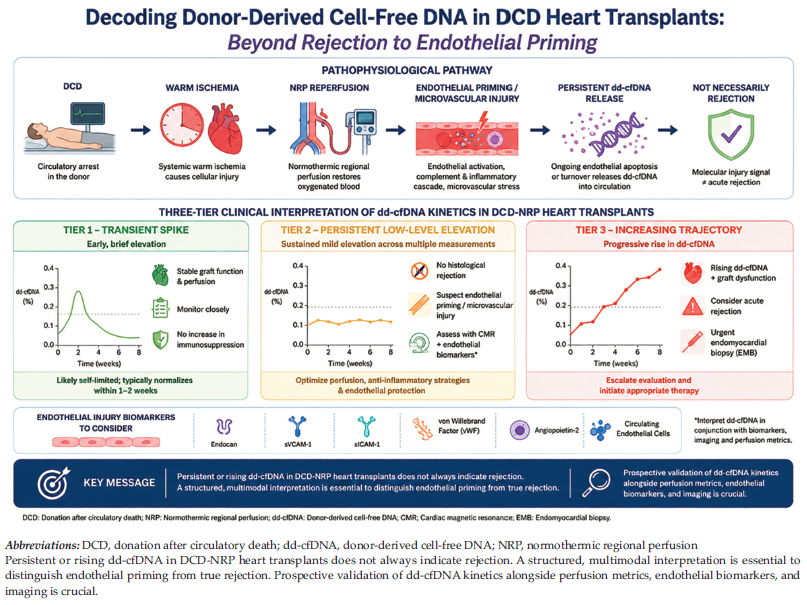
Figure 1. Decoding Donor-Derived Cell-Free DNA in Donation After Circulatory Death Transplant