Volume: 23 Issue: 3 March 2025
FULL TEXT
Objectives: Despite its known role in promoting tolerance, the function of programmed cell death protein 1/programmed death ligand 1 in antibody-mediated rejection is less clear. We aimed to clarify this role by examining expression of programmed cell death protein 1/programmed death ligand 1 in renal allografts diagnosed with antibody-mediated rejection.
Materials and Methods: We examined 110 patients: 68 with pure antibody-mediated rejection (group 1) and 42 with both antibody-mediated rejection and T-cell mediated rejection (group 2). Renal immune cell infiltration, cytokine expression, and programmed cell death protein 1/programmed death ligand 1 expres-sion were examined immunohistochemically.
Results: Expression of programmed cell death protein 1/programmed death ligand 1 in endothelial and inflammatory cells was higher in group 2 versus in group 1 (P < .001). Expression of programmed cell death protein 1/programmed death ligand 1 increased with immune cell infiltration. An inverse relationship existed between peritubular capillary DR expression and programmed cell death protein 1/programmed death ligand 1 interaction, with a positive correlation with tubular HLA-DR. Development of interstitial fibrosis was shown in 52.3% of patients with endothelial programmed cell death protein 1/programmed death ligand 1 interaction compared with 12.1% without this interaction (P < .001). Ten-year survival rate was 27.3% in patients with versus 66.7% in patients without endothelial programmed cell death protein 1/programmed death ligand 1 (P < .001) and 31.3% in patients with and 66.1% in patients without inflammatory cell programmed cell death protein 1/programmed death ligand 1 expression (P < .001).
Conclusions: Heightened immunological nature in antibody-mediated rejection may influence the unexpected functions of programmed death ligand 1. Inhibitory functions of the programmed cell death protein 1/programmed death ligand 1 pathway may be less effective under strong T-cell activation with high immunological costimulation in antibody-mediated rejection.
Key words : Graft survival, PD1, PD-L1, T-cell mediated rejection
Introduction
The innate immune system provides the initial response against infections, distinguishing between the individual’s cells and pathogens to protect healthy cells.1-3 When this response is insufficient, the adaptive immune system, a more advanced system capable of eliminating most threats, is activated. This system maintains self-tolerance and protects healthy cells through multiple checks and balances during lymphocyte development.3
One of the most critical systems in regulating immune responses is immune checkpoints (ICs). Immune checkpoints are inhibitory pathways that balance stimulatory pathways to modulate immune responses.3,4 In this context, the molecules expressed on immune cells are generally called IC receptors, whereas those expressed on antigen-presenting cells (APCs), tumor cells, or other cell types are called IC ligands.5,6
T-cell activation begins with antigen-mediated signaling through the T-cell receptor (TCR) and major histocompatibility complex peptide binding, regulated by both positive and negative signals.3,5 Positive signals include interactions between CD28 on T cells and CD80/CD86 on APCs.3-5 Simultaneously, negative regulators are induced to counterbalance the activation.4 Programmed cell death protein 1 (PD-1) is expressed during activation, countering positive signals via TCR and CD28 by binding to its ligands PD-L1 or PD-L2.4-8 This interaction inhibits T-cell activation and proliferation through inhibitory signaling pathways, which is crucial for preventing damage when self-antigens are encountered near tissues.9
Inhibitory signals are essential for maintaining immune system balance. The PD-1 pathway regulates initial T-cell activation and function, contributing to tolerance and immune homeostasis.4,9-11 Disruption of the PD-1/PD-L1 pathway can significantly affect host physiology. Mice lacking Pdcd1 (the gene encoding PD-1) rapidly develop autoimmunity.12,13 Conversely, high and sustained expression of PD-1 and its ligands is observed in chronic infections and cancer, where some cancer cells exploit this to evade the immune system.9,14-17 Blocking the PD-1 pathway in such patients can enhance T-cell function and reduce viral and tumor loads.14-17 The success of PD-1 pathway inhibitors in cancer therapy has highlighted the pathway’s potential role in other diseases and in transplantation.18-22 Given the need for a detailed understanding of the PD-1/PD-L1 pathway’s effects in solid-organ transplant, we aimed to investigate its role in antibody-mediated rejection (ABMR).
Materials and Methods
The study was designed according to the principles of the 1964 Helsinki Declaration and its subsequent amendments. The reported research and clinical activities complied with the Istanbul Declaration Principles in the Declaration of Istanbul on Organ Trafficking and Transplant Tourism. The study was approved by the Başkent University Medical and Health Sciences Research Ethics Committee (project No. KA22/402).
The study included 110 patients with acute or active ABMR. A total of 492 renal biopsies were examined from the 110 study patients. All renal allograft biopsies were reevaluated and classified according to the Banff classification. Seventy-four patients (67.3%) were male patients. The mean ages of recipients and donors were 36.3 ± 1.4 and 45.6 ± 1.4 years, respectively. Renal grafts were obtained from living related donors in 87 patients (79.1%) and from deceased donors in 23 patients (20.9%). All patients were followed up for an average of 63 ± 4 months. Immunosuppression was based on corticosteroids, calcineurin inhibitors (cyclosporine or tacrolimus), and mycophenolate mofetil or mycophenolic acid. Patients diagnosed with acute T-cell-mediated rejection (TCMR) were treated with 3 to 4 pulses of methylprednisolone. Patients who had acute/active ABMR attacks were treated with plasmapheresis (daily or alternate days for 4-6 days according to donor-specific antibody titers), intravenous immunoglobulin (2 g/kg at the end of plasmapheresis or 100 mg/kg after each plasmap-heresis session), and corticosteroids.
Patient groups
Based on the type of rejection, we divided patients into 2 groups: group 1 included transplant recipients diagnosed with only acute ABMR, and group 2 included transplant recipients diagnosed with acute ABMR and TCMR. Recipients were further catego-rized into 2 groups based on the rejection time: early ABMR had acute rejection ≤30 days posttransplant, and late ABMR had acute rejection >30 days posttransplant.
Histopathological and immunohistochemical examination
Peritubular capillaritis and glomerular and inters-titial inflammatory cell infiltrations were rescored. Immunohistochemical stains were performed on 110 biopsies obtained at diagnosis using an automated staining system (OMNIS, Agilent Technologies). Negative and positive controls were performed for all immunohistochemical staining procedures. The presence of diffuse (>50%) interstitial fibrosis (IF) was evaluated in the remaining 382 follow-up biopsies.
Investigation of renal inflammation and cytokines
The intensities of leukocytes, macrophages, and lymphocytes in peritubular capillaries (PTCs), glomeruli, and interstitium were demonstrated using CD68, CD3, CD8, CD4, and HLA-DR antibodies (Dako, Agilent Technologies). Types of cytokines released from these leukocytes and tubular cells were investigated with tumor necrosis factor-alpha (TNF-α; Abcam), interferon-gamma (IFN-γ; Abcam), and transforming growth factor-beta (TGF-β; Agilent) antibodies. All leukocytes showing infiltra-tion in the interstitium were stained with the aforementioned antibodies and graded semiquan-titatively as follows: grade 1 meant stained cells constituted <10% of the total infiltration, grade 2 meant stained cells constituted 10% to 30% of the total infiltration, and grade 3 meant stained cells constituted >30% of the total infiltration.
Grading of glomerular infiltration by antibody-stained cells
The total number of positive cells in the glomeruli stained with the aforementioned antibodies was divided by the total number of glomeruli to calculate an average count. The average counts were classified as those with average number of cells in all glomeruli of <1, those with average number of cells in all glomeruli of between 1 and 2, and those with average number of cells in all glomeruli of >2.
Grading of peritubular capillary infiltration by antibody-stained cells
We graded PTC1 as infiltration within PTCs of between 1 and 4 positive cells, PTC2 as infiltration within PTCs of between 5 and 10 positive cells, and PTC3 as infiltration within PTCs of more than 10 positive cells.
Immunohistochemical examination of peritubular capillaries
All diagnostic biopsies were C4d (Medaysis) positive and were classified into 3 groups according to the degree of C4d staining.23 HLA-DR expression of PTCs was also examined. Loss of HLA-DR expression was accepted as endothelial damage and PTC destruction24-26 and scored. Grading of PTC destruction was based on the percentage of the loss of HLA-DR staining on PTCs: PTK-D0 meant >50% staining of PTCs with HLA-DR, PTK-D1 meant 10% to 50% staining of PTCs with HLA-DR, and PTK-D2 meant <10% staining of PTCs with HLA-DR.
Assessment of renal PD1 and PD-L1 expression
We investigated the expression of PD1 (GenomeMe) and PD-L1 (Agilent, Dako, 22C3) on the surface of tubular cells, inflammatory cells, and endothelial cells of PTCs (Figure 1 and Figure 2). Cases in which both PD1 and PD-L1 antibodies were expressed in the same allograft biopsy were considered positive for PD1/PD-L1 expression. We graded endothelial and inflammatory cell PD1 and PD-L1 expression as follows: PD1/PD-L1 negative meant that PD1 and PD-L1 were negative in interstitial leukocytes or PTC endothelial cells, and PD1/PD-L1 positive meant that PD1 and PD-L1 were positive in interstitial leukocytes or PTC endothelial cells. Because tubular PD1 expression was negative in all patients, only the tubular expression of PD-L1 was graded as negative or positive PD-L1 expression.
Immunohistochemical examination of tubular cells
The presence of tubular expression of HLA-DR, TNF-α, IFN-γ, and TGF-β was evaluated and graded as follows: grade 0 meant no expression in tubules, grade 1 meant presence of expression only in proximal tubules, and grade 2 meant presence of expression in proximal and distal tubules.
Statistical analyses
We used IBM SPSS version 25.0 software for statistical analyses. We presented quantitative variables as means ± SE and categorical variables as percentages. We used 1-way analyses of variance to compare groups. We used the Fisher exact test and the chi-square test (χ2 test) to compare categorical data. We used Spearman rank correlation for correlation analysis. We applied the Kaplan-Meier method and log-rank test to analyze graft survival. P < .05 was considered statistically significant.
Results
All study patients had ABMR within 12.3 ± 1.75 months. Only 41 patients (37.3%) developed early ABMR within 30 days. The remaining 69 patients (62.7%) developed ABMR after 30 days. A diagnosis of pure ABMR was confirmed in 68 patients (61.8%). The remaining 42 patients (38.2%) were diagnosed with mixed rejection, indicating the coexistence of TCMR and ABMR.
Figure 3A illustrates the distribution of endothelial and inflammatory PD-1/PD-L1 expression in the patient groups. Compared with group 1, group 2 had a higher incidence of endothelial and inflammatory cell PD-1/PD-L1 expression (P < .01 for both). Similarly, patients diagnosed with early ABMR showed a higher incidence of endothelial and inflammatory cell PD-1/PD-L1 expression than those diagnosed with late ABMR (P < .001 for both).
The incidence of PD-1/PD-L1 expression on endothelial and inflammatory cells correlated significantly with elevated levels of leukocytes in PTCs, glomeruli, and interstitium (Figure 3, B and C). Similarly, expression levels of PD-1/PD-L1 in endothelial and inflammatory cells increased with heightened infiltration of macrophages, CD3+ lymphocytes, CD8+ lymphocytes, and CD4+ lymphocytes in PTCs, glomeruli, and interstitium (Figure 3, D-I). In addition, expression of PD-1/PD-L1 in endothelial and inflammatory cells was significantly paralleled by increased infiltration of HLA-DR-positive cells in PTCs, glomeruli, and interstitium (Figure 4, A and B).
Of note, CD3+ T lymphocytes were significant increased in cases with positive PD-1 (r = 0.712, P < .001) and PD-L1 expression levels (r = 0.802, P < .001). Similarly, HLA-DR-positive lymphocytes were significantly increased in cases with positive PD-1 (r = 0.757, P < .001) and PD-L1 expression levels (r = 0.833, P < .001).
Heightened expression of PD-1/PD-L1 in endot-helial and inflammatory cells correlated positively and significantly with tubular HLA-DR expression (P < .001), the degree of C4d expression (P = .003), and PTC destruction (P < .001) (Figure 4, C and D). Expression levels of PD-1/PD-L1 in endothelial and inflammatory cells increased with escalating interstitial cell TGF-β, TNF-α, and IFN-γ expression levels (Figure 4, E and F). Likewise, increased tubular TGF-β, TNF-α, and IFN-γ expression levels correlated with elevated expressions of PD-1/PD-L1 in endothelial and inflammatory cells (Figure 4, G and H).
No tubular PD-1 staining was detected in any of the study patients. Tubular PD-L1 staining was present in some patients but was negative in recipients with severe or moderate tubulitis, appearing only in cases with mild or no tubulitis. Tubular PD-L1 expression showed a strong positive correlation with both endothelial (r = 0.340, P < .001) and inflammatory cell PD-1/PD-L1 expression levels (r = 0.247, P = .009). Tubular PD-L1, TGF-β, TNF-α, and IFN-γ expression levels were positively and significantly correlated with each other (P < .001 for all). A positive correlation existed between HLA-DR, TGF-β, TNF-α, and IFN-γ expression levels in interstitial leukocytes and their expression levels in tubules, along with PD-L1 (Table 1).
During follow-up of 63 ± 4 months, 28.2% of patients (n = 31) developed diffuse IF in an average of 15.6 ± 1.7 months. Group 2, with mixed rejection, had a higher IF incidence (42.9%) compared with group 1 (19.1%) (P = .007). The 2 groups significantly differed in IF development time (P < .001). Ingroup 2, IF developed in 8.8 ± 0.9 months, in contrast with group 1, where IF emerged in 23.9 ± 1.8 months after the indication biopsy. Although there was no significant difference in IF development between early and late ABMR, the average IF development time showed a significant difference (P = .001). The early ABMR group experienced IF in 9.7 ± 1.5 months, whereas the late ABMR group exhibited IF development in 20.3 ± 2.2 months (P = .001).
Interstitial fibrosis developed in 52.3% of patients with positive endothelial cell PD-1/PD-L1 expression, compared with 12.1% in those with negative expression (P < .001) (Figure 4I), developing in 12 ± 1.4 months for those with positive endothelial expres-sion versus 25.1 ± 3.1 months for those with negative expression (P < .001). For patients with positive inflammatory cell PD-1/PD-L1 expression, IF incidence was 47.9%, compared with 12.9% for negative expression (P < .001) (Figure 4J). In patients with positive inflammatory expression, IF developed in 13 ± 1.5 months versus in 22.3 ± 3.9 months in patients with negative expression (P = .013). The risk of developing IF increased with the number of HLA-DR, TGF-β, TNF-α, IFN-γ, PD1, and PD-L1-positive leukocytes infiltrating the interstitium and with increased tubular HLA-DR, TGF-β, TNF-α, IFN-γ, and PD-L1 expression levels (Table 2).
During the follow-up period, 11 patients (10%) died within an average of 76.4 ± 12.7 months. Graft loss was observed in 54 patients (49%) within 26.6 ± 3.4 months. The remaining 56 patients (51%) maintained functional grafts for an average of 98 ± 2.6 months. Patients in group 2 experienced graft loss much earlier (14.3 ± 2 months) compared with group 1 (28.1 ± 3.4 months) (P = .002). Similarly, those diagnosed with early-stage ABMR lost their grafts sooner (16.1 ± 2.2 months) than those with late ABMR (26 ± 3.4 months) (P = .037). Additionally, patients with positive PD-1/PD-L1 expression on endothelial cells (16.7 ± 1.7 months) and inflam-matory cells (18 ± 1.8 months) exhibited earlier graft loss compared with those with negative expression on endothelial (27.2 ± 4.5 months) and inflammatory cells (29.3 ± 4.7 months) (P = .04 and P = .048, respectively).
The 5- and 10-year graft survival rates for group 1 were 60.3% and 57.4%, respectively. For group 2, rates were 45.2% and 40.5%, respectively (P = .023) (Figure 5A). Patients with positive endothelial cell PD-1/PD-L1 expression had 5- and 10-year survival rates of 31.8% and 27.3%, respectively, compared with 69% and 66.7% for those with negative expression (P < .001) (Figure 5B). Similarly, positive inflammatory cell PD-1/PD-L1 expression was associated with 5- and 10-year survival rates of 35.4% and 31.3%, respectively, versus 69.4% and 66.1% for negative expression (P < .001) (Figure 5C).
Discussion
Despite the growing knowledge on the role of the PD-1/PD-L1 pathway in T-cell biology, its role in kidney transplant, particularly in ABMR, has remained unclear. The PD-1/PD-L1 pathway is generally seen as an inhibitory pathway that regulates T cells, preserves graft tolerance, and prevents acute rejection.9,11,19-22
Blockade of PD-L1 resulting from administration of anti-PD-L1 monoclonal antibodies accelerates cardiac acute rejection.23,27 In clinical and experimental kidney transplant studies, the PD-1/PD-L1 pathway had a role in preventing rejection, with PD-L1 being the most prominent coinhibitory molecule on tubular epithelial cells.24,25 Starke and colleagues25 demonstrated that inhibition of PD-L1 on tubular epithelial cells significantly enhanced CD4+ and CD8+ T-cell responses.
However, we found that the PD-1/PD-L1 pathway can trigger development of acute rejection by increasing the proliferation of T cells and other immune cells. We demonstrated that patients with PD-1- and PD-L1-positive endothelial and inflam-matory cells had early episodes of acute rejection and mixed rejection. Patients with PD-1 and PD-L1 positivity in both interstitial cells and endothelium had increased levels of CD3+, CD4+, and CD8+ T cells, macrophages, and HLA-DR-positive cells, along with elevated cytokines and growth factors such as IFN-γ, TNF-α, and TGF-β.
The induction of PD-L1 and PD-1 expression has been closely linked to various proinflammatory cytokines and growth factors such as IFN-γ, TNF-α, TGF-β, vascular endothelial growth factor, hypoxia-inducible factor 1α, granulocyte-macrophage colony-stimulating factor, and interleukin 10.1,3,7,26,28 Our results also confirmed these findings, showing a close relationship between the expression of renal PD-1/PD-L1 and proinflammatory cytokines and growth factors. Findings have shown that IFN-γ and TNF-α, potent inducers of PD-L1 expression, are produced by various immune cells and significantly correlate with the density of CD3+, CD4+, and CD8+ T lymphocytes in ABMR.7,21,26,28 Transforming growth factor-β, secreted from tissue-resident CD8+ T lymphocytes, was also shown to have a close relati-onship with expression of PD-1/PD-L1.29 Blocking of TGF-β in antibody-treated mice decreased PD-1/PD-L1 expression, resulting in acute rejection.30
The abundant secretion of IFN-γ, TNF-α, and TGF-β in ABMR leads to widespread PD-L1 expres-sion in tubules, endothelium cells, and inflammatory cells, suggesting a potential defense mechanism against rejection-induced tissue damage. In contrast, our study showed that positive PD-L1 expression in the kidney was associated with increased PTC destruction and IF development, high PTC C4d expression correlating with ABMR severity, and augmented degree of CD3+, CD4+, and CD8+ T lymphocytes. Moreover, we found many HLA-DR-positive cells throughout the renal parenchyma, indicating active lymphocytes and macrophages involved in acute rejection. Cells with HLA-DR expression can enhance the allograft response and become potential targets during rejection.31,32 The increased levels of critical cytokines IFN-γ, TNF-α, and TGF-β were associated closely with increased leukocyte, macrophage, CD3+ T-lymphocyte, CD4+ T-lymphocyte, and CD8+ T-lymphocyte infiltration in glomeruli, interstitium, and PTCs.
CD8+ T lymphocytes are crucial in transplant rejection, activated by donor APCs, especially dendritic cells that migrate from the allograft to lymphoid organs, leading to rapid development of acute rejection.29 Consistent with this, many CD8+ T cells were present in allografts of our cases. Surprisingly, CD8+ T lymphocytes remained high despite high PD-L1 expression in these cases. This may be because CD8+ T lymphocytes exhibit resistance to the PD-1/PD-L1 pathway. Several mechanisms may explain the resistance of CD8+ T lymphocytes to the PD-1/PD-L1 pathway. Persistent exposure to high antigen levels in the graft can override PD-1-mediated inhibition, maintaining CD8+ T-cell activation and effector functions.33
Freeman and colleagues6 reported that the regulatory function of PD-L1 in T-cell activation is effective only at low activation levels and becomes uncertain at high activation levels. The investigators demonstrated that the functional outcomes of PD-1/PD-L1 interaction depend on the strength of signals transmitted through TCR and CD28. They found that increased TCR or CD28 signaling could prevent the inhibitory effects of PD-1 ligation during activation. In our patients, high levels of T-cell activation were evident as most T lymphocytes were positively stained with HLA-DR and PD-1.
Genetic and epigenetic modifications in T cells during chronic antigen exposure may also alter PD-1 signaling pathways, reducing their inhibitory capacity.34 The inflammatory microenvironment in ABMR may produce cytokines such as IFN-γ and TNF-α that counteract PD-1 signaling, sustaining CD8+ T-cell activity.35
Similar to our results, studies have documented high levels of CD8+ T lymphocytes in allograft tissues with significant PD-L1 expression, challenging the expected immunosuppressive role of the PD-1/PD-L1 pathway. For example, Subudhi and colleagues36 demonstrated that overexpression of PD-L1 in pancreatic islet B cells accelerated rejection of transplanted alloantigen-expressing cells and enhanced CD8+ T-lymphocyte proliferation.
Understanding the resistance mechanisms of CD8+ T lymphocytes to the PD-1/PD-L1 pathway is crucial for development of effective ABMR therapies. Despite high PD-L1 expression, CD8+ T cells remain active and destructive in the allograft, indicating the need for new strategies to modulate their activity and improve graft survival. The resistance of CD8+ T lymphocytes to PD-1/PD-L1-mediated inhibition has important therapeutic implications. Enhancing the efficacy of the PD-1/PD-L1 pathway or targeting alternative checkpoints may be necessary to control T-cell-mediated damage better. Blockade of costimula-tory molecules like CD28 or using anti-inflammatory agents could offer synergistic benefits.37
Excessive PD-L1 expression can lead to T-cell exhaustion, impaired effector function, and sustained expression of inhibitory receptors.11,14,15 Although higher levels of exhausted T cells have been associated with better graft function in kidney transplant recipients, this can result in T cells being ineffective in controlling antibody-mediated immune response and allowing graft rejection to progress. Numerous preclinical studies have provided insights into the mechanisms underlying PD-L1-mediated T-cell exhaustion and graft rejection progression.37,38 Enforced PD-L1 expression on donor tissues leads to accelerated graft rejection through T-cell exhaustion, whereas blockade of the PD-1/PD-L1 pathway can restore T-cell function and prolong graft survival.38
Previous research has focused on pure TCMR or animal TCMR models, where the PD-1/PD-L1 pathway inhibits TCMR.19-21,23-25,27 In our study, in cases of mixed rejection with acute TCMR and ABMR, endothelitis indicating vascular rejection was common, whereas significant tubulitis was rare and generally minimal. Notably, tubular PD-L1 expres-sion was negative in cases with substantial tubulitis but positive in cases of mixed rejection with vascular rejection, suggesting that PD-L1 expression may protect tubular epithelial cells during vascular rejection.
Understanding PD-1/PD-L1 interactions on PTCs is crucial in ABMR, as endothelial cells are the first interface between immune cells and the graft. Usually, the PD-1/PD-L1 pathway in PTC endothelial cells should inhibit inflammatory cell proliferation and protect endothelial integrity. However, we showed that PD-1/PD-L1 expression in PTCs was associated with poor allograft prognosis. Expression of PD-1/PD-L1 correlated with PTC destruction and widespread IF due to increased cellular infiltration, immune cell activation, and cytokine release, leading to compromised graft survival. The discrepancies between our findings and previous studies may be because of immunological differences in ABMR.
Conclusions
Our study suggested that increased renal PD-L1 expression may worsen T-cell-mediated tissue damage instead of promoting T-cell tolerance. Discrepancies with previous studies may arise from variations in the immunological profile of ABMR. We propose that the inhibitory role of the PD-1/PD-L1 pathway might be insufficient in conditions with strong T-cell activation and heightened immuno-logical costimulatory effects, like ABMR. Overex-pression of PD-L1 could excessively engage PD-1 receptors on T-cells, leading to T-cell exhaustion and dysfunction, allowing graft rejection to progress. Depending on immune cell types and activation states, the PD-1/PD-L1 pathway can also convey positive and negative signals. Further research at the genomic and transcriptomic levels is needed to fully understand its complex effects.
References:
- Boussiotis VA. Molecular and biochemical aspects of the PD-1 checkpoint pathway. New Engl J Med. 2016;375(18):1767-1778. doi:10.1056/NEJMra1514296
CrossRef - PubMed - Foy SP, Mandl, SJ, dela Cruz T, et al. Poxvirus-based active immunotherapy synergizes with CTLA-4 blockade to increase survival in a murine tumor model by improving the magnitude and quality of cytotoxic T cells. Cancer Immunol Immunother. 2016;65(5):537-549. doi:10.1007/s00262-016-1816-7
CrossRef - PubMed - Sharpe A, Pauken K. The diverse functions of the PD1 inhibitory pathway. Nat Rev Immunol. 2018;18(3):153-167. doi:10.1038/nri.2017.108
CrossRef - PubMed - Greenwald RJ, Freeman GJ, Sharpe AH. The B7 family revisited. Annu Rev Immunol. 2005;23:515-548. doi:10.1146/annurev.immunol.23.021704.115611
CrossRef - PubMed - Dong H, Zhu G, Tamada K, Chen L. B7-H1, a third member of the B7 family, co-stimulates T-cell proliferation and interleukin-10 secretion. Nat Med. 1999;5(12):1365-1369. doi:10.1038/70932
CrossRef - PubMed - Freeman GJ, Long AJ, Iwai Y, et al. Engagement of the PD-1 immunoinhibitory receptor by a novel B7 family member leads to negative regulation of lymphocyte activation. J Exp Med. 2000;192(7):1027-1034. doi:10.1084/jem.192.7.1027
CrossRef - PubMed - Latchman Y, Wood CR, Chernova T, et al. PD-L2 is a second ligand for PD-1 and inhibits T-cell activation. Nat Immunol. 2001;2(3):261-268. doi:10.1038/85330
CrossRef - PubMed - Tseng SY, Otsuji M, Gorski K, et al. B7-DC, a new dendritic cell molecule with potent costimulatory properties for T cells. J Exp Med. 2001;193(7):839-846. doi:10.1084/jem.193.7.839.
CrossRef - PubMed - Keir ME, Butte MJ, Freeman GJ, Sharpe AH. PD-1 and its ligands in tolerance and immunity. Annu Rev Immunol. 2008;26:677-704. doi:10.1146/annurev.immunol.26.021607.09033
CrossRef - PubMed - Schildberg FA, Klein SR, Freeman GJ, Sharpe AH. Coinhibitory pathways in the B7-CD28 ligand-receptor family. Immunity. 2016;44(5):955-972. doi:10.1016/j.immuni.2016.05.002
CrossRef - PubMed - Riley JL. PD-1 signaling in primary T cells. Immunol Rev. 2009;229(1):114-125. doi:10.1111/j.1600-065X.2009.00767.x
CrossRef - PubMed - Nishimura H, Nose M, Hiai H, Minato N, Honjo T. Development of lupus-like autoimmune diseases by disruption of the PD-1 gene encoding an ITIM motif-carrying immunoreceptor. Immunity. 1999;11(2):141-151. doi:10.1016/s1074-7613(00)80089-8
CrossRef - PubMed - Wang J, Yoshida T, Nakaki F, Hiai H, Okazaki T, Honjo T. Establishment of NOD-Pdcd1-/- mice as an efficient animal model of type I diabetes. Proc Natl Acad Sci U S A. 2005;16;102(33):11823-11828. doi:10.1073/pnas.0505497102
CrossRef - PubMed - Pauken KE, Wherry EJ. Overcoming T cell exhaustion in infection and cancer. Trends Immunol. 2015;36(4):265-276. doi:10.1016/j.it.2015.02.008
CrossRef - PubMed - Barber DL, Wherry EJ, Masopust D, et al. Restoring function in exhausted CD8 T cells during chronic viral infection. Nature. 2006;439(7077):682-687. doi:10.1038/nature04444
CrossRef - PubMed - Hirano F, Kaneko K, Tamura H, et al. Blockade of B7-H1 and PD-1 by monoclonal antibodies potentiates cancer therapeutic immunity. Cancer Res. 2005:1;65(3):1089-1096.
CrossRef - PubMed - Page DB, Postow MA, Callahan MK, Allison JP, Wolchok JD. Immune modulation in cancer with antibodies. Annu Rev Med. 2014;65:185-202. doi:10.1146/annurev-med-092012-112807
CrossRef - PubMed - Vincenti F, Larsen C, Durrbach A, et al. Costimulation blockade with belatacept in renal transplantation. N Engl J Med. 2005;353(8):770-781. doi:10.1056/NEJMoa050085
CrossRef - PubMed - Beenen AC, Sauerer T, Schaft N, Dörrie J. Beyond cancer: regulation and function of PD-L1 in health and immune-related diseases. Int J Mol Sci. 2022;23(15):8599. doi:10.3390/ijms23158599
CrossRef - PubMed - Gao W, Demirci G, Strom TB, Li XC. Stimulating PD-1-negative signals concurrent with blocking CD154 co-stimulation induces long-term islet allograft survival. Transplantation. 2003;76(6):994-999. doi:10.1097/01.TP.0000085010.39567.FB
CrossRef - PubMed - Ito T, Ueno T, Clarkson MR, et al. Analysis of the role of negative T cell costimulatory pathways in CD4 and CD8 T cell-mediated alloimmune responses in vivo. J Immunol. 2005;174(11):6648-6656. doi:10.4049/jimmunol.174.11.6648
CrossRef - PubMed - Sandner SE, Clarkson MR, Salama AD, et al. Role of the programmed death-1 pathway in regulation of alloimmune responses in vivo. J Immunol. 2005;174(6):3408-3415. doi:10.4049/jimmunol.174.6.3408
CrossRef - PubMed - Russell ME, Hancock WW, Akalin E, et al. Chronic cardiac rejection in the LEW to F344 rat model. Blockade of CD28-B7 costimulation by CTLA4Ig modulates T cell and macrophage activation and attenuates arteriosclerosis. J Clin Invest. 1996;97(3):833-838. doi:10.1172/JCI118483
CrossRef - PubMed - Starke A, Wüthrich RP, Waeckerle-Men Y. TGF-beta treatment modulates PD-L1 and CD40 expression in proximal renal tubular epithelial cells and enhances CD8 cytotoxic T-cell responses. Nephron Exp Nephrol. 2007;107(1):e22-29. doi:10.1159/000106506
CrossRef - PubMed - Starke A, Lindenmeyer MT, Segerer S, et al. Renal tubular PD-L1 (CD274) suppresses alloreactive human T-cell responses. Kidney Int. 2010;78(1):38-47. doi:10.1038/ki.2010.97
CrossRef - PubMed - Lee SJ, Jang, BC, Lee, SW, et al. Interferon regulatory factor-1 is prerequisite to the constitutive expression and IFN-gamma-induced upregulation of B7-H1 (CD274). FEBS Lett. 2006;580(3):755-762. doi:10.1016/j.febslet.2005.12.093
CrossRef - PubMed - Yang J, Popoola J, Khandwala S, et al. Critical role of donor tissue expression of programmed death ligand-1 in regulating cardiac allograft rejection and vasculopathy. Circulation. 2008;117(5):660-669. doi:10.1161/CIRCULATIONAHA.107.741025
CrossRef - PubMed - Guo L, Tang X, Wong SW, Guo A, Lin Y, Kwok HF. Regulation of IFN-?-mediated PD-L1 expression by MYC in colorectal cancer with wild-type KRAS and TP53 and its clinical implications. Front Pharmacol. 2022;13(13):1022129. doi:10.3389/fphar.2022.1022129
CrossRef - PubMed - Chatterjee S, Chatterjee A, Jana S, et al. Transforming growth factor-beta orchestrates PD-L1 enrichment in tumor-derived exosomes and mediates CD8 T-cell dysfunction regulating early phosphorylation of TCR signalome in breast cancer. Carcinogenesis. 2021;42(1):38-47. doi:10.1093/carcin/bgaa092
CrossRef - PubMed - Baas M, Besancon A, Goncalves T, Valette F, Yagita H, Sawitzki B, et al. TGF beta-dependent expression of PD-1 and PD-L1 controls CD8(+) T cell anergy in transplant tolerance. Elife. 2016;5:e08133. doi:10.7554/eLife.08133
CrossRef - PubMed - Ozdemir BH, Aksoy PK, Haberal AN, Demirhan B, Haberal M. Relationship of HLA-DR expression to rejection and mononuclear cell infiltration in renal allograft biopsies. Ren Fail. 2004;26(3):247-251. doi:10.1081/jdi-200026752
CrossRef - PubMed - Ozdemir BH, Demirhan B, Ozdemir FN, Dalgiç A, Haberal M. The role of microvascular injury on steroid and OKT3 response in renal allograft rejection. Transplantation. 2004;15:78(5):734-740. doi:10.1097/01.tp.0000130453.79906.62
CrossRef - PubMed - Wherry EJ, Kurachi M. Molecular and cellular insights into T cell exhaustion. Nat Rev Immunol. 2015;15(8):486-499. doi:10.1038/nri3862
CrossRef - PubMed - Pardoll DM. The blockade of immune checkpoints in cancer immunotherapy. Nat Rev Cancer. 2012;12(4):252-264. doi:10.1038/nrc3239
CrossRef - PubMed - Francisco LM, Sage PT, Sharpe AH. The PD-1 pathway in tolerance and autoimmunity. Immunol Rev. 2010;236:219-242. doi:10.1111/j.1600-065X.2010.00923.x
CrossRef - PubMed - Subudhi SK, Zhou P, Yerian LM, et al. Local expression of B7-H1 promotes organ-specific autoimmunity and transplant rejection. J Clin Invest. 2004;113(5):694-700. doi:10.1172/JCI19210
CrossRef - PubMed - Fife BT, Bluestone JA. Control of peripheral T-cell tolerance and autoimmunity via the CTLA-4 and PD-1 pathways. Immunol Rev. 2008;224:166-182. doi:10.1111/j.1600-065X.2008.00662.x.
CrossRef - PubMed - Handelsman S, Overbey J, Chen K, Lee J, Haj D, Li Y. PD-L1’s role in preventing alloreactive t cell responses following hematopoietic and organ transplant. Cells. 2023;12(12):1609. doi:10.3390/cells12121609
CrossRef - PubMed

Volume : 23
Issue : 3
Pages : 192 - 201
DOI : 10.6002/ect.2024.0166
From the 1Pathology Department, the 2Immunology Department, the 3Nephrology Department, and the 4Transplant Surgery Department, Başkent University, Faculty of Medicine
Acknowledgements: The authors received supported from the Başkent University Research Fund. The authors have no declarations of potential conflicts of interest.
Author contributions: B. H. Özdemir designed the study and participated in research performance, data analysis, statistics, and article writing. B. Baştürk participated in the performance of the research. C. B. Sayın participated in data collection. M. Haberal supervised the project and contributed to the approval of the paper.
Corresponding author: B. Handan Özdemir, Başkent University, Pathology Department, 79 sokak 7/7 Yukarı Bahcelievler, Ankara, Türkiye 06490
Phone: +90 312 2126591
E-mail: handan27@hotmail.com
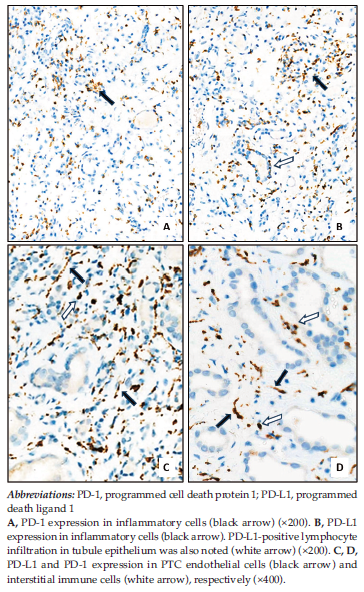
Figure 1. Endothelial and Inflammatory Cell Programmed Cell Death Protein 1/Programmed Death Ligand 1 Expression
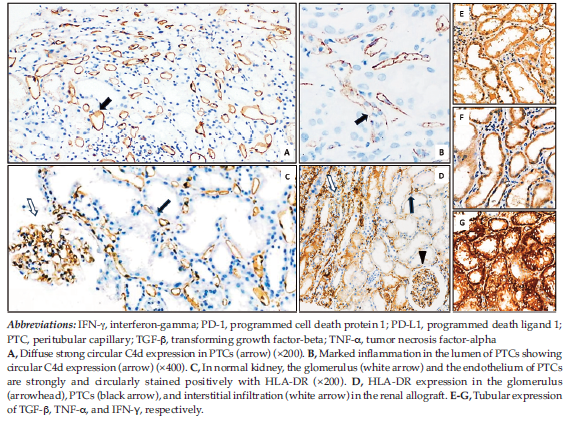
Figure 2. Intrarenal Expression of Various Antibodies
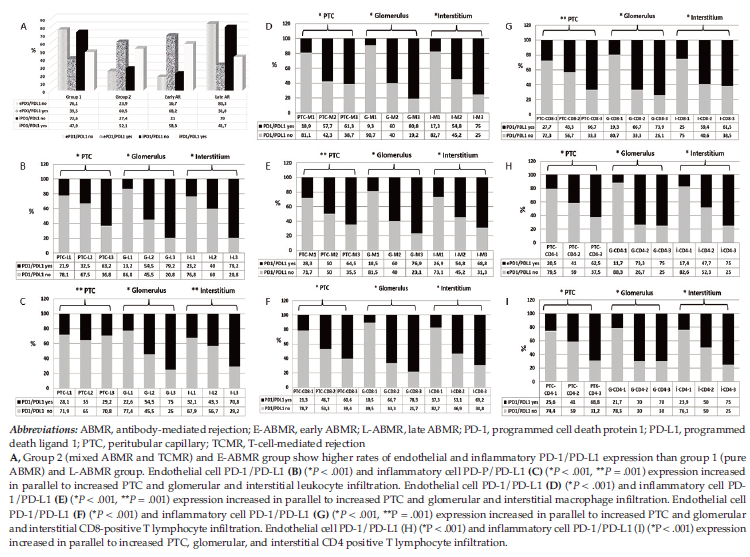
Figure 3. Correlation of Endothelial and Inflammatory PD-1/PD-L1 Expression With Intrarenal Inflammatory Cells and Rejection Type
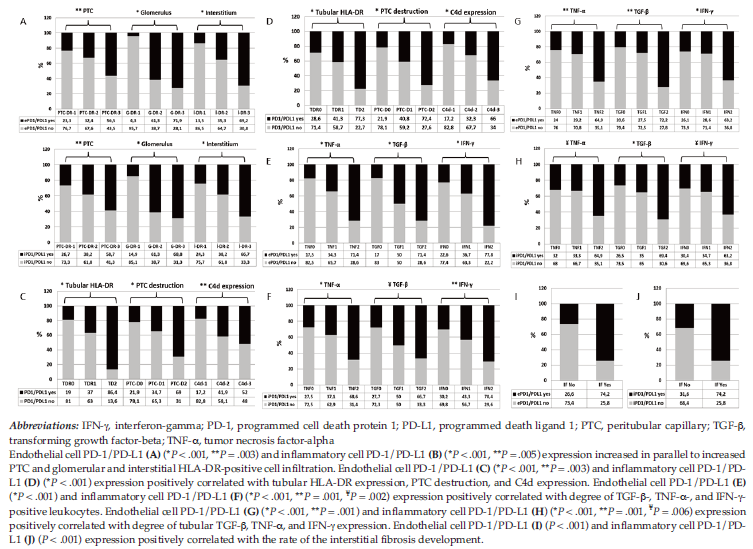
Figure 4. Correlation of Endothelial and Inflammatory PD-1/PD-L1 Expression With Intrarenal Inflammatory Cells and Tubular Cells
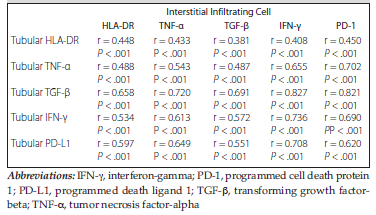
Table 1. Correlation Between Protein Expressions of Interstitial Infiltrating Cells and Tubular Cells
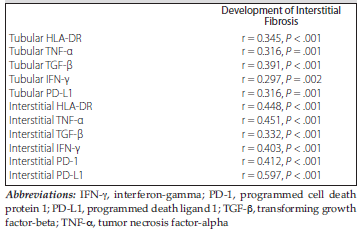
Table 2. Significance of Tubular and Interstitial Protein Expressions on Development of Interstitial Fibrosis in Follow-Up Allograft Biopsies
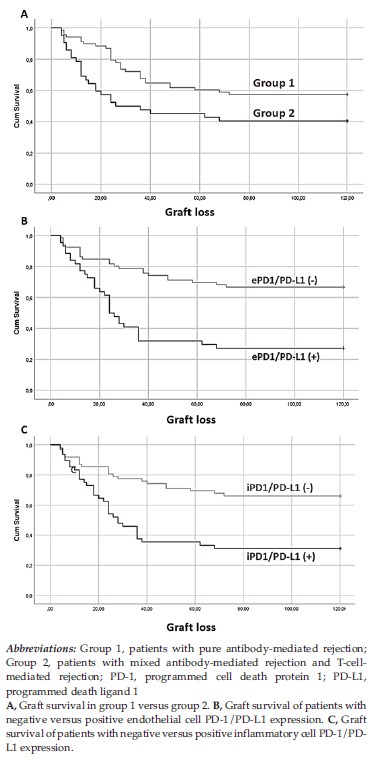
Figure 5. Impact of Rejection Type and Intrarenal PD1/PD-L1 Expression on Graft Survival