Volume: 23 Issue: 1 January 2025
FULL TEXT
Objectives: Computed tomography and magnetic resonance cholangiopancreatography are core components of living donor liver transplant. Here, we described our 3-dimensional computed tomography-magnetic resonance cholangiopancreatography, fusion-derived computer-assisted surgical planning system to evaluate its usefulness in full graft living donor liver transplant.
Materials and Methods: Among 17 consecutive full graft left living donor liver transplants, 14 were planned with the 3-dimensional computed tomography-magnetic resonance cholangiopancreatography computer-as-sisted surgical planning system. The system allowed us to estimate liver volume compliance, allowing for individualized graft size enlargement by means of virtual-to-real resection line modifications. Virtual graft hepatectomy obviated the need for intraope-rative cholangiography in 93% of cases.
Results: Graft and recipient survival rates were 82% and 77% at 1 year and 94% and 82% at 5 years, respectively. Small-for-size and high-risk small-for-size grafts constituted 44% and 31% of cases, with rate
of small-for-size syndrome of 18%. We observed a
12.6 ± 9.8% discrepancy between estimated and intraope-rative graft-weight-body-weight ratio, reflec-ting either volume compliance (overcalculation) or graft enlargement (undercalculation). Graft-to-remnant congestion volume index excluded 1 middle hepatic vein graft. Ninety-four percent single arterial and 100% single ductal biliary reconstructions were associated with 12% hepatic artery thrombosis and 18% biliary anastomotic leaks, respectively.
Conclusions: Our 3-dimensional computed tomography-magnetic resonance cholangiopancreatography com-puter-assisted surgical planning system enabled (1) virtual navigation of the hilar passage with no
need of intraoperative cholangiography in risky anatomy cases and (2) prevention of small-for-size syndrome in extremely small grafts by computed risk analysis.
Key words : 3-Dimensional computed tomography, 3-Dimensional reconstruction, Liver anatomy, MRCP
Introduction
Small-for-size syndrome (SFSS) and severe biliary morbidity represent serious complications in full graft adult living donor liver transplant (LDLT) procedures.1,2 Adequate postoperative function and regeneration are pivotal for donor and recipient safety, requiring (1) precise preoperative prediction of graft and remnant liver volume, (2) proper middle hepatic vein (MHV) management with preservation of adequate graft and remnant outflow, and (3) an efficient graft inflow modulation (GIM) strategy in cases of extremely small grafts or in high-risk recipients with severe portal hypertension.1,3-5
Recent advances have enabled the fusion of computed tomography (CT)-derived vascular and magnetic resonance cholangiopancreatography (MRCP)-generated biliary images into overlapping 3-dimensional (3D) vascular and biliary animated reconstructions for graft hepatectomy simulations.6,7 In this study, we evaluated our 3D CT-MRCP fusion-derived computer-assisted surgical planning system (CASP) and reappraised the usefulness of this new technology in full graft LDLT, with special consideration of the aforementioned risk factors. We analyzed the following clinically relevant endpoints: (1) virtual navigation of the hilar passage with no intraoperative cholangiography and its potential for preventing biliary complications resulting from complex biliary reconstructions in risky anatomy cases and (2) liver volume prediction by means of computed risk analysis (CRA) and its effect on our approach to extremely small grafts.
Materials and Methods
Donor and recipient study populations
From January 2007 to December 2023, our center at the University Hospital Tübingen, Germany, performed 84 LDLT procedures (Figure 1).
Seventeen living liver donors (6 females and 11 males) underwent full left graft hepatectomy for transplant. Mean age of donors was 44.9 ± 10.9 years (range, 28-62 y). Biopsy results showed <15% steatosis and no evidence of histopathologic changes. All donors and recipients were relatives of various degrees. Sixteen grafts (segments 2-4) included both the MHV and left hepatic vein (LHV). One graft contained the caudate lobe. One graft did not include the MHV. Among 17 donors, 14 underwent 3D CT-MRCP CASP preoperatively. Three cases had standard CT and MRCP imaging for planning of LDLT (Figure 1).
Among full left graft recipients (12 females and 4 males), median age was 36.5 ± 15.9 years (range, 7-60 y). Underlying liver disease encompassed liver cirrhosis Child-Pugh A to C (median laboratory Model for End-Stage Liver Disease [MELD] score of 12 ± 5 [range, 6-25]) due to primary sclerosing cholangitis (n = 7), cryptogenic liver (n = 2), alcoholic liver (n = 1), Caroli syndrome (n = 1), hepatitis C virus/hepatocellular carcinoma (n = 1), hepatitis B virus/hypersplenism-syndrome (n = 1), and without cirrhosis (n = 2) in the setting of colorectal liver metastases and recurrent cholangiocarcinoma (Table 1). One recipient was a 7-year-old girl with Child-Pugh C cirrhosis due to type 3 progressive familial intrahepatic cholestasis membrane-bound proteinase 3 deficiency. Mean follow-up of donors and recipients was 5.6 ± 4.4 years (range, 0.5-14.8 y) and 7.1 ± 3.8 years (range, 0.1-14.9 y), respectively.
Multiphasic liver computed tomography protocol
We performed CT imaging with a 2 × 64-row multidetector CT scanner (Somatom Force, Siemens). The CT protocol with 75 to 100 mL of contrast medium Imeron 400 (Bracco Imaging) was described previously.8
Magnetic resonance cholangiopancreatography protocol
All examinations were conducted as described by Mangold and colleagues9 and were performed with a 1.5 T magnetic resonance system with surface coil technology (AVANTO, Siemens Medical Solutions) with the use intrabiliary contrast medium gadolinium ethoxybenzyl-diethylenetriaminepentaacetic acid (Magnevist, Bayer).
Three-dimensional computed tomography-derived vascular and magnetic resonance cholangiopan-creatography fusion-derived computer-assisted surgical planning system for surgical planning
The newest generation of the HepaVision software assistant, developed by Frauenhofer-MeVis Research GmbH, provided a fusion of CT and MRCP scans. Exact imaging of vascular (CT-derived) and biliary (MRCP-derived) systems were analyzed according to their 3D intra-hepatic and intra-hilar animated reconstructions.10 HepaVision allowed for volume calculations of individual portal segments and venous territories (intrahepatic mapping). Computed risk analysis (CRA) of MHV management in graft and remnant livers11 depicted subterritorial displays and volume estimates of MHV tributaries (Figure 2).
Computed risk analysis based on territorial liver mapping
Final decisions for graft type and MHV management were based on CRA derived from virtual graft hepatectomies.
Calculation of total liver volume and liver volume compliance. Total liver volume (TLV; in mL) was calculated independently in separate CT imaging phases (native, arterial, and venous) using axial 2-dimensional images. The minimal and maximal TLV estimated ranges reflected the virtual liver volume compliance and virtual blood depletion and reper-fusion conditions encountered in vivo after donor graft retrieval and recipient graft implantation.12
Virtual 3-dimensional liver partition for graft hepatectomy. The parenchymal transection followed the carving plane along the course of the MHV, leaving the MHV exposed on the resection surface of the graft during the donor hepatectomy (Figure 3). The MHV trunk together with the Pringle demarcation line constituted the reproducible landmarks for the superimposition of 3D liver models onto the operative field. In instances of risky SFS situations, the option to modify the transection plane in situ to “enlarge” the graft volume was available (Figure 3).
Calculation of graft weight- and remnant weight-to-body weight ratios. Graft and remnant volumes (in mL) were calculated as percent TLV and converted into the corresponding preoperative graft weight (0.53 × graft volume + 120) and remnant weight (0.92 × remnant volume + 51.48) according to the formula proposed by Zakareya and colleagues.5 The corresponding graft volume-to-body weight ratio (GVBWR) and graft weight-to-body weight ratio (GWBWR) were calculated according to Heinemann and colleagues.13
Congestive volume and noncongestive volume indexes. Our MHV management algorithm, as previously described by our group,11 considered individual graft congestive volume (CV) and non-CV components based on the following: routine MHV inclusion with left grafts and preferred MHV reconstruction in right grafts.
Left grafts without MHV were considered in instances of preoperative GVBWR >0.8 and applied to the estimated safe non-CV index derived from the LHV drainage volume (rarely encountered in the low-risk MHV type) (Table 2).14
Definitions of computed risk analysis
Venous drainage territory (territorial volume) was defined as drainage volume in hepatic vein in vivo and in the 3D liver model. Congestive volume index of graft and remnant livers was defined as potential congestion volume percentages of graft and remnant liver volumes determined by the volume at risk of impaired venous outflow in the medial sectors (segment 4A/B vs segment 5/8) of graft and remnant livers drained by right- and left-sided MHV branches after virtual graft hepatectomy. Noncongestive volume index of graft and remnant livers was defined as volume percent of graft and remnant livers that are safely drained by both the right hepatic vein (RHV) and LHV as simulated by the intraope-rative Makuuchi clamp test before the liver is partitioned.7,15
Transhilar passage: 2-step preoperative and intraoperative navigation
Simulation of the left full graft hepatectomy in the donor provided an accurate visualization and analysis of the intrahilar anatomy. The compre-hensive information derived from the vascular and biliary 3D reconstructions, both individually and in synchronic display (overlap), was subsequently superimposed onto the operative field at the time of surgery.
First step of virtual simulation. The stepwise assessment of the intrahilar vascular anatomy encompassed a 3D visualization of the hepatic artery and portal vein systems. We followed the portal vein classification of Kimura and colleagues,16 distinguis-hing among portal vein bifurcation (type A), trifurcation (types B-D), and quadrifurcation (type E), and the hepatic artery classification of Michels,17 depicting risky segment 4 hepatic artery variants and left hepatic artery anomalies.
Three-dimensional virtual cholangiography. The stepwise assessment of intrahilar biliary anatomy for right full graft LDLT has been previously described.18 For left full graft retrievals, the left hilar window was displayed (Figure 4). For the central boundary, we followed the Smadja-Blumgart-Couinaud classification,19 which distinguished between bifur-cation (type A), trifurcation (types B-D), and quadrifurcation (type E). For the left hilar anatomy, we applied the Ohkubo classification,20 which distinguished between bile duct segment 4 high-risk (type K) and low-risk variants (types H-J). Biliary anatomy comprised bile duct segment 1 high-risk variants types 1B and 1C for grafts with segment 1 (segments 1-4) and high-risk variants types 2A through 2C for grafts without segment 1 (segment 2-4) (Figure 4 ve Figure 5).
The virtual 3D cholangiography clearly distin-guished between the favorable early division (“Y” shape) from the risky high division (“T” shape) of the central bile duct inside the hilar plate (HP). Potentially dangerous bile duct (BD)-1 and -4 anomalies in the donor liver can also be shown, based on our left hilar window definition in connection with the applied 2-level classification system. Visualization also aided in final decisions on the precise HP transection site and the caudate lobe retrieval with the left full graft versus its retention with the right remnant liver.
Second step: intraoperative exploration with and without cholangiography. The virtual HP shapes “Y” or “T” were explored in situ by the “probe-and-clamp” exposure and detachment technique via the cystic duct stump after cholecystectomy as described previously by our group.21 First, careful probing identified early versus high central BD division. This approach also located (as identified on preoperative 3D imaging) the origin of BD-1 and -4 within the left-sided HP, which was marked with a stitch or clip, obviating the need for an intraoperative cholangiography (Figure 5). Second, the left-sided HP was carefully detached, with a clamp passed through the avascular layer between the liver parenchyma (Laennec hepatic capsule) and the posterior surface of the HP (Laennec cardiac capsule).22 These approaches replaced the conven-tional cholangiography-guided “clip-marking” of the HP transection site.
Donor surgery
Our preferred “parenchyma prior to hilar-transection” strategy offered an advantageous “stretching effect” on the HP for the opening of the hilar corridor. Cavitron ultrasonic surgical aspirator (CUSA) dissection for liver partition without inflow occlusion was routinely undertaken. A curving transection plane in the corridor between the Pringle line (by Pringle clamp) and MHV trunk projection line (by duplex scan) was outlined. Real-time ultrasonograph images were used to superimpose the previously obtained 3D vascular-biliary reconstructions onto the operative field.
In extremally small grafts (as predicted by CRA in the donor surgery simulation), intraoperative duplex-guided “resection shifts” enabled modifica-tions of the transection course to enlarge the graft size. The shift occurred within the parenchyma strip (between the Pringle and MHV lines) and within the parenchyma triangle (between MHV-5 and MHV-4b branches) (Figure 3).
Recipient surgery
Recipient hepatectomy was performed in a piggyback fashion. A high hilar dissection approach can protect the microvascular supply of the recipient’s BD.23 Under total clamping of the proximal and distal inferior vena cava, the venous anastomosis was conducted between the graft MHV and LHV confluence and either the recipient’s tailored common (RHV and MHV and LHV) stump (end-to-end) or a triangular cavotomy (end-to-side).
Intraoperative findings
The graft weight used for calculation of intrao-perative GWBWR was obtained immediately after retrieval and total exsanguination, before porto-venous cold perfusion using HTK (Custodiol) preservation solution at the back-table.
Small-for-size graft and small-for-size syndrome
We distinguished between 2 types of small grafts as defined by GWBWR: (1) SFS grafts had GWBWR of 0.6 to 0.79 and (2) high-risk SFS grafts had GWBWR of <0.6. Small-for-size syndrome was defined based on the University of Zurich and the University of Minnesota criteria,24,25 with at least 2 symptoms within the first 7 days after surgery. Type A primary poor (delayed) function included encephalopathy greater than stage 2, progressive intrahepatic cholestasis (bilirubin >5.8 mg/dL [reference level of 0.2-1.2 mg/dL]), prolonged coagulopathy (interna-tional normalized ratio [INR] >1.5), and intractable ascites (>2 L/day). Type B primary nonfunction included encephalopathy greater than stage 2, intrahepatic cholestasis (bilirubin >10.0 mg/dL), coagulopathy (INR >2.0), and ascites (>2 L/day). In all instances of SFSS, other potential causes of liver failure were ruled out.
Small-for-flow syndrome and graft inflow modulation policy
The decision for GIM followed previously defined parameters (Figure 6).26-28 Virtual liver volume compliance results relative to intraoperative graft size and recipient conditions, including severity of portal hypertension and stage of cirrhosis, were considered as follows: high-risk SFS situation (GVBWR <0.8), severe portal hypertension (cirrhosis, ascites, collaterals, splenomegaly), and small-for-flow syndrome (SFFS) in graft (portal vein pressure >20 mm Hg, portal vein flow >250 mL/min/100 g, hepatic artery flow <100 mL/min.
In addition to optimal hepatic vein outflow, we considered the following 2 strategies for posto-perative prevention of SFFS in the graft: (1) pharmacological measures to reduce the portal hyperperfusion/hypertension (Somatostatin, Flolan) and (2) surgical GIM with splenic artery ligation, splenectomy, or hemi-portocaval shunt.29,30
Mortality and morbidity
We defined early (?90 days postoperatively) and late (>90 days postoperatively) periods. Complications were based on the Dindo-Clavien classification31: grades 1 and 2 (minor) versus grades 3 to 5 (major).
Biliary leakage
Biliary leakage was defined as bilirubin con-centration >5 mg/mL (or exceeding 3 times the serum concentration) in wound or abdominal drainage or intra-abdominal collections with proof of extravasation on endoscopic retrograde cholangio-pancreatography. The Nagano classification32 for the localization of biliary leakage was applied: type A was minor peripheral (resection surface), type B was major peripheral (resection surface), type C was major central (main perihilar hepatic including anastomotic duct), and type D was major central (main intrahilar) or peripheral (main segmental) duct leaks.
Statistical analyses
We calculated mean ± SD, minimum to maximum ranges, and percentages. P < .05 was considered significant. To compare the numbers of participants based on the presence versus absence of posto-perative complications and prolonged versus no hospital or intensive care unit (ICU) stay, we used the “crosstab” function of MATLAB. To compare major versus minor or versus no complications, we used an ordinal generalized linear model and the “fitglm” MATLAB function. We used MathWorks Inc. 2023 and MATLAB version R2023b for analyses.
Results
Donor outcomes
All 17 donors were related to recipients (3 brothers, 2 sisters, 2 brothers-in-law, 2 fathers, 4 mothers, 4 husbands). All donors were ?18 years old. The overall donor morbidity rate of 17.6% (3/17) included minor complications of urinary infections and wound seromas. No late morbidities or donor mortalities occurred. Mean hospital and ICU stays were 8.5 ± 2.3 (range, 5-14) and 1.2 ± 0.4 (range, 1-2) days, respectively.
All donors had normal preoperative liver function tests. Postoperative bilirubin, alanine ami-notransferase (ALT), aspartate aminotransferase (AST), and INR showed a continuous decline following peak values at 1 to 2 days postoperatively. Gamma-glutamyltransferase (GGT) peaked at 7 to 15 days postoperatively followed by a trend of rapid decline (Figure 7).
Recipient outcomes
Of 17 recipients, 13 (77%) experienced 46 comp-lications (Table 1) or an average of 3 complications per patient. The rate of major morbidities was 61% (28/46), with 57% (16/28) requiring surgical interventions. Of 28 major complications (61%), 22% (10/46) were medical and 39% (18/46) were surgical. Major surgical complications showed a continuous decline to 17% (n = 1) for the last 6 LDLT procedures.
Mean hospital and ICU stays were 35 ± 12.2 days (range, 17-54) and 15 ± 13.7 days (range 2-42), respectively. The presence (vs absence) of posto-perative complications significantly prolonged hospital stays (P = .04, ?2 = 6.67, df = 2) but not ICU stays (P = .12, ?2 = 4.29, df = 2).
Figure 7 shows postoperative graft liver function test curves. When we accounted for preoperative hyperbilirubinemia of preexistent liver disease, a continuous reduction in bilirubin levels was observed after the first postoperative week. In addition, AST, ALT, and INR recovered early after a peak at 1 to 2 days postoperatively, whereas GGT showed a second peak at 5 to 7 days postoperatively with a subsequent continuous decrease.
Recipient and graft survival
The 3 early (?1 y post-LDLT) graft losses were caused by acute graft failure as a result of SFSS (n = 1) and hepatic artery thrombosis/biliary leakage (n = 2), with a mortality rate of 33% (1/3). One-year graft and recipient survival rates were 82.3% (14/17) and 94.1% (16/17), respectively.
Late graft loss (>1 y post-LDLT) occurred in 1 patient from a combination of primary sclerosing cholangitis recurrence and chronic rejection. Mortality occurred in 6 recipients as a result of disease recurrence and de novo malignancies (Table 1), yielding 5-year graft and recipient survival rates of 76.5% (13/17) and 82.3% (14/17), respectively. To date (follow-up 7.1 ± 3.8 y), overall graft and recipient survival rates were at 59% (10/17) and 76.5% (13/17), respectively.
First endpoint: preoperative and intraoperative Transhilar passage
Only 1 intraoperative cholangiography was perfor-med in a donor (6%) with abnormal intrahilar anatomy detected by 3D virtual cholangiography (Figure 5).
Complications in 3-dimensional intrahilar vascu-lar anatomy and graft reconstruction. Two donors (12%) with high-risk segment 4 hepatic artery variants required 2 separate anastomoses (in 1 case) and a common ostium septoplasty for single arterial reconstruction (in the other case) during implantation. A single arterial reconstruction in the graft was possible in 2 other donors (12%), 1 with a replaced left hepatic artery and 1 with an accessory segment 4 hepatic artery (ligated). Four donors (24%) had central portal vein anomalies with no portal vein complications. There were no late vascular morbidities.
Donor biliary anatomy and recipient recons-truction and complications. One donor (6%) had a high-risk Ohkubo type-K central BD-4 confluence requiring a common ostium septoplasty. Four (24%) type 2A-B of BD-1 confluences were also shown, representing high-risk graft variants (segments 2-4) (Figure 4; Figure 5; Table 3). In 3 donors (18%), a “hilar prior to parenchyma-transection” was possible because of early Y-shaped HP configuration.
Of 6 (35%) early postoperative biliary morbidities, 3 required reoperations, with a 17% (1/6) mortality (Table 1). One case with a reversible duct-to-duct anastomotic stricture was successfully treated by endoscopic balloon dilatation 4 months after LDLT. Five recipients (29%) had biliary leaks (Table 3). Three (18%) with anastomotic leaks represented complex biliary and arterial complications in either SFS or high-risk SFS grafts (Figure 8), with all cases requiring surgery.
Second endpoint: computed risk analysis for liver volume prediction
The stepwise assessment of graft and remnant liver volumes (Figure 2) has been previously described by our group.7
Liver volume compliance: total liver volume range. Comparison of different CT phases revealed a mean TLV of 74 ± 42 mL (range, 24-164 mL), corresponding to 5.2 ± 3.5% (range, 1.4-13.8%) of TLV, displaying the virtual (in vivo) liver volume compliance.
Virtual 3-dimensional liver partition: graft versus remnant volume. Estimated graft and remnant mean liver volumes were 450 ± 66 mL (range, 366-583 mL) and 1023 ± 144 mL (778-1236 mL), respectively, corresponding to 31 ± 3.6% (range, 23%-37%) of TLV and 69 ± 4.3% (range, 60%-77%) of TLV (corresponding mean remnant weight-to-body weight ratio of 1.37 ± 0.15 [range, 1.14–1.8]).
Graft weight: preoperative versus intraoperative. Table 4 shows the preoperative estimation of graft size, including calculated mean maximal graft volume of 450 ± 66 mL (range, 366-583 mL), which was then converted into mean graft weight of 362 ± 36 g (range, 314-429 g), both portraying the graft reperfusion condition. The estimated graft weight was compared with obtained (completely blood drained) mean intraoperative graft weight of 396 ± 74 g (range, 291-558 g).
Graft weight-to-body weight ratio: preoperative versus intraoperative. Mean GVBWR and GWBWR were calculated as 0.76 ± 0.13 (range, 0.62-1.08) and 0.60 ± 0.08 (range, 0.5-0.79), respectively. The corresponding mean intraoperative graft GWBWR was 0.65 ± 0.11 (range, 0.48-0.85) (Table 4). In the context of differing GVBWR and GWBWR values, we proposed that the maximum graft volume and the corresponding GVBWR represented the reference values for the real graft size after reperfusion (Figure 9).
Preoperative versus intraoperative graft weight-to-body weight ratio enlargement (virtual versus real resection modification). The overall difference of 12.6 ± 9.8% between the estimated preoperative GWBWR and intraoperative GWBWR likely reflec-ted volume compliance (overcalculation) or graft enlargement (undercalculation). Of 16 grafts, 11 (69%) had a size enlargement effect by virtual-to-real resection line modifications (Figure 3), encompassing a shift from preoperative high-risk SFS into intraoperative SFS in 54% (6/11) or even normal graft size in 36% (4/11) of cases (Table 4).
Preoperative versus intraoperative graft weight-to-body weight ratio reduction (perfusion versus exsanguination compliance range). Table 4 illustrates the intraoperative size reduction effect in 31% of grafts (5/16) when the estimated preoperative GWBWR was compared with the obtained intra-operative GWBWR. Four of 5 “reduced” grafts showed a high-risk SFS situation intraoperatively.
Small-for-size syndrome: graft inflow modulation versus non-graft inflow modulation prevention. Of 16 grafts, 7 (44%) SFS grafts and 5 (31%) high-risk SFS grafts were transplanted. All 4 intraoperatively normal graft sizes had an “enlargement effect” by virtual-to-real resection modifications associated with the individual recipient SFSS risk profile (Figure 6). Four high-risk SFS grafts (80%) showed a “volume compliance effect” due to (ex situ) blood depletion.
A GIM was necessary in 18% (3/17) of recipients who had SFSS, whereas 82% (14/17) of recipients required pharmacological (Flolan®, Somatostatin) SFSS prevention (Table 4). Two of 3 instances of SFSS were reversible. The remaining instance (graft volume of 27% TLV, GVBWR of 0.83, intraoperative GWBWR of 0.57) survived after retransplant.
Computed risk analysis for middle hepatic vein management
Middle hepatic vein management was based on terri-torial liver mapping and hepatic vein dominance pat-terns derived from our own classification (Table 2).
Potential congestion volume: procurement versus retention of middle hepatic vein. The CV index of MHV graft drainage volumes had a mean value of 47.1 ± 10.1% (range, 33%-65%) (Table 5). Of donor livers, 64% had a dominant LHV drainage volume in the grafts (mean non-CV index of 52.8 ± 10.1% [range, 35%-67%]). Consequently, in 94% (16/17) of cases, the MHV was included with the graft (Table 5). In 1 instance, a non-dominant MHV was retained in the remnant based on our “exclusion” criteria, encompassing a safe GVBWR of 0.96 and a large LHV drainage territory (non-CV index of 66%). Table 5 delineates the venous reconstructions in grafts with hepatic vein complications.
Discussion
Three-dimensional CASP offered some essential advantages over the standard separate use of conventional CT and MRCP in the planning of full graft LDLT.5,11,33 Of special relevance was the contribution of 3D CASP technology in CRA, including 3D volumetry, territorial mapping, and virtual graft hepatectomy.
Three-dimensional volumetry has been shown to outperform conventional 2-dimensional CT-MRI imaging modalities in segmental volume estimation of size-shape-topography by precisely addressing the “individual variability” and “physiologic plasticity” of healthy human livers.8
Here, we present, to our knowledge, the first single-center series to reappraise the newest 3D CT-MRCP CASP technology based on our extensive experience with the first-generation 3D CASP,7 to encompass all crucial aspects of the donor procedure. Three-dimensional virtual graft hepatectomy cove-red both steps of the procedure: parenchymal and HP transection.3,21
A crucial benefit of 3D virtual cholangiography was its ability to reliably determine the optimal HP transection (even in instances of complex anatomic variants) without the need of intraoperative cholan-giography, by providing precise visualization and proper understanding of the hilar window anatomy. The 2-level BD classification defining the hilar window boundaries offered essential landmarks for the exact intraoperative superimposition of the virtual HP transection site.
The CRA estimate of liver volume compliance, based on donor percent TLV range, simulated the reperfusion-depletion conditions in the graft.34 In that regard, the estimated maximal graft volume (equivalent GVBWR) was a reliable predictor of graft size after reperfusion (Figure 9).
Another achievement of the CRA was its ability to provide a proper interpretation of the disparity between preoperative GWBWR and intraoperative GWBWR. This overcalculation phenomenon (pre-operative GWBWR > intraoperative GWBWR) was caused by graft volume compliance, as the size range between ex vivo exsanguination versus in vivo reperfusion.35-37 Any substantial influence of virtual to real resection line modifications was extremely low and negligible.35
On the other hand, the undercalculation pheno-menon (preoperative GWBWR < operative GWBWR) reflected graft size enlargement associated with virtual to real resection line modifications (Figure 9).
The 3D simulation of parenchymal transection during virtual graft hepatectomy depicted extremely small grafts and eventually enabled an intraoperative shift to SFS (54%) or normal size (36%) grafts.
Our study depicted the feasibility and limitations of the second-generation 3D CT-MRCP CASP as a baseline for subsequent large cohort application, including living donor two-staged partial liver transplant procedures with SFS grafts (LD-RAPID).38,39
Conclusions
As opposed to standard 2-dimensional CT and MRI imaging, (1) second-generation 3D CT-MRCP CASP offers comprehensive assistance in surgery planning for full graft LDLT; (2) image fusion of CT and MRI provides an excellent match between vascular (CT-derived) and biliary (MRCP-derived) trees, with precise overlapping animation of 3D vascular/biliary reconstructions; (3) 3D virtual cholangiography allows for hilar navigation without intraoperative cholangiography; (4) CRA encompasses the essential components of adult LDLT and provides optimal MHV management by CV index calculation based on 3D territorial maps; and (5) 3D donor operation simulations permit modifications of the virtual transection plane in vivo for graft enlargement in high-risk SFS grafts.
References:
- Lee SG. A complete treatment of adult living donor liver transplantation: a review of surgical technique and current challenges to expand indication of patients. Am J Transplant. 2015;15(1):17-38. doi:10.1111/ajt.12907
CrossRef - PubMed - Park GC, Song GW, Moon DB, Lee SG. A review of current status of living donor liver transplantation. Hepatobiliary Surg Nutr. 2016;5(2):107-117. doi:10.3978/j.issn.2304-3881.2015.08.04
CrossRef - PubMed - Radtke A, Sgourakis G, Molmenti EP, et al. The "carving" liver partitioning technique for graft hepatectomy in live donor liver transplantation: a single-center experience. Surgery. 2013;153(2):189-199. doi:10.1016/j.surg.2012.06.027
CrossRef - PubMed - Hiroshige S, Nishizaki T, Soejima Y, et al. Beneficial effects of 3-dimensional visualization on hepatic vein reconstruction in living donor liver transplantation using right lobe graft. Transplantation. 2001;72(12):1993-1996. doi:10.1097/00007890-200112270-00022
CrossRef - PubMed - Zakareya T, Abbasy M, Abdel-Razek W, Salama IA, Deif M. A novel formula for graft weight estimation from preoperative computed tomography volumetric measurement in living donor liver transplantation. Transplant Technol. 2017;5(1):1. doi:10.7243/2053-6623-5-1.
CrossRef - PubMed - Schroeder T, Radtke A, Debatin JF, et al. Contrast-enhanced multidetector-CT cholangiography after living donor liver transplantation. Hepatogastroenterology. 2007;54(76):1176-1180.
CrossRef - PubMed - Radtke A, Sgourakis G, Molmenti EP, et al. Computer-assisted surgical planning in adult-to-adult live donor liver transplantation: how much does it help? A single center experience. Transplantation. 2012;94(11):1138-1144. doi:10.1097/TP.0b013e31826e5970
CrossRef - PubMed - Senne M, Sgourakis G, Molmenti EP, et al. Portal and hepatic venous territorial mapping in healthy human livers: virtual three-dimensional computed tomography size-shape-topography study. Exp Clin Transplant. 2022;20(9):826-834. doi:10.6002/ect.2022.0053
CrossRef - PubMed - Mangold S, Bretschneider C, Fenchel M, et al. MRI for evaluation of potential living liver donors: a new approach including contrast-enhanced magnetic resonance cholangiography. Abdom Imaging. 2012;37(2):244-251. doi:10.1007/s00261-011-9736-7
CrossRef - PubMed - Selle D, Preim B, Schenk A, Peitgen HO. Analysis of vasculature for liver surgical planning. IEEE Trans Med Imaging. 2002;21(11):1344-1357. doi:10.1109/TMI.2002.801166
CrossRef - PubMed - Radtke A, Sgourakis G, Sotiropoulos GC, et al. Donor/recipient algorithm for management of the middle hepatic vein in right graft live donor liver transplantation. Am J Surg. 2010;199(5):708-715. doi:10.1016/j.amjsurg.2009.03.024
CrossRef - PubMed - Radtke A, Sotiropoulos GC, Nadalin S, et al. Preoperative volume prediction in adult living donor liver transplantation: how much can we rely on it? Am J Transplant. 2007;7(3):672-679. doi:10.1111/j.1600-6143.2006.01656.x
CrossRef - PubMed - Heinemann A, Wischhusen F, Puschel K, Rogiers X. Standard liver volume in the Caucasian population. Liver Transpl Surg. 1999;5(5):366-368. doi:10.1002/lt.500050516
CrossRef - PubMed - Radtke A, Sgourakis G, Sotiropoulos GC, et al. Territorial belonging of the middle hepatic vein in living liver donor candidates evaluated by three-dimensional computed tomographic reconstruction and virtual liver resection. Br J Surg. 2009;96(2):206-213. doi:10.1002/bjs.6444
CrossRef - PubMed - Dulundu E, Sugawara Y, Makuuchi M. Revolution and refinement of surgical techniques for living donor partial liver transplantation. Yonsei Med J. 2004;45(6):1076-1088. doi:10.3349/ymj.2004.45.6.1076
CrossRef - PubMed. - Kimura W, Fukumoto T, Watanabe T. Variations in portal and hepatic vein branching of the liver. Yamagata Med J. 2015;33(2).
CrossRef - PubMed - Michels NA. Newer anatomy of the liver and its variant blood supply and collateral circulation. Am J Surg. 1966;112(3):337-347. doi:10.1016/0002-9610(66)90201-7
CrossRef - PubMed - Radtke A, Sgourakis G, Sotiropoulos GC, et al. Vascular and biliary anatomy of the right hilar window: its impact on recipient morbidity and mortality for right graft live donor liver transplantation. World J Surg. 2009;33(9):1941-1951. doi:10.1007/s00268-009-0128-x
CrossRef - PubMed - Smadja C. The biliary tract and the anatomy of biliary exposure. In: Blumgart LH, ed. Surgery of the Liver and biliary Tract. Volume 1. Churchill Livingstone; 1988:11-22.
CrossRef - PubMed - Ohkubo M, Nagino M, Kamiya J, et al. Surgical anatomy of the bile ducts at the hepatic hilum as applied to living donor liver transplantation. Ann Surg. 2004;239(1):82-86. doi:10.1097/01.sla.0000102934.93029.89
CrossRef - PubMed - Radtke A, Sotiropoulos GC, Molmenti EP, et al. Transhilar passage in right graft live donor liver transplantation: intrahilar anatomy and its impact on operative strategy. Am J Transplant. 2012;12(3):718-727. doi:10.1111/j.1600-6143.2011.03827.x
CrossRef - PubMed - Monden K, Ohno K, Sadamori H, et al. Histology of the Laennec’s capsule around the hepatic veins and how it may guide approaches to laparoscopic anatomic liver resection. Surg Gastroenterol Oncol. 2020;25(2):73-77. doi:10.21614/sgo-25-2-73
CrossRef - PubMed - Taketomi A, Morita K, Toshima T, et al. Living donor hepatectomies with procedures to prevent biliary complications. J Am Coll Surg. 2010;211(4):456-464. doi:10.1016/j.jamcollsurg.2010.04.018
CrossRef - PubMed - Dahm F, Georgiev P, Clavien PA. Small-for-size syndrome after partial liver transplantation: definition, mechanisms of disease and clinical implications. Am J Transplant. 2005;5(11):2605-2610. doi:10.1111/j.1600-6143.2005.01081.x
CrossRef - PubMed - Humar A, Beissel J, Crotteau S, Cohen M, Lake J, Payne WD. Delayed splenic artery occlusion for treatment of established small-for-size syndrome after partial liver transplantation. Liver Transpl. 2009;15(2):163-168. doi:10.1002/lt.21636
CrossRef - PubMed - Troisi R, Ricciardi S, Smeets P, et al. Effects of hemi-portocaval shunts for inflow modulation on the outcome of small-for-size grafts in living donor liver transplantation. Am J Transplant. 2005;5(6):1397-1404. doi:10.1111/j.1600-6143.2005.00850.x
CrossRef - PubMed - Yagi S, Iida T, Taniguchi K, et al. Impact of portal venous pressure on regeneration and graft damage after living-donor liver transplantation. Liver Transpl. 2005;11(1):68-75. doi:10.1002/lt.20317
CrossRef - PubMed - Asencio JM, Vaquero J, Olmedilla L, Garcia Sabrido JL. “Small-for-flow” syndrome: shifting the “size” paradigm. Med Hypotheses. 2013;80(5):573-577. doi:10.1016/j.mehy.2013.01.028
CrossRef - PubMed - Kiuchi T, Tanaka K, Ito T, et al. Small-for-size graft in living donor liver transplantation: how far should we go? Liver Transpl. 2003;9(9):S29-35. doi:10.1053/jlts.2003.50198
CrossRef - PubMed - Kaido T, Mori A, Ogura Y, et al. Lower limit of the graft-to-recipient weight ratio can be safely reduced to 0.6% in adult-to-adult living donor liver transplantation in combination with portal pressure control. Transplant Proc. 2011;43(6):2391-2393. doi:10.1016/j.transproceed.2011.05.037
CrossRef - PubMed - Dindo D, Demartines N, Clavien PA. Classification of surgical complications: a new proposal with evaluation in a cohort of 6336 patients and results of a survey. Ann Surg. 2004;240(2):205-213. doi:10.1097/01.sla.0000133083.54934.ae
CrossRef - PubMed - Nagano Y, Togo S, Tanaka K, et al. Risk factors and management of bile leakage after hepatic resection. World J Surg. 2003;27(6):695-698. doi:10.1007/s00268-003-6907-x
CrossRef - PubMed - Mise Y, Hasegawa K, Satou S, et al. How has virtual hepatectomy changed the practice of liver surgery? Experience of 1194 virtual hepatectomy before liver resection and living donor liver transplantation. Ann Surg. 2018;268(1):127-133. doi:10.1097/SLA.0000000000002213
CrossRef - PubMed - Radtke A, Nadalin S, Sgourakis G, et al. Liver “compliance”: a previously unrecognized preoperative predictor of small-for-size syndrome in adult living donor liver transplantation. Transplant Proc. 2008;40(9):3142-3146. doi:10.1016/j.transproceed.2008.08.066
CrossRef - PubMed - Hwang S, Lee SG, Kim KH, et al. Correlation of blood-free graft weight and volumetric graft volume by an analysis of blood content in living donor liver grafts. Transplant Proc. 2002;34(8):3293-3294. doi:10.1016/s0041-1345(02)03603-5
CrossRef - PubMed - Frericks BB, Kirchhoff TD, Shin HO, et al. Preoperative volume calculation of the hepatic venous draining areas with multi-detector row CT in adult living donor liver transplantation: Impact on surgical procedure. Eur Radiol. 2006;16(12):2803-2810. doi:10.1007/s00330-006-0274-6
CrossRef - PubMed - Radtke A, Sgourakis G, Molmenti EP, et al. Risk of venous congestion in live donors of extended right liver graft. World J Gastroenterol. 2015;21(19):6008-6017. doi:10.3748/wjg.v21.i19.6008
CrossRef - PubMed - Nadalin S, Settmacher U, Rauchfuss F, Balci D, Konigsrainer A, Line PD. RAPID procedure for colorectal cancer liver metastasis. Int J Surg. 2020;82S:93-96. doi:10.1016/j.ijsu.2020.03.078
CrossRef - PubMed - Balci D, Kirimker EO, Kologlu MB, et al. Left lobe living donor liver transplantation using rapid procedure in a cirrhotic patient with portal vein thrombosis. Ann Surg. 2022;275(2):e538-e539. doi:10.1097/SLA.0000000000005107
CrossRef - PubMed - Lemke AJ, Brinkmann MJ, Schott T, et al. Living donor right liver lobes: preoperative CT volumetric measurement for calculation of intraoperative weight and volume. Radiology. 2006;240(3):736-742. doi:10.1148/radiol.2403042062
CrossRef - PubMed

Volume : 23
Issue : 1
Pages : 29 - 42
DOI : 10.6002/ect.2024.0244
From the 1Department of General, Visceral and Transplantation Surgery, University Hospital Tübingen, Germany; the 2Department of General and HPB Surgery of Royal Blackburn Hospital, Blackburn, UK; the 3Department of Surgery, the North Shore University Hospital, Manhasset, New York, USA, the 4Department of Surgery-UCL Division of Surgical and Interventional Sciences, University College London, UK; and the 5Department of Gastroenterology and Hepatology, University Hospital Essen, Germany
Acknowledgements: The authors have not received any funding or grants in support of the presented research or for the preparation of this work and have no declarations of potential conflicts of interest.
Author contributions: A. Radtke and C. Steidle participated in research design. A. Radtke, E. P. Molmenti, and G. Sgourakis participated in writing of the article. A Radtke, S. Beckebaum, and A. Königsrainer participated in performance of research. M. Malagó contributed to critical review of the article. A. Radtke and G. Sgourakis participated in data analysis.
Corresponding author: George Sgourakis, Department of General and HPB Surgery of Royal Blackburn Hospital, Blackburn, UK
E-mail: georgios.sgourakis@elht.nhs.uk.
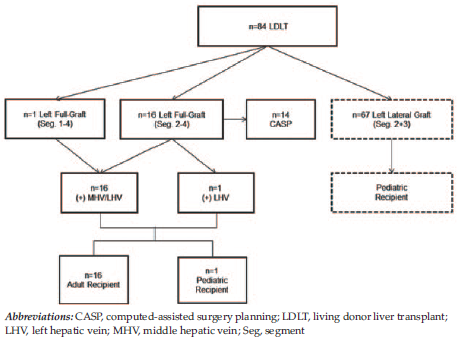
Figure 1. Left Lateral Graft and Left Full Graft Distribution Among 84 Consecutive Living Donor Liver Transplants
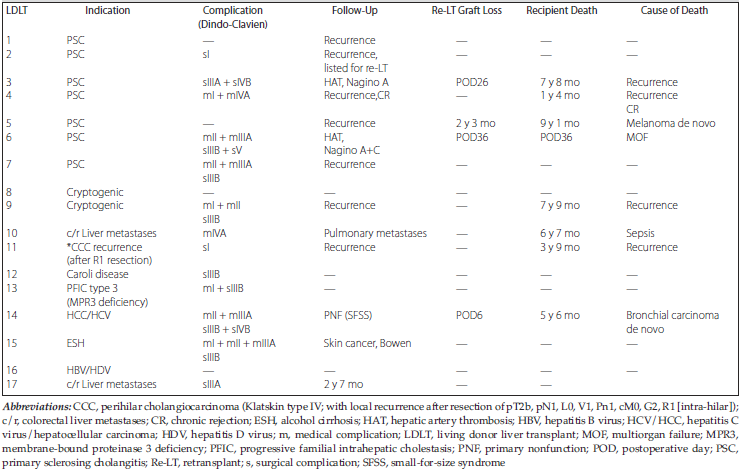
Table 1. Postoperative Graft Loss and Recipient Morbidity and Mortality
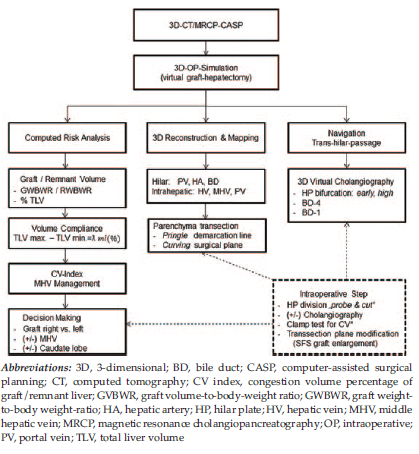
Figure 2. Computed-Assisted Surgery Planning for Full Graft Living Donor Operation
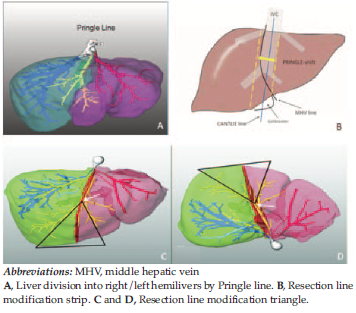
Figure 3. Virtual Graft Hepatectomy in Left Full Graft Living Donor Liver Transplant
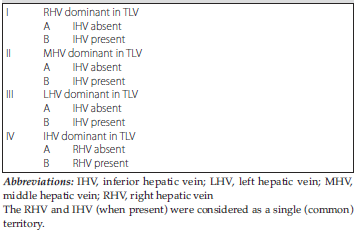
Table 2. Anatomic Functional Classification of Hepatic Vein Dominance Patterns With Respect to Total Liver Volume
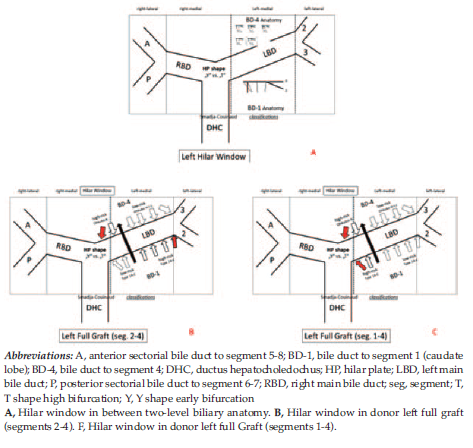
Figure 4. Hilar Window Anatomy in Left Full Graft Hepatectomy
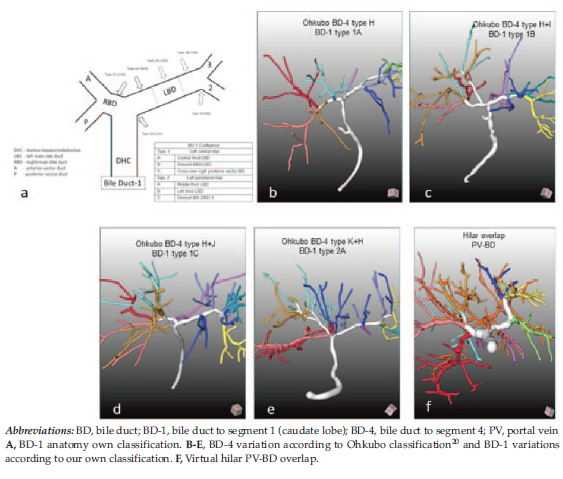
Figure 5. Three-Dimensional Virtual Cholangiography for Hilar Passage Simulation in Left Full Graft Hepatectomy
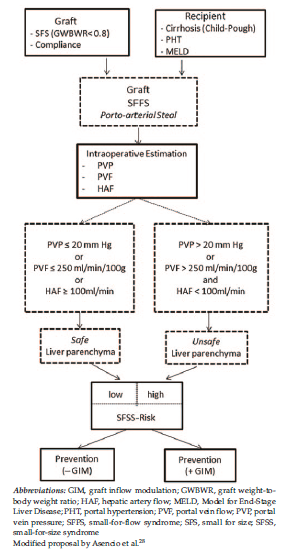
Figure 6. Prevention Policy for Small-for-Flow Syndrome in Left Full Graft Living Donor Liver Transplant
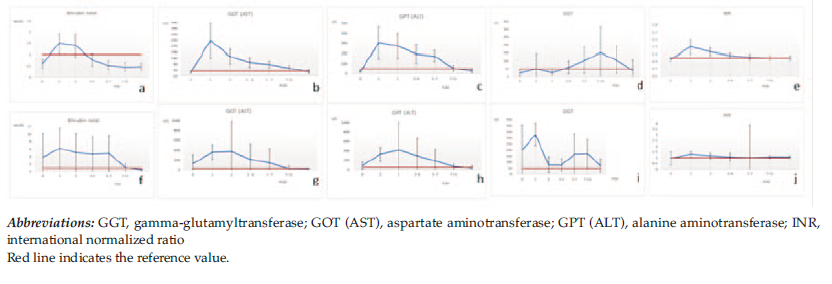
Figure 7. Postoperative Liver Function Tests of Donor and Recipient Left Full Graft Living Donor Liver Transplant
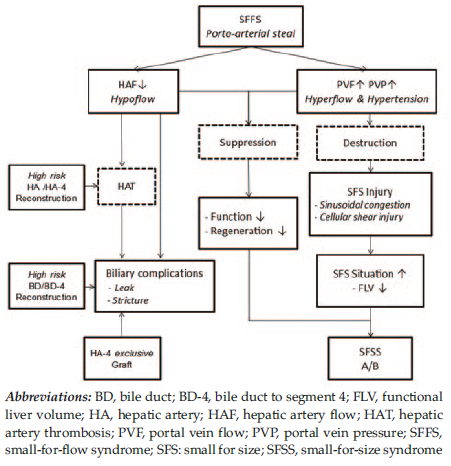
Figure 8. Detrimental Effects of Small-for-Flow Syndrome in Left Full Graft Living Donor Liver Transplant
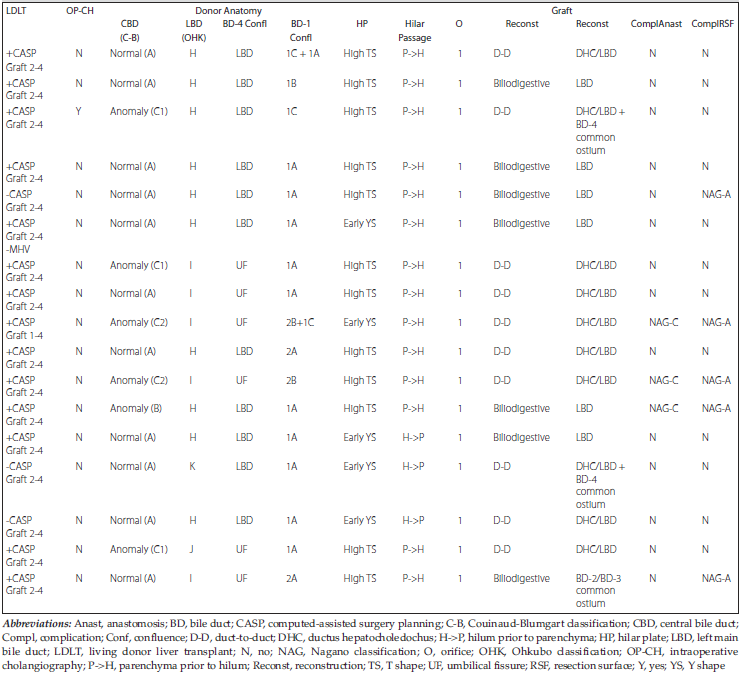
Table 3. Donor Biliary Anatomy and Recipient Biliary Reconstruction and Complications
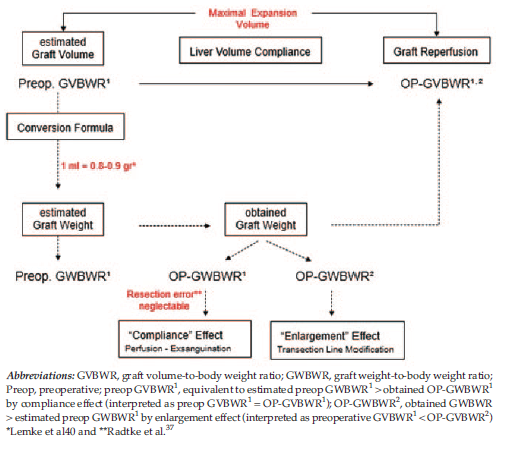
Figure 9. Computed Risk Analysis for Graft Size Prediction in Full Graft Living Donor Liver Transplant
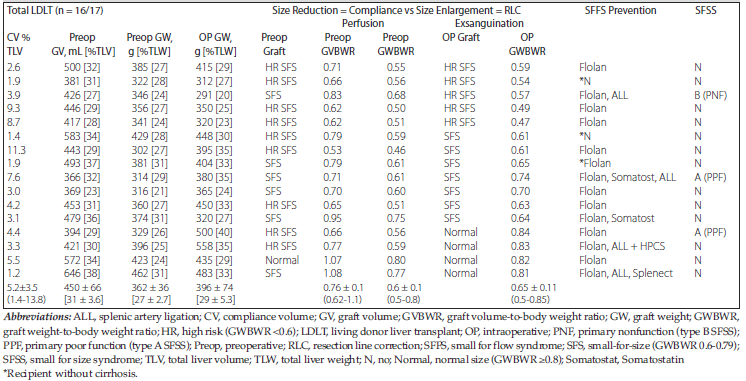
Table 4. Computed Risk Analysis Estimating Graft Size Reduction and Enabling Graft Size Enlargement
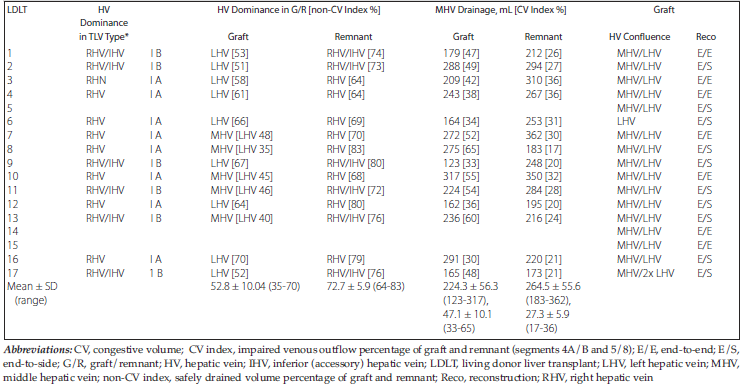
Table 5. Territorial Hepatic Vein Anatomy in Donors and Reconstruction in Recipients