Volume: 22 Issue: 9 September 2024
FULL TEXT
Totally Robotic Donor Nephrectomy for Living Donors Using a Novel Technique: Single-Center Experience
Objectives: Robot-assisted laparoscopic donor nephrectomy for living donor transplant debuted successfully in the year 2000 and has since gained global acceptance. We assessed our practice of robot-assisted living donor nephrectomy and applied an innovative technical approach.
Materials and Methods: We conducted a retrospective analysis of data from patients who underwent robot-assisted living donor nephrectomy for the period from January 2015 to December 2023. The patient group who had undergone the modified surgical technique was included in the study. We recorded and evaluated the following characteristics: age, sex, body mass index (measured in kilograms body mass per meter squared), donor-recipient relationship, site of operation (right
or left side), operation time, warm ischemia time, intraoperative complications, mean estimated blood loss, transfusion requirements, and graft status.
Results: There were 55 donors in the study (24 female, 31 male), with a median body mass index of 28 (range, 19-32) and a median age of 43 years (range, 19-65 years). The donor-recipient relationships were as follows: parent in 26 (47%), spouse in 8 (15%), first-degree relative in 9 (16%), and second-degree, third-degree, and fourth-degree relatives in 12 cases (22%). Median operation time was 134 minutes (range,
123-278 minutes). Right kidney nephrectomy was performed in 8 of 55 donors, and left kidney nephrectomy was performed 47 of 55 donors. No graft loss occurred among the recipients.
Conclusions: Our experience with this new technique confirmed the feasibility of robotic nephrectomy for living donor kidney transplant as a safe and effective procedure. Notwithstanding the beneficial aspects, the primary drawback of this procedure is its significant cost, thereby necessitating attention toward substantial reduction of the associated expenses in the future by development of new techniques such as those we have described in this study.
Key words : Organ donor, Renal transplantation, Robot-assisted surgery, Robotic nephrectomy
Introduction
After the introduction of minimal invasive techniques in living donor kidney transplant by Ratner and colleagues in 1995, numerous clinical studies have since been conducted.1 Presently, laparoscopic donor nephrectomy is widely accepted as the gold standard for living donor kidney transplant in many centers.2-4
The first successful robot-assisted laparoscopic donor nephrectomy (RALDN) in the world was performed by Horgan and colleagues at the University of Illinois at Chicago in 2002, and since then, the procedure has become increasingly widespread and adopted worldwide.5 The advantages of robotic systems, including articulated instruments with joints, a 3-dimensional imaging active camera system, and improved ergonomic conditions, provide surgeons with easier and safer dissection and suturing, particularly in patients with high body mass index (BMI, measured in kilograms body mass per meter squared).
Living donor RALDN procedures have gained popularity and are considered the sole alternative to laparoscopic procedures today. However, the main drawback of robotic systems, namely, the higher financial cost and the additional time required for docking preparations, remains a significant factor, especially for developing countries like Türkiye that are dependent on technology.
Here, we report our experience of totally robotic nephrectomy of donor kidneys for living related kidney transplants. The aim of this study was to assess the safety and feasibility of this surgical procedure. Furthermore, we evaluated our experience with totally robotic nephrectomy of kidneys from living donors, conducted through the implementation of a novel technical approach.
Materials and Methods
To date, there have been 55 cases of totally robotic nephrectomy of donor kidneys for living related kidney transplants with this new technique in Gazi University, Transplantation Center, Ankara. Our center is the first in Türkiye to perform living donor robotic nephrectomy.
We retrospectively analyzed the data of living donors who underwent RALDN for the period from January 2015 to December 2023. The patient group who underwent the procedure with modification in surgical technique was included in the study. We recorded and evaluated the following characteristics: age, sex, BMI, donor-recipient relationship, site of operation (right or left side), operation time, warm ischemia time, intraoperative complications, mean estimated blood loss, transfusion requirements, and graft status.
All procedures performed in this study were in compliance with the ethical standards of the institutional and/or national research committee, as well as with the principles outlined in the 1964 Helsinki Declaration and its subsequent revisions or equivalent ethical standards. This study was approved by the Local Ethical Committee of Gazi University (reference No. 2024-213). Written informed consent was obtained from all participants prior to their inclusion in the study.
Donor selection
According to the laws of the Republic of Türkiye, all donors and recipients were evaluated and approved before the surgery by the Transplant Council, which consisted of physicians in the fields of psychiatry, transplant surgery, nephrology, and immunology.
The donor candidates included in the study were at least 18 years of age and were living relatives or spouses of the recipients. After candidates provided their donation statement, the candidates underwent psychological and legal evaluations to detect any signs of coercion in the donation process.
None of the donors had any disease or comor-bidity that would hinder participation as a living donor. The Donor Advocacy practice started in Türkiye with a directive issued in 2022, and all preoperative medical and ethical preparations and information sessions for donors before this date were coordinated by our organ transplant coordinators, conducted under the supervision of surgeons and nephrologists in the transplantation team. In addition to routine physical and biochemical tests, all donors were evaluated with dynamic tomographic angiography including 3-dimensional reconstruction of renal vascular and urinary structures and mercap-tuacetyltriglycine renal scintigraphy.
All donors were informed, and their informed consent statements were signed by the organ transplant coordinators and the surgeon who would perform the surgery, regarding the surgical procedure, original technique, modifications to be made, and possible complications.
Selection for donation was routinely preferred for the left kidney with regard to the suitability of renal vascular structures. The principle of retaining the best kidney in the donor was applied to all donors, and this preference was confirmed by the Transplant Council. Also, the presence of an accessory kidney artery did not automatically disqualify the left kidney from selection for donation.
Standard bowel preparation was performed the day before surgery to minimize bowel distension at the time of surgery.
Surgical technique
All procedures were performed with a trans-peritoneal approach for RALDN by the same surgical team. After general anesthesia was applied, a Foley catheter was inserted, and a single dose of prophylactic antibiotics was given prior to the skin incision.
The patient was positioned in a lateral 90 degrees decubitus position with the operating table flexed to maximize kidney exposure (Figure 1). Then operation side of the patient was prepped according to standard sterile techniques.
For our new technique, we start the surgery with a preparatory Kustner incision of 8 to 10 cm in the suprapubic region (also to extract kidney from same incision). After the skin and subcutaneous levels are passed, a 10-cm midline second incision is made vertically on the linea alba without entering the abdomen. Then, we create space between the rectus muscle posterior facia and the peritoneum by blunt dissection, and the peritoneum remains intact with this new technique. A 2-0 polypropylene purse-string suture is then placed at the upper lateral side of the peritoneum (for the left kidney, it is the left upper end; for the right kidney, it is the right upper end) for placement of the 15-mm assistant trocar (by lateral retraction of the posterior facia of the rectus muscle). We cut the peritoneum to accommodate a trocar of 15 mm in size; the intraperitoneal cavity is accessed, and a 15-mm port for assistance is placed through the opening ((Figure 1), (Figure 2)) via direct vision. To prevent air leakage upon trocar insertion into the abdomen, the purse-string suture is securely tied around the trocar. Pneumoperitoneum is inducted through this port, and later the camera is placed to complete the exploration.
Under camera vision from the assistant trocar, a 12-mm camera port is placed through the perium-bilical region. Then we change the camera from assistant port to 12-mm port; under camera vision, the first robotic 7-mm trocar is placed just below the midclavicular line and 2 cm below the costal margin; the second robotic 7-mm trocar is placed at a position 5 to 7 cm superolateral to the assistant port. In this new technique, we do not use a hand port or a third robotic arm. The 15-mm assistant port is used for suction, irrigation, exploration, coagulation, stapler, and for hemoclip devices (Figure 1).
The Gazi Tunc technique for donor nephrectomy was used after this stage.6 As described previously, the initial stage involved vascular dissection from the level of the renal hilum after mobilization of the colon medially to visualize the Gerota’s fascia and the convexity of the kidney. This was achieved by opening the Gerota’s fascia to access the renal vein and renal artery, where arterial pulsation was detected.6 Second, the upper pole of the kidney was visualized to facilitate a cut of the adrenal vein with an ultrasonic cutter from the 15-mm assistant port. Subsequently, the third, lower pole was visualized; the gonadal vein and ureter were dissected bluntly and sharply (without harm to the vascularity) until the level of the iliac artery. In this stage, the gonadal vein and, if present, lumbar veins were cut in the same way using an ultrasonic cutter.
The kidney was then moved medially to visualize and complete the hemostasis of the posterior surface of the kidney. For a left nephrectomy, this maneuver facilitates access to the renal artery up to the orifice of the aorta in cases with multiple arteries. A right-side nephrectomy provides the opportunity to obtain the renal artery as long as possible from the posterior of the inferior vena cava.
After the visualization of anatomic structures, the kidney was repositioned to its anatomic location. Subsequently, 50 U/kg of intravenous heparin be administered to the patient for transient prophylactic systemic heparinization, to mark the initiation of the fourth stage of the procedure, which is the nephrectomy. Then, we proceeded with using a vascular clip (Weck Hem-o-lok Polymer Locking Ligation System) to cut the previously prepared ureter (preserving the vascular structures of the ureter) at the level of the iliac artery with scissors, and leaving the proximal end open. Following this, the renal artery and vein were meticulously brought together without superimposition while the kidney was placed in its anatomical position. For precise cuts of the artery and the vein, we used a vascular stapler device (Endo-GIA Ultra universal stapler; Covidien) through the 15-mm assistant port.In rare cases, it may be difficult to align the renal artery and vein side-by-side due to vascular malformation or anatomic placement; for such cases, 2 separate staplers can be used for the artery and vein. Afterward, by bringing the robotic arms close to the anterior wall of the abdomen, the assistant port was removed, the purse string suture was cut, the peritoneal orifice was manually opened, and the kidney was manually removed through the Kustner incision for the back-table preparation. Once the kidney was removed from the donor, the organ was flushed with 500 mL of cold heparinized University of Wisconsin solution and prepared for transplant.
The suprapubic incision was then temporarily closed with laundry clamps; re-insufflation was provided, and hemostasis control was performed with the help of robotic arms. Later, the inferior robotic trocar was replaced with a 7-mm silicone drain. The Kustner incision was closed in anatomic layers. A 2-0 polypropylene suture was placed at the 12-mm camera port entrance for fascia closure, and skin sutures were placed at the entrances of the upper robotic arm and camera port to complete the procedure.
Our new surgical modification, in combination with Gazi Tunc technique, involves the use of a 7-mm port for 2 robotic arms, a 12-mm port for the camera, and a 15-mm assistant port.
Postoperative care
All surgeries were performed by the same surgical team. All patients were extubated on the operating table and transferred to the regular ward under close observation, with no need for intensive care for any patient. Second-generation cephalosporin antibiotic prophylaxis was administered 30 minutes before the skin incision. Protamine was not used before extubation. Antithrombotic prophylaxis was continued for 72 hours with low-molecular-weight heparin starting the day after surgery. Early mobilization, lung exercises, and N-acetylcysteine were used for lung prophylaxis. Patients were started on a regular diet on the first postoperative day, 8 hours after surgery, following a liquid diet. Acetaminophen and narcotic analgesics were used for pain as needed. Unless there were any complications, the urinary catheter was removed on the morning of the first postoperative day. If there was no hemorrhagic discharge, then the drain was removed with the catheter on the day after surgery. Patients were followed up with routine biochemical tests, and after regaining normal diet and routine physical activities, they were discharged. Donors were called for routine follow-ups at the post-operative first week, first month, third month, and first year. They were advised to return for further check-ups as needed afterward.
Statistical analyses
All statistical analyses were performed with SPSS software (version 20). Data are expressed as median values, ranges, and mean values. Relevant variables were analyzed using descriptive statistics.
Results
There were 24 female donors and 31 male donors, with a median BMI of 28 (range, 19-32) and a median age of 43 years (range, 19-65 years). The donor-recipient relationships were as follows: parent in 26 (47%), spouse in 8 (15%), first-degree relative in 9 (16%), and second-degree, third-degree, and fourth-degree relatives in 12 cases (22%). Median operation time was 134 minutes (range, 123-278 minutes). Right kidney nephrectomy was performed in 8 of 55 donors, and left kidney nephrectomy was performed 47 of 55 donors. No graft loss occurred among the recipients. Median estimated blood loss was 55 mL (range, 45-145 mL). Four patients required a total of 7 units of erythrocyte suspensions after surgery. Median warm ischemia time was 2.7 minutes (range, 2-5.1 minutes). (Table 1) shows all donor data.
All living donor nephrectomies were performed with the original methods described by the Gazi Tunc technique.6 All surgeries conducted with both techniques demonstrated 100% donor and graft survival rate. In the modified technique group, 2 patients had subcutaneous hematoma, which healed with local care (Clavien grade 1). No donor mortality was observed. No graft loss occurred among the recipients.
Discussion
The introduction of minimally invasive surgery into living donor surgeries has alleviated some concerns among potential donors who might consider living donation. In a study conducted by Serrano and colleagues, it was shown that the use of minimally invasive techniques in living donor nephrectomy surgeries increased the willingness of volunteers to become living donors by 18%.7 Our clinical obser-vations support this result. Presently, laparoscopic techniques are widely accepted as the gold standard for living donor nephrectomy surgeries.7
In a recent review, the incidence of intraoperative complications in RALDN has been reported to range from 0 to 6.7%. The most commonly reported complication is bleeding, with a reported incidence of 1.2%.3 In this study, intraoperative bleeding developed in 1 patient, and the rate of intraoperative complication and conversion to open surgery was 1.36%. This rate is similar to other reports in the literature and may be associated with the learning process. Janki and colleagues demonstrated that the estimated blood loss in the robotic approach was significantly lower versus hand-assisted retroperi-toneoscopic donor nephrectomy and laparoscopic donor nephrectomy.4 The mean estimated blood loss in the RALDN procedure has a range of 30 to 146 mL.3 We found that the mean estimated blood loss was 55 mL (range, 45-145 mL). With regard to the intraoperative transfusion requirement, RALDN has been judged superior to all other methods.5 In our study, only 1 patient required intraoperative transfusion, and 4 patients required postoperative transfusion. Therefore, although the intraoperative transfusion rate was 1.3%, the perioperative transfusion rate was 6.84%. In the pure laparoscopic approach, the intraoperative transfusion requirement is reported to be up to 3%.7 As a result, with regard to intraoperative complications with this new technique, estimated blood loss, and intraoperative transfusion requirement, RALDN for living related kidney transplant was shown to be safe and effective.
The reported mean warm ischemia time in laparoscopic living donor nephrectomy ranges from 2.8 to 8.7 minutes.3 In RALDN, warm ischemia time ranges from 1.5 to 5.8 minutes.3 In present study, the mean warm ischemia time was 2.7 minutes, which is an acceptable value considering the relationship between ischemia and renal injury. The RALDN method has been shown to be competitive with other minimally invasive methods in almost any area.
The most significant disadvantages of robotic systems versus laparoscopic surgeries are the notably higher financial cost and the limited availability of centers equipped to use robotic systems. These resources are particularly crucial for economically constrained countries.
Türkiye is one of the world’s leading nations in organ transplantation, with over 4000 transplant surgeries performed annually. Kidney transplant procedures, numbering over 3500, hold the top position in the list. Presently, 76 400 individuals in Türkiye have received renal replacement therapy due to end-stage kidney failure, with approximately 4000 new patients added each year.8
Due to the limited availability of deceased donors in our country, 82% of the surgeries are conducted using living donors.9 The high cost of robot techno-logy (US $2750) poses a significant challenge for this patient group, which has compelled us to discover opportunities to utilize advanced technology products in our surgeries for these patients, with a goal of lower financial cost without compromised safety.7,10
The graft was extracted manually without the use of a specimen retrieval bag. We believe that absence of a specimen retrieval bag during graft extraction will not cause any problems. Also, in our new technique, we used 1 stapler instead of 2 staplers, with 2 robotic arms instead of 3 arms. This effect is a crucial advantage for developing countries like Türkiye, which are technologically dependent on external sources. In this manner, our modifications in the technique may save time and financial resources. The absence of a hand port in the extraction incision does not pose any problems, according to other authors.4,7,10 In addition, the prepared Kustner incision has the advantage to facilitate immediate manual intervention in case of major bleeding or injury during the operation.
Furthermore, the placement of the 15-mm assistant trocar at the incision edge eliminates the need for a separate incision. The use of the assistant port for retraction, suction, irrigation, energy device entries, and staplers eliminates the need for 3 robotic arms. Open insufflation, with the placement of the camera and robotic ports directly under visual control, enhances the safety of the surgery. This is particularly important for patients who have under-gone previous abdominal surgeries.
In the classic approach, dissection begins with ureter dissection, ascending to the renal hilum with vascular control. In the Gazi Tunc technique developed at our center, initiation of the procedure directly from the renal hilum with vascular control allows for easy dissection of the ureter with blunt and sharp dissections, which provides a significant time advantage during surgery.5,6 However, in our opinion, success with the Gazi Tunc method requires some experience. Therefore, before transition to the Gazi Tunc technique, it is recommended that a surgeon obtain experience by starting the surgery with ureter dissection according to the classic methods, reaching vascular structures, ureter, and gonadal veins with ascending tracking. Such experience provides a safer path for transition to the Gazi Tunc technique.
In most cases, a single vascular stapler was used during the stage of cutting renal vascular structures. The kidney and vascular structures were dissected and everted to the abdominal side, after which both vessels were superimposed on each other and cut in a single stroke, with attention to avoid overlap. In cases for which side-by-side alignment of the artery and vein was challenging due to anatomic features or vascular anomalies, separate staplers were used for the artery and vein.
Our experiences indicate that a high BMI is associated with complications in the surgical technique for laparoscopic surgeries.3,4 In the near future, the further development and widespread use of robotic technology, the production of more economical systems, advancements in single-port systems, developments in end-to-end energy devices, the integration of immunofluorescence and sectional imaging methods into the 3-dimensional active camera system, and the use of teleconferencing and tele-assistance systems through high-capacity internet connection by surgeons trained in this field are expected to lead to more widespread use of this technology in living donor surgeries, as in all other surgeries. Especially in the present era, in which the population with a high BMI is increasing, these developments will be promising for many patients.
Alimitation of this study was its retrospective and not comparative design. The relationship of renal vascular anomalies with parameters was not evaluated. It is known that presence of dual renal arteries significantly increases laparoscopic operation time.10 Estimated blood loss is significantly higher in patients with vascular abnormalities.10 Another limitation of this study was the lack of comparison between the learning curve and advanced experience. Robotic nephrectomy for donor kidneys is a relatively new procedure. Therefore, the learning curve is important with regard to the variability of some intraoperative results, especially operation time and warm ischemia time.4,10
A person who willingly becomes a living donor, despite having no health issues, solely to benefit another individual, is undertaking a surgery with potential risk of morbidities and mortality. These donors should be treated with the utmost care, the most recent technologies, and the best attention provided by the medical field.
Our experience has substantiated the viability of robotic nephrectomy as a secure and efficient procedure for living donor kidney transplant. The robotic technique is still in the process of evolution. Notwithstanding the benefits, the primary drawback of this procedure is its substantially higher financial cost, thereby necessitating attention toward reduction of the associated expenses in the future by deve-lopment of new techniques such as those that we have described in this study.
References:
- Ratner LE, Ciseck LJ, Moore RG, Cigarroa FG, Kaufman HS, Kavoussi LR. Laparoscopic live donor nephrectomy. Transplantation. 1995;60(9):1047-1049.
CrossRef - PubMed - Minnee RC, Idu MM. Laparoscopic donor nephrectomy. Neth J Med. 2010;68(5):199-206.
CrossRef - PubMed - Creta M, Calogero A, Sagnelli C, et al. Donor and recipient outcomes following robotic-assisted laparoscopic living donor nephrectomy: a systematic review. Biomed Res Int. 2019;2019:1729138. doi:10.1155/2019/1729138
CrossRef - PubMed - Janki S, Klop KWJ, Hagen SM, et al. Robotic surgery rapidly and successfully implemented in a high volume laparoscopic center on living kidney donation. Int J Med Robot. 2017;13(2). doi:10.1002/rcs.1743
CrossRef - PubMed - Horgan S, Vanuno D, Sileri P, Cicalese L, Benedetti E. Robotic-assisted laparoscopic donor nephrectomy for kidney transplantation. Transplantation. 2002;73(9):1474-1479. doi:10.1097/00007890-200205150-00018
CrossRef - PubMed - Tunc L, Canda AE, Polat F, et al. Direct upper kidney pole access and early ligation of renal pedicle significantly facilitates transperitoneal laparoscopic nephrectomy procedures: Tunc technique. Surg Laparosc Endosc Percutan Tech. 2011;21(6):453-457. doi:10.1097/SLE.0b013e31823badc1
CrossRef - PubMed - Serrano OK, Kirchner V, Bangdiwala A, et al. Evolution of living donor nephrectomy at a single center: long-term outcomes with 4 different techniques in greater than 4000 donors over 50 years. Transplantation. 2016;100(6):1299-1305. doi:10.1097/TP.0000000000001251
CrossRef - PubMed - Republic of Türkiye, Ministry of Health. Organ Donation Awareness and Transplant Numbers Increase Hope in Turkey. Uploaded November 7, 2023. https://www.saglik.gov.tr/TR-100600/turkiyede-organ-bagisi-bilinci-ve-nakil-sayilari-umudu-artiyor.html
CrossRef - PubMed - Dalgiç A, Ya?ci G, Sözen H, Özen O. Robot assisted donor nephrectomy for live donor kidney transplant. Laparosc Endosc Surg Sci. 2014;21(4):37-39.
CrossRef - PubMed - Yang A, Barman N, Chin E, et al. Robotic-assisted vs. laparoscopic donor nephrectomy: a retrospective comparison of perioperative course and postoperative outcome after 1 year. J Robot Surg. 2018;12(2):343-350. doi:10.1007/s11701-017-0741-x
CrossRef - PubMed

Volume : 22
Issue : 9
Pages : 679 - 685
DOI : 10.6002/ect.2024.0076
From the 1Department of General Surgery, Gazi University Faculty of Medicine; and the 2Transplantation Center, Gazi University, Ankara, Türkiye
Acknowledgements: The authors have not received any funding or grants in support of the presented research or for the preparation of this work and have no declarations of potential conflicts of interest.
Corresponding author: Mustafa Hakan Sözen, Department of General Surgery, Gazi University Faculty of Medicine, Mevlana Blv. No:47, 06560, Ankara, Türkiye
E-mail: mhakansozen@gmail.com
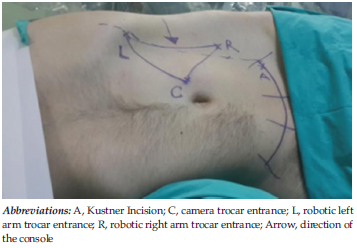
Figure 1.Patient Position and Trocar Placement
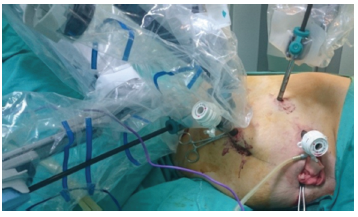
Figure 2.Trocar Placement Through the Kustner Incision
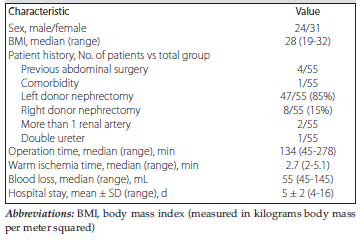
Table 1.Demographic and Baseline Characteristics for Patients (N = 55)