Volume: 22 Issue: 9 September 2024
FULL TEXT
In the Republic of Uzbekistan, the history of liver transplantation began in 2018, but this type of medical care was introduced regularly only in 2021. The selection, preparation, and perioperative management of living liver donors can be complicated and have importance in the type of responsible medical care, which requires maximum doctor involvement at all stages. This review has detailed the donor selection algorithm in the Republic of Uzbekistan, donor preparation for liver resection, and basic principles of liver resection surgery in living donors. Algorithms for postoperative donor management and rehabilitation have also been described in detail.
Key words : Donor evaluation, Donor selection, Liver fragment, Risk factors
Information About Living Donation of Liver Fragments
Living liver donation is an option for obtaining a liver transplant for a patient in need of a transplant. The advantage of transplanting a liver fragment from a living donor is independence from the deceased organ donor supply system and, accordingly, the ability to plan the operation in an optimal time frame.1 Even with fulminant liver injuries and in patients with severe liver dysfunction, which usually requires urgent liver transplant, a living donor organ can be a source for transplant.2
The main advantages of a transplant from a living donor are the quality of the liver parenchyma predicted by the donor selection and preparation and the ability to plan for the surgical intervention. Advances in liver surgery and organ preservation methods have made it possible to obtain a high-quality transplant from a living donor with minimal ischemic and mechanical damage. The use of a liver fragment from a close relative can lead to a more favorable immunological adaptation in the recipient’s body due to similar HLA characteristics of the haplotypes.3,4
Legislative framework and regulatory aspects of living organ donation in the Republic of Uzbekistan
The performance of transplants from a living donor in the Republic of Uzbekistan has been legalized per the Law of May 11, 2022, No. ZRU-768 (“On transplantation of human organs and tissues”). This law has fully reflected the regulations for removal of organs and/or tissues from a living donor for transplant to a recipient who is genetically related to the recipient.5
In addition to legal aspects, the successful development of a living donor transplant program requires approval from representatives of the medical community and the population of the country as a whole. Moreover, the relationship within the triangle “patient–living donor–doctor” is built not only on generally accepted deontological positions, when the prerogative is completely given to the patient, but also presupposes informed and voluntary decision-making by the potential donor.6 The most important factor for deciding in favor of a related transplant is a reasonable preliminary com-parison of the donor risk with the chances of a successful outcome of the operation and recovery in the recipient. The most crucial moment in the planning of related liver transplant is the selection of the donor, since the likelihood of complications is largely determined by the initial state of health and the morpho-functional characteristics of the liver.7,8
For the Republic of Uzbekistan, the recom-mendations for selection of a potential donor among genetic relatives of the recipient are age ?18 years, high level of emotional readiness, and good physical and mental health.5,6
Potential risks of related donation of the liver
All of the main disadvantages of living donor liver transplant are those associated with potential risks to the health and life of the donor, the inevitability of which raises certain skeptical reviews and ethical questions. Indeed, invasive examination methods (eg, liver biopsy, angiography, the use of intravenous contrast by computed tomography), anesthesia, surgery, and postoperative management at certain stages can create the preconditions for complications in a living donor.3 As with general surgical resection of the liver, donor surgery entails risks of damage to internal organs and large vessels, bleeding, intra-abdominal infection, and other risks. Global results have reported frequency of donor complications ranging from 9% to 39%.3,5,6,9-12
The most common complications are stage I and II according to the Clavien-Dindo classification (Table 1).13 Such complications include infectious wound complications, postoperative hernias that occur in the late period after surgery, and bile leakage not requiring invasive treatment.
Factors in the development of complications include the experience of the transplant program (the learning curve), the type of graft to be retrieved, mistakes made in selection of potential donors, anatomical variations of liver vessels and bile ducts, and excess body weight of the donor (body mass index [BMI, in kilograms divided by height in meters squared] >30). Predictors of the development of complications in donors are intraoperative hypotension (systolic pressure <100 mm Hg), intraoperative transfusion of >4 packages of blood, and operation time (using conventional approach) of >400 minutes.6,9,14,15
Modern levels of anesthesiology and surgical hepatology have been shown to reduce the level of donor risk to the level of a simple laparotomy. To date, the frequency of donor mortality in the world is about 0.2% to 4%. Among the causes of death of donors, cardiorespiratory disorders, sepsis, and suicide have been described.16 In the Republic of Uzbekistan, in the city of Samarkand, 1 case of death of a related donor of a liver fragment was registered during an operation without proper preparation for surgery and knowledge of the criteria for selection of a living donor.
Despite the worldwide negligible mortality rate among related liver part donors, which does not exceed that for related kidney donors and which can hardly discredit the idea of related liver transplant, surgery planning for living donors provides for the maximum responsibility of doctors both during examination of the donor and during the surgery.4,6,17,18
Classification by donation fragment
Living donors of liver fragments can be classified6 according to the fragment of donation: donor of the left lateral section of the liver, donor of the right posterior sector of the liver, donor of the left lobe of the liver, donor of the right lobe of the liver, donor of segment II of the liver, and donor of segment III of the liver. Classification based on the donation fragment is made according to the fragment that the transplant surgeon plans to retrieve from the donor for subsequent transplant to the recipient. The donation fragment is determined by the recipient’s need based on anthropometric parameters. The most common method in clinical practice to assess the appropriateness of the weight of the intended graft is the ratio of the weight of the intended graft to the recipient’s body weight (graft-to-recipient weight ratio [GRWR]). The required volume of the donation fragment is determined from this measurement.
Selection of Living Donors
Physicians who assess the suitability of a potential living donor must conduct a series of examinations to select and confirm the possibility of removing a liver fragment from a particular patient for subsequent transplant.
Initial assessment of a potential donor (adopted for the Republic of Uzbekistan)
Assessment in the Republic of Uzbekistan follows consanguinity (Law of May 11, 2022, No. ZRU-768) and age range of >18 years to 50 years, voluntary informed expression of will with video recording, group-specific affiliation according to the ABO system, detailed examination of medical history (including previous diseases, allergy history, and presence of previous injuries and surgical operations), BMI from 18.5 to 30, and psychosocial assessment. Of note, ABO incompatibility is not always a contrain-dication for liver fragment donation.19-21
The purpose of the initial assessment is to exclude applicants with liver disease, extensive abdominal surgery, history of severe traumatic brain injury, and infectious and chronic diseases. Donors with an unsatisfactory psychosocial assessment are also excluded from further evaluation.5,6
Examination of potential donor
A comprehensive assessment of a potential living donor allows the minimization of risks of posto-perative complications and helps to ensure donor safety and speedy rehabilitation, which are impor-tant principles for living organ donation.
The correct selection and evaluation of a potential living donor can also allow a high-quality graft to be retrieved, from both a functional and anatomical point of view, which is ultimately critical to the success of the surgical operation of the donor and recipient.
Comprehensive medical assessment of potential donor
An objective assessment of the donor’s health can eliminate absolute and relative contraindications to liver fragment donation. Potential donors who are overweight (BMI >25) are given general dietary and exercise advice, with the goal of weight loss and reevaluation.7,8,22 The problem of fatty liver is widespread in Uzbekistan; thus, selection of a donor without hepatic steatosis is extremely important.5,6
People with any diffuse liver diseases, as well as chronic and infectious diseases, should not be considered as potential related donors.22,23 Relative contraindications to donation are conditions that can be completely eliminated after appropriate drug treatment. An algorithm for doctor action is shown in Figure 1.
Laboratory diagnostic tests
All potential liver donors should undergo com-prehensive laboratory testing.5,6,15,23 Laboratory tests for potential liver fragment donors include the following: serological tests (required), including determination of antibodies to hepatitis A virus in blood, antigen test (HbsAg) of hepatitis B virus in blood serum, antibodies to hepatitis D virus in blood, determination of immunoglobulin M and G antibodies (IgM, IgG) to HIV-1 and HIV-2 in blood serum, antibodies to Treponema pallidum in non-treponema tests (qualitative and semi-quantitative research) in blood serum, and determination of hepatitis C virus antigen in blood serum. Other tests include determination of blood type according to the ABO system and determination of the D antigen of the Rhesus system (Rh factor) and conducting a complete blood count test. Level of sodium, potassium, and chlorides in the blood serum should be determined. General therapeutic biochemical blood tests (liver and kidney blood tests) should be made, along with acid-base state and measurement of blood gases. Detailed coagulation tests are required. HLA typing (determination of antigens [genes] of the major histocompatibility complex of classes I and II conducted for recipients and potential living donors) and a cross-lymphocytotoxic test with blood of the potential living donor should be conducted. If HLA typing is of practical importance and can mainly influence the characteristics of immunosuppressive therapy in the recipient, then a positive lymphocytotoxic test can show the incidence of rejection. Antibodies to cytomegalovirus, Epstein-Barr virus, and herpes simplex virus in the blood serum should be tested.
Instrumental diagnostic studies
Instrumental examination is important to identify potentially dangerous conditions in potential donors that may affect the results of surgical intervention.2,5,6,15,23 Basic studies include plain radiography of the chest, electrocardiography (ECG), echocardiography, esophagogastroduodenoscopy, study of external respiration function, and Doppler ultrasonography of the veins of the lower extremities.
If the donor lives far from the transplant center, the donor can undergo the above diagnostic procedures in clinics at the place of residence.24 If the examination reveals certain deviations from reference values in the donor, additional sets of diagnostic measures should be conducted according to indications.
If relative contraindications to liver fragment donation are identified, such as caries, gastric ulcer, and excess body weight, the necessary therapy is recommended to correct the condition.6,22,23 Continued examination of such potential donors should occur under the liver fragment donation program; however, these potential donors can be allowed to undergo surgery if no contraindications are ultimately shown (Figure 1).
Evaluation of liver in potential donor
A parallel process during examination of a potential donor is reliable determination of the morphofunc-tional and anatomical characteristics of the liver from the point of view of its fragment use as a transplant.3,25,26 The main research methods at this stage include ultrasonography of the liver, computed tomography of the abdominal organs with intrave-nous contrast, magnetic resonance cholangiography, and puncture biopsy of the liver.3,6,23,27
The following tests are thus recommended: liver ultrasonography for qualitative assessment of the parenchyma, which includes homogeneity, echogenicity of the parenchyma and anteroposterior size of the liver, and detection of any signs of fatty hepatosis with liver elastography or puncture biopsy of the liver if indicated (Table 2).
Another test is Doppler fluorometry of hepatic blood flow, which includes visualization of the main branches of the hepatic artery, portal vein, and hepatic veins; contrast-enhanced computed tomography (CECT), which allows the structure of the liver parenchyma to be studied. This test also allows a 3-dimensional image of the angioarchitecture of the liver and all sources of arterial and portal blood supply, determination of structure details of venous outflow of the liver, virtual resection plane of the liver and size evaluation, and determination of volume of the removed and remaining part of the liver.
Magnetic resonance cholangiopancreatography is an alternative noninvasive method to traditional intraoperative cholangiography, allowing determi-nation of variant anatomy of bile drainage of the liver. Liver elastography28,29 is recommended as an effective screening tool to determine liver parenchymal steatosis in potential donors without the use of biopsy.
Ultrasonograph-guided liver biopsy is indicated when body mass index is >25, when increased echogenicity of the liver parenchyma is shown by ultrasonography examination, for patients with history of periodic or systematic use of alcohol, and for women with a history of periodic or systematic use of oral contraceptives. During the biopsy, the direction of needle movement is verified with ultrasonography, which can allow injury to large hepatic vessels and the pleural sinus to be avoided.7,30 Dynamic control of hemostasis is recom-mended with ultrasonography monitoring within several hours.
Of note, at the stage of CECT in living donor candidates, it is extremely important to consult with the operating surgeon to exclude anatomical contraindications to donation. The use of CECT is extremely important in donor evaluation because donors can have many anatomical variations of blood supply and outflow.25 Anatomical features of the liver can affect various complications in both donors and recipients.3,6,7,23 In addition, liver volumetry is extremely important in donor selection. The choice of a donor liver fragment for use as a transplant depends on several factors, primarily the volumetric characteristics and angioarchitecture of the entire organ and its fragments and body weight of the recipient.23,27
For liver transplant in children, the left lateral section of the liver (segments II and III according to Couinaud), the entire left lobe of the liver (segments II to IV), and the right lobe of the liver (segments V to VIII) are most often used. In adult patients, right lobe grafts are used in most cases. There are also reports of the use of the right lateral sector of the liver (segments VI and VII) as a graft. However, various authors have somewhat different opinions regarding the choice of graft type based on the recipient’s body weight. The controversy on this issue is associated primarily with the more frequent development of severe complications in recipients with small-for-size syndrome, as well as in children with the opposite condition (large-for-size syndrome).31 The concept of standard liver volume was thus introduced, that is, the volume that is calculated mathematically, according to the formulas, and optimal for a given person.32-39 Thus, the ratio of the intended graft volume to the standard liver volume will reflect how suitable the graft is for a particular recipient. Moreover, the most accurate and common method for measuring the volume and mass of a proposed graft is computed tomography volumetry.25,40
With donor liver volumetry, it is also important to assess the volume of not only the fragment being removed but the remaining part of the liver. Most transplant centers are of the opinion that the remaining liver volume should be at least 40% of the total donor’s liver volume.41 However, some authors believe that, in the absence of steatosis for reha-bilitation to the donor, 30% of total volume is sufficient.42 Remaining liver size of less than 30% is associated with extremely high risks for the donor and is categorically unacceptable.43,44 Evidence has shown that, with the loss of 60% to 70% of the liver, length of hospital stay increases substantially compared with donors who have lost less than 60% of total liver volume.45
Features of donor selection for recipients with low body weight
According to an analysis of the United Network of Organ Sharing database (USA), child weight at time of transplant of less than 5 kg is a risk factor and is accompanied by a higher incidence of graft loss and increased mortality. However, reasons leading to worsening results in this group of patients are multifactorial in nature, and some authors have assigned the leading role to the syndrome of oversized graft.6,15,38,46 The most common method in clinical practice to assess the appropriateness of the weight of the intended graft is GRWR (Table 3). The optimal GRWR indicator will be a coefficient ratio from 1% to 3%.46
To overcome the discrepancy between the size of the graft and the abdominal cavity of the child, 2 fundamental approaches are used: graft reduction (nonanatomical resection of the left lateral section of the liver graft) and monosegmental transplant (transplant of segment II or III). Recent agreement on the most important factor for graft size, besides the coefficient other than GRWR, has been its thickness.6,15,38,46
Liver biopsy
Liver biopsy is an invasive diagnostical method. Currently, studies have shown the effectiveness of using alternative methods for assessing the functional quality of the liver, such as magnetic resonance imaging, ultrasonography, CECT, and elastography, which can become a potential alternative to liver biopsy.28,29 The present morphological method for as-sessing fatty liver is widely known, based on counting the number of affected hepatocytes47,48 (Table 4).
The presence of a severe macrovesicular form of liver steatosis in the donor (>60%) is associated with a high risk (50%-60%) of development of primary graft dysfunction, up to primary nonfunctioning. Presently, a generally acceptable level of liver steatosis for a donor does not exist. If the recipient’s condition is stable, with mild or moderate hepatic steatosis according to ultrasonography and/or liver biopsy, it is recommended to condition the donor for at least 1 month and reevaluate the quality of the parenchyma with ultrasonography and morpho-logical examination of the liver biopsy.23
Other diagnostic tests
Subject to satisfactory results of clinical and laboratory examinations, the structural and functional states of the cardiovascular, respiratory, and digestive systems should be assessed in living donors using radiography, spirometry, ultrasonography, and endoscopic methods. In addition, doctors of the following specialties should be involved at this stage of the examination: dentistry, gynecology, and, according to indications, urology, ophthalmology, otorhinolaryngology, and endocrinology (Table 2).
Inpatient Management of Related Liver Fragment Donors
The living donor is admitted several days before surgery. The preoperative donor and recipient should be in separate rooms with separate sanitary facilities. If indicated, preoperative examination should include blood tests, consultations with medical specialists, and examination by the operating surgeon and anesthesiologist.49
Perioperative monitoring
Surgical intervention of living liver donors should be under conditions of modern combined general anesthesia with constant monitoring of indicators of the functional state of all vital organs and systems.6,49 These include invasive monitoring of arterial and central venous pressure, ECG, pulse oximetry, balance of central (in the rectum and/or esophagus) and peripheral temperature, analysis of water-electrolyte and gas composition of blood, and monitoring and control of the concentration of isoflurane in the inhaled mixture.
A low central venous pressure (<5 cmH2O) should be maintained with careful monitoring during liver surgery. The donor should receive optimal amounts of colloid and crystalloid solutions to maintain intravascular volume and avoid hyperchloremic acidosis or renal failure.50 For Uzbekistan doctors, we recommend using “Enhanced Recovery After Surgery” guidelines for liver surgery.50
Surgical methods
Liver resection with graft fragment must be performed under conditions of preserved blood circulation.4,23 The main types of surgical inter-vention in living liver donors are left lateral liver sectionectomy, right hepatectomy, and left hepatectomy.49 In rare cases, the right posterior section may be procured. In cases of liver transplant for children weighing less than 6 kg, the option of monosegmental transplant (segment II or III) may be considered.51,52 The choice of the liver fragment to be procured depends on the anthropometric charac-teristics of the recipient, correlated with computed tomography volumetry data of the donor.23
Another method of transplant of other fragments of a living donor’s liver is transplant of 2 left lateral sections from different living donors; however, this method is limited to the experience of several clinics and cannot be recommended for widespread practice.53
During the past 2 decades, minimally invasive approaches have been widely introduced into global clinical practice, which include hybrid, manually assisted techniques, completely laparoscopic removal of liver fragments, and robot-assisted methods.54 Robot-assisted and laparoscopic techniques may be recommended for left-sided liver grafts if the surgical team has sufficient experience, whereas right-sided liver donation using minimally invasive techniques (laparoscopic, robotic) is presently being validated and requires more experience.54-61 In the Republic of Uzbekistan, laparoscopic liver resections are so far not performed on donors.
For lobar laparoscopic resections, the use of intravenous indocyanine green is recommended for intraoperative cholangiography if appropriate equipment is available.62,63
The main aims of the surgery in living donors are safety of life and health of the living donor, obtaining a viable liver fragment of sufficient mass, possessing autonomous angioarchitecture, and a bile outflow system. The main tasks of the surgical team are minimization of surgical trauma, minimization of blood loss, and reduction of warm ischemia time during graft removal.
The choice of the incision is at the discretion of the surgeon. This choice depends on the size of the abdomen, the size of the liver, and the nature of the intended intervention. The “Calne” incision should be excluded because of high risk of developing ventral hernias.50
White test
During the open removal of a lobar graft, it is recommended to use the so-called White test, which can reduce the incidence of postoperative complications. However, this recommendation has little strength and requires further research.64
Venoplasty
After removal of the graft, venoplasty can be performed on the preparation table. Steps include connecting the veins to obtain a common orifice and restoring the outflow of segment V/VIII veins (if they are substantial). Therefore, it is recommended to ensure adequate venous drainage for adequate graft function.65,66
Postoperative period after liver resection
During the first hours of the postoperative period, the donor should remain in the intensive care room with comprehensive monitoring of vital systems (ECG, heart rate, blood pressure, respiratory rate, peripheral body temperature, central venous pressure, pulse oximetry, diuresis rate).6,7,49 During the stay in the intensive care unit, living donors should retain a central venous catheter, elastic bandages (compression garments) on the lower extremities, a nasogastric tube (if necessary), and a urinary catheter. With consideration of the volume of the surgical intervention and the anesthesia provided, practitioners should recommend combined infusion, transfusion, and drug therapy for all donors.3 Infusion therapy is recommended under conditions of control of central venous pressure and strict consideration of the balance between the injected and excreted fluid. Adequate hydration of the donor in conditions of complete starvation at a rate of 50 to 60 mL/kg includes energy replenishment from carbohydrates and correction of electrolyte disturbances. For this purpose, solutions of glucose, potassium chloride, Ringer solution, potassium and magnesium aspartate, and normal saline are used; the doses and mode of administration of fluids vary depending on the individual characteristics of the donor’s body and acid-base parameters of blood conditions. Transfusion therapy mainly consists of prescribing solutions of human albumin. The volume of transfusion therapy is proportional to the severity of the surgical intervention and the amount of blood loss. The need for transfusion of blood components, such as fresh frozen plasma and cryoprecipitate, is recommended to be determined individually.50
There are a variety of drug therapies for living donors.6-8,15,49,50,67,68 Adequate pain relief is recom-mended based on subjective pain scores on a visual analog scale (Figure 2). Antibacterial prophylaxis is recommended from the moment of surgery (or 1 hour before surgery). Antispasmodic therapy is recommended (preferably the use of mebeverine, as a more selective drug that has less effect on the motility of the gastrointestinal tract). It is recom-mended to prescribe antiemetics (1 or 2 drugs in combination can be used), as well as gastroprotective therapy. Anticoagulant therapy (low molecular weight heparin) is recommended to be prescribed in a prophylactic dosage from the end of the first 24 hours in the absence of evidence of bleeding.
During the first days after surgery, evaluation of the donor’s condition is through a comprehensive examination, including physical examination (at least daily), thermometry (several times a day), measu-rement of blood pressure and heart rate, laboratory examinations (complete blood count, detailed biochemical blood test, coagulation test), and daily comprehensive ultrasonography (for size, echoge-nicity of the remaining liver, assessments of bile ducts, blood flow using Doppler sonography, and presence of fluid accumulations in the abdominal and pleural cavities).
Early gradual activation (from the first posto-perative day) and breathing exercises are also recommended to enhance rehabilitation of related donors. Patients are also encouraged to have early oral intake (in the absence of gastrostasis).6,49,50
Surgical complications in living donors
Like any surgical procedure, donor liver resection may have certain risks to patients. According to large international studies, the following risk factors have been identified3,7,12,23,43: donation of the right lobe of the liver, use of donor candidates with degree of steatosis of >10%, and use of donor candidates with complex vascular and/or biliary anatomy.
The incidence of complications in donors of liver fragments varies widely in different transplant centers (from 0 to 67%), which is due to both unequal approaches to donor selection and lack of a single simple and informative classification and gradation of complications for liver donors. Recently, to systematize complications in living liver donors, the Clavien-Dindo classification has been actively used.13 Although the results of American, Asian, and European studies vary, the incidence of serious complications (Clavien class III to IV) in donors of the right lobe of the liver is higher than in donors of the left lobe.3,69 The incidence of donor complica-tions between laparoscopic and traditional retrieval is not substantially different.70-72 However, rehabil-itation of donors during laparoscopic or robotic removal proceeds faster, and subjective pain syndrome during laparoscopic removal is lower compared with open removal.56,72
Living donor liver transplant is associated with well-documented risks of donor morbidity and mortality. No institution engaged in this high-risk clinical activity is immune to this risk. Research in the field of crisis management shows that prepa-ration for a catastrophic event is mandatory for both appropriate response and prevention of these events.8,18
Outpatient Management of Living Donors After Surgery
With the consideration that a living liver donor is a healthy, able-bodied member of society, the pre-vention of undesirable consequences after liver surgery plays a special role. In this regard, for several months after the operation, the donor is recom-mended to refrain from fatty, fried, and spicy foods, as well as from drinking alcoholic beverages. Limitation of physical activity should be observed for a period of 1 to 6 months.6
A control outpatient examination should be completed at a transplant center or at local clinic 1 to 3 months after surgery. There is no need for lifelong regular monitoring. However, if any complaints arise in the late postoperative period (eg, pain, fever), an unscheduled comprehensive examination should be conducted to identify the cause of the deterioration of the condition.
As mentioned above, donor safety is the main criterion when performing donor liver resections. According to a study conducted at the University of Oxford, outpatient follow-up of 30 days after donor surgery is not sufficient and such follow-up underestimates the morbidity of donors after liver resection. A 90-day outpatient follow-up is recom-mended for donors; moreover, this period should not depend on the sex or age of the donor.73-75
Conclusions
Donor liver surgery is the most important of all surgical procedures on the liver since it involves the life and health of a living donor, who is mostly a healthy person who decided to sacrifice part of himself or herself to save the life of a relative. The sur-geon must certainly understand their responsibility, and it is extremely important to approach the issue of related donor selection and perioperative mana-gement with complete understanding, since the prognosis and quality of life of this cohort of patients will directly depend on these tasks. The task of all doctors at all stages of selection, preparation, and performing surgery, as well as at the rehabilitation stage, is to reduce the risk of postoperative complications in the donor and ensure the speedy rehabilitation of related donors after surgery.
In the Republic of Uzbekistan, it is necessary to train specialists for assessment and selection of donors because transplant is performed in only a few institutions and the pool of potential donors from within the country is limited. Establishing a unified examination standard represents a viable solution to this situation.
References:
- Brown RS, Jr. Pros and cons of living donor liver transplant. Gastroenterol Hepatol (N Y). 2008;4(9):622-624.
CrossRef - PubMed - Yim SH, Kim DG, Kang M, et al. Survival benefit of living-donor liver transplantation in patients with a model for end-stage liver disease over 30 in a region with severe organ shortage: a retrospective cohort study. Int J Surg. 2023;109(11):3459-3466. doi:10.1097/JS9.0000000000000634
CrossRef - PubMed - Abecassis MM, Fisher RA, Olthoff KM, et al. Complications of living donor hepatic lobectomy--a comprehensive report. Am J Transplant. 2012;12(5):1208-1217. doi:10.1111/j.1600-6143.2011.03972.x
CrossRef - PubMed - Barr ML, Belghiti J, Villamil FG, et al. A report of the Vancouver Forum on the care of the live organ donor: lung, liver, pancreas, and intestine data and medical guidelines. Transplantation. 2006;81(10):1373-1385. doi:10.1097/01.tp.0000216825.56841.cd
CrossRef - PubMed
- Semash K, Dzhanbekov T, Akbarov M, et al. Implementation of a living donor liver transplantation program in the Republic of Uzbekistan: a report of the first 40 cases. Clin Transplant Res. 2024;38(2):116-127. doi:10.4285/ctr.24.0013
CrossRef - PubMed - Semash ??, Janbekov ??, Akbarov ??, Usmonov ??, Gaibullaev ??. Stages of preparation and examination of related liver donors and their perioperative management. Coloproctol Endosc Surg Uzbekistan. 2023;10.56121/2181-4260-2023-1-41-54(1):41-54. doi:10.56121/2181-4260-2023-1-41-54
CrossRef - PubMed - Savas N, Coskun M, Bilezikci B, et al. Value of an individual liver biopsy in the preoperative evaluation of apparently healthy potential liver donors. Liver Transpl. 2008;14(4):541-546. doi:10.1002/lt.21410
CrossRef - PubMed - Bravo AA, Sheth SG, Chopra S. Liver biopsy. N Engl J Med. 2001;344(7):495-500. doi:10.1056/NEJM200102153440706
CrossRef - PubMed - Lauterio A, Di Sandro S, Gruttadauria S, et al. Donor safety in living donor liver donation: an Italian multicenter survey. Liver Transpl. 2017;23(2):184-193. doi:10.1002/lt.24651
CrossRef - PubMed - Bonaccorsi-Riani E, Daudre-Vignier V, Ciccarelli O, et al. Improving safety in living liver donation: lessons from intraoperative adverse events in 438 donors undergoing a left liver resection. Transplant Direct. 2023;9(9):e1531. doi:10.1097/TXD.0000000000001531
CrossRef - PubMed - Quirino L, Jan PL. Chapter 21 - Living-related liver transplantation: progress, pitfalls, and promise. In: Orlando G, Lerut J, Soker S, Stratta RJ, eds. Regenerative Medicine Applications in Organ Transplantation. Academic Press; 2014:283-298. https://doi.org/10.1016/B978-0-12-398523-1.00021-5
CrossRef - PubMed - Ghobrial RM, Freise CE, Trotter JF, et al. Donor morbidity after living donation for liver transplantation. Gastroenterology. 2008;135(2):468-476. doi:10.1053/j.gastro.2008.04.018
CrossRef - PubMed - Clavien PA, Barkun J, de Oliveira ML, et al. The Clavien-Dindo classification of surgical complications: five-year experience. Ann Surg. 2009;250(2):187-196. doi:10.1097/SLA.0b013e3181b13ca2
CrossRef - PubMed - Miller CM, Quintini C, Dhawan A, et al. The International Liver Transplantation Society living donor liver transplant recipient guideline. Transplantation. 2017;101(5):938-944. doi:10.1097/TP.0000000000001571
CrossRef - PubMed - Manas D, Burnapp L, Andrews PA. Summary of the British Transplantation Society UK guidelines for living donor liver transplantation. Transplantation. 2016;100(6):1184-1190. doi:10.1097/TP.0000000000001128
CrossRef - PubMed - Kim PT, Testa G. Living donor liver transplantation in the USA. Hepatobiliary Surg Nutr. 2016;5(2):133-140. doi:10.3978/j.issn.2304-3881.2015.06.01
CrossRef - PubMed - Iwasaki J, Iida T, Mizumoto M, et al. Donor morbidity in right and left hemiliver living donor liver transplantation: the impact of graft selection and surgical innovation on donor safety. Transpl Int. 2014;27(11):1205-1213. doi:10.1111/tri.12414
CrossRef - PubMed - Miller C, Smith ML, Fujiki M, Uso TD, Quintini C. Preparing for the inevitable: the death of a living liver donor. Liver Transpl. 2013;19(6):656-660. doi:10.1002/lt.23637
CrossRef - PubMed - Monakhov A, Pashkova I, Tsiroulnikova O, Silina O, S. O. Pediatric AB0i living donor liver transplantation: a single center propensity score match study. Transplantation. 2022;106(Suppl 8):12.
CrossRef - PubMed - Lee TB, Ko HJ, Shim JR, Choi BH, Ryu JH, Yang K. ABO-incompatible living donor liver transplantation with a simplified desensitization and immunosuppression protocol: a single-center retrospective study. Exp Clin Transplant. 2021;19(7):676-685. doi:10.6002/ect.2021.0025
CrossRef - PubMed - Gautier SV, Tsirulnikova OM, Pashkova I, Monakhov AR, Prokuratova SU, Semash KO. ABO-incompatible pediatric liver transplantation: Experience of 122 procedures at a single center. Transplantation. 2020;104(S3):S550. doi:10.1097/01.tp.0000701492.94144.4a
CrossRef - PubMed - Brandhagen D, Fidler J, Rosen C. Evaluation of the donor liver for living donor liver transplantation. Liver Transpl. 2003;9(10 Suppl 2):S16-28. doi:10.1053/jlts.2003.50222
CrossRef - PubMed - Karakaya E, Akdur A, Ayvazoglu Soy EH, Harman A, Coskun M, Haberal M. Our living donor protocol for liver transplant: a single-center experience. Exp Clin Transplant. 2020;18(6):689-695. doi:10.6002/ect.2020.0280
CrossRef - PubMed - Tanaka K, Yamada T. Living donor liver transplantation in Japan and Kyoto University: what can we learn? J Hepatol. 2005;42(1):25-28. doi:10.1016/j.jhep.2004.11.004
CrossRef - PubMed - Vohra S, Goyal N, Gupta S. Preoperative CT evaluation of potential donors in living donor liver transplantation. Indian J Radiol Imaging. 2014;24(4):350-359. doi:10.4103/0971-3026.143897
CrossRef - PubMed - Borhani AA, Elsayes KM, Catania R, et al. Imaging evaluation of living liver donor candidates: techniques, protocols, and anatomy. Radiographics. 2021;41(6):1572-1591. doi:10.1148/rg.2021210012
CrossRef - PubMed - Sharma A, Ashworth A, Behnke M, Cotterell A, Posner M, Fisher RA. Donor selection for adult-to-adult living donor liver transplantation: well begun is half done. Transplantation. 2013;95(3):501-506. doi:10.1097/TP.0b013e318274aba1
CrossRef - PubMed - Masuzaki R, Yamashiki N, Sugawara Y, et al. Assessment of liver stiffness in patients after living donor liver transplantation by transient elastography. Scand J Gastroenterol. 2009;44(9):1115-1120. doi:10.1080/00365520903078810
CrossRef - PubMed - Haberal KM, Turnaoglu H, Ozdemir A, et al. Liver stiffness measurements using acoustic radiation force impulse in recipients of living-donor and deceased-donor orthotopic liver transplant. Exp Clin Transplant. 2021;19(4):345-350. doi:10.6002/ect.2017.0002
CrossRef - PubMed - Ayvazoglu Soy EH, Boyvat F, Ozdemir BH, Haberal N, Hilmioglu F, Haberal M. Liver biopsy results in potential donor evaluation in living related liver transplant. Exp Clin Transplant. 2018;16 Suppl 1(Suppl 1):35-37. doi:10.6002/ect.TOND-TDTD2017.O5
CrossRef - PubMed - Yoon JH, Lee JM, Jun JH, et al. Feasibility of three-dimensional virtual surgical planning in living liver donors. Abdom Imaging. 2015;40(3):510-520. doi:10.1007/s00261-014-0231-9
CrossRef - PubMed - Urata K, Kawasaki S, Matsunami H, et al. Calculation of child and adult standard liver volume for liver transplantation. Hepatology. 1995;21(5):1317-1321.
CrossRef - PubMed - Yoshizumi T, Gondolesi GE, Bodian CA, et al. A simple new formula to assess liver weight. Transplant Proc. 2003;35(4):1415-1420. doi:10.1016/s0041-1345(03)00482-2
CrossRef - PubMed - Noda T, Todani T, Watanabe Y, Yamamoto S. Liver volume in children measured by computed tomography. Pediatr Radiol. 1997;27(3):250-252. doi:10.1007/s002470050114
CrossRef - PubMed - DeLand FH, North WA. Relationship between liver size and body size. Radiology. 1968;91(6):1195-1198. doi:10.1148/91.6.1195
CrossRef - PubMed - Herden U, Wischhusen F, Heinemann A, et al. A formula to calculate the standard liver volume in children and its application in pediatric liver transplantation. Transpl Int. 2013;26(12):1217-1224. doi:10.1111/tri.12198
CrossRef - PubMed - Yang X, Wang H, Dong B, et al. Standard liver volume-predicting formulae derived from normal liver volume in children under 18 years of age. Front Pediatr. 2021;9:629645. doi:10.3389/fped.2021.629645
CrossRef - PubMed - Yang X, Yang JD, Lee S, et al. Estimation of standard liver volume using CT volume, body composition, and abdominal geometry measurements. Yonsei Med J. 2018;59(4):546-553. doi:10.3349/ymj.2018.59.4.546
CrossRef - PubMed - Vauthey JN, Abdalla EK, Doherty DA, et al. Body surface area and body weight predict total liver volume in Western adults. Liver Transpl. 2002;8(3):233-240. doi:10.1053/jlts.2002.31654
CrossRef - PubMed - Lim MC, Tan CH, Cai J, Zheng J, Kow AW. CT volumetry of the liver: where does it stand in clinical practice? Clin Radiol. 2014;69(9):887-895. doi:10.1016/j.crad.2013.12.021
CrossRef - PubMed
- Busuttil RW, Klintmalm GB. Transplantation of the Liver. Elsevier; 2005. doi:10.1016/B978-0-7216-0118-2.X5001-0
CrossRef - PubMed - Duparc F, Fan ST. Living donor liver transplantation. Surg Radiol Anat. 2009;31(1):75-75. doi:10.1007/s00276-008-0434-2
CrossRef - PubMed - Araz C, Pirat A, Unlukaplan A, et al. Incidence and risk factors of intraoperative adverse events during donor lobectomy for living-donor liver transplantation: a retrospective analysis. Exp Clin Transplant. 2012;10(2):125-131. doi:10.6002/ect.2011.0106
CrossRef - PubMed - Wang F, Pan KT, Chu SY, et al. Preoperative estimation of the liver graft weight in adult right lobe living donor liver transplantation using maximal portal vein diameters. Liver Transpl. 2011;17(4):373-380. doi:10.1002/lt.22274
CrossRef - PubMed - Yigitler C, Farges O, Kianmanesh R, Regimbeau JM, Abdalla EK, Belghiti J. The small remnant liver after major liver resection: how common and how relevant? Liver Transpl. 2003;9(9):S18-25. doi:10.1053/jlts.2003.50194
CrossRef - PubMed - Gautier SV, Dzhanbekov TA, Akhaladze DG. “Large-for-size” liver left lateral section grafts in infants. Russian J Transplant Artificial Organ. 2015;17(4):77-89. doi:10.15825/1995-1191-2015-4-77-89
CrossRef - PubMed - Kwon CH, Joh JW, Lee KW, et al. Safety of donors with fatty liver in liver transplantation. Transplant Proc. 2006;38(7):2106-2107. doi:10.1016/j.transproceed.2006.07.018
CrossRef - PubMed - Chalasani N, Younossi Z, Lavine JE, et al. The diagnosis and management of nonalcoholic fatty liver disease: practice guidance from the American Association for the Study of Liver Diseases. Hepatology. 2018;67(1):328-357. doi:10.1002/hep.29367
CrossRef - PubMed
- Semash KO, Dzhanbekov TA, Akbarov MM, Usmonov AA, Povlonniyozov HG. Living donation of liver fragments. Tactics for managing related liver fragment donors in a hospital setting, as well as on an outpatient basis after liver resection. Tashkent Med Publication. 2023;10.61726/7507.2024.31.90.001. doi:10.61726/7507.2024.31.90.001
CrossRef - PubMed - Joliat GR, Kobayashi K, Hasegawa K, et al. Guidelines for perioperative care for liver surgery: Enhanced Recovery After Surgery (ERAS) Society recommendations 2022. World J Surg. 2023;47(1):11-34. doi:10.1007/s00268-022-06732-5
CrossRef - PubMed - Enne M, Pacheco-Moreira LF, Cerqueira A, et al. Liver transplantation with monosegment from a living donor. Pediatr Transplant. 2004;8(2):189-191. doi:10.1046/j.1399-3046.2003.00140.x
CrossRef - PubMed - Mizuta K, Yasuda Y, Egami S, et al. Living donor liver transplantation for neonates using segment 2 monosubsegment graft. Am J Transplant. 2010;10(11):2547-2552. doi:10.1111/j.1600-6143.2010.03274.x
CrossRef - PubMed - Vinayak N, Ravi M, Ankush G, et al. Dual graft living donor liver transplantation - a case report. BMC Surg. 2019;19(1):149. doi:10.1186/s12893-019-0606-5
CrossRef - PubMed - Semash KO. Robotic surgery in the aspect of liver transplantation. Russian J Transplant. 2024;16(3):373-382. doi:10.23873/2074-0506-2024-16-3-373-382
CrossRef - PubMed - Semash KO, Gautier SV. Review of surgical techniques for performing laparoscopic donor hepatectomy. Russian J Transplant Artificial Organ. 2020;22(4):149-153. doi:10.15825/1995-1191-2020-4-149-153
CrossRef - PubMed - Gautier S, Monakhov A, Gallyamov E, et al. Laparoscopic left lateral section procurement in living liver donors: a single center propensity score-matched study. Clin Transplant. 2018;32(9):e13374. doi:10.1111/ctr.13374
CrossRef - PubMed - Broering DC, Elsheikh Y, Alnemary Y, et al. Robotic versus open right lobe donor hepatectomy for adult living donor liver transplantation: a propensity score-matched analysis. Liver Transpl. 2020;26(11):1455-1464. doi:10.1002/lt.25820
CrossRef - PubMed - Monakhov A, Gautier S, Tsiroulnikova O, Semash K, Latypov R, Dzhanbekov T. Living donor left lateral sectionectomy: should the procedure still be performed open? J Liver Transplant. 2021;1:100001. doi:10.1016/j.liver.2020.100001
CrossRef - PubMed - Wakabayashi G, Cherqui D, Geller DA, et al. Recommendations for laparoscopic liver resection: a report from the second international consensus conference held in Morioka. Ann Surg. 2015;261(4):619-629. doi:10.1097/SLA.0000000000001184
CrossRef - PubMed - Gautier S, Monakhov A, Miloserdov I, et al. Simultaneous laparoscopic left lateral sectionectomy and nephrectomy in the same living donor: the first case report. Am J Transplant. 2019;19(6):1847-1851. doi:10.1111/ajt.15318
CrossRef - PubMed - Rotellar F, Ciria R, Wakabayashi G, Suh KS, Cherqui D, on behalf of the World Survey on Minimally Invasive Donor Hepatectomy. A global snapshot of current practices in 2370 cases. Transplantation. 2022;106(1):96-105. doi:10.1097/TP.0000000000003680
CrossRef - PubMed - Mizuno S, Isaji S. Indocyanine green (ICG) fluorescence imaging-guided cholangiography for donor hepatectomy in living donor liver transplantation. Am J Transplant. 2010;10(12):2725-2726. doi:10.1111/j.1600-6143.2010.03288.x
CrossRef - PubMed - Lu L, Zhu WW, Shen CH, et al. The application of real-time indocyanine green fluorescence cholangiography in laparoscopic living donor left lateral sectionectomy. Hepatobiliary Surg Nutr. 2024;13(4):575-585. doi:10.21037/hbsn-23-288
CrossRef - PubMed - Linke R, Ulrich F, Bechstein WO, Schnitzbauer AA. The White-test helps to reduce biliary leakage in liver resection: a systematic review and meta-analysis. Ann Hepatol. 2015;14(2):161-167.
CrossRef - PubMed - Namgoong JM, Hwang S, Park GC, Kwon H, Kwon YJ, Kim SH. Graft outflow vein unification venoplasty with superficial left hepatic vein branch in pediatric living donor liver transplantation using a left lateral section graft. Ann Hepatobiliary Pancreat Surg. 2020;24(3):326-332. doi:10.14701/ahbps.2020.24.3.326
CrossRef - PubMed - Tevar AD, Jorgensen D, Newhouse D, et al. Back table preparation of the right lobe live donor liver allograft: a crucial part of the adult live donor liver transplant procedure. J Surg Res. 2022;279:796-802. doi:10.1016/j.jss.2022.05.026
CrossRef - PubMed - Kao CW, Wu SC, Lin KC, et al. Pain management of living liver donors with morphine with or without ketorolac. Transplant Proc. 2012;44(2):360-362. doi:10.1016/j.transproceed.2011.12.040
CrossRef - PubMed - Dewe G, Steyaert A, De Kock M, Lois F, Reding R, Forget P. Pain management in living related adult donor hepatectomy: feasibility of an evidence-based protocol in 100 consecutive donors. BMC Res Notes. 2018;11(1):834. doi:10.1186/s13104-018-3941-1
CrossRef - PubMed - Lentine KL, Patel A. Risks and outcomes of living donation. Adv Chronic Kidney Dis. 2012;19(4):220-228. doi:10.1053/j.ackd.2011.09.005
CrossRef - PubMed - Semash K, Dzhanbekov T, Akbarov M. Vascular complications after liver transplantation: contemporary approaches to detection and treatment. A literature review. Russian J Transplant Artificial Organ. 2023;25:46-72. doi:10.15825/1995-1191-2023-4-46-72
CrossRef - PubMed - Semash K, Dzhanbekov T, Gaybullaev T. Single-center experience of intraoperative ligation of the splenic artery for prevention of splenic artery steal syndrome in patients after living donor liver transplant. Russian J Transplant. 2024;16:230-243. doi:10.23873/2074-0506-2024-16-2-230-243
CrossRef - PubMed - Semash K. Robotic surgery in living liver donors and liver recipients. Laparoscopic, Endoscopic Robotic Surg. 2024;7(3):123-127. doi:10.1016/j.lers.2024.06.003
CrossRef - PubMed - Egger ME, Ohlendorf JM, Scoggins CR, McMasters KM, Martin RC, 2nd. Assessment of the reporting of quality and outcome measures in hepatic resections: a call for 90-day reporting in all hepatectomy series. HPB (Oxford). 2015;17(9):839-845. doi:10.1111/hpb.12470
CrossRef - PubMed - Erdal R, Arslan G, Boyacioglu S, Ozcay F, Torgay A, Haberal M. Expected life expectancy on liver transplantation and aging donor. Exp Clin Transplant. 2024;22(Suppl 1):70-72. doi:10.6002/ect.MESOT2023.P48
CrossRef - PubMed - Mihciokur S, Ayvazoglu Soy EH, Turkcelik E, Akin A, Haberal M. Gender imbalance and the relationship between living donors and recipients in liver transplantations in an organ transplant center in Turkey. Exp Clin Transplant. 2019;17(Suppl 1):131-134. doi:10.6002/ect.MESOT2018.O82
CrossRef - PubMed

Volume : 22
Issue : 9
Pages : 664 - 674
DOI : 10.6002/ect.2024.0148
From the National Children’s Medical Center, Tashkent, Uzbekistan
Acknowledgements: The author has not received any funding or grants in support of the presented research or for the preparation of this work and has no declarations of potential conflicts of interest.
Corresponding author: Konstantin Semash, National Children’s Medical Center, Parkent Street, 294, Yashnabad district, Tashkent, Uzbekistan
Phone: +998 94 090 89 05
E-mail: mail@doctorsemash.com
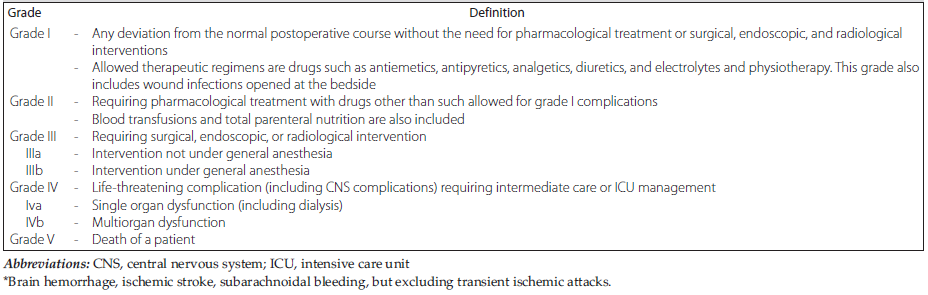
Table 1. Clavien-Dindo Classification of Surgical Complications
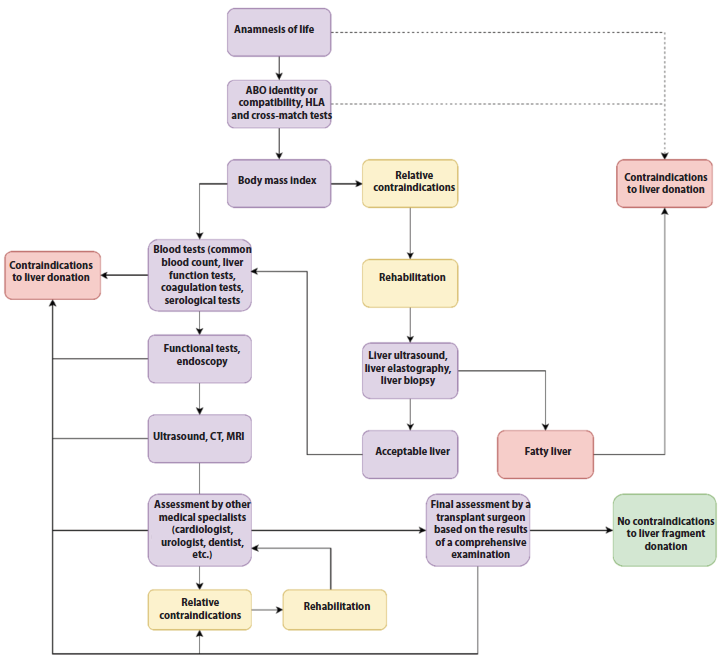
Figure 1. Algorithm for Doctors’ Actions for Living Donors
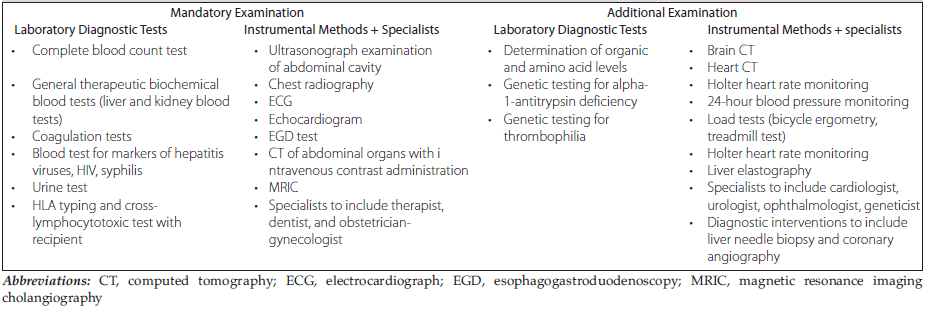
Table 2. Evaluation of Living Liver Donor Candidates
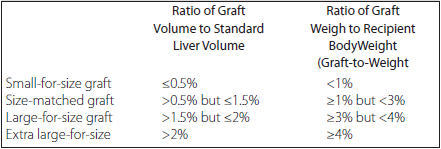
Table 3. Matching Liver Graft Size
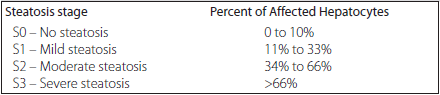
Table 4. Gradation of Liver Steatosis
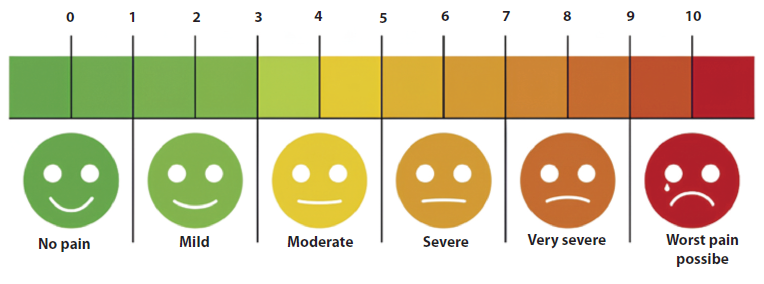
Figure 2. Subjective Pain Scores on Visual Analog Scale