Volume: 22 Issue: 8 August 2024
FULL TEXT
Objectives: We present demographic data and clinical features of corneal perforations repaired with patch grafts prepared from residual donor corneal rims.
Materials and Methods: For this retrospective study, we evaluated patients who underwent corneal perforation repair with corneal or corneoscleral patch grafts. We recorded demographic data, as well as perforation cause, examination notes, tissue type-size used, follow-up time, and additional surgeries. Anterior segment photographs were also evaluated. Transplanted tissues were prepared from residual donor corneas used in penetrating keratoplasty and were manually adjusted to the precise size of the wound.
Results: Fifteen patients were enrolled in the study. Mean age of the patients was 64.9 ± 19.7 years (range, 15-81 years) with a female-to-male ratio of 0.85. The causes of perforation were grouped as inflammation, infection, and trauma. The main indications were inflammation (n = 7; 46.7%) and infection (n = 6; 40%), followed by trauma (n = 2; 13.3%). All patients demonstrated preservation of globe integrity during the follow-up time; however, 1 patient’s eye required regrafting with limbal conjunctival excision due to melting and leakage. Three eyes required permanent tarsorrhaphy to control progressive exposure keratopathy, and 2 eyes underwent penetrating keratoplasty to cure scar-related corneal opacity.
Conclusions: Patch grafts are effective surgical interventions to assure and maintain globe integrity in corneal perforations. The main advantage seems to be that patch grafting allows special preparations for wound architecture. Moreover, in clinics performing keratoplasty, these patch tissues are readily available.
Key words : Corneal patch graft, Infectious perforation, Inflammatory perforation
Introduction
Corneal perforation is a serious emergency that may develop due to trauma, infection, or inflammation.1 It has severe complications, such as cataract formation, glaucoma development, and endophthalmitis. Ensuring ocular integrity is a priority when treating corneal perforations.2 Conservative treatments such as bandage contact lenses and a pressure patch can be used to buffer the leak. In cases where conservative approaches are insufficient, surgical treatments such as fibrin glue, multilayer amniotic membrane transplant, patch grafting of conjunctival flaps, and tectonic penetrating keratoplasty can be applied.1,3 The preferred method of treatment mostly depends on the size and location of the perforation site. Although adhesives and plugs with relatively low tissue resistance, such as the amniotic membrane, seem to be beneficial in small perforations, use of corneal tissues, especially in the repair of 2-mm and 3-mm and larger perforation areas, provides more effective and successful results.4
In the light of the fact that the number of patients waiting for transplant per 1 donor cornea in the world is still 70, corneoscleral rim application in corneal perforations seems more accessible and logical versus tectonic corneal transplant, because tectonic corneal transplant is known to have a lower success rate, especially in the acute approach.5 In addition, patch grafting in inflammatory and infectious pathologies also contributes to ensure the integrity of the globe with a healthy structure by removing necrotic debris.6
Although corneoscleral patch grafting is a known method, the number of published studies in the related literature is limited. In the present study, we present the demographic and clinical characteristics of corneal perforations that were successfully controlled with corneoscleral patch grafts.
Materials and Methods
Our study was carried out after the approval of the ethics committee and in compliance with the principles of the Declaration of Helsinki. The data of patients with corneal perforation who underwent corneal or corneoscleral patch grafting from 2016 to 2021 were evaluated retrospectively.
Age, sex, perforation etiology, first and last examination notes, tissue type used in surgery, tissue size, follow-up time, and additional surgical interventions were evaluated from the records. The clinical features of the patients were examined from the anterior segment photographs of the eyes.
All patch grafts were prepared from rims that remained after penetrating keratoplasty of donor corneas obtained from the eye bank. Rims were stored in hypothermic corneal transplant solution until the time of the surgery, and prepared grafts included full-thickness tissue. In the cases included in this study, due to the presence of perforation, full-thickness patch graft was used instead of lamellar patch graft, which is less immunogenic. After removal of the necrotic tissue in the perforation area, measurements were conducted with a caliper, and the size of the patch tissue suitable for the wound architecture was determined after marking with a sterile pen. Manual adjustment according to the architecture of the wound area was made with micro scissors and forceps. No special equipment was used (for example, no punches were used). The prepared patch grafts were transferred to the recipient bed with separate 10-0 sutures. Postoperatively, all patients were hospitalized until the wound healing was completed without any leakage, which was a minimum 5 days. After epithelial healing, apart from topical wide-spectrum antibiotic drops started on the first day, topical steroid instillation was added. A minimum of 6 months of follow-up was organized after the patients’ discharge to evaluate further complications or requirements.
Results
Fifteen patients were included in the study. The mean age was 64.9 ± 19.7 years (range, 15-81 years), and the female-to-male ratio was 0.85. The mean follow-up period was 31.5 ± 24.5 months (range, 6-61 months). The mean value for best corrected visual acuities, measured as logarithm of the minimum angle of resolution (logMAR score) was 1.80 ± 1.02 logMAR (range, 3.0-0.2 logMAR) at the first preoperative examination and 1.83 ± 1.06 logMAR (range, 3.0-0.2 logMAR) at the final follow-up examination.
Corneoscleral patches were used in 6 patients (40%), and corneal patches were used in the remaining 9 patients (60%) (Figure 1). The mean value of the longest diameter of the patch graft was 4.6 ± 1.9 mm (range, 2-8 mm). The minimum perfo-ration size was 2 mm. Major surgical indications for patch use were classified into 3 groups: infection, inflammation, and trauma. Inflammatory causes (n = 7; 46.7%) were the most common causes, followed by infectious (n = 6; 40%) and traumatic causes (n = 2; 13.3%). Details for causes of perforations are shown in Table 1.
From the patient data, we observed that the globe integrity was preserved in nearly all of the eyes during the follow-up period, except for 1 patient with rheumatoid arthritis whose eye required limbal conjunctival resection and regrafting to overcome wound leakage and graft melting at the second week (Figure 2). Although no other complications due to suture or any infective cause were observed, additional surgical procedures were required in 5 eyes: lateral permanent tarsorrhaphy (3 eyes) and penetrating keratoplasty (2 eyes) for visual rehabilitation. None of the patients developed glaucoma; however, 2 eyes required cataract surgery. Both cataract cases were unrelated to the acute perforation and were performed 6 months and 1 year, respectively, after patch grafting.
Before the patch graft procedure, 9 of the patients received amniotic membrane transplants, which could not control the perforation. No other tectonic attempts were performed (eg, no fibrin glue application), because all patients had a wound size greater than 2 mm. According to the patient data, for infectious perforations treated with wide-spectrum antibiotics and for perforations with inflammatory causes, the patients were given topical immunosup-pressants. All grafts were made after standard medical treatment proved insufficient.
Discussion
Repair of acute corneal perforations requires subs-tantial knowledge of multiple surgical approaches. When conservative interventions fail, methods such as tissue adhesive, amniotic membrane transplant, conjunctival flaps, patch grafts, and tectonic penetrating keratoplasty are applied, depending on the size of the defect.1,2 Patch grafts are crucial to successful treatment of perforations with relatively large tissue loss.7 In the present study, we observed that the patch-graft method is effective in the allocation of acute corneal perforation.
The etiology of corneal perforations shows the main causes to be inflammation, trauma, and infections. Although corneal transplant is preferred in large and central perforations, the long-term success rate for such cases is expected to be low and may require multiple transplant attempts when emergency tectonic keratoplasty is applied to the eye with intense inflammation.8,9 To overcome the corneal graft limitation, the use of patch grafts in the repair of corneal perforations has been recognized as an important option in corneal transplant clinics. In the patch-graft approach, custom-sized patches prepared in accordance with the wound architecture may provide greater success.6,10
Infectious etiologies are the main cause of corneal perforations, especially in developing countries. Colonization of microorganisms, especially those that demonstrate resistance against standard treatment agents, can cause corneal lysis with severe tissue loss that could require further interventions.1,11 In a study from India, Vanathi and colleagues12 reported that the main reason for surgical interventions secondary to perforations is keratitis. Although in the current study infectious perforation etiology seems to be highly important, the main cause remains inflammation. Rush and colleagues13 presented their results of penetrating keratoplasty in corneal perforation and defined sterile and inflammatory causes as the most common surgical indication for repair after perforation, with specific emphasis on inflammatory perforations secondary to neurotrophic keratopathy and autoimmune diseases. Inflammatory diseases may cause cytokines and chemokines in tear film to penetrate deep into corneal tissues, which may lead to loss of the barrier function of the sphere.14 In the present study, infection and inflammation were found to be the primary etiological factors. Even for successful surgery, additional procedures may be required if the excessive inflammation cannot be controlled. A patient in our study required further intervention in the form of limbal conjunctival resection and regrafting.
Another important cause of perforations is penetrating corneal injuries.15 Additional surgical procedures may be needed for such cases, especially in cases where tissue loss is present and cannot be repaired with sutures alone. Surgical methods used in penetrating injuries are tissue adhesives and amniotic membrane transplant. Although tissue adhesives seem to be successful in repair, these can be disadvantageous from time to time due to their opaque structure, potential to cause secondary inflammation, implementation difficulties, and high financial cost.1,16 Patch grafts prepared in a special size that is specific for the injured area are becoming more accessible, especially in clinics where keratoplasty is performed. In the present study, patch grafts were applied to 2 trauma-related corneal perforations.
There are also rarer causes for corneal perforations that are not included in this study. Iatrogenic reasons or other inflammation-related cases may lead to corneal perforations. Iatrogenic causes include perforations after surgeries such as glaucoma surgery and pterygium excisions.17-19 In such cases, perforation may be seen either during surgery or after dellen formation. Again, in clinics where corneal transplants are already performed, patch grafting can be an easily applicable alternative.
Various modifications have been described in the literature to increase the success of patch-graft applications. The main goal is to achieve the same architecture as the damaged tissue in its original form, by maintaining an appropriate apposition between the graft and the host. As in the present study, the general method is to use a caliper to measure the exact diameter of the damaged tissue and freehand dissection. Although Vanathi and colleagues12 reported on hand dissection, Wong and colleagues20 prepared stapled lamellar grafts using a crescent blade for clamped edges between 2 sterile fabrics. Another recommended approach is to use a trephine with an appropriate diameter. Kerenyi and Suveges21 described eccentric and biconvex keratoplasty. Although this method seems like a viable alternative, in fact, there is no established method for use of trephines, and its success rate is low. In addition, in light of the low rate of corneal donation, using almost all donor tissue does not seem to be a reasonable option. Some authors, such as Chai and colleagues,22 have used an artificial anterior chamber to generate donor tissue for the 3-dimensional structure of the wound, which again requires a complex approach. In the present study, full-thickness grafts were used rather than lamellar grafts. Rejection may be a concern for full-thickness grafts; however, the main advantage is the ease of the preparation. Lamellar dissection requires more surgical experience, and remaining rim tissues may be inappropriate for further attempts if the first procedure is not successful.
The advantage of the current study is that freehand dissection requires no special equipment and is an easily accessible method for using discarded tissue and residual tissue from donor corneas. Accessibility to the rims highlights this method, even if it requires a highly skilled surgeon with complex suturing ability to properly close the wound.
Although patch-graft applications are effective in corneal perforation repair, the procedure has some significant disadvantages, such as preparation and application of a patch according to the wound architecture, which requires substantial surgical experience. Also, as for any transplanted tissue, there remains the potential for a rejection reaction.1 We observed no rejection reaction in the current study, but this may be associated with appropriate and long-term topical steroid therapy following epithelial healing.
Likewise, in patch grafts, especially in paracentral and central transplants, high level visual acuity may be impaired due to scarring.7 In the current study, visual acuity was preserved after surgery, as judged by a comparison of the mean values demonstrated by patients preoperatively versus postoperatively; however, better visual outcomes have been reported in the literature. Vanathi and colleagues12 achieved a 1-line improvement, and Soong and colleagues23 stated differing results between cases. Although acute application of patch-graft treatment may prevent further complications, penetrating keratoplasty may be required for visual rehabilitation in the subsequent follow-up. However, as expected, graft survival is likely to be higher in this type of transplant, which is typically performed under elective conditions. In the present study, penetrating keratoplasty was applied to 2 patients to provide visual rehabilitation during their follow-up. In addition, in the case of corneal perforation as the cause of visual loss, cataract may develop with the involvement of the capsule in the acute stage or the associated intense inflammation may trigger the development of cataract in the follow-up process.24 In this study, it was observed that lens opacification progressed at a level that required cataract surgery in the first year after surgery in 2 patients.
Limitations
The main limitations of our study are (1) its retrospective nature and (2) lack of a control group. Prospective studies to compare other methods are needed.
Conclusions
Patch grafts are a valuable and effective alternative method to preserve acute sphere integrity in corneal perforations with tissue loss. The patch graft can be specially prepared according to the size of the wound and tissue loss, and tissues are easily obtained in clinics where keratoplasty is performed.
References:
- Deshmukh R, Stevenson LJ, Vajpayee R. Management of corneal perforations: an update. Indian J Ophthalmol. 2020;68(1):7-14. doi:10.4103/ijo.IJO_1151_19
CrossRef - PubMed - Jhanji V, Young AL, Mehta JS, Sharma N, Agarwal T, Vajpayee RB. Management of corneal perforation. Surv Ophthalmol. 2011;56(6):522-538. doi:10.1016/j.survophthal.2011.06.003
CrossRef - PubMed - Portnoy SL, Insler MS, Kaufman HE. Surgical management of corneal ulceration and perforation. Surv Ophthalmol. 1989;34(1):47-58. doi:10.1016/0039-6257(89)90129-x
CrossRef - PubMed - Prabhasawat P, Tesavibul N, Komolsuradej W. Single and multilayer amniotic membrane transplantation for persistent corneal epithelial defect with and without stromal thinning and perforation. Br J Ophthalmol. 2001;85(12):1455-1463. doi:10.1136/bjo.85.12.1455
CrossRef - PubMed - Gain P, Jullienne R, He Z, et al. Global survey of corneal transplantation and eye banking. JAMA Ophthalmol. 2016;134(2):167-173. doi:10.1001/jamaophthalmol.2015.4776
CrossRef - PubMed - Zhang T, Jia Y, Li S, Shi W. Individualized corneal patching for treatment of corneal trauma combined with tissue defects. J Ophthalmol. 2020;2020:8437479. doi:10.1155/2020/8437479
CrossRef - PubMed - Sharma S, Rathi A, Murthy SI, et al. Outcomes of penetrating and lamellar corneal patch grafts. Cornea. 2021;40(5):618-623. doi:10.1097/ICO.0000000000002529
CrossRef - PubMed - Zhang Q, Zhao M, Xu M, et al. Outcomes of therapeutic keratoplasty for severe infectious keratitis in Chongqing, a 16-year experience. Infect Drug Resist. 2019;12:2487-2493. doi:10.2147/IDR.S204025
CrossRef - PubMed - Barut Selver O, Karaca I, Palamar M, Egrilmez S, Yagci A. Graft failure and repeat penetrating keratoplasty. Exp Clin Transplant. 2021;19(1):72-76. doi:10.6002/ect.2017.0165
CrossRef - PubMed - Burcu A, Yalniz-Akkaya Z, Singar Ozdemir E, Ozbek-Uzman S. Donor cornea use in scleral surface reconstruction. Turk J Ophthalmol. 2021;51(4):192-198. doi:10.4274/tjo.galenos.2020.27116
CrossRef - PubMed - Barut Selver O, Egrilmez S, Palamar M, Arici M, Hilmioglu Polat S, Yagci A. Therapeutic corneal transplant for fungal keratitis refractory to medical therapy. Exp Clin Transplant. 2015;13(4):355-359. doi:10.6002/ect.2014.0108
CrossRef - PubMed - Vanathi M, Sharma N, Titiyal JS, Tandon R, Vajpayee RB. Tectonic grafts for corneal thinning and perforations. Cornea. 2002;21(8):792-797. doi:10.1097/00003226-200211000-00013
CrossRef - PubMed - Rush SW, Rush RB. Outcomes of infectious versus sterile perforated corneal ulcers after therapeutic penetrating keratoplasty in the United States. J Ophthalmol. 2016;2016:6284595. doi:10.1155/2016/6284595
CrossRef - PubMed - Sura AA, McCallum RM. Peripheral ulcerative keratitis due to systemic diseases. Curr Opin Ophthalmol. 2022;33(6):543-550. doi:10.1097/ICU.0000000000000895
CrossRef - PubMed - Xiao X, Fan W, Yang Y. A retrospective analysis of causes of corneal perforation in the Central China Region. Invest Ophthalmol Vis Sci. 2012;53(14):75.
CrossRef - PubMed - Ksiaa I, Abroug N, Kechida M, et al. Eye and Behcet’s disease. J Fr Ophtalmol. 2019;42(6):626-641. doi:10.1016/j.jfo.2018.09.027
CrossRef - PubMed - Palamar Onay M, Egrilmez S, Yagci A. Tectonic corneal grafting after corneal perforation due to pterygium surgery. Turk Oftalmoloji Gazetesi. 2011;41(6):423-425. doi:10.4274/tjo.41.68077
CrossRef - PubMed - Palamar Onay M, Egrilmez S, Yagci A. Non-recurrence complications of pterygium surgery. Turk Oftalmoloiji Dergisi. 2011;41.3:151-155. doi:10.4274/tjo.41.08208
CrossRef - PubMed - Xia T, Khouri AS. Scleral patch graft melt after tube shunt surgery: grading and identification of risk factors. J Glaucoma. 2018;27(8):717-722. doi:10.1097/IJG.0000000000000999
CrossRef - PubMed - Wong DW, Chan WK, Tan DT. Harvesting a lamellar graft from a corneoscleral button: a new technique. Am J Ophthalmol. 1997;123(5):688-689. doi:10.1016/s0002-9394(14)71082-7
CrossRef - PubMed - Kerenyi A, Suveges I. Corneal topographic results after eccentric, biconvex penetrating keratoplasty. J Cataract Refract Surg. 2003;29(4):752-756. doi:10.1016/s0886-3350(02)01894-1
CrossRef - PubMed - Chai HC, Lin HA, Tan D. C-shaped lamellar corneal patch grafts “match and patch” technique. In: Tandon R GA, Sangwan VS, Ray M, eds. Peripheral Ulcerative Keratitis: A Comprehensive Guide. Springer International Publishing; 2017:121-127.
CrossRef - PubMed - Soong HK, Farjo AA, Katz D, Meyer RF, Sugar A. Lamellar corneal patch grafts in the management of corneal melting. Cornea. 2000;19(2):126-134. doi:10.1097/00003226-200003000-00002
CrossRef - PubMed - Medsinge A, Gajdosova E, Moore W, Nischal KK. Management of inflammatory corneal melt leading to central perforation in children: a retrospective study and review of literature. Eye (Lond). 2016;30(4):593-601. doi:10.1038/eye.2015.278
CrossRef - PubMed

Volume : 22
Issue : 8
Pages : 636 - 640
DOI : 10.6002/ect.2023.0056
From the 1Kars Harakani State Hospital, Department of Ophthalmology, Kars; the 2Ege University Faculty of Medicine, Department of Ophthalmology, Izmir; and the 3Private Clinic, Izmir, Turkey
Acknowledgements: This study was presented as a poster at the Turkish Ophthalmological Association 55th National Congress, November 3-7, 2021, Antalya, Turkey. The authors have not received any funding or grants in support of the presented research or for the preparation of this work and have no declarations of potential conflicts of interest.
Corresponding author: Ozlem Barut Selver, Ege University Medical Faculty Hospital, Department of Ophthalmology, 35100 Bornova-Izmir, Turkey
E-mail: ozlem.barut.selver@ege.edu.tr
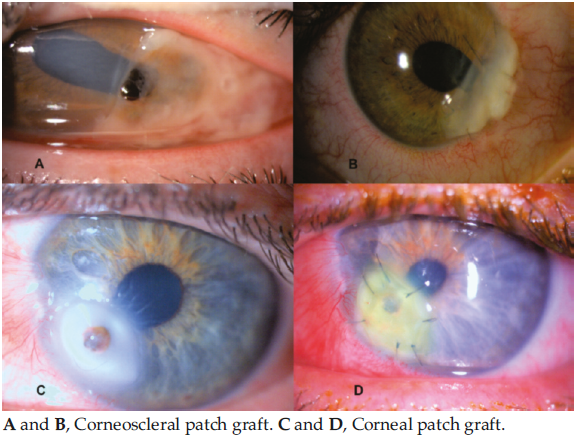
Table 1. Demographics, Operative Data and Comparisons of the Surgical Approaches in Donor Groups
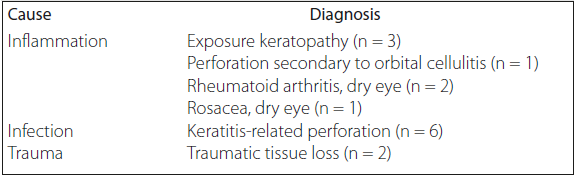
Figure 1. Left Common Bile Duct Stricture After Open Right Hepatectomy
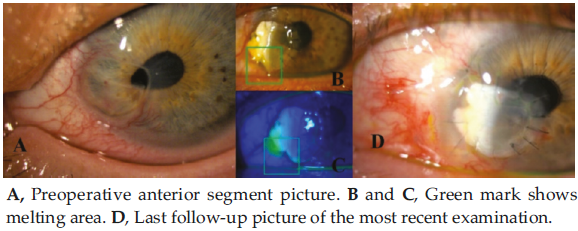
Table 2. Outcomes of Right Lobe Donors