Volume: 22 Issue: 7 July 2024
FULL TEXT
Inspiratory Muscle Training for Lung Transplant Candidates and Recipients
Abstract
Objectives: Inspiratory muscle training is used in rehabilitation to exercise respiratory muscles in various conditions associated with limited ventilatory reserve. In this review, we investigated inspiratory muscle training in lung transplant candidates and recipients.
Materials and Methods: We searched 5 primary databases from inception through April 2024. Two key word entries, “lung transplantation” and “inspiratory muscle training,” were matched using the Boolean operator AND. No filters were applied for document type, age, sex, publication date, language, and subject.
Results and Conclusions: The searched databases returned 119 citations. Seven articles that considered 64 patients (47% female) were included in the final analysis, with 1 study involving a pediatric patient. Lung transplant recipients used a threshold trainer at 15% to 60% of maximal inspiratory pressure and mostly exercised twice daily for 10 to 15 minutes per session. Lung transplant candidates exercised at 30% to >50% of maximal inspiratory pressure twice daily, performing 30 to 60 inspirations or for 15 minutes. The highest inspiratory muscle strength was observed in a series of adult lung transplant recipients whose mean value improved by 31.8 ± 14.6 cmH2O versus baseline after treatment. To the same extent, the highest value of maximal inspiratory pressure was detected in a pediatric patient who scored 180 cmH2O after training. Overall, participants obtained improvements in lung function (forced expiratory volume in 1 second, forced vital capacity), functional performance, dyspnea intensity, and exercise tolerance. Inspiratory muscle training is easy to perform and can be done at home without specific supervision (in adults) before or after a lung transplant. Nevertheless, additional rigorous investigations should aim to replicate the positive effects reported in the present review.
Key words : Lung transplantation, Physiotherapy, Respiratory muscles
Introduction
Respiratory muscle training strengthens respiratory muscles, whether inspiratory, expiratory, or both. As with all other skeletal muscles, when respiratory muscles are trained against resistance, there is an increase in strength and endurance.1 In patients with hyperinflation in particular, a mechanical disadvan-tage of muscles leads to a gradual loss of respiratory muscle strength and ventilatory reserve over time.1,2 In severe hyperinflation, the primary mechanism of mechanical disadvantage is the Hoover sign (paradoxical inspiratory indrawing of the lateral rib margin), with the contraction of the flattened diaphragm being insufficient to inflate the lungs.3 Loss of respiratory muscle strength and fatigue correlate with greater dyspnea in patients with chronic obstructive pulmonary disease (COPD).4 Moreover, studies evaluating respiratory muscle training have described positive effects on dyspnea, physical capacity, and quality of life after respiratory muscle training.1,5 The American Thoracic Society and European Respiratory Society Pulmonary Rehabilita-tion guidelines state that respiratory muscle training can provide additional benefits in patients with respiratory muscle weakness.6,7
Notably, expiratory airflow, particularly in obstructive disease, is largely effort-independent because of the Starling resistor nature of airflow in all but the early phase of exhalation.8 Expiratory muscle training strengthens expiratory muscles, which play a crucial role in forced expiration, coughing, and swallowing; indeed, it is a therapeutic option for treatment of swallowing impairments and dysphagia in patients with acute stroke and COPD and to prevent aspiration of material into the airway.9-11 It is well known that tracheostomy, long intubation duration, and venovenous perioperative extracor-poreal membrane oxygenation are risk factors for development of postoperative aspiration after lung transplant (LT).12 Therefore, there is room for imple-menting expiratory muscle training in LT recipients.
Nevertheless, in the literature, respiratory muscle training is predominantly reported as inspiratory muscle training (IMT).1 Indeed, IMT is used in reha-bilitation to exercise respiratory muscles under various pathological conditions and clinical contexts.13-25 Inspiratory muscle weakness, the increased metabolic cost of breathing, and the exacerbation of symptoms in respiratory diseases generate a vicious circle,26 and IMT can be used as a therapeutic tool.1,6,7,27 Inspiratory muscle training can be perfor-med using 2 types of trainers, resistive and threshold devices; in the first case, the resistance varies in relation to the inspiratory flow rate, whereas, in the second, it is fixed at a given value.28-32 Volume and inspiratory flow responses to IMT with a resistive trainer have been suggested to be larger than responses with a threshold device, and resistive training allows higher loads than pressure threshold loading.30
Although IMT is increasingly used in LT candi-dates and recipients, information from the literature is controversial. Here, we reviewed and summarized the literature about IMT in LT candidates and recipients and considered the associations between IMT and respiratory muscle strength, functional performance, quality of life, and lung function.
Materials and Methods
Study design
We conducted this integrative review33 by searching 5 primary databases: the US National Library of Medicine PubMed system, Scopus, Web of Science, Cochrane Library, and Cumulative Index to Nursing and Allied Health Literature (ie, CINAHL). We used the Preferred Reporting Items for Systematic Reviews and Meta-Analyses guidelines to design this review.34
Search strategy
We searched databases from their inception to April 2024. Two keyword entries, “lung transplantation” and “inspiratory muscle training,” were matched using the Boolean operator AND. In each database, the following fields were searched: PubMed (all fields); Scopus (title, abstract, keywords); Web of Science (all fields); Cochrane Library (title, abstract, keywords); and CINAHL (all text). No filters were applied for document type, age, sex, publication date, and subject. We completed the search process in April 2024.
Inclusion and exclusion criteria
To be included, citations were required to be published in English and to describe IMT in patients waiting for or after receiving LT. The following types of research were considered eligible: randomized controlled trials, observational studies, research letters, and case reports. All citations that lacked a description of IMT in patients waiting for or receiving LT and/or were published in languages other than English were not eligible for inclusion. Abstracts, conference proceedings, editorials, letters to editor, and study protocols were also unsuitable for inclusion.
Selection process
We removed duplicates from the retrieved citations and screened the remaining documents for eligibility according to the abstract content. For articles with abstracts that met the inclusion criteria, we screened the full text for suitability; once confirmed, citations were considered eligible for the final analysis. Two independent reviewers who evaluated and agreed on the results assessed the studies gathered from the literature.
Results
The search process identified 119 citations. Further analysis of the references in the retrieved articles did not return additional material to be included in the present study. After duplicates were removed, 9 documents were screened for eligibility, and 7 were included in the final analysis (Figure 1). Three of 7 studies involved LT recipients,35-37 and 4 were conducted among LT candidates.38-41 One study was observational,37 2 were interventional,35,38 1 was a randomized controlled trial,41 and 3 were single case studies,36,39,40 with 1 study involving a pediatric patient.36 The present review included 64 patients (47% female); 23 (36%) were LT recipients, and 41 (64%) were LT candidates. Among LT recipients, 11 (48%) were heart-lung transplant (HLT) recipients, 7 (30%) were single LT recipients, and 5 (22%) were double LT recipients (Table 1). In 6 of 7 studies, the same IMT trainer device (POWER breathe, POWERbreathe International Ltd) was used.35,36,38-41
Although LT recipients had greater significant improvements in functional performance than LT candidates ((Table 2), (Table 3)), studies returned heterog-eneous results. For example, in 1 study, LT candidates showed no improvement in 6-minute walking distance (6-MWD) after treatmel,38 However, in another trial, LT candidates improved 6-MWD by >70 m after treatment.41 Such changes were substa minimal clinically important difference for the 6-minute walking test in patients with respiratory diseases is estimated at 14 to 30.5 m.42,43
In addition, the 11 HLT recipients showed impro-ved functional capacity, performing better at the 6-minute walking test after treatment than LT candi-dates and recipients ((Table 2), (Table 3)). Conversely, differences in maximal inspiratory pressure (MIP) before and after IMT were comparable between LT candidates and LT recipients ((Table 2), Table 3).
Inspiratory muscle training-associated effects in lung transplant recipients
The highest value of inspiratory muscle strength was observed in a series of LT recipients who, after 4 months of IMT, improved MIP by 31.8 ± 14.6 cmH2O versus baseline (104.2 ± 14.5 cmH2O).35 In LT recipients, IMT was conducted in the context of comprehensive interventions, including physical exercise; all participants among LT recipients used a threshold trainer (Figure 2) ranging from 15% to 60% of MIP and mostly exercised twice daily for 10 to 15 minutes per session. Among LT recipients was a 13-year-old boy whose MIP increased by 63.5% after IMT (Table 1). Lung transplant recipients obtained encouraging results in other domains besides respiratory muscle strength. Indeed, studies showed that lung function and functional performance improved in individuals who participated in IMT (Table 2). The 6-MWD significantly increased in 2 studies,35,37 and improvements were also detected in forced expiratory volume in 6 seconds, forced vital capacity,36,37 and exercise tolerance.37
Inspiratory muscle training-associated effects in lung transplant candidates
The highest inspiratory muscle strength value in the publications that we reviewed was described in an LT candidate with idiopathic pulmonary fibrosis who had exercised for 2 years with IMT, reaching MIP of 180 cmH2O.40 Among LT candidates, partici-pants used a threshold trainer ranging from 30% to >50% of MIP, and all participants exercised twice daily, performing 30 to 60 inspirations or for 15 minutes (Table 1).
In LT candidates who performed IMT, variations of clinical variables of rehabilitative interest were observed (Table 3). The 6-MWD increased in 2 studies,38,41 forced expiratory volume in 1 second and forced vital capacity deteriorated over time in 2 studies,38,40 and these factors showed improvements in another study.41 The changes were compatible with the different underlying diseases, with patients with COPD38 deteriorating more than those with bronchiectasis.41
Dyspnea intensity, measured with the London Chest Activity of Daily Living scale (with higher scores indicating worse dyspnea),44 decreased after treatment, and results were consolidated at 3-month follow-up in 1 study38 (Table 3).
Quality of life also improved in a study after treatment, which showed decrease in the Saint George Respiratory Questionnaire total score, although differences were not consistent38 (Table 3).
Discussion
Inspiratory muscle training is a component of the rehabilitation for LT candidates and recipients and can be performed in a home-based care setting before or after LT. The present review found that IMT-associated effects are more noticeable in domains of rehabilitative interest, such as dyspnea, quality of life, lung function, and functional performance. At the same time, IMT is an easy-to-perform technique that adults and children can perform with a simple hands-on device. In children, supervision could be necessary to ensure that the exercise is performed properly.36 In this regard, it should be highlighted that, for adults, IMT can be performed with pressure-threshold loading or flow-resistive loading.45 In a previously published review that investigated the effects of IMT in children, IMT seemed to improve breathing mechanics, reducing dyspnea; the same study provided details of type, frequency, and intensity of training, which can be used as a reference for further insights.45
In the present review, the improvements in MIP gained by the only LT pediatric recipient were obtained by exercising with a threshold device without other forms of exercise (ie, motor activities), raising the question of whether IMT alone can improve respiratory muscle strength.36 To the same extent, 22 LT candidates who exercised exclusively with IMT obtained improvements in different domains such as dyspnea, lung function, and functional performance.38
Although respiratory muscle performance is correlated with dyspnea,18 only 1 of 7 studies inves-tigated dyspnea38 (Table 3). This aspect stimulates further reflections because dyspnea is a prevalent symptom among patients with fibrotic deformities of the lung tissue.46-48 Why does the current research not investigate dyspnea among patients undergoing IMT awaiting or receiving LT? This question should be addressed with further studies and stimulate additional clinical experiments.
Another matter of reflection is that, in the literature, there are published experiences describing clinical improvements in LT candidates and reci-pients in domains of rehabilitative interest in patients not subjected to IMT. Moreover, some confounders may occur after transplant; the phrenic nerve can be stunned, and steroids can worsen muscle strength.49
Improvements in exercise capacity, lung function, dyspnea intensity, respiratory muscle strength, and quality of life have been observed in LT recipients who have attended pulmonary rehabilitation programs without IMT.50,51 Patients in 1 study participated in an 8-week outpatient postoperative rehabilitation prog-ram 3 times per week, which included aerobic and resistance exercises,50 whereas, in another study, patients had treatment that consisted of 40-minute in-hospital daily sessions of active range-of-motion and breathing exercises that continued at home up to 3 months once patients were discharged.51
The results of those experiences give room to the assumption that motor exercise is correlated with increased respiratory muscle strength independently by the execution of IMT. On the other hand, such a hypothesis has been also confirmed in different patient populations where respiratory muscle strength had improved without the use of IMT versus patients who performed it.52
Further directions
Rehabilitation for LT candidates and recipients is continuously developing; further directions are the prediction of outcomes and treatment optimization.53 In moving toward these directions, IMT could play a role in preserving and ameliorating inspiratory muscle function-related variables, such as dyspnea, functional performance, respiratory muscle strength, and lung function.
Another area worthy of further investigation is expiratory muscle strength training in LT recipients to prevent and treat postoperative swallowing impairments and aspiration phenomena.
Limitations
The present study is not without limitations; the small number of citations retrieved and the exiguity of the population are a matter of concern. On the other hand, LT is a treatment that continues to be limited by organ availability; therefore, it is not unusual that the number of studies in such a field are small. Because of the heterogeneity of the sample and different treatment intensities, some risk for immortal time bias and survivorship bias seems probable for this review.
In addition, patient age ranged from children to adult, which limited the granularity of the conclu-sions regarding specific age and diagnosis-related differential benefits. Furthermore, multiple factors other than IMT may have enhanced inspiratory muscle function. Indeed, after successful operations, the postoperative timeframe is often characterized by improved oxygenation and the restoration of the diaphragm and intercostal muscle function54 since patients are less prone to fatigue and free from dyspnea as, for example, particularly evident in patients undergoing lung retransplant.55 In addition, IMT was eventually associated with other rehabi-litative interventions in most of the included studies; thus, isolating the IMT effects on LT candidates and recipients was impossible.
Despite the limitations, the present review provi-des an overview of the current knowledge and represents a starting point for further analyses. Indeed, because of the ease of execution and the possibility of performing IMT at home and autono-mously, interest should not be tempered by the small number of patients reported here.
Conclusions
The present review showed that IMT can be performed by both LT candidates and recipients, in both adult and pediatric patients, and can substantially increase the inspiratory muscle strength. The magnitude of other IMT-related effects is heterogeneous and should be confirmed by further investigation.
References:
- Ramli MI, Hamzaid NA, Engkasan JP, Usman J. Respiratory muscle training: a bibliometric analysis of 60 years' multidisciplinary journey. Biomed Eng Online. 2023;22(1):50. doi:10.1186/s12938-023-01103-0
CrossRef - PubMed - Rossi A, Aisanov Z, Avdeev S, et al. Mechanisms, assessment and therapeutic implications of lung hyperinflation in COPD. Respir Med. 2015;109(7):785-802. doi:10.1016/j.rmed.2015.03.010
CrossRef - PubMed - Johnston CR 3rd, Krishnaswamy N, Krishnaswamy G. The Hoover's sign of pulmonary disease: molecular basis and clinical relevance. Clin Mol Allergy. 2008;6:8. doi:10.1186/1476-7961-6-8
CrossRef - PubMed - Chiu KL, Hsieh PC, Wu CW, Tzeng IS, Wu YK, Lan CC. Exercise training increases respiratory muscle strength and exercise capacity in patients with chronic obstructive pulmonary disease and respiratory muscle weakness. Heart Lung. 2020;49(5):556-563. doi:10.1016/j.hrtlng.2020.03.005
CrossRef - PubMed - Morgan SP, Visovsky C, Thomas B, Klein AB. Respiratory muscle strength training in patients post-COVID-19: a systematic review. Clin Nurs Res. 2024;33(1):60-69. doi:10.1177/10547738231201994
CrossRef - PubMed - Nici L, Donner C, Wouters E, et al. American Thoracic Society/European Respiratory Society statement on pulmonary rehabilitation. Am J Respir Crit Care Med. 2006;173(12):1390-1413. doi:10.1164/rccm.200508-1211ST
CrossRef - PubMed - Spruit MA, Singh SJ, Garvey C, et al. An official American Thoracic Society/European Respiratory Society statement: key concepts and advances in pulmonary rehabilitation. Am J Respir Crit Care Med. 2013;188(8):e13-e64. doi:10.1164/rccm.201309-1634ST
CrossRef - PubMed - Pride NB, Permutt S, Riley RL, Bromberger-Barnea B. Determinants of maximal expiratory flow from the lungs. J Appl Physiol. 1967;23(5):646-662. doi:10.1152/jappl.1967.23.5.646
CrossRef - PubMed - Moon JH, Jung JH, Won YS, Cho HY, Cho K. Effects of expiratory muscle strength training on swallowing function in acute stroke patients with dysphagia. J Phys Ther Sci. 2017;29(4):609-612. doi:10.1589/jpts.29.609
CrossRef - PubMed - Cvejic L, Bardin PG. Swallow and aspiration in chronic obstructive pulmonary disease. Am J Respir Crit Care Med. 2018;198(9):1122-1129. doi:10.1164/rccm.201804-0704PP
CrossRef - PubMed - Mancopes R, Smaoui S, Steele CM. Effects of expiratory muscle strength training on videofluoroscopic measures of swallowing: a systematic review. Am J Speech Lang Pathol. 2020;29(1):335-356. doi:10.1044/2019_AJSLP-19-00107
CrossRef - PubMed - Dallal-York J, Segalewitz T, Croft K, et al. Incidence, risk factors, and sequelae of dysphagia mediated aspiration following lung transplantation. J Heart Lung Transplant. 2022;41(8):1095-1103. doi:10.1016/j.healun.2022.05.001
CrossRef - PubMed - Bissett B, Leditschke IA, Green M, Marzano V, Collins S, Van Haren F. Inspiratory muscle training for intensive care patients: a multidisciplinary practical guide for clinicians. Aust Crit Care. 2019;32(3):249-255. doi:10.1016/j.aucc.2018.06.001
CrossRef - PubMed - Vorona S, Sabatini U, Al-Maqbali S, et al. Inspiratory muscle rehabilitation in critically ill adults. A systematic review and meta-analysis. Ann Am Thorac Soc. 2018;15(6):735-744. doi:10.1513/AnnalsATS.201712-961OC
CrossRef - PubMed - Roceto Ratti LDS, Marques Tonella R, Castilho de Figueir do L, Bredda Saad IA, Eiras Falcão AL, Martins de Oliveira PP. Inspiratory muscle training strategies in tracheostomized critically ill individuals. Respir Care. 2022;67(8):939-948. doi:10.4187/respcare.08733
CrossRef - PubMed - Polastri M, Palau P, Pehlivan E. Inspiratory muscle training in the rehabilitation of patients with COVID-19. Int J Ther Rehabil. 2022;29(9):1-4. doi:10.12968/ijtr.2022.0125
CrossRef - PubMed - Aquino TN, Prado JP, Crisafulli E, Clini EM, Galdino G. Efficacy of respiratory muscle training in the immediate postoperative period of cardiac surgery: a systematic review and meta-analysis. Braz J Cardiovasc Surg. 2024;39(1):e20220165. doi:10.21470/1678-9741-2022-0165
CrossRef - PubMed - Schaeffer MR, Louvaris Z, Rodrigues A, et al. Effects of inspiratory muscle training on exertional breathlessness in patients with unilateral diaphragm dysfunction: a randomised trial. ERJ Open Res. 2023;9(5):00300-2023. doi:10.1183/23120541.00300-2023
CrossRef - PubMed - Defi IR, Otafirda MV, Novitri N, Rachmi A. Feasibility of inspiratory muscle training as a rehabilitation program for chronic kidney disease patients in a developing country. Eur Rev Med Pharmacol Sci. 2023;27(18):8330-8339. doi:10.26355/eurrev_202309_33755
CrossRef - PubMed - Ozcan Kahraman B, Tanriverdi A, Savci S, et al. Effects of inspiratory muscle training in patients with pulmonary hypertension. Am J Cardiol. 2023;203:406-413. doi:10.1016/j.amjcard.2023.06.097
CrossRef - PubMed - van Kleef ES, Langer D, van Engelen BG, Ottenheijm CA, Voermans NC, Doorduin J. Inspiratory muscle training in nemaline myopathy. J Neuromuscul Dis. 2023;10(5):825-834. doi:10.3233/JND-221665
CrossRef - PubMed - Woods A, Gustafson O, Williams M, Stiger R. The effects of inspiratory muscle training on inspiratory muscle strength, lung function and quality of life in adults with spinal cord injuries: a systematic review and meta-analysis. Disabil Rehabil. 2023;45(17):2703-2714. doi:10.1080/09638288.2022.2107085
CrossRef - PubMed - Lista-Paz A, Bouza Cousillas L, Jácome C, et al. Effect of respiratory muscle training in asthma: a systematic review and meta-analysis. Ann Phys Rehabil Med. 2023;66(3):101691. doi:10.1016/j.rehab.2022.101691
CrossRef - PubMed - Aydin G, Yeldan I, Akgul A, Ipek G. Effects of inspiratory muscle training versus calf muscle training on quality of life, pain, venous function and activity in patients with chronic venous insufficiency. J Vasc Surg Venous Lymphat Disord. 2022;10(5):1137-1146. doi:10.1016/j.jvsv.2022.04.012
CrossRef - PubMed - Saka S, Gurses HN, Bayram M. Effect of inspiratory muscle training on dyspnea-related kinesiophobia in chronic obstructive pulmonary disease: a randomized controlled trial. Complement Ther Clin Pract. 2021;44:101418. doi:10.1016/j.ctcp.2021.101418
CrossRef - PubMed - Polastri M, Pisani L, Dell'Amore A, Nava S. Revolving door respiratory patients: a rehabilitative perspective. Monaldi Arch Chest Dis. 2017;87(3):857. doi:10.4081/monaldi.2017.857
CrossRef - PubMed - Aliverti A. The respiratory muscles during exercise. Breathe (Sheff). 2016;12(2):165-168. doi:10.1183/20734735.008116
CrossRef - PubMed - Houston BW, Mills N, Solis-Moya A. Inspiratory muscle training for cystic fibrosis. Cochrane Database Syst Rev. 2013;(11):CD006112. doi:10.1002/14651858.CD006112.pub3
CrossRef - PubMed - Wu W, Zhang X, Lin L, et al. Transdiaphragmatic pressure and neural respiratory drive measured during inspiratory muscle training in stable patients with chronic obstructive pulmonary disease. Int J Chron Obstruct Pulmon Dis. 2017;12:773-781. doi:10.2147/COPD.S126354
CrossRef - PubMed - Van Hollebeke M, Pleysier S, Poddighe D, et al. Comparing two types of loading during inspiratory muscle training in patients with weaning difficulties: an exploratory study. Aust Crit Care. 2023;36(4):622-627. doi:10.1016/j.aucc.2022.07.001
CrossRef - PubMed - Van Hollebeke M, Gosselink R, Langer D. Training specificity of inspiratory muscle training methods: a randomized trial. Front Physiol. 2020;11:576595. doi:10.3389/fphys.2020.576595
CrossRef - PubMed - Langer D, Charususin N, Jácome C, et al. Efficacy of a novel method for inspiratory muscle training in people with chronic obstructive pulmonary disease. Phys Ther. 2015;95(9):1264-1273. doi:10.2522/ptj.20140245
CrossRef - PubMed - Whittemore R, Knafl K. The integrative review: updated methodology. J Adv Nurs. 2005;52(5):546-553. doi:10.1111/j.1365-2648.2005.03621.x
CrossRef - PubMed - Page MJ, McKenzie JE, Bossuyt PM, et al. The PRISMA 2020 statement: an updated guideline for reporting systematic reviews. Int J Surg. 2021;88:105906. doi:10.1016/j.ijsu.2021.105906
CrossRef - PubMed - Graur N, Dickstein R, Weiner P, Weiss I, Kramer MR. Pulmonary rehabilitation and inspiratory muscle training for patients following lung transplantation: a pilot study. Physiother Pract Res. 2022;43(1):27-35. doi:10.3233/PPR-210574
CrossRef - PubMed - Yamaga T, Yamamoto S, Sakai Y, Ichiyama T. Effects of inspiratory muscle training after lung transplantation in children. BMJ Case Rep. 2021;14(7):e241114. doi:10.1136/bcr-2020-241114
CrossRef - PubMed - Ambrosino N, Bruschi C, Callegari G, et al. Time course of exercise capacity, skeletal and respiratory muscle performance after heart-lung transplantation. Eur Respir J. 1996;9(7):1508-1514. doi:10.1183/09031936.96.09071508
CrossRef - PubMed - Hoffman M, Augusto VM, Eduardo DS, Silveira BMF, Lemos MD, Parreira VF. Inspiratory muscle training reduces dyspnea during activities of daily living and improves inspiratory muscle function and quality of life in patients with advanced lung disease. Physiother Theory Pract. 2021;37(8):895-905. doi:10.1080/09593985.2019.1656314
CrossRef - PubMed - Herrera-Olivares AM, García-Manso JM, Rodríguez-Gómez I, Ara I, Lucia A, Santalla A. Long-term benefits of tailored exercise in severe sarcoidosis: a case report. Int J Environ Res Public Health. 2020;17(24):9512. doi:10.3390/ijerph17249512
CrossRef - PubMed - Naranjo-Orellana J, Santalla A. Long-term combined training in idiopathic pulmonary fibrosis: a case study. Int J Environ Res Public Health. 2020;17(14):5091. doi:10.3390/ijerph17145091
CrossRef - PubMed - Pehlivan E, Mutluay F, Balci A, Kiliç L. The effects of inspiratory muscle training on exercise capacity, dyspnea and respiratory functions in lung transplantation candidates: a randomized controlled trial. Clin Rehabil. 2018;32(10):1328-1339. doi:10.1177/0269215518777560
CrossRef - PubMed - Bohannon RW, Crouch R. Minimal clinically important difference for change in 6-minute walk test distance of adults with pathology: a systematic review. J Eval Clin Pract. 2017;23(2):377-381. doi:10.1111/jep.12629
CrossRef - PubMed - Nathan SD, du Bois RM, Albera C, et al. Validation of test performance characteristics and minimal clinically important difference of the 6-minute walk test in patients with idiopathic pulmonary fibrosis. Respir Med. 2015;109(7):914-922. doi:10.1016/j.rmed.2015.04.008
CrossRef - PubMed - Muller JP, Gonçalves PA, Fontoura FF, Mattiello R, Florian J. Applicability of the London Chest Activity of Daily Living scale in patients on the waiting list for lung transplantation. J Bras Pneumol. 2013;39(1):92-97. doi:10.1590/s1806-37132013000100013
CrossRef - PubMed - Bhammar DM, Jones HN, Lang JE. Inspiratory muscle rehabilitation training in pediatrics: what is the evidence? Can Respir J. 2022;2022:5680311. doi:10.1155/2022/5680311
CrossRef - PubMed - Lee HJ, Kim SR. COVID-19 organizing pneumonia with sudden dyspnea in an asymptomatic survivor. Respirol Case Rep. 2024;12(2):e01300. doi:10.1002/rcr2.1300
CrossRef - PubMed - Asif H, Ribeiro Neto M, Culver D. Pulmonary fibrosis in sarcoidosis. Sarcoidosis Vasc Diffuse Lung Dis. 2023;40(3):e2023027. doi:10.36141/svdld.v40i3.14830
CrossRef - PubMed - Glass DS, Grossfeld D, Renna HA, et al. Idiopathic pulmonary fibrosis: current and future treatment. Clin Respir J. 2022;16(2):84-96. doi:10.1111/crj.13466
CrossRef - PubMed - Nava S, Fracchia C, Callegari G, Ambrosino N, Barbarito N, Felicetti G. Weakness of respiratory and skeletal muscles after a short course of steroids in patients with acute lung rejection. Eur Respir J. 2002;20(2):497-499. doi:10.1183/09031936.02.01732002
CrossRef - PubMed - Candemir I, Ergun P, Kaymaz D, et al. The efficacy of outpatient pulmonary rehabilitation after bilateral lung transplantation. J Cardiopulm Rehabil Prev. 2019;39(4):E7-E12. doi:10.1097/HCR.0000000000000391
CrossRef - PubMed - Sato T, Sato S, Oshima Y, et al. Impact of inspiratory muscle strength on exercise capacity after lung transplantation. Physiother Res Int. 2022;27(3):e1951. doi:10.1002/pri.1951
CrossRef - PubMed - Polastri M, Carbonara P, Prediletto I, et al. Effects of early rehabilitation on motor function, dyspnoea, respiratory muscle performance and handgrip strength in patients with COVID-19: an observational study. Int J Ther Rehabil. 2022;29(8):1-13. doi:10.12968/ijtr.2021.0169
CrossRef - PubMed - Polastri M, Paganelli GM. Predicting outcomes, describing complications and optimising rehabilitation in patients undergoing lung transplantation. Int J Ther Rehabil. 2023;30(10):1-4. doi:10.12968/ijtr.2023.0114
CrossRef - PubMed - Polastri M, Venturini E, Pastore S, Dell'Amore A. Do chest expansion exercises aid re-shaping the diaphragm within the first 72 hours following lung transplantation in a usual interstitial pneumonia patient? Physiother Res Int. 2015;20(3):191-196. doi:10.1002/pri.1620
CrossRef - PubMed - Polastri M, Reed RM. Rehabilitative goals for patients undergoing lung retransplantation. J Yeungnam Med Sci. 2024;41(2):134-138. doi:10.12701/jyms.2024.00241
CrossRef - PubMed

Volume : 22
Issue : 7
Pages : 479 - 486
DOI : 10.6002/ect.2024.0073
From the 1Department of Continuity of Care and Integration, Physical Medicine and Rehabilitation, IRCCS Azienda Ospedaliero-Universitaria di Bologna, Bologna, Italy; the 2Department of Physical Therapy and Rehabilitation, University of Health Sciences Turkey, Faculty of Hamidiye Health Sciences, Istanbul, Turkey; and the 3Department of Pulmonary and Critical Care Medicine, University of Maryland School of Medicine, Baltimore, Maryland, USA
Acknowledgements: The authors have not received any funding or grants in support of the presented research or for the preparation of this work and have no declarations of potential conflicts of interest.
Corresponding author: Massimiliano Polastri, IRCCS Azienda Ospedaliero-Universitaria di Bologna, Via G. Massarenti 9, Bologna 40138, Italy
Phone: +39 051 214 4980
E-mail:gbptap1@gmail.com
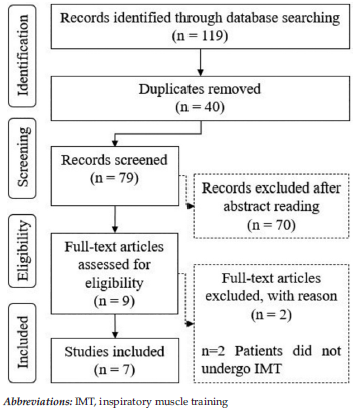
Figure 1.Search Process for Identification of Included Studies
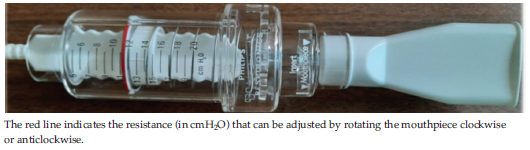
Figure 2.Threshold Trainer for Inspiratory Muscle Training
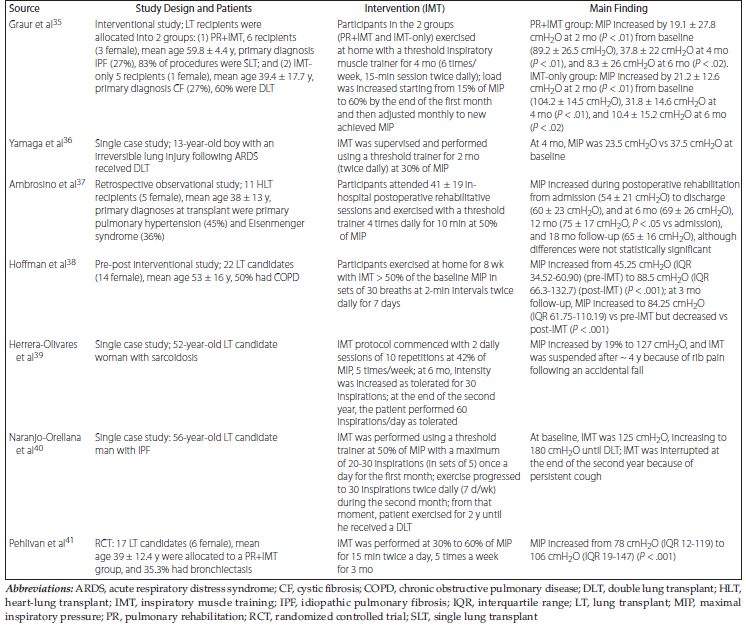
Table 1.Characteristics of the Included Studies and Main Findings
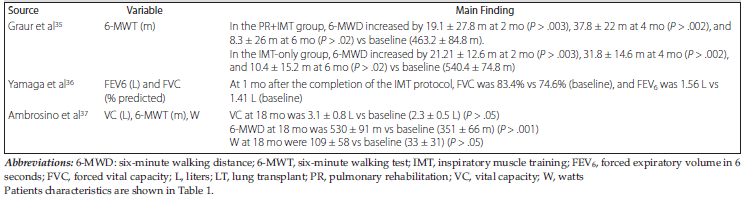
Table 2.Functional Performance and Lung Function in LT Recipients
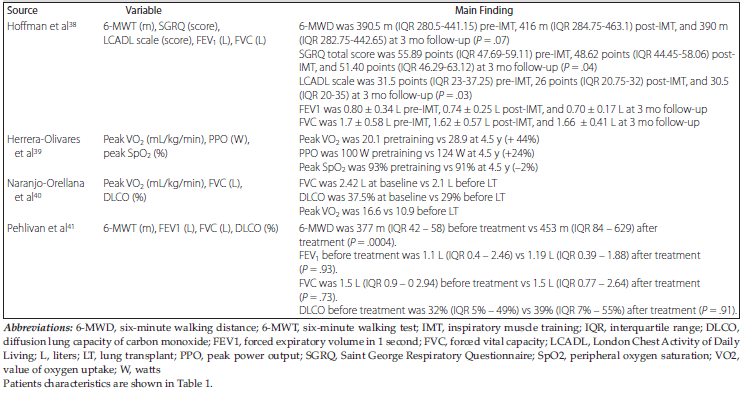
Table 3.Functional Performance, Quality of Life, Dyspnea Intensity, and Lung Function in LT Candidates