Volume: 22 Issue: 6 June 2024
FULL TEXT
Objectives: Numerous studies have been conducted to investigate the effects of preoperative hyponatremia on survival after liver transplantation. The variable findings underscore the necessity for performing a systematic review to elucidate the potential effects of preoperative hyponatremia.
Materials and Methods: We searched PubMed, Scopus, Web of Science, Science Direct, Cochrane Library, and reference lists of articles for observational cohort studies that reported association between preopera-tive hyponatremia and survival after liver transplant in adults regardless of publication year. We used the random-effect model to pool the extracted data for meta-analysis.
Results: Meta-analyses of mean difference in serum sodium levels showed that nonsurviving recipients had 2.58 mEq/L lower preoperative serum sodium levels than surviving recipients (0.02; 95% CI, .33-4.83). Two observational methods were used to assess survival after liver transplant of patients with preoperative hyponatremia. According to meta-analyses, no dif-ference in survival was shown between recipients with and without preoperative hyponatremia (sodium> 130 mEq/L) (≤1 month : 0.69 [95% CI, 0.9-1.07], 3-month survival: 0.54 [95% CI, 0.95-1.02]). Second, when we compared posttransplant survival of recipients with preoperative hypo-natremia versus those with normal serum sodium levels (sodium = 130-145 mEq/L), we found that recipients with preoperative hyponatremia had lower survival after liver transplant than those with normal preoperative serum sodium levels.
Conclusions: Liver transplant recipients with preop-erative hyponatremia probably have shorter survival posttransplant than those with normal preoperative serum sodium level.
Key words : Hepatic transplantation, Mortality, Preop-erative care
Introduction
The global concern regarding the treatment of end-stage liver disease is evident, as end-stage liver disease resulted in >1 million deaths in 2010, accounting for approximately 2% of all reported deaths.1,2 Liver transplantation is a vital treatment for patients with end-stage liver disease. Liver transplant facilitates the restoration of typical daily routines for patients and enhances their life expectancy by an average of 15 years.3-5
The rising prevalence of liver transplants in the United States and globally has garnered significant concern. Studies have reported 1-year mortality rate of 7.8% to 16% for liver transplant recipients in the United States and Europe.6,7 Consequently, there has been a surge of research on preoperative, operative, and postoperative prognostic factors that may influence liver transplant outcomes.8-12
The hypothesis that decreased levels of serum sodium may serve as an indicator for patients in an advanced disease stage on the liver transplant wait list prompted additional research into the effects of preoperative hyponatremia on posttransplant survival.13-15 Consequently, a hypothesis has been put forth regarding the potential influence of preo-perative hyponatremia on survival of recipients after liver transplant.16
Dilatational hyponatremia is frequently observed in individuals diagnosed with cirrhosis and end-stage liver disease.17,18 Several observational studies have examined the association between preoperative hyponatremia and short-term and long-term survival after liver transplant. However, the findings appear to be inconsistent.19-22
This systematic review and meta-analysis was conducted to address the discrepancy between reported findings and the inquiry regarding the potential correlation between preoperative hypona-tremia and survival after liver transplant.
Materials and Methods
We conducted the study in accordance with the MOOSE reporting guidelines for meta-analyses of observational studies23 and registered the study with the International Prospective Register of Systematic Reviews (CRD42022373270).
Information sources
We conducted literature selection in November 2022, with a specific emphasis on studies that examined and compared survival rates of patients with and without preoperative hyponatremia. Furthermore, we analyzed studies that evaluated the mean preoperative serum sodium levels of patients who survived and did not survive posttransplant.
For this purpose, we conducted an electronic search of the literature using the online databases Cochrane Library, PubMed, Scopus, Web of Science, and Science Direct, entering the query terms developed using medical subject headings (“hyponatremia” OR “hyponatremias” OR “sodium”) AND (“liver transplant” OR “liver transplants” OR “liver transplantation” OR “liver transplantations” OR “liver grafting” OR “liver graft” OR “liver grafts” OR “liver graftings” OR “hepatic transplantation” OR “hepatic transplantations” OR “hepatic transplant” OR “hepatic transplants” OR “hepatic graft” OR “hepatic grafts” OR “hepatic grafting” OR “hepatic graftings”) AND (survival OR survivals OR mortality OR mortalities OR fatality OR death). We also manually searched references of the selected studies.
We also contacted all correspondents who did not provide the mean serum sodium ± SD level or the number of surviving patients and requested sup-plementary details. Regrettably, their response was not affirmative.
Study selection
We conducted a systematic search to identify English language cohort articles that investigated the effects of preoperative serum sodium levels on survival after liver transplant. Our search covered all available years of publication. Our study encompassed all research conducted on survival of adults who underwent living donor or deceased donor liver transplant.
The inclusion criteria were established to ensure consistency and minimize bias among the selected studies. In line with the International Club of Ascites criterion,18 widely adopted in most studies, a sodium level of <130 mEq/L threshold for hyponatremia in patients with end-stage liver disease was chosen. Exclusion criteria encompassed studies that established a threshold value for hyponatremia divergent from 130 mEq/L.
We excluded abstracts and conference papers, as these sources often lack the comprehensive details necessary for our analysis. We also omitted articles focused solely on pediatric patients, as our research specifically pertained to adult populations. We disregarded articles that solely reported graft survival without considering recipient survival, as our investigation aimed to examine the overall survival outcomes after transplant. As already mentioned, we excluded articles that defined a serum sodium level cut-off for hyponatremia in patients with cirrhosis that deviated from the widely accepted threshold of 130 mEq/L.
The main focus of the meta-analysis was survival rate after liver transplant. Follow-up periods were expected to encompass a range from days to years.
Data extraction and quality assessment
We included articles through a 2-step process to assess their alignment with the stated eligibility criteria. The initial stage involved screening titles and abstracts; the next step consisted of a comprehensive evaluation of the full-text content. Two investigators (FKN and MA) carried out the process independently. The assessment of inter-rater reliability, measured by Cohen kappa coefficient, revealed a value of over 94%. This indicated a high level of agreement between the reviewers, approaching near perfection.24 The research guarantor (MAS) was responsible for resolving any disagreements. The process of extracting data was conducted using a standardized form that was derived from the Joanna Briggs Institute (JBI) Data Extraction Form for Systematic Reviews and Research Syntheses.25,26 The extracted data were exported to a Microsoft Excel spreadsheet. The quality of the included articles was assessed using the JBI critical assessment checklist for cohort studies.
Data synthesis
After literature screening process, we categorized included articles into 3 distinct groups according to their study design and reported outcomes. (1) Articles included information on mean preoperative serum sodium levels among recipients who survived and those who did not survive. Two distinct meta-analyses were conducted on articles that tracked patients for <3 months and on articles that reported 3-month survival rates. The objective was to assess the mean difference in preoperative serum sodium levels among these articles. (2) Articles stated information on the survival rates of patients in 2 distinct groups: those with preoperative hypo-natremia and those without. The follow-up periods varied, ranging from 1 month or less (included in 1 group), 3 and 6 months, and 1 and 3 years. Two distinct meta-analyses were conducted on papers that presented survival outcomes at 1-month and 3-month intervals. Additional studies with extended follow-up periods were included in the review because of the insufficient number of studies available for conducting a meta-analysis. (3) Articles only provided univariate or multivariate analysis results on the association between preoperative serum sodium levels and survival after liver transplant. The inclusion of these results in the meta-analysis was not feasible. At this stage of our study, we reviewed these articles and compared the findings from these studies with results obtained from meta-analyses of other articles.
All studies included in survival meta-analyses, except 2, reported the number of patients who survived among those with and without hypo-natremia (including hypernatremic recipients). Wang and colleagues and Dawwas and colleagues excluded hypernatremic recipients from their analysis but reported related data.21,27 Inevitability, for these 2 studies, we combined data of hypernatremic reci-pients with normonatremic recipients to build the nonhyponatremic group and to uniform these 2 studies with other studies included in meta-analyses.Statistical analyses
To uniform the results of included studies for meta-analyses, we converted outcomes reported as median (range or interquartile range [IQR]) to mean ± SD. We considered the median as the mean and calculated SD with the range × 1/4 or 1/6 and the IQR × 3/4.28 We used STATA version 16.0 for statistical analyses.29 The effect size of preoperative serum sodium level was reported as mean ± SD difference in the surviving and nonsurviving groups. The risk ratio was also determined for articles that reported the number of surviving patients in groups with and without preoperative hyponatremia. The statistical heterogeneity was determined using the Cochran Q test (the statistic with >50% and Cochrane Q test as P < .1). We used the random-effects model (with restricted maximum likelihood) to pool the weighted mean differences and 95% CIs. We assessed potential evidence of publication bias using Egger regression and Begg funnel plots, with P < .05, suggesting publication bias. The sensitivity of meta-analyses was assessed with the leave-1-out test to detect the variation of results after the deletion of each study from the meta-analysis.
Results
A comprehensive search of the electronic databases yielded a total of 1820 articles. After we conducted an in-depth assessment of the whole text, 19 articles met the eligibility criteria and were included in the review. An additional 7 publications were discovered by conducting a citation search on the aforemen-tioned studies. After a thorough examination of the entire texts, 4 of these articles met the predetermined eligibility requirements. The review included a selection of 23 articles (Figure 1). Six publications in the participating research categorized their patients according to survival outcomes. These studies documented the average preoperative serum sodium levels in both the groups of patients who survived and those who did not survive. Nine papers categorized the enrolled patients into 2 groups based on the presence or absence of preoperative hyponatremia and reported the number of patients who survived after transplant. The remaining 7 publications elucidated the association between preoperative serum sodium levels and survival after liver transplant. These studies presented hazard ratios and 95% CI.
Characteristics of selected studies
The characteristics of the selected studies are outlined in Table 1, which provides an overview of the 23 research results that were included in this systematic review and meta-analysis. The total number of enrolled individuals, follow-up length, and outcome (mean level of preoperative serum sodium, survival rate, or sodium hazard ratio for mortality) are listed for each study.
Survival after liver transplant
Figure 2 and Figure 3 demonstrate the meta-analyses findings. A significant association was shown between mean serum sodium level and survival of less than 3 months after liver transplant (Figure 2). No significant association was shown between mean serum sodium (2.75; 95% CI, -1.19 to 6.69) and 3-month survival after liver transplant. No signi-ficant association was shown between preoperative hyponatremia and 1-month (0.98; 95% CI, 0.90-1.07) or 3-month (0.98; 95% CI, 0.95-1.02) survival after liver transplant compared with nonhyponatremic recipients (Figure 3).
Quality assessment
To assess the risk of bias and the quality of the studies, the JBI critical appraisal checklist for cohort studies was utilized. All studies included in our systematic review and meta-analyses had similar groups, and exposure and outcome were quantified similarly and using a legitimate method. All included studies had adequate follow-up time; 20 had a complete follow-up and 3 had an incomplete or ambiguous follow-up. In these 3 studies, the strategies for dealing with incomplete follow-up were unclear. Appropriate statistical analyses were used in all of the studies. All included studies were of high quality, according to the JBI checklist (Table 2).
Risk of bias
P values derived using Egger regression on studies that assessed the association between mean preope-rative serum sodium level and survival were .67 and .04 for survival of 3 months and <3 months, respectively. P values for Egger regression in trials that compared 3-month and <1-month survival in recipients with and without hyponatremia were .66 and .15, respectively. Except for studies that evaluated the association between mean serum sodium and survival of <3 months, these findings revealed no evidence of publication bias. According to Begg funnel plots (Figure 4 and Figure 5), this borderline P value of .04 might be insignificant.
Sensitivity analysis
The leave-1-out sensitivity analysis indicated that results of our meta-analyses were not dependent on a single study (Table 3).
Discussion
The most recent guidelines published by the American Association for the Study of Liver Disease and the American Society of Transplantation hinted at preoperative hyponatremia to be a predictor of neurological impairment after liver transplant and wait list mortality.30-32 Several studies have examined the negative consequences of preoperative hypona-tremia on postoperative outcomes, claiming that it can dramatically increase postoperative mortality.33,34 Some studies, however, have found that the risk of mortality after liver transplant is unrelated to preoperative hyponatremia.20,35
The present meta-analysis offers a robust infe-rence by incorporating a total of 34 240 cases derived from all the cohort studies that assessed the influence of preoperative hyponatremia on survival after liver transplant. Documented preoperative serum sodium levels were exclusively explored, excluding any other time points along the progression of the disease. In addition, we categorized publications based on comparable durations of follow-up to elucidate the potential association between preoperative hypo-natremia and various time frames of survival after liver transplant.
Two independent meta-analyses were conducted for our study. The first meta-analysis focused on articles that presented 3-month survival rates for liver transplant recipients who were either hyponatremic or nonhyponatremic.20,27,31,33,35,36 The second meta-analysis examined articles reporting survival rates of ≤1 month for recipients of liver transplant.21,34,37 Both meta-analyses yielded no significant survival differences between recipients with and without preoperative hyponatremia. It is notable to state that individuals who had preoperative hypernatremia, defined as having a blood sodium level >145 mEq/L, were classified as part of the nonhyponatremic group in all of the aforementioned papers.
According to prior research, individuals who had hypernatremia demonstrated inferior outcomes after liver transplant.27 Moreover, previous studies indicated that individuals who have hyponatremia before liver transplant have decreased likelihood of both short-term and long-term survival compared with recipients with normal sodium levels.20,21,27 Hence, it may be inferred that the inclusion of hypernatremic recipients in nonhyponatremic groups may have resulted in a fall in survival rates within the nonhyponatremic groups so that the survival rates of hyponatremic and nonhyponat-remic individuals became similar in the analysis.
Two further meta-analyses were conducted on articles that presented mean differences in preo-perative serum sodium levels between recipients who survived and those who did not survive. In the first meta-analysis, 3-month survival rate was not influenced by preoperative serum sodium levels.19,22,38 This finding can be attributed to the potential inclusion of hypernatremic individuals in the nonsurvival group. However, another meta-analysis revealed that individuals who received liver transplants and had greater levels of pretransplant serum sodium exhibited more favorable survival rates during a period of <3 months.16,39,40 In this meta-analysis, the preoperative serum sodium level was 2.58 mEq/L higher in recipients who survived than patients who did not survive.
Furthermore, data on survival rates of hypo-natremic liver transplant recipients were collected from studies that were not included in the meta-analyses. A subsequent review was conducted to compare the outcomes of these studies with the results obtained from the survival meta-analyses.
Survival of ≤1 month
Leise and colleagues conducted a study on survival rates of liver transplant recipients 1 month after the procedure. They specifically excluded recipients with hypernatremia and found a significant difference in survival rates between recipients with preoperative hyponatremia and those with normonatremia.20 This finding is not incompatible with the meta-analysis that found no significant difference in the survival rates between recipients with hyponatremia and those without hyponatremia.
Survival of 3 months and 6 months
Four studies examined survival rates at 3 months,41-44 and 3 studies focused on survival rates at 6 months.37,44,45 These studies specifically compared survival rates between recipients with hyponatremia and recipients without hyponatremia. The findings consistently indicated no significant differences in survival rates between the 2 groups. In addition, the findings aligned with outcomes reported in a meta-analysis examining the 3-month survival rates among liver transplant recipients with and without hyponatremia.
Survival of 1 year
Of 7 studies that examined 1-year survival, 4 studies did not include recipients with preoperative hyper-natremia in their analysis and found a substantial difference in 1-year survival after liver transplant between recipients with low sodium levels and recipients with normal sodium levels.20,27,46,47 Two other studies found no difference in survival at 1 year after liver transplant between hyponatremic and nonhyponatremic recipients.44,48 Only the trial conducted by Karapanagiotou and colleagues found a statistically significant decrease in 1-year survival among liver transplant recipients with low serum sodium levels compared with those without low sodium levels.34 The restricted enrollment of only 75 participants in the study may have increased the possibility of bias in the findings.
Survival of 3 years
Dawwas and colleagues was the sole study that assessed the effects of preoperative hyponatremia on 3-year survival. Recipients with hypernatremia before liver transplant were not included in their statistical study. They observed a significant difference in 3-year survival after liver transplant between hyponatremic and normonatremic recipients.27
Before any conclusions are made, it is essential to note that decompensated liver cirrhosis is associated with the development of portal hypertension, ascites, and dilatational hyponatremia. A prospective cohort study was conducted on patients with cirrhosis to investigate the chain of negative consequences starting from ascites and leading to hyponatremia, refractory ascites, and hepatorenal syndrome (HRS).49 The progression of hyponatremia and HRS is an advanced stage of decompensated cirrhosis and is associated with a worse prognosis of patients with cirrhosis on wait lists.32,50 Therefore, hyponatremia is a ring of a chain arising from the advanced stage of decompensated cirrhosis, leading to poor outcomes. The observed differences in survival after liver transplant between patients with and without preoperative hyponatremia, as observed in the analysis of many research, do not necessarily imply that correcting hyponatremia will enhance survival after liver transplant; the effects of correcting preoperative hyponatremia on survival after liver transplant is yet to be investigated.37
It is essential to acknowledge that current meta-analyses and systematic reviews have certain limitations. Because of study design of included articles, it was not feasible to analyze the survival rates of recipients of living donor versus deceased donor transplant. Furthermore, each study had distinct exclusion criteria and target population. It was necessary to consider them holistically and view them as complementary to one another. Meta-analyses and reviews of articles on patient survival after liver transplant, taking their preoperative serum sodium level into account, showed a significant difference in survival between hyponatremic and normonatremic recipients and no difference between survival of hyponatremic and nonhyponatremic recipients in any length of follow-up. This can be explained by including hypernatremic recipients in the nonhyponatremic group (who are likely to have poorer outcomes after liver transplant27) resulting in a lower survival rate in the nonhyponatremic group. Taking this into account, we can conclude that transplant recipients with preoperative hyponatremia had worse likelihood of short- and long-term survival than recipients with normal preoperative serum sodium levels.
In studies of <3 months of follow-up, a meta-analysis of the mean difference in serum sodium level revealed a significant difference in the mean preoperative serum sodium level between recipients who survived and did not survive. Surviving patients had greater preoperative serum sodium levels (2.58 mmol/L). The second meta-analysis found no significant difference in preoperative serum sodium levels between recipients who survived versus did not survive 3 months after liver transplant. Combining preoperative serum sodium from hypernatremic recipients with serum sodium from the nonsurviving group will explain meta-analysis results on the mean difference of serum sodium levels.
The findings of our study demonstrated the significance of preoperative hyponatremia and its possible correlation with the survival of patients after liver transplant. Additional studies and experiments are needed to investigate the effects of correcting hyponatremia on the survival of patients after liver transplant. This information could elucidate the value of preoperative hyponatremia in predicting survival after liver transplant.
Conclusions
Despite the various types of variables and study designs, the findings of this systematic review and meta-analyses suggested that liver transplant recipients with preoperative hyponatremia are likely to have shorter survival posttransplant than those with normal preoperative serum sodium levels. Further research is needed to determine the level of assurance regarding this subject and to investigate whether correcting preoperative hyponatremia can enhance results after liver transplant.
References:
- 1. Mokdad AA, Lopez AD, Shahraz S, et al. Liver cirrhosis mortality in 187 countries between 1980 and 2010: a systematic analysis. BMC Med. 2014;12:145. doi:10.1186/s12916-014-0145-y
CrossRef - PubMed
2. World Health Organization. Age-standardized death rates liver cirrhosis (15+ years) per 100000 population, 2012. World Health Organization; 2014.
CrossRef - PubMed3. Schnitzler MA, Whiting JF, Brennan DC, et al. The life-years saved by a deceased organ donor. Am J Transplant. 2005;5(9):2289-2296. doi:10.1111/j.1600-6143.2005.01021.x
CrossRef - PubMed
4. Kim WR, Lake JR, Smith JM, et al. OPTN/SRTR 2015 Annual Data Report: Liver. Am J Transplant. 2017;17 Suppl 1:174-251. doi:10.1111/ajt.14126
CrossRef - PubMed
5. Ahmed A, Keeffe EB. Current indications and contraindications for liver transplantation. Clin Liver Dis. 2007;11(2):227-247. doi:10.1016/j.cld.2007.04.008
CrossRef - PubMed
6. OPTN/SRTR 2021 Annual Data Report. Accessed April 8, 2023. http://srtrtransplanthrsagov/annual_reports/Defaultaspx.
CrossRef - PubMed
7. European Liver Transplant Registry (ELTR). http://www.eltr.org/Evolution-of-LTs-in-Europe.html
CrossRef:
PubMed
8. Durand F, Levitsky J, Cauchy F, Gilgenkrantz H, Soubrane O, Francoz C. Age and liver transplantation. J Hepatol. 2019;70(4):745-758. doi:10.1016/j.jhep.2018.12.009
CrossRef - PubMed
9. Liu LL, Niemann CU. Intraoperative management of liver transplant patients. Transplant Rev (Orlando). 2011;25(3):124-129. doi:10.1016/j.trre.2010.10.006
CrossRef - PubMed
10. Minich A, Arisar FAQ, Shaikh NS, et al. Predictors of patient survival following liver transplant in non-alcoholic steatohepatitis: a systematic review and meta-analysis. EClinicalMedicine. 2022;50:101534. doi:10.1016/j.eclinm.2022.101534
CrossRef - PubMed
11. Kanaani Nejad F, Dehghani SM, Karbasian F. The value of serum D-dimer in predicting mortality of children with liver cirrhosis: a prospective study. Int J Pediatr. 2022;10(7):16396-16401. doi:10.22038/ijp.2022.65695.4953
CrossRef - PubMed
12. Filali Bouami S, Gwiasda J, Beneke J, et al. Prognostic factors for long-term survival after adult liver transplantation. Langenbecks Arch Surg. 2018;403(4):495-508. doi:10.1007/s00423-018-1670-5
CrossRef - PubMed
13. Ruf AE, Kremers WK, Chavez LL, Descalzi VI, Podesta LG, Villamil FG. Addition of serum sodium into the MELD score predicts waiting list mortality better than MELD alone. Liver Transpl. 2005;11(3):336-343. doi:10.1002/lt.20329
CrossRef - PubMed
14. John S, Thuluvath PJ. Hyponatremia in cirrhosis: pathophysiology and management. World J Gastroenterol. 2015;21(11):3197-3205. doi:10.3748/wjg.v21.i11.3197
CrossRef - PubMed
15. Cardenas A, Sola E, Rodriguez E, et al. Hyponatremia influences the outcome of patients with acute-on-chronic liver failure: an analysis of the CANONIC study. Crit Care. 2014;18(6):700. doi:10.1186/s13054-014-0700-0
CrossRef - PubMed
16. Gonzalez E, Rimola A, Navasa M, et al. Liver transplantation in patients with non-biliary cirrhosis: prognostic value of preoperative factors. J Hepatol. 1998;28(2):320-328. doi:10.1016/0168-8278(88)80020-5
CrossRef - PubMed
17. Gaglio P, Marfo K, Chiodo J, 3rd. Hyponatremia in cirrhosis and end-stage liver disease: treatment with the vasopressin V(2)-receptor antagonist tolvaptan. Dig Dis Sci. 2012;57(11):2774-2785. doi:10.1007/s10620-012-2276-3
CrossRef - PubMed
18. Gines P, Berl T, Bernardi M, et al. Hyponatremia in cirrhosis: from pathogenesis to treatment. Hepatology. 1998;28(3):851-864. doi:10.1002/hep.510280337
CrossRef - PubMed
19. Bilbao I, Armadans L, Lazaro JL, Hidalgo E, Castells L, Margarit C. Predictive factors for early mortality following liver transplantation. Clin Transplant. 2003;17(5):401-411. doi:10.1034/j.1399-0012.2003.00068.x
CrossRef - PubMed
20. Leise MD, Yun BC, Larson JJ, et al. Effect of the pretransplant serum sodium concentration on outcomes following liver transplantation. Liver Transpl. 2014;20(6):687-697. doi:10.1002/lt.23860
CrossRef - PubMed
21. Wang P, Huang G, Tam N, et al. Influence of preoperative sodium concentration on outcome of patients with hepatitis B virus cirrhosis after liver transplantation. Eur J Gastroenterol Hepatol. 2016;28(10):1210-1215. doi:10.1097/MEG.0000000000000690
CrossRef - PubMed
22. Sahin TT, Sarici KB, Kilci B, et al. Factors influencing mortality following liver transplant in acute liver failure: a single center experience. Exp Clin Transplant. 2019;10.6002/ect.2019.0096. doi:10.6002/ect.2019.0096
CrossRef PubMed: https://pubmed.ncbi.nlm.nih.gov/31070565/
23. Brooke BS, Schwartz TA, Pawlik TM. MOOSE reporting guidelines for meta-analyses of observational studies. JAMA Surg. 2021;156(8):787-788. doi:10.1001/jamasurg.2021.0522
CrossRef - PubMed
24. McHugh ML. Interrater reliability: the kappa statistic. Biochem Med (Zagreb). 2012;22(3):276-282.
CrossRef - PubMed25. Munn Z, Tufanaru C, Aromataris E. JBI's systematic reviews: data extraction and synthesis. Am J Nurs. 2014;114(7):49-54. doi:10.1097/01.NAJ.0000451683.66447.89
CrossRef - PubMed
26. Moola S, Munn Z, Sears K, et al. Conducting systematic reviews of association (etiology): the Joanna Briggs Institute's approach. Int J Evid Based Healthc. 2015;13(3):163-169. doi:10.1097/XEB.0000000000000064
CrossRef - PubMed
27. Dawwas MF, Lewsey JD, Neuberger JM, Gimson AE. The impact of serum sodium concentration on mortality after liver transplantation: a cohort multicenter study. Liver Transpl. 2007;13(8):1115-1124. doi:10.1002/lt.21154
CrossRef - PubMed
28. Hozo SP, Djulbegovic B, Hozo I. Estimating the mean and variance from the median, range, and the size of a sample. BMC Med Res Methodol. 2005;5:13. doi:10.1186/1471-2288-5-13
CrossRef - PubMed
29. StataCorp. Stata Statistical Software. Version 16. StataCorp LLC; 2019.
CrossRef:
PubMed
30. Martin P, DiMartini A, Feng S, Brown R, Jr., Fallon M. Evaluation for liver transplantation in adults: 2013 practice guideline by the American Association for the Study of Liver Diseases and the American Society of Transplantation. Hepatology. 2014;59(3):1144-1165. doi:10.1002/hep.26972
CrossRef - PubMed
31. Londono MC, Cardenas A, Guevara M, et al. MELD score and serum sodium in the prediction of survival of patients with cirrhosis awaiting liver transplantation. Gut. 2007;56(9):1283-1290. doi:10.1136/gut.2006.102764
CrossRef - PubMed
32. Kim WR, Biggins SW, Kremers WK, et al. Hyponatremia and mortality among patients on the liver-transplant waiting list. N Engl J Med. 2008;359(10):1018-1026. doi:10.1056/NEJMoa0801209
CrossRef - PubMed
33. Boin IF, Capel C, Jr., Ataide EC, Cardoso AR, Caruy CA, Stucchi RS. Pretransplant hyponatremia could be associated with a poor prognosis after liver transplantation. Transplant Proc. 2010;42(10):4119-4122. doi:10.1016/j.transproceed.2010.10.019
CrossRef - PubMed
34. Karapanagiotou A, Kydona C, Papadopoulos S, et al. The effect of hyponatremia on the outcome of patients after orthotopic liver transplantation. Transplant Proc. 2012;44(9):2724-2726. doi:10.1016/j.transproceed.2012.09.095
CrossRef - PubMed
35. Li C, Wen TF, Yan LN, et al. Factors associated with early mortality after living-donor liver transplant. Exp Clin Transplant. 2015;13(1):62-67. doi:10.6002/ect.2014.0031
CrossRef PubMed: https://pubmed.ncbi.nlm.nih.gov/25343488/
36. Li C, Wen TF, Yan LN, et al. Risk factors for in-hospital mortality of patients with high model for end-stage liver disease scores following living donor liver transplantation. Ann Hepatol. 2012;11(4):471-477.
CrossRef - PubMed
37. Hackworth WA, Heuman DM, Sanyal AJ, et al. Effect of hyponatraemia on outcomes following orthotopic liver transplantation. Liver Int. 2009;29(7):1071-1077. doi:10.1111/j.1478-3231.2009.01982.x
CrossRef - PubMed
38. Chung HS, Lee YJ, Jo YS. Proposal for a new predictive model of short-term mortality after living donor liver transplantation due to acute liver failure. Ann Transplant. 2017;22:101-107. doi:10.12659/aot.901771
CrossRef - PubMed
39. Azevedo LD, Stucchi RS, de Ataide EC, Boin IF. Variables associated with the risk of early death after liver transplantation at a liver transplant unit in a university hospital. Transplant Proc. 2015;47(4):1008-1011. doi:10.1016/j.transproceed.2015.03.015
CrossRef - PubMed
40. Eskinazi R, Bourgeois N, Le Moine O, et al. One-month mortality rate after liver transplantation for parenchymal cirrhosis: analysis of risk factors in a ten year period. Acta Gastroenterol Belg. 1999;62(4):381-385.
CrossRef - PubMed41. Young AL, Rajagenashan R, Asthana S, et al. The value of MELD and sodium in assessing potential liver transplant recipients in the United Kingdom. Transpl Int. 2007;20(4):331-337. doi:10.1111/j.1432-2277.2006.00441.x
CrossRef - PubMed
42. Yun BC, Kim WR, Benson JT, et al. Impact of pretransplant hyponatremia on outcome following liver transplantation. Hepatology. 2009;49(5):1610-1615. doi:10.1002/hep.22846
CrossRef - PubMed
43. Zhang QK, Wang ML. Value of model for end-stage liver disease-serum sodium scores in predicting complication severity grades after liver transplantation for acute-on-chronic liver failure. Transplant Proc. 2019;51(3):833-841. doi:10.1016/j.transproceed.2019.01.027
CrossRef - PubMed
44. Brandao A, Fuchs SC, Gleisner AL, et al. MELD and other predictors of survival after liver transplantation. Clin Transplant. 2009;23(2):220-227. doi:10.1111/j.1399-0012.2008.00943.x
CrossRef - PubMed
45. Christensen E, Gunson B, Neuberger J. Optimal timing of liver transplantation for patients with primary biliary cirrhosis: use of prognostic modelling. J Hepatol. 1999;30(2):285-292. doi:10.1016/s0168-8278(99)80075-0
CrossRef - PubMed
46. Jin YJ, Lim YS, Han S, Lee HC, Hwang S, Lee SG. Predicting survival after living and deceased donor liver transplantation in adult patients with acute liver failure. J Gastroenterol. 2012;47(10):1115-1124. doi:10.1007/s00535-012-0570-7
CrossRef - PubMed
47. Yang SM, Choi SN, Yu JH, et al. Intraoperative hyponatremia is an independent predictor of one-year mortality after liver transplantation. Sci Rep. 2018;8(1):18023. doi:10.1038/s41598-018-37006-7
CrossRef - PubMed
48. Gambato M, Frigo AC, Rodriguez Castro KI, et al. Who fares worse after liver transplantation? Impact of donor and recipient variables on outcome: data from a prospective study. Transplantation. 2013;95(12):1528-1534. doi:10.1097/TP.0b013e318292827f
CrossRef - PubMed
49. Planas R, Montoliu S, Balleste B, et al. Natural history of patients hospitalized for management of cirrhotic ascites. Clin Gastroenterol Hepatol. 2006;4(11):1385-1394. doi:10.1016/j.cgh.2006.08.007
CrossRef - PubMed
50. D'Amico G, Garcia-Tsao G, Pagliaro L. Natural history and prognostic indicators of survival in cirrhosis: a systematic review of 118 studies. J Hepatol. 2006;44(1):217-231. doi:10.1016/j.jhep.2005.10.013
CrossRef - PubMed

Volume : 22
Issue : 6
Pages : 440 - 450
DOI : 10.6002/ect.2023.0332
From the 1Anesthesiology and Critical Care Research Center, Shiraz University of Medical Sciences, Shiraz, Iran; and the 2School of Medicine, Shiraz University of Medical Sciences, Shiraz. Iran
Acknowledgements: The authors have not received any funding or grants in support of the presented research or for the preparation of this work and have no declarations of potential conflicts of interest.
Corresponding author: Fatemeh Kanaani Nejad, Mohammad Rasool Allah Research Tower, Khalili St., Shiraz, Iran (PC: 71936355899)
E-mail: fkanaani@sums.ac.ir
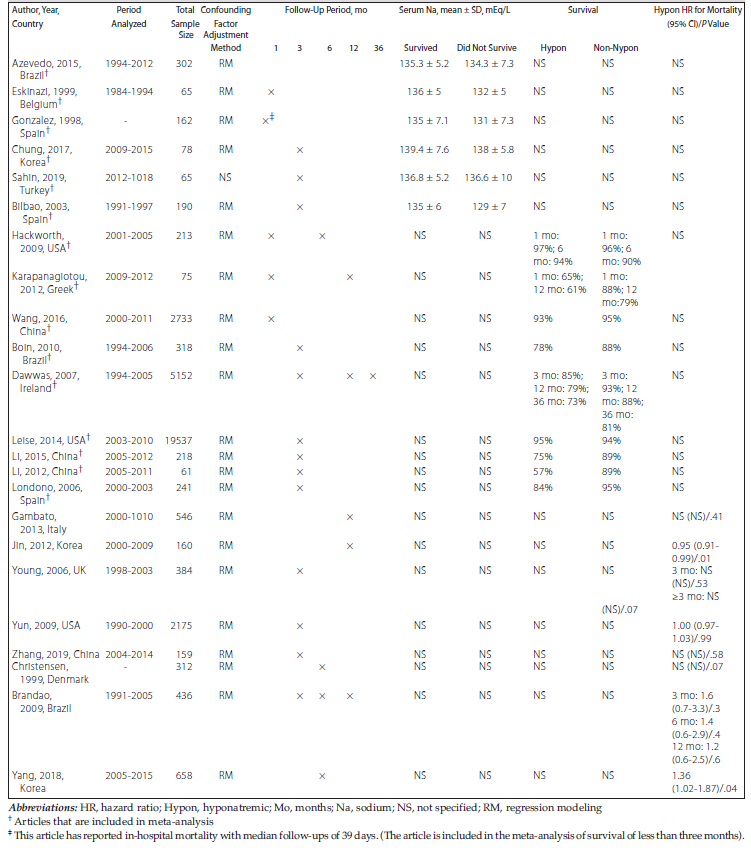
Table 1. Characteristics of Included Studies
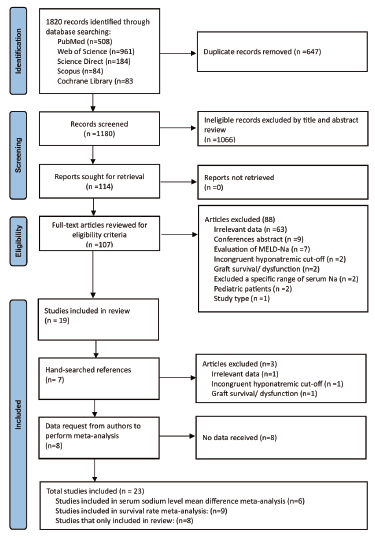
Figure 1. Meta-Analyses of Observational Study Flow Chart
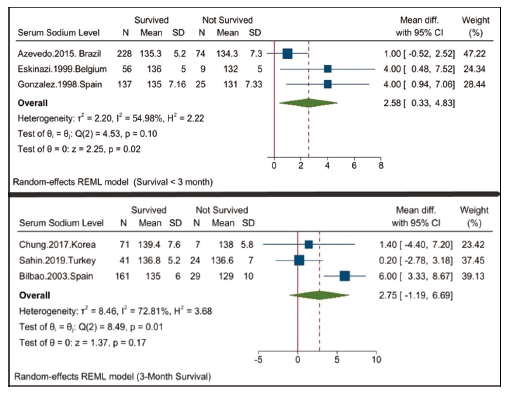
Figure 2. Forest Plot Analysis of Mean Difference of Preoperative Sodium Among Transplant Recipients Who Survived and Did Not Survive
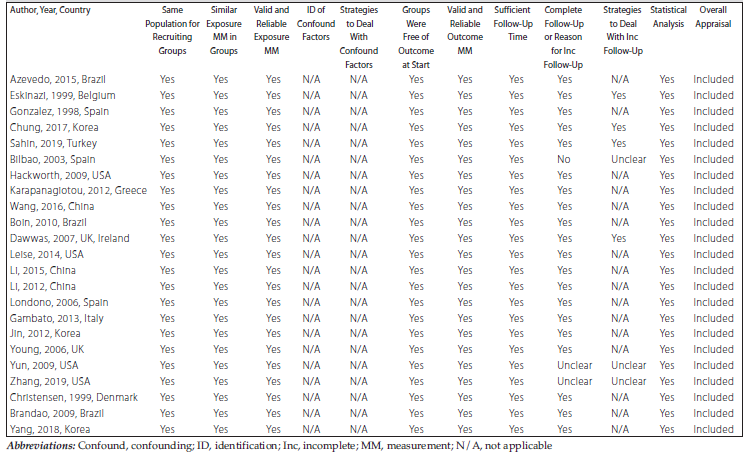
Table 2. Quality Assessment of Included Studies According to JBI Critical Appraisal Tool.
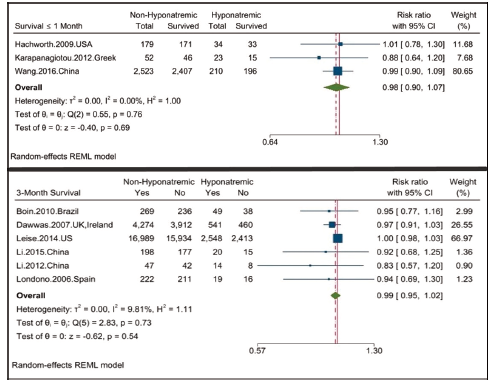
Figure 3. Forest Plot Analysis of Survival of Recipients With Preoperative Hyponatremia (Serum Sodium Level <130 mEq/L) and Without Preoperative Hyponatremia (Serum Sodium Level ?130 mEq/L)
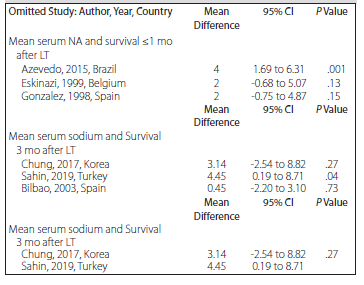
Table 3. Leave-1-Out Sensitivity Analysis of Mean Difference (risk ratio when each study is omitted)
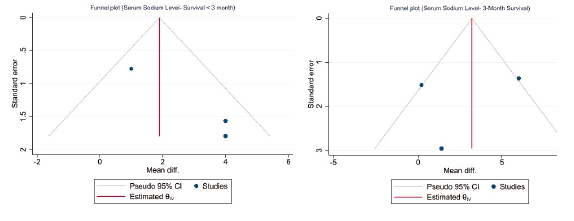
Figure 4. Begg Funnel Plot for Meta-Analysis of Mean Difference of Preoperative Sodium Among Recipients With 3 Months and <3 Months of Follow-Up
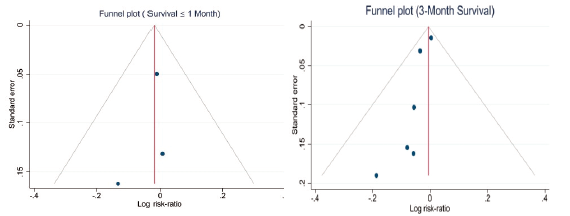
Figure 5. Begg Funnel Plot for Meta-Analysis of Postoperative Survival of Recipients With and Without Hyponatremia (?1-Month and 3-Month Survival)