Volume: 22 Issue: 5 May 2024
FULL TEXT
Late-Onset Noninfectious Pulmonary Complications After Allogeneic Hematopoietic Stem Cell Transplantation: Single-Center Experience
Objectives: We aimed to reveal the incidence of late-onset noninfectious pulmonary complications and bronchiolitis obliterans syndrome and risk factors involved in development.
Materials and Methods: In this cross-sectional study, we retrospectively investigated 745 patients who underwent allogeneic hematopoietic stem cell transplantation in our hospital between January 2000 and December 2020. We evaluated demographic characteristics, comorbidities, and hematopoietic stem cell transplantation characteristics to determine possible risk factors affecting development of late-onset noninfectious pulmonary complications and bronchiolitis obliterans syndrome.
Results: Of 745 patients, 8.9% (n = 66) had late-onset noninfectious pulmonary complications. Complica-tions included 38 patients with bronchiolitis obliterans syndrome, 13 with venous thromboembolism, 8 with cryptogenic organizing pneumonia, 5 with pneumothorax, 4 with interstitial lung disease–restrictive graft-versus-host disease, 5 with bronchiectasis, 2 with pneumomediastinum, and 1 with pleural effusion. Patients with and without complications were not significantly different in terms of smoking history, hematopoietic stem cell transplantation characteristics, and conditioning regimens. Patients with complications had higher busulfan and lower antithymocyte globulin use than those without complications (both P < .05). Patients with compli-cations more commonly had hematopoietic stem cell transplantation from related donors and chronic graft-versus-host disease (P < .05). Patients with bronc-hiolitis obliterans syndrome had more frequent use of busulfan (P <.05) but less frequent use of total body irradiation (P <.05) and antithymocyte globulin (P <.05) than those without this syndrome. Rate of hematopoietic stem cell transplantation from a related donor (P < .05) and frequency of chronic graft-versus-host disease (P < .001) were significantly higher in patients with bronchiolitis obliterans syndrome, presented with bronchiectasis (78.6%), air trapping (67.9%), bronchial wall thickening (53.6%), and mosaic attenuation (39.3%) in thorax computed tomography. Pretransplant spirometry did not predict bronchiolitis obliterans syndrome development.
Conclusions: Determining risk factors for late-onset noninfectious pulmonary complications is needed to aid in prevention and follow-up.
Key words : Adult, Bronchiolitis obliterans syndrome, Pulmonary complications, Risk factors
Introduction
Allogenic hematopoietic stem cell transplantation (HSCT) is a life-saving treatment for hematological malig-nancies and several immunological and hematolo-gical nonmalignant diseases. However, post-HSCT pulmonary complications may occur and cause significant morbidity and mortality.1
The spectrum of pulmonary complications after HSCT involves infectious and noninfectious conditions. Complications are classified as early if they occur in the first 100 days after HSCT and as late complications if they occur later. Late-onset noninfectious pulmonary complications (LONIPCs) include bronchiolitis obliterans syndrome (BOS), pulmonary vascular diseases, thoracic air leak syndromes, and interstitial lung diseases.
Although survival has been prolonged by advances in prevention and prophylaxis for early complications and infections over the years, LONIPCs remain a considerable cause of mortality and morbidity. Clinicians are challenged by LONIPCs in terms of prediction of risk factors, diagnosis, and treatment approach. In addition, prognostic data are unknown in Turkey because of the limited number of studies about LONIPCs. In this study, we aimed to discover the incidence of LONIPCs, HSCT characteristics, and the risk factors that play roles in LONIPCs development and BOS development.
Materials and Methods
Patient selection
Between 2000 and 2020, 985 adult patients underwent allogeneic HSCT (allo-HSCT) at our hospital. We excluded 240 patients who died or underwent second HSCT within 100 days after HSCT. We reviewed the incidence and possible risk factors of LONIPCs in 745 adult patients who received allo-HSCT between 2000 and 2020 and survived for 100 days or more after transplantation (Figure 1).
We examined demographic data, comorbidities, HSCT characteristics, presence of graft-versus-host disease (GVHD), risk factors that may affect the development of LONIPCs, spirometry results, and radiological findings of patients who underwent allo-HSCT. We obtained retrospective records of patients from the hospital database and department of hematology medical records. Patient identities were anonymized with unique identifier numbers before being used in the data analysis of our study to enhance privacy. The study was approved by the Human Research Ethics Committee of Ankara University (I1-44-21).
Data collection
We collected patient age, sex of recipients and donors, indications for transplantation, smoking history, comorbidities, presence of previous HSCT, transplantation characteristics (stem cell source, donor type [related or not related]), donor and recipient human leukocyte antigen (HLA) com-patibility, conditioning regimen type and drugs), presence of acute or chronic GVHD, and pretransplant pulmonary function test parameters (spirometry, carbon monoxide diffusing capacity).
The diagnosis of BOS was based on the National Institutes of Health consensus criteria published in 2014.2 We examined time of diagnosis of BOS in patients monthly.
Computed tomography
Thorax computed tomography (CT) scans of patients who had LONIPCs were evaluated in line with reports of radiologists working in our department of radiology. If the thorax CT pattern was specified, it was recorded, and positive findings were evaluated.
Pulmonary function tests
The results of pulmonary function tests (PFTs) were obtained from records provided by the department of chest diseases. All patients routinely received PFTs before allo-HSCT as a part of the protocol. The PFTs were performed in patients with a Vmax Encore (CareFusion) device at rest and in room air in accordance with the standardization of American Thoracic Society/ European Respiratory Society pulmonary function tests. Carbon monoxide diffusion capacity was measured by the single-breath method.3
Statistical analyses
We expressed categorical data as numbers and percentages and compared group data with chi-square tests or the Fisher exact test, as appropriate. We used IBM SPSS version 22.0 for analysis. We expressed continuous data as mean ± SD, median, and minimum and maximum values, which were presented as descriptive statistics. A Kolmogorov-Smirnov test was used for the analysis of the distribution of variables. To compare continuous data between the 2 groups, we used t tests for normally distributed data and the Mann Whitney U test for nonnormally distributed data. We performed univariate analysis to identify any potential risk factors; based on univariate analysis, variables
with P < .20 were included in multivariate logistic regression analysis to determine the risk affecting the development of LONIPCs and BOS. P < .05 was considered statistically significant.
Results
Of 985 patients who underwent allo-HSCT, 240 patients did not meet the inclusion criteria were excluded from analyses (Figure 1). (Table 1) lists the characteristics of the remaining 745 patients. Mye-loablative conditioning regimen was given to 76% of patients; the most frequent stem cell source was peripheral blood. Of 745 patients, 554 (74.6%) received transplantation from related donors and 123 (25.2%) received transplantation from HLA-mismatched donors. In addition, 338 patients (46.4%) had acute GVHD and 383 patients (54.5%) had chronic GVHD.
Of 745 patients in our study, 66 (8.9%) developed 75 LONIPCs. We observed the coexistence of different LONIPCs, with BOS being the most frequent LONIPC (n = 38, 5.1%), followed by venous thromboembolism (n = 13, 1.7%), cryptogenic organizing pneumonia (n = 8, 1.1%), pneumothorax (n = 5, 0.7%), interstitial lung disease-restrictive GVHD (n = 4, 0.5%), bronchiectasis (n = 5, 0.4%), pneumomediastinum (n = 2, 0.3%), and pleural effusion (n = 1, 0.1%).
Risk factors for late-onset noninfectious pulmonary complications
In terms of demographic characteristics, indications for HSCT were similar in the patients with and without LONIPCs. The smoking rate (former or current) was found to be higher in patients with LONIPCs, although differences did not reach significance. (Table 1) shows the results of univariate analysis of risk factors for LONIPCs. Many previously known risk factors were not significantly different between patients with and without LONIPCs, including increasing donor age
(P = .398), HLA mismatched donor (P = .053), acute GVHD (P = .547), and myeloablative conditioning regimen (P = .432). Rate of transplantation from a related donor was significantly higher in the group with LONIPCs (P = .01). Although busulfan use was more common in patients with LONIPCs (P = .042), antithymocyte globulin (ATG) usage was significantly lower in those with LONIPCs (P = .038). In addition, chronic GVHD was more frequent in those with LONIPCs (P < .001).
Based on multivariate analysis, only chronic GVHD was associated with increased risk for LONIPCs with, odds ratio of 4.447 (95% CI, 1.919-10.304; P = .001) (Table 2).
Risk factors for bronchiolitis obliterans syndrome
Among all study patients, 5.1% had BOS diagnosis; in addition, 9.1% of those with chronic GVHD had BOS diagnosis. The median duration from transplantation to BOS diagnosis was 13 months (range, 5–34).
Conditioning regimen density and stem cell source selection were similar in those with and without BOS. In addition, transplantation from a related donor was also more common in the BOS group (P = .011). Although busulfan use during conditioning was significantly more frequent in the BOS group (P = .008), both total body irradiation (TBI) use (P = .022) and ATG use (P = .005) were significantly less in patients with BOS. (Table 1) lists results of univariate analyses for patients with and without BOS.
Multivariate logistic regression analysis was used to determine the possible risk factors for BOS. Presence of chronic GVHD was found to involve 9.21 times more risk for BOS development than not having chronic GVHD (P < .001). Previous HSCT was also fo-und to increase BOS risk by 7.17 times (P = .002) (Table 2).
Mortality rate of patients with BOS was 58.3%, which was higher than shown in those without BOS, although the difference was not significant. Results of pre-HSCT spirometry results (35 patients with BOS) and diffusing capacity of the lungs for carbon monoxide (28 patients with BOS) were evaluated; however, these parameters did not predict the development of BOS (Table 3).
We also examined thorax CT findings of patients with BOS. Bronchiectasis (78.6%), air trapping (67.9%), bronchial wall thickening (53.6%), mosaic attenuation (39.3%), nodule (28.6%), fibrosis (14.3%), ground glass opacities (11.1%), and emphysema (7.1%) were common signs in thorax CT.
Discussion
The incidence of LONIPCs in adult HSCT recipients over a 20-year period was retrospectively assessed at a single center. We showed an overall incidence of LONIPCs among our study patients of 8.9%, which is consistent with previous findings.4-8 Among our patients, BOS was the most frequent LONIPC, followed by venous thromboembolism and crypto-genic organizing pneumonia.
The term chronic lung allograft dysfunction in lung transplant patients includes both diagnoses of BOS and restrictive allograft dysfunction. Sato and colleagues described restrictive allograft dysfunction as restriction on PFT and fibrosis on radiological imaging.9 Although BOS is the only complication that has a definite relationship with chronic GVHD in patients who received HSCT, newly developing restrictions on PFT and fibrosis findings on thorax CT were detected in 5 of our patients with chronic GVHD. These patients were described as having restrictive GVHD of lung in our study. This entity may be equivalent to restrictive allograft dysfunction in HSCT recipients.
Contradictory datas exist about the effect of smoking on the development of pulmonary compli-cations after HSCT. A retrospective study revealed the risk of LONIPCs increased in smokers10; however, Ho and colleagues did not find a significant relationship between them.11 In our study, smoking was higher in those with LONIPCs, although the difference from patients without LONIPCs did not reach true significance.
A significantly higher number of patients with LONIPCs were patients who underwent HSCT from a related donor. However, in multivariate analyses, this parameter was not seen as a risk factor for LONIPCs. In contrast, other studies have shown that HSCT from an unrelated donor increases the incidence of LONIPCs.6,12,13 This may be explained by the heterogeneity of the procedure, including HLA compatibility, different source of stem cells, different conditioning regimens and GVHD prophylaxis.
Many studies have investigated the intensity of the conditioning regimen and the effects of the drugs used for conditioning on the development of LONIPCs. Previous reports have revealed that a myeloablative conditioning regimen increases the risk of LONIPCs14,15; however, we observed no difference in the choice of conditioning regimen between patients who developed LONIPCs and those who did not.
Busulfan is a well-known chemotherapeutic for pulmonary toxicity, but data about its effects on development of pulmonary complications after HSCT are limited.16,17 Although some studies have shown that busulfan increases the risk of LONIPCs, a few studies have shown contrary results.5,18,19 In our study, busulfan usage was significantly higher in patients with LONIPCs.
Studies evaluating the relationship between the use of TBI during conditioning and the development of LONIPCs reveal conflicting results. Kelsey and colleagues found that 33% of patients who received TBI developed severe pulmonary toxicity.20 In a prospective study, Bergeron and colleagues found that a history of chest irradiation was strongly predictive of LONIPCs.21 In retrospective series, the frequency of TBI use was found to be similar in those with and without LONIPCs.7,18,22 Contrary to previous studies, in our study, TBI use was found to be significantly higher in those without LONIPCs.
Some studies have indicated the use of T cell-depleted transplants may reduce the incidence of late pulmonary complications, especially BOS.13,23 Administration of ATG during conditioning was shown to reduce the number of recipient T cells, thereby possibly facilitating engraftment of donor cells.24 To reduce the incidence of GVHD, several studies included ATG in conditioning regimens. The studies showed that administration of ATG during conditioning was associated with a lower incidence not only of acute and chronic GVHD, but also possibly of chronic lung dysfunction.25-27 Thus, incorporating ATG into the conditioning regimen should decrease the incidence and degree of post-HSCT pulmonary impairment.28 In our study, both groups used myeloablative conditioning regimens more frequently; however, use of ATG was less in those with LONIPCs.
Chronic GVHD is known to be the most powerful predictor of the development of chronic lung dysfunction.29 Although the presence of chronic GVHD increases the risk of developing LONIPCs, the effects of drugs used for GVHD prophylaxis on the development of LONIPCs have not been clearly demonstrated.5-8,18,22 In our study, similar to the literature, a strong correlation was found between the presence of chronic GVHD and the development of LONIPCs in both univariate and multivariate analyses.
Comparison of patients with and without bronchiolitis obliterans syndrome
Although the definitive diagnosis of BOS is made by surgical biopsy, it can only be applied in a limited group of patients because the diagnosis is made with an invasive procedure with a major risk of complications.4,5,8 Therefore, the utilization of CT and PFT parameters has been suggested for the non-invasive diagnosis of BOS.2,30,31 None of the patients in our study with BOS had a surgical biopsy. Instead, patients were diagnosed by evaluation of their clinical, spirometric, and radiological findings according to the 2014 National Institutes of Health criteria.2
The incidence of BOS was 5.1% in all patients, whereas it was 9.1% in those who developed chronic GVHD. In a study enrolling 946 patients who underwent HSCT, the incidence of BOS was 5.5% in all patients, whereas it was 14% among those who developed GVHD32; thus, incidence of BOS in our study was lower than in the study from Au and colleagues. However, we may have missed the asymptomatic presentations because regular follow-up was not performed for those who did not have respiratory symptoms.
Although the period from HSCT to BOS diagnosis varied between 3 months and 2 years in previous reports, a few cases have been diagnosed at 5 to 6 years after transplantation.13,32-34 In our series, the median diagnosis time was 13 months after transplantation, which is consistent with previous findings. However, we believe that diagnosis may be delayed because patients with an airflow limitation can be asymptomatic.
In addition to studies showing an increased risk of developing BOS in patients who underwent HSCT from an unrelated donor,8,35,36 another research has shown no significant relationship with this parameter.13 In contrast, we found that a notably higher number of patients with BOS had HSCT from a related donor, although HSCT from a related donor was more frequently applied than other donor types in both groups. The reason for this discrepancy remains unclear.
The pulmonary toxicities of some chemot-herapeutics that are frequently used in HSCT conditioning regimens are known. The relationships between use of busulfan, ATG and TBI, which were found to be significant in our study, and the development of BOS will be discussed below.
Two studies reported that conditioning regimens, including busulfan, were associated with increased risk for development of BOS36,37; however, 2 retrospective studies revealed contrary results.33,38 In the prospective study from Bergeron and colleagues, similar results were obtained.21 In our series, the use of busulfan was considerably higher in those with BOS.
The risk of pulmonary toxicity was increased in patients who received TBI; lung-protective approaches reduced death due to posttransplant pulmonary complications when TBI was used.20,39,40 Although it is known that the use of TBI increases the risk of idiopathic pneumonia syndrome and cryptogenic organizing pneumonia, data on BOS are limited.14,41 Two previous studies revealed that TBI increased the risk of BOS36,40; however, other studies have not.19,33,42 In contrast with previous reports, BOS development was significantly lower in our patients who underwent TBI for conditioning. The reason for this incongruity remains unclear.
Previous studies have shown that ATG reduces the risk of chronic GVHD.43,44 Therefore, the possible role of ATG on BOS development was examined, which is the only pulmonary complication certainly associated with chronic GVHD. The post-HSCT spirometry results of patients who used ATG during conditioning were shown to be better than those who did not.25 In addition, 2 previous studies revealed that the incidence of BOS was lower in those who used ATG.36,45 Another study showed no significant relationship between the use of ATG in the preparation regimen and the development of BOS.21 The frequency of BOS was considerably lower in those who used ATG in our study. It is possible that this is because of the prolonged suppression of T lymphocytes by ATG.
According to previous results, BOS is the only pulmonary complication with confirmed relationship with chronic GVHD7,8,32,40,46-48; however, findings about other factors, such as type of conditioning regimen, acute GVHD, demographic characteristics of donors and recipients, and stem cell source, remain unclear. In our series, the presence of chronic GVHD was significantly associated with BOS in both univariate and multivariate analyses.
The effect of acute GVHD on BOS still remains the subject of research. Retrospective studies have shown that the risk of developing BOS increases in patients with acute GVHD.8,19,33,46 Other studies have shown contrary results.21,32 Acute GVHD was more common in those with BOS in our study, yet it did not have a significant impact.
The procedures applied for allo-HSCT have changed over time; thus, the evaluated risk factors for BOS have evolved over time. However, recent data on the effects of recurrent HSCT on BOS remain scarce. In multivariate analyses, the risk of BOS development was revealed to increase 7 times in patients who had previously undergone HSCT. This is considered to be because of recurrent blood transfusionsation and alloimmunization owing to the first transplant in patients.
This study had several limitations because of its retrospective nature. First, respiratory complaints of the recipients were not questioned. Moreover, some PFT results and radiological imaging findings may have been missing. Second, evaluations for BOS were only performed in symptomatic patients. Therefore, we may have missed unrecognized and undiagnosed mild cases of BOS. Nonetheless, the strength of our study is the large number of patients with LONIPCS, which allowed meaningful analysis of pretransplant risk factors. To the best of our knowledge, this is one of the largest study evaluating the possible risk factors and incidence of LONIPCs. Prospective studies with standard follow-up protocols are required for more accurate results.
References:
- Soubani AO, Miller KB, Hassoun PM. Pulmonary complications of bone marrow transplantation. Chest. 1996;109(4):1066-1077. doi:10.1378/chest.109.4.1066
CrossRef - PubMed - Jagasia MH, Greinix HT, Arora M, et al. National Institutes of Health Consensus Development Project on Criteria for Clinical Trials in Chronic Graft-versus-Host Disease: I. The 2014 Diagnosis and Staging Working Group report. Biol Blood Marrow Transplant. 2015;21(3):389-401 e381. doi:10.1016/j.bbmt.2014.12.001
CrossRef - PubMed - Graham BL, Steenbruggen I, Miller MR, et al. Standardization of spirometry 2019 update. An Official American Thoracic Society and European Respiratory Society technical statement. Am J Respir Crit Care Med. 2019;200(8):e70-e88. doi:10.1164/rccm.201908-1590ST
CrossRef - PubMed - Clark JG, Crawford SW, Madtes DK, Sullivan KM. Obstructive lung disease after allogeneic marrow transplantation. Clinical presentation and course. Ann Intern Med. 1989;111(5):368-376. doi:10.7326/0003-4819-111-5-368
CrossRef - PubMed - Duncker C, Dohr D, Harsdorf S, et al. Non-infectious lung complications are closely associated with chronic graft-versus-host disease: a single center study of incidence, risk factors and outcome. Bone Marrow Transplant. 2000;25(12):1263-1268. doi:10.1038/sj.bmt.1702429
CrossRef - PubMed - Palmas A, Tefferi A, Myers JL, et al. Late-onset noninfectious pulmonary complications after allogeneic bone marrow transplantation. Br J Haematol. 1998;100(4):680-687. doi:10.1046/j.1365-2141.1998.00617.x
CrossRef - PubMed - Sakaida E, Nakaseko C, Harima A, et al. Late-onset noninfectious pulmonary complications after allogeneic stem cell transplantation are significantly associated with chronic graft-versus-host disease and with the graft-versus-leukemia effect. Blood. 2003;102(12):4236-4242. doi:10.1182/blood-2002-10-3289
CrossRef - PubMed - Schultz KR, Green GJ, Wensley D, et al. Obstructive lung disease in children after allogeneic bone marrow transplantation. Blood. 1994;84(9):3212-3220.
CrossRef - PubMed - Sato M, Waddell TK, Wagnetz U, et al. Restrictive allograft syndrome (RAS): a novel form of chronic lung allograft dysfunction. J Heart Lung Transplant. 2011;30(7):735-742. doi:10.1016/j.healun.2011.01.712
CrossRef - PubMed - Tran BT, Halperin A, Chien JW. Cigarette smoking and outcomes after allogeneic hematopoietic stem cell transplantation. Biol Blood Marrow Transplant. 2011;17(7):1004-1011. doi:10.1016/j.bbmt.2010.10.032
CrossRef - PubMed - Ho VT, Weller E, Lee SJ, Alyea EP, Antin JH, Soiffer RJ. Prognostic factors for early severe pulmonary complications after hematopoietic stem cell transplantation. Biol Blood Marrow Transplant. 2001;7(4):223-229. doi:10.1053/bbmt.2001.v7.pm11349809
CrossRef - PubMed - Cengiz Seval G, Topcuoglu P, Demirer T. Current approach to non-infectious pulmonary complications of hematopoietic stem cell transplantation. Balkan Med J. 2018;35(2):131-140. doi:10.4274/balkanmedj.2017.1635
CrossRef - PubMed - Ditschkowski M, Elmaagacli AH, Koldehoff M, Gromke T, Trenschel R, Beelen DW. Bronchiolitis obliterans after allogeneic hematopoietic SCT: further insight--new perspectives? Bone Marrow Transplant. 2013;48(9):1224-1229. doi:10.1038/bmt.2013.17
CrossRef - PubMed - Fukuda T, Hackman RC, Guthrie KA, et al. Risks and outcomes of idiopathic pneumonia syndrome after nonmyeloablative and conventional conditioning regimens for allogeneic hematopoietic stem cell transplantation. Blood. 2003;102(8):2777-2785. doi:10.1182/blood-2003-05-1597
CrossRef - PubMed - Jodele S, Laskin BL, Dandoy CE, et al. A new paradigm: diagnosis and management of HSCT-associated thrombotic microangiopathy as multi-system endothelial injury. Blood Rev. 2015;29(3):191-204. doi:10.1016/j.blre.2014.11.001
CrossRef - PubMed - Barrett A. Relationship of irradiation to pulmonary complications. Exp Hematol. 1984;12:6-7.
CrossRef - PubMed - Vergnon JM, Boucheron S, Riffat J, Guy C, Blanc P, Emonot A. [Interstitial pneumopathies caused by busulfan. Histologic, developmental and bronchoalveolar lavage analysis of 3 cases]. Rev Med Interne. 1988;9(4):377-383. doi:10.1016/s0248-8663(88)80137-1
CrossRef - PubMed - Nishio N, Yagasaki H, Takahashi Y, et al. Late-onset non-infectious pulmonary complications following allogeneic hematopoietic stem cell transplantation in children. Bone Marrow Transplant. 2009;44(5):303-308. doi:10.1038/bmt.2009.33
CrossRef - PubMed - Santo Tomas LH, Loberiza FR, Jr., Klein JP, et al. Risk factors for bronchiolitis obliterans in allogeneic hematopoietic stem-cell transplantation for leukemia. Chest. 2005;128(1):153-161. doi:10.1378/chest.128.1.153
CrossRef - PubMed - Kelsey CR, Horwitz ME, Chino JP, et al. Severe pulmonary toxicity after myeloablative conditioning using total body irradiation: an assessment of risk factors. Int J Radiat Oncol Biol Phys. 2011;81(3):812-818. doi:10.1016/j.ijrobp.2010.06.058
CrossRef - PubMed - Bergeron A, Chevret S, Peffault de Latour R, et al. Noninfectious lung complications after allogeneic haematopoietic stem cell transplantation. Eur Respir J. 2018;51(5). doi:10.1183/13993003.02617-2017
CrossRef - PubMed - Ueda K, Watadani T, Maeda E, et al. Outcome and treatment of late-onset noninfectious pulmonary complications after allogeneic haematopoietic SCT. Bone Marrow Transplant. 2010;45(12):1719-1727. doi:10.1038/bmt.2010.48
CrossRef - PubMed - Freudenberger TD, Madtes DK, Curtis JR, Cummings P, Storer BE, Hackman RC. Association between acute and chronic graft-versus-host disease and bronchiolitis obliterans organizing pneumonia in recipients of hematopoietic stem cell transplants. Blood. 2003;102(10):3822-3828. doi:10.1182/blood-2002-06-1813
CrossRef - PubMed - Byrne JL, Stainer C, Cull G, et al. The effect of the serotherapy regimen used and the marrow cell dose received on rejection, graft-versus-host disease and outcome following unrelated donor bone marrow transplantation for leukaemia. Bone Marrow Transplant. 2000;25(4):411-417. doi:10.1038/sj.bmt.1702165
CrossRef - PubMed - Bacigalupo A, Lamparelli T, Barisione G, et al. Thymoglobulin prevents chronic graft-versus-host disease, chronic lung dysfunction, and late transplant-related mortality: long-term follow-up of a randomized trial in patients undergoing unrelated donor transplantation. Biol Blood Marrow Transplant. 2006;12(5):560-565. doi:10.1016/j.bbmt.2005.12.034
CrossRef - PubMed - Bacigalupo A, Lamparelli T, Bruzzi P, et al. Antithymocyte globulin for graft-versus-host disease prophylaxis in transplants from unrelated donors: 2 randomized studies from Gruppo Italiano Trapianti Midollo Osseo (GITMO). Blood. 2001;98(10):2942-2947. doi:10.1182/blood.v98.10.2942
CrossRef - PubMed - Deeg HJ, Storer BE, Boeckh M, et al. Reduced incidence of acute and chronic graft-versus-host disease with the addition of thymoglobulin to a targeted busulfan/cyclophosphamide regimen. Biol Blood Marrow Transplant. 2006;12(5):573-584. doi:10.1016/j.bbmt.2005.12.036
CrossRef - PubMed - Dirou S, Malard F, Chambellan A, et al. Stable long-term pulmonary function after fludarabine, antithymocyte globulin and i.v. BU for reduced-intensity conditioning allogeneic SCT. Bone Marrow Transplant. 2014;49(5):622-627. doi:10.1038/bmt.2014.15
CrossRef - PubMed - Storb R, Etzioni R, Anasetti C, et al. Cyclophosphamide combined with antithymocyte globulin in preparation for allogeneic marrow transplants in patients with aplastic anemia. Blood. 1994;84(3):941-949.
CrossRef - PubMed - Barker AF, Bergeron A, Rom WN, Hertz MI. Obliterative bronchiolitis. N Engl J Med. 2014;370(19):1820-1828. doi:10.1056/NEJMra1204664
CrossRef - PubMed - Gunn ML, Godwin JD, Kanne JP, Flowers ME, Chien JW. High-resolution CT findings of bronchiolitis obliterans syndrome after hematopoietic stem cell transplantation. J Thorac Imaging. 2008;23(4):244-250. doi:10.1097/RTI.0b013e3181809df0
CrossRef - PubMed - Au BK, Au MA, Chien JW. Bronchiolitis obliterans syndrome epidemiology after allogeneic hematopoietic cell transplantation. Biol Blood Marrow Transplant. 2011;17(7):1072-1078. doi:10.1016/j.bbmt.2010.11.018
CrossRef - PubMed - Vieira AG, Funke VA, Nunes EC, Frare R, Pasquini R. Bronchiolitis obliterans in patients undergoing allogeneic hematopoietic SCT. Bone Marrow Transplant. 2014;49(6):812-817. doi:10.1038/bmt.2014.25
CrossRef - PubMed - Bergeron A, Godet C, Chevret S, et al. Bronchiolitis obliterans syndrome after allogeneic hematopoietic SCT: phenotypes and prognosis. Bone Marrow Transplant. 2013;48(6):819-824. doi:10.1038/bmt.2012.241
CrossRef - PubMed - Patriarca F, Skert C, Bonifazi F, et al. Effect on survival of the development of late-onset non-infectious pulmonary complications after stem cell transplantation. Haematologica. 2006;91(9):1268-1272.
CrossRef - PubMed - Gazourian L, Rogers AJ, Ibanga R, et al. Factors associated with bronchiolitis obliterans syndrome and chronic graft-versus-host disease after allogeneic hematopoietic cell transplantation. Am J Hematol. 2014;89(4):404-409. doi:10.1002/ajh.23656
CrossRef - PubMed - Yoshihara S, Tateishi U, Ando T, et al. Lower incidence of Bronchiolitis obliterans in allogeneic hematopoietic stem cell transplantation with reduced-intensity conditioning compared with myeloablative conditioning. Bone Marrow Transplant. 2005;35(12):1195-1200. doi:10.1038/sj.bmt.1704985
CrossRef - PubMed - Fujii N, Nakase K, Asakura S, et al. Bronchiolitis obliterans with allogeneic hematopoietic cell transplantation: a 10-year experience of the Okayama BMT Group. Int J Hematol. 2014;99(5):644-651. doi:10.1007/s12185-014-1556-4
CrossRef - PubMed - Beinert T, Dull T, Wolf K, et al. Late pulmonary impairment following allogeneic bone marrow transplantation. Eur J Med Res. 1996;1(7):343-348.
CrossRef - PubMed - Rhee CK, Ha JH, Yoon JH, et al. Risk factor and clinical outcome of bronchiolitis obliterans syndrome after allogeneic hematopoietic stem cell transplantation. Yonsei Med J. 2016;57(2):365-372. doi:10.3349/ymj.2016.57.2.365
CrossRef - PubMed - Savani BN, Montero A, Wu C, et al. Prediction and prevention of transplant-related mortality from pulmonary causes after total body irradiation and allogeneic stem cell transplantation. Biol Blood Marrow Transplant. 2005;11(3):223-230. doi:10.1016/j.bbmt.2004.12.328
CrossRef - PubMed - Wyatt SE, Nunn P, Hows JM, et al. Airways obstruction associated with graft versus host disease after bone marrow transplantation. Thorax. 1984;39(12):887-894. doi:10.1136/thx.39.12.887
CrossRef - PubMed - Vande Vusse LK, Madtes DK. Early onset noninfectious pulmonary syndromes after hematopoietic cell transplantation. Clin Chest Med. 2017;38(2):233-248. doi:10.1016/j.ccm.2016.12.007
CrossRef - PubMed - Paz HL, Crilley P, Topolsky DL, Coll WX, Patchefsky A, Brodsky I. Bronchiolitis obliterans after bone marrow transplantation: the effect of preconditioning. Respiration. 1993;60(2):109-114. doi:10.1159/000196183
CrossRef - PubMed - Basara N, Baurmann H, Kolbe K, et al. Antithymocyte globulin for the prevention of graft-versus-host disease after unrelated hematopoietic stem cell transplantation for acute myeloid leukemia: results from the multicenter German cooperative study group. Bone Marrow Transplant. 2005;35(10):1011-1018. doi:10.1038/sj.bmt.1704957
CrossRef - PubMed - Socie G, Schmoor C, Bethge WA, et al. Chronic graft-versus-host disease: long-term results from a randomized trial on graft-versus-host disease prophylaxis with or without anti-T-cell globulin ATG-Fresenius. Blood. 2011;117(23):6375-6382. doi:10.1182/blood-2011-01-329821
CrossRef - PubMed - Mo XD, Xu LP, Liu DH, et al. Risk factors for bronchiolitis obliterans syndrome in allogeneic hematopoietic stem cell transplantation. Chin Med J (Engl). 2013;126(13):2489-2494.
CrossRef - PubMed - Chien JW, Martin PJ, Gooley TA, et al. Airflow obstruction after myeloablative allogeneic hematopoietic stem cell transplantation. Am J Respir Crit Care Med. 2003;168(2):208-214. doi:10.1164/rccm.200212-1468OC
CrossRef - PubMed - Dudek AZ, Mahaseth H, DeFor TE, Weisdorf DJ. Bronchiolitis obliterans in chronic graft-versus-host disease: analysis of risk factors and treatment outcomes. Biol Blood Marrow Transplant. 2003;9(10):657-666. doi:10.1016/s1083-8791(03)00242-8
CrossRef - PubMed - Marras TK, Szalai JP, Chan CK, Lipton JH, Messner HA, Laupacis A. Pulmonary function abnormalities after allogeneic marrow transplantation: a systematic review and assessment of an existing predictive instrument. Bone Marrow Transplant. 2002;30(9):599-607. doi:10.1038/sj.bmt.1703700
CrossRef - PubMed

Volume : 22
Issue : 5
Pages : 373 - 380
DOI : 10.6002/ect.2023.0330
From the 1Department of Chest Diseases, Ankara University Faculty of Medicine, and the 2Department of Hematology, Ankara University Faculty of Medicine, Ankara, Turkey
Acknowledgements: The authors have not received any funding or grants in support of the presented research or for the preparation of this work and have no declarations of potential conflicts of interest.
Corresponding author: Özlem Isik, Ankara University Faculty of Medicine, Department of Chest Diseases, 06590 Cebeci, Ankara, Turkey
Phone: +90 545 780 02 34
E-mail: 1ozlemisik@gmail.com
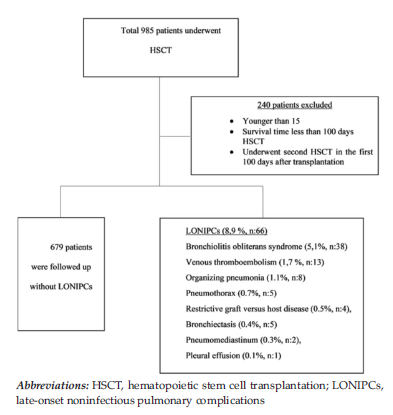
Figure 1.Study Flowchart
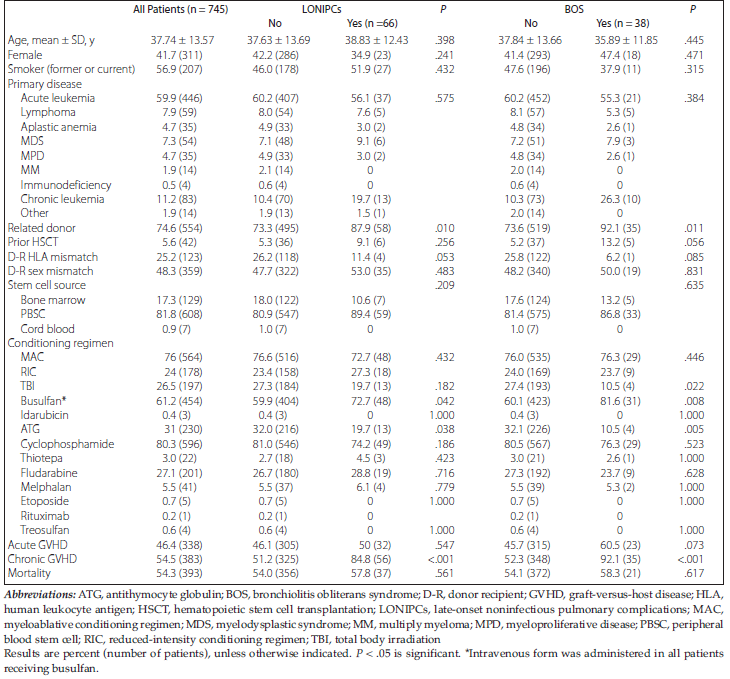
Table 1.Clinical Characteristics of Patients With and Without Late-Onset Noninfectious Pulmonary Complications and Bronchiolitis Obliterans Syndrome
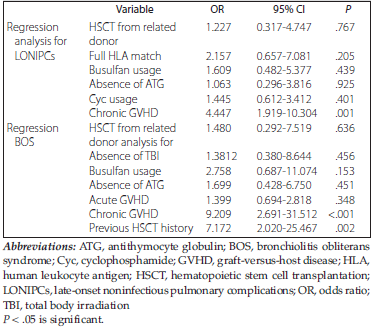
Table 2.Logistic Regression for Risk Factors of Late-Onset Noninfectious Pulmonary Complications and Bronchiolitis Obliterans Syndrome
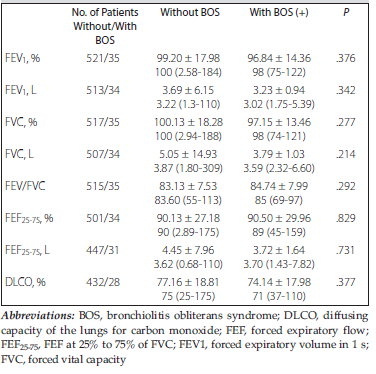
Table 3.Comparison of Pulmonary Function Tests Results Before Hematopoietic Stem Cell Transplant in Patients With and Without Bronchiolitis Obliterans Syndrome