Volume: 22 Issue: 2 February 2024
FULL TEXT
Objectives: Elderly renal transplant continues to be debated because of age-related factors affecting transplant success and long-term prognosis. We investigated the effects of recipient age and predictors of renal transplant outcomes in elderly renal transplant recipients.
Materials and Methods: We retrospectively analyzed 506 patients who had a first renal transplant between January 2010 and December 2020; there were 165 recipients aged ≥60 years (elderly) and 341 recipients aged <60 years (young). We collected recipient, donor, and transplant characteristics and assessed 1-, 3-, and 5-year overall patient and death-censored graft survival and risk factors influencing outcomes of renal transplant in elderly recipients.
Results: Elderly recipients showed significantly lower 1-, 3-, and 5-year patient survival rates (96.3%, 89.8%, 80.9%) than young recipients (98.8%, 98.5%, 97.8%;
P < .001). However, death-censored graft survival rates were not significantly different (P = .459) between elderly (96.3%, 94.3%, 93.2%) and young recipients (97.7%, 97.0%, 93.9%). Advanced recipient age was identified as an independent risk factor for patient survival, irrespective of donor age. In elderly recipients, male gender (hazard ratio 2.013; 95% CI, 1.110-3.649), pretransplant cardiovascular disease (hazard ratio 1.774; 95% CI, 1.030-3.553), and posttransplant chest infection (hazard ratio 2.421; 95% CI, 1.439-4.076) were significant predictors of inferior patient survival. Proteinuria at 1 month (hazard ratio 1.006; 95% CI, 1.000-1.011) and low estimated glomerular filtration rate at 3 months (hazard ratio 0.943; 95% CI, 0.899-0.988) posttransplant were early predictors of worse death-censored graft survival.
Conclusions: Elderly renal transplant recipients showed promising 5-year patient and death-censored graft survival, exceeding 80%, despite higher mortality
risk compared with young recipients. Optimizing outcomes of elderly renal transplant necessitates a multifaceted approach encompassing meticulous pretransplant cardiovascular disease assessment, rigorous posttransplant chest infection prevention and management, and proactive monitoring for early posttransplant kidney dysfunction, to permit timely intervention.
Key words : Kidney transplantation, Survival analysis, Transplant morbidity, Transplant predictors
Introduction
Elderly renal transplant (RT) is a rapidly growing field of transplantation, as chronological age per se is no longer considered a barrier to transplant. The demand for RT among elderly patients with end-stage renal disease has occurred alongside the continually rising prevalence of this population due to improved medical care and increased longevity.1
Despite concerns about the potential risks associated with RT in elderly patients, observational studies conducted over the past 2 decades have shown the superiority of RT in this population, owing to incremental gains in survival and improved quality of life offered to elderly renal transplant recipients (RTRs) to have functioning grafts compared with maintenance dialysis.1-3 However, elderly patients are still being reluctantly registered on transplant waiting lists. This hesitance may be related, unfortunately, to the lack of well-defined selection criteria for elderly RTRs, donor shortages, and uncertain clinical outcomes.3
Management of elderly RTRs is often complex and challenging due to the interplay of various risk factors with transplant outcomes, as well as the lack of definite treatment guidelines.3,4 Consequently, with a scarce organ supply, meticulous selection of suitable elderly candidates for transplant is highly recommended to minimize the risk of posttransplant complications and ensure proper utilization of the limited resources. Nonetheless, the optimal recipient characteristics that contribute to favorable RT outcomes in the elderly population are not yet well-established.1 In this study, we aimed to evaluate RT outcomes in elderly RTRs (≥60 years) compared with young RTRs (<60 years) and to determine the effects of age on transplant outcomes, as well as to identify predictors of patient survival and graft survival in elderly RTRs.
Materials and Methods
Study population
We retrospectively analyzed patients aged ≥18 years who underwent a first-time RT at the Northern General Hospital (Sheffield, UK) between January 2010 and December 2020. Recipients with prior RTs and/or multiorgan transplants were excluded. We enrolled 506 RTRs who were then categorized according to age at the time of transplant, with 341 RTRs in the young group (age <60 years) and 165 RTRs in the elderly group (age ≥60 years). We reviewed hospital medical and electronic health records; follow-up included all data up to February 2023. The study was approved by the Institutional Review Board of Sheffield Teaching Hospitals, NHS Foundation Trust, United Kingdom, under code number (02.01.563). This study was performed in accordance with the 1964 Declaration of Helsinki and its later amendments.
Data collection and definitions
We collected baseline recipient, donor, and transplant characteristics. Recipient characteristics included age, sex, ethnicity, body mass index, smoking status, primary renal disease, pretransplant dialysis, dialysis vintage, and pretransplant comorbidities. Donor and transplant characteristics included donor type, sex, age, cytomegalovirus (CMV) serostatus, number of HLA mismatches, DR mismatch, anti-HLA antibodies, ABO incompatibility, and cold ischemia time.
Induction and maintenance immunosuppressive regimens were used according to the center’s protocol. Intravenous interleukin 2 receptor antibody (basiliximab) and lymphocyte-depleting agent (antithymocyte globulin or alemtuzumab) were used as induction immunosuppression for low-risk and high-risk patients, respectively. For maintenance immunosuppression, patients received standard triple immunosuppressive therapy (calcineurin inhibitor, mycophenolate, steroids).
We collected information on total hospital stay, perioperative complications, and early kidney function posttransplant, including estimated glomerular filtration rate (eGFR) at 3 months and proteinuria level at 1 month. Posttransplant complications included delayed graft function (DGF), biopsy-proven acute rejection (BPAR), early hospital admission within 30 days, leukopenia, infectious events, cardiovascular and urological complications, new-onset diabetes, and posttransplant malignancy. Calculation of eGFR was made with the Modification of Diet in Renal Disease equation.5 Proteinuria was measured using the spot urine protein-to-creatinine ratio.6 We defined DGF as a requirement for dialysis within 1 week posttransplant. Acute antibody-mediated and cellular rejections were classified according to the Banff classification.7
Primary study outcomes were overall patient and death-censored graft survival. Patient survival was defined as the time from RT to death from all causes. Overall graft loss was defined as the time from RT until return to dialysis or death with a functioning graft. Death-censored graft survival was defined as the time from transplant to the restart of renal replacement the-rapy with censoring of death with a functioning graft.
To investigate the effects of recipient-donor age match on patient and graft survival, the transplant population was further stratified into 4 subgroups: (1) donors and recipients <60 years (young-to-young), (2) donors ≥60 and recipients <60 years (old-to-young), (3) donors <60 years and recipients ≥60 years (young-to-old), and (4) donors and recipients ≥60 years (old-to-old).
Statistical analyses
We used SPSS version 25.0 for statistical analyses. Continuous variables are shown as means and SD or as median with interquartile range. Categorical variab-les are shown as frequency and percentage. We used the t test or Mann-Whitney test to determine diffe-rences between continuous variables as appropriate, whereas we used the Pearson chi-square test or the Fisher exact test to compare categorical variables. We used Kaplan-Meier analysis with the log-rank test to analyze patient survival and death-censored graft survival. We conducted multivariate Cox proportional hazard regression analyses to determine independent risk factors associated with patient death and graft loss. We included variables that showed significance (P < .05) at univariate analysis in the multivariate Cox regression analysis. Results of regression analyses are presented as hazard ratio (HR) with 95% CI. P < .05 was considered significant.
Results
Table 1 summarizes the baseline characteristics of the 506 RTRs included in our study. Median follow-up duration for recipients ≥60 years (elderly group) and <60 years (young group) was 67.0 and 78.0 months, respectively. Glomerulonephritis, polycystic kidney diseases, and diabetes mellitus were the most frequent primary renal diseases in both age groups. The most common comorbid diseases in elderly RTRs were hypertension, diabetes mellitus, and cardiovascular disease (CVD). Pretransplant dialysis was significantly higher in elderly RTRs (P = .021), with a significantly higher dialysis vintage than young RTRs (P < .001).
A significant proportion of RTRs ≥60 years (elderly group) had kidneys from deceased donors (86.7% vs 66.6%; P < 0.001) (Table 1). Median donor age was significantly higher in elderly RTRs (59.0 vs 48.0 years; P < 0.001). According to recipient-donor age match, RTRs ≥60 years received significantly more kidneys from donors ≥60 years (50.3% vs 22.0%, old-to-old vs old-to-young), whereas RTRs in the young group were more likely to have kidneys from donors <60 years (78.0%, young-to-young).
Induction immunosuppression significantly varied across the 2 groups (Table 1); among elderly RTRs, only 1.8% received lymphocyte-depleting agents compared with 11.4% of young RTRs (P < .001). In terms of maintenance immunosup-pression, despite receiving lower daily doses, elderly RTRs had average tacrolimus trough levels similar to young RTRs at 1, 3, and 5 years posttransplant (7.0, 6.80, and 6.40 ng/mL vs 7.0, 6.80, and 6.50 ng/mL; P < .05).
Posttransplant outcomes of elderly compared with young renal transplant recipients
Elderly RTRs showed lower median eGFR at 3 months posttransplant compared with young RTRs (P < .001). Elderly RTRs also showed higher median proteinuria levels (P < .001) and a greater incidence of high-grade proteinuria (>100 mg/mmol) (P = 0.003) at 1 month posttransplant. Compared with young RTRs, elderly RTRs had considerably higher incidence of DGF (29.7%), infection events (89.7%), particularly recurrent urinary tract and CMV infections, cardio-vascular problems (11.5%), and malignancy (20.6%). Although the incidence of acute rejection was lower in RTRs in the elderly group versus the young group, the difference was not significant (P = .223), as were early hospitalization, leukopenia, new-onset diabetes, and urological complications (Table 2).
Ninety-eight deaths were recorded during follow-up (Table 2); the cause of death was accessible for 72 patients. Infection (35.9% vs 32.4%) and malignancy (17.2% vs 26.5%) were the most frequent causes of death in both the elderly and young groups; however, cardiovascular-related deaths (14.1% vs 2.9%) were higher among elderly RTRs. The primary cause of overall graft loss was death with a functioning graft, which was significantly higher in elderly RTRs (81% vs 56.7%; P = .004). The main cause of death-censored graft loss was acute rejection (n = 6) in young RTRs and acute tubular necrosis (n = 4) in elderly RTRs.
Figure 1 shows patient and death-censored graft survival according to recipient age. One-, 3-, and 5-year patient survival rates were significantly lower (log-rank P < .001) in elderly RTRs (96.3%, 89.8%, 80.9%) compared with young RTRs (98.8%, 98.5%, 97.8%) (Figure 1a). Nevertheless, no significant differences (log-rank P = .459) were observed regarding 1-, 3-, and 5-year death-censored graft survival between elderly RTRs (96.3%, 94.3%, 93.2%) and young RTRs (97.7%, 97.0%, 93.9%). Multivariate Cox regression analysis of patient survival for the study population (n = 506), after adjusting for covariables, identified advanced recipient age as an independent predictor of patient survival (HR 3.035; 95% CI, 1.842-5.000) (Table 3).
Effects of recipient and donor age match on transplant outcomes
Further survival analysis, according to recipient and donor age match, demonstrated significantly lower 1-, 3-, and 5-year patient survival among elderly subgroups compared with young subgroups (log-rank P < .001) (Figure 2a). However, no significant difference in death-censored graft survival was shown (Figure 2b). In multivariate Cox regression analysis, elderly RTR subgroups showed significantly higher HR (young-to-old HR 4.101; 95% CI, 2.204-7.631; old-to-old HR 3.346; 95% CI, 1.834-6.104), regardless of donor age, compared with young-to-young group for patient death (Table 3).
Prognostic factors for patient and graft survival in elderly recipients
Cox regression analysis was performed to determine the risk factors for patient and death-censored graft survival in elderly RTRs (Table 4). Univariate analysis revealed that male gender, pretransplant CVD, recipient CMV-positive immunoglobulin status, and posttransplant chest infections were associated with increased mortality risk in elderly RTRs. Early hospital admission, hospital stays, and DGF, as well as proteinuria at 1 month and early low eGFR at 3 months posttransplant, were shown to be risk factors for death-censored graft loss. However, in Cox multivariate analysis, male gender, pretransplant CVD, and posttransplant chest infections remained as significant independent risk factors for inferior patient survival (Table 4). Proteinuria at 1 month and eGFR at 3 months posttransplant, on the other hand, were shown to be independent predictors of death-censored graft survival (Table 4).
Discussion
More renal transplants are being performed in elderly patients with end-stage renal disease due to population aging and superior outcomes versus other renal replacement therapies. However, in older patients, the decision for RT can be difficult due to the complexity of age-related factors and unclear outcomes in the literature.8-10
When we investigated the age-related influences on transplant outcomes, our retrospective study showed lower 1-, 3-, and 5-year patient survival rates in elderly RTRs compared with young RTRs. In addition, multivariate Cox regression analysis showed that advanced recipient age (≥60 years) had a substantial effect on patient survival. Similar results have been reported by Yoo and collegues11 and Jackson and colleagues12; age ≥60 years was shown to be an independent predictor of patient mortality (HR 2.759; P < .001). On the other hand, our study reported comparable death-censored graft survival among elderly and young RTRs, demonstrating no significant effect of recipient age on graft survival; our findings are in accordance with those of previous studies.11-13
We used Cox regression analysis to further consider the interrelation of recipient-donor age matching to transplant outcomes and found that advanced recipient age was an independent pre-dictor of patient survival irrespective of donor age. In agreement with our finding, Lim and colleagues14 showed lower patient survival in elderly RTRs from both young and elderly donors compared with young recipients, emphasizing the significance of recipient age in determining patient survival. However, death-censored graft survival showed no significant differences among the different subgroups. Accordingly, our data showed that there should be no hesitation for elderly recipients to receive kidneys from older donors. Hence, keeping with the proposed donor allocation policies adopted in various transplant protocols, we support the concept of old-to-old and young-to-young as a sensible solution in the context of the donor shortage and the inherently limited life expectancy of elderly RTRs.15
In our evaluation of risk factors for RT outcomes among elderly patients, we found that male gender, pretransplant CVD, and posttransplant infections, particularly chest infections, were associated with increased risk of patient mortality. We also found eGFR at 3 months and early proteinuria to be independent predictors of death-censored graft loss in elderly RTRs.
Consistent with our findings, previous studies identified pretransplant CVD as an independent risk factor for patient mortality in elderly RTRs.11,16-18 Potential elderly RT candidates, especially those on maintenance dialysis, have a high prevalence of CVD and cardiovascular risk factors.19,20 Although a considerably lower cardiovascular risk can be achieved with a successful transplant, RTRs still pose an augmented risk of CVD.18,21 Persistence of CVD and exacerbation of cardiovascular risk factors by immunosuppressive medications and allograft dysfunction-related complications further enhance the risk of posttransplant cardiovascular compli-cations.20,22,23 Our findings reinforce the vital role of a meticulous preoperative cardiovascular evaluation and adequate management of cardiovascular factors posttransplant to reduce cardiovascular morbidity and mortality in elderly RTRs.
In accordance with previous studies,24,25 our study showed a considerably higher incidence of posttransplant infectious complications, particularly urinary tract infections and CMV infections, in elderly RTRs compared with young RTRs. Immuno-senescence, frailty, and multiple comorbidities, in addition to immunosuppressive therapies, increase the risk and severity of infections in elderly RTRs.24,25 Moreover, the leading cause of death was shown to be infectious complications, accounting for 35% of all causes of death in our elderly RTRs, which is in agreement with previous studies.1,2,4 Although respiratory tract infections were not the major source of infection, it was identified as an independent risk factor for patient mortality in elderly RTRs. These findings are in line with those of Liu and colleagues,26 Kinnunen and colleagues,27 and Chan and colleagues,28 who reported a high rate of infectious-related mortality from pulmonary infections in elderly RTRs. The above data signify that, not only is the incidence of infection higher, but elderly RTRs could also experience critical infections that adversely affect RT outcomes.28
A lower incidence of BPAR in older RTRs is another consequence documented with immunose-nescence.11,14 Although the mean tacrolimus trough level recorded in our study was comparable between our patient age groups, BPAR was clinically lower in elderly RTRs. Consequently, when we consider the high incidence of infections and the lower rate of BPAR in elderly RTRs, having early diagnosis and treatment and age-adjusted immune suppressive policies aimed at reducing infectious risk are of paramount importance in this high-risk RT population.
Being a male recipient was an independent predictor of lower patient survival in elderly RTRs in our study. In previous reports, men over the age of 50 years were shown to have not only a higher prevalence but also more deleterious outcomes from lethal diseases such as CVD and cancer.29,30 With aging, the higher risk of graft loss among young female recipients compared with male recipients fades due to immunosenescence, partially explaining the absence of sex differences in graft survival reported among our elderly RTRs, which may contribute to lower mortality risk in elderly female recipients.31,32 In addition, disparities between male and female patients may also be related to better female behaviors and healthy lifestyle changes posttransplant.33
An integral part of the rationale for our study was to identify early (1-3 months) posttransplant renal function predictors of graft survival in elderly RTRs that would allow for early identification of patients at higher risk of graft loss, hence permitting early interventions aimed at optimizing transplant outcomes. Few studies have evaluated the prognostic value of early eGFR (1-3 months posttransplant) relative to the well-established 1-year eGFR metric.34-37 Given the gap in knowledge, our study investigated the prognostic utility of 3-month eGFR for RT outcomes. To the best of our knowledge, our study is the first to focus specifically on elderly RTRs. The first 3 months posttransplant represent a critical period of recovery, adaptation, and stabilization. The eGFR at 3 months provides an important checkpoint reflection of baseline graft function.36,38 A low eGFR at 3 months can signify underlying graft injury from early parenchymal insults, such as rejection, ischemia-reperfusion damage, calcineurin inhibitor toxicity, infections, or other early insults.39 These injuries can cause inflammation, scarring, and loss of functional reserve, rendering the graft prone to later immunologic and nonimmunologic stresses, leading to progressive deterioration and eventual graft failure.39,40
We identified 3-month posttransplant eGFR as an independent predictor of death-censored graft survival in elderly RTRs. This finding aligns with previous literature demonstrating that early quantification of eGFR at 3 months posttransplant can influence long-term graft outcomes.36,41 Mottola and colleagues compared the prognostic value of early (3-month assessment) to 12-month assessment of eGFR as a measure of RT success. Their analysis showed that low eGFR at 3 months, as a continuous variable, was strongly associated with inferior graft survival similarly to eGFR at 1 year posttransplant.41 Wan and colleagues demonstrated that, in addition to the potential predictive value of renal function recovery posttransplant, eGFR at 3 months is a promising predictor of graft survival with no significant difference demonstrated in the C-statistics of both predictors.36 Our findings highlight the importance of considering eGFR as early as 3 months posttransplant, as it allows timely intervention focusing on graft preservation, including optimization of immunosuppression, aggressive control of proteinuria, precise blood pressure management, and patient education on lifestyle modifications to support the graft and improve outcomes.
Immediately after RT, proteinuria is frequently observed. Proteinuria attributed to the native kidney usually resolves within the first month after transplant. In contrast, proteinuria persisting for more than 1 month after RT typically indicates allograft injury.42 We found a higher prevalence of early proteinuria among elderly RTRs compared with young RTRs. Most patients had low-grade proteinuria (<100 mg/mmol). Few studies have investigated the long-term effects of early proteinuria at 1 month posttransplant on graft survival. In our work, multivariant analysis revealed that proteinuria as early as 1 month posttransplant is an independent risk factor for death-censored graft survival in elderly RTRs. Our findings are similar to previous studies supporting that early proteinuria, even low-grade range, is a potent predictor of graft loss.42,43 Therefore, early recognition and periodic monitoring of posttransplant proteinuria would permit early detection of ongoing graft damage and the adoption of appropriate strategies to prevent progression.
We found that elderly RTRs had higher DGF incidence than young RTRs, likely attributable to a greater prevalence of known DGF risk factors, such as older donor age, deceased donor transplant, and prolonged cold ischemia time in our elderly recipient group.44,45 Despite being associated with poorer death-censored graft survival on univariate analysis, DGF was not an independent risk factor for death-censored graft survival in our multivariate analysis of elderly RTRs. The effects of DGF on long-term graft outcomes are debatable, as several studies including ours have not identified detrimental DGF effects, whereas others have shown inferior graft survival.44-49 Delayed graft function may be a questionable marker of significant acute kidney injury after transplant due to potential confounding factors influencing dialysis initiation or continuation in the 1 or 2 days posttransplant, including heterogeneity in local dialysis protocols and variability in clinician dialysis thresholds.50 Hence, some elderly RTRs labeled as DGF may have had adequate graft function without dialysis. These factors could contribute to inconsistent findings of DGF on graft survival across studies.
Our study is one of few studies that compared outcomes of RT in elderly (≥60 years) versus young (18-60 years) recipients, as well as that investigated the interplay between recipient and donor age match on transplant outcomes. However, our study poses some limitations, including its retrospective nature of data collection and being a single-center observational study, which may lead to selection bias and may also influence the reproducibility of findings. Furthermore, the small sample size of elderly RTRs may have limited the power of detecting the effects of variables with a minor impact on clinical outcomes.
Conclusions
Recipient age is a key predictor of patient survival, irrespective of donor age for RT. Despite higher mortality risk compared with young RTRs, elderly RTRs showed promising 5-year patient and death-censored graft survival, exceeding 80%, lending credence to the concept of encouraging elderly RT. In elderly RTRs, male gender, pretransplant CVD, and posttransplant chest infections were shown to be independent predictors of patient survival, whereas proteinuria at 1 month and low eGFR at 3 months posttransplant were early predictors of increased death-censored graft loss. A comprehensive strategy, encompassing meticulous cardiovascular risk asses-sment, proper infectious complications prevention and management, and proactive monitoring for early kidney dysfunction, is imperative for appropriate candidate selection and timely intervention aimed at improving prognosis among elderly RTRs.
References:
- So S, Au EH, Lim WH, et al. Factors influencing long-term patient and allograft outcomes in elderly kidney transplant recipients. Kidney Int Rep. 2021;6(3):727-736. doi:10.1016/j.ekir.2020.11.035
CrossRef - PubMed - Lemoine M, Titeca Beauport D, Lobbedez T, et al. Risk factors for early graft failure and death after kidney transplantation in recipients older than 70 years. Kidney Int Rep. 2019;4(5):656-666. doi:10.1016/j.ekir.2019.01.014
CrossRef - PubMed - Segall L, Nistor I, Pascual J, et al. Criteria for and appropriateness of renal transplantation in elderly patients with end-stage renal disease: a literature review and position statement on behalf of the European Renal Association-European Dialysis and Transplant Association Descartes Working Group and European Renal Best Practice. Transplantation. 2016;100(10):e55-e65. doi:10.1097/tp.0000000000001367
CrossRef - PubMed - Karim A, Farrugia D, Cheshire J, et al. Recipient age and risk for mortality after kidney transplantation in England. Transplantation. 2014;97(8):832-838. doi:10.1097/01.TP.0000438026.03958.7b
CrossRef - PubMed - Levey AS, Coresh J, Greene T, et al. Using standardized serum creatinine values in the modification of diet in renal disease study equation for estimating glomerular filtration rate. Ann Intern Med. 2006;145(4):247-254. doi:10.7326/0003-4819-145-4-200608150-00004
CrossRef - PubMed - Kamińska J, Dymicka-Piekarska V, Tomaszewska J, Matowicka-Karna J, Koper-Lenkiewicz OM. Diagnostic utility of protein to creatinine ratio (P/C ratio) in spot urine sample within routine clinical practice. Crit Rev Clin Lab Sci. 2020;57(5):345-364. doi:10.1080/10408363.2020.1723487
CrossRef - PubMed - Solez K, Colvin RB, Racusen LC, et al. Banff 07 classification of renal allograft pathology: updates and future directions. Am J Transplant. 2008;8(4):753-760. doi:10.1111/j.1600-6143.2008.02159.x
CrossRef - PubMed - Artiles A, Domínguez A, Subiela JD, et al. Kidney transplant outcomes in elderly population: a systematic review and meta-analysis. Eur Urol Open Sci. 2023;51:13-25. doi:10.1016/j.euros.2023.02.011
CrossRef - PubMed - Arcos E, Pérez-Sáez MJ, Comas J, et al. Assessing the limits in kidney transplantation: use of extremely elderly donors and outcomes in elderly recipients. Transplantation. 2020;104(1):176-183. doi:10.1097/tp.0000000000002748
CrossRef - PubMed - Fragale GD, Pujol GS, Laham G, et al. Renal transplantation in patients older than 60 years with high comorbidity. is there a survival benefit? A multicenter study in Argentina. Transplantation. 2020;104(8):1746-1751. doi:10.1097/tp.0000000000003070
CrossRef - PubMed - Yoo KD, An JN, Kim CT, et al. Clinical outcomes in Asian elderly kidney transplant recipients: a multicenter cohort study. Transplant Proc. 2015;47(3):600-607. doi:10.1016/j.transproceed.2015.01.021
CrossRef - PubMed - Jackson-Spence F, Gillott H, Tahir S, et al. Balancing risks for older kidney transplant recipients in the contemporary era: a single-centre observational study. Eur Geriatr Med. 2017;8(1):42-47. doi:10.1016/j.eurger.2016.11.004
CrossRef - PubMed - Gheith O, Halim MA, Al-Otaibi T, et al. Elderly kidney transplant recipients: single-center experience in the Middle East. Exp Clin Transplant. 2019;17(Suppl 1):135-141. doi:10.6002/ect.MESOT2018.P6
CrossRef - PubMed - Lim JH, Lee GY, Jeon Y, et al. Elderly kidney transplant recipients have favorable outcomes but increased infection-related mortality. Kidney Res Clin Pract. 2022;41(3):372-383. doi:10.23876/j.krcp.21.207
CrossRef - PubMed - Schachtner T, Otto NM, Reinke P. Two decades of eurotransplant senior program (ESP): time on dialysis independently impacts patient survival, allograft survival and quality of life after kidney transplantation. Transplantation. 2018;102:S34. doi:10.1097/01.tp.0000542586.34229.43
CrossRef - PubMed - Kleinsteuber A, Halleck F, Khadzhynov D, et al. Impact of pre-existing comorbidities on long-term outcomes in kidney transplant recipients. Transplant Proc. 2018;50(10):3232-3241. doi:10.1016/j.transproceed.2018.08.028
CrossRef - PubMed - Gill JS, Abichandani R, Kausz AT, Pereira BJ. Mortality after kidney transplant failure: the impact of non-immunologic factors. Kidney Int. 2002;62(5):1875-1883. doi:10.1046/j.1523-1755.2002.00640.x
CrossRef - PubMed - Petersen E, Baird BC, Shihab F, et al. The impact of recipient history of cardiovascular disease on kidney transplant outcome. ASAIO J. 2007;53(5):601-608. doi:10.1097/mat.0b013e318145bb4a
CrossRef - PubMed - Nguyen T, Pham TXT, Nguyen TV. Cardiovascular disease in older patients with end-stage renal disease and chronic dialysis in Vietnam. Eur Heart J. 2023;44(Suppl 1). doi:10.1093/eurheartj/ehac779.116
CrossRef - PubMed - Devine PA, Courtney AE, Maxwell AP. Cardiovascular risk in renal transplant recipients. J Nephrol. 2019;32(3):389-399. doi:10.1007/s40620-018-0549-4
CrossRef - PubMed - Meier-Kriesche H-U, Schold JD, Srinivas TR, Reed A, Kaplan B. Kidney transplantation halts cardiovascular disease progression in patients with end-stage renal disease. Am J Transplant. 2004;4(10):1662-1668. doi:10.1111/j.1600-6143.2004.00573.x
CrossRef - PubMed - Rangaswami J, Mathew RO, Parasuraman R, et al. Cardiovascular disease in the kidney transplant recipient: epidemiology, diagnosis and management strategies. Nephrol Dial Transplant. 2019;34(5):760-773. doi:10.1093/ndt/gfz053
CrossRef - PubMed - Rysz J, Franczyk B, Radek M, Ciałkowska-Rysz A, Gluba-Brzózka A. Diabetes and cardiovascular risk in renal transplant patients. Int J Mol Sci. 2021;22(7):3422. doi:10.3390/ijms22073422
CrossRef - PubMed - Hemmersbach-Miller M, Alexander BD, Sudan DL, Pieper C, Schmader KE. Infections after kidney transplantation. Does age matter? Clin Transplant. 2019;33(4):e13516. doi:10.1111/ctr.13516
CrossRef - PubMed - Meier-Kriesche HU, Ojo AO, Hanson JA, Kaplan B. Exponentially increased risk of infectious death in older renal transplant recipients. Kidney Int. 2001;59(4):1539-1543. doi:10.1046/j.1523-1755.2001.0590041539.x
CrossRef - PubMed - Liu Y, Bai H, Shi B, et al. Analysis of risk factors for pulmonary infection in elderly kidney transplant recipients. Chin J Organ Transplant. 2020:247-251.
CrossRef - PubMed - Kinnunen S, Karhapää P, Juutilainen A, Finne P, Helanterä I. Secular trends in infection-related mortality after kidney transplantation. Clin J Am Soc Nephrol. 2018;13(5):755-762. doi:10.2215/cjn.11511017
CrossRef - PubMed - Chan S, Pascoe EM, Clayton PA, et al. Infection-related mortality in recipients of a kidney transplant in Australia and New Zealand. Clin J Am Soc Nephrol. 2019;14(10):1484-1492. doi:10.2215/cjn.03200319
CrossRef - PubMed - Zhao E, Crimmins EM. Mortality and morbidity in ageing men: biology, lifestyle and environment. Rev Endocr Metab Disord. 2022;23(6):1285-1304. doi:10.1007/s11154-022-09737-6
CrossRef - PubMed - Yang Y, Kozloski M. Change of sex gaps in total and cause-specific mortality over the life span in the United States. Ann Epidemiol. 2012;22(2):94-103. doi:10.1016/j.annepidem.2011.06.006.
CrossRef - PubMed - Lam NN, Boyne DJ, Quinn RR, et al. Mortality and morbidity in kidney transplant recipients with a failing graft: a matched cohort study. Can J Kidney Health Dis. 2020;7:2054358120908677. doi:10.1177/2054358120908677
CrossRef - PubMed - Vinson AJ, Zhang X, Dahhou M, et al. A multinational cohort study uncovered sex differences in excess mortality after kidney transplant. Kidney Int. 2023;103(6):1131-1143. doi:10.1016/j.kint.2023.01.022
CrossRef - PubMed - Shahani MM, Iqbal T, Idrees MK. Impact of age and gender matching on long-term graft function and actual graft survival in live-related renal transplantation: retrospective study from Sindh Institute of Urology and Transplantation, Pakistan. Saudi J Kidney Dis Transpl. 2019;30(2):365-375. doi:10.4103/1319-2442.256844
CrossRef - PubMed - Marcén R, Morales JM, Fernández-Rodriguez A, et al. Long-term graft function changes in kidney transplant recipients. NDT Plus. 2010;3(Suppl_2):ii2-ii8. doi:10.1093/ndtplus/sfq063
CrossRef - PubMed - Hernández D, Pérez G, Marrero D, et al. Early association of low-grade albuminuria and allograft dysfunction predicts renal transplant outcomes. Transplantation. 2012;93(3):297-303. doi:10.1097/TP.0b013e31823ec0a7
CrossRef - PubMed - Wan SS, Cantarovich M, Mucsi I, Baran D, Paraskevas S, Tchervenkov. Early renal function recovery and long-term graft survival in kidney transplantation. Transpl Int. 2016;29(5):619-626. doi:10.1111/tri.12775
CrossRef - PubMed - Wang K, Deng Y, Stewart D, Formica RN Jr. A composite end point of graft status and eGFR at 1 year to improve the scientific registry of transplant recipients’ five-tier rating system. J Am Soc Nephrol. 2022;33(8):1613-1624. doi:10.1681/asn.2022010078
CrossRef - PubMed - Serón D, Fulladosa X, Moreso F. Risk factors associated with the deterioration of renal function after kidney transplantation. Kidney Int. 2005;99:S113-S117. doi:10.1111/j.1523-1755.2005.09921.x
CrossRef - PubMed - Fiorentino M, Bagagli F, Deleonardis A, et al. Acute kidney injury in kidney transplant patients in intensive care unit: from pathogenesis to clinical management. Biomedicines. 2023;11(5):1474. doi:10.3390/biomedicines11051474
CrossRef - PubMed - Mehrotra A, Rose C, Pannu N, Gill J, Tonelli M, Gill JS. Incidence and consequences of acute kidney injury in kidney transplant recipients. Am J Kidney Dis. 2012;59(4):558-565. doi:10.1053/j.ajkd.2011.11.034
CrossRef - PubMed - Mottola C, Girerd N, Duarte K, et al. Prognostic value for long-term graft survival of estimated glomerular filtration rate and proteinuria quantified at 3 months after kidney transplantation. Clin Kidney J. 2020;13(5):791-802. doi:10.1093/ckj/sfaa044
CrossRef - PubMed - Tsampalieros A, Knoll GA. Evaluation and management of proteinuria after kidney transplantation. Transplantation. 2015;99(10):2049-2060. doi:10.1097/tp.0000000000000894
CrossRef - PubMed - Dai Z, Ye L, Chen D, et al. Effect of earlier-proteinuria on graft functions after one-year living donor renal transplantation. Oncotarget. 2017;8(35):59103-59112. doi:10.18632/oncotarget.19260
CrossRef - PubMed - Mogulla MR, Bhattacharjya S, Clayton PA. Risk factors for and outcomes of delayed graft function in live donor kidney transplantation - a retrospective study. Transpl Int. 2019;32(11):1151-1160. doi:10.1111/tri.13472
CrossRef - PubMed - Melih KV, Boynuegri B, Mustafa C, Nilgun A. Incidence, risk factors, and outcomes of delayed graft function in deceased donor kidney transplantation. Transplant Proc. 2019;51(4):1096-1100. doi:10.1016/j.transproceed.2019.02.013
CrossRef - PubMed - de Kok MJ, McGuinness D, Shiels PG, et al. The neglectable impact of delayed graft function on long-term graft survival in kidneys donated after circulatory death associates with superior organ resilience. Ann Surg. 2019;270(5):877-883. doi:10.1097/sla.0000000000003515
CrossRef - PubMed - Le Dinh H, Weekers L, Bonvoisin C, et al. Delayed graft function does not harm the future of donation-after-cardiac death in kidney transplantation. Transplant Proc. 2012;44(9):2795-2802. doi:10.1016/j.transproceed.2012.09.087
CrossRef - PubMed - Lim WH, McDonald SP, Russ GR, et al. Association between delayed graft function and graft loss in donation after cardiac death kidney transplants-a paired kidney registry analysis. Transplantation. 2017;101(6):1139-1143. doi:10.1097/tp.0000000000001323
CrossRef - PubMed - Yarlagadda SG, Coca SG, Formica RN Jr, Poggio ED, Parikh C. Association between delayed graft function and allograft and patient survival: a systematic review and meta-analysis. Nephrol Dial Transplant. 2008;24(3):1039-1047. doi:10.1093/ndt/gfn667
CrossRef - PubMed - Akkina SK, Connaire JJ, Israni AK, Snyder JJ, Matas AJ, Kasiske BL. Similar outcomes with different rates of delayed graft function may reflect center practice, not center performance. Am J Transplant. 2009;9(6):1460-1466. doi:10.1111/j.1600-6143.2009.02651.x
CrossRef - PubMed

Volume : 22
Issue : 2
Pages : 93 - 102
DOI : 10.6002/ect.2023.0301
From the 1Department of Internal Medicine, Nephrology and Transplantation Unit, Alexandria University, Alexandria, Egypt; and the 2Renal Unit, Northern General Hospital, Sheffield, United Kingdom
Acknowledgements: Mohamed Yehia Hamdy was financially supported by the Egypt Ministry of Higher Education Cultural Affairs and Missions Sector through the Newton-Mosharafa grant for scientific research at Sheffield Teaching Hospital (NM J5/21) and extends his appreciation to the Egypt Ministry of Higher Education Cultural Affairs and Missions Sector. The authors extend sincere appreciation to the Northern General Hospital for their invaluable contribution to research endeavors. The authors have no declarations of potential conflicts of interest.
*Mohamed Yehia Hamdy and Hayam EL-Aggan contributed equally to this article.
Corresponding author: Ahmed Halawa, Sheffield Teaching Hospitals, Sheffield, UK
Phone: +44 114243434
E-mail: ahmed.halawa@nhs.net
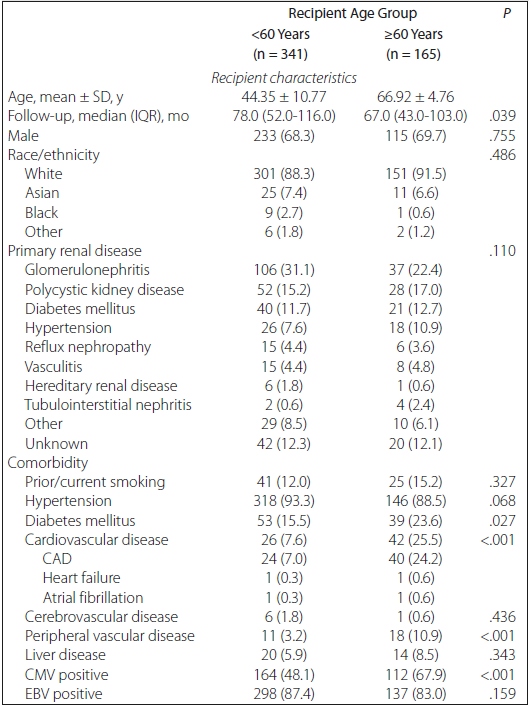
Table 1. Characteristics of the Study Population Stratified by Recipient Age(≥60 and <60 Years)
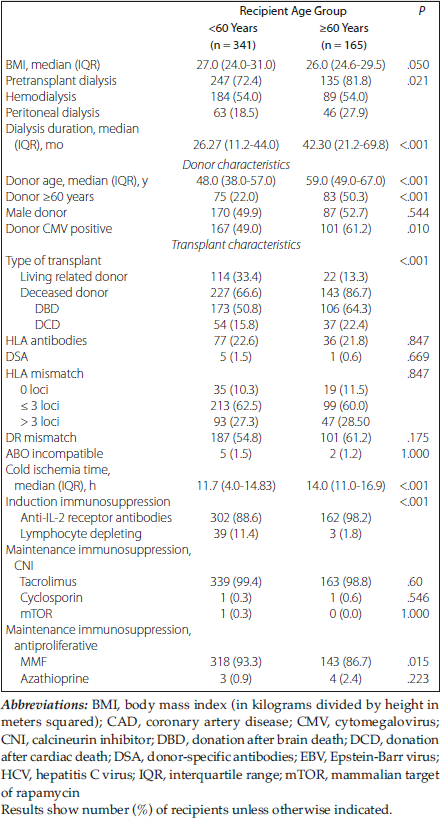
Table 1. Characteristics of the Study Population Stratified by Recipient Age(≥60 and <60 Years)
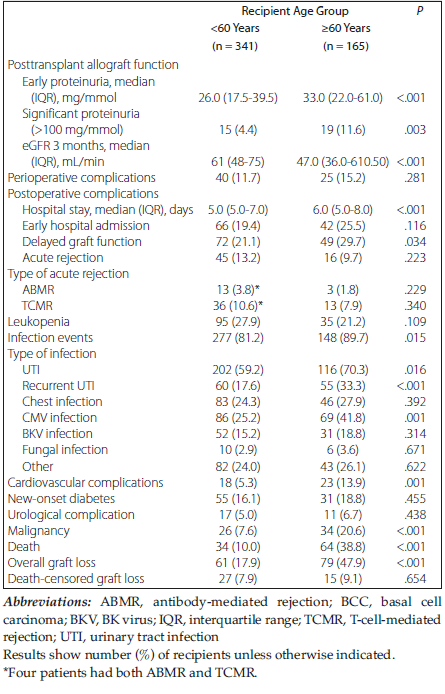
Table 2. Comparison of Posttransplant Allograft Functions, Complications,and Outcomes
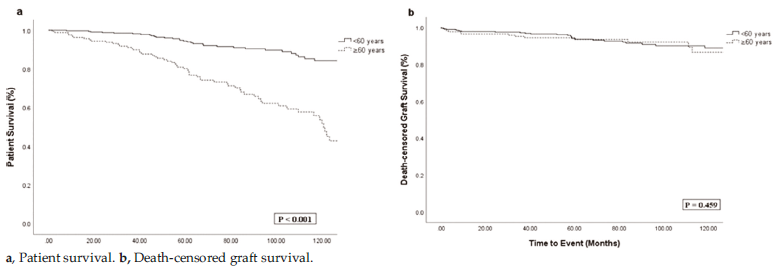
Figure 1. Kaplan-Meier Survival Curves According to Renal Transplant Recipients Aged ≥60 Years Versus Aged <60 Years
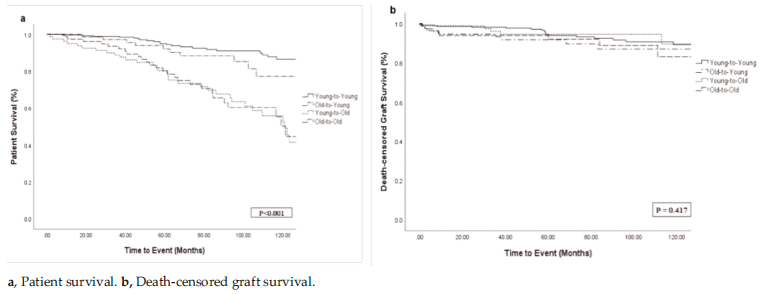
Figure 2. Kaplan-Meier Curves According to Recipient and Donor Age Matches
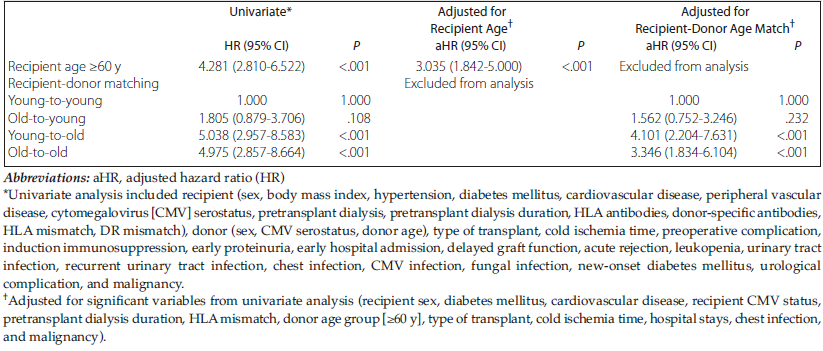
Table 3. Cox Regression Analysis of Patient Survival in the Study Population (n = 506) Adjusted to Recipient Age and Recipient-Donor Age Match
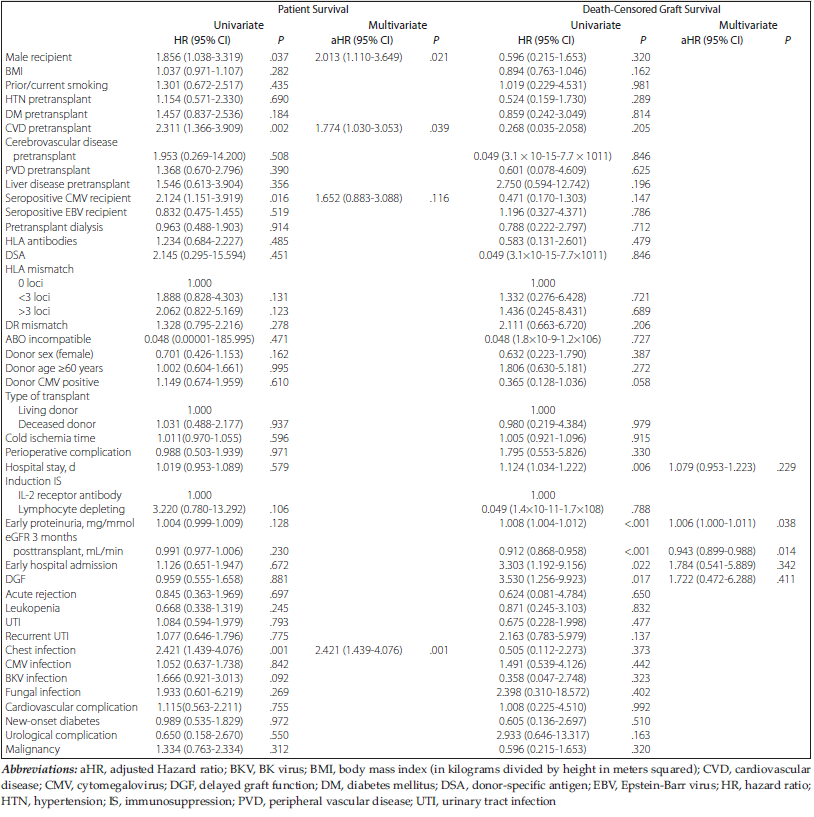
Table 4. Cox Regression Analysis of Prognostic Factors for Patient and Death-Censored Graft Survival in Elderly Renal Transplant Recipients ≥60 Years (n = 165)