Volume: 22 Issue: 2 February 2024
FULL TEXT
Objectives: Hypocalcemia is frequently identified during liver transplant. However, supplementation of extracellular calcium could induce increased intracellular calcium concentration, as a potential factor for injury to the liver graft. We evaluated the effects of regulating extracellular calcium concentrations on hepatic ischemia-reperfusion injury.
Materials and Methods: We randomly divided 24 Sprague-Dawley rats into 3 groups: group C received normal saline (n = 8), group L received citrate to induce hypocalcemia (n = 8), and group L-Co received citrate followed by calcium gluconate to ameliorate hypo-calcemia (n = 8). Liver enzyme levels and extracellular calcium were measured before surgery, 1 hour
after ischemia, and 2 hours after reperfusion. The primary outcome was liver enzyme levels measured 2 hours after reperfusion. In addition, we evaluated intracellular calcium levels, lactate dehydrogenase activity, and histopathological results in liver tissue.
Results: Three groups demonstrated significant differences in extracellular calcium concentrations, but intracellular calcium concentrations in liver tissue
were not significantly different. Group L showed significantly lower mean arterial pressure than other groups at 1 hour after ischemia (93.6 ± 20.8 vs
69.4 ± 14.2 vs 86.6 ± 10.4 mmHg; P = .02, for group C vs L vs L-Co, respectively). At 2 hours after reperfusion, group L showed significantly higher liver enzymes than other groups (aspartate aminotransferase
443.0 ± 353.2 vs 952.3 ± 94.8 vs 502.4 ± 327.3 U/L,
P = .01; and alanine aminotransferase 407.9 ± 406.5 vs 860.6 ± 210.9 vs 333.9 ± 304.2 U/L, P = .02; for group
C vs L vs L-Co, respectively). However, no significant difference was shown in lactate dehydrogenase and histological liver injury grade.
Conclusions: Administering calcium to rats with hypocalcemia did not increase intracellular calcium accumulation but instead resulted in less hepatic injury compared with rats with low extracellular calcium concentrations in this rat model study.
Key words : Hypocalcemia, Liver transplant, Rat
Introduction
Hypocalcemia is a result of abnormal calcium metabolism in end-stage liver disease and is a common finding during liver transplant (LT). In LT, transfusion is crucial to maintain intravascular volume and coagulation capacity. Especially in the anhepatic stage beginning with the occlusion of vascular flow into the liver, a low extracellular calcium concentration is frequently observed upon the administration of large amounts of citrated blood products. With the loading from a massive transfusion, citrate induces hypocalcemia by chelation of calcium.1,2 Prolonged citrate metabolism resulting from impaired liver function leads to progressive hypocalcemia.3,4 Perioperative manifestation of hypocalcemia is hypotension, which presents as decreases in cardiac index, stroke index, and left ventricular stroke work index.5
However, in the postreperfusion stage that commences with the reperfusion of the liver graft, rebound hypercalcemia precipitates as the liver metabolizes the citrate chelator.6 Also, exogenous calcium supplementation could lead to elevation of intracellular calcium concentration. Severe accumulation of calcium within hepatocytes subsequently causes increased calcium uptake in the mitochondria.7-9 With hepatic mitochondria dysfunction and cellular damage, liver failure remains a significant clinical problem with high mortality and morbidity due to multiple organ failure.10 Therefore, a proper calcium concentration should be maintained to treat hypotension and maintain stable hemodynamic function.
Hepatic ischemia-reperfusion injury (HIRI), a typical pathological process in liver surgery, often causes hepatic trauma or disruption of the sinusoidal microcirculation and subsequent hepatic failure. The HIRI is a 2-stage phenomenon in which reduced blood flow to an organ results in hypoxia and
then is exacerbated upon restoration of oxygen. Reestablishment of blood flow and reintroduction of oxygen to an ischemic liver leads to formation of reactive oxygen species, which are inflammatory mediators. It is important to note that HIRI represents the main reason of liver graft dysfunction, independent of liver basal characteristics.11-13 Although there are many causes of HIRI, particular emphasis is placed on intracellular calcium influx and mitochondrial calcium overload.
Treatment of hypocalcemia during LT by admi-nistering exogenous calcium is a concern because of the possible accumulation of both extracellular and intracellular calcium concentrations, which may harm the newly transplanted liver. Additionally, it is uncertain whether maintaining low extracellular calcium levels could prevent calcium overload in the mitochondria and help regulate intracellular calcium levels. To investigate this further, we used a rat model to examine the effect of controlling extracellular calcium levels on HIRI.
Materials and Methods
Animals
Ethical approval for this study was provided by the Institutional Animal Care and Use Committee of Samsung Biomedical Research Institute (November 2018, deliberation No. 20181026001), which is accredited by the Association for Assessment and Accreditation of Laboratory Animal Care International. As such, all protocols were in conformity with the Guide for the Care and Use of Laboratory Animals published by the National Institutes of Health 86-23, revised in 1985.
Based on the power calculation and our consideration of potential attrition due to surgical failure, we determined that 8 rats per group were required for our experiments. The calculation was based on alanine aminotransferase (ALT) levels obtained from a previous experiment,14,15 where the mean values were 500 U/L for no hypocalcemia, 600 U/L for hypocalcemia without correction, and 400 U/L for hypocalcemia with correction, with an average SD of 110 U/L. From these values we calculated an effect size of 0.74. We performed a power analysis (G*Power; https://www.psychologie.hhu.de/arbeitsgruppen/allgemeine-psychologie-und-arbeitspsychologie/gpower) for a 1-way analysis of variance (ANOVA) with this effect size, which indicated a sample size of 7 per experimental group. We anticipated the possibility of failure, so we requested an additional rat per group.
In all experiments, we used healthy male Sprague-Dawley rats (Experimental Animal Resource Center) weighing between 336 and 500 g and aged between 8 and 10 weeks. The animals were housed in the Samsung Medical Center Animal Experiment Center and kept at a 23 ± 3 °C temperature, 55 ± 15% relative humidity, 12-12 h cycle of dark and light exposure, and 150 to 300 lux. During the experimental period, environmental conditions were measured regularly. Free access to Dreambio standard rat diet (Cargill Agripurina) and sterilized tap water were supplied. A wooden rug (Cotec) was supplied. Breeding boxes, rugs, and water bottles were changed at least once a week. All experimental animal protocols complied with the Guide for the Care and Use of Laboratory Animals.16
Group allocation
Twenty-four rats were randomly allocated, by sealed envelopes, into the following 3 groups according to the calcium concentration: group C was not exposed to hypocalcemia, group L was exposed to hypo-calcemia without correction, and group L-Co was exposed to hypocalcemia with correction. Considering the previous study and drop-out rate, 8 rats per group were assigned to each group.17
Drug administration
Figure 1 outlines the protocol. The drugs were prepared and injected into the tail vein by a researcher who was not involved in the surgery or outcome measurement. In group L, the administration of citrate solution, which was prepared from dissolved sterile 30% trisodium citrate solution (1.0 mmol citrate per 2 mL, Taechang Industry) induced hypocalcemia. A calibrated syringe pump was used to administer the solution at a rate of 1.0 mmol/kg/h (cumulative dose of citrate 4 mmol/kg). Infusion of a citrate solution was started from the beginning of the surgery and was continued throughout 1 hour of ischemia and 2 hours of reperfusion. In group L-Co, hypocalcemia was induced by the administration of citrate solution at the same volume and rate as group L until the onset of ischemia from the surgery. From the start of ischemia, the correction of hypocalcemia was achieved by administration of 10% calcium gluconate (0.452 mmol calcium per 2 mL; JW Pharmaceutical) at rate of 2 mL/kg/h. Infusion of calcium gluconate was continued during the ischemia and reperfusion period. In group C, an equal volume of an isotonic NaCl solution (normal saline injection; JW Pharmaceutical) was administered from the start of surgery. The researchers who performed the surgery and measured the outcomes were blinded to the treatment.
Rat model of hepatic ischemia-reperfusion injury
Rats were subjected to fasting for 12 hours before surgery and throughout the entire experimental procedure but were given free access to water. The surgery was conducted in dedicated spaces. Inhalation of isoflurane (4%-5% induction, 1%-2% maintenance) for anesthesia was used through veterinary anesthesia vaporizer (model VIP 3000, Matrix). Tracheal intubation was performed using an 18-gauge angiocatheter cannula, and the lungs were ventilated mechanically (SurgiVet, Smiths Medical PM). Once anesthetized, rats were paralyzed with intravenous 0.2 mg/kg rocuronium bromide (Hanlim Pharmaceutical). Hourly intravenous infusions of 0.5 mL of 0.9% NaCl solution were administered for hydration. A 24-gauge angiocatheter cannula was inserted into the femoral artery to monitor mean arterial blood pressure (MAP) and collect blood samples. Rats were fixed on the operating table in a supine position, and a warm pad was used to maintain their body temperature at 37 ± 0.5 ?.
There was no intervention during the first 30 minutes as a baseline period. After the baseline period, the abdomen was shaved in aseptic conditions, and a midline incision of approximately 2 cm in length was made using 1% lidocaine (lidocaine HCL, Huons) under local anesthesia. The ligaments surrounding the liver were separated, and the hepatic portal system and the pedicles of the left and middle lobes of the liver were exposed. To reduce the blood flow to the left and middle lobes by approximately 70%, the portal veins in these lobes and the hepatic artery were clamped with a vascular clip (Harvard Apparatus) to reduce the blood flow to these lobes (Figure 1). To avoid obstructions in the portal vein and gastrointestinal tract, the blood flow to the right and caudate lobes was maintained.18 The lobes softened and turned gray, indicating successful ischemia. After 1 hour of ischemia, the clamp was released to allow blood flow to resume. Successful reperfusion was indicated by the liver surface regaining its red color. After 2 hours of reperfusion, animals were killed by a cardiac incision while under deep isoflurane anesthesia.
Hemodynamic monitoring
The femoral artery was cannulated to monitor MAP. The transducer (Transpac, Abbott Critical Care Systems) was placed at the level of the sternum and was calibrated prior to the insertion of the arterial line. Throughout the procedure, MAP was monitored every 10 minutes.
Laboratory tests
Serum levels of extracellular calcium, aspartate aminotransferase (AST), and ALT were measured with a biochemistry analyzer (model DRI-CHEM NX700V, Fujifilm) with 1.5 mL of blood sample collected from the femoral artery. Arterial blood gas analysis (i-STAT Alinity, Abbott Critical Care Systems) was also performed to investigate the acid-base state. Each test was measured at the following 3 time points: the baseline before surgery, 1 hour after ischemia, and 2 hours after reperfusion.
Intracellular calcium concentration and lactate dehydrogenase assay
The concentration of intracellular calcium in liver tissues was determined 2 hours after reperfusion using a colorimetric calcium assay kit (model ab102505, Abcam). The assays were performed according to the manufacturer’s protocol. In this assay kit, tissue samples were washed in cold phosphate-buffered saline (PBS). After tissue homogenization with a sonicator and centrifugation at top speed for 2 to 5 minutes at 4 °C, only free calcium ions can be detected by adding chromogenic reagent.
Lactate dehydrogenase (LDH) activity in liver tissue samples was assessed 2 hours after reperfusion using a colorimetric LDH assay kit (model ab102526, Abcam). Lactate dehydrogenase, a stable cytoplasmic enzyme present in all cells, was measured to assess cellular viability.19 The assay was performed in accordance with the manufacturer’s protocol. The tissues were homogenized in 2 to 4 volumes of cold assay buffer after being cleaned with cold PBS, and the output was measured at OD 450 nm on a microplate reader in a kinetic mode every 2 to 3 minutes for at least 30 to 60 minutes at 37 °C and protected from light.
Histological examination
To assess the hepatocyte damage caused by HIRI, a histological examination was conducted after reperfusion. Pathology analysis was performed on the middle lobe. According to a typical histological method, liver specimens were fixed in 10% formaldehyde (Abbott Critical Care Systems) and embedded in paraffin. Liver tissue samples were sectioned (4 μm) and stained with hematoxylin and eosin for microscopic analysis. Stained sections were obtained, and a pathologist blinded to the study procedure conducted the histological examination with pathology slide viewing software (ImageScope version 11.1.2.760; Aperio Technologies). The samples were evaluated at ×200 magnification using a point-counting method to assess the severity of hepatic injuries. Liver tissues were assessed using the following ordinal scoring system: grade 0, minimal or no evidence of injury; grade 1, mild injury consisting of cytoplasmic vacuolation and focal nuclear pyknosis; grade 2, moderate to severe injury with extensive nuclear pyknosis, cytoplasmic hypereosinophilia, and loss of intercellular borders; and grade 3, severe necrosis with the disintegration of hepatic cords, presence of hemorrhage, and presence of polymorphonuclear granulocyte infiltration.18
Statistical analyses
The Kolmogorov-Smirnov test was used to deter-mine the normality of the data distribution. Data with a normal distribution were compared using ANOVA with the Tukey post hoc comparison adjusted by the Dunnett method. Specific differences were identified using the Kruskal-Wallis test for data without normal distribution. A repeated measures ANOVA was performed for data collected repeatedly over time. The Fisher exact test was used in the analysis of contingency tables. Data are presented as mean values with SD. We used SPSS software (version 25.0) for statistical analyses. P < .05 was considered statistically significant.
Results
All rats concluded the study according to their assigned groups, and there were no missing
data in this study. With regard to body weight, there was no discernible difference between the groups (375.75 ± 9.1 g vs 365.83 ± 15.1 g vs 380.20 ± 13.7 g; P = .75, for group C vs L vs L-Co, respectively). Throughout the experiment, acid-base balance was maintained with arterial blood gas analysis.
Extracellular and intracellular calcium concentration
Table 1 shows that the extracellular calcium concentration in the 3 groups was comparable prior to surgery. After ischemia, there was a significant difference in the extracellular calcium level according to the administration of drugs (P = .03). After reperfusion, the 3 groups also showed significant differences (P = .02), and extracellular calcium concentrations after reperfusion were lower than after ischemia in each group. However, intracellular calcium concentration in liver tissues did not show significant differences 2 hours after reperfusion (P = .60).
Hemodynamic change
Figure 2 shows the change of MAP during the surgery. Group L showed significantly lower MAP at 1 hour after ischemia than the other groups (93.6 ± 20.8 vs 69.4 ± 14.2 vs 86.6 ± 10.4 mmHg; P = .02, group C vs L vs L-Co, respectively). During the experiment, the MAP of group L was lower than that of the other groups, but the difference was significant only with group C (P = .04).
Serum concentrations of aspartate aminotrans-ferase alanine aminotransferase
Figure 3 compares the levels of AST and ALT at the 3 time points. There were no significant differences in the AST (50.5 ± 5.3 vs 51.0 ± 10.5 vs 47.1 ± 5.4 U/L; P = .5, for group C vs L vs L-Co, respectively) and ALT (30.1 ± 5.9 vs 37.8 ± 16.3 vs 30.6 ± 3.1 U/L; P = .4, for group C vs L vs L-Co, respectively) levels between groups before surgery. After ischemia, increase of AST (77.9 ± 19.3 vs 77.4 ± 25.9 vs 83.1 ± 39.2 U/L; P = .60, for group C vs L vs L-Co, respectively) and ALT (37.6 ± 5.8 vs 40.0 ± 7.9 vs 39. 5 ± 8.3 U/L; P = .6, for group C vs L vs L-Co, respectively) levels was observed with no significant difference between the 3 groups. However, the AST and ALT levels at 2 hours after reperfusion were significantly higher in group L compared with group C and group L-Co (AST 443.0 ± 353.2 vs 952.3 ± 94.8 vs 502.4 ± 27.3 U/L, P = .01; and ALT 407.9 ± 406.5 vs 860.6 ± 210.9 vs 339.5 ± 304.2 U/L, P = .02; for group C vs L vs L-Co, respectively).
Lactate dehydrogenase assay
The level of LDH was assessed 2 hours after reperfusion period. There was no significant difference in the LDH activity between groups (34.06 ± 20.85 vs 14.37 ± 9.03 vs 25.00 ± 10.4 mU/mL; P = .22, for group C vs L vs L-Co, respectively).
Hematoxylin and eosin staining
Hematoxylin and eosin staining showed that hepatocellular necrosis was semiquantitated, and liver tissue cells were examined to determine whether extracellular calcium concentration affected HIRI. Figure 4 shows sections of liver at 2 hours after reperfusion (stained with hematoxylin and eosin) and presents the graded severity of liver injury according to groups. Histology analysis of the liver showed that group L had a higher proportion of grade 3 liver tissues than the other groups, and 3 of 4 rats in group C and group L-Co had grade 0. However, this difference was not statistically different.
Discussion
The study aimed to evaluate the effects of controlling extracellular calcium levels on HIRI. The results showed that administering exogenous calcium to ameliorate hypocalcemia did not significantly affect the accumulation of intracellular calcium or worsen HIRI. Correction of hypocalcemia was associated with less hepatic injury and a more stable hemodynamic state compared with maintenance of low extracellular calcium levels.
Hypocalcemia is a significant problem during LT. Hypocalcemia is thought to result from a significant exogenous citrate load from a blood transfusion. Rapid administration of citrated blood products can induce a decrease in extracellular calcium concentration even in healthy patients. Moreover, in end-stage liver disease, hypotension due to decreased intravascular volume, decreased body temperature, acid-base imbalance, and electrolyte imbalance prolongs the metabolism of citrate. As a result, hypocalcemia persists during the LT procedure.20 Hypocalcemia can provoke cardiovascular instability that presents as decreases in the cardiac index, stroke index, and left ventricular stroke work index, due to decreased vascular tone and impaired cardiac contractility.20,21 Hypocalcemia should be corrected in order to maintain blood pressure and reach sufficient perfusion pressure for the organs during LT.22,23 In contrast to previous studies that relied on in vitro methods, our study was conducted in vivo, which allowed us to assess hemodynamic stability during hepatic ischemia and reperfusion, as well as calcium concentration and liver injury simultaneously.
Although hemodynamic stability can be achieved with extracellular calcium infusion, the possibility of intracellular calcium overload should be considered. Intracellular calcium influx and mitochondrial calcium overload are known as the causes of HIRI. Ischemic tissue injury increases free intracellular calcium, resulting in compromised membrane integrity and a decrease in cellular ATP reserves. In the early stages of reperfusion, energy deficiency caused by ischemia results in the failure of active transmembrane transport, followed by intracellular cell swelling in the endothelium. Leukocyte activation, vasoconstriction, and platelet aggregation within hepatocytes cause microcirculation failure.24 Because these pathways are associated with the main cause of liver graft dysfunction in LT, it is critical to maintain the intracellular calcium concentrations.25,26
A hypothesis has been proposed suggesting that maintaining a low extracellular calcium concentration plays a role in preserving low intracellular calcium levels, which in turn helps protect the liver from HIRI and maintain cellular homeostasis.27-29 In contrast to this prediction, correction of the extracellular calcium level did not significantly affect the intracellular calcium level in present study. In addition, laboratory tests showed that hypocalcemia led to more severe hepatic injury compared with correction of hypocalcemia.
In addition to hemodynamic stability, there are several possible reasons why correction of hypoca-lcemia through calcium infusion may have resulted in less liver damage in a rat model. First, we suggested that an increase in total cellular calcium that did not result from the influx of extracellular calcium causes hepatic cell death.30 It has been reported that the calcium causing the increase in the mitochondria is transported from intracellular stores, particularly from the Golgi apparatus and the endoplasmic reticulum, in greater and faster amounts than from the extracellular space.31,32 Because the surface area of transport organ such as the Golgi apparatus and the endoplasmic reticulum is generally much greater than that of the plasma membrane, the influx of extracellular calcium through the plasma membrane is relatively less suited for the rapid regulation of intracellular calcium concentration.33 Second, low extracellular calcium concentration could result in oxidative stress by inducing alterations in plasma membrane structure and permeability. Previous studies have reported that extracellular calcium has a protective effect on HIRI by as evaluated by monitoring potassium balance, LDH release, and lipid peroxidase.30,34,35 These studies suggest that the absence of extracellular calcium causes oxidative stress by altering the structure and permeability of plasma membranes, although the exact mechanism is still not fully understood. Finally, calcium improved liver function and oxidative stress in previous studies of the addition of calcium during liver perfusion in a rat model.12,36,37 They explained that extracellular calcium serves a protective role by maintaining intracellular glutathione, which is an important cellular defense system against the oxygen radical system.
Although aminotransferases, which are sensitive indicators of liver cell injury, presented additional liver injury during the reperfusion period, no significant difference was found in the LDH activity for cell viability and the histological examination for assessment of hepatocellular injury between the 3 groups in this study. However, higher grades of hepatic injury tend to be more common in the hypocalcemia group than in the hypocalcemia correction group.
This study had some limitations. The mechanism responsible for HIRI varies according to the extent (partial or total), type (cold or warm), and duration of ischemia.38 This experiment was performed using partial warm ischemia, which could produce less injury than total ischemia due to maintained blood flow to the right and caudate lobes. Cold ischemia primarily affects sinusoidal endothelial cells, whereas warm ischemia has a more significant effect on hepatocytes. Moreover, a considerable amount of calcium is bound to proteins, predominantly albumin, and to globulins, and some is complexed with anions such as bicarbonate, citrate, sulfate, and lactate; however, we did not measure albumin and citrate levels. Although we induced hypocalcemia with citrate solution and corrected it with calcium gluconate based on a previous study, the extracellular calcium level was not constant in group L and group L-Co. Other factors affecting extracellular calcium concentration, such as temperature and acid-base balance, were adequately controlled. A warm pad was used to maintain the body temperature at 37 °C during the operation. The presence of acidosis or alkalosis was investigated by arterial blood gas analysis, which showed no significant difference between groups.
Exogenous calcium administration, which was used to control citrate-induced hypocalcemia, had little effect on the accumulation of intracellular calcium and did not aggravate the hepatic injury after HIRI. In contrast, when hypocalcemia was corrected, there was less hepatic damage and a more stable hemodynamic state than when extracellular calcium levels were low. These results provide preclinical evidence that maintenance of the extracellular calcium concentrations within the physiological level has a protective effect against HIRI. Further studies are needed to elucidate the pathogenesis of HIRI and provide a basis for therapeutic strategies to regulate extracellular calcium concentration.
References:
- Jawan B, de Villa V, Luk HN, et al. Ionized calcium changes during living-donor liver transplantation in patients with and without administration of blood-bank products. Transpl Int. 2003;16(7):510-514. doi:10.1007/s00147-003-0578-2
CrossRef - PubMed - Dalal A. Anesthesia for liver transplantation. Transplant Rev (Orlando). 2016;30(1):51-60. doi:10.1016/j.trre.2015.05.003
CrossRef - PubMed - Merritt WT. Metabolism and liver transplantation: review of perioperative issues. Liver Transpl. 2000;6(4 Suppl 1):S76-S84. doi:10.1002/lt.500060515
CrossRef - PubMed - Parekh KN, Crowley JC, Liu LL. Postoperative care of the liver transplant recipient. Anesthes Periop Care Organ Transplant. 2016:365-384. doi:10.1007/978-1-4939-6377-5_29
CrossRef - PubMed - van Opbergen CJM, den Braven L, Delmar M, van Veen TAB. Mitochondrial dysfunction as substrate for arrhythmogenic cardiomyopathy: a search for new disease mechanisms. Front Physiol. 2019;10:1496. doi:10.3389/fphys.2019.01496
CrossRef - PubMed - Pilla MA, Raines DE, Sandberg WS. Anesthesia for liver surgery and transplantation. In: Longnecker DE, Brown DL, Newman MF, Zapol WM, eds. Anesthesiology. 2nd ed. McGraw-Hill Companies; 2012.
CrossRef - PubMed - Mansouri A, Gattolliat CH, Asselah T. Mitochondrial dysfunction and signaling in chronic liver diseases. Gastroenterology. 2018;155(3):629-647. doi:10.1053/j.gastro.2018.06.083
CrossRef - PubMed - Chang WJ, Chehab M, Kink S, Toledo-Pereyra LH. Intracellular calcium signaling pathways during liver ischemia and reperfusion. J Invest Surg. 2010;23(4):228-238. doi:10.3109/08941939.2010.496036
CrossRef - PubMed - Liu H, Man K. New insights in mechanisms and therapeutics for short- and long-term impacts of hepatic ischemia reperfusion injury post liver transplantation. Int J Mol Sci. 2021;22(15). doi:10.3390/ijms22158210
CrossRef - PubMed - Cryer H. Ischemia and reperfusion as a cause of multiple organ failure. In: Baue AE, Faist E, Fry, DE, eds. Multiple Organ Failure: Pathophysiology, Prevention, and Therapy. Springer New York; 2000:108-113.
CrossRef - PubMed - Kim YI. Ischemia-reperfusion injury of the human liver during hepatic resection. J Hepatobiliary Pancreat Surg. 2003;10(3):195-199. doi:10.1007/s00534-002-0730-x
CrossRef - PubMed - Cannistra M, Ruggiero M, Zullo A, et al. Hepatic ischemia reperfusion injury: a systematic review of literature and the role of current drugs and biomarkers. Int J Surg. 2016;33 Suppl 1:S57-S70. doi:10.1016/j.ijsu.2016.05.050
CrossRef - PubMed - Teodoro JS, Da Silva RT, Machado IF, et al. Shaping of hepatic ischemia/reperfusion events: the crucial role of mitochondria. Cells. 2022;11(4). doi:10.3390/cells11040688
CrossRef - PubMed - Kim D, Choi JW, Han S, et al. Ischemic preconditioning protects against hepatic ischemia-reperfusion injury under propofol anesthesia in rats. Transplant Proc. 2020;52(10):2964-2969. doi:10.1016/j.transproceed.2020.05.013
CrossRef - PubMed - Lim H, Kim TY, Kim SY, et al. The protective effects of dexmedetomidine preconditioning on hepatic ischemia/reperfusion injury in rats. Transplant Proc. 2021;53(1):427-435. doi:10.1016/j.transproceed.2020.10.014
CrossRef - PubMed - National Research Council Committee. Guide for the Care and Use of Laboratory Animals. 8th ed. National Academies Press; 2011. doi:10.17226/12910
CrossRef - PubMed - Bienholz A, Reis J, Sanli P, et al. Citrate shows protective effects on cardiovascular and renal function in ischemia-induced acute kidney injury. BMC Nephrol. 2017;18(1):130. doi:10.1186/s12882-017-0546-1
CrossRef - PubMed - Bedirli N, Ofluoglu E, Kerem M, et al. Hepatic energy metabolism and the differential protective effects of sevoflurane and isoflurane anesthesia in a rat hepatic ischemia-reperfusion injury model. Anesth Analg. 2008;106(3):830-837. doi:10.1213/ane.0b013e3181616fc9
CrossRef - PubMed - Kumar P, Nagarajan A, Uchil PD. Analysis of cell viability by the lactate dehydrogenase assay. Cold Spring Harb Protoc. 2018;2018(6). doi:10.1101/pdb.prot095497
CrossRef - PubMed - Martin TJ, Kang Y, Robertson KM, Virji MA, Marquez JM. Ionization and hemodynamic effects of calcium chloride and calcium gluconate in the absence of hepatic function. Anesthesiology. 1990;73(1):62-65. doi:10.1097/00000542-199007000-00010
CrossRef - PubMed - Marquez J, Martin D, Virji MA, et al. Cardiovascular depression secondary to ionic hypocalcemia during hepatic transplantation in humans. Anesthesiology. 1986;65(5):457-461. doi:10.1097/00000542-198611000-00001
CrossRef - PubMed - Brezeanu LN, Brezeanu RC, Diculescu M, Droc G. Anaesthesia for liver transplantation: an update. J Crit Care Med (Targu Mures). 2020;6(2):91-100. doi:10.2478/jccm-2020-0011
CrossRef - PubMed - Kang Y, Elia E. Anesthesia management of liver transplantation. In: Doria C, ed. Contemporary Liver Transplantation: The Successful Liver Transplant Program. Springer; 2017:143-187.
CrossRef - PubMed - Serracino-Inglott F, Habib NA, Mathie RT. Hepatic ischemia-reperfusion injury. Am J Surg. 2001;181(2):160-166. doi:10.1016/s0002-9610(00)00573-0
CrossRef - PubMed - Jimenez-Castro MB, Cornide-Petronio ME, Gracia-Sancho J, Peralta C. Inflammasome-mediated inflammation in liver ischemia-reperfusion injury. Cells. 2019;8(10). doi:10.3390/cells8101131
CrossRef - PubMed - Paugam-Burtz C, Kavafyan J, Merckx P, et al. Postreperfusion syndrome during liver transplantation for cirrhosis: outcome and predictors. Liver Transpl. 2009;15(5):522-529. doi:10.1002/lt.21730
CrossRef - PubMed - Isozaki H, Fujii K, Nomura E, Hara H. Calcium concentration in hepatocytes during liver ischaemia-reperfusion injury and the effects of diltiazem and citrate on perfused rat liver. Eur J Gastroenterol Hepatol. 2000;12(3):291-297. doi:10.1097/00042737-200012030-00006
CrossRef - PubMed - Martins RM, Teodoro JS, Furtado E, Rolo AP, Palmeira CM, Tralhao JG. Recent insights into mitochondrial targeting strategies in liver transplantation. Int J Med Sci. 2018;15(3):248-256. doi:10.7150/ijms.22891
CrossRef - PubMed - Li J, Li RJ, Lv GY, Liu HQ. The mechanisms and strategies to protect from hepatic ischemia-reperfusion injury. Eur Rev Med Pharmacol Sci. 2015;19(11):2036-2047.
CrossRef - PubMed - Fariss MW, Reed DJ. Mechanism of chemical-induced toxicity. II. Role of extracellular calcium. Toxicol Appl Pharmacol. 1985;79(2):296-306. doi:10.1016/0041-008x(85)90351-5
CrossRef - PubMed - Paupe V, Prudent J. New insights into the role of mitochondrial calcium homeostasis in cell migration. Biochem Biophys Res Commun. 2018;500(1):75-86. doi:10.1016/j.bbrc.2017.05.039
CrossRef - PubMed - Amaya MJ, Nathanson MH. Calcium signaling in the liver. Compr Physiol. 2013;3(1):515-539. doi:10.1002/cphy.c120013
CrossRef - PubMed - Carafoli E, Crompton M. The regulation of intracellular calcium. Dedicated to A. L. Lehninger on the occasion of his sixtieth birthday. In: Bronner F, Kleinzeller A, eds. Current Topics in Membranes and Transport. Academic Press; 1978:151-216.
CrossRef - PubMed - Fariss MW, Olafsdottir K, Reed DJ. Extracellular calcium protects isolated rat hepatocytes from injury. Biochem Biophys Res Commun. 1984;121(1):102-110. doi:10.1016/0006-291x(84)90693-4
CrossRef - PubMed - Kobayashi S, Miescher E, Clemens MG. A synergistic effect of extracellular hypocalcemic condition for hyperoxic reoxygenation injury in rat hepatocytes. Transplantation. 1999;67(3):451-457. doi:10.1097/00007890-199902150-00019
CrossRef - PubMed - Dutkowski P, Wahl W, Winkelbach V, Watzka M, Krysiak M, Junginger T. Calcium prevents loss of glutathione and reduces oxidative stress upon reperfusion in the perfused liver. Int J Surg Investig. 2000;2(1):1-7.
CrossRef - PubMed - Reed DJ, Pascoe GA, Thomas CE. Extracellular calcium effects on cell viability and thiol homeostasis. Environ Health Perspect. 1990;84:113-120. doi:10.1289/ehp.9084113
CrossRef - PubMed - Peralta C, Jimenez-Castro MB, Gracia-Sancho J. Hepatic ischemia and reperfusion injury: effects on the liver sinusoidal milieu. J Hepatol. 2013;59(5):1094-1106. doi:10.1016/j.jhep.2013.06.017
CrossRef - PubMed

Volume : 22
Issue : 2
Pages : 120 - 128
DOI : 10.6002/ect.2023.0307
From the 1Department of Anesthesiology and Pain Medicine, Sungkyunkwan University School of Medicine; and the 2Department of Anesthesiology and Pain Medicine, Samsung Medical Center, Sungkyunkwan University School of Medicine, Seoul, South Korea
Acknowledgements: The authors have not received any funding or grants in support of the presented research or for the preparation of this work and have no declarations of potential conflicts of interest.
*MiHye Park and Justin S. Ko equally contributed to this work.
Corresponding author: MiHye Park, Department of Anesthesiology and Pain Medicine, Samsung Medical Center, Sungkyunkwan University, School of Medicine, 81 Irwon-ro, Gangnam-gu, Seoul 06351, Korea
Phone: +82 23410 5258
E-mail: dukiduck@skku.edu5
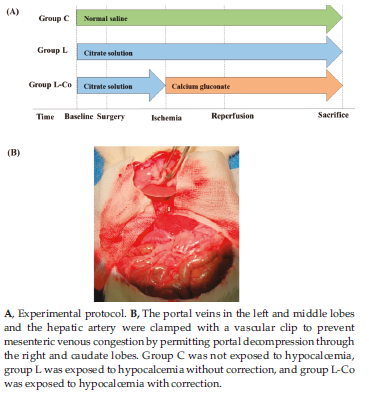
Figure 1. Experimental Protocol and Procedure Induced Ischemia by Vascular Clamping
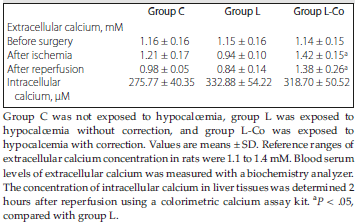
Table 1. Comparison of Extracellular and Intracellular Calcium Concentration in the 3 Groups
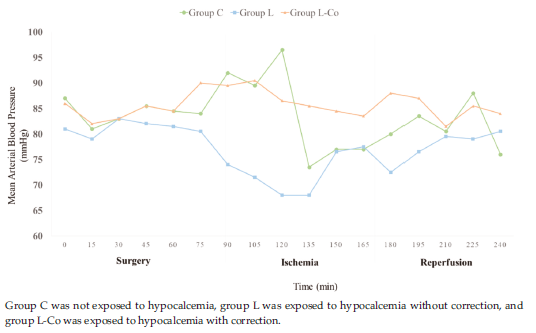
Figure 2. Experimental Protocol and Procedure Induced Ischemia by Vascular Clamping
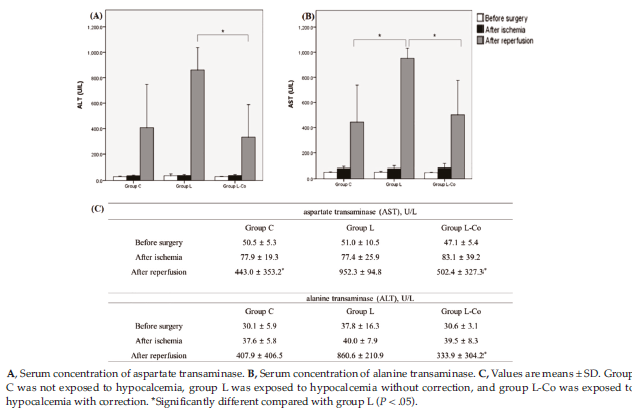
Figure 3. Comparison of Serum Concentration of Aspartate Transaminase and Alanine Transaminase at 3 Time Points
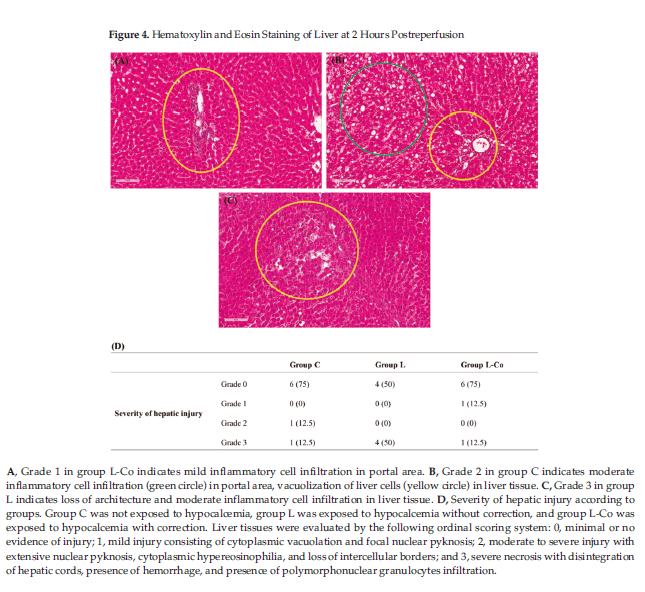
Figure 4. Hematoxylin and Eosin Staining of Liver at 2 Hours Postreperfusion