Volume: 22 Issue: 1 January 2024 - Supplement - 1
FULL TEXT
Recurrence Rate of Early Hepatitis C Virus Infection After Renal Transplantation Following Successful Treatment of Patients on Dialysis With Direct-Acting Antiviral Agents
Objectives: Recurrence of hepatitis C virus after organ transplant has dreadful complications. An excellent response has been shown with direct-acting antiviral agents in transplant recipients. Although a sustained virological response is considered as the virological cure, it requires patients to be on dialysis for 3 months more before undergoing renal transplant, thus increasing the risk of hepatitis C virus reinfection and associated complications. We aimed to determine hepatitis C virus recurrence in renal transplant recipients who had achieved end-of-treatment response before transplant.
Materials and Methods: Per our institutional dialysis protocol, patients who do not achieve rapid virological response are treated with 6 months of direct-acting antiviral agents. All patients who achieve end-of-treatment response are then referred for renal transplant. Our study included kidney transplant recipients who were treated with direct-acting antiviral agents and had a hepatitis C virus polymerase chain reaction test 3 months after renal transplant. We obtained demographic and clinical data of patients and used SPSS version 20.0 for statistical analyses.
Results: Our study included 48 transplant recipients; most were males (81.1%) with mean age of 28.7 ± 9.4 years. All patients received sofosbuvir, daclatasvir, and ribavirin combination before transplant. Most patients (70%) received treatment for 3 months. The polymerase chain reaction test for hepatitis C virus was conducted after a mean of 8.3 ± 3.3 months posttransplant. Laboratory parameters showed total bilirubin of 3.6 ± 17.5 mg/day, alanine aminotransferase of 51.5 ± 80.2 IU/L, and gamma-glutamyltransferase of 133.9 ± 220 IU/L. Two recipients (4.2%) had posttransplant recurrence of hepatitis C virus infection.
Conclusions: To our knowledge, this study is the first to document excellent response of direct-acting antivirals in renal transplant recipients who had been referred early for transplant. Thus, dialysis patients can undergo transplant after achieving end-of-treatment response.
Key words : Hemodialysis, Kidney transplant, Virological response
Introduction
Recurrence of hepatitis C virus (HCV) infection after organ transplant has dreadful complications, including graft failure and fibrosing cholestatic hepatitis.1,2 Transplant recipients can have a good response with direct-acting antiviral agents (DAAs).
Although a sustained virological response is considered as the virological cure,3 it requires patients to be on dialysis an additional 3 months before undergoing renal transplant, thus increasing risk of HCV reinfection and associated complications. Because the cytopathic properties of HCV can lead to survival risk in renal transplant recipients, we thus aimed to determine HCV recurrence in renal transplant recipients who had achieved an end of treatment response (ETR) before renal transplant. .
Materials and Methods
Our study included renal transplant recipients who were between 18 and 50 years of age and who were treated for HCV before transplant with DAAs. Information on DAAs used by patients during dialysis was obtained from medical records of patients. We also obtained data on patients’ rapid viral response (RVR) and ETR. Achievement of RVR was defined as HCV not detected with polymerase chain reaction (PCR) after 1 month of DAA treatment. Achievement of ETR was defined as no detection of HCV on PCR after end of treatment. As per our institutional protocol, patients on dialysis who did not achieve RVR were treated with 6 months of DAAs. All patients who achieved ETR were then referred for transplant. Kidney transplant recipients who were treated with DAAs and had an HCV PCR test at least 3 months after transplant were enrolled. Transplant recipients with detectable HCV PCR were considered to have HCV recurrence. Patient who refused participation were excluded.
We analyzed data using SPSS version 20 statistical software. Data are presented as mean ± SD for quantitative variables.
Results
Over 1.5 years, 432 patients underwent renal transplant at the Sindh Institute of Urology and Transplantation. Of these patients, 48 were previously treated for HCV with DAAs and were included in our study; most were males (81.1%) with mean age of 28.7 ± 9.4 years.
Pretransplant
All patients had received sofosbuvir, daclatasvir, and ribavirin combination. Most patients received treatment for 3 months (70%); the remaining patients had treatment for 6 months. Only 5% of patients did not achieve RVR. An ETR was achieved in all patients.
Posttransplant
A PCR test of HCV was conducted at a mean duration of 8.3 ± 3.3 months. Laboratory parameters showed total bilirubin level of 3.6 ± 17.5 mg/day, alanine aminotransferase level of 51.5 ± 80.2 IU/L, and gamma-glutamyltransferase level of 133.9 ± 220 IU/L. (Table 1) shows the mean laboratory parameters before and after transplant. Recurrence of HCV after renal transplant was documented in 2 patients (4.2%) (Figure 1).
Discussion
Infection with HCV and chronic kidney disease are major global public health issues. Globally, more than 185 million people have HCV infections.4 In developed countries, the prevalence of anti-HCV seropositivity among patients on maintenance hemodialysis ranges between 5% and 60%.5 Furthermore, the rate of HCV in hemodialysis patients in Pakistan is 23.7% to 56.6%.6
Kidney transplant remains the therapy of choice for patients with end-stage renal disease and HCV infection.7 However, patients with HCV infection have increased risk of allograft rejection, proteinuria, diabetes, and fibrosing cholestatic hepatitis after transplant.1,2
In the era of interferon , patients with HCV after renal transplant were not treated because of graft rejection, whereas relapse rate in recipients who were treated before transplant was 13% despite patients achieving ETR.8 For patients who receive highly effective DAAs, it is proposed and practiced to transplant these patients soon after completion of treatment.9 In our previous study, in 73 patients on dialysis, 95.8% had sustained virological response at 12 weeks after treatment with sofosbuvir and daclatasvir.10
Although sustained virological response is considered as the virological cure,3 it requires patients to be to be on dialysis for a longer duration (namely, 3-6 months) before renal transplant, thus increasing risk of breakthrough relapse and de novo HCV infection and associated complications.
Of 48 patients, only 2 renal transplant recipients had HCV recurrence; both recipients died (1 with graft failure and 1 with cryptococcal meningitis). However, overall, 95.8% of our patients had no HCV recurrence. To the best of our knowledge, no study has been performed to address HCV recurrence after transplant in patients treated with DAAs. Although we had a small sample size, we showed that patients who had achieved ETR during dialysis can undergo renal transplant with minimum risk of HCV recurrence.
Conclusions
To our knowledge, this is the first study to document excellent response of DAAs in renal transplant recipients who has been referred early for transplant. Thus, dialysis patients can undergo transplant after achieving ETR.
References:
- Agarwal SK, Bagchi S, Yadav RK. Hemodialysis patients treated for hepatitis C using a Sofosbuvir-based regimen. Kidney Int Rep. 2017;2(5):831-835. doi:10.1016/j.ekir.2017.04.003
CrossRef - PubMed - Siddiqui AR, Abbas Z, Luck NH, et al. Experience of fibrosing cholestatic hepatitis with hepatitis C virus in kidney transplant recipients. Transplant Proc. 2012;44(3):721-724. doi:10.1016/j.transproceed.2011.12.019.
CrossRef - PubMed - Pearlman B. Management of hepatitis C-infected patients after sustained virological response. Clin Liver Dis (Hoboken). 2020;16(1):20-24. doi:10.1002/cld.913
CrossRef - PubMed - Grebely J, Page K, Sacks-Davis R, et al; InC3 Study Group. The effects of female sex, viral genotype, and IL28B genotype on spontaneous clearance of acute hepatitis C virus infection. Hepatology. 2014;59(1):109-120. doi:10.1002/hep.26639
CrossRef - PubMed - Selcuk H, Kanbay M, Korkmaz M, et al. Distribution of HCV genotypes in patients with end-stage renal disease according to type of dialysis treatment. Dig Dis Sci. 2006;51(8):1420-1425. doi:10.1007/s10620-005-9025-9
CrossRef - PubMed - Calogero A, Sagnelli E, Creta M, et al. Eradication of HCV infection with the direct-acting antiviral therapy in renal allograft recipients [erratum Biomed Res Int. 2019;2019:8797329]. Biomed Res Int. 2019;2019:4674560. doi:10.1155/2019/4674560
CrossRef - PubMed - Morales JM, Aguado JM. Hepatitis C and renal transplantation. Curr Opin Organ Transplant. 2012;17(6):609-615. doi:10.1097/MOT.0b013e32835a2bac
CrossRef - PubMed - Radhakrishnan RC, Gopal B, Zachariah UG, et al. The long-term impact of hepatitis C infection in kidney transplantation in the pre-direct acting antiviral era. Saudi J Kidney Dis Transpl. 2018;29(5):1092-1099. doi:10.4103/1319-2442.243964
CrossRef - PubMed - Cohen-Bucay A, Francis JM, Gordon CE. Timing of hepatitis C virus infection treatment in kidney transplant candidates. Hemodial Int. 2018;22 Suppl 1:S61-S70. doi:10.1111/hdi.12643
CrossRef - PubMed - Mandhwani R, Hanif FM, Lail G, et al. Use of sofosbuvir based regimen in patients with end-stage renal disease and chronic hepatitis C; an open label, non-randomized, single arm, single center study from Pakistan. Gastroenterol Hepatol Bed Bench. 2020;13(2):141-146.
CrossRef - PubMed

Volume : 22
Issue : 1
Pages : 173 - 175
DOI : 10.6002/ect.MESOT2023.P6
From the Department of Hepatogastroenterology, Sindh Institute of Urology and Transplantation, Karachi, Pakistan
Acknowledgements: The authors have not received any funding or grants in support of the presented research or for the preparation of this work and have no declarations of potential conflicts of interest..
Corresponding author: Farina M. Hanif, 48/2, lane 15 khayaban e Badban, phase 7, DHA, Karachi, Pakistan
E-mail: farinahanif@hotmail.com
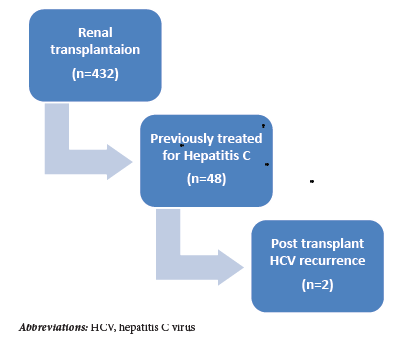
Figure 1.Diagrammatic Representation of the Study
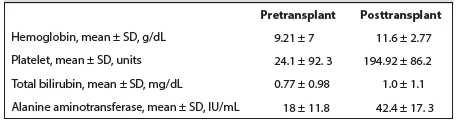
Table 1.Laboratory Parameters Before and After Renal Transplant