Volume: 21 Issue: 9 September 2023
FULL TEXT
Objectives: Herpes zoster infections can be complicated and mortal in solid-organ transplant recipients. In our study, we investigated herpes zoster infections in solid-organ transplant recipients.
Materials and Methods: Until June 2022, our center has performed 3342 kidney, 708 liver, and 148 heart transplants. Herpes zoster infections were investigated in 1050 adult solid-organ transplant recipients from January 1, 2011, to June 31, 2022. We studied 44 patients diagnosed with herpes zoster infections.
Results: Of the 44 patients with herpes zoster, 32 had kidney, 7 had heart, and 5 had liver transplant procedures. Crude incidence rate was 5.2%.,with 9.7% being heart, 5.1% being kidney, and 3.9% being liver transplant recipients; 72.7% were male patients.
The median age was 47.5 years, and 61% of patients were aged >45 years. Postherpetic neuralgia was significantly higher in patients older than 45 years (P = .006). The median duration to infection posttransplant was 16.5 months. The dermatomes of patients were 43.2% thoracic. Sacral dermatome involvement was significantly higher in heart transplant patients than in other transplant recipients (P = .015). We reviewed specific findings of the Tzanck test in 36.4% of the patients. There was concomitant infection in 15.9% of the patients, and 6.8% had pneumonia. Acute neuritis was more common in kidney transplant recipients (65.6%).
The mean duration of acute neuritis/neuralgia was longest in liver transplant recipients (13.5 months; P = .047). Postherpetic neuralgia was detected as high as 24%.
Conclusions: Early specific and supportive treatment is important for transplant recipients with herpes zoster infections. Appropriate antiviral prophylaxis regimens and vaccination strategies for varicella zoster (chickenpox) and herpes zoster infections should be implemented in the vaccination schedule of solid-organ transplant candidates to prevent herpes zoster infections and complications.
Key words : Acute neuritis, Chickenpox, Postherpetic neuralgia, Solid-organ transplantation, Varicella zoster virus
Introduction
Herpes zoster (HZ) is a rare disease, but its incidence increases in those who use immunosuppressive drugs and those who have had bone marrow or organ transplants. It can cause serious complications in solid-organ transplant (SOT) recipients. Herpes zoster is a reactivation of the latent varicella-zoster virus (VZV). Herpes zoster is also called shingles.1 Immunocompromised patients are at increased risk of VZV reactivation due to reduced T-cell-mediated immunity.2 These patients include transplant recipients, patients receiving selected immunomodulatory, immunosuppressive therapies, and patients treated with chemotherapy or corticosteroids. The most commonly used immuno-suppressive treatments in SOT recipients are steroids, tacrolimus, and mycophenolate mofetil, and this is the routine protocol in our center. Rates of disease and complications are also higher in immunocom-promised patients than in the general population.3,4 Immunocompromised patients are at risk for cutaneous and visceral dissemination. Disseminated HZ has been reported in SOT recipients and other immunocompromised populations. Disseminated VZV infection after organ transplant in adults is a rare but serious event with significant morbidity and mortality.5,6 The most common complication of HZ is postherpetic neuralgia (PHN). Other complications include HZ ophthalmicus or HZ oticus and (less commonly) acute retinal necrosis, aseptic meningitis, and encephalitis.7,8
The diagnosis of HZ is usually based solely on the clinical presentation (unilateral, usually painful vesicular eruption with a well-defined dermatomal distribution). Herpes zoster may present with atypical skin lesions in immunocompromised individuals. When the clinical presentation is uncertain, laboratory confirmation is required. Diagnostic techniques include polymerase chain reaction (PCR) testing, direct fluorescent antibody testing, and viral culture.9-11
The management of HZ includes hastening the healing of cutaneous lesions and decreasing the duration and severity of acute neuritis with antiviral therapy in 72 hours. Antiviral therapy should be initiated in all immunocompromised patients with HZ, even if they present after 72 hours. Rapid initiation of therapy is particularly critical in the severely immunocompromised patient, such as the organ transplant recipient. Immunocompromised patients with disseminated HZ should be hospita-lized for intravenous acyclovir therapy.12-14
In this study, we investigated the incidence, demographic data, clinical findings, treatment modalities, and complications of HZ among SOT recipients.
Materials and Methods
The first living related kidney transplant (KT) in Turkey was performed by the transplant team of our hospital on November 3, 1975. The first deceased related KT was performed in Turkey on October 10, 1978, and the first successful deceased donor liver transplant (LT) in Turkey, the Middle East, and North Africa was performed on December 8, 1988. Our transplant team performed a living related LT on an adult, which was the first in the world. In addition, on May 16, 1992, our transplant team performed the first combined LT-KT from a living related donor, which was the first operation of its kind anywhere in the world.15 Between November 1975 and June 2022, our transplant team performed 3342 KT procedures; and between December 1988 and June 2022, our transplant team performed 708 LT procedures in our centers. The first heart transplant (HT) was performed in our hospital in February 2003. A total of 148 HT have been performed in our hospital. Between the dates of our study (January 1, 2011, and June 31, 2022), 1050 patients underwent transplant at our centers.
Study design and patients
This is a cross-sectional, retrospective, and obser-vational study. Herpes zoster infections diagnosed from January 1, 2011, to June 31, 2022, among adult SOT recipients at Baskent University Ankara Hospital were included in this study. Living donors were relatives (up to the fourth degree) or spouses of the recipients. There were 832 (79%) transplants performed in adult patients, including 633 KT, 126 LT, and 73 HT. We studied 44 SOT recipients diagnosed with HZ infection. Demographic data of patients, comorbidities, and clinical features of HZ were recorded. The presence of complications, such as PHN, dissemination, and mortality, was also recorded.
Definitions
Localized HZ was defined as the presentation of vesicles in 1 or 2 adjacent dermatomes.16 Disseminated HZ was defined as the involvement of 3 or more dermatomes or 2 nonadjacent dermatomes or as the presence of more than 20 vesicles outside the area of the primary and adjacent dermatomes or as organ-invasive disease.16 Acute neuritis was defined as pain and is the most common symptom of HZ. Most patients describe a deep “burning,” “throbbing,” or “stabbing” sensation.16,17 Postherpetic neuralgia was defined as pain in the affected dermatomes, persisting at least 3 months after the onset of skin lesions and requiring treatment with opioid analgesics, tricyclic antidepressants, gabapentin, or pregabalin.16,17
Statistical analyses
We used SPSS software (version 25.0) for statistical analyses. The conformity of the variables to the normal distribution was examined with histogram charts and the Shapiro-Wilk test. Mean values, standard deviations, and median, minimum, and maximum values were used for the descriptive analyses. The Kruskal-Wallis test was used for com-parison of nonnormally distributed (nonparametric) variables between more than 2 groups. The Bonferroni method was used for multiple comparisons to investigate the reason for a significant difference between the groups. The frequency and percentage values are used to express the categorical variables, and the chi-square exact test was used for the analyses of the categorical variables. P < .05 was considered statistically significant.
This study was approved by the Baskent University Institutional Review Board (Project No. KA20/402). The protocols conformed to the ethical guidelines of the 1975 Helsinki Declaration and the Declaration of Istanbul on Organ Trafficking and Transplant Tourism.
Results
Herpes zoster infections were investigated in adult SOT patients from January 1, 2011, to June 31, 2022. There were 1050 transplants (695 KT, 271 LT, and 84 HT) performed in the hospital between those dates. There were 832 (79%) transplants performed in adult patients (≥18 years, including 633 KT, 126 LT, and 73 HT). The total incidence of HZ was 5.2% in adult SOT recipients. The incidence of HZ was 9.5% in HT patients, 5.05% in KT, and 3.96% in LT patients (Figure 1).
Of the 44 patients included in the study to evaluate HZ infections in SOT recipients, 72.7% were male. The median age of the individuals was 47.5 years (range, 18-65 years), and 43.2% were in the age range 46 to 55 years. Kidneys comprised 72.7% of the organs, with 11.4% livers and 15.9% hearts. Of the donated organs, 65.9% were from living donors, and 34.1% were from deceased donors. Of the donors, 22.7% were spouses and 43.2% were related donors. The median duration of HZ infections after transplant was 16.5 months (range, 1-140 months), and the duration of HZ infections was 12 to 24 months for 34.1% of patients and more than 24 months for 27.3% (Table 1).
The dermatome of the patients was 43.2% thoracic and 34.1% lumbar, and 61.4% of patients had the HZ infections on the left side. Patients with disseminated HZ comprised 15.9% of the study group. The zone of HZ for 45.4% of the patients was on the back, 27.3% on the trunk, 15.9% on the face, and 11.4% on the extremities (Figure 2). There were specific findings in the Tzanck test for 36.4% of the patients. Although 38.6% of the patients were positive for VZV immunoglobulin G, 6.8% were negative. Hypertension was observed in 50% of the patients, 25% had chronic hepatitis, and 13% had cardiomyopathy (Table 2). The treatment method for 50% of the patients was intravenous. The treatment agent for 59.1% of the patients was acyclovir, 36.4% received valacyclovir, and 4.5% received brivudine. The mean duration of treatment for the patients was 10.3 ± 3.9 days, and the duration of treatment was 7 to 14 days in 61.4% of the patients (Table 2).
Acute neuritis was present in 59.1% of the patients, and the mean follow-up time was 5.5 ± 5.1 months; 38.6% of them had a follow-up time of 1 to 3 months, and for 9.1% it was 4 to 6 months. Concomitant infections were found in 15.9% of the patients. Most patients (72.7%) received the triple regimen of tacrolimus, mycophenolate mofetil, and Deltacortril (prednisolone) as immunosuppression therapy. Rejec-tion was found in 22.7% of patients. Disse-mination during the disease was detected in 7 patients (15.9%), and 1 patient died within 1 month (2.2%) (Table 3).
Variable results were shown according to organ type. In all organ transplant patients, HZ was most common in male patients. There was no difference between the mean ages among the different transplant types. The shortest duration of HZ after organ transplant was found in LT recipients (7 months), and the longest duration was in HT recipients (median 21 months). Specific findings were detected in the Tzanck test for 31% of KT, 60% of LT, and 42.8% of HT recipients. Dissemination was present in 28.6% of HT patients (Table 4).
Although the most common site of involvement in HT and KT recipients was the thoracic region (57.1% and 46.9%, respectively), the sacral region in HT and lumbar involvement in LT was significantly higher (28.5% and 60%, respectively). The HZ area was frequently detected on the back in KT and LT recipients and on the trunk in HT recipients, but no significant difference was observed. Intravenous delivery was the most common method of treatment, and the median treatment time was 10 days for all transplant recipients (Table 4).
Acute neuritis was most common in KT recipients. The mean duration of acute neuritis/neuralgia duration was highest in LT recipients (P = .047). We observed that 18.7% of KT recipients also had infections in other areas. The incidence of rejection in HT (57.1%) was significantly higher than in KT and LT. Mortality was observed in 7 patients during the follow-up period. There was no difference between organs with regard to mortality (Table 5). When risk factors for HZ and complications were investigated, PHN was significantly higher in patients over 45 years of age (P = .006) (Table 6).
Discussion
Solid-organ transplant recipients are prone to infections due to intense immunosuppressive treatments. Close monitoring is important with regard to early diagnosis, treatment, and complications of HZ infections.18,19 The incidence of HZ seems to be increased in SOT recipients. According to the literature, the crude incidence of HZ in organ transplant patients is 9.1%. Heart transplants have the highest incidence at 15.2%, followed by lung transplants at 11.0%; KT procedures have the lowest incidence of 6.7% (range 5.1%-8.8%).20 In our study, the crude incidence was 5.2%. It was 9.7% in HT, 5.05% in KT, and 3.96% in LT patients. The incidence of HZ in our patients was lower than the rates reported in the literature.
Although HZ is more commonly seen in female patients among the general population, it is more commonly seen in male patients among SOT recipients (54%-68%).21-23 There were 32 male (72%) patients in our study who were diagnosed with HZ. The incidence of HZ was 5.5% among male patients and 4.8% among female patients in our study.
Age is the most important risk factor for the development of HZ. A dramatic increase in the age-specific incidence of HZ begins at approximately 50 years of age.24 The median age of the study participants was 47.5 years (range, 18-65 years), and 61% of patients were over the age of 45 years in our study. It is also known that complications increase with age. Postherpetic neuralgia was significantly higher in patients who were over the age of 45 years in this study (P = .006). The mean age of patients at transplant was 46.5 years, and the mean age of HZ onset was 47.5 years; therefore, it is thought that postherpetic neuralgia is more common in patients over 45 years of age.
In our study, the median duration of HZ after transplant was 16.5 months (range, 1-140 months). In the literature, the duration of HZ after transplant is reported to be between 9 days and 19 years.22 In our study, especially in HT patients, the longest median duration of HZ after transplant was 21 months (range, 13-48 months), and the shortest duration of HZ after the transplant procedure was 7 months in LT recipients (P = .020).
Although the vesicular rash can occur in any dermatome, the thoracic and lumbar dermatomes are most commonly involved.18,19 The dermatomes of our patients were 43.2% thoracic and 34.1% lumbar. Sacral dermatome involvement was significantly higher in HT patients (P = .015). Disseminated zones were seen in 15.9% of the patients. The zones involved were the back in 45.4%, the trunk in 27.3%, the face in 15.9%, and the extremities in 11.4% of patients.
There were specific findings in the Tzanck test for 36.4% of the patients. The Tzanck test is performed by smearing material scraped from the base of a vesicle onto a slide and staining it with Wright stain. A positive smear demonstrates the characteristic cytopathic effect of herpesviruses (multinucleated giant cells with or without intranuclear inclusions). This test has limited utility because of its poor sensitivity and specificity.9 The diagnosis of the patients in our study was based on characteristics of the vesicular rash.
The presenting clinical manifestations of HZ are usually vesicular rash and acute neuritis.16,17 Acute neuritis was more common in KT recipients (65.6%) in our study. The mean duration of acute neuritis/neuralgia duration was highest among LT recipients (13.5 months; P = .047). Postherpetic neuralgia was the most common complication of HZ. In general, the incidence of PHN after HZ is reported to be 9% to 34%. The frequency of PHN varies between 5% and 45% among SOT recipients.10,22,23 Postherpetic neuralgia was found at a high rate of 24% in our study. The follow-up period of PHN was significantly longer in LT recipients (median 13.5 months; P = .047) compared with KT and HT recipients.
Some patients with HZ had other accompanying infections (15.9%). The most common infection was pneumonia (6.8%). Other infections were cytome-galovirus infection and urinary tract infection. Rejection before HZ was observed in 10 patients (22.7%) and was significantly higher in HT patients (P = .022). During the follow-up period, 7 patients died. However, these fatalities could not be associated with HZ due to underlying comorbidities.
When the relationship between age, sex, donor type, organ type, and complications such as posttransplant HZ, dissemination, and PHN posther-petic neuralgia was examined, we observed that patients over the age of 45 years had a significantly higher risk of PHN. High-dose acyclovir therapy is recommended for hospitalized patients with HZ.16 Intravenous acyclovir treatments were started immediately after hospital admission, and then oral valacyclovir and brivudin treatments were started. The median treatment duration was 10 days (range, 7-21 days) for all transplant types. A reduction in immunosuppressive therapy dose is also recommended.16 Steroid dose was also reduced by half in our patients. Supportive treatment is important to mitigate the neuralgia that affects the quality of life of patients. The patients were followed up by departments such as Neurology and Physical Therapy, and opioid analgesics, tricyclic antide-pressants, and gabapentin treatments were started for patients with complication of PHN.
This study had some limitations. First, this was a retrospective and observational study. The number of patients evaluated for HZ was 44, so the number of patients is limited. Second, the medical records of the patients regarding the disease progress were limited; hence, the details of the manifestations were not sufficient to reach a conclusion, particularly between SOT recipients and immunocompetent patients. Prospective studies with large-scale patient follow-up may be beneficial.
Conclusions
Herpes zoster and complications are more common among SOT recipients compared with the general population. Prompt diagnosis, specific and sup-portive treatment, and pretransplant vaccination are important for prevention of complications. All organ transplant patients should be screened before transplant, and all patients with seronegative test results should be vaccinated against VZV.
References:
- Zuckerman RA, Limaye AP. Varicella zoster virus (VZV) and herpes simplex virus (HSV) in solid organ transplant patients. Am J Transplant. 2013;13 Suppl 3:55-66; quiz 66. doi:10.1111/ajt.12003
CrossRef - PubMed - Kawai K, Yawn BP. Risk factors for herpes zoster: a systematic review and meta-analysis. Mayo Clin Proc. 2017;92(12):1806-1821. doi:10.1016/j.mayocp.2017.10.009
CrossRef - PubMed - Carby M, Jones A, Burke M, Hall A, Banner N. Varicella infection after heart and lung transplantation: a single-center experience. J Heart Lung Transplant. 2007;26(4):399-402. doi:10.1016/j.healun.2007.01.007
CrossRef - PubMed - Ku CC, Besser J, Abendroth A, Grose C, Arvin AM. Varicella-Zoster virus pathogenesis and immunobiology: new concepts emerging from investigations with the SCIDhu mouse model. J Virol. 2005;79(5):2651-2658. doi:10.1128/JVI.79.5.2651-2658.2005
CrossRef - PubMed - Dworkin RH, Johnson RW, Breuer J, et al. Recommendations for the management of herpes zoster. Clin Infect Dis. 2007;44 Suppl 1:S1-26. doi:10.1086/510206
CrossRef - PubMed - Schutzer-Weissmann J, Farquhar-Smith P. Post-herpetic neuralgia: a review of current management and future directions. Expert Opin Pharmacother. 2017;18(16):1739-1750. doi:10.1080/14656566.2017.1392508
CrossRef - PubMed - Forbes HJ, Thomas SL, Smeeth L, et al. A systematic review and meta-analysis of risk factors for postherpetic neuralgia. Pain. 2016;157(1):30-54. doi:10.1097/j.pain.0000000000000307
CrossRef - PubMed - Schmutzhard J, Merete Riedel H, Zweygberg Wirgart B, Grillner L. Detection of herpes simplex virus type 1, herpes simplex virus type 2 and varicella-zoster virus in skin lesions. Comparison of real-time PCR, nested PCR and virus isolation. J Clin Virol. 2004;29(2):120-126. doi:10.1016/s1386-6532(03)00113-6
CrossRef - PubMed - Kho MML, Roest S, Bovee DM, et al. Herpes zoster in solid organ transplantation: incidence and risk factors. Front Immunol. 2021;12:645718. doi:10.3389/fimmu.2021.645718
CrossRef - PubMed - Hamaguchi Y, Mori A, Uemura T, et al. Incidence and risk factors for herpes zoster in patients undergoing liver transplantation. Transpl Infect Dis. 2015;17(5):671-678. doi:10.1111/tid.12425
CrossRef - PubMed - Pergam SA, Forsberg CW, Boeckh MJ, et al. Herpes zoster incidence in a multicenter cohort of solid organ transplant recipients. Transpl Infect Dis. 2011;13(1):15-23. doi:10.1111/j.1399-3062.2010.00547.x
CrossRef - PubMed - McKay SL, Guo A, Pergam SA, Dooling K. Herpes zoster risk in immunocompromised adults in the United States: a systematic review. Clin Infect Dis. 2020;71(7):e125-e134. doi:10.1093/cid/ciz1090
CrossRef - PubMed - Gourishankar S, McDermid JC, Jhangri GS, Preiksaitis JK. Herpes zoster infection following solid organ transplantation: incidence, risk factors and outcomes in the current immunosuppressive era. Am J Transplant. 2004;4(1):108-115. doi:10.1046/j.1600-6143.2003.00287.x
CrossRef - PubMed - Koo S, Gagne LS, Lee P, et al. Incidence and risk factors for herpes zoster following heart transplantation. Transpl Infect Dis. 2014;16(1):17-25. doi:10.1111/tid.12149
CrossRef - PubMed - Haberal M. Development of transplantation in Turkey. Transplant Proc. 2001;33(7-8):3027-3029. doi:10.1016/s0041-1345(01)02298-9
CrossRef - PubMed - Pergam SA, Limaye AP; AST Infectious Diseases Community of Practice. Varicella zoster virus in solid organ transplantation: Guidelines from the American Society of Transplantation Infectious Diseases Community of Practice. Clin Transplant. 2019;33(9):e13622. doi:10.1111/ctr.13622
CrossRef - PubMed - Schiffer JT, Corey L. Herpes simplex virus. In: Bennett JB, Dolin R, Blaser MJ, eds. Principles and Practice of Infectious Disease. 9th ed. Elsevier; 2020:1828-1847.
CrossRef - PubMed - Whitley RJ. Chickenpox and herpes zoster (Varicella-Zoster virus). In: Bennett JE, Dolin R, Blaser MJ, eds. Principles and Practice of Infectious Disease. 9th ed. Elsevier; 2020:1848-1856.
CrossRef - PubMed - Kwon DE, Lee HS, Lee KH, La Y, Han SH, Song YG. Incidence of herpes zoster in adult solid organ transplant recipients: a meta-analysis and comprehensive review. Transpl Infect Dis. 2021;23(4):e13674. doi:10.1111/tid.13674
CrossRef - PubMed - Kawai K, Gebremeskel BG, Acosta CJ. Systematic review of incidence and complications of herpes zoster: towards a global perspective. BMJ Open. 2014;4(6):e004833. doi:10.1136/bmjopen-2014-004833
CrossRef - PubMed - Arness T, Pedersen R, Dierkhising R, Kremers W, Patel R. Varicella zoster virus-associated disease in adult kidney transplant recipients: incidence and risk-factor analysis. Transpl Infect Dis. 2008;10(4):260-268. doi:10.1111/j.1399-3062.2007.00289.x
CrossRef - PubMed - Mustapic Z, Basic-Jukic N, Kes P, et al. Varicella zoster infection in renal transplant recipients: prevalence, complications and outcome. Kidney Blood Press Res. 2011;34(6):382-386. doi:10.1159/000328730
CrossRef - PubMed - Pinchinat S, Cebrian-Cuenca AM, Bricout H, Johnson RW. Similar herpes zoster incidence across Europe: results from a systematic literature review. BMC Infect Dis. 2013;13:170. doi:10.1186/1471-2334-13-170
CrossRef - PubMed - Kanazi GE, Johnson RW, Dworkin RH. Treatment of postherpetic neuralgia: an update. Drugs. 2000;59(5):1113-1126. doi:10.2165/00003495-200059050-00007
CrossRef - PubMed

Volume : 21
Issue : 9
Pages : 764 - 771
DOI : 10.6002/ect.2023.0185
From the 1Infectious Disease and Clinical Microbiology, Baskent University Faculty of Medicine; the 2Department of General Surgery, Division of Transplantation, Baskent University Faculty of Medicine; the 3Department of Dermatology, Baskent University Faculty of Medicine; the 4Department of Cardiovascular Surgery, Baskent University Faculty of Medicine; and the 5Department of Biostatistics, Baskent University Faculty of Medicine, Ankara, Turkey
Acknowledgements: This study was supported by the Baskent University Research Fund. Other than described, the authors have not received any funding or grants in support of the presented research or for the preparation of this work and have no declarations of potential conflicts of interest.
Corresponding author: Nuran Sarı, Department of Infectious Diseases and Clinical Microbiology, Baskent University, Ankara, Turkey
E-mail: nuran_sari2003@yahoo.com or nuransari@baskent.edu.tr
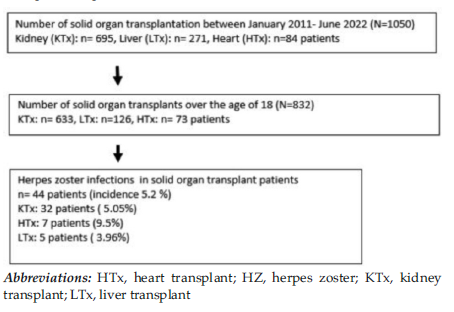
Figure 1. Flow Chart for Evaluation of Herpes Zoster Infections in Solid-Organ Transplant Recipients

Table 1. Demographic Data of Patients (N = 44)
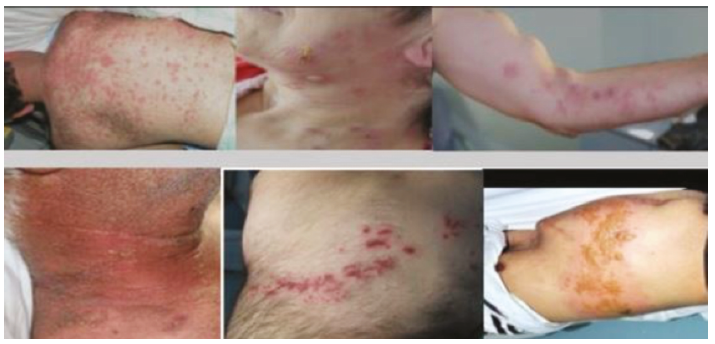
Figure 2. Appearance of Herpes Zoster Lesions in Different Dermatomes in Solid-Organ Transplant Recipients

Table 2. Dermatome, Side, Tzanck Test, Prophylaxis, Serology, Comorbidities, and Treatment of Herpes Zoster
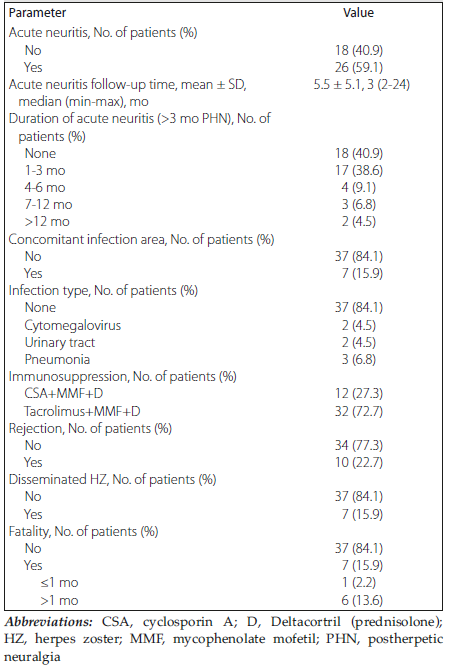
Table 3. Other Infection Areas, Immunosuppression Agents, and Complications of Herpes Zoster

Table 4. Comparison of Variable Levels by Organ Type

Table 5. Complications in Herpes Zoster

Table 6. Risk Factors for Complications of Herpes Zoster