Volume: 21 Issue: 9 September 2023
FULL TEXT
Objectives: Drain tube management after liver transplant is controversial. A new peritoneal drainage management protocol was developed to validate clinical characteristics, such as drain characteristics, postoperative complications, duration of postope-rative hospital stay, changes in albumin levels, and 30-day readmission rates.
Materials and Methods: Data from 183 consecutive patients who underwent deceased donor liver transplant at our institution between January 2019 and June 2022 were retrospectively analyzed. A new drain management protocol was implemented on August 1, 2021, which included early removal of the drain tube when the serum albumin level was >3 g/dL and nonchylous fluid drainage was <200 mL/day.
Results: When we compared the traditional and new drain management protocol groups (n = 131 vs n = 52), the new management protocol group showed a decrease in the median duration of intraperitoneal drainage. In addition, the median length of postoperative hospital stay decreased from 33 to 27 days and serum albumin levels returned to normal faster at postoperative 3 weeks. No significant differences were found in postoperative hemorrhage, hematoma, hydrops abdominis, infections, biliary complications, or in the rate of reinterventions and 30-day rehospitalizations.
Conclusions: The new management protocol was associated with fewer postoperative hospital days and faster recovery than traditional management. Our findings may aid in the development of new drain policy recommendations based on preexisting risk factors.
Key words : Drain tube, Peritoneal drainage, Postoperative hospital stay
Introduction
In patients undergoing transplant, active bleeding, bile leaks, and posttransplant fluid collections can have detrimental effects on graft and patient survival.1,2 Hence, prophylactic abdominal drains are routinely used by most transplant centers (>90%) after liver transplant for diagnostic purposes and for removal of intra-abdominal fluid.3 However, potential complications, varying in severity from minor discom-fort to more serious issues such as infections at the drainage site, formation of gastrointestinal fistulas, and herniation of intra-abdominal structures through the drain site, have been linked to the use of intra-abdominal drains after major abdominal procedures.4 A growing body of research has indicated that prophylactic intra-abdominal drainage is rarely required after surgical procedures, particularly those involving the gastrointestinal tract and liver.5-7 Few studies have examined the necessity, usefulness, safety, and risks of liver transplant drain insertion.
Although the quality of evidence is low, no drainage after liver transplant has been sporadically reported.8-11 The latest guidelines from the Enhanced Recovery After Surgery (ERAS) Society have stated that evidence does not support the recommendation to avoid routine drains during liver transplant. Moreover, drains should be removed as soon as possible.12 However, a safe drainage volume threshold in relation to the timing of early abdominal drain removal is not clear.
To provide international expert panel recommen-dations on the time of drain removal as part of an ERAS protocol, we created an evidence-based protocol for managing drainage after liver transplant. In this study, we aimed to determine whether a new mana-gement protocol could improve clinical outcomes.
Materials and Method
The data that support the findings of this study are available from the corresponding author on reasonable request.
Patients
We identified a cohort of 241 consecutive patients who received liver transplants from deceased donors from January 2019 to June 2022; no organs were from executed prisoners, and patients were identified from the surgical database of Zhongnan Hospital at Wuhan University (Figure 1). The exclusion criteria were age <18 years, retransplant, multiple organ transplant, split-liver transplant, and insufficient data (n = 58). This study was conducted in accordance with the Declaration of Helsinki and was approved by the Ethics Committee of Wuhan University; informed consent was obtained from all patients.
Surgery
At our center, transplants are performed by highly experienced surgeons, and the surgical technique follows standardized liver transplant procedures. All successive patients underwent a complete orthotopic liver transplant procedure in which a deceased donor was used, without the implementation of venovenous bypass. In 75.9% of the cases, the orthotopic liver transplant was conducted with the piggyback technique.13 Our study did not incorporate any patients who had undergone Roux-en-Y choledocho-jejunostomy. The anastomosis of the bile duct was performed either end-to-end or side-to-side, without the use of a T tube.
Drain management strategy
At the end of each procedure, all patients received 3 soft open silicone abdominal drains placed in the left and right subphrenic spaces and right subhepatic spaces. To detect early bile leakage, the drains were not removed before postoperative day 7. A new drain protocol was implemented on August 1, 2021. Before this date, drains were removed when the drained fluid was crystal-serous and <50 mL/day.14,15 From previous studies, we developed the following clinical criteria for early drainage tube removal: (1) absence of densely bloody ascites, (2) negative results in the microbiological analysis performed on samples from the abdominal cavity, (3) absence of hematocoelia based on postoperative bedside ultrasonography, and (4) albumin level > 3 g/L. (5) the drainage amount < 200 mL/day.
These criteria can be briefly described as following the exclusion of bleeding, infection, hematoma, bile leak, and moderate/severe hypoproteinemia, the removal of drains occurred when the volume of drained fluid was less than 200 mL/day.
Postoperative management and immunosuppressive therapy
Regular abdominal ultrasonography checks and microbiological investigations were performed weekly during postoperative surveillance, whereas computed tomography scans and infection screening were performed on clinical suspicion. Postoperative hemorrhage was defined as the need for radiological intervention (eg, embolization) or relaparotomy.
The diagnosis of infection was based on the typical clinical symptoms and positive microbio-logical results. Bile leakage was defined as an intra-abdominal bilirubin concentration that was at least 3 times greater than the serum bilirubin concentration or as the need for a relaparotomy endoscopic retrograde cholangiopancreatography.16
A standardized immunosuppression protocol was administered to all recipients, consisting of the concurrent administration of tacrolimus and mycophenolate mofetil with prednisolone-based immunosuppression regimens during the early posttransplant period. The gradual reduction of steroids occurred within 1 month posttransplant.
Statistical analyses
The new protocol for drain management was explained to the patients before surgery, and all information was gathered prospectively. Patients who underwent liver transplant from August 2021 to June 2022 according to the new drain management protocol (n = 52) were compared with those who underwent surgery from January 2019 to July 2021 (n = 131).
We collected the following demographic and surgical data: age, sex, Model of End-Stage Liver Disease (MELD) score before liver transplant, body mass index (BMI), underlying liver disease, cold ischemia time, and operative time. As primary outcome variables, the drain tube duration and postoperative hospital stay duration were measured. We recorded the following secondary outcome variables: complications, postoperative albumin changes, number of reinterventions, and 30-day readmission.
P < .05 was considered significant, with analyses conducted with the Statistical Package for the Social Sciences version 27.0 software (IBM Corp). The Fisher exact test and the chi-square test were used to compare categorical variables, whereas the Mann-Whitney U-test and independent t-tests were used to compare continuous variables as appropriate.
Results
Preoperative and operative variables were similar between the 2 groups (Table 1). The median age and ratio of men to women did not differ significantly. Both protocols had comparable MELD scores and BMIs. The type of underlying disease, cold ischemia time, and operating time were also not significantly different between the groups.
Postoperative complication rates and outcomes are compared in Table 2. The median number of days that drains remained in use was 20 days (range, 9-66 d) in the traditional protocol group compared with 17 days (range, 8-48 d) in the new management protocol group (P = .004). The median length of postoperative hospital stays decreased significantly from 33 days (range, 14-75) to 27 days (range, 17-60) (P = .008) (Figure 2).
Complications, such as postoperative hemorrhage, hematoma, infections, and biliary complications, did not differ significantly between the 2 groups. Only 1 patient needed invasive reintervention for bleeding. Overall, the incidence of early biliary complications was similar between the traditional and new management protocol groups. Notably, we had 1 case of biliary leakage in each group. In all cases, biliary leakage originated from anastomosis as a consequence of bile duct necrosis. Paracentesis was necessary for 5 patients (9.6%) in the new management protocol group compared with 16 patients (12.2%) in the traditional protocol group due to ascites after liver transplant (P = .244).
The rates of overall infections were comparable between the 2 groups (71.6% vs 65.4%), whereas illnesses were distributed similarly, with lung infections being the most prevalent. A subanalysis revealed that the drainage strategy had no dis-cernible effect on the timing of infection (P = .362).
In both groups, preoperative, immediate posto-perative, and 1-week and 2-week postoperative serum albumin concentrations did not vary significantly. However, the 3-week postoperative albumin level was significantly higher in the new group compared with the traditional group (3.9 ± 0.04 vs 3.7 ± 0.03 g/dL; P = .047) (Figure 3).
Discussion
Our study evaluated a new abdominal drain management protocol after liver transplant. Drain management has been widely used for decades to prevent fluid collection after liver transplant and to monitor postoperative bleeding, bile leaks, and drain ascites.3 However, potential complications of abdominal drainage, such as increasing pain, spread of infection, or considerable protein loss resulting from ascites drainage, should be considered. To improve patient care and hasten recovery, we devised a new protocol.
A systematic review published in 2022 found no randomized clinical trial on abdominal drain management after liver transplant and included 5 nonrandomized studies.17 Four studies compared the outcomes of patients who underwent abdominal drainage and those who did not undergo drainage. The findings regarding the impact of abdominal drains on overall complications, infections, and hospital stays were inconsistent. Another study was a pilot, small-scale, feasibility study comprising 10 patients who underwent an ERAS program tailored for liver transplant and were matched 1:2 with a control group. The experimental protocol included the removal of the abdominal drain on the second postoperative day if the output was <500 mL/day. It was observed that 47% of the total length of hospital stay was reduced, with no differences in terms of postoperative complications or 30-day readmission rates.18 The limitations of this study were the stringent inclusion and the exclusion criteria and the small number of patients. However, caution should still be exercised before new management of the abdominal drain, since some evidence suggests that the use of prophylactic drainage can lower the incidence of complications such as subphrenic abscesses, biliary fistulae, or bilomas.19 From these findings and our literature review, we developed a protocol for early abdominal drain removal. The major goal of the new protocol is to enhance postoperative recovery and reduce the duration of hospital stays.
The duration of a hospital stay is determined by a variety of factors. Significant comorbidities, varying organ quality, and postoperative complications are undoubtedly already associated with prolonged length of stay after liver transplant, but the length of stay is also directly linked to higher costs and possibly higher mortality.11,20,21 However, some confounding factors may also affect the length of hospital stay. As a crucial yardstick for the progress and efficiency of patient care, the postoperative length of stay can be reduced to 6 to 8 days in patients with uncomplicated courses in centers with a strong outpatient follow-up.22 The new early drain removal protocol resulted in a reduction in abdominal drainage duration from 20 to 17 days and a reduction in postoperative hospital stay from 33 to 27 days in our study. The complication and 30-day readmission rates were similar between the groups, demonstrating the safety and effectiveness of the new management in compliance with the ERAS protocol.
In the few papers that have addressed the lack of use of drains after liver transplant, findings have been contradictory. De Rougemont and colleagues reported no difference in complication rates but longer intensive care unit and hospital stays in the no-drain group, whereas Fernandez-Aguilar and colleagues discovered a greater need for secondary abdominal drainage in the no-drain group (23% vs 5.7%; P = .04).8,9,23 According to Schwarz and colleagues, early biliary complications and infections requiring antibiotic therapy were higher in the drain group than in the no-drain group (17.2% vs 3.4%, respectively; P = .02), but the design was susceptible to selection bias.10 Given the significant limitations of the studies, including inconsistency, indirectness, and imprecision, a recent systematic review concluded that no robust practice recommendations for prophylactic drainage after liver transplant can be made.24 Our study revealed comparable results in both groups in terms of postoperative complications and reoperation rates. In addition, we found low rates of bleeding, hematoma, and biliary complications and low rates of secondary abdominocentesis compared with those reported in the current literature.25 Considering the higher incidence of postoperative bleeding and bile leaks in living liver donor transplant or in less experienced transplant centers, attention should be focused on the standardization of early postoperative drain removal rather than on a drain avoidance strategy.
Referring to the possible deleterious effects, abdominal drains may cause protein loss and pain and hinder early mobilization and are points of entry for pathogens. Despite improvements in transplant medications, infections are still the cause of morbidity and mortality after liver transplant in most cases. In a study of 108 peritonitis episodes in 950 liver transplants, whether drainage was a significant risk factor for peritonitis after liver transplant was not elucidated.26 Weiss and colleagues found that abdominal infections, including intra-abdominal yeast infections, were significantly more common in groups with open-circuit drainage systems than in those with closed-circuit drainage systems.27 Our study showed no significant difference in the overall rates of abdominal infection and abdominal fungal infection. In general, liver transplant recipients are at an increased risk of infections. Clinicians must maintain a high clinical index of suspicion and rapid diagnostic evaluation, including maximization of source control and early appropriate antibiotic treatment. We designed the new protocol with the same intent.
Patients undergoing liver transplant often expe-rience postoperative hypoalbuminemia, which is a sign of delayed graft function.28 Furthermore, serum albumin concentration independently affects early kidney function and long-term survival after liver transplant.29 However, the relationship between the use of postoperative drainage tubes and the loss of fluid and protein has rarely been investigated. In our study, serum albumin levels before surgery and on postoperative days 0, 7, and 14 were not significantly different between the 2 groups. Serum albumin levels returned to normal levels faster by postoperative week 3 in the new management protocol group than in the traditional protocol group, supporting the potential benefits of the new drain management protocol.
The present study had obvious methodological limitations that should be considered when inter-preting the results. Its strength is also greatly limited by its retrospective nature, although the data were collected prospectively. Moreover, any protocol forces surgeons to pay more attention when conducting the procedures defined therein.
Conclusions
With a relatively large number of cases, our study shows that a new management protocol with thresholds of albumin greater than 3 g/L and drainage less than 200 mL/day can reduce the duration of the postoperative hospital stay and enhance recovery. Our new management strategy was shown to be safe and reliable without increasing postoperative morbidity and readmission rates. New drain policy recommendations based on preexisting risk factors must be addressed in future randomized controlled studies.
References:
- Craig EV, Heller MT. Complications of liver transplant. Abdom Radiol (NY). 2021;46(1):43-67. doi:10.1007/s00261-019-02340-5
CrossRef - PubMed - Akin K, Ozturk A, Guvenc Z, Isiklar I, Haberal M. Localized fluid collections after liver transplantation. Transplant Proc. 2006;38(2):627-630. doi:10.1016/j.transproceed.2006.02.006
CrossRef - PubMed - Czigany Z, Scherer MN, Pratschke J, et al. Technical aspects of orthotopic liver transplantation-a survey-based study within the Eurotransplant, Swisstransplant, Scandiatransplant, and British Transplantation Society networks. J Gastrointest Surg. 2019;23(3):529-537. doi:10.1007/s11605-018-3915-6
CrossRef - PubMed - Messager M, Sabbagh C, Denost Q, et al. Is there still a need for prophylactic intra- abdominal drainage in elective major gastro-intestinal surgery? J Visc Surg. 2015;152(5):305-313. doi:10.1016/j.jviscsurg.2015.09.008
CrossRef - PubMed - Petrowsky H, Demartines N, Rousson V, Clavien PA. Evidence-based value of prophylactic drainage in gastrointestinal surgery: a systematic review and meta- analyses. Ann Surg. 2004;240(6):1074-1084; discussion 1084-1075. doi:10.1097/01.sla.0000146149.17411.c5
CrossRef - PubMed - Fong Y, Brennan MF, Brown K, Heffernan N, Blumgart LH. Drainage is unnecessary after elective liver resection. Am J Surg. 1996;171(1):158-162. doi:10.1016/s0002- 9610(99)80092-0
CrossRef - PubMed - Liu CL, Fan ST, Lo CM, et al. Abdominal drainage after hepatic resection is contraindicated in patients with chronic liver diseases. Ann Surg. 2004;239(2):194- 201. doi:10.1097/01.sla.0000109153.71725.8c
CrossRef - PubMed - de Rougemont O, Dutkowski P, Weber M, Clavien PA. Abdominal drains in liver transplantation: useful tool or useless dogma? A matched case-control study. Liver Transpl. 2009;15(1):96-101. doi:10.1002/lt.21676
CrossRef - PubMed - Fernandez-Aguilar JL, Suarez Munoz MA, Santoyo Santoyo J, et al. Is liver transplantation without abdominal drainage safe? Transplant Proc. 2010;42(2):647- 648. doi:10.1016/j.transproceed.2010.02.007
CrossRef - PubMed - Schwarz C, Soliman T, Gyori G, et al. Abdominal drainage after liver transplantation from deceased donors. Langenbecks Arch Surg. 2015;400(7):813-819. doi:10.1007/s00423- 015-1338-3
CrossRef - PubMed - Baldini E, Gugenheim J, Ouzan D, Katkhouda N, Mouiel J. Orthotopic liver transplantation with and without peritoneal drainage: a comparative study. Transplant Proc. 1999;31(1-2):556-557. doi:10.1016/s0041-1345(98)01553-x
CrossRef - PubMed - Brustia R, Monsel A, Skurzak S, et al. Guidelines for perioperative care for liver transplantation: enhanced recovery after surgery (ERAS) recommendations. Transplantation. 2022;106(3):552-561. doi:10.1097/TP.0000000000003808
CrossRef - PubMed - Ming YZ, Niu Y, Shao MJ, She XG, Ye QF. Hepatic veins anatomy and piggy-back liver transplantation. Hepatobiliary Pancreat Dis Int. 2012;11(4):429-433. doi:10.1016/s1499-3872(12)60203-3
CrossRef - PubMed - Mugino M, Lee T, Lam S, et al. Prophylactic wound drainage in renal transplant: a survey of practice patterns in Australia and New Zealand. Exp Clin Transplant. 2020;18(7):771-777. doi:10.6002/ect.2020.0071
CrossRef - PubMed - Pergolini I, Schorn S, Goess R, et al. Drain use in pancreatic surgery: results from an international survey among experts in the field. Surgery. 2022;172(1):265-272. doi:10.1016/j.surg.2021.11.023
CrossRef - PubMed - Koch M, Garden OJ, Padbury R, et al. Bile leakage after hepatobiliary and pancreatic surgery: a definition and grading of severity by the International Study Group of Liver Surgery. Surgery. 2011;149(5):680-688. doi:10.1016/j.surg.2010.12.002
CrossRef - PubMed - Goldaracena N, Bhangui P, Yoon YI, et al. Early removal of drains and lines after liver transplantation to reduce the length of hospital stay and enhance recovery - a systematic review of the literature and expert panel recommendations. Clin Transplant. 2022;36(10):e14687. doi:10.1111/ctr.14687
CrossRef - PubMed - Brustia R, Monsel A, Conti F, et al. Enhanced recovery in liver transplantation: a feasibility study. World J Surg. 2019;43(1):230-241. doi:10.1007/s00268-018-4747-y
CrossRef - PubMed - Kyoden Y, Imamura H, Sano K, et al. Value of prophylactic abdominal drainage in 1269 consecutive cases of elective liver resection. J Hepatobiliary Pancreat Sci. 2010;17(2):186-192. doi:10.1007/s00534-009-0161-z
CrossRef - PubMed - Rana A, Witte ED, Halazun KJ, et al. Liver transplant length of stay (LOS) index: a novel predictive score for hospital length of stay following liver transplantation. Clin Transplant. 2017;31(12). doi:10.1111/ctr.13141
CrossRef - PubMed - Showstack J, Katz PP, Lake JR, et al. Resource utilization in liver transplantation: effects of patient characteristics and clinical practice. NIDDK Liver Transplantation Database Group. JAMA. 1999;281(15):1381-1386. doi:10.1001/jama.281.15.1381
CrossRef - PubMed - Tanaka T, Reichman TW, Olmos A, et al. When is the optimal time to discharge patients after liver transplantation with respect to short-term outcomes? A systematic review of the literature and expert panel recommendations. Clin Transplant. 2022;36(10):e14685. doi:10.1111/ctr.14685
CrossRef - PubMed - Fernandez-Aguilar JL, Suarez-Munoz MA, Sanchez-Perez B, et al. Liver transplantation without abdominal drainage. Transplant Proc. 2012;44(9):2542-2544. doi:10.1016/j.transproceed.2012.09.039
CrossRef - PubMed - Kalisvaart M, de Jonge J, Abt P, et al. The role of T-tubes and abdominal drains on short-term outcomes in liver transplantation - a systematic review of the literature and expert panel recommendations. Clin Transplant. 2022;36(10):e14719. doi:10.1111/ctr.14719
CrossRef - PubMed - Amara D, Parekh J, Sudan D, et al. Surgical complications after living and deceased donor liver transplant: the NSQIP transplant experience. Clin Transplant. 2022;36(6):e14610. doi:10.1111/ctr.14610
CrossRef - PubMed - Pungpapong S, Alvarez S, Hellinger WC, et al. Peritonitis after liver transplantation: incidence, risk factors, microbiology profiles, and outcome. Liver Transpl. 2006;12(8):1244-1252. doi:10.1002/lt.20801
CrossRef - PubMed - Weiss S, Messner F, Huth M, et al. Impact of abdominal drainage systems on postoperative complication rates following liver transplantation. Eur J Med Res. 2015;20(1):66. doi:10.1186/s40001-015-0163-z
CrossRef - PubMed - Ertmer C, Kampmeier TG, Volkert T, et al. Impact of human albumin infusion on organ function in orthotopic liver transplantation--a retrospective matched-pair analysis. Clin Transplant. 2015;29(1):67-75. doi:10.1111/ctr.12486
CrossRef - PubMed - Sang BH, Bang JY, Song JG, Hwang GS. Hypoalbuminemia within two postoperative days is an independent risk factor for acute kidney injury following living donor liver transplantation: a propensity score analysis of 998 consecutive patients. Crit Care Med. 2015;43(12):2552-2561. doi:10.1097/CCM.0000000000001279
CrossRef - PubMed

Volume : 21
Issue : 9
Pages : 749 - 755
DOI : 10.6002/ect.2023.0159
From the Zhongnan Hospital of Wuhan University, Institute of Hepatobiliary Diseases of Wuhan University, Transplant Center of Wuhan University, National Quality Control Center for Donated Organ Procurement, Hubei Key Laboratory of Medical Technology on Transplantation, Hubei Clinical Research Center for Natural Polymer Biological Liver, Hubei Engineering Center of Natural Polymer-based Medical Materials, Wuhan, Hubei, Peoples Republic of China
Acknowledgements: The authors thank the medical staff of the Institute of Hepatobiliary Diseases of Wuhan University as well as the Transplant Center of Wuhan University for their continuous effort and contribution in the treatment of critically ill patients. This work was supported by the National Natural Science Foundation of China (grant numbers 51803153 and 81970548). The authors have no conflicts of interest to declare.
*Lizhe Wang and Zhongzhong Liu contributed equally to this work.
Corresponding author: Shaojun Ye or Qifa Ye, Zhongnan Hospital of Wuhan University, Institute of Hepatobiliary Diseases of Wuhan University, Transplant Center of Wuhan University, National Quality Control Center for Donated Organ Procurement, Hubei Key Laboratory of Medical Technology on Transplantation, Hubei Clinical Research Center for Natural Polymer Biological Liver, Hubei Engineering Center of Natural Polymer-based Medical Materials, Wuhan 430071, Hubei, PR China
E-mail: 86987100@qq.com (S. Ye) or yqf_china@163.com (Q. Ye).
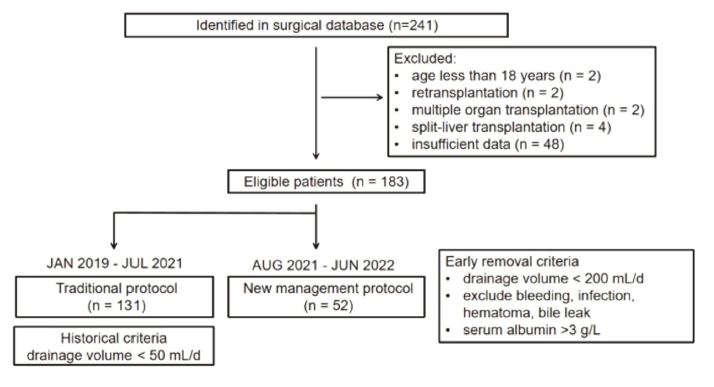
Figure 1. Flow Diagram of Study Participants
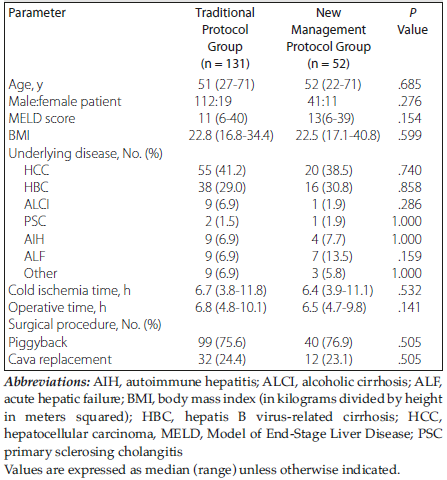
Table 1. Preoperative and Operative Variables in the 2 Drainage Groups
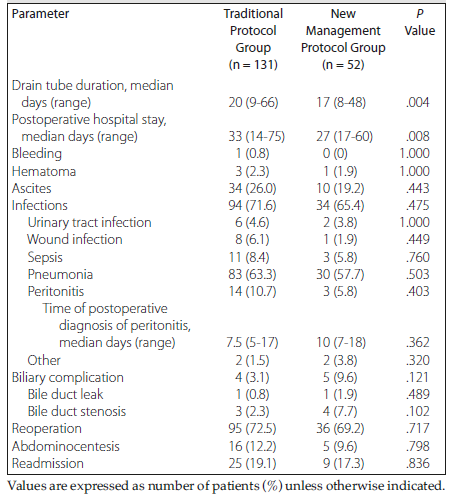
Table 2. Postoperative Outcome in the 2 Drainage Groups
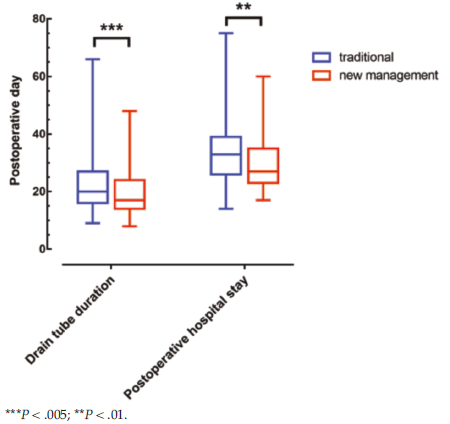
Figure 2. Duration of Drain Tubes and Postoperative Hospital Stays
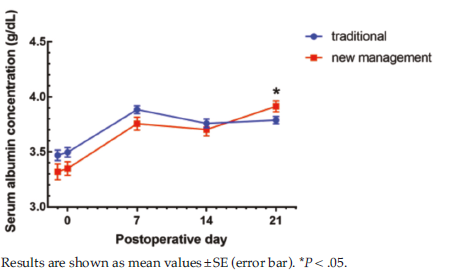
Figure 3. Preoperative and Postoperative Serum Albumin Concentration