Volume: 21 Issue: 9 September 2023
FULL TEXT
Objectives: After orthotopic liver transplant, ischemia of biliary tract and graft loss may occur due to impaired hepatic arterial blood flow. This situation with hypersplenism and impaired hepatic arterial blood flow is defined as splenic artery steal syndrome. The aim of this study was to investigate the relationship between perioperative factors and splenic artery steal syndrome in orthotopic liver transplant patients.
Materials and Methods: Forty-five patients who underwent orthotopic liver transplant between 2014 and 2022 were included in the study. The data for the patients were obtained from the hospital database, including the intraoperative anesthesiology and postoperative intensive care records.
Results: Eleven patients were diagnosed with splenic artery steal syndrome. Patients with splenic artery steal syndrome had higher need for intraoperative vasopressor agents (P = .016) and exhibited lower intraoperative urine output (P = .031). In the postoperative intensive care follow-up, patients with splenic artery steal syndrome had higher levels of C-reactive protein during the first 48 hours (P = .030).
Conclusions: Intraoperative administration of vasopressor drugs, low urine output, and early postoperative high C-reactive protein levels were associated with the development of splenic artery steal syndrome in patients undergoing orthotopic liver transplant. Future studies should focus on investigation of biomarkers associated systemic hypoperfusion that may contribute to the development of splenic artery steal syndrome.
Key words : Nonocclusive hepatic artery hypoperfusion syndrome, Orthotopic liver transplantation
Introduction
Liver cirrhosis develops through the process of necrosis and regeneration of hepatocytes, which results in fibrosis and capillarization of the hepatic sinusoid. As the disease progresses, life expectancy is shortened due to complications. Orthotopic liver transplant (OLT) is the only curative treatment option for patients with chronic liver disease and advanced cirrhosis.1-3
Various vascular complications may occur after OLT. Vascular complications after liver transplant from a deceased or living donor can cause significant reductions in the rates of graft survival and patient survival.4
Splenic artery steal syndrome (SASS), which is also known as splenic steal syndrome or nonocclusive hepatic artery hypoperfusion syndrome, is a potential vascular complication of OLT. The incidence of SASS has been reported to be between 0.6% and 10%.5-8
Splenic artery steal syndrome is the rerouting of hepatic artery blood flow to the splenic artery despite the patent nonocclusive hepatic artery.9 In healthy livers, the continuity of intrahepatic circulation is provided by hepatic blood, and there is a low-resistance system in the liver and portal circulation. In the case of liver disease, however, there is an increased intrahepatic resistance to portal blood flow. Sinusoidal damage resulting from increased portal venous pressure, hepatic artery buffer response, and hepatic artery hypoperfusion are the main predisposing factors in the development of SASS. As a result of SASS, ischemia, graft dysfunction, biliary damage, and liver failure may occur.10
Although SASS may be an important cause of graft ischemia after OLT, the etiology is poorly understood and may be overlooked despite its devastating consequences. The aim of this study was to investigate the relationship of SASS with the intraoperative and postoperative intensive care unit (ICU) follow-up process in patients who underwent OLT and developed SASS.
Materials and Methods
This retrospective study was approved by the Baskent University Medical and Health Sciences Research Board (No. KA 22/504) and funded by the Baskent University Research Fund. The data were collected from medical records and the hospital database of patients who underwent orthotopic liver transplant from 2014 to 2022 at the Baskent University Dr Turgut Noyan Application and Research Hospital.
Study design
All patients were evaluated preoperatively. Age, sex, weight, comorbidities, etiology of liver failure, and scores for preoperative Charlson Comorbidity Index and Model for End-Stage Liver Disease were recorded. Preoperative, intraoperative, and postoperative complete blood count tests, coagulation tests, liver and kidney function tests, level of ammonia, and level of C-reactive protein (CRP) in first 48 hours were evaluated. Intraoperative hemodynamic instability, that is, hypotension (systolic arterial pressure <90 mm Hg) and hypertension (systolic arterial pressure >140 mm Hg), or need for vasoactive agents, amount of bleeding and transfusion (allogeneic and cell saver), urine output, durations of operation and anhepatic phase, and Doppler ultrasonography measurements (hepatic artery, splenic artery, portal vein blood flow, and resistive index) were recorded.All patients were routinely followed up in the ICU postoperatively. During the ICU follow-up, the Acute Physiology and Chronic Health Evaluation II score, development of acute renal failure, need for vasoactive agents, Doppler ultrasonography measu-rements (hepatic artery, splenic artery, portal vein blood flow, resistive index, and splenic diameter), ascites and pleural effusion presence, and need for celiac angiography were recorded. Duration of mechanical ventilation and intubation, need for tracheostomy, postoperative complications (such as bleeding, vascular, infectious complications), ICU readmission, and mortality rates at 30 days and 1 year were recorded.
Doppler ultrasonography was performed routinely for all patients twice a day during the postoperative ICU follow-up period. The calculation of the resistive index of hepatic arterial flow was performed with the following formula: (peak systolic velocity - end diastolic velocity)/peak systolic velocity of hepatic arterial flow. A value ≥0.9 was defined as an elevated resistive index.
The primary aim of the study was to reveal the relationship between SASS and intraoperative period and ICU follow-up of OLT patients. The secondary aim was to determine the relationship between SASS and the 1-month and 1-year mortality rates.
Statistical analyses
Statistical analyses were performed with SPSS software (version 25.0). The conformity of the variables to the normal distribution was examined by histogram graphics and the Shapiro-Wilk test. Mean, standard deviation, median, and minimum and maximum values were used for descriptive analyses. For evaluation of nonnormally distributed (nonparametric) variables between 2 groups, the Mann-Whitney U test was used. Frequency and percentage values were used for categorical variables, and analyses of categorical variables were performed with the Fisher exact chi-square test. Differences between groups were determined by the Bonferroni method. P < .05 was considered statistically significant.
Results
Forty-five patients who underwent OLT surgery at Baskent University School of Medicine at Adana Hospital between 2014 and 2022 were included in this study. All of the donors were deceased, except for 1 donor whose living donor was the uncle of the patient. Eleven patients were diagnosed with SASS. Patients’ characteristics according to demographics, weight, height, and body mass index are presented in Table 1. Patient comorbidities are listed in Table 2.
Etiologies of liver failure in both groups are presented in Table 3. Although there was no statistically significant difference, cryptogenic hepatitis was higher in patients with SASS than in the other patients (P = .064). No significant differences were shown between the recipient and donor blood group (P > .05). Preoperative scores for the Charlson Comorbidity Index, the Model for End-Stage Liver Disease, and the Acute Physiology and Chronic Health Evaluation II were not significantly different with regard to SASS (P > .05). Preoperative, intraoperative, and posto-perative complete blood count tests, liver and kidney function tests, levels of ammonia, and coagulation tests were not significantly different between the 2 groups (P > .05). Regarding the intraoperative variables, the amounts of blood products and crystalloids were not significantly different (P > .05). There was no signi-ficant difference between the duration of anesthesia and anhepatic phase (P > .05).
The intraoperative vasopressor requirement of patients with SASS was higher versus the other patients (P = .016). Intraoperative urine output was found to be lower in patients with SASS (P = .031). The postoperative CRP level in the first 48 hours was higher in patients with SASS (P = .03) (Table 4).
The cutoff value of CRP was found to be 42 mg/L (area under the curve = 0.875; P < .05), with 75% sensitivity and 91.7% specificity (Figure 1).
During follow-up in the postoperative ICU, among patients who developed SASS and those who did not, the need for vasopressors, rate of develop-ment of acute renal failure, and the length of hospital stay, length of ICU stay, duration of mechanical ventilation, complications such as infection, bleeding, cholangitis, rejection, 1-year mortality were examined. There were no significant differences between the 2 groups (P > .05).
Patients were examined according to the perioperative and postoperative liver Doppler ultrasonography values and volume of the spleen. There were no significant differences between the 2 groups (P > .05).
Discussion
Cirrhosis is quite common worldwide. Obesity, nonalcoholic fatty liver disease, high alcohol consumption, hepatitis B or hepatitis C infection, autoimmune diseases, cholestatic diseases, and iron or copper overload are the main etiological factors.11 Liver cirrhosis develops with the process of necrosis and regeneration of hepatocytes, which can result in fibrosis and capillarization of the hepatic sinusoid. Blood flow is impaired due to decreased hepatic parenchyma, fibrosis, and abnormal reconstruction. Although obvious clinical symptoms may not be seen in the early compensated stage of the disease, portal hypertension and severe liver dysfunction are present in the advanced decompensated stage of the disease. Portosystemic shunt causes portal hypertension, acid, hepatic encephalopathy, bleeding, jaundice; pulmonary, renal, and cardiac disturbance; and hyponatremia. As the disease progresses, life expectancy is shortened due to the complications.1,2
Significant progress has been recently made in the medical treatment of liver cirrhosis. Orthotopic liver transplant is a life-saving procedure and is the preferred treatment for cirrhosis unresponsive to medical therapy and acute liver failure.12
Various vascular complications can occur after OLT, including SASS.13 The pathophysiology of SASS has not yet been clearly defined. In SASS, hepatic artery blood flow is diverted to the splenic artery despite a patent nonocclusive hepatic artery. It was first defined by Manner and colleagues as a preferential diversion of hepatic artery blood flow to the splenic artery.14
Continuity of intrahepatic circulation in healthy livers is provided by harmony between the hepatic and portal veins. There is a low-resistance system in the liver and portal circulation.15
In contrast, there is increased intrahepatic resistance to portal blood flow in the case of liver disease. Portal hypertension causes progressive splanchnic and systemic vasodilation via nitric oxide and other vasoactive molecules secondary to endothelial tension and sheer stress. Compared with systemic vasodilation, the effective arterial blood volume activates neurohormonal systems such as the renin-angiotensin-aldosterone system, which can lead to greater volume expansion through sodium and water retention. Quintini and colleagues reported that the main predisposing factors causing hepatic artery hypoperfusion and sinusoidal injury in SASS are high portal venous pressure and hepatic artery buffer response. Hepatic artery buffer response is an intrinsic intrahepatic mediator that is caused by the incorporation of intrahepatic adenosine into the circulation by the hyperdynamic portal circulation. Adenosine is a vasodilator that contributes to the regulation of hepatic arterial flow in the liver. The increased portal flow has a washing effect on the vascular bed, and adenosine is relatively reduced. The reduction of vasodilators in hepatic artery flow causes relative vasoconstriction in the hepatic artery.16-19
The use of vasoconstrictive agents is a crucial element in the treatment of perioperative hypotension. Norepinephrine is an α1-adrenergic vasopressor agent and is often used to increase blood pressure during targeted hemodynamic therapy. It has been shown that norepinephrine administration causes a decrease in hepatic arterial blood flow and significantly reduces total hepatic blood flow.20 In an experimental study in rats, it was reported that the concentration of adenosine in the interstitial fluid decreased in the infusions of norepinephrine continued after the third minute.21
In our study, the relationship between the development of SASS in the postoperative period in patients who received intraoperative inotropic/vasoconstrictor drug support due to hemodynamic instability was found to be statistically significant. We suggest that the decrease in adenosine concentration and hepatic arterial blood flow caused by intraoperative norepinephrine infusion is caused by a mechanism similar to the hepatic artery buffer response described in the physiopathology of SASS, and this may contribute to the development of SASS in the postoperative period.
As a result of hypotension, efferent sympathetic fibers cause vasoconstriction via α-1 adrenergic receptors in the arterial system.22 Hypotension, tissue hypoperfusion, the administration of vasopressor agents, and an elevated inflammatory response to surgery can lead to a decrease in renal perfusion, which in turn may result in reduced urine output. Urine output is an indicator of intravascular volume status and reflects adequate renal perfusion, which is closely related to systemic intravascular volume.23 In addition, systemic vasoconstrictor effects of norepinephrine reduce splanchnic and renal blood flow. In this study, patients with SASS had significantly lower intraoperative urine output compared with patients without SASS. As a result of the net effect of hypotension and norepinephrine separately on renal perfusion, a decrease in intraoperative urine volume is expected. Because of this parallelism observed in patients with SASS, we propose that systemic vasoconstriction may also contribute to this process in addition to hepatic artery vasoconstriction.
Inflammation is defined as the response of the cell to the tissue hypoxia, and the elevation of inflam-mation indicator parameters in ICU patients is directly proportional to organ dysfunction and mortality. C-reactive protein is one of the most used predictors of inflammation. It is synthesized in the liver in response to interleukin-6 after metabolic changes in cells under stress and initiates the inflammation cascade. C-reactive protein increases as an acute phase protein in infections, trauma, ischemia, burns, and similar inflammatory conditions.24 Min and colleagues reported that intraoperative hypoperfusion and inflammatory reactions were associated with postoperative CRP elevation.25 In our study, patients who developed SASS had significantly higher early postoperative CRP levels. In the literature, there are no data regarding increased postoperative CRP in patients with SASS. Results of this study indicate that early postoperative CRP can be a useful marker of SASS and that patients with postoperative high levels of CRP should be carefully followed in terms of SASS.
The frequency of SASS reported in OLT patients in the literature is 0.6% to 10%.5-8 In our study, the frequency of SASS was 25%. In the literature, routine Doppler ultrasonography is suggested as a valuable tool for early detection of vascular complications.26 In our study we suggest that close follow-up of patient findings, daily Doppler ultrasonography of the vascular structure, and confirmation of suspicious cases with celiac angiography may have caused the high rates we observed.
Our study had some limitations, which include the retrospective nature of the study and the small number of patients with SASS. The small sample size makes it difficult to detect clinical differences due to confounding factors. Furthermore, we did not investigate inflammatory biomarkers associated with systemic hypoperfusion except CRP. These data could provide more precise information about the pathophysiology of SASS development. We think that randomized controlled studies with larger number of cases including these data are needed.
Conclusions
Intraoperative administration of vasopressor drugs, low urine output, early postoperative high C-reactive protein levels were associated with the development of SASS in patients undergoing orthotopic liver transplant. Future studies should focus on investi-gation of systemic hypoperfusion-associated biomar-kers that may contribute to the development of SASS.
References:
- European Association for the Study of the Liver. EASL Clinical Practice Guidelines for the management of patients with decompensated cirrhosis. J Hepatol. 2018;69(2):406-460. doi:10.1016/j.jhep.2018.03.024
CrossRef - PubMed - Chinese Society of Hepatology CMA. Chinese guidelines on the management of liver cirrhosis. Zhonghua Gan Zang Bing Za Zhi. 2019;27(11):846-865. doi:10.3760/cma.j.issn.1007-3418.2019.11.008
CrossRef - PubMed - Yoshiji H, Nagoshi S, Akahane T, et al. Evidence-based clinical practice guidelines for Liver Cirrhosis 2020. J Gastroenterol. 2021;56(7):593-619. doi:10.1007/s00535-021-01788-x
CrossRef - PubMed - Khalaf H. Vascular complications after deceased and living donor liver transplantation: a single-center experience. Transplant Proc. 2010;42(3):865-870. doi:10.1016/j.transproceed.2010.02.037
CrossRef - PubMed - Nussler NC, Settmacher U, Haase R, Stange B, Heise M, Neuhaus P. Diagnosis and treatment of arterial steal syndromes in liver transplant recipients. Liver Transpl. 2003;9(6):596-602. doi:10.1053/jlts.2003.50080
CrossRef - PubMed - Settmacher U, Nussler NC, Glanemann M, et al. Venous complications after orthotopic liver transplantation. Clin Transplant. 2000;14(3):235-241. doi:10.1034/j.1399-0012.2000.140309.x
CrossRef - PubMed - Sevmis S, Boyvat F, Aytekin C, et al. Arterial steal syndrome after orthotopic liver transplantation. Transplant Proc. 2006;38(10):3651-3655. doi:10.1016/j.transproceed.2006.10.145
CrossRef - PubMed - Saad WE. Nonocclusive hepatic artery hypoperfusion syndrome (splenic steal syndrome) in liver transplant recipients. Semin Intervent Radiol. 2012;29(2):140-146. doi:10.1055/s-0032-1312576
CrossRef - PubMed - Pinto S, Horow M, Ortiz J. Splenic artery steal syndrome review (Abstract A410). Transplantation. 2014;98:704.
CrossRef - PubMed - Fleckenstein FN, Luedemann WM, Kucukkaya A, et al. Splenic artery steal syndrome in patients with orthotopic liver transplant: where to embolize the splenic artery? PLoS One. 2022;17(3):e0263832. doi:10.1371/journal.pone.0263832
CrossRef - PubMed - Gines P, Krag A, Abraldes JG, Sola E, Fabrellas N, Kamath PS. Liver cirrhosis. Lancet. 2021;398(10308):1359-1376. doi:10.1016/S0140-6736(21)01374-X
CrossRef - PubMed - Sahmeddini MA, Tehran SG, Khosravi MB, et al. Risk factors of the post-reperfusion syndrome during orthotopic liver transplantation: a clinical observational study. BMC Anesthesiol. 2022;22(1):89. doi:10.1186/s12871-022-01635-3
CrossRef - PubMed - Igus B, Boyvat F, Ozen O, Ayvazoglu Soy EH, Karakaya E, Haberal M. Role of interventional radiology in the management of early vascular complications after liver transplant. Exp Clin Transplant. 2022;20(12):1085-1093. doi:10.6002/ect.2022.0244
CrossRef - PubMed - Manner M, Otto G, Senninger N, Kraus T, Goerich J, Herfarth C. Arterial steal: an unusual cause for hepatic hypoperfusion after liver transplantation. Transpl Int. 1991;4(2):122-124. doi:10.1007/BF00336410
CrossRef - PubMed - Fernandez M. Molecular pathophysiology of portal hypertension. Hepatology. 2015;61(4):1406-1415. doi:10.1002/hep.27343
CrossRef - PubMed - Lautt WW. Regulatory processes interacting to maintain hepatic blood flow constancy: vascular compliance, hepatic arterial buffer response, hepatorenal reflex, liver regeneration, escape from vasoconstriction. Hepatol Res. 2007;37(11):891-903. doi:10.1111/j.1872-034X.2007.00148.x
CrossRef - PubMed - Jakab F, Sugar I, Rath Z, Nagy P, Faller J. The relationship between portal venous and hepatic arterial blood flow. I. Experimental liver transplantation. HPB Surg. 1996;10(1):21-26. doi:10.1155/1996/90536
CrossRef - PubMed - Richter S, Vollmar B, Mucke I, Post S, Menger MD. Hepatic arteriolo-portal venular shunting guarantees maintenance of nutritional microvascular supply in hepatic arterial buffer response of rat livers. J Physiol. 2001;531(Pt 1):193-201. doi:10.1111/j.1469-7793.2001.0193j.x
CrossRef - PubMed - Quintini C, Hirose K, Hashimoto K, et al. “Splenic artery steal syndrome” is a misnomer: the cause is portal hyperperfusion, not arterial siphon. Liver Transpl. 2008;14(3):374-379. doi:10.1002/lt.21386
CrossRef - PubMed - van Limmen J, Iturriagagoitia X, Verougstraete M, et al. Effect of norepinephrine infusion on hepatic blood flow and its interaction with somatostatin: an observational cohort study. BMC Anesthesiol. 2022;22(1):202. doi:10.1186/s12871-022-01741-2
CrossRef - PubMed - Gorman MW, Wangler RD, Bassingthwaighte JB, Mohrman DE, Wang CY, Sparks HV. Interstitial adenosine concentration during norepinephrine infusion in isolated guinea pig hearts. Am J Physiol. 1991;261(3 Pt 2):H901-909. doi:10.1152/ajpheart.1991.261.3.H901
CrossRef - PubMed - Awad H, Alcodray G, Raza A, et al. Intraoperative hypotension-physiologic basis and future directions. J Cardiothorac Vasc Anesth. 2022;36(7):2154-2163. doi:10.1053/j.jvca.2021.05.057
CrossRef - PubMed - Kendrick JB, Kaye AD, Tong Y, et al. Goal-directed fluid therapy in the perioperative setting. J Anaesthesiol Clin Pharmacol. 2019;35(Suppl 1):S29-S34. doi:10.4103/joacp.JOACP_26_18
CrossRef - PubMed - Lobo SM, Lobo FR, Bota DP, et al. C-reactive protein levels correlate with mortality and organ failure in critically ill patients. Chest. 2003;123(6):2043-2049. doi:10.1378/chest.123.6.2043
CrossRef - PubMed - Min JJ, Nam K, Kim TK, et al. Relationship between early postoperative C-reactive protein elevation and long-term postoperative major adverse cardiovascular and cerebral events in patients undergoing off-pump coronary artery bypass graft surgery: a retrospective study. Br J Anaesth. 2014;113(3):391-401. doi:10.1093/bja/aeu099
CrossRef - PubMed - Uslu N, Aslan H, Tore HG, et al. Doppler ultrasonography findings of splenic arterial steal syndrome after liver transplant. Exp Clin Transplant. 2012;10(4):363-367. doi:10.6002/ect.2012.0007
CrossRef - PubMed

Volume : 21
Issue : 9
Pages : 743 - 748
DOI : 10.6002/ect.2023.0160
From the 1Department of Anesthesiology and Reanimation and the 2Department of General Surgery, Baskent University Faculty of Medicine, Adana, Turkey; and the 3Department of Biostatistics, the 4Department of General Surgery, and the 5Department of Anesthesiology and Reanimation, Baskent University Faculty of Medicine, Ankara, Turkey
Acknowledgements: The authors have not received any funding or grants in support of the presented research or for the preparation of this work and have no declarations of potential conflicts of interest.
Corresponding author: This study was funded by the Baskent University Research Fund. Other than described, the authors have not received any funding or grants in support of the presented research or for the preparation of this work and have no declarations of potential conflicts of interest.
E-mail: ozlemozkankuscu@gmail.com
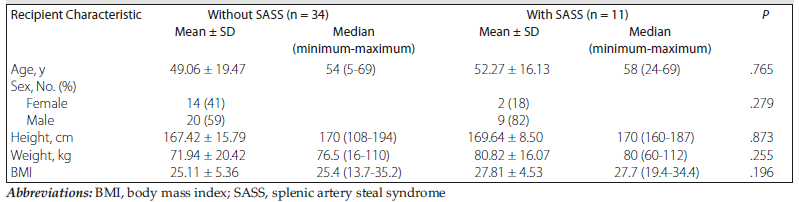
Table 1. Comparison of Demographic Variables
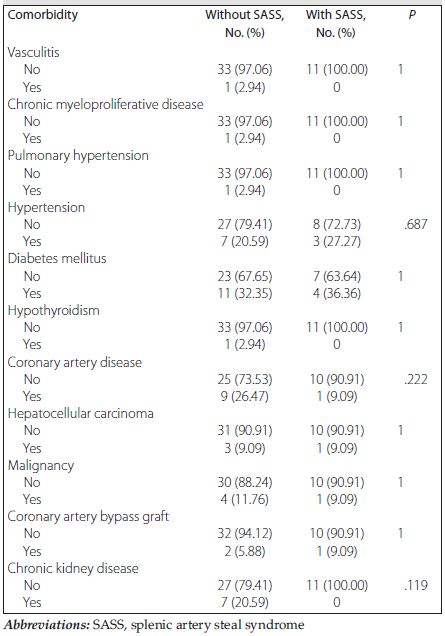
Table 2. Patient Comorbid Diseases
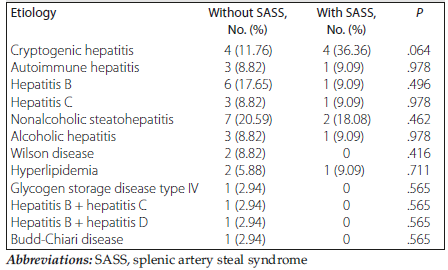
Table 3. Etiology Of Liver Failure

Table 4. Comparison of Intraoperative and Postoperative Variables According to Splenic Artery Steal Syndrome
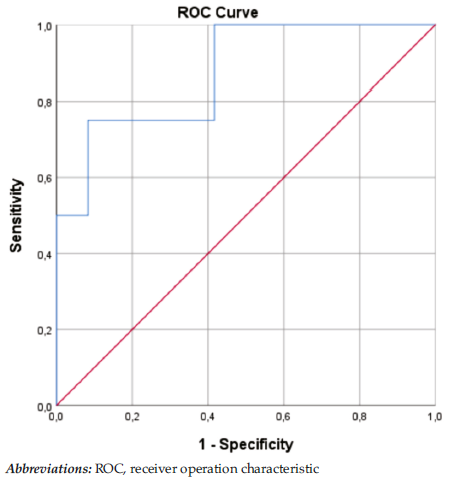
Figure 1. Receiver Operation Characteristic Curve Analysis of C-Reactive Protein as a Predictor of Splenic Artery Steal Syndrome in Orthotopic Liver Transplant Patients