Volume: 21 Issue: 7 July 2023
FULL TEXT
Objectives: Gram-negative rods are the most common cause of bloodstream infection in renal transplant recipients. Acute rejection, urologic abnormalities, and ureteral stents are risk factors. Graft dysfunction is independently associated with gram-negative rod bloodstream infection. Our aim is to investigate the incidence, risk factors, and outcome among living donor renal transplant recipients from Pakistan.
Materials and Methods: In this case-control study, we reviewed the medical records until June 2021 of renal transplant recipients seen from 2015 to 2019 for gram negative bacteremia. For every case, controls were matched by age, date of transplant, and sex. Demographics, risk factors, graft function, and mortality were compared. Clinical features, immunosuppression, source of blood stream infection, and microbiology were noted in cases.
Results: Of 1677 renal transplant recipients, 44 developed gram negative bacteremia. The incidence was 5.9 per 1000 person-years. Median time since transplant was 5 months. The most common source was urinary tract infection. On univariate analysis, antithymocyte globulin, urinary tract infection, and recurrent urinary tract infections were associated with gram negative bacteremia. On multivariate analysis, urinary tract infection (adjusted odds ratio = 3.46; 95% CI, 1.27-9.37) and recurrent urinary tract infections (adjusted odds ratio = 4.03; 95% CI, 1.15-14.15) were significant risk factors. We found no difference in 30-day mortality and estimated glomerular filtration rate on last follow-up between cases and controls. Kaplan-Meier survival curves showed significant differences in graft survival in patients with gram negative bacteremia. Escherichia coli was the most common organism, with 75% ceftriaxone and 13% imipenem resistance.
Conclusions: The most significant risk factor for gram negative rod bloodstream infection was recurrent urinary tract infections. Timely treatment and prevention of recurrent urinary tract infections areimperative for prevention of gram negative bacteremia.
Key words : Gram negative bacteremia, Kidney transplant, Risk factors
Introduction
Bloodstream infections (BSIs) are a major cause of mortality among solid-organ transplant (SOT) recipients.1 According to a nation-wide surveillance study from Italy, the incidence of BSI in renal transplant recipients is 3 episodes per 10 000 transplant days.2 The risk factors for BSI in renal transplant recipients are ABO incompatibility, previous cytomegalovirus infection, pretransplant dialysis, acute rejection, urologic disease, presence of a ureteral stent and high posttransplant serum creatinine.1 Moreno and col-leagues reported the presence of septic shock and the need for mechanical ventilation as independent risk factors for mortality among SOT patients with BSI.2
Gram-negative BSI (GNR-BSI) is the most common bacteremia in renal transplant recipients, with incidence ranging from 60% to 70% of all episodes.3 This is because urinary tract infections (UTIs), which are mainly due to gram-negative bacteria, are common in kidney transplant recipients and found to be the main source of GNR-BSI.4-6 Studies with focus on the characteristics and risk factors for GNR-BSI among SOT recipients are limited. The incidence of GNR-BSI is reported to be between 13 to 17/1000 person-years among kidney transplant recipients.4,5 Tsikala-Vafea and colleagues reported diabetes mellitus, Pseudomonas aeruginosa BSI, and septic shock to be independently associated with unfavorable outcomes in patients with GNR-BSI.4 Wan and associates reviewed nonlactose fermenting GNR-BSI among SOT recipients and found previous transplant, hospital-acquired BSIs, and prior intensive care unit admission as risk factors.7 Wang and colleagues suggested a clinical predictor tool for extended-spectrum β-lactamase (ESBL) producing Enterobacterales BSI among SOT recipients. Previous colonization or infection with Enterobacterales, recent antimicrobial exposures, severity of preceding illness, and immunosup-pressive regimen were predictors of ESBL Enterobacterales bacteremia.8
The mortality associated with GNR-BSI among kidney transplant recipients is around 4.9% to 6%.4,5 However, the mortality is as high as 30% to 40% in patients with multidrug-resistant GNR-BSI.9
Data on GNR-BSI among SOT recipients from Pakistan are scarce. Fayyaz and colleagues reported 47% of blood culture isolates were GNR in a study on immunocompromised population. They also reported a high resistance to ceftriaxone.10 Ceftriaxone resistance can be considered as a marker of ESBL production with limited treatment options.11 In Pakistan, the prevalence of ESBL is high, with overall pooled proportion of 0.40.12 There are concerns regarding the outcomes of GNR-BSI in transplant recipients from our center, considering the high prevalence of ESBL-producing organisms in Pakistan. Conversely, our transplant program exclusively depends on living related organ donations with carefully selected healthy donors. The immunosuppression protocols in our center mainly consist of a cyclosporine and azathioprine-based regimen.13 Hence, we may postulate that our patient population receives less potent immunosuppression and may get less infections.
In this study, we investigated the clinical features, risk factors, and outcome of GNR-BSI in living-donor related renal transplant recipients from the largest transplant center of Pakistan.
Materials and Methods
This case-control study was conducted at the Sindh Institute of Urology and Transplantation (SIUT), Karachi, Pakistan, the largest public sector transplant center in Pakistan for kidney and liver transplants. Every year, more than 500 renal transplant procedures are performed at the center, with lifelong follow-up of both recipients and donors. The policy at SIUT is the use of living donors who are first-degree or second-degree relatives, in accordance with the Sindh Transplantation of Human Organs and Tissue Law 2013.14
The medical records of all renal transplant recipients who received transplants from 2015 to 2019 were retrieved and followed until June 2021 for the development of GNR-BSI. For each case, 2 controls were selected. The controls were matched with date of transplant (±1 month), age (±5 years), and sex. The following parameters were noted: age, sex, date of transplant, donor age, primary disease, induction with antithymocyte globulin (ATG), immunosuppressive medications, whether ATG, solumedrol, or rituximab was used within 6 months of bacteremia, antibiotics received as prophylaxis at the time of transplant, concomitant opportunistic infections, likely source of bacteremia (eg, pneumonia, UTI, central line infection, wound infection, phlebitis), previous episodes of UTI, microbiology of bacteremia, and graft function. All-cause 30-day mortality was noted. The day of bacteremia was indicated as day 0. Both cases and controls were studied for risk factors like immunosuppression, previous UTI, mortality, and graft function.
All blood cultures were performed at the microbiological laboratory of SIUT and performed per the US Clinical Laboratory and Standards Institute guidelines.15
Evidence of gram-negative bacteremia was defined as growth of any gram-negative bacillus in a blood culture. Patients with first episode of bacteremia were analyzed. Recurrent bacteremia was defined as more than 1 episode of GNR-BSI during the study period. Urinary tract infection was defined as symptoms of UTI-like dysuria, frequency or urgency of micturition, flank pain, fever, and/or unexplained rise in creatinine with positive urine culture. Recurrent UTI was defined as more than 1 episode of UTI within 90 days before bacteremia. We analyzed all patients with symptomatic bacteriuria for our study.
Graft function was divided into baseline (serum creatinine and estimated glomerular filtration rate [eGFR] on the last follow-up before bacteremia), at the time of bacteremia (serum creatinine and eGFR at the day of bacteremia), end of bacteremia (serum creatinine and eGFR at the time of discharge/end of treatment), and last follow-up (serum creatinine and eGFR at the last follow-up). Graft dysfunction was defined as >15% decrease in eGFR or 0.3 mg/dL increase in serum creatinine from baseline.16
The source of bacteremia and opportunistic infections were noted as documented in medical records by the transplant and infectious disease physicians. Ceftriaxone-resistant organisms were labeled as ESBL organisms.11 Carbapenem-resistant organisms were defined as those organisms that are resistant to at least 1 of the carbapenem antibiotics.17
Immunosuppressive regimens were administered according to our center’s protocol.13 Appropriate empirical antibiotics were defined as antibiotics that were started at the time of culture and later found to be susceptible on sensitivity report. Structural urinary tract abnormalities were defined as a patient having any 1 of the following diagnosis pret-ransplant: polycystic kidney disease, stones, or neurogenic/bladder outlet obstruction.
This study has been approved by Ethical Review Committee of SIUT. Informed consent was waived as this was a retrospective medical record review.
Statistical analyses
We analyzed data using SPSS version 20. We summarized continuous and categorical variables as mean ± SD and as frequencies and percentages, respectively. We compared mean differences between cases and controls with the independent t test and proportion differences between cases and controls with the chi-square test or the Fisher Exact test. We conducted multivariable logistic regression using significant variables on univariate analysis to determine the independent risk factors for BSI, which were presented with adjusted odds ratio (aOR) and 95% confidence interval (95% CI). P ≤ .05 was considered as significant.
Results
Over a 5-year period (2015-2019), 1677 renal transplant procedures were performed at our center. With 7392 person-years of follow up, 44 patients developed GNR-BSI. The median follow-up was 35 months (interquartile range, 495-1384). The incidence of GNR-BSI was calculated to be 5.9 per 1000 person-years.
We compared cases and controls for risk factors and outcomes (Table 1). On univariate analysis, ATG administration for rejection episodes (11.4% vs 2.3%; P = .041), UTI (75% vs 37%; P < .001), and recurrent UTIs within 90 days of bacteremia (27% vs 5.7%; P < .001) were significantly associated with GNR-BSI. Graft function at last follow-up was significantly different between cases and controls (eGFR of 39 vs 65 mL/min/1.73 m2; P = .002). No difference in 30-day mortality was shown.
On multivariate analysis (Table 2), UTI (aOR = 3.46; 95% CI, 1.27-9.37) and recurrent UTIs (aOR = 4.03; 95% CI, 1.15-14.15) were significantly associated with GNR-BSI. Serum creatinine levels were significantly different at last follow-up in patients with GNR-BSI versus controls (aOR = 1.61; 95% CI, 1.076 – 2.418). However, no significant difference in eGFR was shown between cases and controls.
Table 3 shows characteristics of patients with GNR-BSI. Median time from transplant to infection was 5 months (interquartile range, 0.9-20). The most common immunosuppressive agents at the time of BSI were cyclosporine and an azathioprine-based regimen. The most common source of bacteremia was UTI (77%).
Escherichia coli was the most common organism (66%) followed by Klebsiella species (16%), Pseudomonas aeruginosa (9%), Acinetobacter (2%), Enterobacter (2%), and Salmonella species (5%). The resistance pattern of the 3 most commonly isolated organisms is shown in Figure 1. Cotrimoxazole resistance was between 80% and 90%.
In comparisons between all, ceftriaxone-resistant, and carbapenem-resistant organisms and eGFR over time, graft function deteriorated among patients infected with carbapenem-resistant organisms at last follow-up (Figure 2). A survival curve of graft function showed a significant difference in graft survival among patients with GNR-BSI compared with controls after 24 months of follow-up (Figure 3).
Discussion
The incidence of GNR-BSI in our center is 5.9 per 1000 person-years. Al-Hasan and colleagues reported an overall incidence of 15.8/1000 person-years in the United States.5 Another study from Greece reported an incidence of 13.9/1000 person-years.4 We found a lower incidence of GNR-BSI compared with that shown in Western literature. This may be because most of our patients are on a lower immunosup-pressive regimen, as our program exclusively uses living related donors with careful selection of healthy living volunteers.18 Lower immunosuppression may be the reason for decreased risk of infections and hence lower incidence of GNR-BSI in our population. A systematic review and meta-analysis by Taminato and colleagues concluded a 2.25 times higher risk of infection among deceased compared with living donors.19 Another point may be the use of cotrimoxazole prophylaxis causing a decrease in the incidence of GNR-BSI. However, we found a high resistance toward cotrimoxazole in blood culture sensitivity patterns, and the prophylaxis may not be effective in preventing both UTI and hence GNR-BSI.
We found that patients developed BSI early posttransplant, with median time until infection of 5 months and with 25% of patients within 1 month posttransplant. Our finding is similar to the study from Al Hassan and colleagues, which reported a median duration of 6 months and the highest incidence within the first month posttransplant.5 In contrast, Tsikala-Vafea and colleagues from Greece reported a late-onset GNR-BSI at 65 months posttransplant and with 14% of patients within 1 month.4 We may postulate that an increased risk of nosocomial infections with intense immunosup-pression early in the transplant period may lead to BSI. We may need to focus on good infection control practices and control the source to prevent early BSI in our population.
We found UTI to be the most significant source and risk factor for GNR-BSI. Urinary tract infection is one of the major infectious complications among kidney transplant recipients.4-6 A compromised urinary tract, presence of ureteric stents, vesico-ureteric reflux due to grafted ureter, and other manipulations may be the reason for the urinary tract as the most common source of infection posttransplant.20,21 Importantly, we looked into multiple episodes of UTI as a potential risk factor for BSI. We found that more than 1 episode of UTI, 90 days before bacteremia, was a significant risk factor for GNR-BSI. Recurrent UTI is common in renal transplant recipients. The prevalence is reported to be between 6% and 10%.22 Recurrent episodes of UTI can cause graft dysfunction, poor quality of life, and poor patient survival.23 We found a significant association between recurrent episodes of UTI and GNR-BSI in our study. This is a major finding, endorsing that recurrent UTI can be a significant threat to grafts and patients with risk of bacteremia and sepsis. More detailed studies on the risk factors and prevention of recurrent UTI in our patient population are needed to mitigate BSIs.
Similar to that reported in the literature, we also found E coli as the most common organism isolated.4,5 Importantly, we found a high resistance to ceftriaxone (60% to 80%) among E coli and Klebsiella isolates. This reflects our national trend in which overall ceftriaxone resistance is high at around 40% to 71%.12,24 Moreover, carbapenem resistance was found to be 13% to 25% among GNR-BSI in our cohort, resulting in more severe graft dysfunction compared with sensitive organisms. Carbapenem resistance of Klebsiella pneumoniae among SOT recipients has been shown to be 1% to 18% in endemic areas with around 60% mortality.25 More studies are needed from our part of the world on infections because of carbapenem resistance among transplant recipients. Furthermore, strict antibiotic stewardship and good infection control practices nationwide are needed to prevent the spread of resistant organisms.
We found that GNR-BSI resulted in decreased graft function and survival after 24 months. Al-Hasan and colleagues found an independent association between GNR-BSI and allograft failure with long-term follow-up of 10 years.26 Although on multivariate analysis we did not find a significant association between eGFR and GNR-BSI, we did find a significant decrease in graft survival after 24 months between cases and controls. Furthermore, graft function was more affected among patients with carbapenem-resistant GNR-BSI. Focus is needed on alleviating the causes of GNR-BSI so that long-term graft function can be maintained.
In our cohort, the 30-day all-cause mortality was 2%. This is similar to that reported in the literature on GNR-BSI. Tsikala-Vafea and colleagues reported a mortality rate of 6.5%,4 and Al Hassan and colleagues found lower mortality (1.6%) among kidney transplant recipients versus liver transplant recipients, with better intensive care unit care and urinary source in kidney transplant recipients mentioned as possible explanations for lower mortality.5
Our study had some limitations, including its retrospective design, where missing data in the records may have affected the results. In addition, for risk factor analysis, we were unable to assess the age and sex effects, as we used matched controls. Nevertheless, this was the first study from South Asia, to the best of our knowledge, particularly focusing on GNR-BSI.
Conclusions
The incidence of GNR-BSI in our cohort of living-donor transplant recipients is low compared with that shown in the Western literature. We may postulate that the infection rates are lower because of our unique patient population. However, GNR-BSI causes significant graft dysfunction after 24 months. Importantly, we found recurrent UTI as the most significant risk factor for GNR-BSI. Focus is needed on the prevention and timely treatment of UTIs to prevent morbidity and mortality with GNR-BSI in our patient population.
References:
- Kritikos A, Manuel O. Bloodstream infections after solid-organ transplantation. Virulence. 2016;7(3):329-340. doi:10.1080/21505594.2016.1139279
CrossRef - PubMed - Moreno A, Cervera C, Gavalda J, et al. Bloodstream infections among transplant recipients: results of a nationwide surveillance in Spain. Am J Transplant. 2007;7(11):2579-2586. doi:10.1111/j.1600-6143.2007.01964.x
CrossRef - PubMed - Silva M, Jr., Marra AR, Pereira CA, Medina-Pestana JO, Camargo LF. Bloodstream infection after kidney transplantation: epidemiology, microbiology, associated risk factors, and outcome. Transplantation. 2010;90(5):581-587. doi:10.1097/TP.0b013e3181e8a680
CrossRef - PubMed - Tsikala-Vafea M, Basoulis D, Pavlopoulou I, et al. Bloodstream infections by gram-negative bacteria in kidney transplant patients: incidence, risk factors, and outcome. Transpl Infect Dis. 2020;22(6):e13442. doi:10.1111/tid.13442
CrossRef - PubMed - Al-Hasan MN, Razonable RR, Eckel-Passow JE, Baddour LM. Incidence rate and outcome of Gram-negative bloodstream infection in solid organ transplant recipients. Am J Transplant. 2009;9(4):835-843. doi:10.1111/j.1600-6143.2009.02559.x
CrossRef - PubMed - Çalık Başaran N, Alp Ş, Aslan AT, et al. Bacterial bloodstream infection in renal transplant recipients: 15 years of experience in a university hospital. Erciyes Med J. 2022;44(5):466-472.
CrossRef - PubMed - Wan Q, Ye Q, Huang F. The bacteremia caused by non-lactose fermenting gram-negative bacilli in solid organ transplant recipients. Surg Infect (Larchmt). 2015;16(5):479-489. doi:10.1089/sur.2015.005
CrossRef - PubMed - Wang R, Han JH, Lautenbach E, et al. Clinical prediction tool for extended-spectrum beta-lactamase-producing Enterobacterales as the etiology of a bloodstream infection in solid organ transplant recipients. Transpl Infect Dis. 2021;23(4):e13599. doi:10.1111/tid.13599
CrossRef - PubMed - Wan QQ, Ye QF, Yuan H. Multidrug-resistant Gram-negative bacteria in solid organ transplant recipients with bacteremias. Eur J Clin Microbiol Infect Dis. 2015;34(3):431-437. doi:10.1007/s10096-014-2271-z
CrossRef - PubMed - Fayyaz M, Mirza IA, Ikram A, Hussain A, Ghafoor T, Shujat U. Pathogens causing blood stream infections and their drug susceptibility profile in immunocompromised patients. J Coll Physicians Surg Pak. 2013;23(12):848-851.
CrossRef - PubMed - Bhalodi AA, Magnano P, 3rd, Humphries RM. Performance of ceftriaxone susceptibility testing on the Accelerate Pheno(R) system of ESBL-producing isolates. Diagn Microbiol Infect Dis. 2020;98(4):115171. doi:10.1016/j.diagmicrobio.2020.115171
CrossRef - PubMed - Abrar S, Hussain S, Khan RA, Ul Ain N, Haider H, Riaz S. Prevalence of extended-spectrum-beta-lactamase-producing Enterobacteriaceae: first systematic meta-analysis report from Pakistan. Antimicrob Resist Infect Control. 2018;7:26. doi:10.1186/s13756-018-0309-1
CrossRef - PubMed - Abbas K, Mubarak M, Zafar MN, et al. Plasma cell-rich acute rejections in living-related kidney transplantation: a clinicopathological study of 50 cases. Clin Transplant. 2015;29(9):835-841. doi:10.1111/ctr.12589
CrossRef - PubMed - Sindh Government. The Sindh Transplantation of Human Organs and Tissue Bill; 2013.
CrossRef - PubMed - Clinical and Laboratory Standards Institute. Performance Standards for Antimicrobial Susceptibility Testing. 30th ed. CLSI Supplement M100. Clinical and Laboratory Standards Institute; January 2020.
CrossRef - PubMed - Goldberg RJ, Weng FL, Kandula P. Acute and chronic allograft dysfunction in kidney transplant recipients. Med Clin North Am. 2016;100(3):487-503. doi:10.1016/j.mcna.2016.01.002
CrossRef - PubMed - Meletis G. Carbapenem resistance: overview of the problem and future perspectives. Ther Adv Infect Dis. 2016;3(1):15-21. doi:10.1177/2049936115621709
CrossRef - PubMed - Zafar MN, Wong G, Aziz T, Abbas K, Adibul Hasan Rizvi S. Living donor risk model for predicting kidney allograft and patient survival in an emerging economy. Nephrology (Carlton). 2018;23(3):279-286. doi:10.1111/nep.12983
CrossRef - PubMed - Taminato M, Fram D, Grothe C, Pereira RR, Belasco A, Barbosa D. [Prevalence of infection in kidney transplantation from living versus deceased donor: systematic review and meta-analysis]. Rev Esc Enferm USP. 2015;49(3):509-514. doi:10.1590/S0080-623420150000300020
CrossRef - PubMed - Golebiewska J, Debska-Slizien A, Komarnicka J, Samet A, Rutkowski B. Urinary tract infections in renal transplant recipients. Transplant Proc. 2011;43(8):2985-2990. doi:10.1016/j.transproceed.2011.07.010
CrossRef - PubMed - Wu SW, Liu KS, Lin CK, et al. Community-acquired urinary tract infection in kidney transplantation: risk factors for bacteremia and recurrent infection. J Formos Med Assoc. 2013;112(3):138-143. doi:10.1016/j.jfma.2012.01.010
CrossRef - PubMed - Bodro M, Linares L, Chiang D, Moreno A, Cervera C. Managing recurrent urinary tract infections in kidney transplant patients. Expert Rev Anti Infect Ther. 2018;16(9):723-732. doi:10.1080/14787210.2018.1509708
CrossRef - PubMed - Britt NS, Hagopian JC, Brennan DC, et al. Effects of recurrent urinary tract infections on graft and patient outcomes after kidney transplantation. Nephrol Dial Transplant. 2017;32(10):1758-1766. doi:10.1093/ndt/gfx237
CrossRef - PubMed - Bilal H, Khan MN, Rehman T, Hameed MF, Yang X. Antibiotic resistance in Pakistan: a systematic review of past decade. BMC Infect Dis. 2021;21(1):244. doi:10.1186/s12879-021-05906-1
CrossRef - PubMed - Pouch SM, Satlin MJ. Carbapenem-resistant Enterobacteriaceae in special populations: Solid organ transplant recipients, stem cell transplant recipients, and patients with hematologic malignancies. Virulence. 2017;8(4):391-402. doi:10.1080/21505594.2016.1213472
CrossRef - PubMed - Al-Hasan MN, Razonable RR, Kremers WK, Baddour LM. Impact of Gram-negative bloodstream infection on long-term allograft survival after kidney transplantation. Transplantation. 2011;91(11):1206-1210. doi:10.1097/TP.0b013e3182180535
CrossRef - PubMed

Volume : 21
Issue : 7
Pages : 562 - 567
DOI : 10.6002/ect.2023.0087
From the 1Department of Infectious Diseases and the 2Department of Transplantation Sciences, Sindh Institute of Urology and Transplantation, Karachi, Pakistan
Acknowledgements: The authors have not received any funding or grants in support of the presented research or for the preparation of this work and have no declarations of potential conflicts of interest.
Corresponding author: Asma Nasim, Sindh Institute of Urology and Transplantation, Dewan Farooq Medical Center, Yaqoob Khan Road, Karachi, Pakistan
Phone: +92 21 3002318477
E-mail: asmaadil@hotmail.com
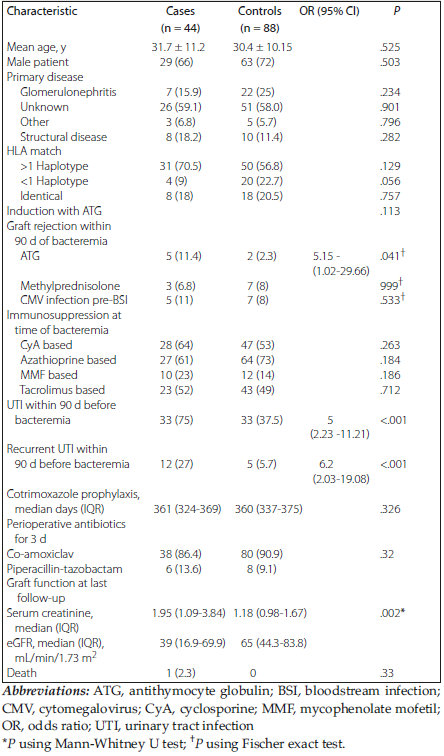
Table 1. Univariate Analysis of Risk factors, Graft Function, and All-Cause Mortality Between Cases and Controls
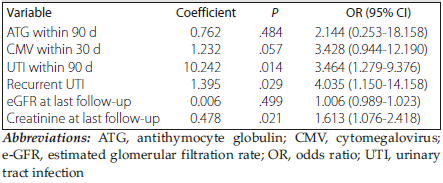
Table 2. Multivariate Logistic Regression Analysis of Risk Factors and Outcomes Using Significant Variables From Univariate Analysis
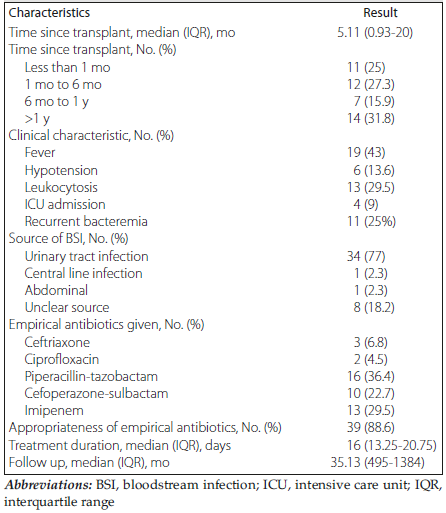
Table 3. Characteristics of Patients With Gram-Negative Bloodstream Infection (N = 44)
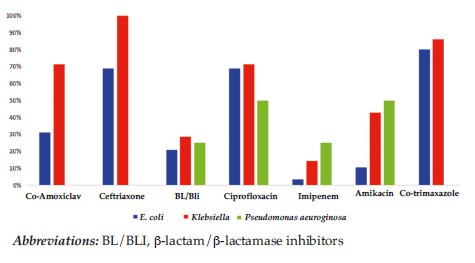
Figure 1. Resistance Pattern of 3 Most Common Organisms Isolated
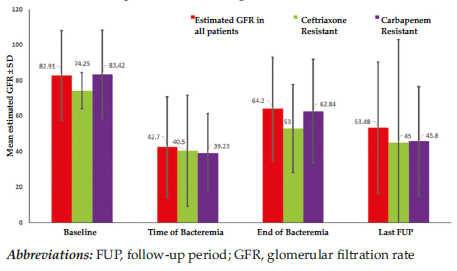
Figure 2. Graft Function Over Time: Comparison Among All, Ceftriaxone-Resistant, and Carbapenem-Resistant Organisms
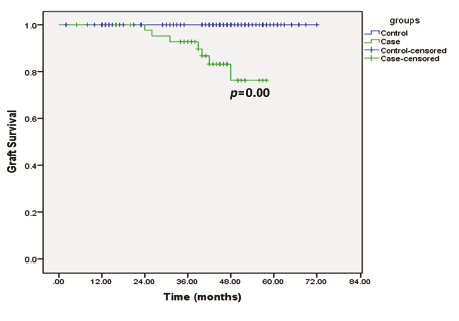
Figure 3. Kaplan-Meier Curve for Graft Survival