Volume: 21 Issue: 5 May 2023
FULL TEXT
Abstract
External iliac artery dissection is a catastrophic complication during kidney transplant surgery. We present a technically challenging case of external
iliac artery dissection that occurred in severely atherosclerotic vessels of a high-risk patient receiving his third kidney transplant. The intimal dissection constituted by the upstream application of a vascular clamp during the preparatory dissection of the vessels and progressed rapidly along the iliofemoral axis. The external iliac artery was severely diseased and in an irreparable condition, hence ligated and removed. After a common iliac endarterectomy, an iliofemoral polytetrafluoroethylene vascular graft interposition was performed. The transplant kidney was anas-tomosed directly on the vascular graft. Satisfactory lower limb vascularization and kidney transplant perfusion were achieved without technical difficulties. The patient had an uneventful recovery without complications. The kidney transplant recipient retained stable graft function at 6 months posto-peratively. This rare case highlights the benefit of a surgical strategy in a vascular emergency that threatens the lower limb during a kidney transplant, and we emphasize the technical details of the procedure. As patients with extended indications are accepted onto the transplant waiting list, it is important for transplant surgeons to acquire surgical skills of vascular graft interposition. A postoperative blood flow monitoring device may be beneficial in high-risk kidney transplant cases.
Key words : Blood flow monitoring device, Intimal dissection, Kidney transplantation, Vascular injury
Introduction
Spontaneous dissection of the external iliac artery (EIA) is a catastrophic complication if it occurs during kidney transplant surgery.1 Not only is the kidney transplant compromised, but blood supply to the lower limb is threatened.2 Vascular clamp trauma to the atherosclerotic vessels and improper surgical technique (ie, not including intima in the suturing procedure) are common causes.1,2 Recipient risk factors include male predominance, diabetes mellitus, smoking, hypertension, cardiomyopathy, and prolonged duration on hemodialysis.1-3
After the diagnosis of intimal dissection, resto-ration of blood flow to the lower limb is critical.1,2 If the kidney transplant is already anastomosed, then it is dismantled.1 Attempts to repair the intima are rarely successful if it is severely diseased, shredded, and does not hold sutures.2,3 Usually, a vascular graft interposition is used for revascularization of the lower limb.2,3 As other recipient vessels are also frequently calcified, there is limited information in the literature regarding further management of the kidney transplant. Here, we present a rare case demonstrating the benefit of a surgical strategy in an emergency that threatens the lower limb during kidney transplant; herein, we emphasize the technical details of the procedure. Informed consent was obtained from the patient before publication of this case report.
Case Report
A 50-year-old male kidney transplant recipient whose primary renal disease was focal segmental glomerulosclerosis presented to our unit for a third kidney transplant. His comorbidities included ischemic heart disease, hypertension, extensive smoking, and long-term hemodialysis. He had received his first kidney transplant (which was on the right side) in 1996, which unfortunately failed after 14 months, and thereafter he was maintained on hemodialysis. A few months later, he underwent right-side transplant nephrectomy to treat chronic graft intolerance. He had received his second kidney transplant (on the left side) in 2004, and the graft remained patent until 2020, after which he was returned to hemodialysis.
The patient underwent a third kidney transplant (on the right side) in September 2022. The graft was from a 58-year-old deceased donor (brain death) with acute kidney injury due to a long down time after cardiac arrest. Nevertheless, the donor’s urine out was reasonable, a 0-0-0 human leukocyte antigen mismatch was shown, and the cytomegalovirus status was donor negative/recipient positive. It was a difficult procedure due to dense retroperitoneal scar tissue formed from the previous 2 transplant procedures, which was further complicated by the intimal dissection of the EIA resulting from the application of a vascular clamp to the upstream EIA before commencement of arterial anastomosis. The dissection progressed along the iliofemoral axis and was identified by the discolored and pulseless EIA. A downstream vascular clamp was applied immediately on the EIA to limit further progression of dissection caudally. An EIA arteriotomy was performed to inspect and attempt intimal repair if possible. This revealed severely diseased, calcified, and shredded intima that did not hold sutures. Consequently, the EIA was ligated and removed. The upstream vascular clamp was applied further cranially, and common iliac endarterectomy was performed. A separate groin incision was made, and the superficial femoral artery was exposed. An iliofemoral polytetrafluoroethylene (PTFE) ringed vascular graft was interposed between the common iliac artery and the superficial femoral artery (Figure 1). The restoration of blood flow to the lower limb was confirmed by inspection of the foot for color and pulses.
The transplant kidney had single vessels. The renal vein was end-to-side anastomosed to the external iliac vein using 5-0 polypropylene sutures by standard technique. The renal artery was then end-to-side anastomosed on the vascular graft using 6-0 polypropylene sutures. Topical hemostatic fibrin glue was applied at the anastomosis site to prevent bleeding from the suture needle punctures. During anastomosis, the lumen of the graft was flushed with heparinized saline (5000 IU in 1 liter of normal saline). After removal of the clamps, the kidney perfused homogenously. The lower limb vascularization was reassured. The warm ischemia time was 35 minutes. The kidney exhibited delayed graft function for 5 days, during which the patient was maintained on hemodialysis. After this period, the urine output began to improve with gradual improvement of creatinine clearance.
The duplex ultrasonography scans performed on postoperative day 1 and on postoperative day 4 revealed global perfusion with satisfactory resistive indexes of the intrarenal arteries. During the interim, an implantable Doppler (ID) probe was used to monitor the patency of arterial anastomosis during the first 72 hours postoperatively.4 The patient had an uneventful recovery without any postoperative complications (such as bleeding, thrombosis, or infection related to the graft).
Postoperative anticoagulation
For anticoagulation prophylaxis, a renal dose of enoxaparin (20 mg subcutaneous, once daily) was given to the patient for the duration of his hospital stay. Dual antiplatelet agents (clopidogrel and aspirin) were given daily for 4 weeks followed by maintenance on a single antiplatelet agent (clopidogrel).
Immunosuppression
Alemtuzumab was given as immunosuppression induction in response to previous sensitization. Standard immunosuppression was maintained with tacrolimus, mycophenolate mofetil, and prednisolone.
Discussion
Polytetrafluorethylene graft (Hybrid PTFE, Atrium Medical Corporation) is widely used as a vascular interposition graft. A PTFE graft is easy to use, with reasonable patency rates, low tissue reaction, low thrombogenicity, and low risk of infection.5 In transplants, PTFE grafts have been used for lengthening of short vessels to improve graft utilization.5 Kamel and colleagues have described their use of a PTFE patch for extension of 2 renal veins and a renal artery in 3 challenging kidney transplant cases with excellent postoperative results.6 Other studies have also reported successful kidney transplants following reconstruction of damaged or short renal vessels using PTFE grafts.5,7,8 Similarly, Ha and colleagues compared PTFE grafts with iliac vein allografts in the middle hepatic vein reconst-ruction of 215 living donor liver transplants, and their results showed comparable outcomes and advocated the application of PTFE graft as a reliable vessel conduit in liver transplants.9
Haberal and colleagues have described 2 cases of EIA dissection occurring during kidney transplant.2 The EIA was replaced by PTFE reconstruction technique, and the renal artery was anastomosed directly to the graft. Both patients displayed stable renal function postoperatively.
Our literature search also revealed cases of aortoiliac reconstruction followed by kidney transplant as a single-stage procedure. Anan and colleagues have described an aortoiliac reconstruction using a PTFE graft followed by kidney transplant in a recipient with severely occlusive atherosclerotic disease.10 Other authors have also advocated arterial reconstruction using a PTFE graft followed by kidney transplant as a single-stage elective procedure in a high-risk recipient group.11,12 In these cases, arterial reconst-ruction followed by kidney transplant was planned simultaneously in living donor kidney transplant recipients in elective settings. For our case reported here, the patient presented with a limb-threatening crisis in a deceased donor kidney transplant in emergency settings. Consequently, the management of the condition was challenging. However, the successful reconstruction of the patient’s vascular supply to the lower limb and subsequent implan-tation of the kidney supports the elective approach of a single-stage procedure for patients who have been denied entry to transplant wait lists due to severe atherosclerosis.
Our kidney transplant recipient had risk factors for intimal dissection. Dar and colleagues conducted a retrospective risk factor evaluation of 5 patients with intimal dissection and identified diabetes mellitus and prolonged duration on hemodialysis as the most common risk factors.3 However, recipient risk factors may not accurately indicate the probability of dissection because of the meticulous preoperative vascular assessment of all kidney transplant candidates before activation on the transplant waiting list. Also, it is paramount to apply vascular clamps carefully and adopt the appropriate vascular anastomosis technique.2,3
Patients with chronic kidney disease are proth-rombotic due to changes in coagulation factors and vascular endothelium.13 Concurrently, such patients are at the risk of bleeding due to platelet dysfunction.13 We used systemic heparin 2500 IU (renal half dose) intravenously as a thrombosis prevention measure during the procedure.
The ID probe is a blood flow monitoring device that allows continuous and real-time information of the vessel patency on which it is attached.14 At our kidney transplant center, the ID probe is attached around the renal artery and used for the posto-perative vascular surveillance of high-risk cases.14 The probe provides direct vascular assessment of the renal artery as it is applied around it, while it can only provide indirect assessment of the renal vein.15 In this case, the ID probe was used as a beneficial adjunct to monitor the patency of renal artery-PTFE graft anastomosis in the first 72 hours posto-peratively.
Conclusions
The PTFE vascular graft interposition is a recom-mended procedure to combat ischemia that threatens the lower limb due to dissection of the EIA during kidney transplant. This rescue technique can restore revascularization of the lower limb and salvage the kidney transplant. Because greater numbers of patients with extended indications are being accepted onto the transplant wait list, it is important for transplant surgeons to acquire surgical skills of vascular graft interposition or collaborate with vascular surgical colleagues to improve the outcomes of these patients.
References:
- Lushina N, Lee A, Cuadra S, et al. External iliac artery dissection during renal transplantation: a case report and literature review. Transplant. Proc. 2019;51(2):538-540. doi:10.1016/j.transproceed.2018.12.021
CrossRef - PubMed - Haberal M, Boyvat F, Akdur A, K?rnap M, Özçelik Ü, Yarbu? Karakayal? F. Surgical complications after kidney transplantation. Exp Clin Transplant. 2016;14(6):587-595.
CrossRef - PubMed - Dar TI, Tyagi V, Khawaja AR, et al. External iliac artery polytetrafluoroethylene graft interposition: an effective rescuer for kidney transplant in progressive intimal dissection of external iliac artery. Urol Ann. 2016;8(2):223-225. doi:10.4103/0974-7796.177199
CrossRef - PubMed - Malik MS, Akoh JA, Houlberg K. the use of the implantable doppler probe as a blood flow monitoring device in clinical settings: a narrative review of the evidence. Exp Clin Transplant. 2023;21(2):83-92. doi:10.6002/ect.2022.0349
CrossRef - PubMed - Santiago-Delpin EA, González Z. Successful renal vein reconstruction with a polytetrafluoroethylene vascular graft in kidney transplantation. Am J Surg. 1985;149(2):310-311. doi:10.1016/S0002-9610(85)80093-3
CrossRef - PubMed - Kamel MH, Thomas AA, Mohan P, et al. Renal vessel reconstruction in kidney transplantation using a polytetrafluoroethylene (PTFE) vascular graft. Nephrol Dial Transplant. 2007;22(4):1030-1032. doi:10.1093/ndt/gfl782.
CrossRef - PubMed - Delpín ES. Brief report: successful extension of the transplant renal vein with a synthetic vascular graft. Bol Asoc Med P R. 1997;89(10-12):206-207.
CrossRef - PubMed - Blacklock AR, Raabe AL, Lam FT. Renal auto-transplantation with interposed PTFE arterial graft: not necessarily a cure for loin pain/haematuria syndrome. J R Coll Surg Edinb. 1999;44(6):134.
CrossRef - PubMed - Ha TY, Hwang S, Jung DH, et al. Complications analysis of polytetrafluoroethylene grafts used for middle hepatic vein reconstruction in living-donor liver transplantation. Transplant Proc. 2014;46(3):845-849. doi:10.1016/j.transproceed.2013.10.054.
CrossRef - PubMed - Anan G, Nanmoku K, Shimbo M, et al. Renal transplantation with simultaneous aortoiliac reconstruction using a polytetrafluoroethylene vascular graft for severe atherosclerosis. Case Rep Transplant. 2018;2018:8959086. doi:10.1155/2018/8959086
CrossRef - PubMed - Matia I, Adamec M, Varga M, et al. Aortoiliac reconstruction with allograft and kidney transplantation as a one-stage procedure: long term results. Eur J Vasc Endovasc Surg. 2008;35(3):353-357. doi:10.1016/j.ejvs.2007.09.022
CrossRef - PubMed - Tsivian M, Neri F, Nardo B, et al. Aortoiliac surgery concomitant with kidney transplantation: a single center experience. Clin Transplant. 2009;23(2):164-167. doi:10.1111/j.1399-0012.2009.00981
CrossRef - PubMed - Hughes S, Szeki I, Nash MJ, Thachil J. Anticoagulation in chronic kidney disease patients-the practical aspects. Clin Kidney J. 2014;7(5):442-449. doi:10.1093/ckj/sfu080
CrossRef - PubMed - Malik MS, Akoh J, Aroori S, Latour JM. Implantable Doppler probe as a vascular monitoring device in kidney transplant patients: investigation of use at a single center. Exp Clin Transplant. 2022;20(4):355-361. doi:10.6002/ect.2021.0500
CrossRef - PubMed - Malik MS, Saif I, Akoh J. Are signals from implantable Doppler probes always accurate for prediction of blood flow in kidney transplant?. Exp Clin Transplant. 2023;21(1):52-54. doi:10.6002/ect.2022.0318
CrossRef - PubMed

Volume : 21
Issue : 5
Pages : 467 - 470
DOI : 10.6002/ect.2023.0062
From the Southwest Transplant Centre, University Hospitals Plymouth National Health Service Trust, Plymouth, United Kingdom
Acknowledgements: The authors have not received any funding or grants in support of the presented research or for the preparation of this work and have no declarations of potential conflicts of interest.
Corresponding author: Muhammad Shahzar Malik, Southwest Transplant Center, Derriford Hospital, University Hospitals Plymouth NHS Trust, Plymouth, PL6 8DH, UK
E-mail: shahzar.malik@nhs.net
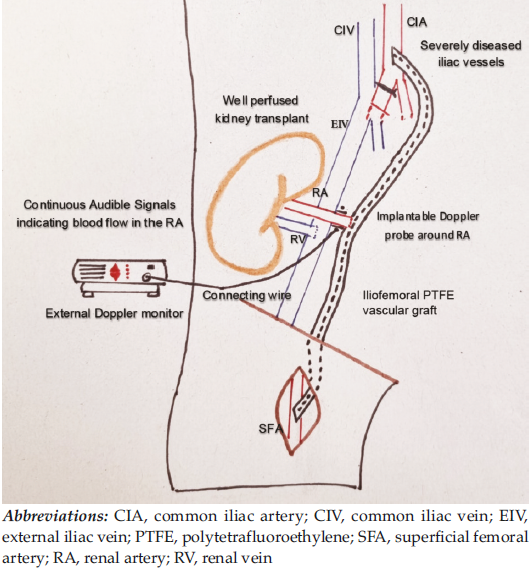
Figure 1. Compliance With Number of Ducts