Volume: 21 Issue: 5 May 2023
FULL TEXT
Objectives: The main risk factor for poor graft outcomes is refractory acute rejection and its consequences. In this study, we compared the efficacy of antithymocyte globulins versus other antirejection strategies in reversing refractory acute graft rejection after living donor renal transplant.
Materials and Methods: We retrospectively reviewed the records of 745 patients who received living-donor kidney transplants and experienced acute rejection episodes at Mansoura Urology and Nephrology Center in Egypt over the past 20 years. Based on the type of antirejection medication that they received, we divided patients into 2 groups, with 80 patients in the antithymocyte globulin group and 665 patients who had other antirejection strategies. By using event-based sequential graft biopsy histopathology analysis, we compared the efficacy of antithymocyte globulins in reversing refractory rejection in terms of graft and patient complications and survival.
Results: Patient survival was comparable in both groups; however, graft survival was better in the antithymocyte globulin group than in the other
group; in addition, event-based sequential graft biopsies revealed a lower incidence of acute and chronic rejection episodes after treatment of severe acute rejection in the antithymocyte globulin group compared with the other group. Incidence of posttreatment complications, particularly infection and malignancy, was comparable in both groups.
Conclusions: Our retrospective analysis of event-based sequential graft biopsy allowed us to track graft rejection resolution or worsening. Antithymocyte globulins are highly effective in reversing acute graft rejection when compared with other approaches, with no increased risk of infection or malignancy.
Key words : Acute rejection, Chronic rejection, Graft histopathology analysis, Long-term survival
Introduction
Despite recent advances in immunosuppressive drugs, acute rejection continues to be the most important risk factor for poor graft outcome.1,2 The Banff histopathological classification score is used to guide graft rejection treatment.3 Patients with the same histopathological score can receive different anti-rejection therapies based on their clinical presentation, with intravenous high-dose methylprednisolone being the traditional first line of management.4 Antithymocyte globulin (ATG) is a polyclonal immunoglobulin that is commonly used in steroid-resistant and high-grade acute graft rejection.5 This agent depletes lymphocytes in the peripheral blood via complement-dependent cell lysis, but antibody-mediated cytotoxicity and activation-induced cell death can also occur.6,7 In this study, we used a sequential graft biopsy to compare the efficacy of ATG versus other therapies in reversing acute rejection.
Materials and Methods
We performed a retrospective analysis of 745 recipients of living related donor kidney transplant who underwent event-based sequential graft biopsy at our transplant center due to acute graft dysfunction and were found to have acute graft rejection from March 1985 to December 2020. All recipients and donors were evaluated clinically and by standard biochemical, serologic, and radiologic methods at our center on a regular basis. Patients with histopathologically defined acute graft rejection were included in the study. Patients with mild acute rejection received a non-ATG-based protocol, whereas patients with moderate to severe acute rejection were assigned to an ATG-based protocol. Patients received an event-based sequential graft biopsy if they had a poor response to agents in reversing rejection and poor graft function in the form of persistently high serum creatinine levels.
Based on the Banff classification score, grafts underwent time sequential analysis of the event-based biopsy, with the histopathological evolution tracked according to borderline presentation, acute rejection, and chronic rejection criteria. Patients who received ATG as induction therapy, those with white blood cell counts less than 3000/liter and platelets counts less than 75 000/liter, or those who had significant liver disease as defined by aspartate aminotransferase and/or alanine aminotransferase levels greater than 3-fold the upper value of the normal range were excluded from this study. Our ethics committee approved this study.
Statistical analyses
Qualitative data are shown as number and percentage; quantitative data are presented as arithmetic mean and standard deviation. For the initial evaluation of contrast, we used bivariate techniques. Thus, for comparisons of frequencies of qualitative variables, we used the chi-square and the Fisher exact tests. For comparisons of means of 2 quantitative variables, we used the unpaired t test. P < .05 was considered significant. Kaplan-Meier survival curves were used to assess graft and patient survival rates. We analyzed study data with SPSS for Windows (version release 16).
Results
When we analyzed the demographic characteristics of patients who received ATG versus those who received antirejection therapy other than ATG (non-ATG), recipient and donor age and sex were comparable; however, donors with third-level consanguinity (uncles and aunts) were more prone to have severe acute rejection and to receive ATG (Table 1). Prior transplant blood transfusion and hypertension were significantly higher in the non-ATG group than in the ATG group (P = .021 and P = .004, respectively) (Table 2). The degree of HLA class I mismatching was in favor of the non-ATG group (P = .001), whereas HLA-DR matching differences were comparable in both groups (Table 1). The total steroid dose was significantly higher in the non-ATG group than in the ATG group (P = .008). Compared with patients who received ATG, the non-ATG group required a higher dose of maintenance immunosuppression (antiproliferative-based agents; 13.1% vs 1.2%) and cyclosporin (6.5% vs 3.8%; P = .018) (Table 2).
Patients with graft biopsy in the first rejection episode who demonstrated severe acute rejection with histopathological grades II and III were in the ATG group, and patients with mild to moderate histopathological acute rejection with grades I and II were in the non-ATG group (P < .001). When compared with the non-ATG group, the frequency of a first graft biopsy was lower in the ATG group (P < .001) compared with the frequency of a second and third biopsy and significantly higher compared with the frequency of a fourth biopsy (P = .008). Although patients who had a fourth graft biopsy were more likely to be in the ATG group, requiring sequential event-based graft biopsy, histopathology analysis of the biopsy revealed more chronic rejection in the non-ATG group (Figure 1). Clinical data showed that patients in the non-ATG group needed ATG to reverse sequential graft rejection episodes, whereas patients in the ATG group did not (Table 3).
We observed a statistical difference in the management of the first rejection episode, with 68.8% of patients in the ATG group receiving plas-mapheresis versus only 9.9% in the non-ATG group (P < .001). The third and fourth event-based biopsies were managed similarly in both groups. We observed no significant differences between the 2 groups in terms of posttransplant complications, infections, or malignancy (Table 2).
In the 6-year follow-up period, the frequency of acute rejection episodes was significantly lower in the ATG group (P = .001) and significantly higher in the non-ATG group (P = .004) (Figure 2). Graft survival was significantly higher in the ATG group during the first 10 years of follow-up (P < .001), but it later became comparable to the non-ATG group (P = .695) (Figure 3). Overall, patient survival was comparable between the 2 groups with no significant difference (P = .954) (Figure 4).
Discussion
The most common cause of poor graft survival and outcome is acute graft rejection, either borderline or subclinical.8 Acute graft rejection is typically treated with immunosuppression; the management plan is determined by the clinical presentation and the graft histopathology grading according to the Banff classification, which is a 1-time analysis.3
Intravenous high-dose methylprednisolone is one of the first lines of treatment.4 When used in induction therapy, ATG has been shown to be more effective than other immunosuppressive agents at preventing acute rejection.9 Most studies have found that ATG is more effective than other agents at preventing acute graft rejection in high-risk patients, while not increasing the risk of opportunistic infections or posttransplant lymphoproliferative disease.10 The efficacy of therapy is determined by the improvement of clinical parameters. Serum biomarkers and urine output are usually measured, whereas histopathology analysis is only performed in extreme cases.1 The only serial histopathology data available to evaluate therapy efficacy are from the protocol biopsy at 1 or 2 time points and are primarily focused on the efficacy of induction and maintenance immunosuppression rather than the antirejection therapy.11 Analyses of the event-graft biopsy and progression of graft rejection over time with different antirejection therapies are lacking in the literature.
We observed no significant differences in demographic data of the study recipients and donors in terms of age, sex, and compatibility of blood grouping in the ATG group and patients with other antirejection treatments. This observation was consistent with the findings of Theodorakis and colleagues.12 Although patients in the ATG group had a high risk of sensitization and rejection, as evidenced by a significant history of previous blood transfusion and HLA mismatch differences, this was consistent with the findings of an earlier study by Opelz and Terasaki.13 HLA matching is an important factor that has a direct effect on graft survival. Despite the highly significant differences between our groups, multivariate analyses revealed that HLA mismatch had no effect on graft survival, as also shown in other reports.14,15
Patients in the non-ATG group received significantly higher doses of steroids (>10 g) than those in the ATG group (<5 g). These findings are consistent with those of Lebranchu and colleagues.16 As expected, the incidence of posttransplant new hypertension was significantly higher in the non-ATG group than in the ATG group as a result of the higher cumulative dose of steroids. The same observation was reported by Knight and Morris who discovered that steroid withdrawal or avoidance has benefits in terms of cardiovascular risks in kidney transplant recipients.17
In contrast to Brennan and colleagues10 who linked posttransplant lymphoproliferative disorders with a maintenance immunosuppressive regimen rather than antirejection therapy, we found no significant differences in either group in our cohort.
Matas and colleagues18 reported that acute rejection episodes have a negative effect on graft survival; in our cohort, patients with acute rejection grades II and III were candidates for antirejection therapy with ATG. Given the selection bias and the fact that the ATG group contains patients with severe persistent rejection compared with the non-ATG group, the sequential event-graft biopsy analysis revealed a lower number of rejection episodes in the ATG group at 6 years follow up.
Our findings are similar to those of Theodorakis and colleagues.12 Furthermore, a sequential histo-pathological analysis of event-based graft biopsies revealed that the ATG group had a significantly lower frequency of chronic rejection episodes than the non-ATG group. Furthermore, the ATG group outperformed other therapies in terms of graft survival at 10 years, but this advantage faded at 15 years. Overall patient survival showed no significant differences between groups of patients who received ATG and those who received other therapies, similar to the observation of Brennan and colleagues10 but in contrast to report of Hardinger and colleagues.19
Conclusions
Sequential histopathology analysis of event-based graft biopsy provides a new tool for tracking and assessing immunosuppression efficacy and graft rejection progression. When compared with other approaches, ATGs are effective in reversing acute graft rejection and minimizing chronic rejection consequences in live-donor renal transplantation without increasing the risk of infection or malignancy.
References:
- Cooper JE. Evaluation and treatment of acute rejection in kidney allografts. Clin J Am Soc Nephrol. 2020;15(3):430-438. doi:10.2215/CJN.11991019
CrossRef - PubMed - McLaren AJ, Fuggle SV, Welsh KI, Gray DW, Morris PJ. Chronic allograft failure in human renal transplantation: a multivariate risk factor analysis. Ann Surg. 2000;232(1):98-103. doi:10.1097/00000658-200007000-00014
CrossRef - PubMed - Loupy A, Haas M, Solez K, et al. The Banff 2015 Kidney Meeting Report: current challenges in rejection classification and prospects for adopting molecular pathology. Am J Transplant. 2017;17(1):28-41. doi:10.1111/ajt.14107
CrossRef - PubMed - Steiner RW, Awdishu L. Steroids in kidney transplant patients. Semin Immunopathol. 2011;33(2):157-167. doi:10.1007/s00281-011-0259-7
CrossRef - PubMed - Webster AC, Wu S, Tallapragada K, Park MY, Chapman JR, Carr SJ. Polyclonal and monoclonal antibodies for treating acute rejection episodes in kidney transplant recipients. Cochrane Database Syst Rev. 2017;7(7):CD004756. doi:10.1002/14651858.CD004756.pub4
CrossRef - PubMed - Ippoliti G, Lucioni M, Leonardi G, Paulli M. Immunomodulation with rabbit anti-thymocyte globulin in solid organ transplantation. World J Transplant. 2015;5(4):261-266. doi:10.5500/wjt.v5.i4.261
CrossRef - PubMed - Thiyagarajan UM, Ponnuswamy A, Bagul A. Thymoglobulin and its use in renal transplantation: a review. Am J Nephrol. 2013;37(6):586-601. doi:10.1159/000351643
CrossRef - PubMed - Davis CL. Living kidney donors: current state of affairs. Adv Chronic Kidney Dis. 2009;16(4):242-249. doi:10.1053/j.ackd.2009.05.007
CrossRef - PubMed - Shenoy M, Roberts D, Plant ND, Lewis MA, Webb NJ. Antithymocyte treatment of steroid-resistant acute rejection in renal transplantation. Pediatr Nephrol. 2011;26(5):815-818. doi:10.1007/s00467-011-1798-9
CrossRef - PubMed - Brennan DC, Daller JA, Lake KD, Cibrik D, Del Castillo D; Thymoglobulin Induction Study Group. Rabbit antithymocyte globulin versus basiliximab in renal transplantation. N Engl J Med. 2006;355(19):1967-1977. doi:10.1056/NEJMoa060068
CrossRef - PubMed - Nankivell BJ, Chapman JR. The significance of subclinical rejection and the value of protocol biopsies. Am J Transplant. 2006;6(9):2006-2012. doi:10.1111/j.1600-6143.2006.01436.x
CrossRef - PubMed - Theodorakis J, Schneeberger H, Illner WD, Stangl M, Zanker B, Land W. Aggressive treatment of the first acute rejection episode using first-line anti-lymphocytic preparation reduces further acute rejection episodes after human kidney transplantation. Transpl Int. 1998;11 Suppl 1:S86-S89. doi:10.1007/s001470050433
CrossRef - PubMed - Opelz G, Terasaki PI. Dominant effect of transfusions on kidney graft survival. Transplantation. 1980;29(2):153-158. doi:10.1097/00007890-198002000-00013
CrossRef - PubMed - Matter YE, Nagib AM, Lotfy OE, et al. Impact of donor source on the outcome of live donor kidney transplantation: a single center experience. Nephrourol Mon. 2016;8(3):e34770. doi:10.5812/numonthly.34770
CrossRef - PubMed - Susal C, Opelz G. Current role of human leukocyte antigen matching in kidney transplantation. Curr Opin Organ Transplant. 2013;18(4):438-444. doi:10.1097/MOT.0b013e3283636ddf
CrossRef - PubMed - Lebranchu Y, Aubert P, Bayle F, et al. Could steroids be withdrawn in renal transplant patients sequentially treated with ATG, cyclosporine, and cellcept? One-year results of a double-blind, randomized, multicenter study comparing normal dose versus low-dose and withdrawal of steroids. M 55002 French Study Group. Transplant Proc. 2000;32(2):396-397. doi:10.1016/s0041-1345(99)00992-6
CrossRef - PubMed - Knight SR, Morris PJ. Steroid avoidance or withdrawal after renal transplantation increases the risk of acute rejection but decreases cardiovascular risk. A meta-analysis. Transplantation. 2010;89(1):1-14. doi:10.1097/TP.0b013e3181c518cc
CrossRef - PubMed - Matas AJ, Gillingham KJ, Payne WD, Najarian JS. The impact of an acute rejection episode on long-term renal allograft survival (t1/2). Transplantation. 1994;57(6):857-859. doi:10.1097/00007890-199403270-00015
CrossRef - PubMed - Hardinger KL, Schnitzler MA, Koch MJ, et al. Thymoglobulin induction is safe and effective in live-donor renal transplantation: a single center experience. Transplantation. 2006;81(9):1285-1289. doi:10.1097/01.tp.0000209825.91632.ea
CrossRef - PubMed

Volume : 21
Issue : 5
Pages : 428 - 433
DOI : 10.6002/ect.2023.0022
From the 1Transplantation Unit, Nephrology Department, and the 2Pathology Department, Urology and Nephrology Center, Mansoura University, Egypt; and the 3Fakeeh College for Medical Sciences, Jeddah, Saudi Arabia
Acknowledgements: The authors have not received any funding or grants in support of the presented research or for the preparation of this work and have no declarations of potential conflicts of interest. We thank our patients for their trust in our transplant center, our nurses for their tireless and long-term efforts, and our colleagues for their hard work.
Author contributions: A. Akl designed the research, wrote the manuscript, shared in data collection, and performed statistical analyses; M. Elshayeb shared in data collection; Mona Abdel Rahim performed histopathological analysis; A. Fathy Refaie and M. A. Ghoneim assisted in revising the manuscript.
Corresponding author: Ahmed Akl, Urology and Nephrology Center Mansoura, Egypt
E-mail: aiakl2001@yahoo.com
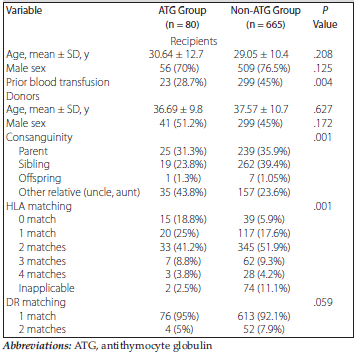
Table 1. Baseline Demographic Characteristics of Recipients and Donors
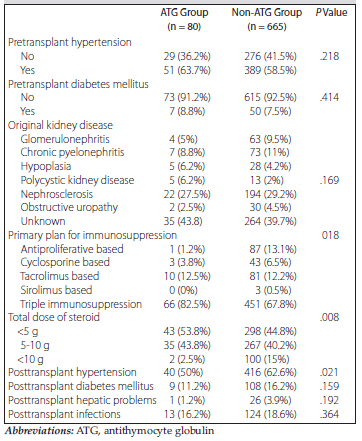
Table 2. Pretransplant, Posttransplant Conditions and Immunosuppression Protocol of Recipients
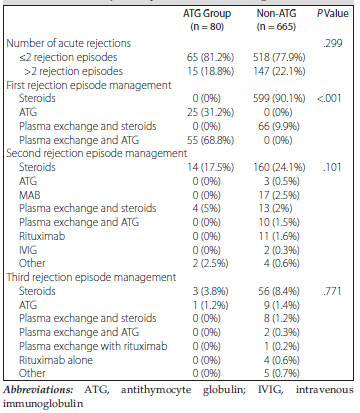
Table 3. Number of Rejection Episodes and Their Management
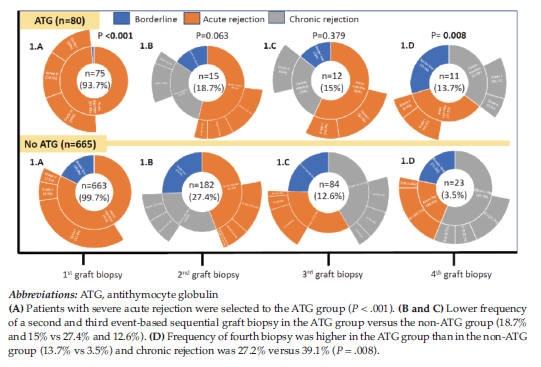
Figure 1. Event-Based Graft Biopsy Histopathology Over Time
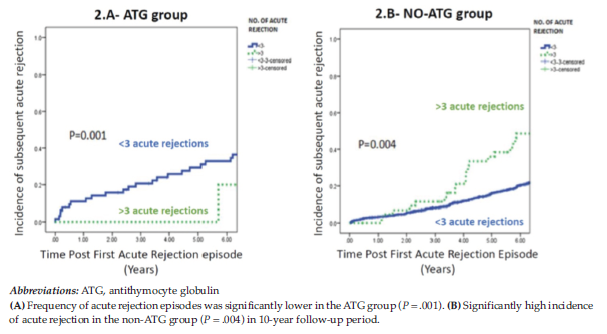
Figure 2. Frequency of Subsequent Acute Rejection Episodes in Both Study Groups
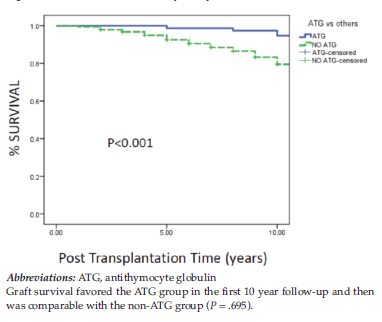
Figure 3. Graft Survival in Both Study Groups
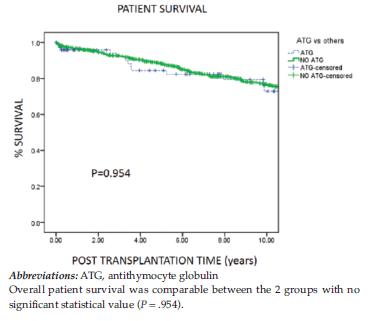
Figure 4. Patient Survival in Both Study Groups