Volume: 21 Issue: 5 May 2023
FULL TEXT
Objectives: Liver transplantation is considered the most effective treatment modality for end-stage liver failure. The first deceased donor liver transplant in Turkey was performed by Haberal and colleagues in 1988; in 2019, a total of 1776 liver transplant procedures were performed in Turkey. While these are well-known and documented facts, the scientific output of publications on liver transplantation from Turkey is unknown. This study aimed to analyze the contribution of Turkey in liver transplant global research.
Materials and Methods: Publications from Turkey on liver transplantation were analyzed using the bibliometric study method. The following research parameters were analyzed: year of publication, institutions and authors, funding, themes, sample population, and methods. We used the Scopus database to research key words containing “liver” or “hepatic” and “transplantation” in the titles, abstracts, and key words. Among duplications or multiple results, only 1 publication was included in the study. Data were analyzed by quantitative and qualitative methods.
Results: We identified 45 763 publications on liver transplant. Most of the publications were in the field of medicine (93.48%). Turkey ranked fourteenth with 843 publications. The top productive affiliation was Başkent University, and the most productive author was Prof. Haberal.
Conclusions: Among countries, Turkey had the most living donor liver transplants in 2019 and could serve as a model to European countries for donor shortages. Although the United States performs 5 times more liver transplants than Turkey, their publications rate was almost 22 times more. Combining a workload of performing research and publishing along with transplant surgery is together hard to master. Although Turkey has valuable experiences and has opened frontiers in transplantation, publications need to keep up with their hard work and innovations.
Key words : Bibliometric, Literature search, Research publications
Introduction
Organ transplant is now used to treat many chronic organ diseases. Transplantation is generally defined as removing the sick organ and replacing it with a healthy organ.1,2
The liver is a complex organ that performs many functions. Insufficiency of the liver can cause life-threatening health problems. Liver transplant is considered to be the most effective treatment modality of end-stage liver failure.3 As shown in 2017 data from the World Health Organization, there have been 35 784 liver transplants performed globally, with 1776 such transplants in Turkey as of 2019.4,5 Although unsuccessful, the very first liver transplant performed on humans dates back to 1963.6 In Turkey, the first deceased donor liver transplant was performed by Haberal and colleagues in 1988.7 So far, the scientific output of publications on liver transplantation from Turkey is unclear.
In this study, we aimed to investigate the contribution of Turkey among global research on liver transplantation.
Materials and Methods
Because this study was a literature survey, ethics committee approval was not required. Generally, in bibliometric-type studies, no ethical approval is required as there is no human or animal involvement.
Publications from Turkey on liver transplantation were analyzed using the bibliometric study method. For this analysis of liver transplant research, the following parameters were analyzed: year of publication, institutions and authors, funding, key words, citations, themes, samples, and methods.5
We used the Scopus database and English language for our bibliometric analysis. We noted articles published from other countries; however, only publications from Turkey were examined in more detail. We did not select type of document for our search.
We used the Çanakkale Onsekiz Mart University’s online library and digital resources to access the information. Our search period included publications from January 1940 to September 2021. We searched for the words “liver” OR “hepatic” and ”transplantation” in the titles, abstracts, or key words. Because Scopus is an open database and is updated daily, our search cutoff day was September 19, 2021, with the search completed on that day. Among duplications or multiple results, only 1 publication was included for the analyses. The researchers used Excel spreadsheet (Microsoft office 365) to analyze the data by quantitative and qualitative methods.
Results
During the search period from 1940 to September 2021, there were 45 763 publications on liver transplant (Figure 1).8 The publications consisted mostly of articles (n = 34 013 [74.3%]) and reviews (n = 6452 [14.1%]). Medicine was the dominating field (n = 42 783 [93.5%]), and English was the most preferred publication language (n = 42 991 [93.9%]). Other preferred languages included Spanish (n =858 [1.9%]) and German (n = 466 [1.0%]). The United States published 18 537 studies (40.5%). The 5 most productive countries on the topic of liver transplant research were, respectively, the United States, the United Kingdom, Italy, Spain, and Germany. Among more than 100 publishing countries, Turkey ranked fourteenth. Publication numbers increased over the years, especially after the 1980s. The distributions of publications by country and year are shown in Figure 1 and Table 1.
Among institutions with the most publications, most were in the United States and included the University of California, San Francisco (n = 913 [2.0%]), the Mayo Clinic (n = 847 [1.9%]), and the University of Pittsburgh (n = 828 [1.8%]). These results are shown in Figure 2.
Articles were mainly published in open access journals (n = 14 193 [31.0%]). Most articles on liver transplantation were published in the following journals: Transplantation Proceedings (n = 3346 [7.3%]), Transplantation (n = 2421 [5.3%]), and Liver Transplantation (n = 1979 [4.3%]). Most of the funding was provided by the National Institutes of Health (n = 3143 [6.9%]), the US Department of Health and Human Services (n = 2859 [6.2%]), and the National Institute of Diabetes and Digestive and Kidney Diseases (n = 1750 [3.82%]).
In the included publications, the most encoun-tered key words were “human” (n = 39 520), “liver transplantation” (n = 29 913), “article” (n = 29 083), “humans” (n = 28 177), and “male” (n = 24 910).
Contribution of Turkey in liver transplant research
In the study group, there were 843 publications (1.8% of total publications) on liver transplantation from Turkey (Figure 3).
As shown in Figure 4, the first publication was in 1986. Most of the publications were articles (n = 693 [82.2%]) and conference papers (n = 58 [6.9%]) and were particularly in the medical field (n = 816 [96.8%]). The preferred language was English (n = 811 [96.2%]). Publication numbers increased progressively over the years, especially by the 2000s. The number of publications by year is shown in Figure 4.
The top productive affiliations were Başkent University (n =263 [31.2%]) and Inönü University (n = 111 [13.2%]) (Figure 5). Prof. Mehmet Haberal from the Baskent University Faculty of Medicine was the most productive author from Turkey on the topic of liver transplant research (Figure 6). The most productive authors and coauthors are shown in Figure 7 and Figure 8.9
Among articles from Turkey, 153 (18.1%) were published in open access journals. Most publications on liver transplantation by Turkish authors were published in the following journals: Experimental and Clinical Transplantation (n = 203 [24.1%]), Transplantation Proceedings (n = 168 [19.9%]), and Pediatric Transplantation (n = 37 [4.4%]). Most of the documents did not have any funding sponsors (n = 815 [96.7%]). Among publications with funding sponsors, most were sponsored by Baskent University (n = 7 [0.8%]) and Astellas Pharma US (n = 4 [0.5%]). The top-cited documents were multinational studies (Table 2).
Discussion
Significant advances have been made in liver transplantation in the past 20 years. It has become a standard treatment of increasing importance, especially for patients with end-stage liver disease, acute liver failure, and some metabolic diseases. With the development of surgical techniques, effective use of immunosuppressive drugs, improvement of postoperative intensive care conditions, and increasing experience, survival rates after liver transplant are increasing. After the 1980s, the number of liver transplants, especially from deceased donors, has increased.10
Starzl and colleagues performed the first liver transplant in 1963, but the patient died during surgery. Four years later in 1967, Starzl and colleagues performed the first successful liver transplant.11 Critical knowledge can only be available if teams not only perform successful surgery but also publish their results. In our study, we used the bibliometric analysis method to analyze publications from Turkey on liver transplantation. Bibliometric analysis has also been used in other medical sciences. Scopus and Web of Science are frequently used for bibliometric analysis, and we used the Scopus database for our study. In these analyses, visuals can be used to clearly display results. Distribution of publications according to publication dates, affiliations, and authors can be studied. We used Dimensions Software for visualizations (displayed as figures) in our study.12-17
The number of liver transplants can vary extremely between regions. In 2018, most liver transplants were performed in the United States, in Europe, and in Western Pacific countries.18 According to the Turkish Ministry of Health website data for 2019, 46 liver transplant centers performed 1776 liver transplants, with 2260 patients on wait lists.19 Turkey has an extraordinarily high rate of living donor liver transplants. In 2018, 72.4% (n = 1150) of all liver transplants were from living donors. The number of liver transplants from living donors then increased to 1776 (80.3%) in 2019, with Turkey being the leading living donor liver transplant-performing country in the world.20 Even in 2014, Moray and colleagues stated that, based on population, Turkey was a leader in living donor liver transplant, with survival rates of 90% in the first year of transplant.7 According to Müller and colleagues, European countries should consider Turkey as a model for overcoming shortages in donations, allowing more lives to be saved.20
According to 2019 data obtained from the International Registry in Organ Donation and Transplantation, the United States performed a total of 8896 liver transplants (8372 from deceased donors, 524 from living donors) and Turkey performed 1776 liver transplants (433 from deceased donors, 1343 from living donors).21,22 The United States published 18 537 studies and had the highest rate of publications among included countries, whereas Turkey was fourteenth with 843 publications. To summarize, the United States published almost 22 times more than Turkey while performing about 5 times more transplants with a population that is nearly 4 times larger than the population in Turkey.23 These results indicate that Turkey needs to publish much more so that its scientific value is undermined. The quantitative number of publications is an indicator of scientific activity, with innovations reported also being another indicator. This numerical situation with regard to liver transplant was also reflected in our results. In our study, we found that most of the publications (40.50%) on liver transplantation were from the United States.
In 1979, efforts from Prof. Haberal and his teams led to the enaction of a law on organ harvesting, storage, grafting, and transplantation of organs and tissues.24 In Turkey and in other countries, trans-plantation can be affected by religion. In 1980, efforts from Haberal and his teams led to the declaration of the Religious Affair Supreme Council, which has had worldwide importance for people who practice Islam, stating that the Quran had no restrictions on organ transplantation.7,25
Turkey has played a leading role in the geographic region by performing the first segmental liver transplant in Turkey and the region in 1990.24 The Middle East Dialysis and Organ Foundation was established in 1984, which evolved to the Middle East Society for Organ Transplantation (MESOT), a significant step in the region for organ transplantation and an affiliate member of The Transplant Society. Despite international conflicts in the Middle East, MESOT has continued to function and has organized international congresses.7 The MESOT member nations have tackled many problems related to transplantation in countries with similar sociocultural characteristics.25 In 2014, Baskent University took part in establishing liver transplantation in Kazakhstan. Also in 2014, Prof. Haberal founded the Turkic World Transplantation Society (TDTD) and actively encouraged low- and middle-income countries to start kidney and liver transplant programs. Baskent University has also had a leading role in education and research of local health professionals by accepting large numbers of fellows from each country.26
Although the first successful human liver transplant was performed in the United States (in 1967),27 Turkey had its first success 21 years later in 1988.28 The first adult segmental living-related liver transplant in the world was performed by Prof. Haberal in April 1990; the first combined living-related liver-kidney transplant in the world was also performed by Prof. Haberal in May 1992.28 The application of diverse venous drainage recon-struction models by Dr. Tokat made it possible to use risky living liver donors. Dr. Yılmaz has contributed to the extension of the donor pool by using marginal donors.29 Thanks to their experiences, Prof. Haberal and his team also developed a novel biliary reconstruction technique in 2004.30 This team also developed an arterial anastomosis technique, which reduces vascular complications.24 The Başkent University preservation solution, compared with the University of Wisconsin and the HTK perfusion solutions, is a promising substitute from Turkey.31
The Turkish Ministry of Health initiated a national organ sharing program in 1989, and National Coordination Centers for allocation of deceased donor organs were established in 2001. According to the latest data, there are more than 45 liver transplant centers in Turkey. However, only about one-fourth of these centers can perform more than 20 liver transplants per year.10
In a PubMed search made in 2013 with the key words “liver transplantation” and “Turkey,” among 613 publications, 24 of 30 centers (80%) published 88% (537 publications) of 611 studies on liver transplantation. Although private hospitals perfor-med 50% of the transplants, only 6 of these private hospitals had publications.7
Organ and tissue transplantation, and especially liver transplantation, is a time-consuming treatment. The surgical time for liver transplant can vary from 3 to 12 hours depending on the type of preferred surgery and the experience of the surgeon.32,33 Transplantation does not only include the actual surgical procedure but also includes preoperative preparation and postoperative management, which are also both time-consuming but vital parts of the procedure. Combining a workload of performing research and publishing along with transplant surgery is together hard to master.
Limitations of the study
The study is a database search. However, because new articles are published daily, the obtained data may only reflect the information available on the day of analysis.
References:
- Kaçmaz N, Barlas GU. The psychosocial status of liver transplant patients and their relatives regarding the procedure’s effects on their quality of life. J Psychiatric Nurs. 2014;5(1):1-8. doi:10.5505/phd.2014.98598
CrossRef - PubMed - Taskiran E, Akar H, Yildirim M, Oytun Erbaş. [Liver transplantation: indications, contraindications, rejection and long-term follow-up]. İstanbul Bilim Üniversitesi Florence Nightingale Transplantasyon Dergisi. 2016;1(2):59-66. doi:10.5606/fng.transplantasyon.2016.011
CrossRef - PubMed - Emre ŞH, Umman V. Erişkin ve çocuklarda karaciğer transplantasyonu. In: Karaciğer, safra Yolları ve Pankreas Cerrahisi. Ankara, Turkey: Dünya Tıp Kitabevi; 2019:185-202.
CrossRef - PubMed - Global Observatory on Donation and Transplantation. International Report on Organ Donation and Transplantation Activities Executive Summary 2019. Accessed September 19, 2021. http://www.transplant-observatory.org/wp-content/uploads/2021/06/GODT2019-data_web_updated-June-2021.pdf
CrossRef - PubMed - Sayılarla TTDIs. 2019. Accessed September 19, 2021. https://testorgan.saglik.gov.tr/ContentView.aspx?q=1
CrossRef - PubMed - Starzl TE, Marchioro TL, Vonkaulla KN, Hermann G, Brittain RS, Waddell WR. Homotransplantation of the liver in humans. Surg Gynecol Obstet. 1963;117:659-676.
CrossRef - PubMed - Moray G, Arslan G, Haberal M. The history of liver transplantation in Turkey. Exp Clin Transplant. 2014;12(suppl 1):20-23. doi:10.6002/ect.25liver.l18
CrossRef - PubMed - Burns EL, Schenken JR. Spontaneous primary hepatomas in mice of strain C3H a study of incidence, sex distribution and morbid anatomy. Am J Cancer. 1940;39(1):25-35.
CrossRef - PubMed - Digital Science. Dimensions co-authorship analysis. 2021. https://app.dimensions.ai/analytics/publication/author/vosviewer?search_mode=content&search_
CrossRef - PubMed - Akarsu M. Liver transplantation in Turkey: The importance of experience. Turk J Gastroenterol. 2018;29(6):629-630. doi:10.5152/tjg.2018.81018
CrossRef - PubMed - Meirelles Júnior RF, Salvalaggio P, de Rezende MB, et al. Liver transplantation: history, outcomes and perspectives. Einstein (Sao Paulo). 2015;13(1):149-152. doi:10.1590/s1679-45082015rw3164
CrossRef - PubMed - Erdoğan DG. Research trends in studies on lifelong learning: a bibliometric analysis with visual mapping technique (2016-2020). Sakarya Univ J Educ. 2020;10(3):643-666.
CrossRef - PubMed - Özlü C. Bibliometric evaluation based on Scopus database: a global analysis of publications on myelodysplastic syndrome and evaluation of publications from Turkey. J Biotechnol Strategic Health Res. 2021;5(2):125-131.
CrossRef - PubMed - Iftikhar PM, Ali F, Faisaluddin M, Khayyat A, De Gouvia De Sa M, Rao T. A bibliometric analysis of the top 30 most-cited articles in gestational diabetes mellitus literature (1946-2019). Cureus. 2019;11(2):e4131. doi:10.7759/cureus.4131
CrossRef - PubMed - Öntürk H, Dindar Demiray E, Alkan S. Network analysis of nursing publications in the COVID 19 era. J Clin Med Kaz. 2021;18(4):27-31. doi:10.23950/jcmk/11037
CrossRef - PubMed - Alkan S, Demiray EKD, Yıldız E, Özlü C. Analysis of scientific publications on Acinetobacter bacteremia in Web of Science. Infect Dis Clin Microbiol. 2021;1:39-44.
CrossRef - PubMed - Scopus. Accessed September 13, 2021. https://en.wikipedia.org/wiki/Scopus
CrossRef - PubMed - Statistica. Estimated number of worldwide liver transplants in 2018, by region. Accessed September 15, 2021. https://www.statista.com/statistics/398685/liver-transplants-by-world-region/
CrossRef - PubMed - Başara BB, Çağkar İS, Aygün A, Özdemir TA, Kulali B, Uzun SB, Kayıç BB, Yentürk GK, Pekeriçli A, Kara S. T.C. Sağl ık Bakanlığı Sağlık İstatistikleri Yıllığı. Türkiye Cumhuriyeti Sağlık Bakanlı ğı Sağlık Bilgi Sistemleri Genel Müdürlüğü; 2021:267. Accessed October 22, 2021. https://dosyasb.saglik.gov.tr/Eklenti/40564,saglik-istatistikleri-yilligi-2019pdf.pdf?0
CrossRef - PubMed - Müller PC, Kabacam G, Vibert E, Germani G, Petrowsky H. Current status of liver transplantation in Europe. Int J Surg. 2020;82s:22-29. doi:10.1016/j.ijsu.2020.05.062
CrossRef - PubMed - International Registry in Organ Donation and Transplantation. IRODaT Database USA. Accessed October 23, 2021. https://www.irodat.org/?p=database&c=US#data
CrossRef - PubMed - International Registry in Organ Donation and Transplantation. Database. Accessed October 23, 2021. https://www.irodat.org/?p=database&c=TR#data
CrossRef - PubMed - The World Bank. Population, total - United States, Turkey. Accessed October 23, 2021. https://data.worldbank.org/indicator/SP.POP.TOTL?end=2019&locations=US-TR&name_desc=false&start=1960&view=chart
CrossRef - PubMed - Haberal M, Moray G, Karakay Ali H, Bilgin N. Transplantation legislation and practice in Turkey: a brief history. Transplant Proc. 1998;30(7):3644-3646. doi:10.1016/s0041-1345(98)01173-7
CrossRef - PubMed - Karakayali H, Haberal M. The history and activities of transplantation in Turkey. Transplant Proc. 2005;37(7):2905-2908. doi:10.1016/j.transproceed.2005.07.025
CrossRef - PubMed - Moray G, Torgay A, Haberal M. Baskent University organ transplantation activities in Mid Asia. Exp Clin Transplant. 2018;16(4):363-366. doi:10.6002/ect.2018.000e
CrossRef - PubMed - Zarrinpar A, Busuttil RW. Liver transplantation: past, present and future. Nat Rev Gastroenterol Hepatol. 2013;10(7):434-440. doi:10.1038/nrgastro.2013.88
CrossRef - PubMed - Masri M, Haberal M. Solid-organ transplant activity in MESOT countries. Exp Clin Transplant. 2013;11(2):93-98. doi:10.6002/ect.2013.ecte3
CrossRef - PubMed - Akbulut S, Yilmaz S. Liver transplantation in Turkey: historical review and future perspectives. Transplant Rev (Orlando). 2015;29(3):161-167. doi:10.1016/j.trre.2014.12.002
CrossRef - PubMed - Haberal M. Liver transplantation: experience at our center. Transplant Proc. 2006;38(7):2111-2116. doi:10.1016/j.transproceed.2006.06.035
CrossRef - PubMed - Haberal M, Kirnap M, Erdem SR, Ozdemir BH, Lux KM, Bacanli D. Evaluation of new Baskent University preservation solution for kidney graft during cold ischemia: preliminary experimental animal study. Exp Clin Transplant. 2019;17(3):287-297. doi:10.6002/ect.bups2019
CrossRef - PubMed - Grat M, Kornasiewicz O, Lewandowski Z, et al. The impact of surgical technique on the results of liver transplantation in patients with hepatocellular carcinoma. Ann Transplant. 2013;18:448-459. doi:10.12659/AOT.884005
CrossRef - PubMed - Addeo P, Schaaf C, Noblet V, et al. The learning curve for piggyback liver transplantation: identifying factors challenging surgery. Surgery. 2021;169(4):974-982. doi:10.1016/j.surg.2020.09.036
CrossRef - PubMed

Volume : 21
Issue : 5
Pages : 415 - 421
DOI : 10.6002/ect.2021.0491
From the 1Department of General Surgery and the 2Department of Infectious Disease, Faculty of Medicine, Çanakkale Onsekiz Mart University, Çanakkale, Turkey
Acknowledgements: The authors have not received any funding or grants in support of the presented research or for the preparation of this work and have no declarations of potential conflicts of interest.
Corresponding author: Oruç Numan Gökçe, Department of General Surgery, Faculty of Medicine, Çanakkale Onsekiz Mart University, Çanakkale, Turkey
Phone: +90 5322240560
E-mail: orucnumangokce@comu.edu.tr
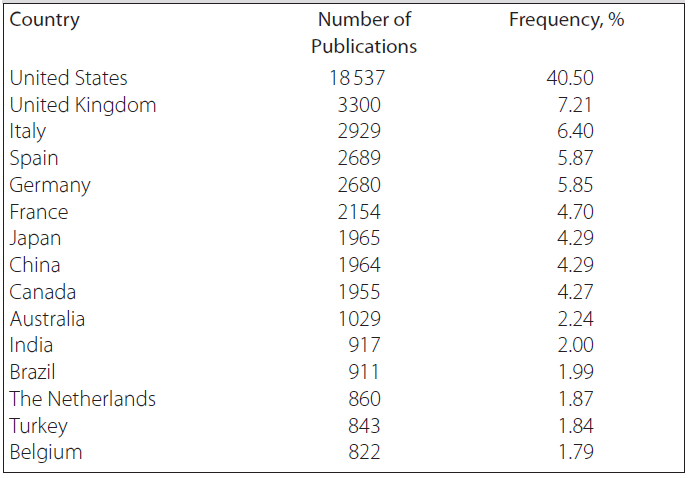
Table 1. Ranking of Top 15 Publishing Countries by Number of Publications(N = 45 763)
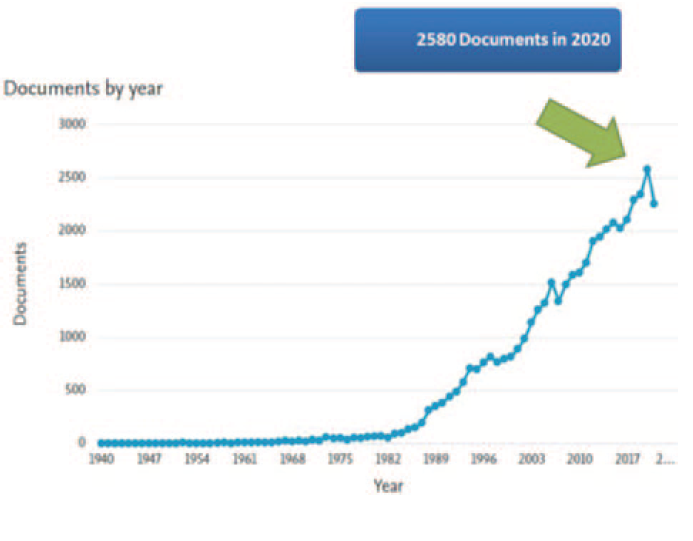
Figure 1. Search Results of Published Liver Transplant Studies by Year
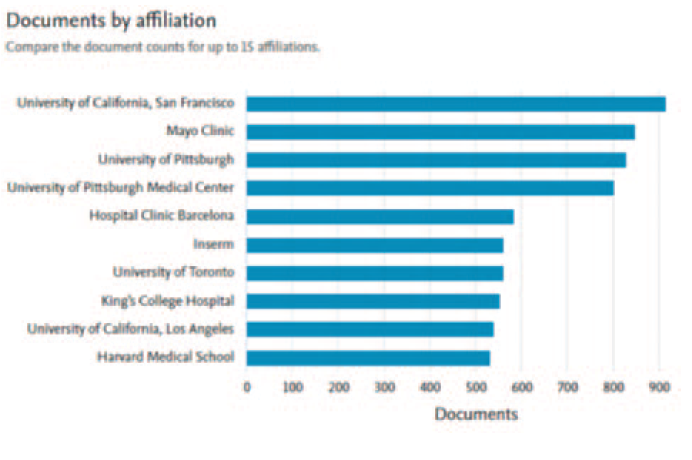
Figure 2. Institutions With the Most Publications on Liver Transplantation
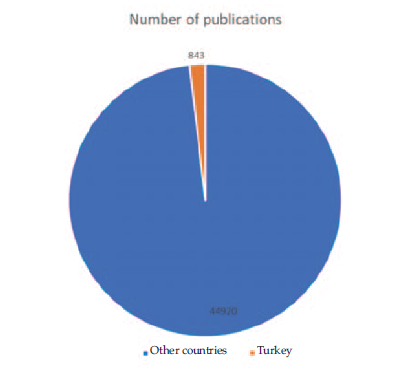
Figure 3. Number of Publications in Other Countries Versus Turkey
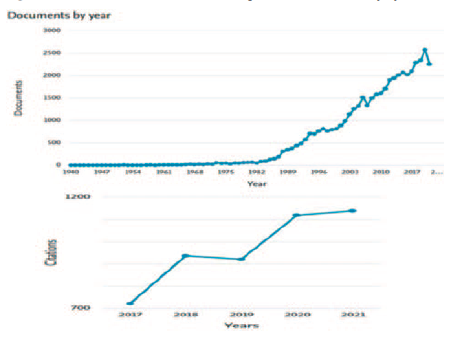
Figure 4. Published Studies on Liver Transplantation From Turkey by Year
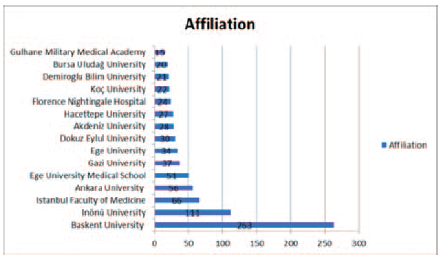
Figure 5. List of Affiliations in Turkey That Published Liver Transplant Studies
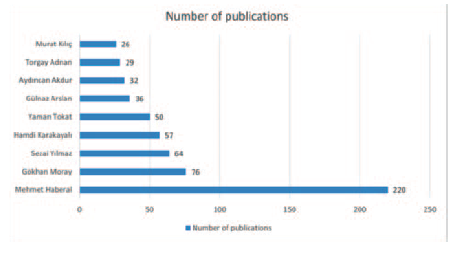
Figure 6. Top Authors From Baskent University (Turkey) With Publicationson Liver Transplantation
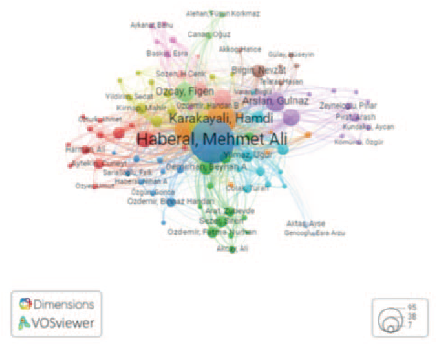
Figure 7. Most Productive Authors From Turkey
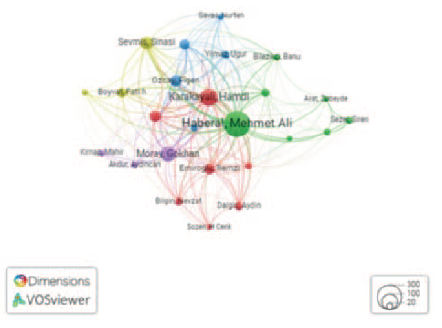
Figure 8. Most Productive Coauthors From Turkey
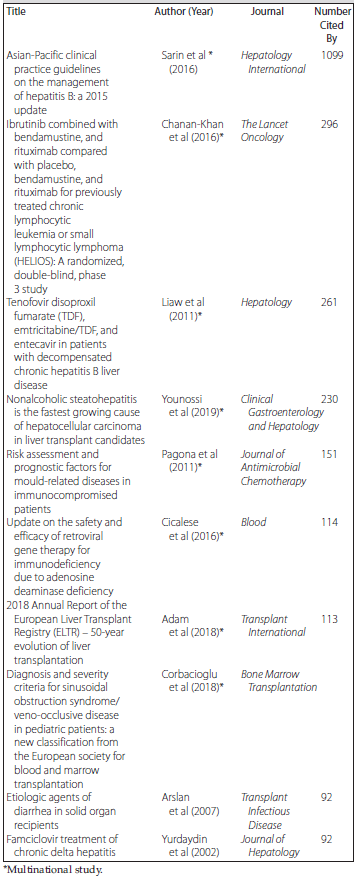
Table 2. Analysis of Top-Cited 10 Documents From Turkey